
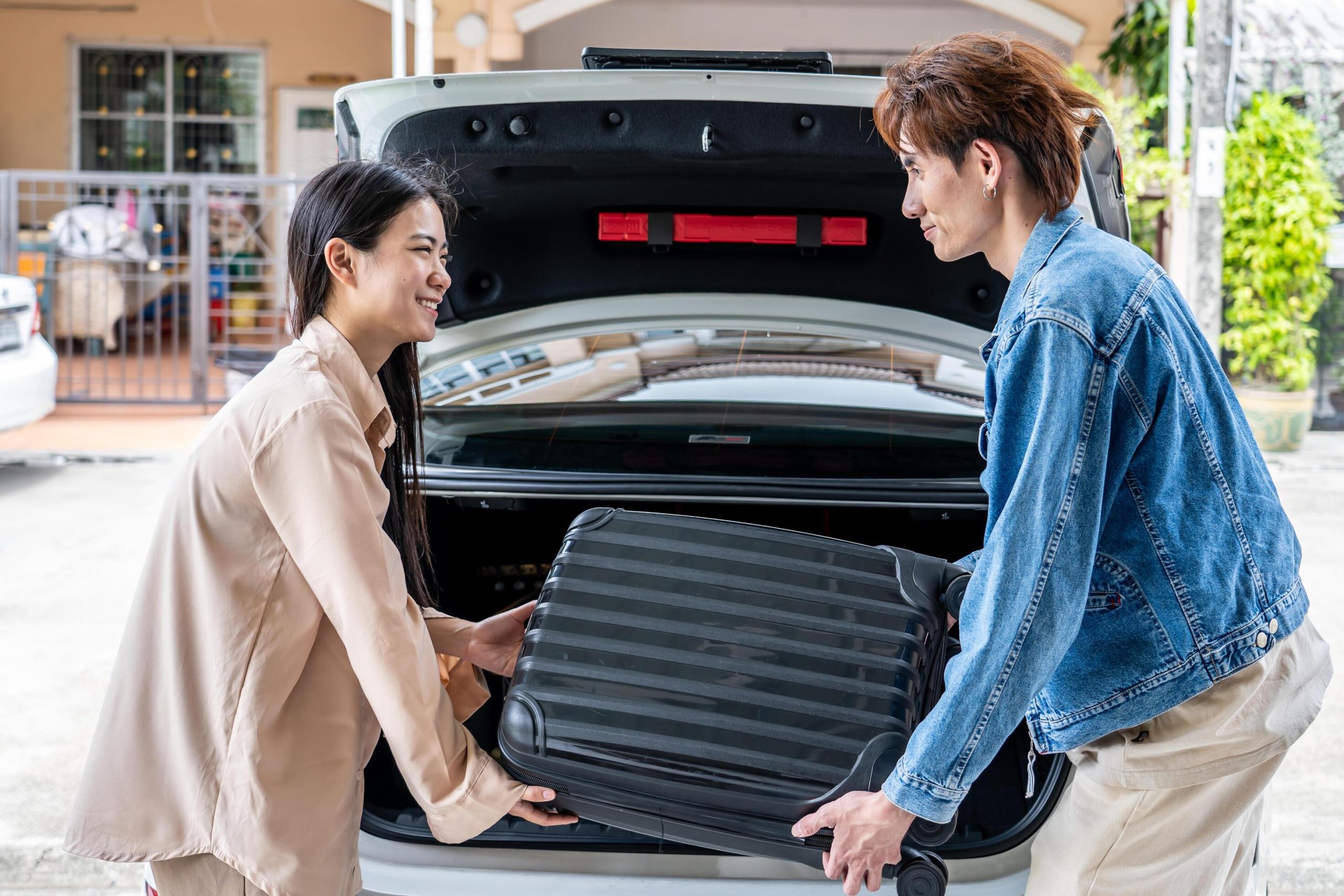
Packing a car for a road trip seems simple until luggage, coolers, camping equipment, and passengers compete for the same limited space. Many drivers focus on fitting everything inside without considering how the extra weight affects handling, braking, visibility, and passenger safety.
Poorly secured belongings can also become dangerous during sudden stops or collisions. The National Highway Traffic Safety Administration reports that unsecured loads contribute to approximately 850 deaths and nearly 19,000 injuries annually in crashes involving objects on the road.
Avoiding a few common packing mistakes can make your next American road trip safer and more comfortable.
1. Ignoring the Vehicle’s Maximum Payload Capacity
One of the biggest mistakes drivers make before a road trip is assuming that an empty-looking vehicle has plenty of room for additional weight. Cargo space and payload capacity are not the same thing.
A large SUV may have enough room for several suitcases, coolers, and camping supplies, but that does not mean it can safely carry all of them along with a full group of passengers.
Payload refers to the combined weight of occupants and cargo that a vehicle is designed to carry. The easiest way to find your vehicle’s limit is to check the Tire and Loading Information label, usually located on the driver’s door or door pillar.
It states the maximum combined weight of occupants and cargo. The figure is specific to your vehicle, so do not rely on a generic capacity listed for another version of the same model.
For example, imagine a vehicle whose label allows 1,000 pounds of combined occupants and cargo. If the driver and passengers weigh 650 pounds together, only 350 pounds remain for luggage, groceries, coolers, and other belongings. This is a simple illustration, not a recommendation for every vehicle.

Exceeding the permitted capacity can place additional stress on tires, suspension components, and brakes. It may also affect steering and handling, particularly during emergency maneuvers. Before packing, estimate the weight of passengers and belongings rather than judging the load by appearance.
If everything does not fit within the vehicle’s limits, remove unnecessary items or use a properly rated trailer where appropriate. Never assume that filling every available inch of storage space is safe. A successful road trip begins with respecting the manufacturer’s weight limits.
2. Placing Heavy Suitcases on Top of Lighter Items
It is tempting to load the car quickly by placing the biggest suitcase wherever it fits. However, stacking heavy luggage on top of lightweight bags can create an unstable cargo arrangement.
During a sudden stop, sharp turn, or collision, unsecured belongings can move forward or sideways and strike passengers. Even items that appear firmly wedged between other bags may shift when the vehicle changes direction.
A safer approach is to place heavier suitcases and equipment low in the cargo area, close to the rear seatbacks. Lighter bags, clothing, and soft items can then fill the remaining spaces. This helps keep the vehicle’s center of gravity lower and makes it easier to distribute the load.
Travelers Insurance recommends placing heavier luggage toward the center and distributing weight evenly rather than creating an unbalanced pile.
Heavy items also need to be properly secured rather than simply placed next to each other in the cargo area. Use the vehicle’s built-in hooks, designated tie-down points, or appropriate restraints to keep everything in place. Even a sturdy suitcase can pose a serious hazard if it slides forward during sudden braking.
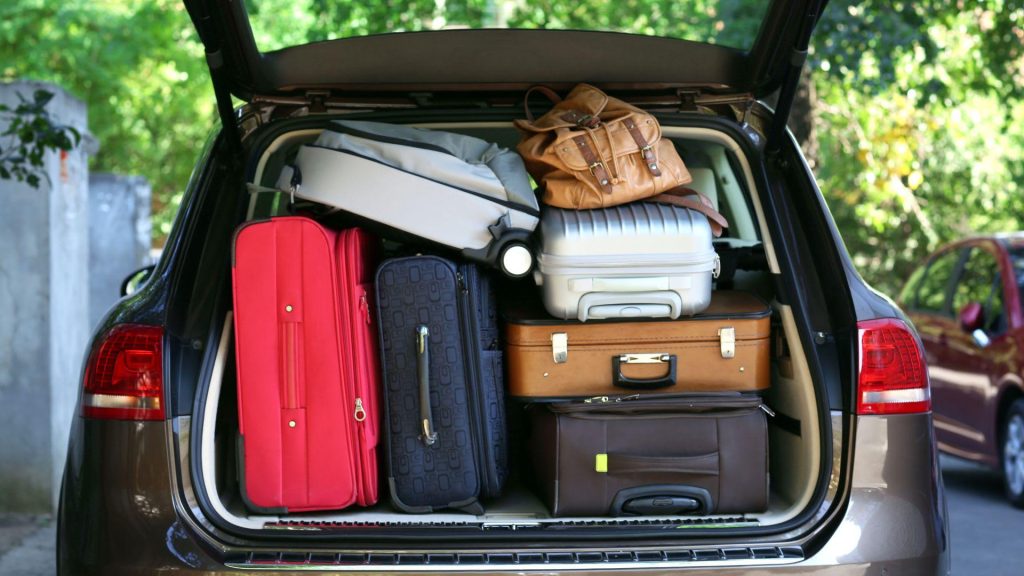
Avoid placing heavy equipment on top of seatbacks or high shelves. NHTSA specifically advises drivers not to stack heavy objects above the tops of vehicle seats. It also recommends placing cargo as far forward as possible in the cargo area and spreading weight evenly.
Before leaving, gently push each large item to check whether it moves. Reorganize anything that can slide, tip, or fall. A few extra minutes spent arranging luggage properly can make the passenger compartment considerably safer during a long journey.
3. Blocking the Rear Window With Excessive Luggage
Fitting every suitcase into the cargo area may seem like an achievement, but stacking luggage above the rear seatbacks can create a serious visibility problem.
Drivers rely on their rearview mirror to monitor traffic, judge distances, and notice vehicles approaching from behind. When bags, boxes, or camping equipment block the rear window, those routine checks become much harder.
The problem is not limited to visibility. A tall pile of luggage can also shift forward during sudden braking. If the objects are heavy or poorly secured, they may strike the rear seats or passengers.
NHTSA specifically warns against stacking heavy objects above the tops of vehicle seats and recommends securing loose belongings inside the vehicle.
Start by arranging the cargo so that the rear window remains as clear as possible. Place large suitcases low, use the cargo area’s built-in storage compartments, and move unnecessary items to another vehicle or suitable trailer if space is limited. A cargo cover can help keep belongings out of sight, but it does not make an unstable or excessively high load safe.
Some SUVs and hatchbacks have adjustable rear cargo barriers or luggage nets. These can help separate the passenger compartment from the cargo area when installed and used according to the manufacturer’s instructions. They should not be treated as permission to overload the vehicle or stack heavy objects above the approved barrier height.
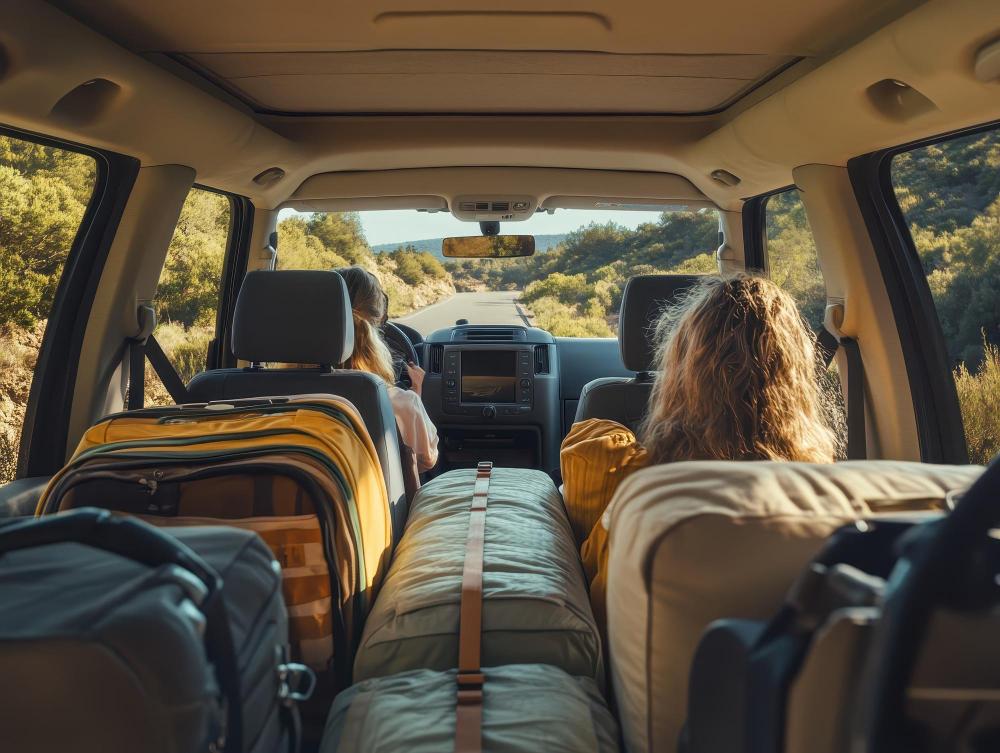
Before setting off, sit in the driver’s seat and check your visibility through the rearview mirror and side mirrors. Adjust the mirrors properly and confirm that essential views are not obstructed. If the rear window is blocked, reorganize the luggage rather than relying entirely on side mirrors or a backup camera.
A properly packed vehicle should carry everything securely while allowing the driver to observe surrounding traffic. More luggage is not worth sacrificing visibility.
4. Forgetting to Secure Loose Items Inside the Cabin
The trunk is not the only place where luggage can become dangerous. Many drivers leave water bottles, handbags, tablets, charging accessories, shoes, and small shopping bags scattered around the passenger compartment.
These objects may appear harmless while the vehicle is parked, but they can move rapidly when the driver brakes suddenly or swerves to avoid another vehicle.
The National Highway Traffic Safety Administration warns that unsecured objects can injure occupants during sudden stops, turns, or crashes. Its guidance recommends securing loose belongings and placing cargo in the designated storage area rather than leaving it scattered around the cabin.
Consider what happens to a metal water bottle sitting on the rear floor. During emergency braking, it can slide toward the front seats. A tablet placed on an unsecured seat may become a flying object, potentially striking a passenger. Even smaller items can cause trouble if they roll beneath the driver’s pedals and interfere with braking or acceleration.
Keep the passenger area as clear as possible. Store bags in the trunk, use closed storage compartments for smaller belongings, and secure items in manufacturer-provided holders. A cargo organizer can help prevent groceries and travel accessories from sliding around, but it should itself be properly secured.
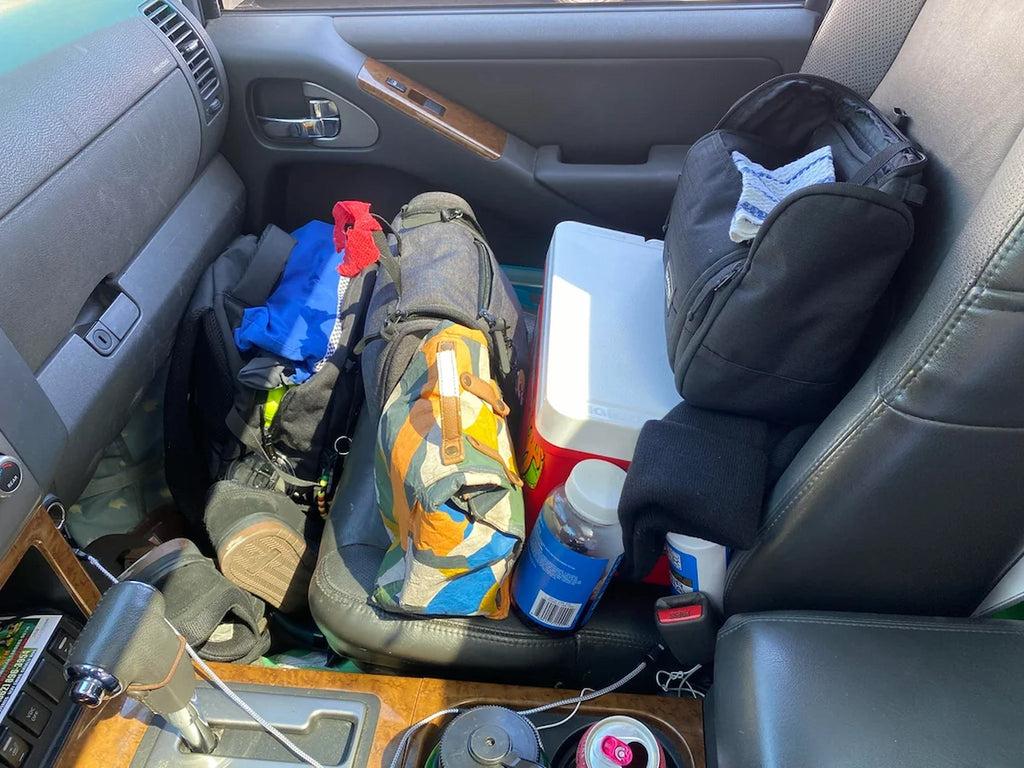
Never place heavy objects on the dashboard, parcel shelf, or an occupied passenger’s lap. Make sure nothing interferes with seat-belt buckles or the deployment areas of airbags. If passengers need snacks, electronics, or other essentials during the journey, organize them in accessible compartments before driving.
Take a final look around the cabin before starting the engine. Check the footwells, seats, center console, and dashboard for anything that could move. A tidy interior is not just about appearance. It is an important part of preparing a vehicle for safe travel.
5. Loading Everything on the Roof Without Checking the Weight Limit
A roof rack can provide valuable extra storage, especially when the passenger cabin and trunk are already full. However, one common mistake is treating the roof as unlimited extra cargo space.
Every vehicle has a maximum roof-load rating, and the rack or cargo carrier has its own capacity. Exceeding either limit can create safety problems, even if the equipment appears securely attached.
Before loading anything, check the owner’s manual for the vehicle’s permitted roof load. Then verify the weight rating of the crossbars, roof rack, and cargo carrier. The lowest applicable limit is the one you must respect.
Remember that the weight of the rack and carrier themselves may count toward the vehicle’s roof-load allowance. Also, adding equipment to the roof does not increase the vehicle’s total payload capacity.
Weight distribution matters just as much as the total. Place luggage evenly across the rack and secure it using suitable straps or the carrier’s approved locking system.
Heavy items should not be concentrated on one side or positioned where they can shift during cornering. Use a weather-resistant cargo box for suitable luggage rather than leaving loose bags exposed to wind and rain.

A roof load also changes the vehicle’s behavior. Additional weight higher above the road raises the center of gravity, while the rack and cargo can increase aerodynamic drag. You may notice more wind noise and reduced fuel economy. Some vehicles also have specific speed restrictions when carrying roof cargo, so check the manufacturer’s instructions.
Finally, measure the vehicle’s new height, including the loaded rack. This is particularly important when entering parking garages, drive-throughs, or areas with low clearance. A roof rack is useful when properly loaded, but it should never become an excuse to carry more weight than the vehicle is designed to handle.
6. Leaving Heavy Objects Unsecured Behind the Rear Seats
Many drivers assume that placing heavy luggage behind the rear seats is enough to keep it in place. Unfortunately, the seatback is not necessarily designed to restrain every type of cargo during a serious collision. A heavy cooler, toolbox, or suitcase can move forward if it is not properly secured, potentially injuring passengers.
NHTSA recommends securing cargo with appropriate restraints and avoiding heavy objects stacked above seatback height. Its load-safety guidance also highlights the danger of unsecured objects becoming hazards during a crash.
The agency estimates that about 850 people are killed and nearly 19,000 injured each year in crashes involving objects on the road.
Use the cargo area’s designated tie-down points, hooks, or manufacturer-approved restraint systems. Choose straps with a suitable working-load rating for the object being secured.
Attach them to proper anchor points rather than plastic trim, seat handles, or components that are not designed to hold cargo. If your vehicle offers a cargo barrier, check that it is approved for the vehicle and installed correctly.
Pay special attention to heavy items that could roll or tip. A cooler should be closed and restrained, while toolboxes and hard-sided cases should be positioned low and secured against movement. Do not assume that friction between a bag and the carpet will hold it in place during sudden braking.
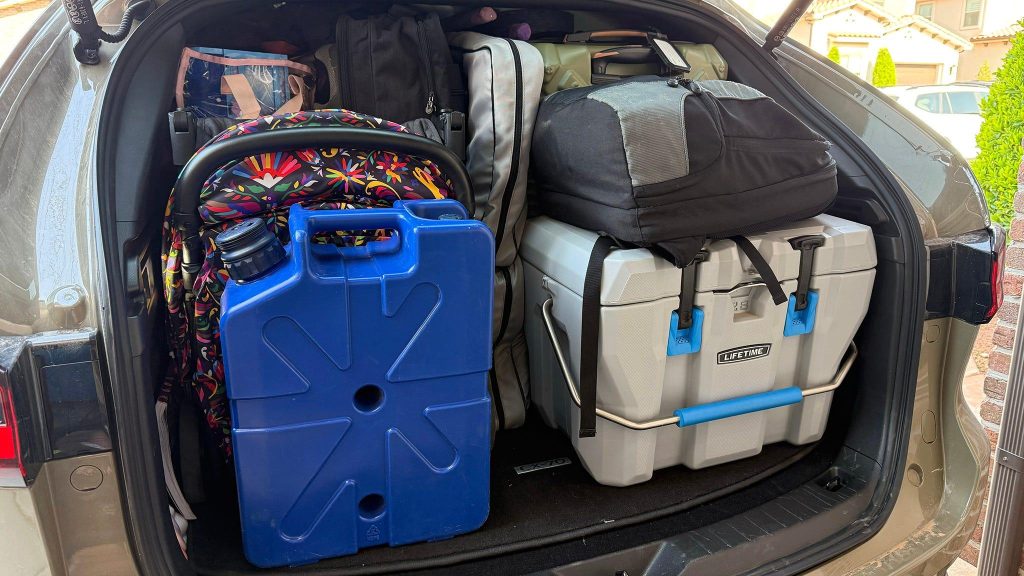
If the rear seats are folded down, the cargo area becomes larger, but the risk of objects entering the front passenger space also increases. Secure the load using suitable anchor points and make sure nothing can interfere with the driver or passengers.
Before leaving, push each heavy item firmly to test whether it moves. If it shifts, tighten or reposition the restraints. A few properly fitted straps are far more reliable than relying on the weight of the luggage itself.
7. Forgetting to Secure Pets Properly
Taking a dog or another pet on a road trip is common, but allowing an animal to move freely around the cabin is a mistake. A pet can distract the driver by climbing between seats, reaching the dashboard, or moving toward an open window. During sudden braking or a collision, an unrestrained animal can also be thrown around the cabin and injured.
The safest arrangement depends on the animal’s size and the vehicle. Dogs can travel in a properly fitted, crash-tested harness attached according to the manufacturer’s instructions.
A suitable travel crate or carrier is another option, provided it is secured so it cannot slide or tip over. Smaller animals should remain inside an appropriate carrier rather than sitting loose on a passenger’s lap.
The American Automobile Association advises drivers to restrain pets while travelling and recommends using appropriate carriers or harnesses. The American Veterinary Medical Association also advises securing animals in vehicles to reduce injury risks and driver distractions.
Never attach a pet’s restraint to an ordinary collar. Sudden movement can place dangerous pressure on the animal’s neck. Instead, use equipment specifically designed for vehicle travel and follow the fitting instructions. A pet should never be allowed to ride in the driver’s lap or in a position where it can interfere with steering, pedals, or visibility.
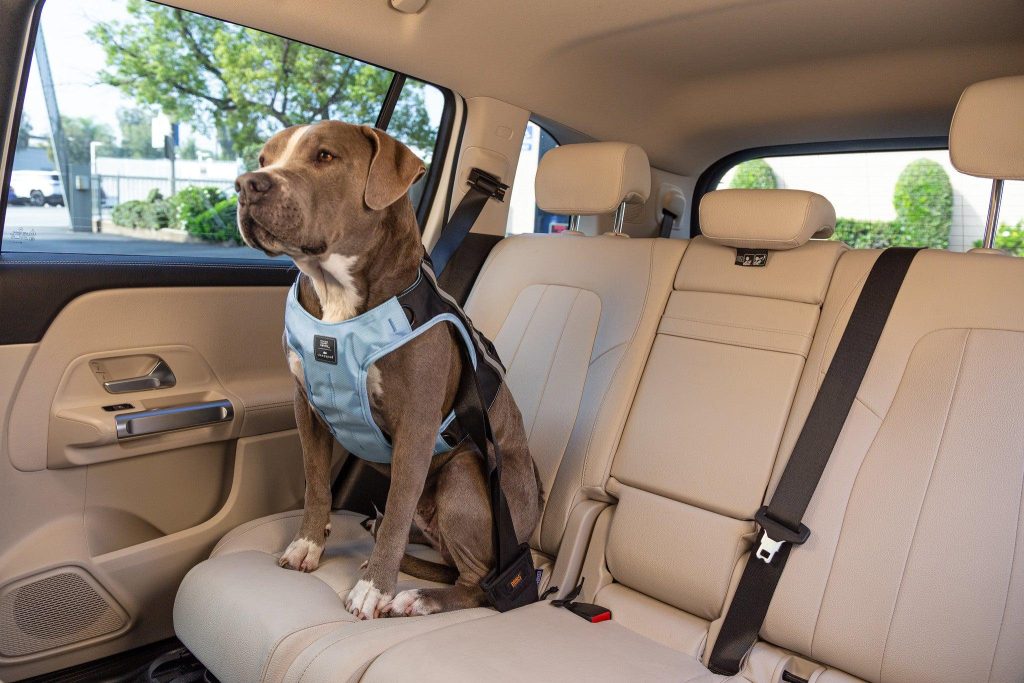
Plan regular breaks for water, bathroom needs, and movement. Never leave an animal unattended inside a parked vehicle in potentially dangerous temperatures. Even when the windows are slightly open, the cabin can heat up rapidly.
Before departure, check that the carrier or harness is secure and that the animal has enough room to sit or lie comfortably. A road trip should be comfortable for every passenger, including the four-legged ones.
8. Ignoring the Weight and Balance of a Trailer
When the trunk becomes full, some travelers move additional luggage into a trailer without checking how the extra weight is distributed. This can create serious handling problems. A trailer carrying too much weight or an incorrectly positioned load may sway, place excessive pressure on the hitch, and make the towing vehicle harder to control.
Start by checking the towing limits in your vehicle’s owner’s manual. Pay attention to the maximum trailer weight, gross combined weight rating, and tongue-weight limit. The trailer also has its own weight ratings, including its gross vehicle weight rating. The actual loaded trailer must remain within the applicable limits for the vehicle, hitch, and trailer.
Tongue weight is particularly important. It is the downward force the trailer applies to the towing vehicle through the hitch. Too little or improperly distributed tongue weight can contribute to trailer sway, while excessive tongue weight can overload the vehicle’s rear axle or reduce the available payload.
The correct range depends on the vehicle and trailer manufacturer’s specifications, so do not rely on a universal estimate.
The Wisconsin Department of Transportation advises drivers to distribute trailer weight correctly and place the majority of the load toward the front to help prevent sway and fishtailing. It also recommends checking the hitch connection, safety chains, tires, bearings, and trailer lights before departure.

Keep heavier belongings low and positioned according to the trailer manufacturer’s loading guidance. Secure every item so it cannot shift during braking or cornering. Recheck the load after the first few miles and at suitable stops, particularly if straps have loosened or cargo has settled.
Never assume that a vehicle capable of towing an empty trailer can safely tow it when fully loaded. Weigh the loaded setup when necessary and stay within every applicable rating.
9. Forgetting to Check Tire Pressure After Loading
A vehicle carrying several passengers and a full load of luggage places different demands on its tires than it does during an ordinary commute. Yet many drivers check their tire pressure weeks before a trip and forget to inspect it again before loading the car. Incorrect pressure can affect handling, tire wear, and the vehicle’s ability to carry its intended load.
Begin by locating the tire information on the driver’s door-jamb placard or in the owner’s manual. Some vehicles specify different recommended pressures for normal and heavily loaded conditions.
Follow the manufacturer’s instructions rather than automatically using the pressure printed on the tire sidewall, which generally identifies the tire’s maximum permitted pressure under specified conditions, not the vehicle’s recommended setting.
Check the tires when they are cold, ideally before driving or after the vehicle has been parked for several hours. Use a reliable pressure gauge and inspect all four tires, including the spare if one is fitted.
Do not forget the trailer tires if you are towing. A tire-pressure monitoring system can provide warnings, but it does not replace manual checks.
NHTSA recommends checking tire pressure regularly and following the vehicle manufacturer’s specifications. It also explains that underinflated tires can overheat and increase the risk of tire failure.

Inspect the sidewalls for cuts, bulges, cracks, or other damage. If the vehicle is heavily loaded, pay attention to the tire’s load rating and the vehicle’s weight limits. Correct pressure cannot make an overloaded vehicle safe.
Finally, repeat the inspection during a long journey when appropriate, especially before entering a long highway stretch. A properly loaded vehicle needs tires that are correctly inflated and in good condition to handle the additional weight.
10. Failing to Recheck the Load During the Journey
Packing the vehicle carefully at home is important, but the job does not end when the engine starts. Luggage can settle, straps can loosen, and items can shift as the vehicle travels over bumps, corners, and uneven roads.
A load that appeared secure in the driveway may not remain in exactly the same position after several hours on the highway.
This is especially important when carrying roof cargo, bulky camping equipment, or towing a trailer. Wind resistance and repeated movement can gradually loosen poorly fitted restraints. NHTSA advises drivers to double-check their cargo and make sure it cannot fall, shift, or escape from the vehicle.
Plan a short stop after the first few miles to inspect the load. Check that straps remain tight, roof-box latches are closed, trailer connections are secure, and no luggage has moved into an unsafe position. Continue checking at fuel stops and rest breaks.
If you notice a loose strap or shifting object, park somewhere safe before correcting it. Never attempt to adjust cargo while the vehicle is moving or while standing in an exposed traffic lane.

Another common mistake is removing items during the trip without reorganizing the remaining luggage. Taking out a suitcase can leave other bags free to slide around. Reposition and secure the remaining cargo before continuing.
Drivers should also pay attention to changes in handling. Unusual trailer sway, increased vibration, or a new rattling sound may indicate a problem with the load or equipment. Slow down safely and inspect the vehicle when possible.
A few minutes of checking at regular stops can prevent loose luggage from becoming a road hazard. The goal is not simply to pack everything before departure, but to keep the entire load secure from the first mile to the last.
