A long holiday drive puts more demand on a vehicle than a typical daily commute. Hours on the highway, heavy luggage, changing weather, and stop-and-go traffic can expose problems that have been easy to ignore around town.
A pre-trip inspection is the right time to address worn components, small leaks, warning lights, and overdue maintenance before they become expensive roadside interruptions.
Not every car needs the same repairs, so use your owner’s manual and a qualified technician’s advice to prioritize the work. These 11 checks focus on issues that can affect safety, reliability, and comfort during a long journey.
1. Replace Worn Tires Before They Become a Roadside Problem
Your tires are the only parts of the vehicle that maintain direct contact with the road, so their condition deserves attention before a long holiday journey.
Highway speeds, heavy luggage, rain, and sudden braking all place demands on them. A tire that has been barely acceptable for everyday commuting may become a serious concern when the car is loaded and travelling hundreds of miles.
Start by checking tread depth across the entire width of each tire. NHTSA identifies 2/32 of an inch as the minimum tread depth at which tires should be replaced. However, do not wait until they reach that limit if you regularly drive in heavy rain.
Worn tread has less ability to move water away from the contact area, increasing the risk of losing traction. Also inspect the sidewalls for cuts, cracks, bulges, and embedded objects. A bulge can indicate internal damage and should be assessed by a tire professional.
Pressure matters just as much. Check all four tires when cold, using the pressure specified on the driver’s door-jamb label or in the owner’s manual.
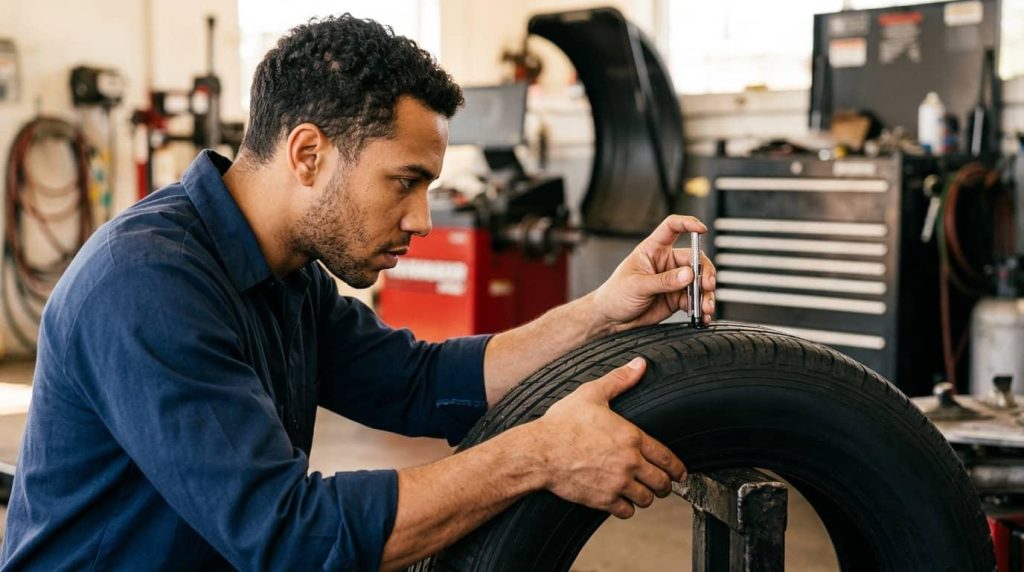
Do not use the maximum pressure printed on the tire sidewall as your target. Remember to inspect the spare, if fitted, because discovering that it is flat during an emergency defeats its purpose.
If a tire shows damage, uneven wear, or inadequate tread, have it assessed and replaced where necessary before departure. NHTSA says proper inflation can extend average tire life by as much as 4,700 miles.
2. Repair Brake Problems and Replace Worn Brake Pads
Brakes should never be left on the list of jobs to handle after a holiday trip. Long journeys can involve repeated highway slowdowns, steep downhill sections, congested city traffic, and sudden stops. If your vehicle already makes unusual noises or takes longer than normal to stop, have the braking system inspected before setting off.
Pay attention to warning signs. A high-pitched squeal can indicate worn brake pads, while grinding may suggest that friction material has worn away and metal components are contacting each other.
A steering wheel or brake pedal that vibrates during braking can point to rotor or other brake-system problems. A soft or sinking pedal, a brake warning light, or a vehicle pulling to one side also deserves prompt professional attention.
Do not assume that adding brake fluid will solve the problem, since a low level can indicate worn components or a leak.
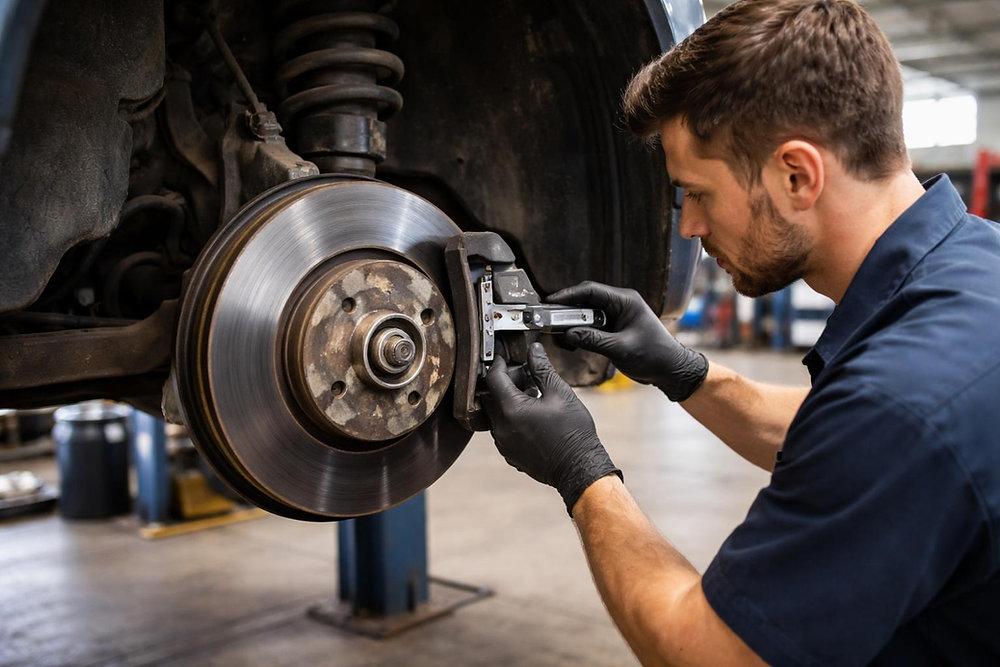
Ask a qualified technician to inspect pad thickness, rotors, calipers, brake lines, and fluid condition. If replacement is needed, use parts that meet the vehicle manufacturer’s specifications. Brake fluid should be serviced according to the maintenance schedule, not replaced simply because a trip is approaching.
AAA recommends having brakes inspected before a road trip to confirm that they are functioning properly and that pads do not need replacement. If braking performance has noticeably changed, avoid starting a long journey until the fault has been diagnosed and repaired.
3. Test the Battery and Repair Charging-System Problems
A battery can seem perfectly fine during short daily trips and still struggle when asked to start the engine after several hours parked at a holiday destination. Before travelling, have its condition tested, especially if the engine has been slow to crank, the headlights dim unexpectedly, or the battery is several years old.
A proper battery test checks more than whether the engine starts once. A technician can assess the battery’s ability to deliver starting power and inspect the charging system, including the alternator and electrical connections.
Corroded terminals, loose cables, or a charging fault can cause problems that replacing the battery alone will not fix. If the battery fails testing, replace it with one that meets the vehicle manufacturer’s specifications for size, terminal layout, and starting capacity.
Pay attention to warning lights. A battery-shaped warning light while driving can indicate a charging-system problem rather than simply an old battery.
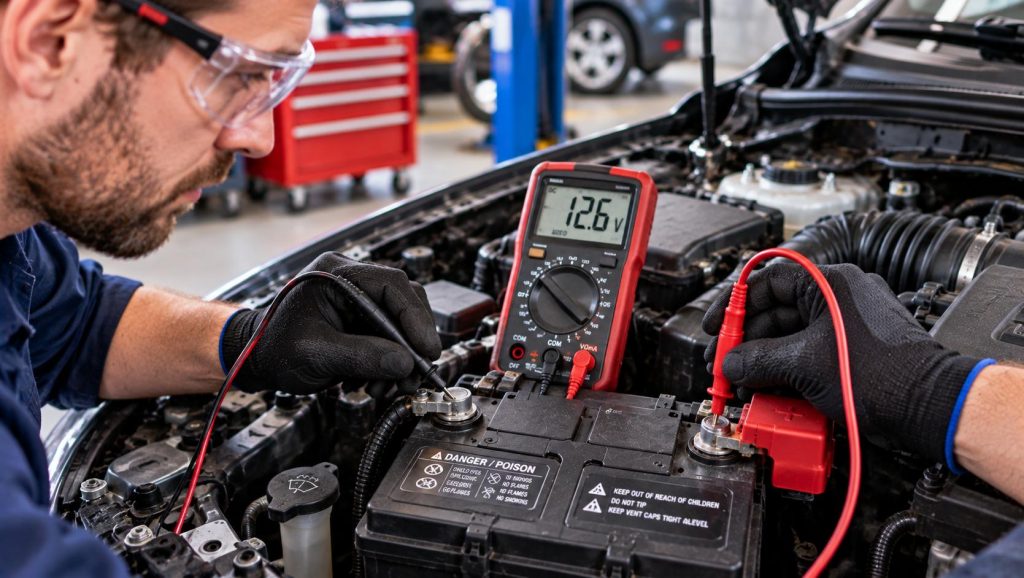
If it appears, have the vehicle diagnosed promptly instead of assuming a new battery will solve everything. Drivers of vehicles with start-stop systems should also confirm that the replacement battery is compatible with that technology.
NHTSA recommends having a mechanic check the battery and charging system before a road trip. AAA likewise advises testing battery condition and checking that the connections are clean and secure. A reliable starting system is particularly important when the car will be parked for extended periods between travel days.
4. Replace Damaged Belts and Hoses
A worn belt or deteriorating hose can turn an otherwise routine holiday drive into a breakdown. Belts operate important engine accessories, while hoses carry coolant and other fluids through the vehicle’s systems.
If either fails, the consequences can range from loss of charging or air conditioning to engine overheating, depending on the vehicle’s design.
With the engine switched off and cool, look for visible cracks, fraying, missing sections, swelling, or other damage. Hoses should not appear bulged, brittle, unusually soft, or wet around their connections.
Check for dried coolant residue near clamps and fittings, which can indicate a leak. Do not put your hands near moving belts when the engine is running.
Not every modern belt shows obvious cracks before it wears out. Some use materials that can look acceptable even when replacement is approaching. That is why the maintenance schedule and a technician’s inspection matter more than appearance alone.
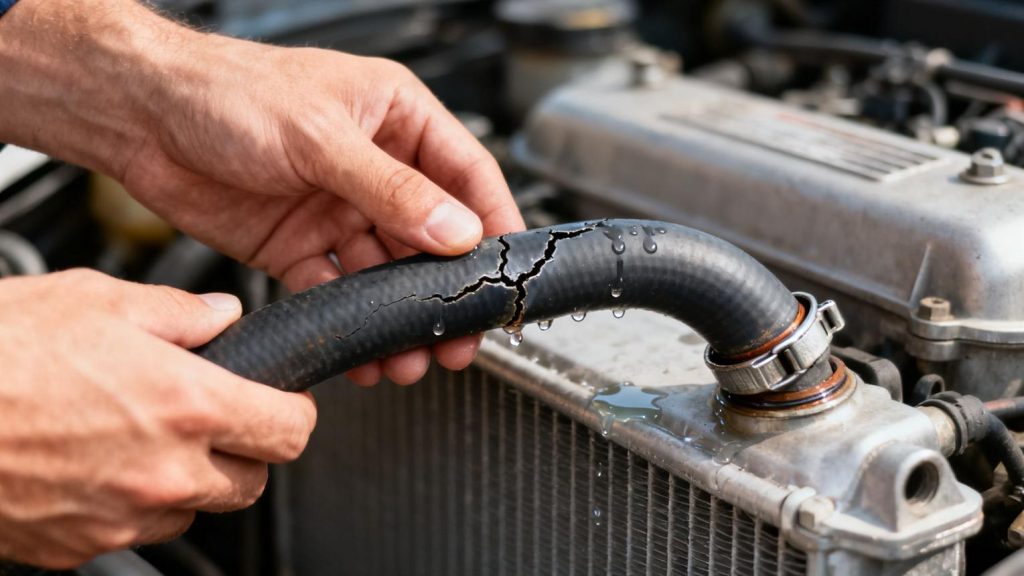
If a belt is due for replacement before or during the planned journey, arrange the service before departure. The same applies to hoses showing signs of deterioration or leakage.
NHTSA specifically recommends checking belts and hoses for bulges, blisters, cracks, and cuts and replacing visibly worn components. AAA also advises inspecting belt condition, hose flexibility, and connections. Addressing these issues in advance is far easier than dealing with a failed component on a busy highway.
5. Repair Cooling-System Leaks and Overheating Problems
An engine that runs too hot can turn a holiday journey into an expensive breakdown. The cooling system regulates engine temperature, and even a relatively small leak can become serious during extended highway driving.
If your temperature gauge has been rising above its normal position, the vehicle has been losing coolant, or you have noticed a sweet smell after parking, arrange an inspection before travelling.
Ask a technician to examine the radiator, coolant reservoir, hoses, clamps, water pump, thermostat, and radiator cap. A cooling-system pressure test can help identify leaks that are not immediately visible.
The mechanic should also check the coolant’s condition and concentration against the manufacturer’s specifications. Old or contaminated coolant may need replacement, but a flush should not be performed automatically if the service schedule does not call for it.
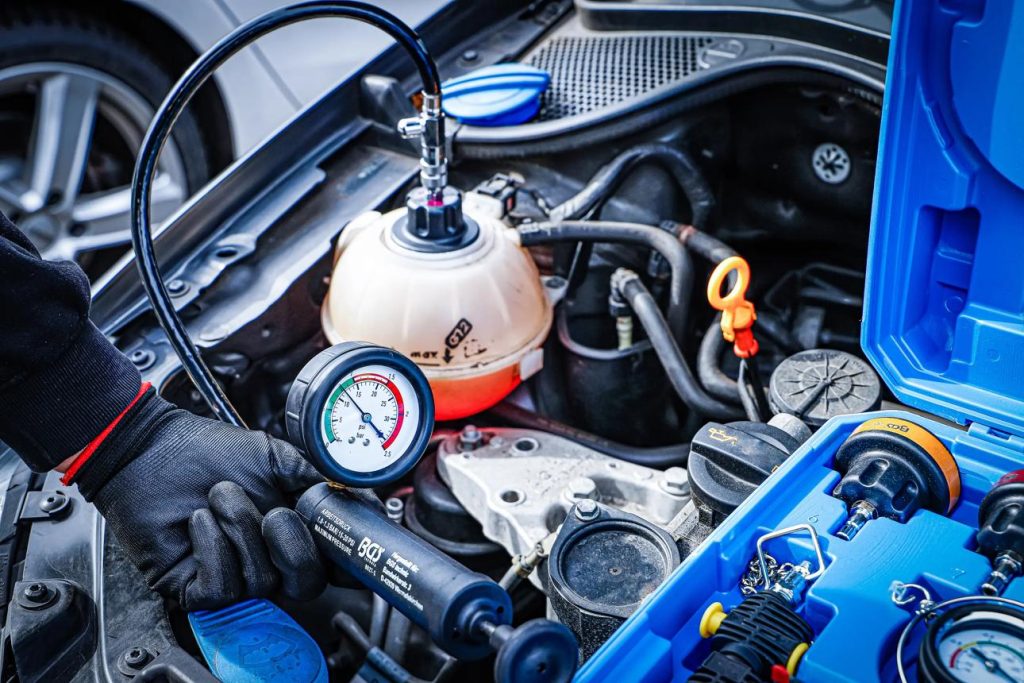
Never remove a radiator cap or open a pressurized cooling system while the engine is hot. Hot coolant can escape forcefully and cause serious burns. Check the reservoir only when the engine is completely cool, and follow the owner’s manual for the correct procedure.
NHTSA recommends checking coolant levels, inspecting the cooling system for leaks, and replacing old coolant when necessary. If your car has already overheated, do not simply top up the reservoir and assume the problem is fixed. Have the underlying cause diagnosed before committing to a long drive.
6. Change Overdue Engine Oil and Replace the Oil Filter
Engine oil reduces friction between moving components, helps carry heat away from engine parts, and transports contaminants toward the oil filter.
If an oil change is due before your holiday journey, completing it beforehand is a sensible piece of preventive maintenance. Starting a long trip with overdue oil service is an unnecessary risk, particularly if the vehicle has already been driven under demanding conditions.
Check the oil level using the method described in your owner’s manual. Depending on the vehicle, this may involve a traditional dipstick or an electronic measurement system. If the level is low, use only the oil grade and specification approved by the manufacturer.
Do not assume that every engine takes the same viscosity simply because the vehicles use similar fuel.
When an oil change is required, replace the filter as recommended and check for leaks around the drain plug and filter housing. A fresh oil change will not repair an existing engine problem, and unusually dark oil alone does not necessarily mean it is overdue.
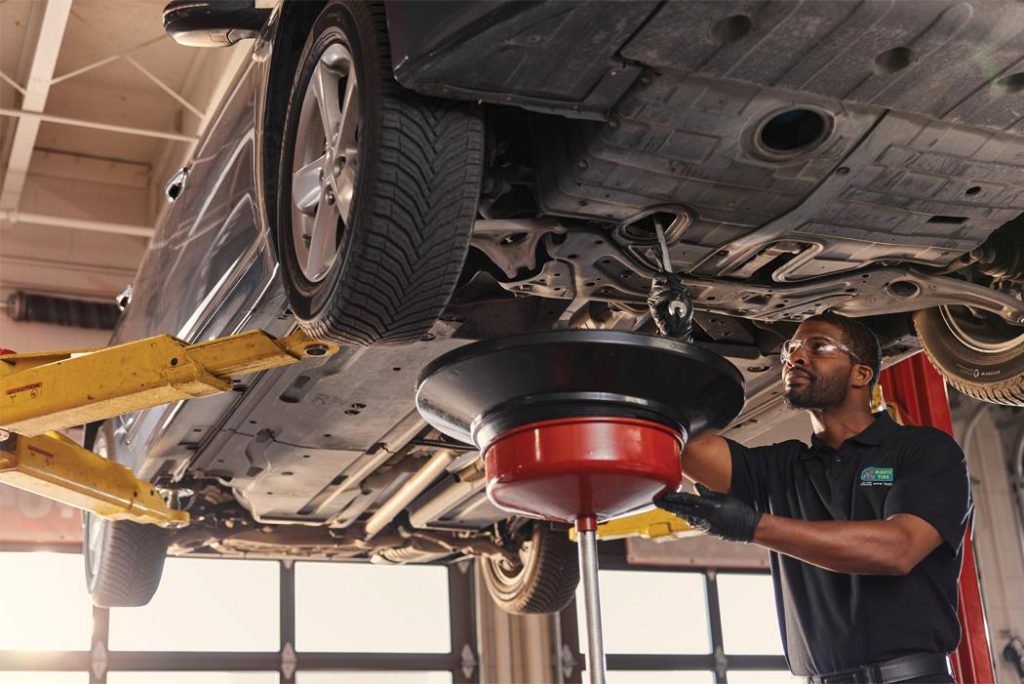
Follow the vehicle’s maintenance schedule, including any severe-service recommendations that apply to frequent short trips, towing, or dusty conditions.
NHTSA advises drivers to change oil according to the owner’s manual and use the recommended grade. It also recommends checking fluid levels before a long road trip. If the oil warning light appears while driving, stop safely and consult the manual rather than continuing the journey.
7. Replace Worn Windshield Wiper Blades
Wiper blades that leave streaks, skip across the glass, or make uneven contact can seriously reduce visibility when rain begins. This is especially concerning on highways, where water spray from trucks and other vehicles can quickly cover the windshield. If your wipers are already struggling during everyday driving, replace them before leaving.
Inspect both blades for cracked rubber, splits, hardened edges, or sections that no longer touch the windshield properly. Also test the washer system to make sure fluid sprays onto the glass and the wipers operate at every speed. A new blade will not solve a blocked washer nozzle or a faulty wiper motor, so have those problems repaired separately.
Choose replacement blades that match your vehicle’s specified sizes and attachment system. Some cars use different lengths for the driver and passenger sides, while others have a separate rear wiper. Follow the manufacturer’s fitting instructions to ensure each blade locks securely into place.
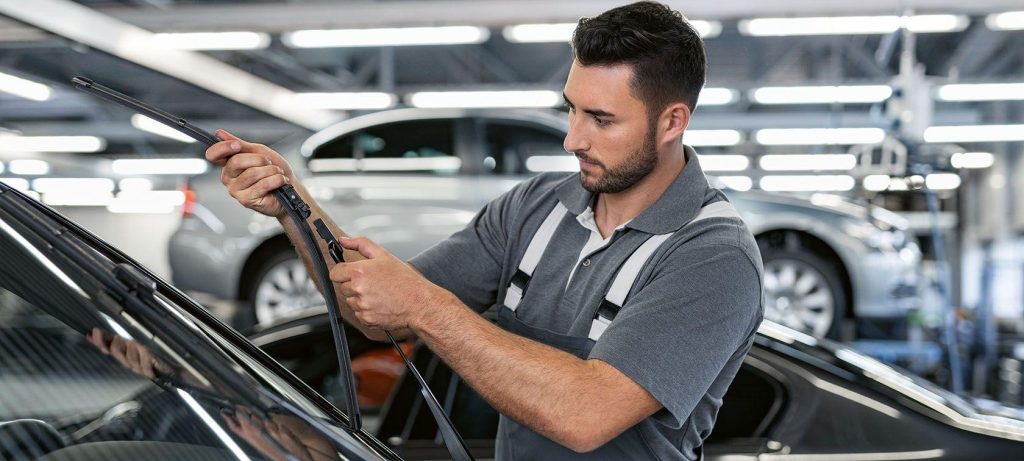
NHTSA specifically recommends inspecting wiper blades before a road trip and replacing them if they show signs of wear. It also advises checking windshield washer fluid and repairing leaks. Do not wait for a storm to discover that the blades cannot clear the glass effectively.
8. Repair Faulty Headlights, Brake Lights, and Turn Signals
A burned-out bulb may appear to be a minor inconvenience, but faulty exterior lighting can make your vehicle harder for other drivers to see and prevent them from understanding your intentions. Before a long trip, check the headlights, high beams, brake lights, turn signals, reverse lights, and hazard flashers.
Ask someone to stand behind the vehicle while you press the brake pedal and activate each signal. Check the front and rear lights, including any side markers your vehicle uses.
If a lamp does not work, the cause may be a failed bulb, fuse, wiring fault, or damaged connector. Replacing a bulb is straightforward on some vehicles, but others require more involved access or specific procedures.
Headlight condition matters too. Cloudy lenses can reduce light output, while incorrect aim may leave the road poorly illuminated or dazzle approaching drivers.
If the headlights remain dim after cleaning, have the lenses, bulbs, wiring, and alignment inspected. Vehicles equipped with LED or adaptive lighting systems may require specialized diagnosis rather than a simple bulb replacement.
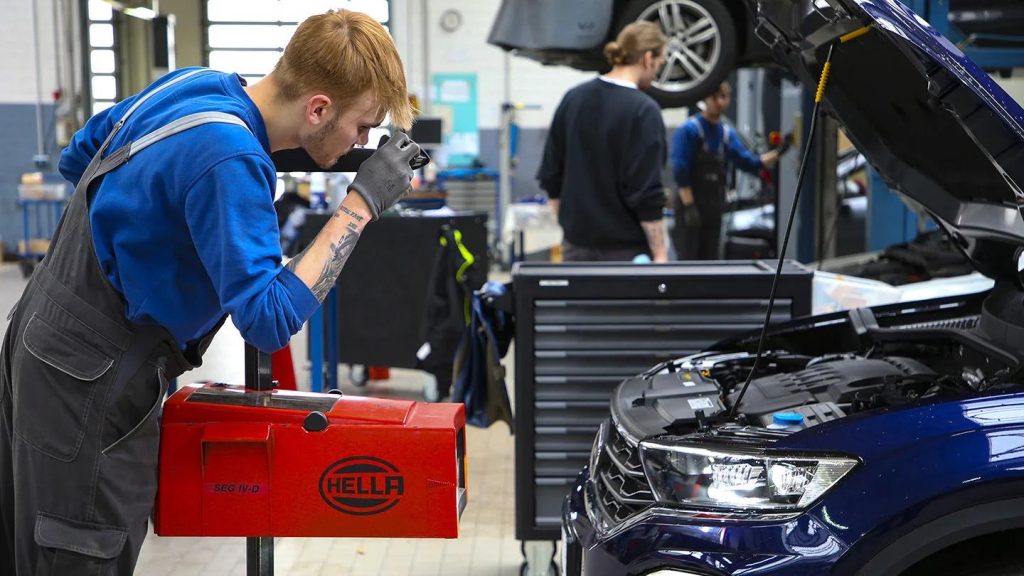
NHTSA advises drivers to check headlights, brake lights, turn signals, and emergency flashers before travelling. Its vehicle maintenance guidance also stresses keeping windows and headlights clean.
Repairing lighting problems before departure helps you communicate clearly with surrounding traffic, particularly during darkness, rain, or heavy holiday congestion.
9. Replace a Clogged Engine Air Filter
The engine air filter prevents dust, dirt, and other airborne debris from entering the engine’s intake system. Over time, it collects contaminants and may become restricted. If your vehicle is due for a replacement, taking care of it before a long journey is sensible, particularly if you regularly drive on dusty roads or in areas with heavy construction.
A technician can inspect the filter and compare its condition with the manufacturer’s service recommendations. Some filters are easy to access, while others sit inside a housing that requires tools to open correctly.
If the filter is heavily contaminated or damaged, replace it with the correct specification for your vehicle. Avoid tapping or blowing out a disposable filter unless the manufacturer specifically permits that procedure, because it can damage the filter material.
A clogged air filter does not automatically mean your engine is about to fail. The effect on performance and fuel economy varies by vehicle and driving conditions. Modern engine-management systems can compensate for some changes in airflow, so avoid claims that a new filter will deliver a guaranteed mileage improvement.
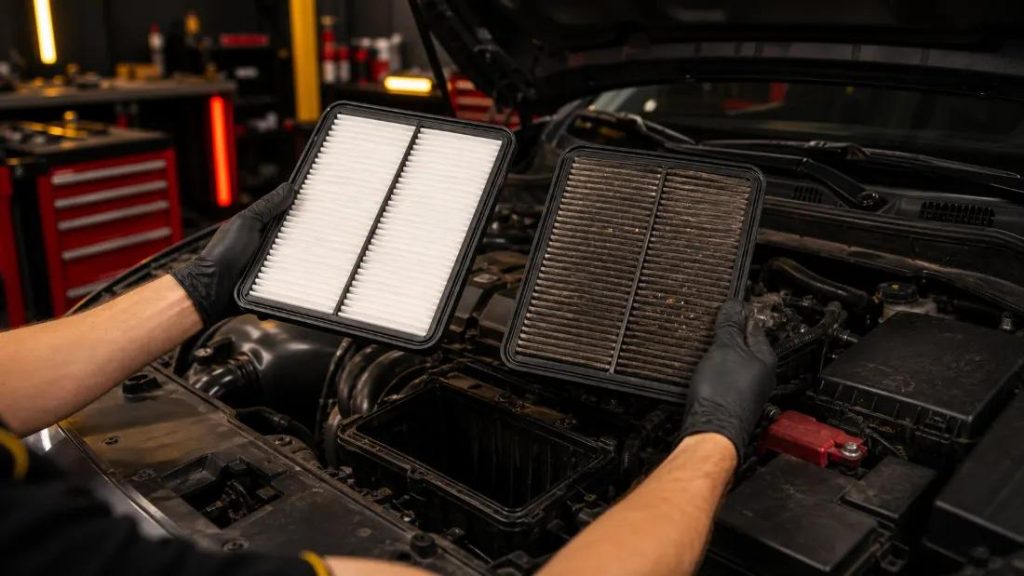
Check the cabin air filter separately. It serves a different purpose by filtering air entering the passenger compartment through the heating and ventilation system.
Replacing a dirty cabin filter may improve airflow and reduce unpleasant odors, but it does not replace engine air-filter maintenance. Follow the owner’s manual for both service intervals.
10. Fix Wheel Alignment and Suspension Problems
If your vehicle pulls to one side, the steering wheel sits off-center, or the tires show uneven wear, have the alignment checked before a long trip. Incorrect wheel alignment can affect handling and cause tires to wear unevenly. A problem that seems manageable on short journeys can become more noticeable after several hours on the highway.
Alignment is not the only possible cause. Worn suspension components, damaged steering parts, bent wheels, or incorrect tire pressure can create similar symptoms.
A technician should inspect the tie rods, ball joints, control arms, bushings, shocks, and struts where applicable. If a component is loose or damaged, replacing it may be necessary before an alignment can be performed accurately.
Do not assume every car needs an alignment simply because a holiday drive is approaching. It is most useful when symptoms, tire wear, recent suspension repairs, or an impact with a pothole indicate a possible problem. Ask the shop to check the manufacturer’s alignment specifications and provide the results.
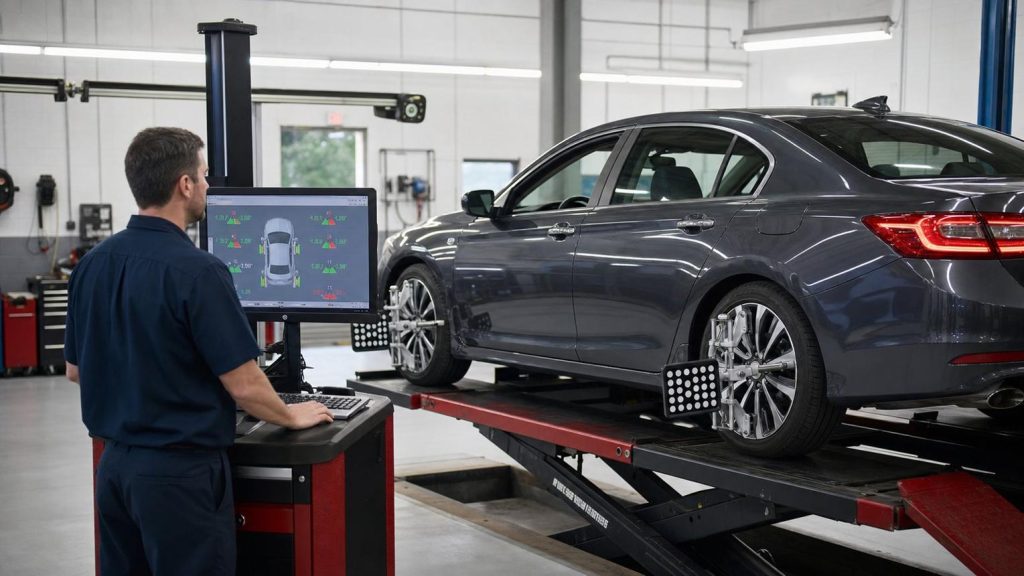
The NHTSA vehicle maintenance checklist advises drivers to have vehicles inspected for damage from road hazards. Tire manufacturers also recommend addressing uneven tread wear rather than allowing it to continue.
If your car feels unstable, bounces excessively, or makes clunking noises over bumps, have it examined before loading it with passengers and luggage.
11. Repair Air-Conditioning and Heating Problems
A faulty climate-control system may not stop the engine from running, but it can make a long journey uncomfortable and potentially difficult for vulnerable passengers.
Air conditioning also helps remove moisture from the cabin, which can be important for keeping windows clear in humid or rainy conditions. If the system blows warm air, produces unusual odors, or makes unfamiliar noises, arrange a diagnosis before departure.
The cause may be low refrigerant from a leak, a faulty compressor, a blocked cabin filter, an electrical issue, or a problem with the blower motor. Simply adding refrigerant without identifying a leak is not a proper repair.
Refrigerant handling requires suitable equipment, and some systems use different refrigerants, so have the work completed by a qualified technician.
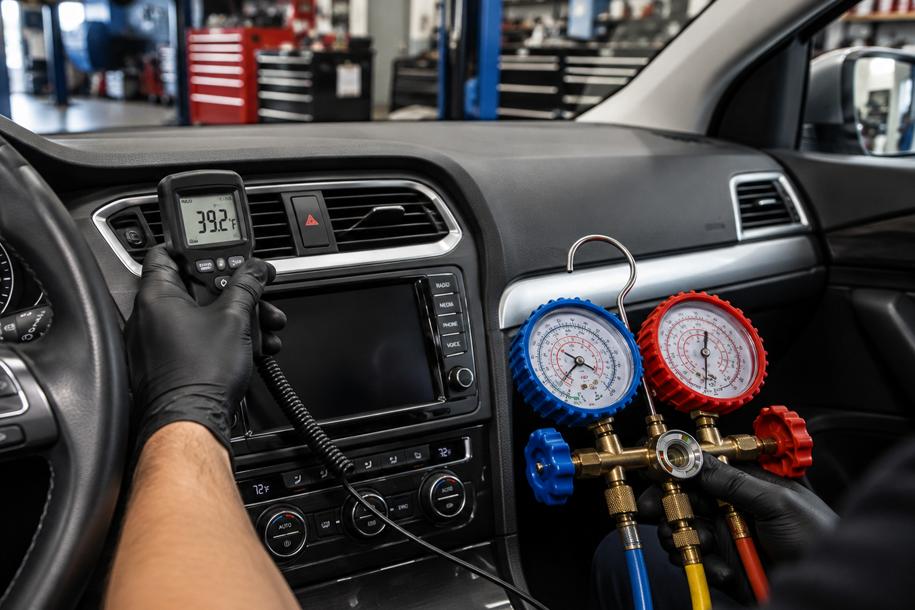
Heating problems deserve attention before winter travel. A heater that fails to produce warm air may indicate low coolant, a thermostat problem, or an issue with the heating system. Because some causes overlap with engine-cooling faults, do not ignore a heater that suddenly stops working alongside an unusual temperature-gauge reading.
NHTSA advises checking the air-conditioning system before travelling, particularly in hot weather, and recommends repairing it if it does not cool properly. It notes that heat can affect children, older adults, and people with certain health vulnerabilities.
Make sure the system works as intended before setting out, and never leave children or pets unattended in a parked vehicle.