
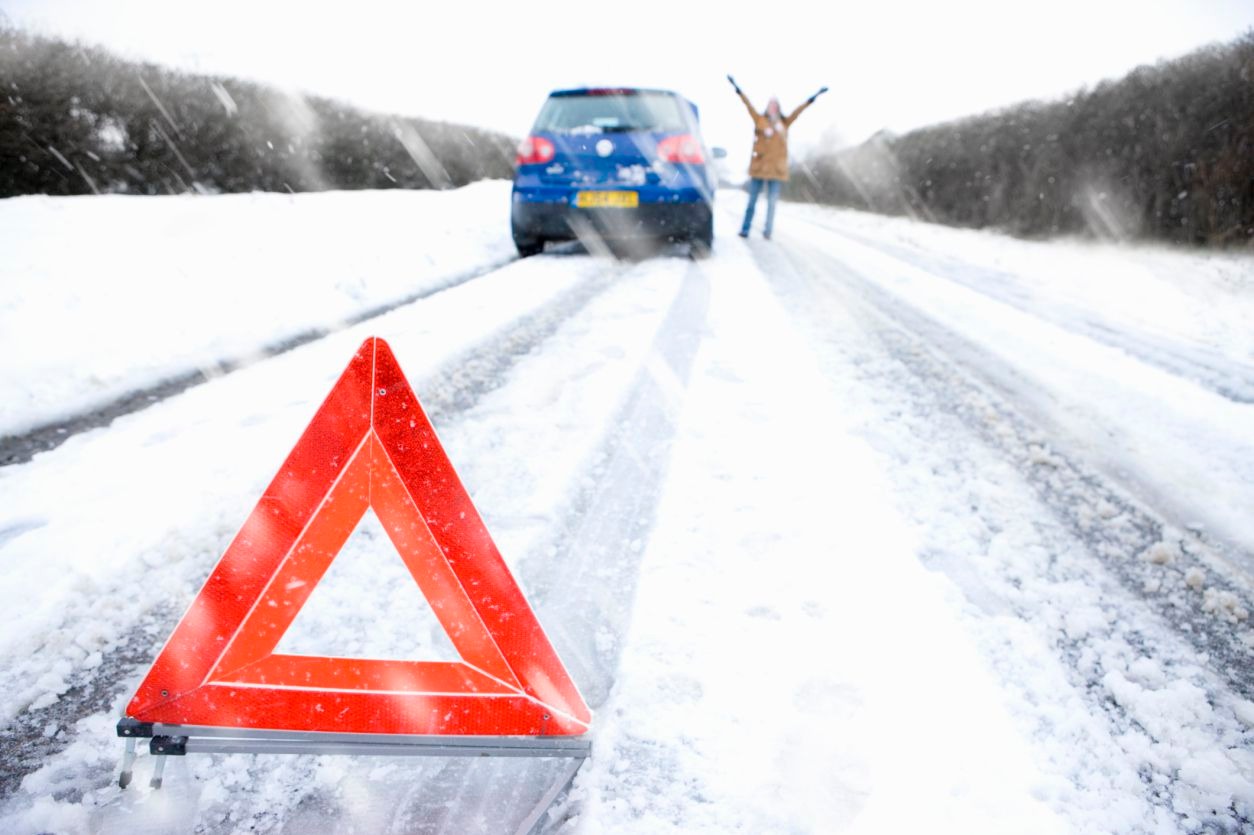
Winter can be tough on any vehicle, especially when freezing temperatures, icy roads, and harsh weather put extra pressure on its major components. A car that performs perfectly during warmer months may suddenly struggle to start, develop strange noises, or experience mechanical problems when the temperature drops.
The trouble is that many drivers overlook early warning signs until they are stranded in a driveway, parking lot, or on the side of a snowy road.
Fortunately, your vehicle often gives you clues before a major breakdown happens. Recognizing these problems early can help you avoid expensive repairs, protect your safety, and prepare your car for colder months. Here are 10 signs your vehicle may not make it through winter without attention.
1. Slow or Struggling Engine Cranks
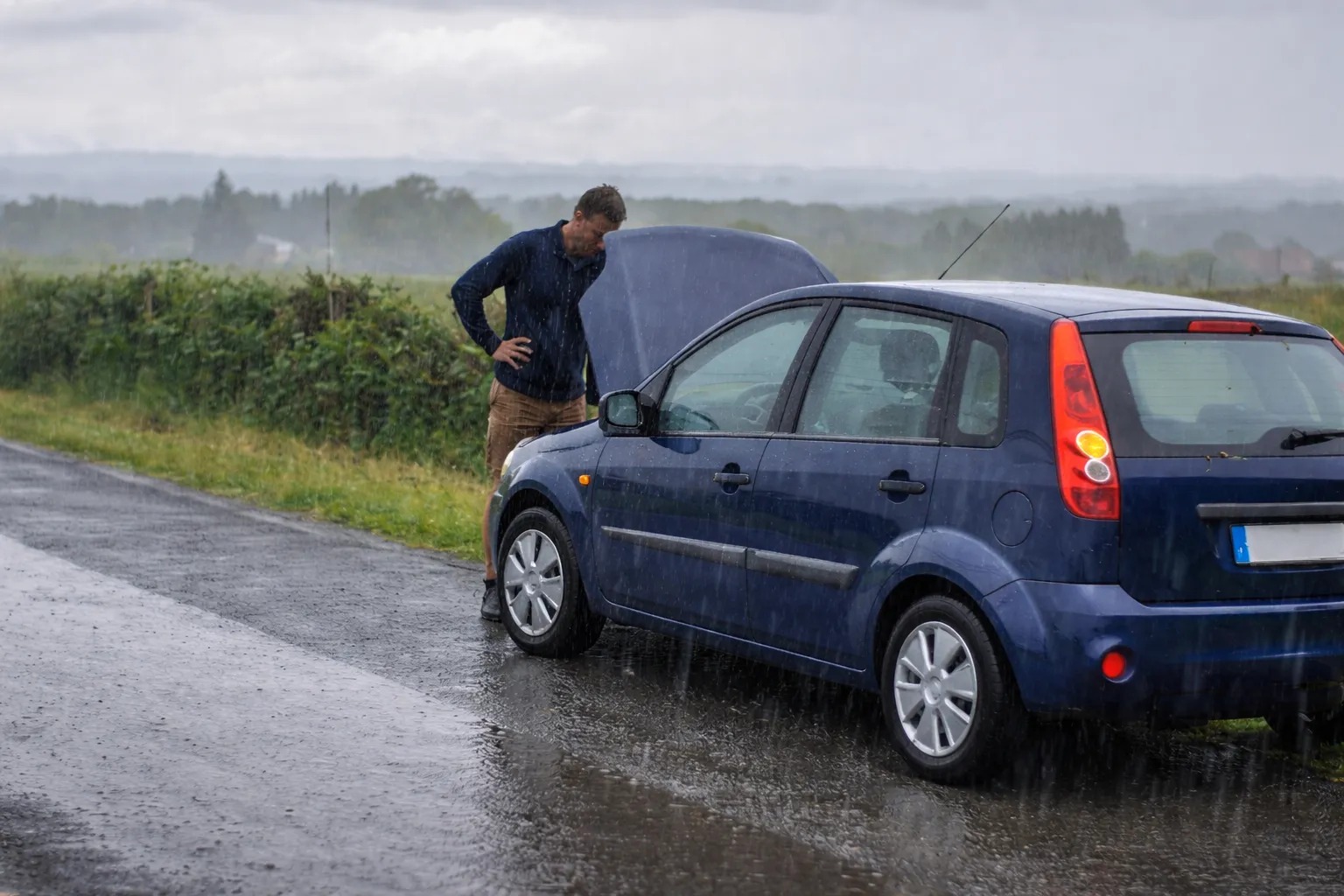
Does your car take longer than usual to start in the morning? Perhaps you turn the ignition, hear the engine struggling to turn over, and have to try again before it finally starts. This behavior should never be dismissed, particularly when winter approaches.
Cold temperatures reduce a car battery’s ability to deliver electrical power. At the same time, engine oil becomes thicker, making it harder for the engine to turn. These conditions place additional demands on a battery that may already be weak.
A healthy battery should start your vehicle without repeated attempts, even when temperatures are low. If the engine cranks slowly, clicks repeatedly, or struggles during the first start of the day, have the battery and charging system tested.
Pay attention to how frequently the problem occurs. A single difficult start may not indicate a serious problem, but repeated hesitation deserves attention.
Replacing an aging battery before winter can save you from an unpleasant morning surprise. Ask a mechanic to inspect the battery terminals, test its cold-cranking performance, and check whether the alternator is charging correctly. A dependable starting system makes cold-weather driving much less stressful.
2. Dim Headlights or Flickering Interior Lights
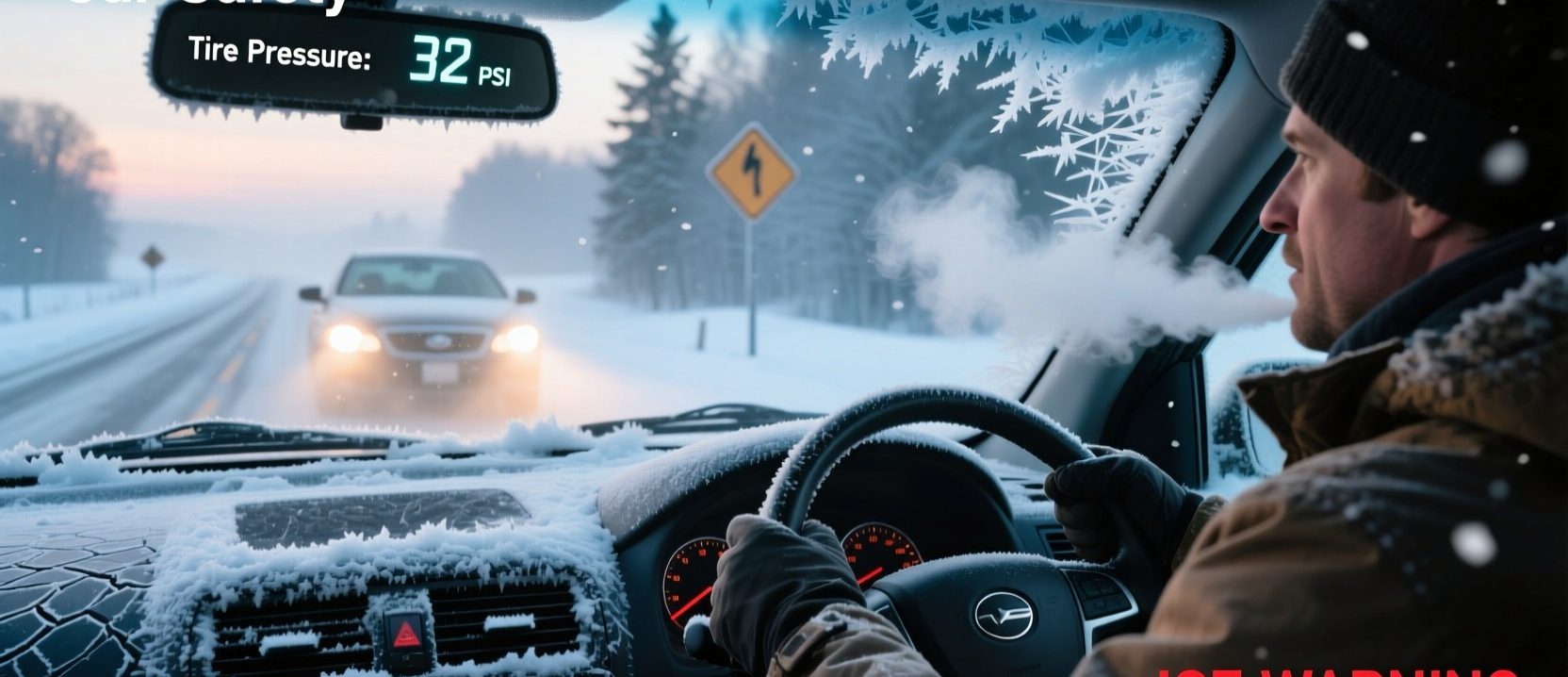
Your vehicle’s lights can reveal electrical problems long before the engine refuses to start. If the headlights appear unusually dim, dashboard lights flicker, or interior lighting becomes unstable when you turn the ignition, your car may have a weak battery or a failing alternator.
The battery and alternator perform different but closely connected jobs. The battery supplies the power needed to start the engine, while the alternator generates electricity to operate the vehicle’s electrical systems and recharge the battery as you drive.
When either component begins to fail, lighting problems may become noticeable. Pay attention to how your headlights behave when the engine is idling.
Do they become brighter when you gently increase the engine speed? Do they dim when you switch on the heater, windshield defroster, or other electrical accessories? These symptoms may indicate that the charging system is struggling to maintain a steady electrical supply.
Winter can make the situation worse because drivers often depend on several electrical features simultaneously. Heated seats, windshield wipers, cabin heaters, and exterior lights all place additional demands on the system.
Check your dashboard for a battery warning light, but remember that its absence does not guarantee everything is working properly.
Arrange a professional battery and alternator test before winter arrives. A mechanic can measure the charging voltage, inspect electrical connections, and identify problems that could leave you stranded.
Addressing weak electrical components early helps keep your vehicle dependable when temperatures drop.
3. Swollen or Corroded Battery Case
Your car battery deserves a close inspection before the cold season begins. Although many drivers concentrate on its ability to start the engine, the battery’s physical condition can reveal problems that might otherwise go unnoticed.
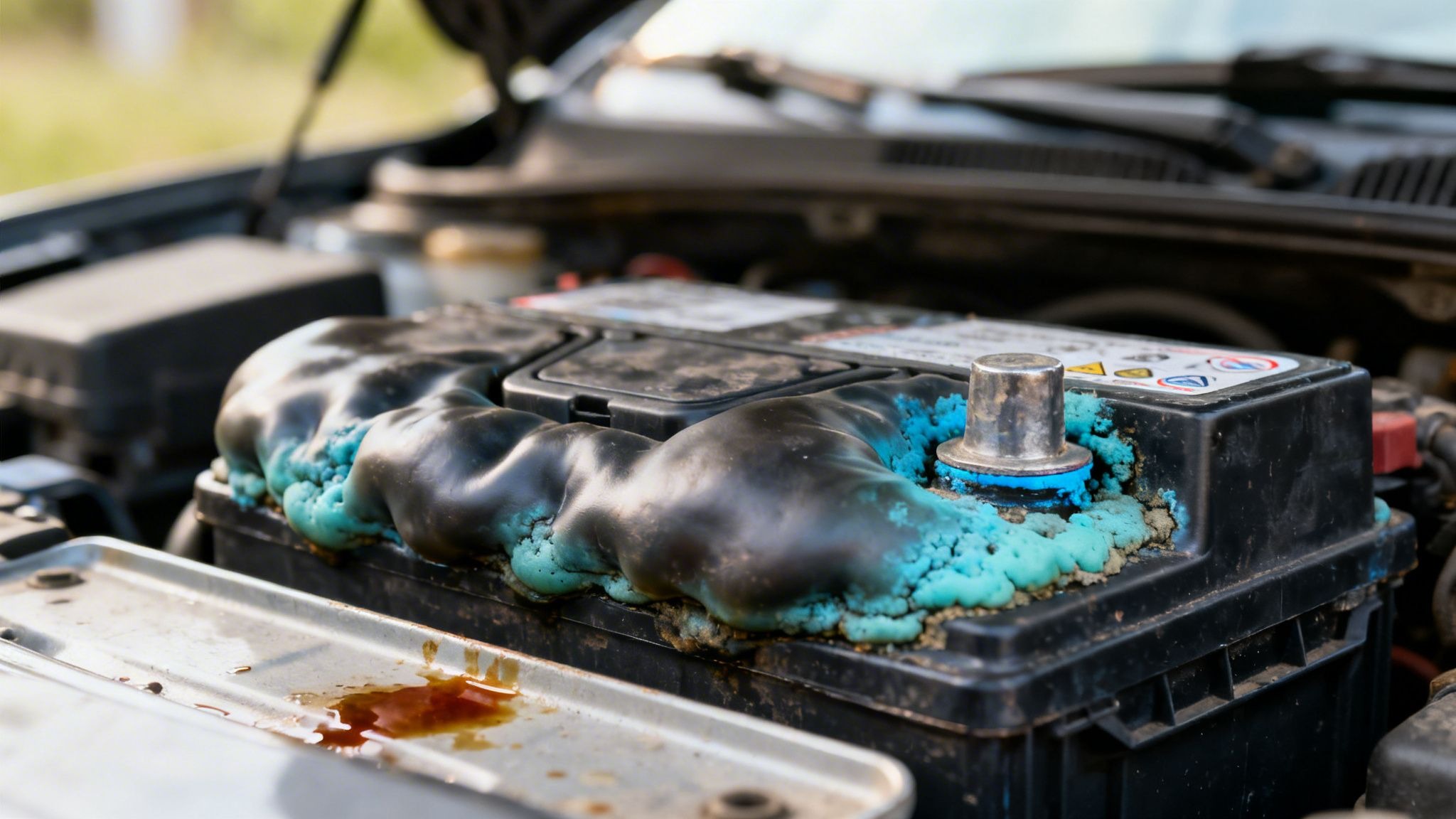
A swollen casing, unusual bulges, cracks, or heavy corrosion around the terminals should never be ignored. A battery case that appears puffed up or misshapen may have experienced excessive heat, freezing damage, overcharging, or other internal problems.
These conditions can damage the battery’s internal structure and reduce its ability to hold and deliver electrical power. Once the casing becomes visibly swollen, the battery may be unsafe to continue using.
Corrosion is another warning sign. It commonly appears as a white, greenish, or bluish powdery substance around the battery terminals.
Excessive buildup can interfere with electrical connections, making it harder for the starter motor to receive enough power. This may result in slow engine cranking, clicking sounds, or repeated starting difficulties.
Do not attempt to clean or reuse a battery that is swollen, cracked, or leaking. Arrange professional replacement and avoid direct contact with any leaking material.
For minor corrosion on an otherwise undamaged battery, a qualified technician can clean the terminals safely and check the connections.
Make battery inspections part of your regular vehicle maintenance routine. Ask your mechanic to check its condition, charging performance, and terminal connections during servicing.
Replacing a damaged battery before winter can prevent unexpected starting failures and help your car remain reliable during freezing mornings.
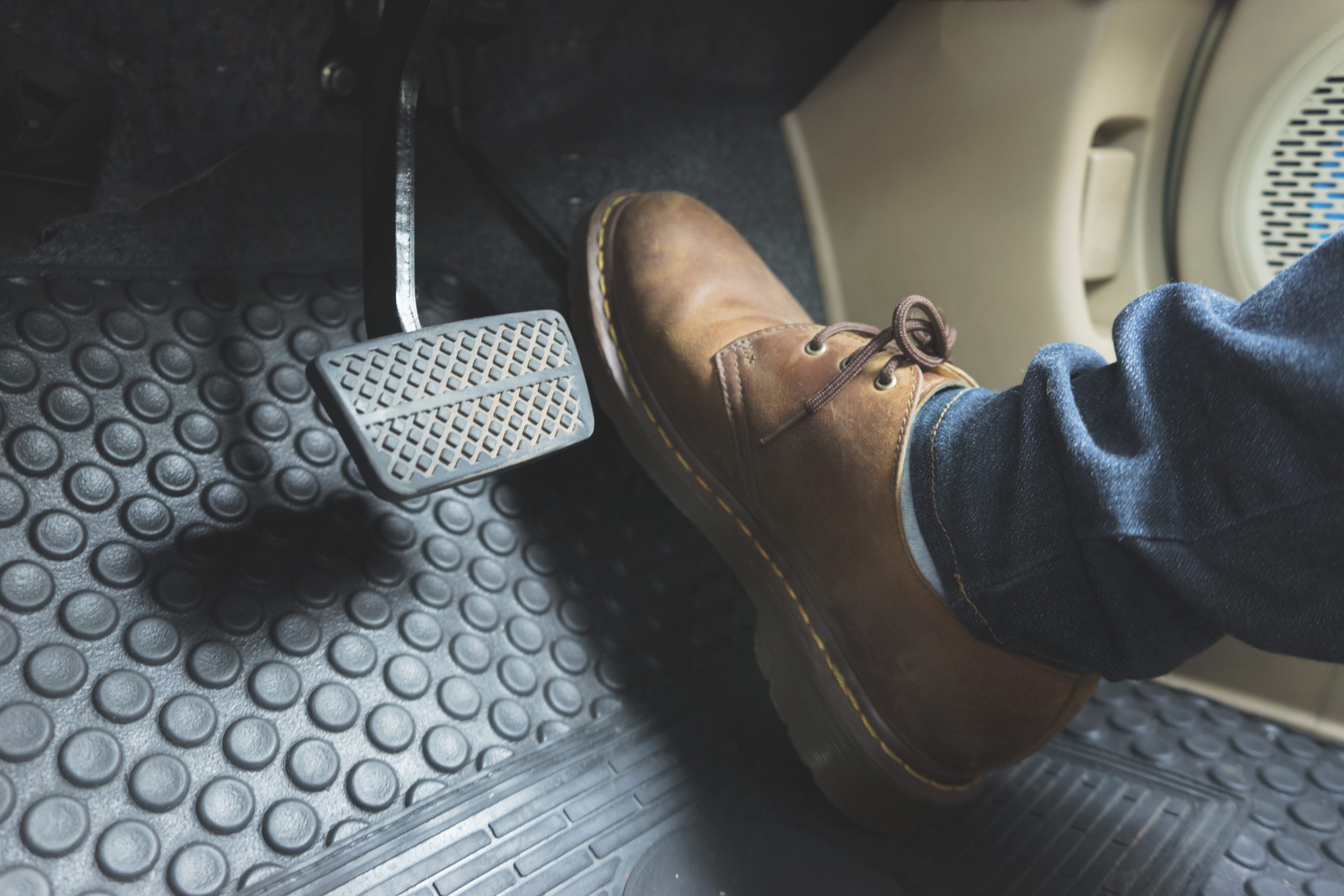
4. Spongy or Long Brake Pedals
A brake pedal should feel firm and respond predictably when you press it. If it suddenly feels soft, spongy, or travels much farther toward the floor than usual, your vehicle may have a serious braking problem.
Air or moisture in the brake fluid, a hydraulic leak, or a failing master cylinder can cause this sensation. Worn brake components may also produce other warning signs, including squealing, grinding, or vibration when slowing down.
Another symptom worth watching is a vehicle that pulls to one side during braking. This may indicate an issue with a brake caliper, uneven brake wear, or another problem affecting the braking system.
Winter driving makes these faults particularly dangerous. Snow, ice, slush, and wet pavement already reduce tire grip. A braking system that cannot deliver consistent stopping power makes it harder to respond safely when another vehicle stops suddenly.
Do not assume that a soft pedal will improve once the weather changes. Have the entire braking system inspected, including the pads, rotors, brake lines, fluid, and hydraulic components.
If the pedal sinks toward the floor, braking performance drops sharply, or you notice a fluid leak, stop driving and arrange professional assistance. Your brakes must work properly before you take the car onto slippery winter roads.
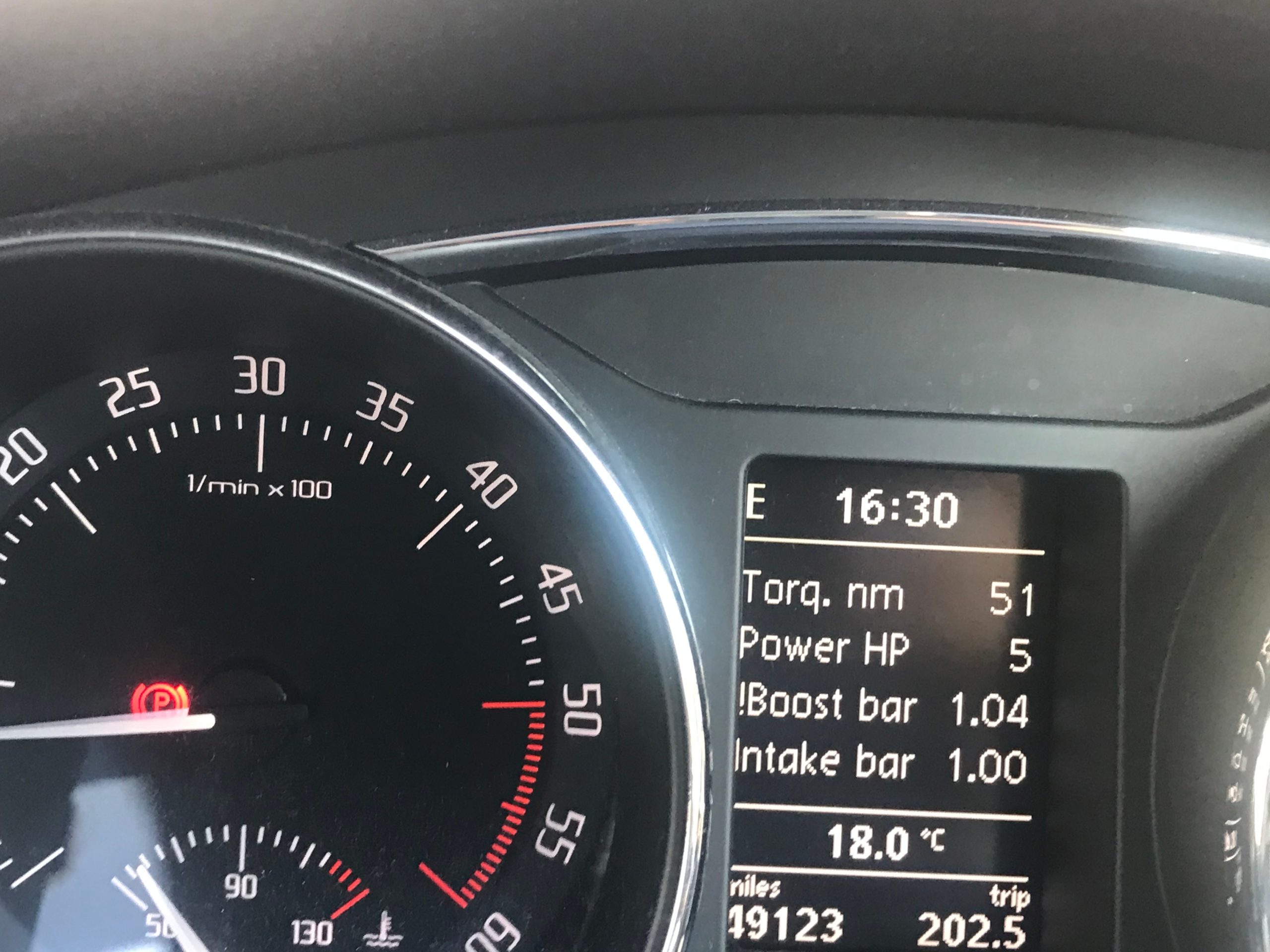
5. Flaring Engine Revs
Imagine pressing the accelerator, hearing the engine rev loudly, and expecting the vehicle to pick up speed. Instead, the engine seems to work harder while the car moves forward much more slowly than expected.
This behavior can indicate a slipping clutch in a manual transmission vehicle. The clutch connects the engine to the transmission, allowing power to reach the wheels. When its friction material becomes worn, it may struggle to transfer that power efficiently.
A slipping clutch can also produce a burning smell, especially after climbing a hill, accelerating hard, or carrying a heavy load. Some drivers notice that the engine speed rises without a matching increase in road speed.
Cold weather does not automatically cause clutch failure, but winter driving can place extra demands on a vehicle that already has worn transmission components. Frequent stop-and-go traffic, steep roads, and heavy acceleration may make an existing problem easier to notice.
Ignoring clutch slippage can cause additional damage to the flywheel and other transmission components, making repairs more expensive.
Ask a mechanic to inspect the clutch system if the engine revs unexpectedly or the vehicle struggles to accelerate. Avoid aggressive driving and unnecessary heavy loads until the issue has been diagnosed.
A clutch that is already slipping may not provide dependable performance when winter driving conditions demand smooth, controlled acceleration.
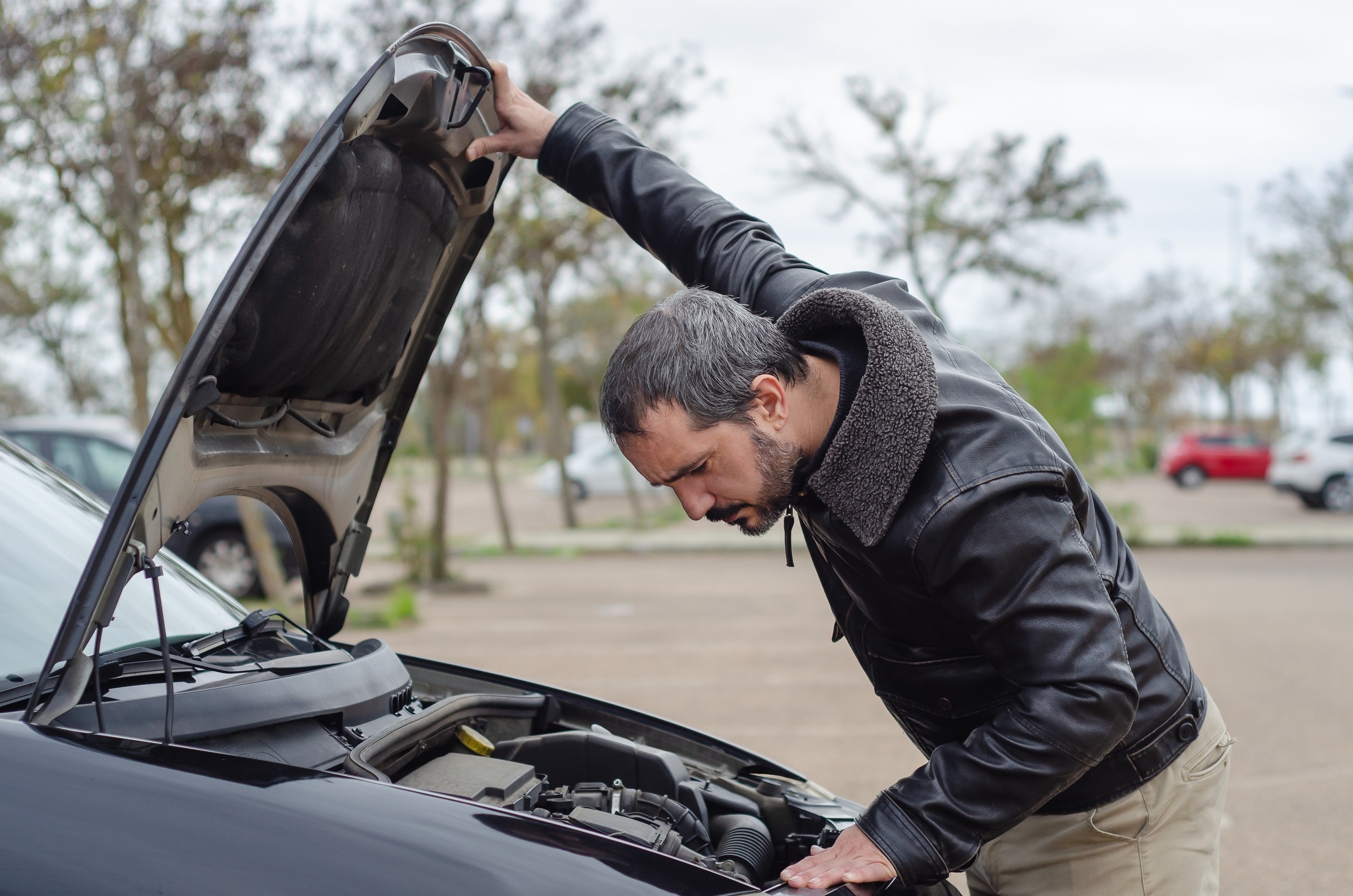
6. Intermittent Knocking or Droning Noises
Cars rarely develop unusual noises without a reason. A repeated knocking, ticking, humming, or droning sound deserves attention, especially when it becomes louder as the vehicle speeds up or changes direction.
One possible source is a worn wheel bearing. These components allow the wheels to rotate smoothly while supporting the vehicle’s weight. When a bearing begins to deteriorate, it may produce a humming or growling noise that changes with road speed.
A damaged driveshaft component or worn universal joint can also create knocking or vibration. In some vehicles, clicking sounds during tight turns may point to a problem with a constant-velocity joint.
The location and timing of the noise can help narrow down the cause. For example, a sound that becomes louder during a turn may suggest a wheel bearing problem, although proper inspection is needed to confirm it.
Winter roads can make existing suspension and drivetrain problems harder to tolerate. Potholes, uneven surfaces, and slippery conditions place additional demands on components that may already be worn.
Do not turn up the radio to drown out a persistent mechanical noise. Have the wheels, bearings, suspension, and drivetrain inspected before cold-weather travel.
If the noise is accompanied by severe vibration, steering problems, or wheel looseness, stop driving and seek professional assistance.
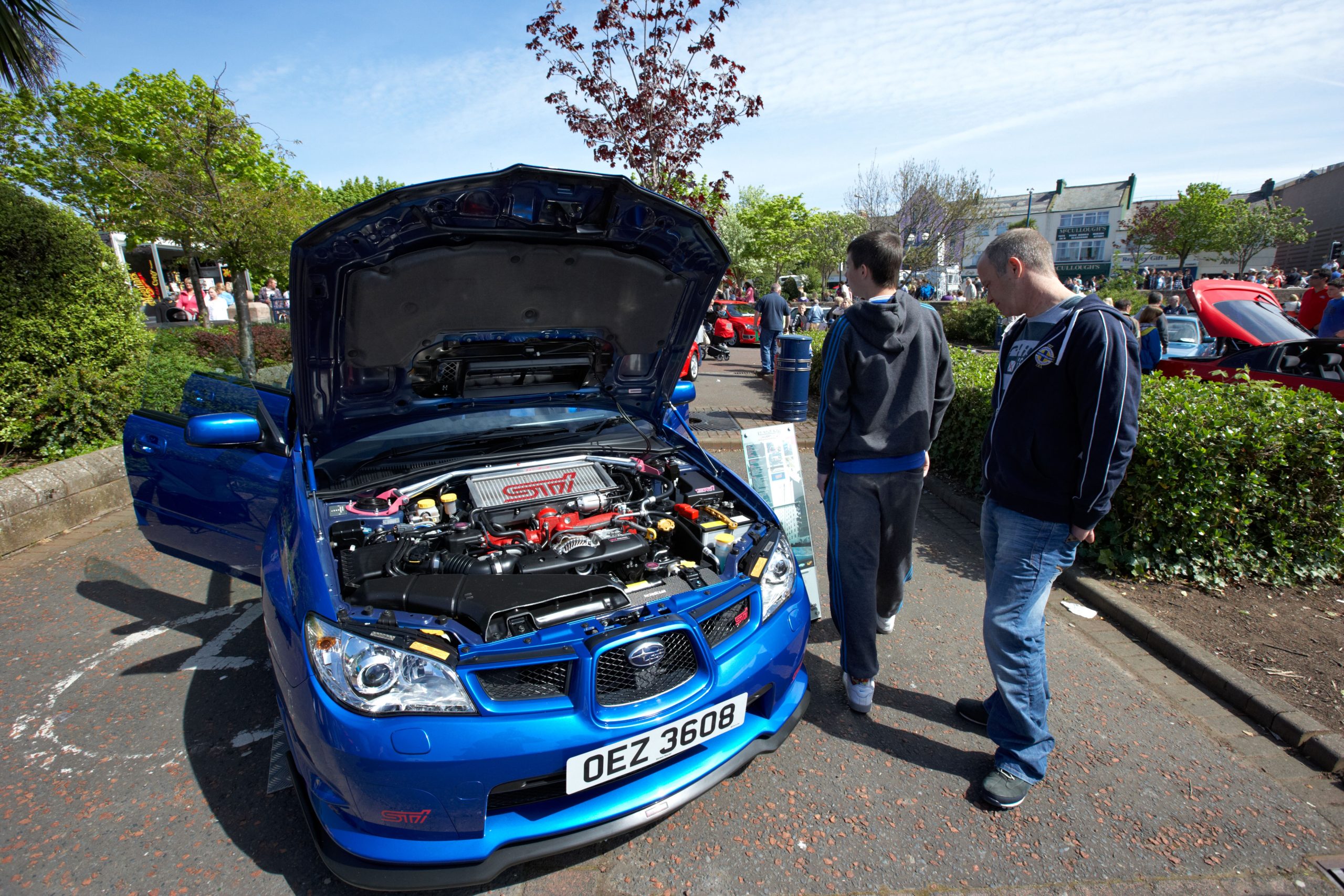
7. Loud Engine Knocking
A loud knocking noise coming from beneath the hood is a warning no driver should take lightly. If your engine produces deep metallic banging or repeated knocking sounds, internal components may already be experiencing excessive wear or damage.
Possible causes include deteriorating engine bearings, loose internal parts, poor lubrication, or damaged moving components.
Cold temperatures can make an existing engine problem worse. When the weather gets colder, engine oil thickens and takes longer to circulate during startup. This can leave certain components with insufficient lubrication during those first few moments of operation. An engine with worn parts may struggle even more under these conditions.
Pay attention to how the noise behaves. Does it become louder when you accelerate? Can you hear it while the engine idles? Does it continue after the engine warms up? These details can help a mechanic identify the source.
Start by checking the engine oil level when the vehicle is parked safely on level ground. If it is low, add the manufacturer-recommended oil. However, adding oil will not repair damaged bearings or other worn components.
If the knocking continues, avoid driving the vehicle and arrange professional assistance. Continuing to operate an engine with serious internal damage could result in complete failure and an expensive replacement.
A qualified mechanic can inspect the engine, identify the cause, and determine whether repairs are practical. Acting quickly may save your vehicle from further damage.
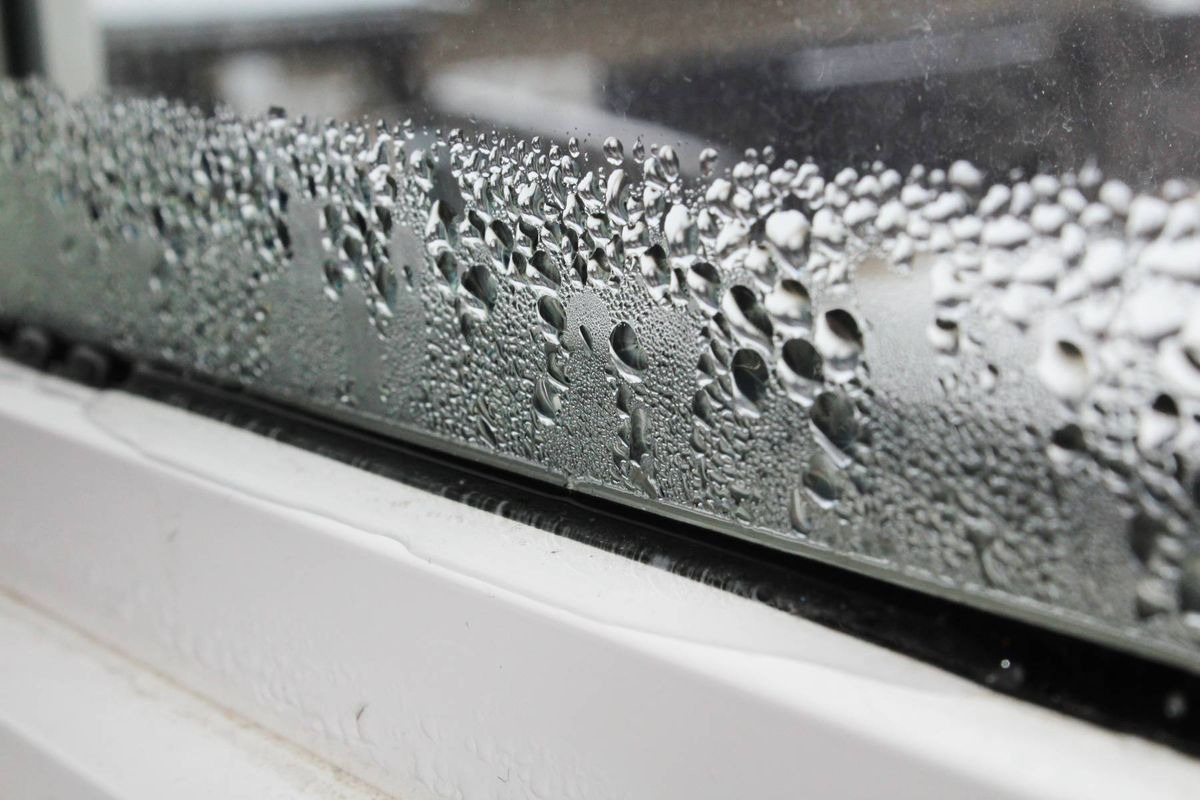
8. Constant Window Condensation and Water Leaks
Waking up to a foggy windshield during winter is hardly unusual. However, when your windows remain misty, the interior feels unusually humid, or frost repeatedly forms on the inside of the glass, your vehicle may have a moisture problem that needs attention.
Damaged weatherstripping is one common cause. The rubber seals around doors, windows, and the trunk gradually deteriorate as they age. Exposure to changing temperatures can make them brittle, allowing rainwater and melting snow to enter the cabin through small openings.
Unfortunately, the damage does not stop at wet carpets. Water can reach electrical connections, wiring harnesses, fuse boxes, and sensitive electronic components. This may lead to corrosion, malfunctioning switches, flickering lights, or unexpected electrical problems.
Take a few minutes to inspect the interior. Feel beneath the floor mats for damp carpeting, check the trunk for standing water, and look for visible cracks or gaps around the rubber seals. A persistent musty smell can also indicate trapped moisture.
Do not ignore these warning signs simply because the car still drives normally. Depending on the location of the leak, repairs may become more expensive if water continues entering the cabin.
Have damaged seals replaced and drainage channels inspected. Thoroughly dry wet carpets and use suitable moisture absorbers to reduce humidity inside the vehicle.
Fixing water leaks before winter conditions become harsher can protect your car’s electrical system, prevent unpleasant odors, and make driving much more comfortable.
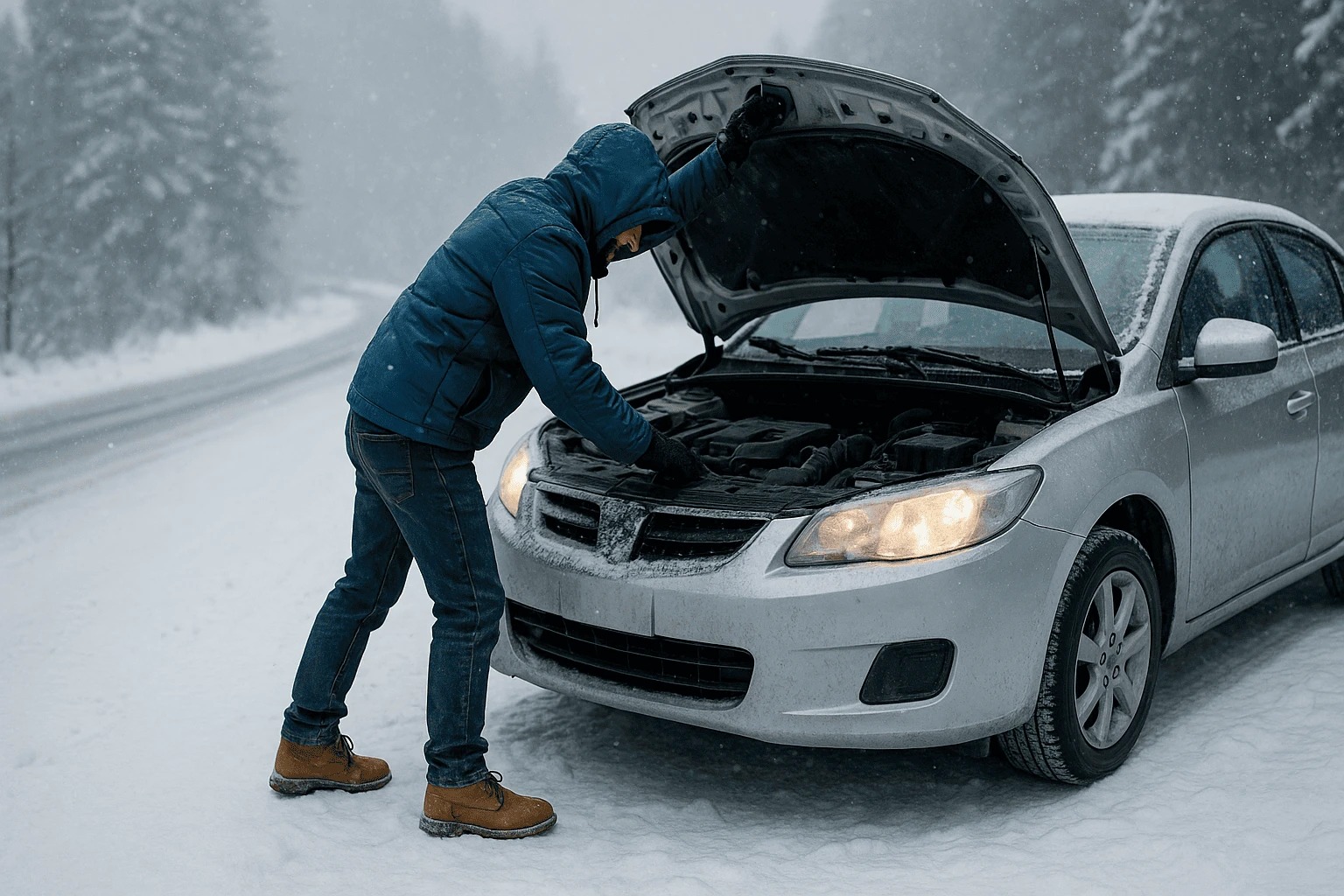
9. Engine Hesitation or Stuttering
An engine should respond smoothly when you press the accelerator. If your vehicle suddenly jerks, hesitates, or struggles to gain speed, there may be an issue with its ignition or fuel delivery system.
These symptoms deserve attention before colder temperatures make an existing fault harder to manage. Worn spark plugs are a common source of engine hesitation.
When plugs deteriorate, they may fail to ignite the air-fuel mixture consistently, resulting in engine misfires. Faulty ignition coils, damaged spark plug wires, and other ignition system problems can produce similar symptoms.
Fuel-related issues should also be considered. Dirt or sediment in the fuel system can restrict proper fuel delivery, while moisture inside fuel lines may contribute to poor engine performance. During freezing conditions, accumulated moisture can create additional problems.
Start by reviewing your vehicle’s maintenance records. If the spark plugs have not been replaced according to the manufacturer’s recommended schedule, have them inspected.
The correct replacement interval depends on the engine and spark plug type, so check your owner’s manual rather than relying on a general mileage estimate.
Pay attention to the check engine light as well. A diagnostic scan can reveal trouble codes associated with ignition misfires, fuel delivery, or malfunctioning engine sensors.
Avoid postponing repairs when the hesitation keeps returning. Persistent misfires can damage the catalytic converter, leading to costly repairs. Have the problem diagnosed promptly so your vehicle can deliver smooth, dependable performance during winter driving.
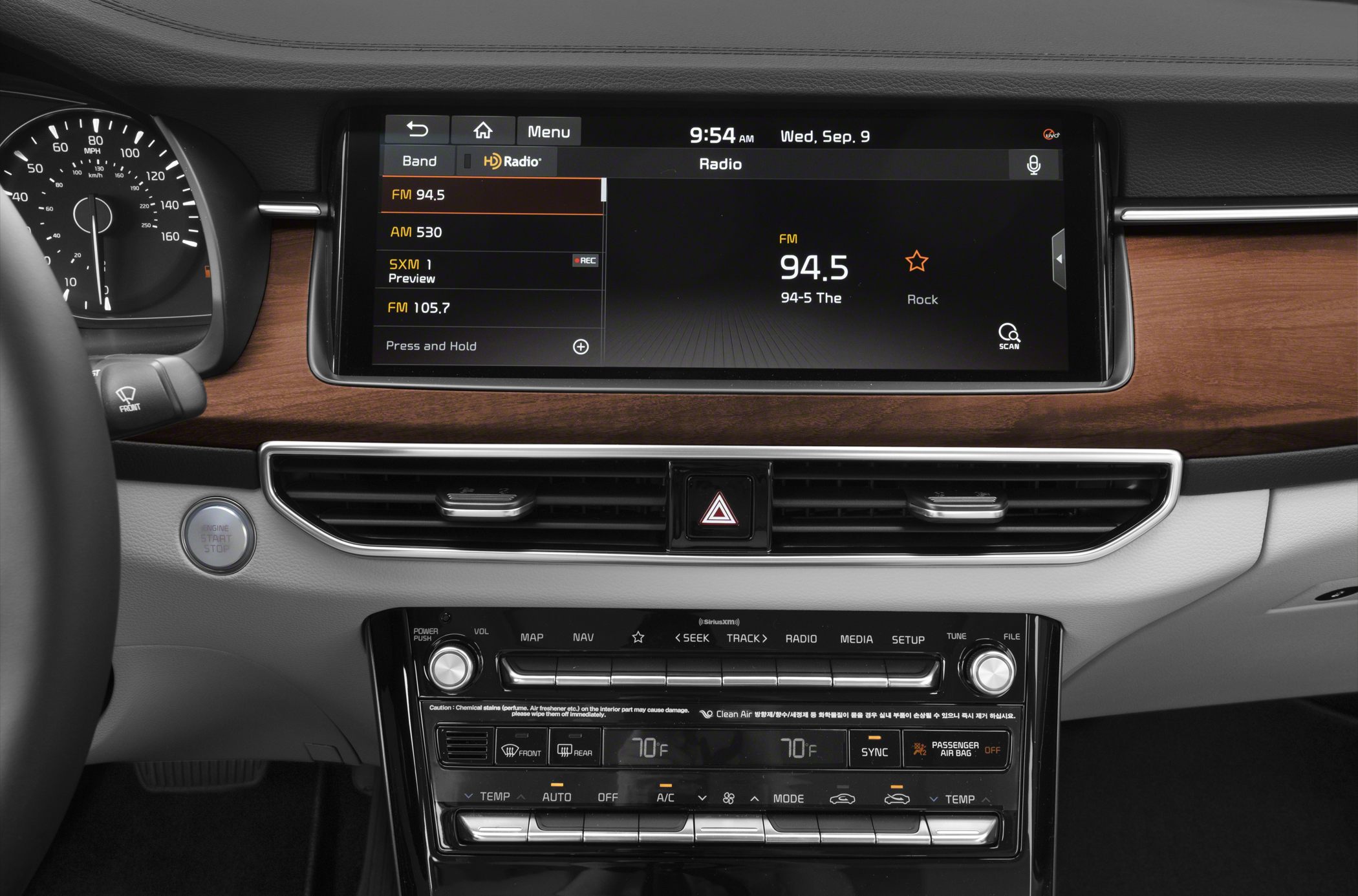
10. Lack of Cabin Heat or Temperature Fluctuations
A properly functioning heating system does more than keep you comfortable during cold weather. It also helps clear fog and frost from the windshield, allowing you to maintain a clear view of the road.
If your heater blows cold air despite the engine reaching normal operating temperature, something may be wrong with the cooling system. Low coolant levels, a stuck thermostat, a blocked heater core, or a malfunctioning heater control valve are possible causes.
Watch the temperature gauge as you drive. If the needle repeatedly rises and falls, takes unusually long to reach its normal position, or moves toward the overheating zone, the cooling system needs attention.
A faulty thermostat may prevent the engine from reaching its proper operating temperature or cause it to overheat. Low coolant can also interfere with cabin heating and may indicate a leak somewhere in the system.
Never ignore an engine temperature warning, particularly during winter travel. Overheating can cause severe engine damage, even when outdoor temperatures are freezing.
Check the coolant level only when the engine is completely cool, and use the coolant specification recommended by the manufacturer. Never remove a hot radiator cap or coolant reservoir cap because pressurized fluid can cause serious burns.
Have persistent heating problems or temperature fluctuations inspected promptly. A reliable cooling and heating system protects the engine, improves cabin comfort, and keeps the windshield clear when winter weather arrives.
