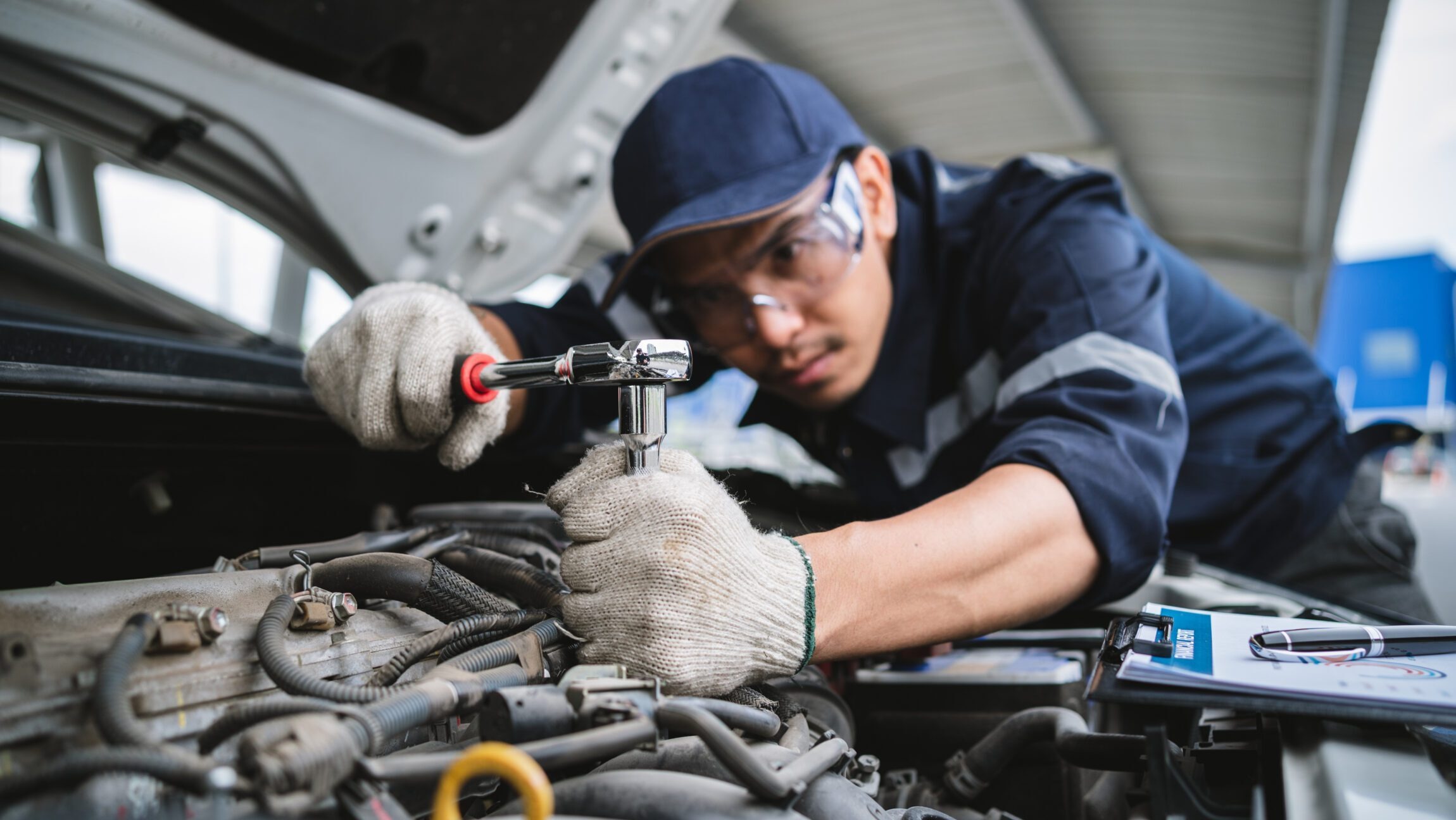
December is typically filled with family gatherings, holiday travel, and last-minute preparations before the year ends. However, it can also be one of the most inconvenient times to deal with car trouble. You contact your regular mechanic, explain the issue, and receive an unwelcome response. The earliest available appointment is not until January.
What is going on? Between limited technician availability, delayed replacement parts, increased repair requests, and holiday scheduling, auto repair shops can become overwhelmed just when drivers need them most. Understanding why garages are so busy can help you prepare, avoid unnecessary delays, and make better decisions if your vehicle develops a problem during December.
Why Auto Repair Shops Become So Busy Toward the End of the Year
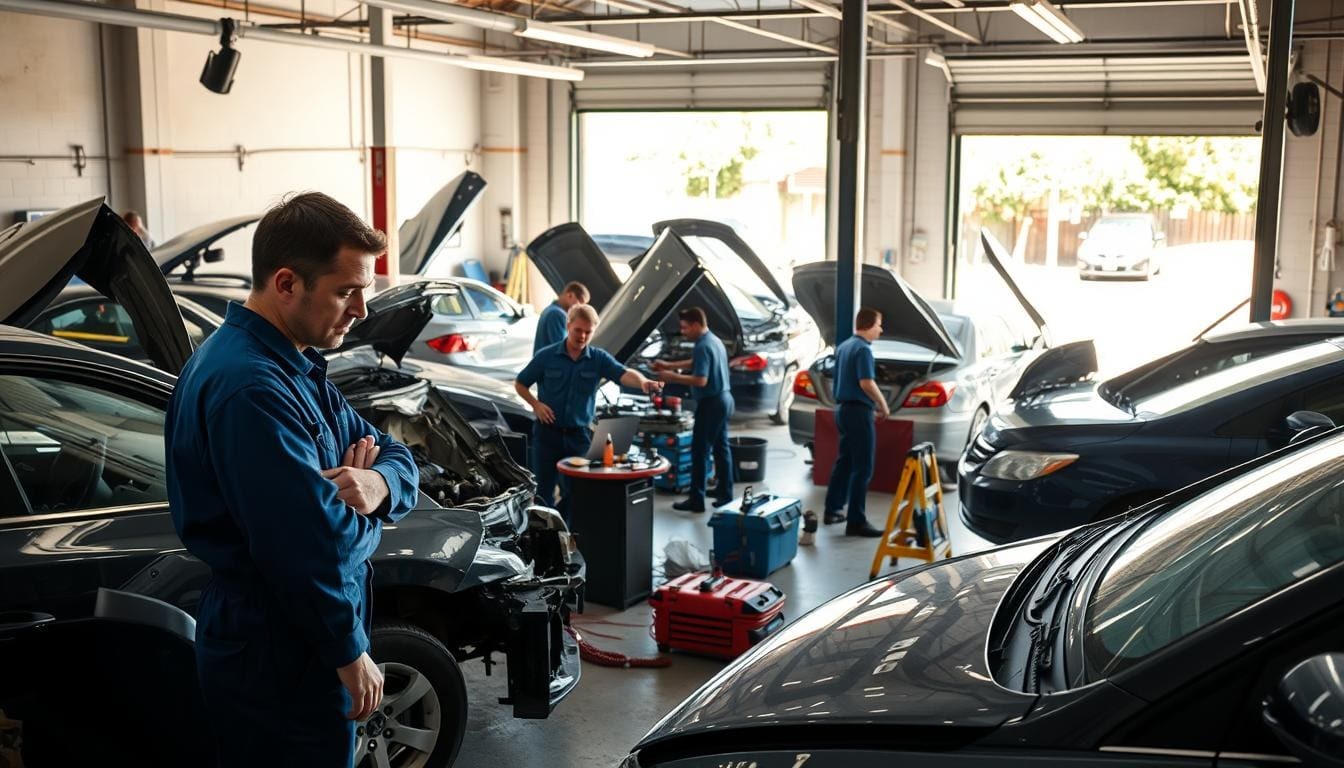
December often brings a rush of repair requests that many auto repair shops struggle to accommodate. Drivers want their vehicles ready for holiday trips, family gatherings, and longer journeys.
Others suddenly remember maintenance they postponed earlier in the year and try to schedule everything before the holidays.
This creates a crowded appointment calendar, particularly at independent garages and dealerships with limited service bays. A shop that normally handles a manageable number of vehicles may find itself dealing with several additional repair requests each day.
Weather can add to the pressure. Cold temperatures, snow, ice, and freezing conditions can expose existing problems with batteries, tires, heating systems, and other vehicle components.
Drivers who experienced minor symptoms during warmer months may suddenly find that their vehicles are no longer reliable.
There is also the issue of holiday operating schedules. Some businesses reduce their hours or close for several days, leaving fewer working days available for repairs.
As a result, appointments that might have been available within a few days can move into January. The problem is not necessarily that every mechanic has stopped accepting customers.
Many simply have more work waiting than their available staff and equipment can handle.
The Technician Shortage Means Fewer Cars Can Be Repaired Each Day
A busy repair shop does not automatically have enough mechanics to handle every vehicle arriving at its entrance. In fact, staffing shortages remain a major concern throughout the automotive repair industry.
Modern vehicles require technicians with specialized training in electrical systems, computer diagnostics, engine management, and advanced safety technology. Finding experienced professionals who can confidently handle these jobs is not always easy.
Even when a garage has several employees, not everyone can perform every repair. A technician qualified to diagnose an electrical fault may not be available to complete a particular transmission repair. This means work must be assigned according to individual skills and experience.
BA Auto Care has previously discussed the shortage of qualified automotive technicians and how staffing limitations contribute to longer appointment queues. Its December 2022 report described repair shops booking customers several weeks ahead.
The situation can become harder during the holiday season when employees take scheduled vacations or personal days. Fewer available technicians mean fewer vehicles can move through the service bays.
For customers, this creates a frustrating situation. The mechanic may understand the urgency, but having more customers does not create additional working hours or skilled employees.
Even straightforward repairs can take longer to schedule when the entire workshop is operating near capacity.
Parts Delays Can Keep Your Vehicle in the Shop for Weeks
Getting an appointment is only one part of the repair process. Having the necessary replacement parts available is another challenge that can affect how quickly your vehicle returns to the road.
A mechanic may diagnose a faulty alternator, damaged suspension component, or failing transmission part and place an order immediately. Unfortunately, the required component may not be available from the usual supplier.
Parts availability depends on several factors, including vehicle age, manufacturer supply, distribution networks, and demand. Some commonly used components are easy to obtain, while specialized electronic modules or model-specific parts may require additional waiting.
Body repairs can be particularly frustrating. A vehicle involved in a collision might need a replacement bumper, headlight assembly, sensor, or body panel. If one component is missing, the entire repair may remain incomplete.
A discussion in the r/Autobody community illustrates this problem. One repair professional described a shop with vehicles waiting for weeks because the final required parts had not arrived. Some collision repairs were reportedly facing even longer delays.
December can make the situation harder when suppliers, warehouses, and shipping services operate on reduced holiday schedules.
The important point is that a mechanic cannot install a component that has not arrived. Even if the technician is available and the repair itself takes only a few hours, a parts delay can keep your vehicle out of service for much longer.
What Happens When Your Car Breaks Down in December?
Imagine your vehicle develops a serious mechanical problem during the second week of December. You contact your usual garage, expecting to arrange a repair within a few days, only to discover that its next available opening is in January.
Your immediate concern is transportation. You may need the car for work, school runs, shopping, or an upcoming family visit. Suddenly, a mechanical problem becomes a disruption to your daily routine.
The first thing to understand is that not every vehicle problem can safely wait for a scheduled appointment. A minor interior issue may be manageable for a short period, but brake failure, overheating, steering problems, and severe tire damage require immediate attention.
If the vehicle is unsafe to operate, stop driving and arrange roadside assistance or towing. Continuing to use it could cause additional damage or put you and other road users at risk.
For less urgent problems, contact the garage, explain the symptoms, and ask whether it can provide an initial assessment before the full repair appointment. Some shops may offer cancellation openings or limited diagnostic services.
You can also contact other reputable repair facilities to check their availability. However, avoid choosing an unfamiliar garage simply because it promises immediate service. Proper diagnosis, transparent pricing, and qualified workmanship still matter.
The most important decision is knowing whether your vehicle can safely remain in use while you wait.
Why Even Simple Repairs Can Take Longer Than Expected
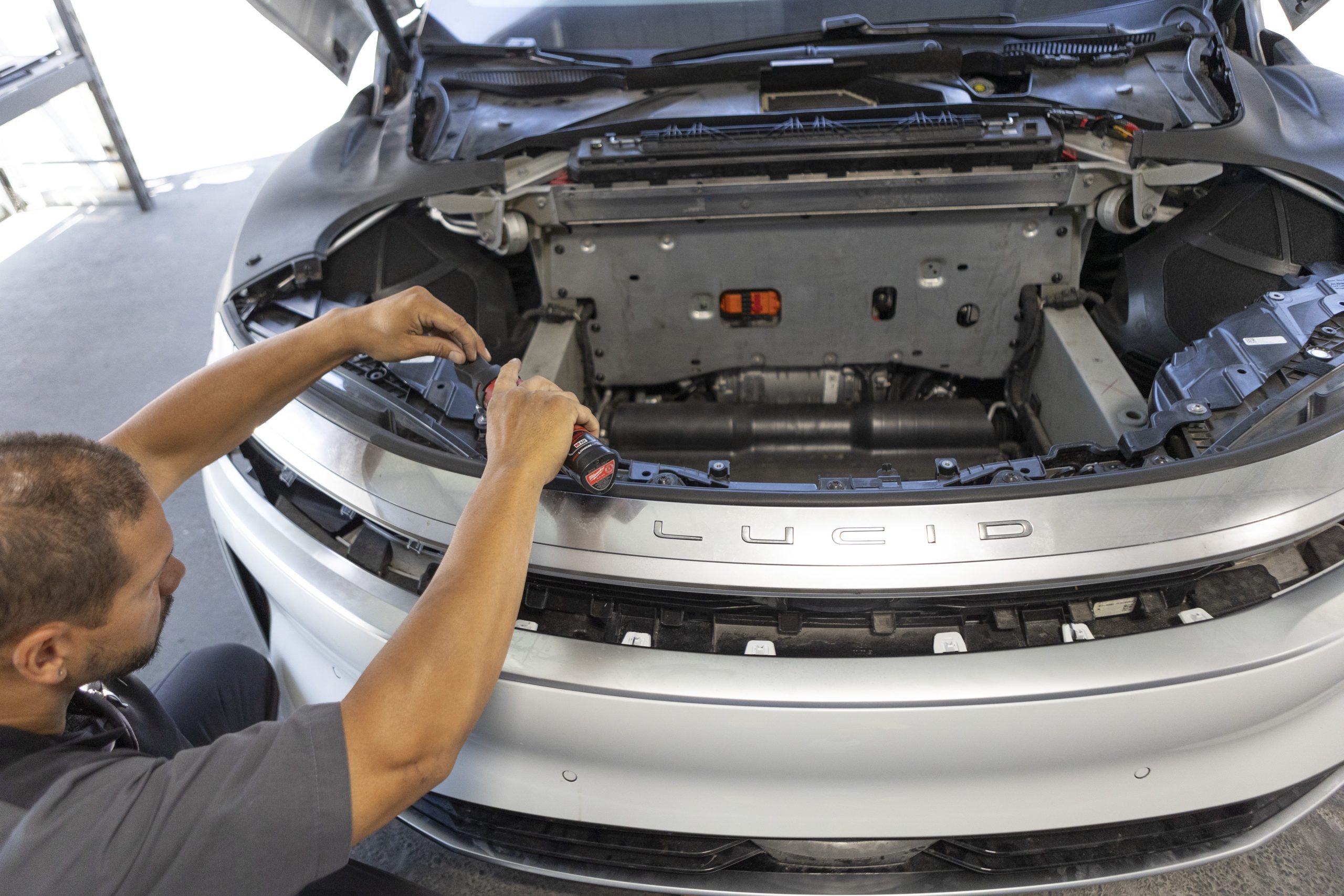
It is easy to assume that replacing a battery, changing brake pads, or fixing a minor electrical problem should take very little time.
Sometimes that is true. However, a busy workshop operates according to its entire repair schedule, not just the amount of time required for one job.
A mechanic might complete a battery replacement in less than an hour, but that does not mean a customer can walk in and receive immediate service. The technician may already be assigned to another vehicle, and the service bays may be occupied.
There is also the diagnostic stage. What appears to be a simple problem may have several possible causes. A warning light, for example, could point to a faulty sensor, damaged wiring, or a failing component elsewhere in the vehicle.
Technicians need time to investigate these possibilities before recommending repairs. Rushing the process can lead to incorrect diagnoses and unnecessary expenses.
Acceptance Insurance explains that customer wait times can vary according to the day, time, month, and season. Its service scheduling guidance also highlights how busy periods can affect appointment availability.
This explains why a small repair does not always receive a small waiting period. The actual work might be brief, but getting the vehicle into the shop is another matter entirely.
How to Prepare Your Vehicle Before the December Repair Rush
A little preparation can prevent an inconvenient mechanical problem from becoming a holiday emergency. Rather than waiting until something goes wrong, schedule routine maintenance before repair shops reach their busiest periods.
Pay attention to warning signs such as unusual engine noises, dashboard alerts, fluid leaks, weak battery performance, and changes in braking. Addressing these problems early gives your mechanic more time to inspect the vehicle and obtain any necessary components.
Keep maintenance records available, especially if your vehicle has a history of recurring faults. These records can help technicians understand previous repairs and avoid repeating diagnostic work unnecessarily.
If you already know that your vehicle needs attention, contact the repair shop before December. Ask about its appointment calendar, estimated repair times, and whether any required parts should be ordered in advance.
It is also worth asking whether the garage provides alternative transportation recommendations or courtesy vehicles. Some dealerships and repair facilities offer these services, although availability and eligibility vary.
Humble Mechanic advises drivers to schedule service when it is due rather than postponing necessary maintenance. The advice is particularly useful before busy holiday periods, when waiting until the last minute can leave you with fewer choices.
Preventive maintenance cannot guarantee that your vehicle will avoid every mechanical problem, but it can reduce the chances of an unexpected repair interrupting your plans.

What to Do If Your Mechanic Cannot Fix Your Car Until January
A January appointment does not mean you have to accept uncertainty about your vehicle’s condition. Start by asking the shop whether it can assess the problem sooner, even if the complete repair must wait.
Request a clear explanation of the fault, its urgency, and whether the vehicle is safe to drive. If replacement parts are needed, ask whether they have been ordered and request an estimated arrival date. Remember that delivery estimates can change, particularly during holiday periods.
If your regular mechanic cannot accommodate the repair, consider contacting another qualified garage or dealership. Independent repair shops may have different appointment schedules, staffing arrangements, and access to suppliers.
For major repairs, obtain a written estimate and ask whether the shop will contact you before performing additional work. This helps prevent unexpected charges and gives you a better understanding of the repair process.
If the vehicle is already at the garage, maintain communication without demanding unrealistic completion dates. Ask for updates when there is new information about diagnosis, parts delivery, or technician availability.
A long appointment queue is frustrating, especially when your transportation is essential. However, a rushed repair is rarely worth the risk.
The best approach is to act early, understand the condition of your vehicle, and make practical transportation arrangements if repairs cannot be completed before the holidays. A little planning can make a difficult December much easier to manage.