
Black Friday is not just for discounted televisions, laptops, and household appliances. American car dealerships also use the holiday shopping period to attract buyers with promotional financing, cash rebates, lease offers, and discounts on selected vehicles.
With Black Friday falling on November 27 in 2026, shoppers have an opportunity to compare year-end incentives and potentially save money on a new vehicle. However, an attractive advertisement does not automatically mean a great deal.
Financing conditions, dealership fees, trade-in values, and optional add-ons can change the final price considerably. Knowing what to check before visiting a dealership can make all the difference.
1. Compare the Black Friday Discount With the Actual Market Price
A large discount advertised on a dealership website can look impressive, but buyers should not assume that every advertised saving represents a genuine bargain.
Some promotional prices include manufacturer rebates, dealer discounts, or incentives that only certain customers qualify for. Others may be based on a vehicle configuration that is difficult to find on the lot.
Start by researching the vehicle’s normal transaction price before Black Friday. Check comparable listings from several dealerships and compare the same model year, trim, engine, drivetrain, and equipment. A $3,000 discount means little if another dealer was already selling the same vehicle for $2,500 less before the promotion.
The Federal Trade Commission advises shoppers to request the actual out-the-door price in writing before visiting a dealership. This figure should include the vehicle price, applicable taxes, and fees. It also helps reveal additional charges that might not appear in the original advertisement.

Another useful step is separating manufacturer incentives from dealer discounts. Manufacturer rebates may have eligibility restrictions, while dealer discounts are negotiated directly with the selling dealership. Some offers cannot be combined, so ask whether choosing a special financing rate means giving up a cash rebate.
Do not judge a Black Friday promotion by its headline percentage or dollar amount. Compare the final price against competing dealerships and similar vehicles. A smaller discount on a vehicle with fewer mandatory extras can be better than a larger advertised reduction that disappears once additional charges are included.
2. Check Whether 0% APR Financing Is Actually the Better Deal
One of the biggest attractions during Black Friday car sales is promotional financing. Automakers frequently advertise 0% APR or reduced-interest loans to encourage buyers to choose selected models. These offers can produce substantial savings, but they are not automatically the cheapest way to purchase a vehicle.
The first thing to understand is that promotional financing usually comes with eligibility requirements. A manufacturer may reserve its lowest advertised rate for buyers with excellent credit, and the offer might apply only to specific trims, model years, or loan durations. Even if an advertisement says 0% APR, not every applicant will qualify.
There is also a trade-off involving cash rebates. Some manufacturers allow customers to choose between a discounted financing rate and a larger cash incentive. Taking the rebate and arranging financing through a bank or credit union may sometimes produce a lower total cost.
For example, consider a hypothetical $40,000 vehicle financed over 60 months. At 0% APR, the monthly principal payment would be approximately $667. At 5% APR, the same amount borrowed over the same period would cost approximately $755 per month. That is a difference of roughly $5,300 across the loan term.
Before accepting dealership financing, obtain a preapproval from a bank or credit union. Compare the APR, loan duration, amount financed, and total interest rather than looking only at the monthly payment. The FTC specifically recommends arranging financing in advance and comparing dealership offers with outside lenders.

A Black Friday financing promotion can be excellent, but only when the complete terms suit your financial situation. Never assume the lowest advertised rate is automatically available or that it beats every cash-back alternative.
3. Do Not Ignore the Total Cost of Dealer Add-Ons
The excitement of securing a discounted vehicle can disappear when the finance office presents a collection of additional products and services. Black Friday promotions may attract buyers with an attractive advertised price, but optional accessories and protection packages can increase the amount due considerably.
Common dealership add-ons include extended warranties, paint protection, fabric treatments, nitrogen-filled tires, window etching, wheel protection, and GAP coverage. Some products provide useful protection, but others may offer limited value depending on the vehicle, existing warranty, insurance policy, and owner’s driving habits.
The Federal Trade Commission warns that add-ons are not free and can increase the total amount financed. It also advises customers to ask for individual prices and reject products they do not want.
Consider a simple example. If a dealership adds $2,000 in optional products to a car purchase, financing those items over 60 months at 6% APR increases the monthly payment by approximately $39. That may look relatively small during negotiations, but the buyer is paying interest on products that might not have been necessary.
Ask the salesperson to provide an itemized breakdown before entering the finance office. If a protection package is described as mandatory, ask whether it is genuinely required by the manufacturer or lender. Do not accept verbal explanations without checking the written agreement.

It is also worth comparing third-party alternatives. An extended warranty, for example, may be available from another provider at a different price. The coverage, exclusions, deductibles, and repair restrictions should be compared carefully.
Black Friday should be an opportunity to reduce the purchase price, not an excuse to add products that quietly increase the final bill. Only pay for services that offer genuine value to your circumstances.
4. Negotiate Your Trade-In Separately From the New Car Purchase
Trading in an existing vehicle can make a Black Friday purchase more convenient, but it can also complicate negotiations. Dealerships may advertise generous trade-in allowances to attract customers, yet a higher trade-in figure does not necessarily mean the buyer is receiving a better deal.
The important distinction is between the amount offered for your current vehicle and the selling price of the replacement. Both figures should be negotiated independently. Otherwise, a dealership could offer more for the trade-in while increasing the price of the new vehicle.
Before visiting the dealership, research your car’s estimated value using Kelley Blue Book, Edmunds, and other valuation services. Compare its condition, mileage, equipment, accident history, and local demand with similar listings. Obtain more than one purchase or trade-in offer if possible.
The FTC recommends negotiating the new vehicle’s price before discussing a trade-in. It also advises buyers to establish how much they still owe on their existing loan.
That outstanding balance matters. If you owe $18,000 on a vehicle worth only $15,000, you have $3,000 in negative equity. Rolling that amount into the next car loan increases the amount borrowed and can make the new purchase considerably more expensive.

Ask the dealership to show the new car’s selling price, trade-in allowance, outstanding loan balance, and final amount financed as separate figures. This makes it easier to identify whether the trade-in offer is genuinely competitive.
Black Friday promotions can create pressure to complete everything quickly, but there is no reason to rush this part of the transaction. You can also sell your existing vehicle privately if the expected return is significantly higher and the additional effort makes sense.
5. Check the Vehicle’s Model Year and Inventory Before Negotiating
Black Friday falls near the end of the calendar year, making it an interesting time to look for vehicles that dealerships want to move before newer inventory arrives.
However, buyers should understand the difference between a calendar-year model and a model-year vehicle. A 2026 car purchased in November does not automatically become a 2027 model simply because the new year is approaching.
Dealerships may offer attractive incentives on outgoing model-year vehicles, particularly when they have several examples of the same trim sitting in inventory. Manufacturers can also provide special financing or cash incentives to support sales of selected models.
Inventory levels can influence how much negotiating room a buyer has. CarEdge’s November 2026 market snapshot identified several vehicles with relatively high days’ supply, including the 2026 Jeep Gladiator at 210 days and the Ram 1500 at 170 days.
These figures indicate the relationship between available inventory and recent sales rates, not a guarantee that every dealership will negotiate aggressively.
Before visiting a showroom, check how many examples of your preferred model are available locally. Compare different colors, trims, and equipment packages rather than focusing on just one vehicle. If a dealership has several similar vehicles, you may have more flexibility when negotiating.
Also check whether the advertised incentive applies to the exact vehicle you want. Some offers exclude particular trims or require customers to finance through the manufacturer’s lending division.
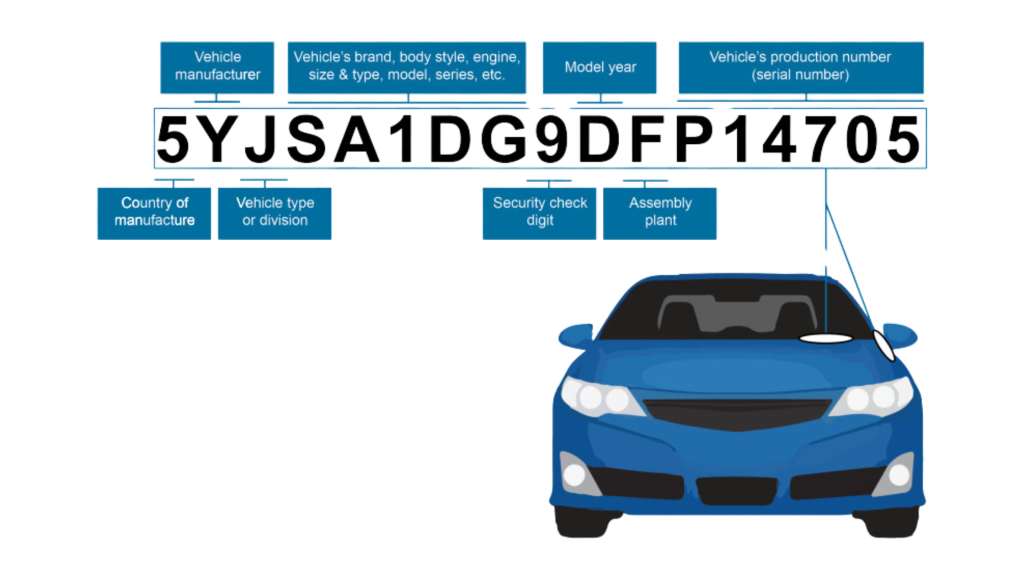
An older model year is not necessarily a poor choice. If it offers the features you need at a significantly lower price, it may provide better value than a newer version with only minor updates.
The objective is not simply to buy the oldest vehicle on the lot. It is to identify a properly equipped car with a competitive price and incentives that genuinely reduce your costs.
6. Read the Fine Print on Rebates, Lease Deals, and Promotional Offers
Black Friday car advertisements often highlight impressive figures, including cash rebates, low monthly lease payments, and special financing rates. However, the conditions attached to these promotions can determine whether you actually qualify for the advertised deal.
Start with cash rebates. Some manufacturer incentives are available to most eligible buyers, while others are restricted to military personnel, recent college graduates, existing brand customers, or specific geographic regions. Certain rebates may also be incompatible with promotional financing.
Lease advertisements require equally careful attention. A payment of $299 per month might look attractive, but it could require several thousand dollars upfront, a specific credit approval, and a mileage allowance that does not suit your driving habits.
Check the lease duration, amount due at signing, annual mileage limit, disposition fee, and potential excess-wear charges.
Kelley Blue Book’s 2025 holiday-deal coverage, for example, listed an advertised Honda Accord lease at $229 per month for 36 months with $3,999 due at signing. The monthly payment alone would not have represented the full cost of that arrangement.
The FTC advises consumers to verify rebate eligibility and obtain promotional terms in writing rather than assuming every advertised discount applies automatically.

Ask the dealership to explain whether a promotion is available to everyone or only qualifying customers. Also confirm its expiration date and whether the offer applies to the specific vehicle identification number you are considering.
A genuine Black Friday bargain should remain attractive after every condition is understood. If a salesperson cannot clearly explain the advertised offer, take time to review the manufacturer’s official terms before signing anything.
7. Do Not Let Black Friday Pressure Rush You Into Signing
Dealerships can become busy during major promotional weekends, and salespeople may emphasize that a particular discount is available only for a limited time. While some manufacturer incentives genuinely have expiration dates, that does not mean you should sign a purchase agreement without reviewing every detail.
Start by checking the complete sales contract. Confirm that the vehicle identification number, selling price, taxes, registration charges, dealer fees, trade-in allowance, and financing terms match what you negotiated. Look carefully for optional products that were not part of your original agreement.
The FTC recommends reading the financing agreement carefully and confirming that the terms are final before leaving the dealership. It also warns buyers not to rely exclusively on a salesperson’s verbal explanation of the agreement.
Another important step is checking the delivery condition. Inspect the exterior for scratches, dents, paint damage, and wheel marks. Verify that the interior, safety equipment, spare tire or repair kit, charging cables where applicable, and included accessories are present.

If you are purchasing a used vehicle, request its history report and arrange an independent mechanical inspection. The FTC specifically explains that a vehicle history report cannot replace an independent inspection because it may not reveal existing mechanical problems.
Finally, remember that you can walk away. A dealership’s claim that another customer is interested in the same vehicle should not force you into an agreement that you do not understand.
Black Friday discounts can be useful, but a rushed purchase can create financial problems that last for years. Take the time to review the paperwork, ask questions, and ensure the final agreement matches the deal you actually wanted.