
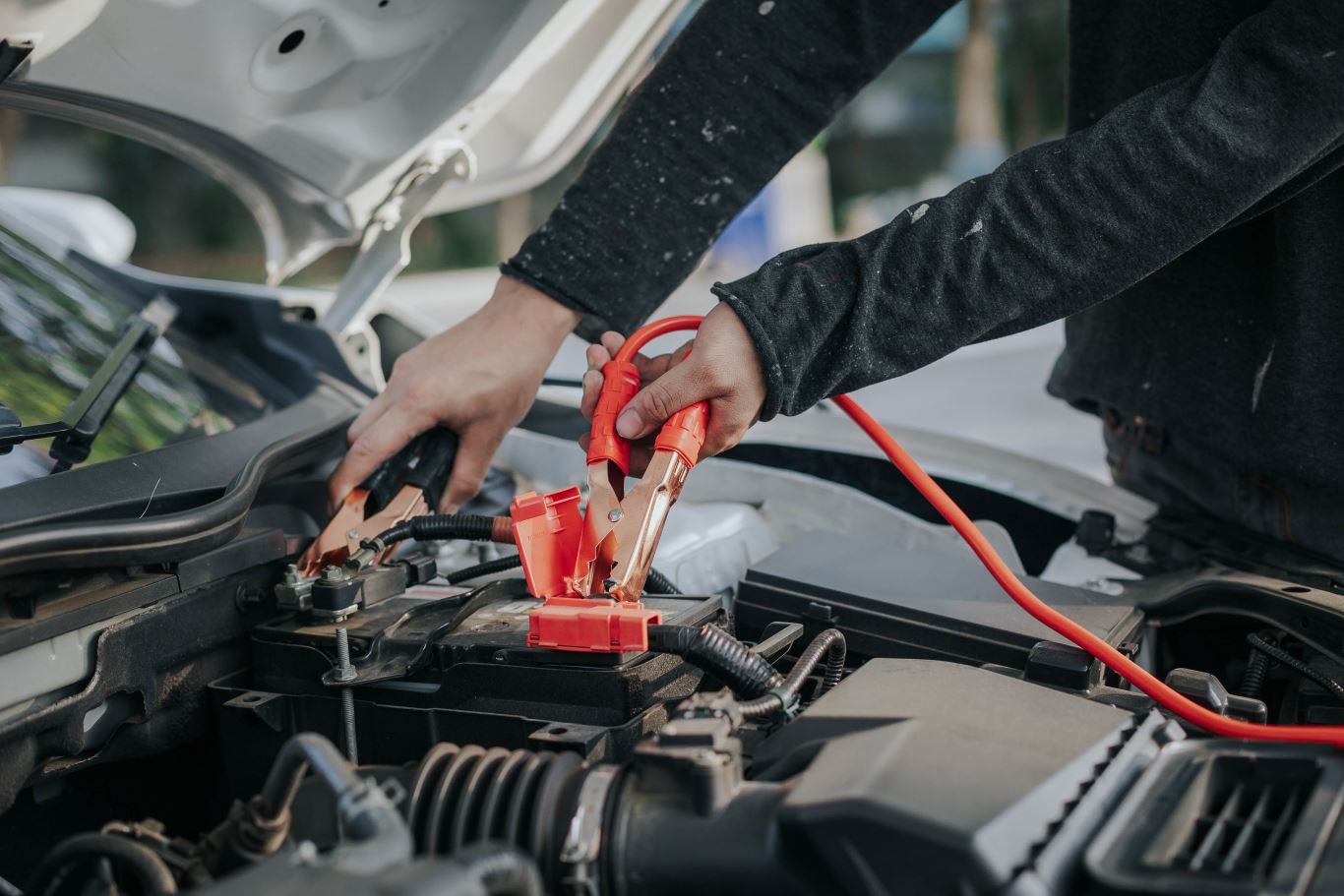
Winter is one of the toughest seasons for a car battery. Falling temperatures reduce the amount of power a battery can deliver, while cold engine oil makes starting more demanding.
A battery that works perfectly during summer may suddenly struggle when temperatures approach freezing. The problem becomes even more serious in northern US states, where prolonged cold spells can expose weaknesses in older batteries. Fortunately, a few practical maintenance habits can reduce the risk of unexpected failures.
From checking battery health and cleaning electrical connections to using maintainers and protecting against extreme temperatures, these 11 methods can help keep your battery reliable throughout winter.
1. Get Your Battery Professionally Tested Before Winter
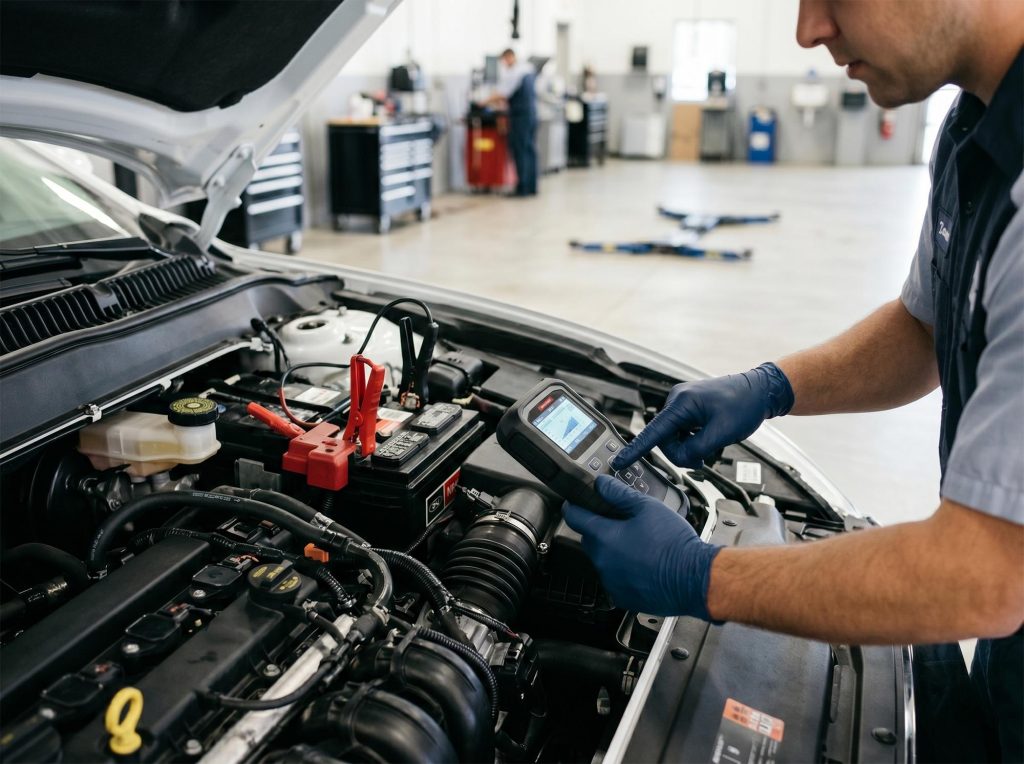
A battery can appear perfectly healthy and still struggle when winter temperatures arrive. That is why getting it tested before the first serious cold spell is one of the smartest maintenance decisions a driver can make.
A professional battery test measures its ability to deliver starting power and helps identify weaknesses that may not be obvious during everyday driving.
Cold weather creates two problems simultaneously. The battery’s chemical reactions slow down, reducing the power it can supply, while the engine requires more energy to turn over because its lubricants become thicker.
According to AAA, a battery can lose approximately 35% of its power at 32 degrees Fahrenheit and up to 60% at 0 degrees Fahrenheit, based on figures from battery manufacturer Exide.
A technician can perform a conductance or load test to evaluate battery condition. The results help establish whether the battery can still meet the vehicle manufacturer’s starting requirements. The charging system should also be checked because an alternator problem can leave even a relatively new battery undercharged.
Pay particular attention if your battery is three or more years old, although actual service life depends on climate, usage, and maintenance. A battery that has already experienced repeated jump-starts deserves immediate attention.
Do not wait until the first freezing morning to discover a problem. Schedule testing during autumn, when replacement can be handled without the inconvenience of an unexpected breakdown.
Ask for the test results rather than accepting a vague statement that the battery is fine. This simple inspection provides a much clearer picture of whether your vehicle is prepared for winter.
2. Clean Battery Terminals and Remove Corrosion
Sometimes a car struggles to start even though the battery itself still has sufficient capacity. The problem may be hiding at the electrical connections. Corrosion around battery terminals can interfere with the flow of electricity between the battery, starter motor, and charging system.
Battery corrosion commonly appears as a white, blue, or greenish powdery deposit around the terminals and cable connections. It can develop because of chemical reactions involving battery gases, moisture, and metal surfaces. When the buildup becomes substantial, electrical resistance can increase, making it harder for the starter to receive the current it needs.
Winter makes this problem particularly frustrating because the battery is already working under difficult conditions. A weak electrical connection can turn a marginal starting situation into a complete failure. Cleaning the terminals before temperatures drop helps ensure that available battery power can reach the vehicle’s electrical system efficiently.
For routine cleaning, switch off the vehicle, remove the key, and follow the manufacturer’s battery-service instructions. Wear protective gloves and eye protection. Use a dedicated battery-terminal cleaning brush and an appropriate battery-safe cleaning solution.
If disconnecting cables is necessary, follow the correct procedure in the owner’s manual, including the specified disconnection and reconnection order.
Avoid allowing cleaning liquid to enter battery vents or contact sensitive electrical components. After cleaning, make sure the terminals are dry and connections are properly secured. A suitable terminal protectant can help reduce future corrosion.
AAA’s winter maintenance guidance specifically recommends checking battery cables and terminals for corrosion and ensuring connections remain tight.

A swollen, leaking, cracked, or visibly damaged battery should never be cleaned and put back into service without a professional inspection. Even perfectly maintained electrical connections cannot fix an internally failing battery. Have it checked by a qualified technician and replaced if necessary.
3. Park Your Vehicle in a Garage or Sheltered Location
Where you park your vehicle overnight can influence how well its battery performs the following morning. If you have access to an enclosed garage, using it during winter is a simple way to reduce the battery’s exposure to extreme temperatures.
Cold weather slows the chemical reactions inside a conventional lead-acid battery, reducing the amount of electrical power it can deliver. At the same time, a cold engine requires more energy to crank because its oil becomes thicker. This combination puts additional pressure on a battery that may already be approaching the end of its service life.
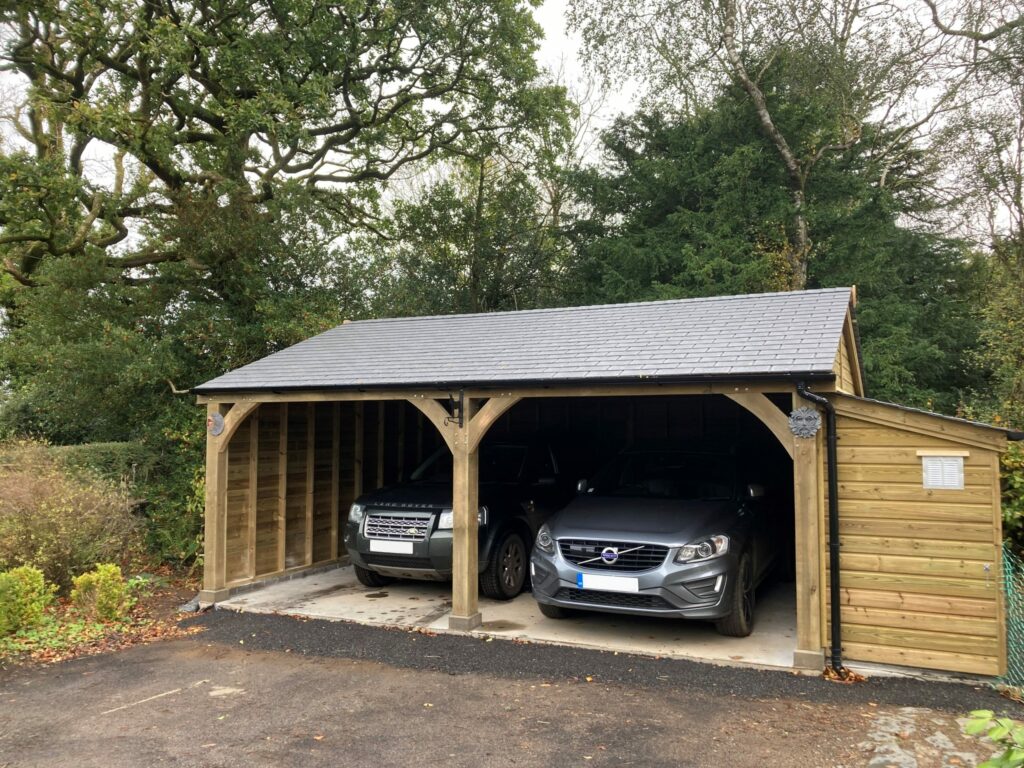
A garage provides some protection by reducing exposure to freezing outdoor air and wind. A heated garage offers additional temperature protection, although even an unheated enclosed garage can be preferable to leaving the vehicle completely exposed. AAA recommends indoor parking as one of its practical cold-weather battery protection measures.
If you do not have a garage, consider a covered parking space or a location sheltered from strong winds. However, remember that a carport does not maintain the same temperature as an enclosed building.
Parking in a sheltered area also helps limit moisture and snow buildup around battery terminals and other components in the engine bay, reducing their exposure to harsh weather conditions.
Never operate a gasoline-powered vehicle inside a closed garage, even with the garage door partially open. Exhaust contains carbon monoxide, which can be fatal.
For drivers living in states such as Minnesota, Michigan, North Dakota, and Wisconsin, choosing a sheltered parking location can be a useful part of winter preparation. It costs nothing if suitable parking is already available, yet it can help reduce the stress that extreme temperatures place on an aging battery.
4. Avoid Repeated Short Trips During Freezing Weather
Repeated short journeys can gradually weaken a car battery during winter, particularly when the vehicle is already dealing with low temperatures and increased electrical demands. A five-minute drive to a nearby store might seem harmless, but several journeys like this can leave the battery with less charge than it had at the beginning of the day.
Here is why it happens. Starting an engine requires a substantial burst of electricity. Once the engine is running, the alternator supplies electrical power and replenishes the energy used during starting. However, the battery needs sufficient running time to recover that energy, and short journeys may not provide enough opportunity.
Winter makes the situation more complicated because drivers frequently use heated seats, rear-window defrosters, headlights, cabin fans, and other electrical equipment. These systems increase the vehicle’s electrical demand.
AAA warns that repeated short trips can prevent the battery from recovering its charge properly. Its winter guidance recommends combining errands and allowing sufficient driving time between starts.
A practical solution is to combine several nearby errands into one journey instead of starting the engine multiple times throughout the day. If your regular driving consists almost entirely of very short trips, consider having the battery’s state of charge checked and using a compatible automatic charger when appropriate.

Do not assume that driving for exactly 30 minutes will fully recharge every battery. Charging requirements depend on battery condition, alternator output, electrical loads, temperature, and the vehicle’s charging strategy.
The goal is to avoid unnecessary repeated starting cycles and give the charging system a reasonable opportunity to replenish the battery. This small change in driving habits can make a meaningful difference during demanding winter conditions.
5. Turn Off Electrical Accessories Before Switching Off the Engine
Leaving electrical accessories running when the engine is switched off is an easy way to drain a battery, particularly during winter.
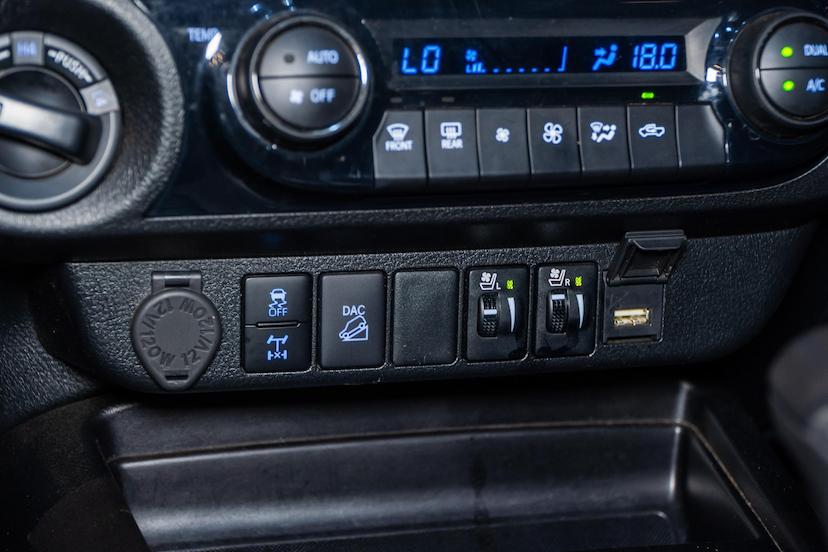
Modern vehicles have numerous electrical features, including heated seats, infotainment systems, interior lighting, USB charging ports, and climate-control fans. Although convenient, these systems can consume battery power when the alternator is no longer operating.
The problem becomes more noticeable when a vehicle is parked outside in freezing temperatures. A battery that is already struggling to deliver sufficient starting power has less room for unnecessary electrical consumption. Leaving the headlights on, playing music with the engine switched off, or charging multiple devices can reduce the available charge.
Develop a simple habit before leaving your vehicle. Switch off the headlights if they are not controlled automatically, turn off the climate-control system, and disconnect accessories that continue drawing power. Check that interior lights have switched off after closing the doors.
Some modern vehicles manage these functions automatically, while others have accessory modes that allow electronics to operate without starting the engine. Understand how your particular vehicle handles these settings by checking the owner’s manual.
AAA specifically recommends avoiding unnecessary electrical accessory use while the engine is off. Its winter battery guidance identifies headlights, infotainment systems, heated seats, steering-wheel heaters, and USB ports among the electrical loads that can drain a parked vehicle’s battery.
There is no need to avoid using comfort features while driving. The alternator supplies electrical power when the engine is running, although the charging system must still handle the vehicle’s total electrical demand.
The important distinction is whether the engine is running. Turning off unnecessary accessories before parking reduces avoidable battery drain and gives your vehicle a better chance of starting the following morning.
6. Install a Battery Blanket or Battery Warmer
Drivers living in regions with extremely cold winters may benefit from installing a battery blanket or battery warmer. These accessories are designed to reduce the impact of low temperatures on the battery, helping it maintain more favorable operating conditions when the vehicle remains parked outside.
A battery blanket is generally an insulating cover that fits around the battery. It helps retain some of the heat generated during vehicle operation, slowing the rate at which the battery cools. It does not actively generate heat, so its effectiveness depends on the temperature, parking duration, and design of the insulation.
A powered battery warmer works differently. It uses an electrical heating element to warm the battery when connected to an appropriate power source. Some models are designed to operate automatically according to temperature, while others require manual connection or control.
AAA recommends considering a battery blanket or warmer for vehicles regularly exposed to extreme cold, particularly when temperatures fall below 0 degrees Fahrenheit.
However, compatibility is essential. Not every battery can use every type of insulation or heating accessory. Before purchasing one, check the battery manufacturer’s instructions and the vehicle owner’s manual. The product must be suitable for the battery’s size, chemistry, location, and mounting arrangement.
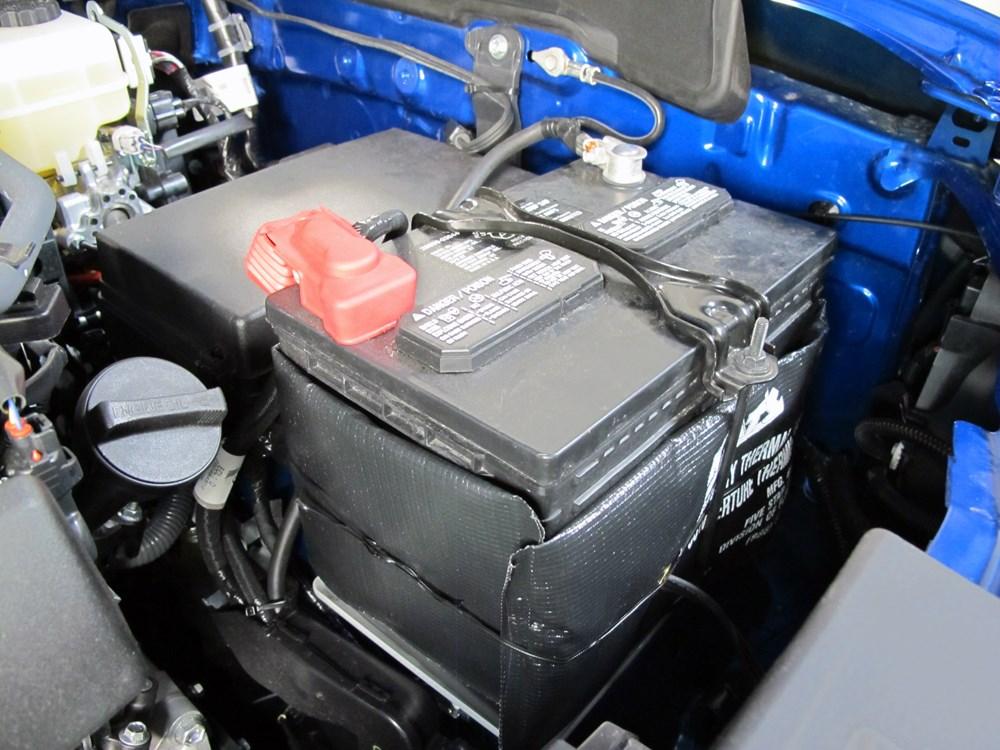
Never wrap a battery in ordinary household blankets, towels, or improvised insulation. Such materials may interfere with ventilation, retain moisture, or create other safety problems. Use an automotive product specifically designed for the application.
For drivers in Alaska, Montana, Minnesota, and North Dakota, a suitable battery warmer can be a worthwhile winter investment. It is not a replacement for battery testing or maintenance, but it can provide additional protection when severe cold becomes a regular part of everyday driving.
7. Use an Automatic Battery Maintainer When the Car Sits Unused
If your vehicle remains parked for several days or weeks during winter, an automatic battery maintainer can help prevent its charge from dropping too low. This is particularly useful for seasonal vehicles, second cars, and vehicles that are not driven regularly.
A battery slowly loses charge even when the engine is switched off. Modern vehicles also consume small amounts of electricity while parked to operate security systems, clocks, computers, and other electronic modules. During extended storage, this gradual drain can leave the battery unable to start the engine.
An automatic maintainer monitors the battery’s charge and supplies power when needed. Unlike an ordinary basic charger, a quality smart maintainer adjusts its charging operation and can switch to a maintenance mode once the battery is sufficiently charged.
Choose a model compatible with your battery chemistry, whether it uses conventional flooded lead-acid, AGM, or another supported technology. Check the manufacturer’s instructions for connection points and charging requirements.
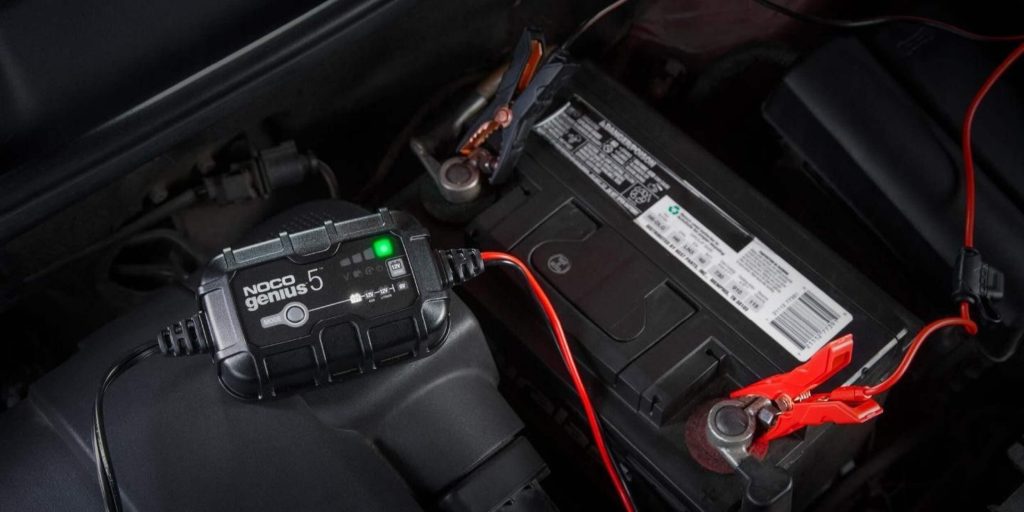
General Motors also addressed battery maintenance during extended storage and cold-weather conditions in Service Bulletin 15-06-03-001B, which provides testing and maintenance guidance for its vehicles.
Never use an unsuitable charger or leave a damaged battery connected to a charging device. Follow the equipment instructions and provide appropriate ventilation.
8. Have the Alternator and Charging System Inspected
A healthy battery cannot remain reliable if the vehicle’s charging system is not working properly. The alternator supplies electrical power while the engine runs and helps replenish the energy used during starting. If it develops a fault, the battery may gradually lose charge even when you drive regularly.
One warning sign is a battery-shaped warning light appearing on the dashboard. Other symptoms can include dimming headlights, electrical accessories behaving unusually, or repeated difficulty starting the vehicle. These symptoms do not automatically prove alternator failure, but they indicate that the charging system needs attention.
The alternator is not the only component worth inspecting. Its drive belt, wiring, connectors, and battery connections can also affect charging performance. A loose or damaged belt may prevent the alternator from operating correctly.
Ask a technician to test charging-system performance under appropriate operating conditions rather than relying on a single voltage reading. Modern vehicles can use electronically controlled charging systems, so normal voltage readings may vary depending on operating conditions.
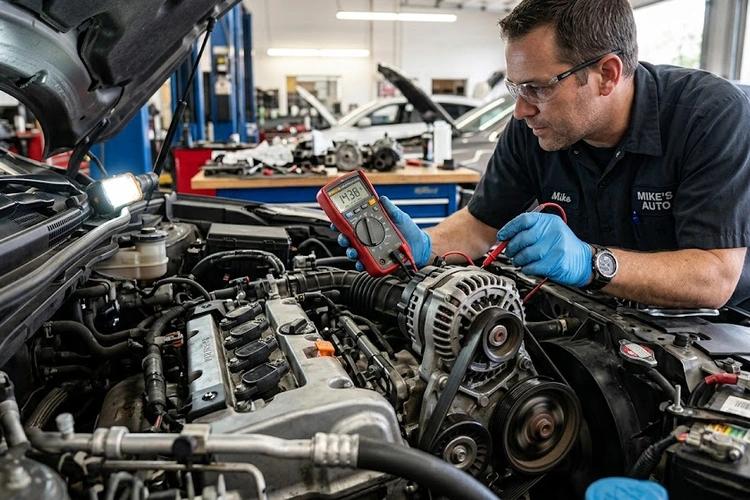
The National Highway Traffic Safety Administration specifically recommends having the battery, charging system, and belts checked before winter.
Addressing a charging fault early can prevent repeated battery discharge and unnecessary replacement expenses. If your battery repeatedly goes flat despite being relatively new, investigate the charging system before purchasing another one.
9. Make Sure the Battery Is Properly Secured
A battery that moves around inside the engine compartment can suffer damage over time. Although this problem is often overlooked during routine maintenance, a loose battery can experience repeated vibration whenever the vehicle travels over potholes, rough roads, or uneven surfaces.
That vibration can damage internal battery components and shorten its service life. It can also place unnecessary stress on the battery terminals and electrical cables. In severe cases, a poorly secured battery may shift enough to damage nearby components or create an electrical short.
Before winter begins, inspect the battery hold-down bracket and mounting hardware. The battery should sit firmly in its designated tray without excessive movement. Look for missing bolts, damaged brackets, cracked mounting trays, or signs that the battery has previously shifted.
Do not overtighten the hold-down hardware. Excessive pressure can damage the battery casing, particularly with certain battery designs. Follow the vehicle manufacturer’s specified installation procedure and tightening requirements.
AAA’s battery maintenance guidance identifies proper battery mounting as an important part of preventing vibration-related damage.
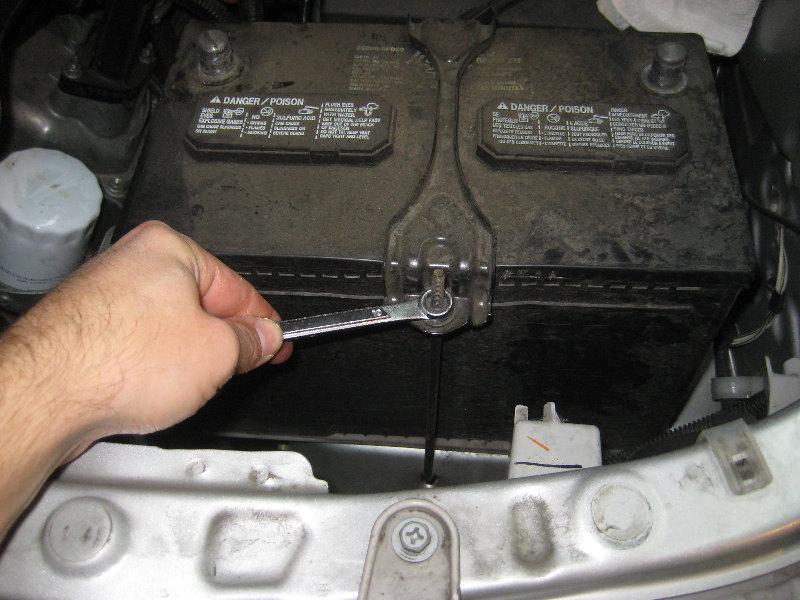
This inspection is especially worthwhile if your vehicle regularly travels on rough roads or has recently received a replacement battery. Sometimes an incorrectly sized replacement battery may not fit the original mounting arrangement properly.
A secure battery does not generate additional electrical power, but it helps protect the battery from avoidable physical stress. Considering how much starting power you depend on during freezing weather, ensuring that the battery is properly mounted is a small maintenance task worth completing before winter arrives.
10. Check Electrolyte Levels in Serviceable Batteries
Some conventional automotive batteries require occasional electrolyte-level inspections. These batteries contain a liquid mixture that supports the chemical reactions responsible for storing and delivering electrical energy.
If the electrolyte level becomes too low, internal battery plates may become exposed, potentially reducing performance and causing permanent damage.
However, this maintenance step does not apply to every modern car battery. Many vehicles use sealed maintenance-free batteries or AGM batteries that are not designed for owners to open and refill. Never remove covers or attempt to add water to a battery unless its manufacturer specifically permits this procedure.
If your vehicle has a serviceable flooded lead-acid battery, consult its maintenance instructions to determine the correct inspection procedure. When topping up is permitted, use distilled water rather than ordinary tap water. Tap water contains minerals that can interfere with battery chemistry.
Avoid overfilling because electrolyte can expand during charging and potentially spill. Wear appropriate eye protection and chemical-resistant gloves, and keep sparks, cigarettes, and open flames away from the battery.
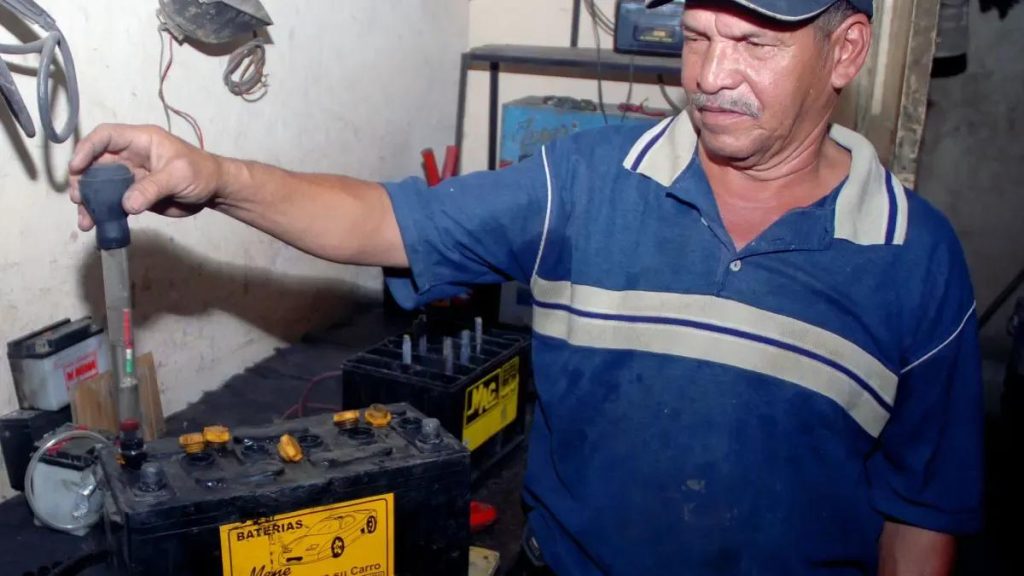
AAA’s battery maintenance guidance distinguishes between sealed maintenance-free batteries and serviceable batteries that require periodic water-level checks.
Winter is a particularly important time to ensure that an older serviceable battery remains properly maintained. However, if the battery casing is cracked, leaking, or swollen, do not attempt a DIY repair. Have it inspected and replaced if necessary. Correct electrolyte maintenance cannot restore a battery that has already suffered serious internal damage.
11. Replace a Weak Battery Before Extreme Cold Arrives
Sometimes the best way to protect your vehicle from winter battery problems is to replace an aging battery before it fails. No amount of cleaning, charging, or parking precautions can restore a battery that has reached the end of its useful service life.
Most conventional automotive batteries last approximately three to five years, although actual lifespan depends on climate, driving habits, maintenance, and battery quality. In the United States, prolonged summer heat can accelerate internal deterioration, while winter temperatures expose the resulting loss of starting performance.
Watch for warning signs such as slow engine cranking, repeated jump-start requirements, dim headlights, and a battery that struggles to hold its charge. These symptoms should prompt a professional test rather than an assumption that the battery simply needs charging.
When replacement becomes necessary, select a battery that matches the vehicle manufacturer’s requirements. Pay attention to the correct group size, terminal arrangement, cold-cranking amps (CCA), and battery technology.
CCA measures a battery’s ability to deliver starting current at 0 degrees Fahrenheit under a standardized test. A higher CCA rating is not automatically better if the battery does not meet the vehicle’s other specifications.
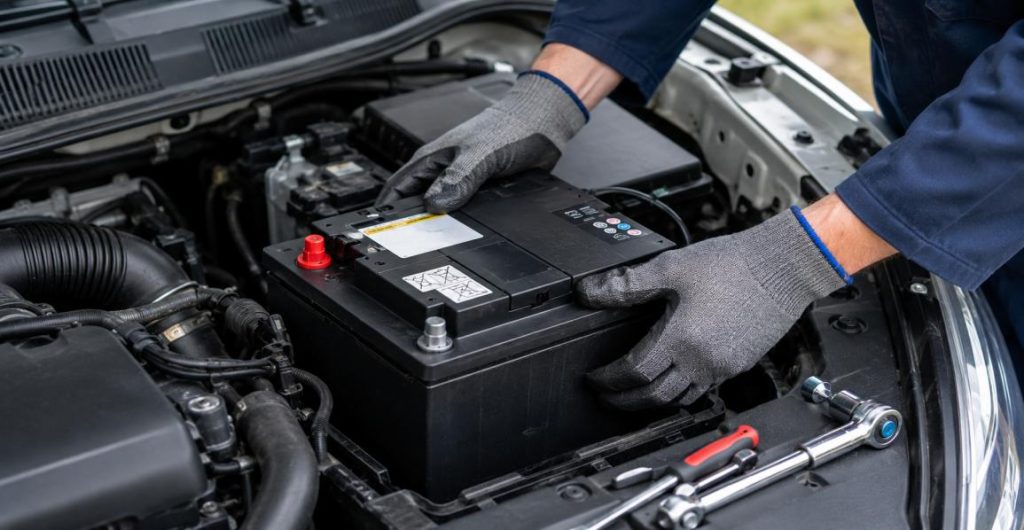
Some modern vehicles also require battery registration or charging-system adaptation after replacement. Check the owner’s manual or ask a qualified technician.
AAA recommends testing older batteries before winter and replacing weak units before they leave drivers stranded.
Replacing a failing battery in autumn is generally more convenient than discovering the problem during a freezing morning when you need your vehicle most.
