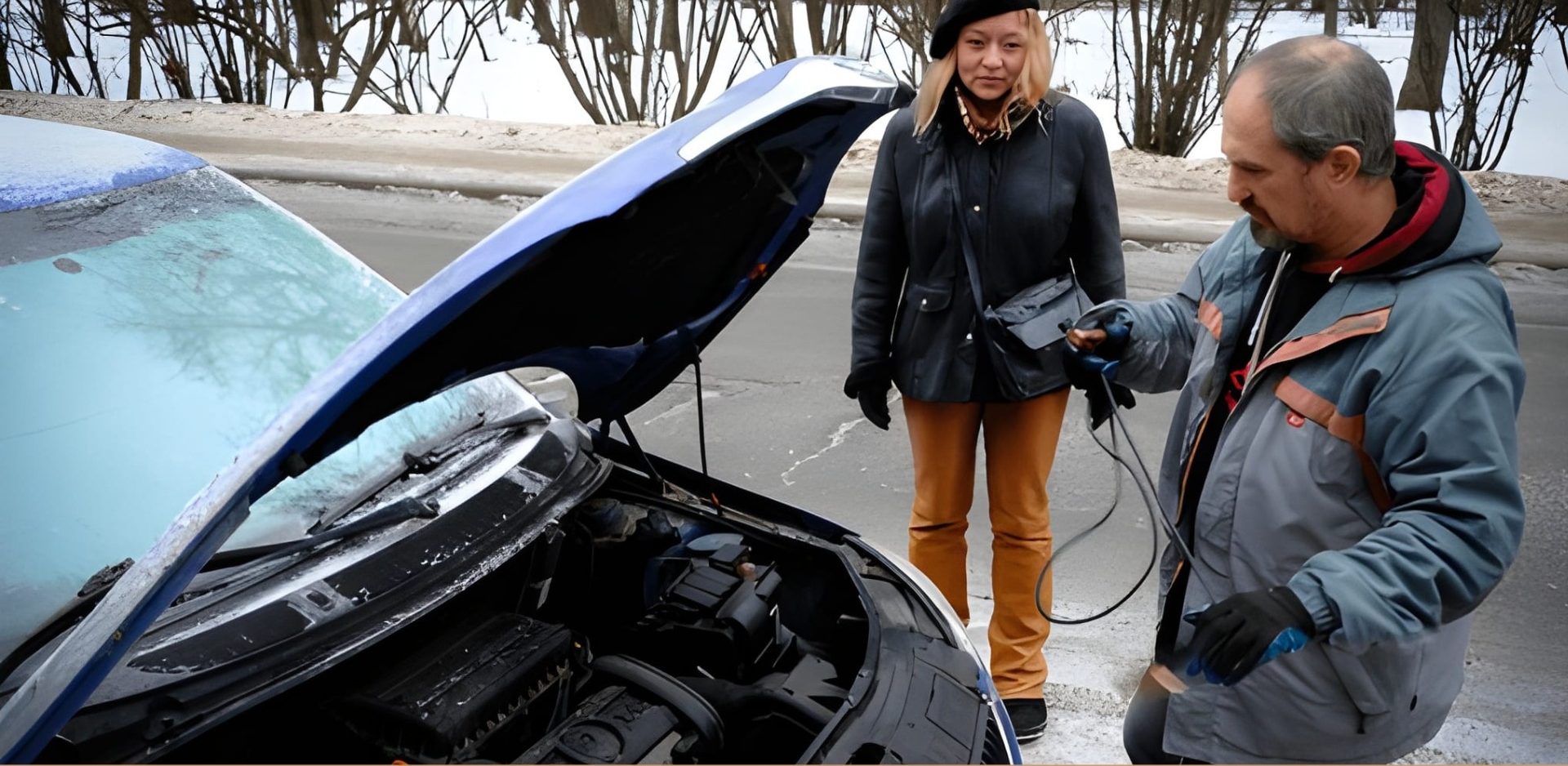
Winter can be tough on your car, even when it looks perfectly fine after the cold weather passes. Freezing temperatures, icy roads, road salt, and hidden potholes can cause damage to different parts of your vehicle. Some problems are easy to spot, while others develop quietly until they begin affecting your car’s performance, comfort, or safety.
Perhaps your vehicle has started making strange noises, or you have noticed changes in how it handles. These could be early warnings that winter conditions have taken a toll. Recognizing the signs early can help you address minor problems before they become expensive repairs. Here are six common signs that winter may have damaged your car and what you should look for.
1. Rust Spots on the Body or Undercarriage
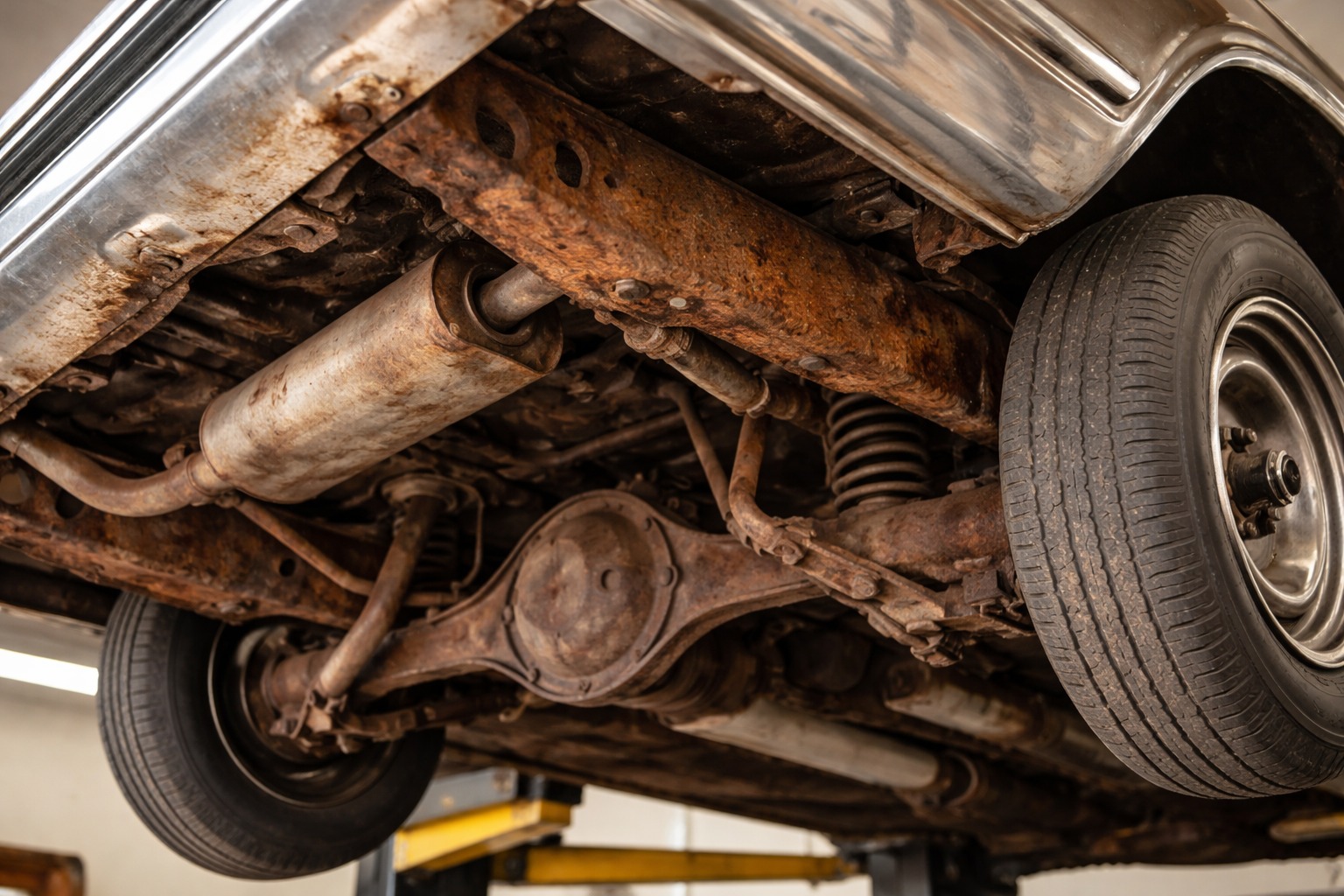
A few orange or brown patches on your car might seem harmless, but they could indicate the beginning of rust damage. Winter conditions create an ideal environment for corrosion, especially when road salt, moisture, and exposed metal meet.
If you frequently drive on salted roads, your vehicle’s lower body panels and undercarriage may be especially vulnerable.
Watch for wheel wells, door bottoms, rocker panels, and areas around the vehicle’s frame. These locations often collect salty water, dirt, and road debris.
Once moisture settles into small scratches or damaged paint, corrosion can begin beneath the surface. Sometimes, the first visible sign is a tiny orange spot that gradually spreads.
The undercarriage deserves just as much attention as the exterior. Rust can affect metal components underneath your vehicle, including brackets, fasteners, and structural sections. In severe cases, corrosion may weaken important parts and lead to costly repairs.
A thorough inspection after winter is a sensible precaution. Look for bubbling paint, flaking metal, unusual discoloration, and rough patches. Washing away accumulated road salt, including from underneath the vehicle, can help reduce further corrosion.
If you discover deep rust, holes, or areas where metal appears weakened, arrange an inspection with a qualified automotive professional. Addressing corrosion early can help protect your vehicle’s appearance, durability, and structural condition.
2. Corrosion Around the Battery Terminals
Have you noticed that your engine takes longer than usual to start on a cold morning? Perhaps you turn the ignition, hear a sluggish cranking sound, and wonder whether the battery is finally giving up.
Winter temperatures can place considerable strain on car batteries, and corrosion around the terminals may add another problem.
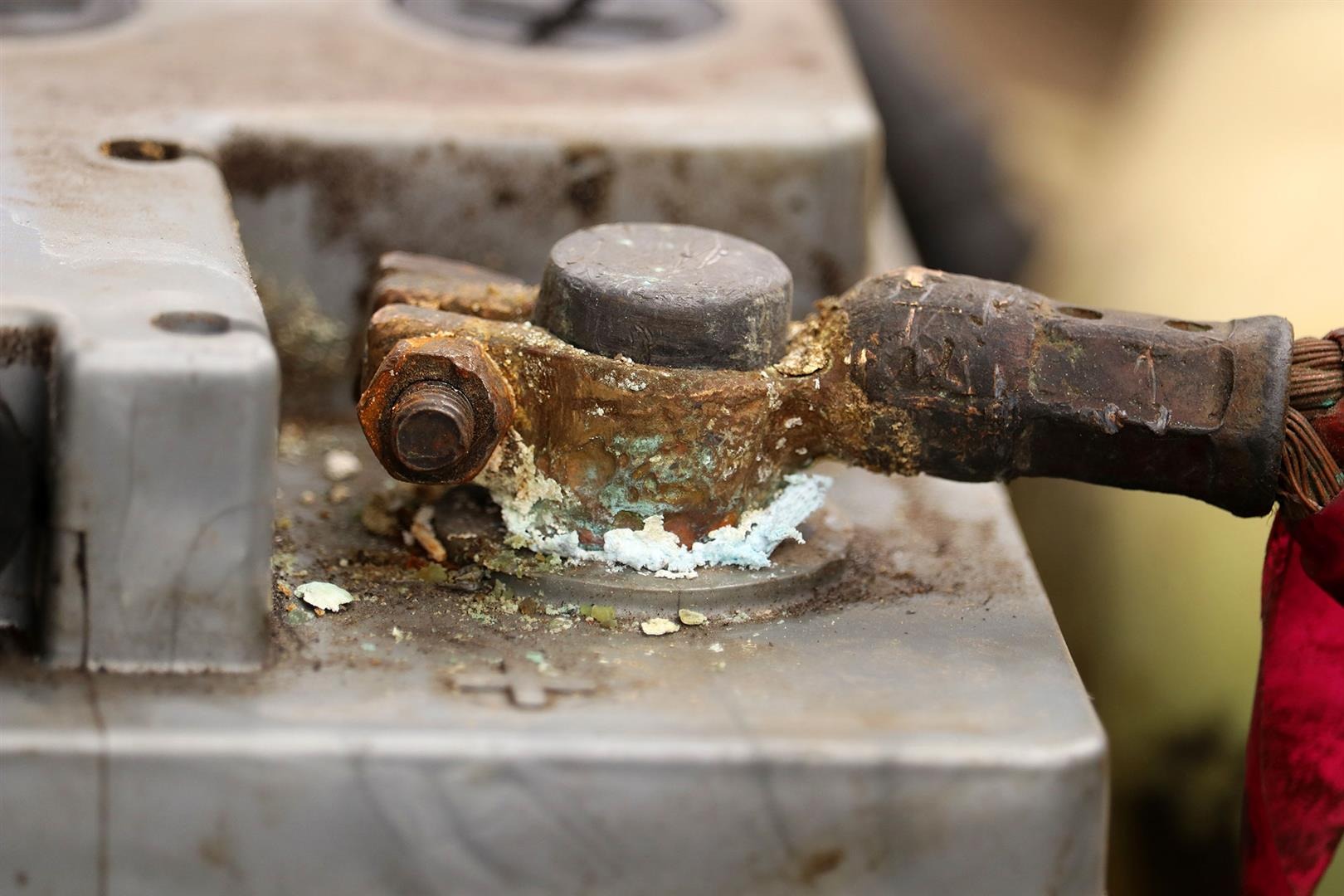
Take a moment to inspect the battery under the hood. Healthy battery terminals should have clean metal connections without excessive buildup. If you see a white, powdery, bluish, or crusty substance around the battery posts and cable clamps, corrosion may be present.
Cold weather reduces a battery’s ability to deliver power, making engine starting more difficult. At the same time, moisture and chemical reactions can contribute to corrosion around the connections. This buildup interferes with the electrical connection between the battery and the vehicle.
The symptoms are not always limited to slow starting. You might experience dim headlights, flickering dashboard lights, electrical accessories that work inconsistently, or a battery that repeatedly loses its charge.
Do not ignore these warning signs, particularly if your vehicle has already struggled through several freezing mornings. A mechanic can test the battery’s condition, inspect the charging system, and determine whether the terminals need cleaning or replacement.
Avoid touching or brushing away battery corrosion without proper protection. Battery acid can cause injuries, so terminal cleaning is best handled with appropriate safety equipment and the correct procedure. If the battery is old or failing its test, replacement may be necessary.
3. Cracked, Brittle, or Streaking Wipers
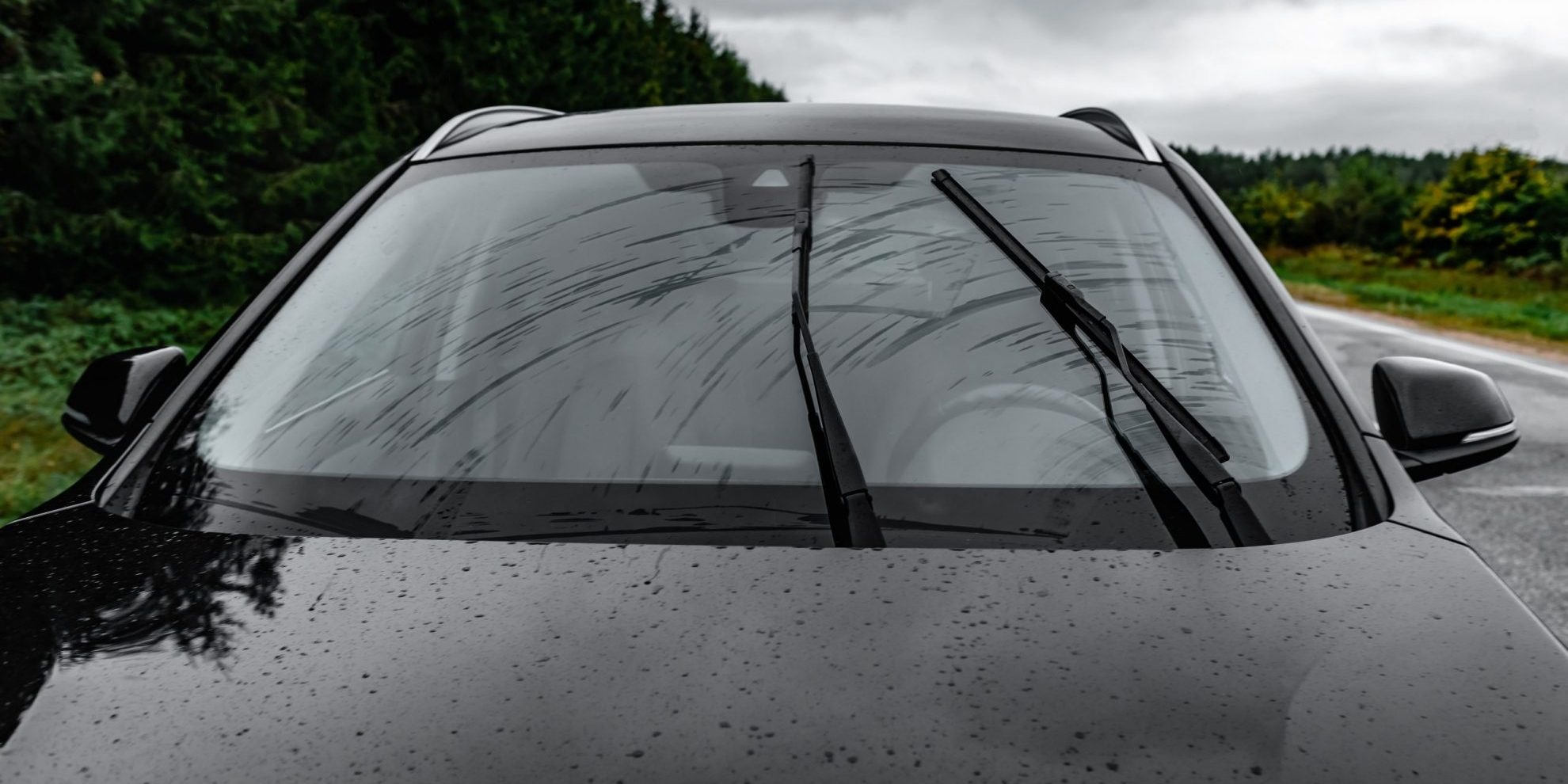
Nobody thinks about wipers until they fail in the middle of a storm. Then you notice nothing else. If your blades crack, tear, leave streaks across the glass, or stick and freeze to the windshield, winter has already done its work on them.
The cause is simple. Freezing temperatures dry out and stiffen the rubber compound, and every scrape across ice makes things worse.
Rubber that was flexible in October turns hard and brittle by February. A stiff blade can’t hug the curve of the glass, so it skips, smears, or leaves bands of water right in your line of sight.
Here’s a quick test. Run a fingertip along the edge of each blade. If it feels rough, nicked, or hard, replacement time has arrived. Also watch for chattering sounds while the wipers move, since that’s another hint of worn rubber.
Replacing wipers is among the cheapest and fastest fixes in car care. Most blades snap on without tools, and a pair costs far less than a repair bill. Consider winter-rated blades if your area sees heavy snow, since their design resists ice buildup.
A few habits help, too. Lift the blades off the glass before an ice storm, never use them to chip frozen windshields, and let the defroster melt ice first. Good visibility is a safety feature, not a luxury.
4. Rattling or Unusual Exhaust Noises
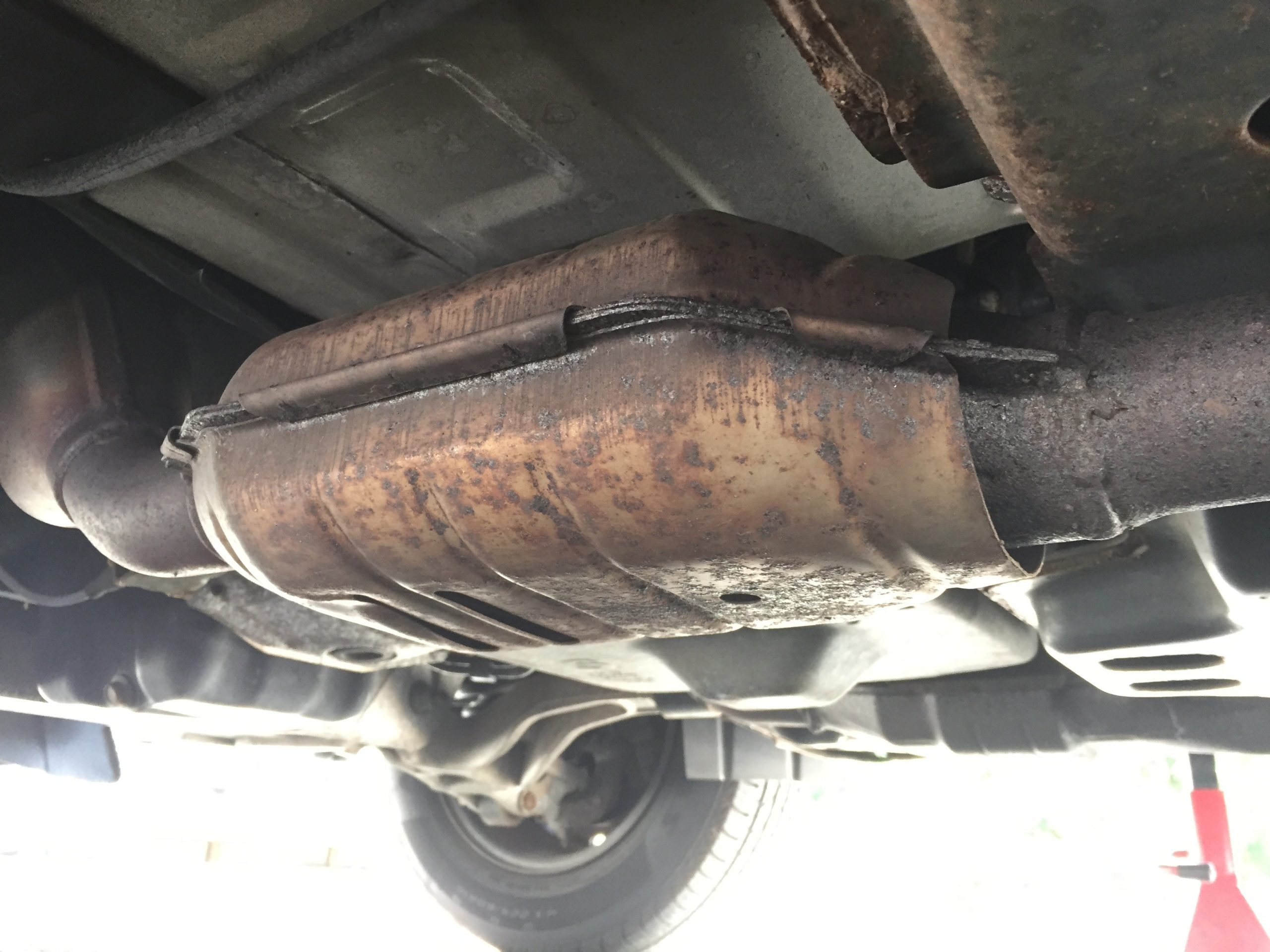
Listen closely the next time you start your car. Do you hear a new rumble, a hum, or a tinny rattle coming from underneath, or near the tailpipe? Sounds like these deserve attention, because the exhaust system rarely complains without a reason.
Winter roads hide a nasty trick. Potholes can sit beneath slush or ice, invisible until a tire drops straight into them. That jolt can bend or crack the exhaust pipe, or break the hangers that hold it in place. Salt and moisture then finish the job by rusting the metal from the outside in.
A loose or damaged exhaust isn’t just annoying. Leaks can let harmful fumes escape before they reach the tailpipe, and carbon monoxide is dangerous because you can’t see or smell it. If you notice exhaust odors inside the cabin, open the windows and get the car checked right away.
You can do a basic inspection yourself. With the engine off and cool, look underneath for hanging pipes, visible holes, or heavy flaking rust. Gently wiggle the tailpipe to see whether it feels loose.
A muffler shop or mechanic can tighten, weld, or replace damaged sections, and small repairs cost much less than full replacements. Don’t ignore the noise and hope it fades. It rarely does, and it usually gets louder and pricier.
5. Stiff, Squeaky, or Loose Suspension Components
Remember that one pothole that made your whole car shudder in January? Your suspension may still be feeling the effects. Winter roads can be particularly harsh on the components responsible for keeping your ride comfortable, balanced, and stable.
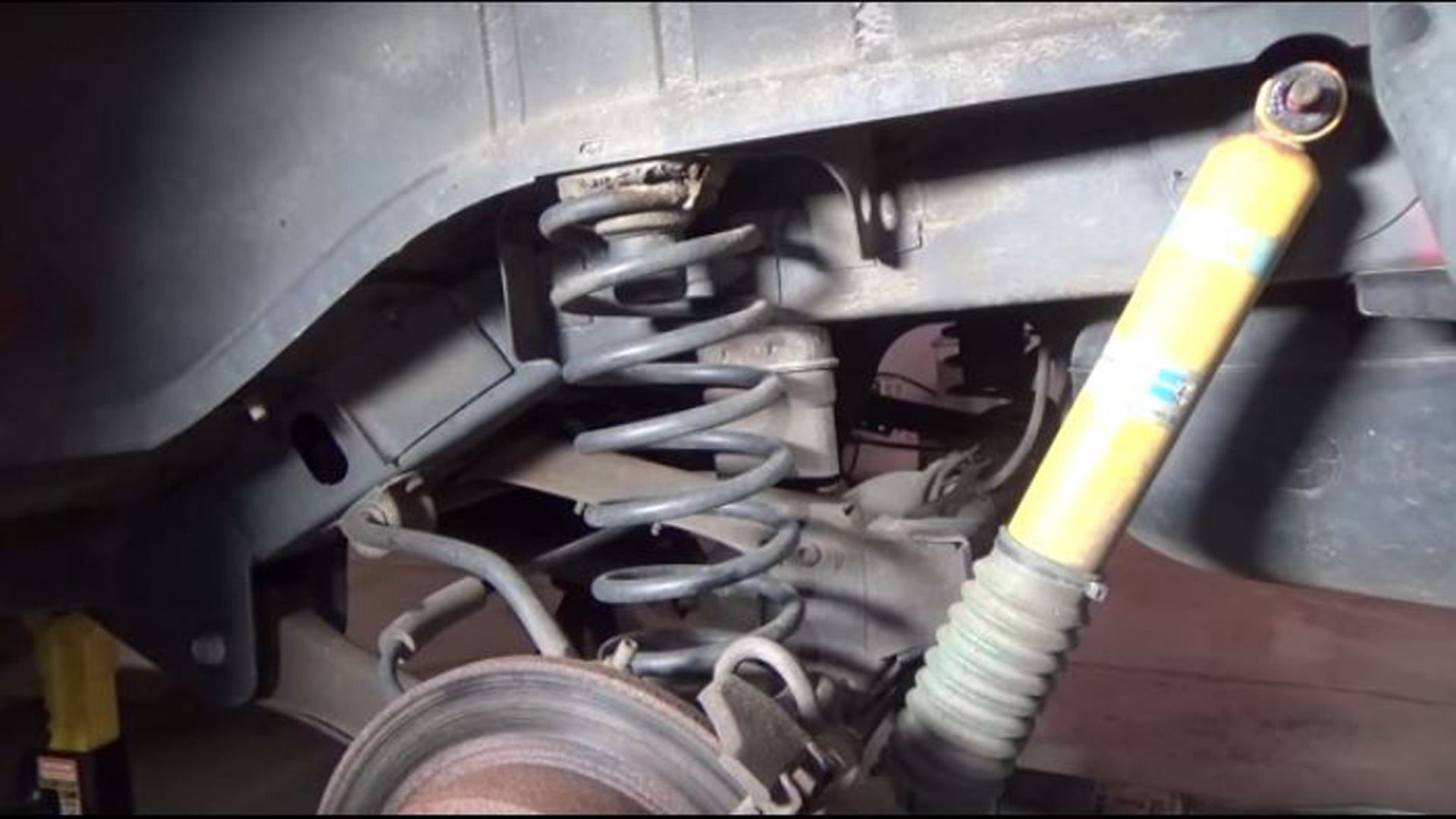
Deep potholes hidden beneath snow or slush can damage shock absorbers, ball joints, and other suspension parts. Road salt and moisture can also contribute to corrosion around exposed metal components, causing certain parts to become stiff, worn, or noisy.
Watch for clunking sounds when driving over bumps, squeaking when turning, excessive bouncing, or a steering wheel that pulls to one side.
These symptoms may indicate suspension damage or incorrect wheel alignment. You might also notice that your vehicle feels less comfortable when traveling over uneven roads.
Why does this matter? Your suspension helps keep your tires in contact with the road, supporting proper handling and stability. Damaged components can contribute to uneven tire wear, poor steering response, and reduced vehicle control.
Pay attention to how your car behaves during everyday driving. If it feels unusually rough or makes unfamiliar noises, arrange an inspection. A mechanic can examine the shock absorbers, struts, ball joints, bushings, and wheel alignment.
Addressing suspension problems early can prevent additional damage, reduce repair expenses, and help keep your vehicle safe and comfortable.
6. Changes in Brake Feel or Squealing
Your brakes deserve immediate attention whenever something feels different. A spongy pedal, grinding noises, or a vehicle that pulls to one side when braking could indicate a problem with your braking system.
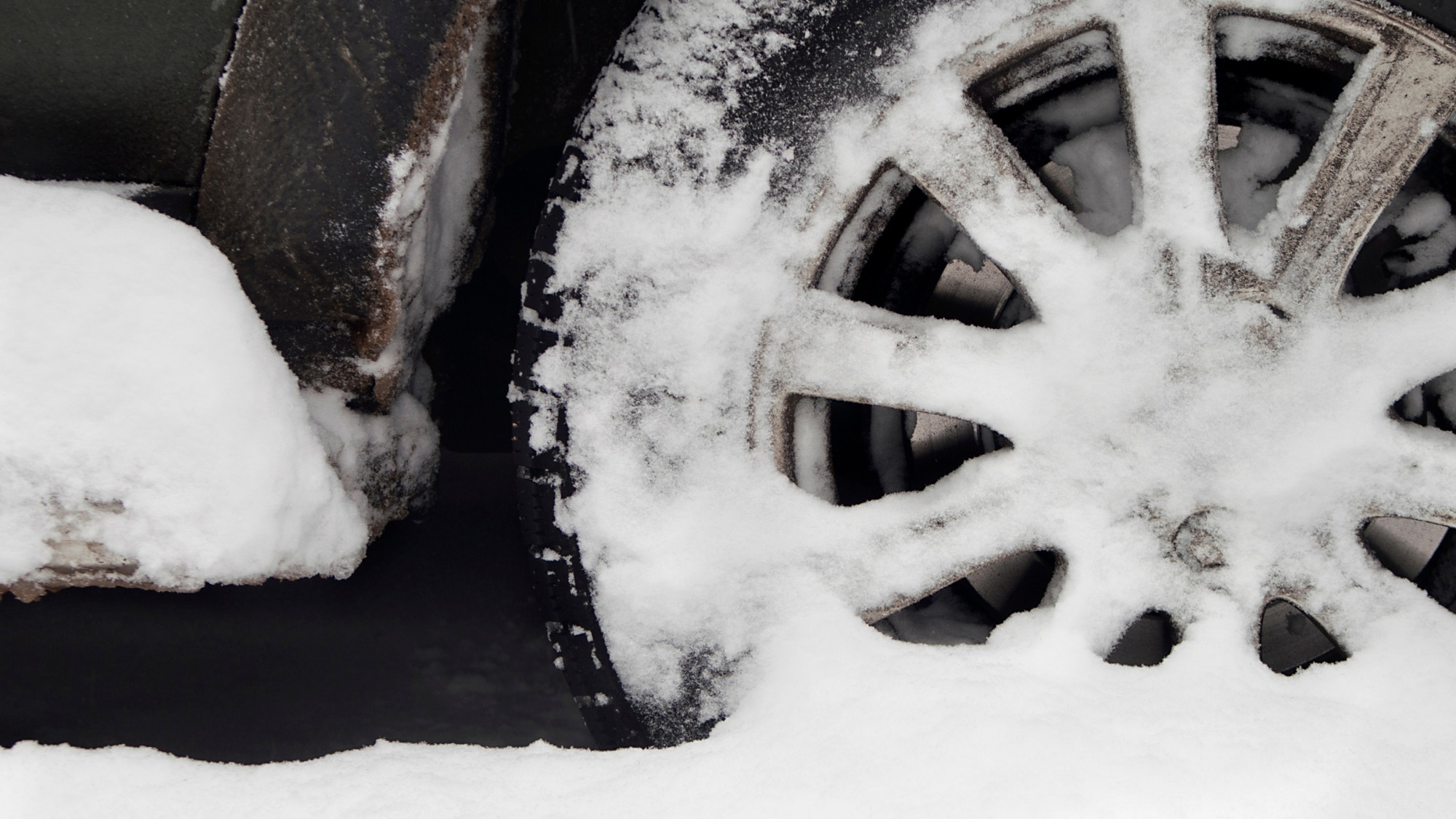
Winter conditions expose brake components to road salt, moisture, and grit. These materials can contribute to corrosion around the calipers, pads, and rotors. Accumulated debris may also interfere with normal braking, while damaged rotors can cause vibrations when slowing down.
Listen carefully for unusual sounds. Squealing may indicate worn brake pads, while grinding can suggest that the friction material has worn away.
A soft or spongy pedal could point to air in the brake lines, moisture in the brake fluid, or a hydraulic problem. If your vehicle pulls to one side, a sticking caliper or uneven braking pressure may be responsible.
Never ignore changes in braking performance. Have a qualified mechanic inspect the pads, rotors, calipers, brake lines, and fluid to identify the cause. If stopping ability is reduced, stop driving when safe and arrange professional assistance.
You can also help prevent buildup by washing your wheels and undercarriage after driving on salted roads.
Remember, reliable brakes are essential for your safety. Addressing problems promptly helps protect you, your passengers, and other road users.