Wet roads leave drivers with less room to react, and the difference between a tire that grips confidently and one that struggles to stop can matter in an emergency. Tread design, rubber compounds, water evacuation, and tire condition all influence wet braking.
To make this ranking useful, the entries focus on actual tire models tested in the United States, not broad claims that every tire from one brand performs identically.
The stopping-distance figures come from published independent tests, with test category and conditions identified so readers can understand what the numbers really mean.
1. Continental
Continental earns the top position among the touring all-season tires in Tire Rack’s November 2025 test, thanks to the wet-braking result of its TrueContact Tour 54.
Tested in size 215/55R17 on a 2025 Toyota Camry, the tire stopped from 60 mph in approximately 153 feet on the wet test surface. That was the shortest measured distance among the standard all-season tires in the comparison.
What makes this result notable is the consistency of the tire’s wet-road performance. The TrueContact Tour 54 was designed for everyday touring use, where predictable handling, comfort, and tread life matter just as much as outright grip.
Its performance in the test suggests that drivers do not necessarily need an aggressive ultra-high-performance tire to get strong wet braking in a conventional passenger car.
Continental’s advantage should still be viewed in context. The Tire Rack comparison involved a specific tire size, vehicle, and group of competing products.
It does not establish that every Continental model will stop faster than every Michelin, Goodyear, or Bridgestone tire. A performance summer tire, for example, is designed for a different purpose from a long-wearing touring all-season model.
For American drivers shopping for replacement tires, the TrueContact Tour 54 is a strong model to put on the shortlist if wet-road confidence is a priority. Check that the exact size and load rating are available for your vehicle, and compare the tire’s performance with the alternatives in the same category.
The test provides a meaningful reason to consider Continental, but the specific model and fitment matter more than the brand name alone.
2. Michelin
Michelin takes second place in this ranking through its Defender2, which delivered the second-shortest wet stopping distance among the standard all-season tires in Tire Rack’s November 2025 touring tire test.
In the same 215/55R17 comparison on a 2025 Toyota Camry, it required approximately 156 feet to stop from 60 mph on the wet surface, around three feet farther than the Continental TrueContact Tour 54.
That is a close result, particularly when considering that the Defender2 is built for drivers who prioritize everyday usability and long tread life. Its appeal is not limited to wet braking. The model is intended for regular commuting and highway travel, where ride comfort, predictable steering, and durability are important ownership considerations.
There is another useful comparison from Car and Driver’s 2025 all-weather tire test. The Michelin CrossClimate 2 AW recorded the shortest wet braking distance among the five all-weather tires tested, stopping from 60 mph in 149 feet.
It beat the Pirelli Cinturato WeatherActive, which needed 155 feet, and the Goodyear Assurance WeatherReady, which needed 157 feet.

These two results involve different Michelin products and separate tests, so they should not be combined into one universal brand score. They do, however, show that Michelin has competitive options in both touring all-season and all-weather categories.
For drivers who regularly encounter rain, the Defender2 and CrossClimate 2 AW are worth comparing according to their intended use. The former belongs in a touring all-season comparison, while the latter is designed for year-round all-weather capability. Choosing the correct category is just as important as choosing the manufacturer.
3. Bridgestone
Bridgestone secures third place with a strong showing from its Turanza Prestige in Tire Rack’s November 2025 touring all-season tire comparison. Tested in 215/55R17 on a 2025 Toyota Camry, the tire stopped from 60 mph in 158 feet on the wet surface.
That was five feet longer than the Continental TrueContact Tour 54 and two feet longer than the Michelin Defender2 in the same test.
Five feet might not sound like much when reading a comparison chart, but it represents meaningful distance when a driver needs to stop suddenly in traffic. The result places the Turanza Prestige among the stronger performers in this particular touring tire group.
It is designed for passenger-car use, where drivers typically want a balance of comfortable highway manners, predictable handling, and dependable wet-weather traction.
Bridgestone also has a separate all-weather option worth considering. In Car and Driver’s 2025 all-weather tire test, the WeatherPeak needed 161 feet to stop from 60 mph in wet conditions.
That placed it behind the Michelin CrossClimate 2 AW, Pirelli Cinturato WeatherActive, and Goodyear Assurance WeatherReady in that comparison.
These results should not be treated as a direct comparison between the Turanza Prestige and WeatherPeak because they came from different tests and tire categories. They do show that Bridgestone offers multiple products with competitive wet-road performance.
For drivers considering Bridgestone, the important decision is choosing the right model for the vehicle and driving conditions. The Turanza Prestige is a sensible candidate for touring all-season use, while the WeatherPeak is aimed at drivers seeking all-weather capability. Check the exact size and vehicle fitment before buying.
4. Goodyear
Goodyear deserves a place among the leading wet-braking brands because its results are particularly strong in the all-weather category. In Car and Driver’s 2025 comparison, the Assurance WeatherReady stopped at 157 feet in wet braking from 60 mph.
It finished behind the Michelin CrossClimate 2 AW and Pirelli Cinturato WeatherActive but ahead of the Bridgestone WeatherPeak and Nokian Remedy WRG5. The Michelin recorded the shortest stopping distance at 149 feet, followed by Pirelli at 155 feet.
Tire reviews and ratings + 1
The newer Assurance WeatherReady 2 also delivered an impressive result in Tire Rack’s November 2025 touring tire test. It recorded a wet stopping distance of 153 feet from 60 mph, making it the shortest-stopping tire in the all-weather category.
The Continental TrueContact Tour 54 recorded the same 153-foot distance in the separately evaluated all-season category.
This is a particularly useful result for drivers who want a tire designed around everyday passenger-car use rather than a specialized performance application.
Goodyear’s performance is not limited to touring tires. Its Eagle F1 Asymmetric 6 appeared in a 2025 summer and all-season tire comparison, where it recorded a wet braking distance of 115 feet from 50 to 3 mph. That placed it behind several competing summer and all-season models in the test.
The 115-foot result should not be compared directly with the 60-mph braking distances from Car and Driver because the starting speeds and test groups were different.
For American drivers, the Assurance WeatherReady 2 is the more relevant option for year-round everyday driving, while the Eagle F1 Asymmetric 6 belongs on the shortlist for suitable performance-oriented applications.
Goodyear’s results highlight the importance of choosing the right tire model, as each product is designed to meet different driving needs and priorities. Rather than relying on the brand name alone, buyers should compare independent test results for tires within the same category.
5. Pirelli
Pirelli’s wet-braking performance is particularly convincing in the all-weather category. In Car and Driver’s 2025 all-weather tire test, the Cinturato WeatherActive stopped from 60 mph in 155 feet on a wet surface.
It finished second, six feet behind the Michelin CrossClimate 2 AW and two feet ahead of the Goodyear Assurance WeatherReady.
That result is important because the WeatherActive is designed for drivers who want year-round usability without moving to a dedicated winter tire. Its wet-road performance makes it an interesting option for people who regularly encounter rain and changing seasonal conditions.
The test also recorded competitive wet handling, with the Pirelli completing the wet handling course in 33.4 seconds, just one-tenth of a second behind the Michelin and Goodyear tires.
Tire reviews and ratings + 1
Pirelli also performed well in a separate 2025 summer and all-season tire comparison. The Cinturato P7 C2 recorded a wet braking distance of 109 feet from 50 to 3 mph, just one foot behind the leading Michelin Primacy 5, which stopped in 108 feet. The comparison was conducted by UTAC and reported by Tyre Reviews, rather than Tire Rack.
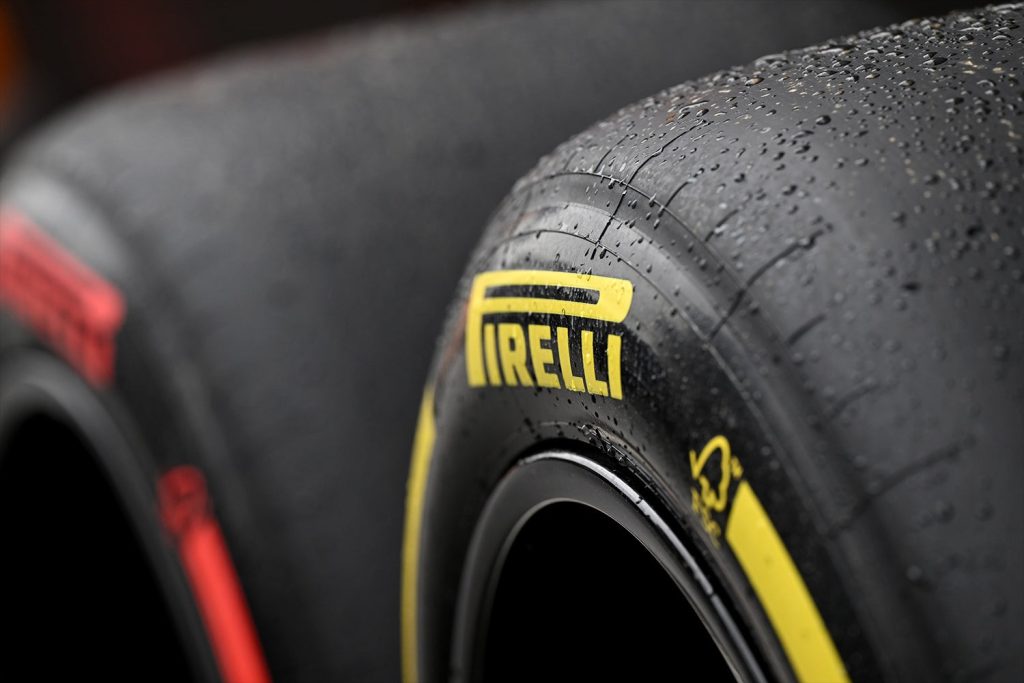
For buyers, the Cinturato WeatherActive is the model to consider when all-weather capability is a priority. The Cinturato P7 C2 belongs to a different touring-oriented category and should be assessed against similar passenger-car tires.
Pirelli’s results demonstrate that the company can deliver strong wet braking across more than one tire type. However, drivers should still check availability in the correct U.S. size, load rating, and speed rating before making a purchase.
6. Yokohama
Yokohama earns a place in this ranking through its AVID Ascend LX, although its wet-braking result was less impressive than the leading tires in the same comparison.
In Tire Rack’s November 2025 all-season touring test, the model required 168 feet to stop from 60 mph on a wet surface. That was the longest stopping distance among the six standard all-season tires tested.
The difference matters. The Continental TrueContact Tour 54 stopped in 153 feet, meaning the Yokohama needed another 15 feet to come to a complete stop under the test conditions.
That does not mean the AVID Ascend LX is unsafe or unsuitable for everyday use. It means that, within this particular group, its measured wet braking was weaker than the other tested options.
The AVID Ascend LX is a touring all-season tire intended for passenger cars. Buyers considering it may also value ride comfort, tread life, and everyday driving characteristics.
Wet braking is only one part of tire performance, and a single test cannot describe every aspect of ownership. Nevertheless, when rain performance is the main purchasing priority, the 168-foot result deserves attention.
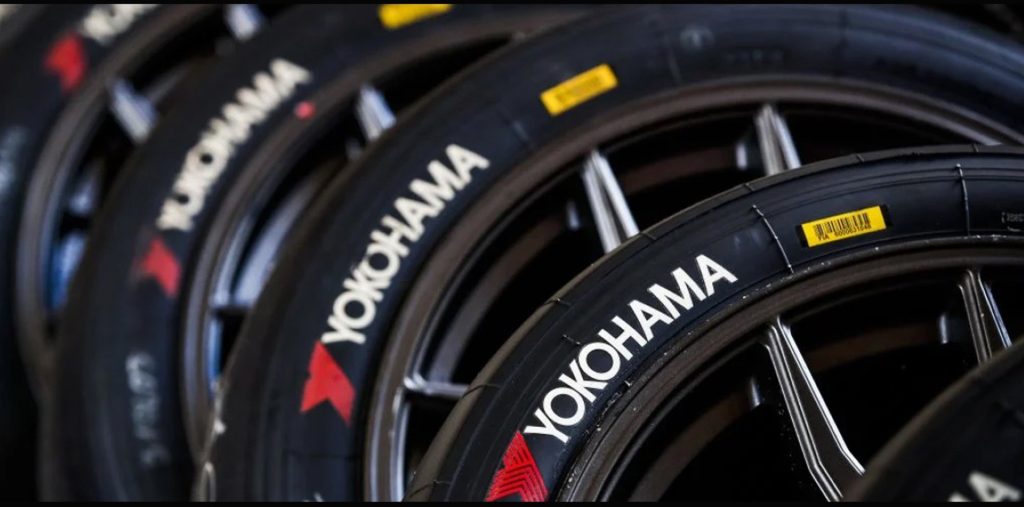
It is also important to avoid transferring this result to every Yokohama product. The company sells several tire families aimed at different vehicles and driving styles. A performance-oriented summer tire, for example, should not be judged using the result of a touring all-season model.
For drivers comparing replacement tires, the AVID Ascend LX should be evaluated against similarly priced touring alternatives in the correct size. If short wet stopping distances are the deciding factor, the available test evidence gives buyers a reason to compare other models before choosing this one.
7. Nokian
Nokian’s position in this ranking is based on the Remedy WRG5, which appeared in Car and Driver’s 2025 all-weather tire comparison. It recorded a wet braking distance of 173 feet from 60 mph, the longest result among the five all-weather tires tested. The Michelin CrossClimate 2 AW led that group at 149 feet, leaving a 24-foot difference between the two models.
That gap is worth considering if wet braking is the main reason for buying a new set of tires. In the same comparison, the Nokian also recorded a wet handling time of 35.3 seconds, compared with 33.3 seconds for the Michelin. These results suggest that the Remedy WRG5 was less competitive in wet conditions than the other models in that particular test.
However, the Remedy WRG5 is an all-weather tire, not a dedicated summer performance tire. Its purpose is to provide year-round capability, including winter conditions where an ordinary all-season tire may be less suitable. Drivers should therefore consider its intended use rather than judging it solely by one wet-braking measurement.
Nokian has a long-standing presence in the tire market, particularly in products developed for challenging seasonal conditions. That does not automatically make every model a leader in every test category.
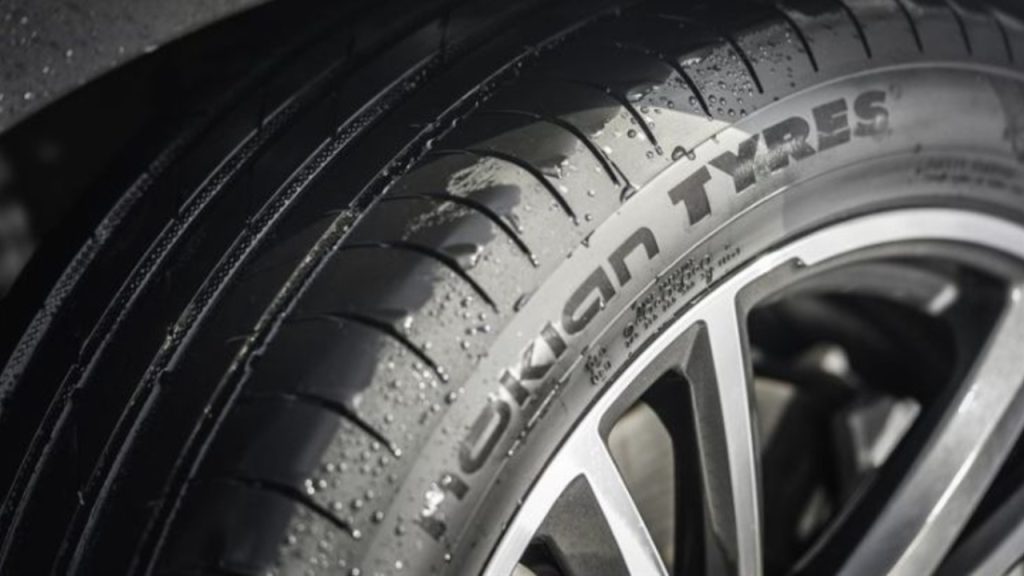
The WRG5’s wet-braking performance highlights the value of independent testing, as a tire may excel in certain seasonal conditions while falling behind competing models in other areas.
For U.S. buyers, the Remedy WRG5 may still deserve consideration where all-weather capability is important.
But drivers who regularly face heavy rain and place the highest priority on short wet stopping distances should compare its test performance carefully with alternatives such as the Michelin CrossClimate 2 AW and Pirelli Cinturato WeatherActive.
8. Falken
Falken completes this ranking with results from another tire segment, specifically the ultra-high-performance summer category.
In the 2025 Tire Rack ultra-high-performance summer tire test, the Falken Azenis FK510 recorded a wet braking distance of 40.3 meters, approximately 132 feet. It finished second in the group, behind the Continental ExtremeContact Sport 02 at 39.6 meters.
This is a useful result for drivers of performance cars because summer tires are designed around warm-weather grip and responsive handling.
Their rubber compounds and tread designs differ from those of touring all-season and all-weather tires. A performance summer tire can therefore deliver a different balance of wet braking, dry grip, and seasonal usability.
The Falken result is close to the class leader, with a difference of just 0.7 meters, or a little over two feet. That makes the Azenis FK510 a competitive option in the specific test group.
It is important, however, not to compare its stopping distance directly with the 153-foot result from the touring all-season test or the 149-foot figure from the all-weather comparison. The test categories, speeds, and procedures are different.
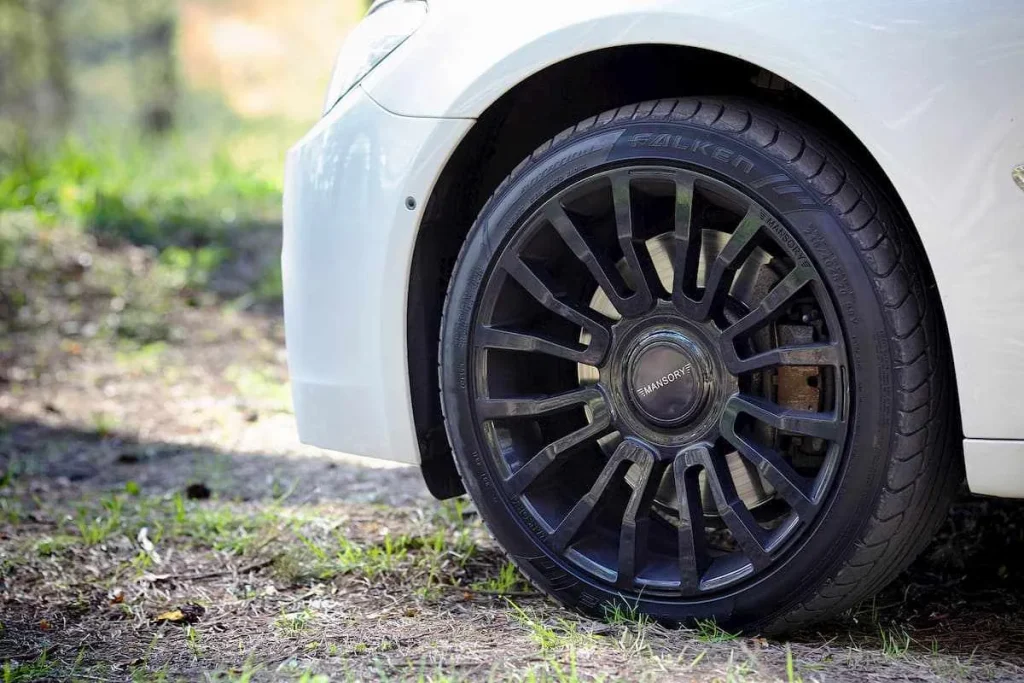
Falken also sells tires for everyday passenger cars, SUVs, and trucks, so this result should not be interpreted as a ranking of its entire product range. The Azenis FK510 is the model behind the performance result, and buyers should verify current U.S. availability and fitment before considering it.
For drivers who own a suitable performance vehicle and primarily drive in warmer conditions, the test provides a strong reason to include Falken on the shortlist. Those who need one tire for year-round use should instead compare Falken’s all-season options with models tested in the same category.