
A tax refund can feel like a welcome financial bonus, especially when your car needs attention or you have been looking for ways to reduce your monthly expenses. Rather than spending the entire amount on everyday purchases, consider putting some of that money toward your vehicle. A well-planned decision could help you lower your auto loan balance, improve driving safety, avoid costly repairs, or protect your car’s resale value.
Whether you own a brand-new vehicle or have been driving the same car for several years, there are several practical ways to make your refund work harder. You do not need to spend every dollar at once, either. Even a portion of your refund can make a difference when directed toward the right expenses. Here are seven smart ways to use your tax refund on your car.
1. Make a Larger Down Payment on a Vehicle
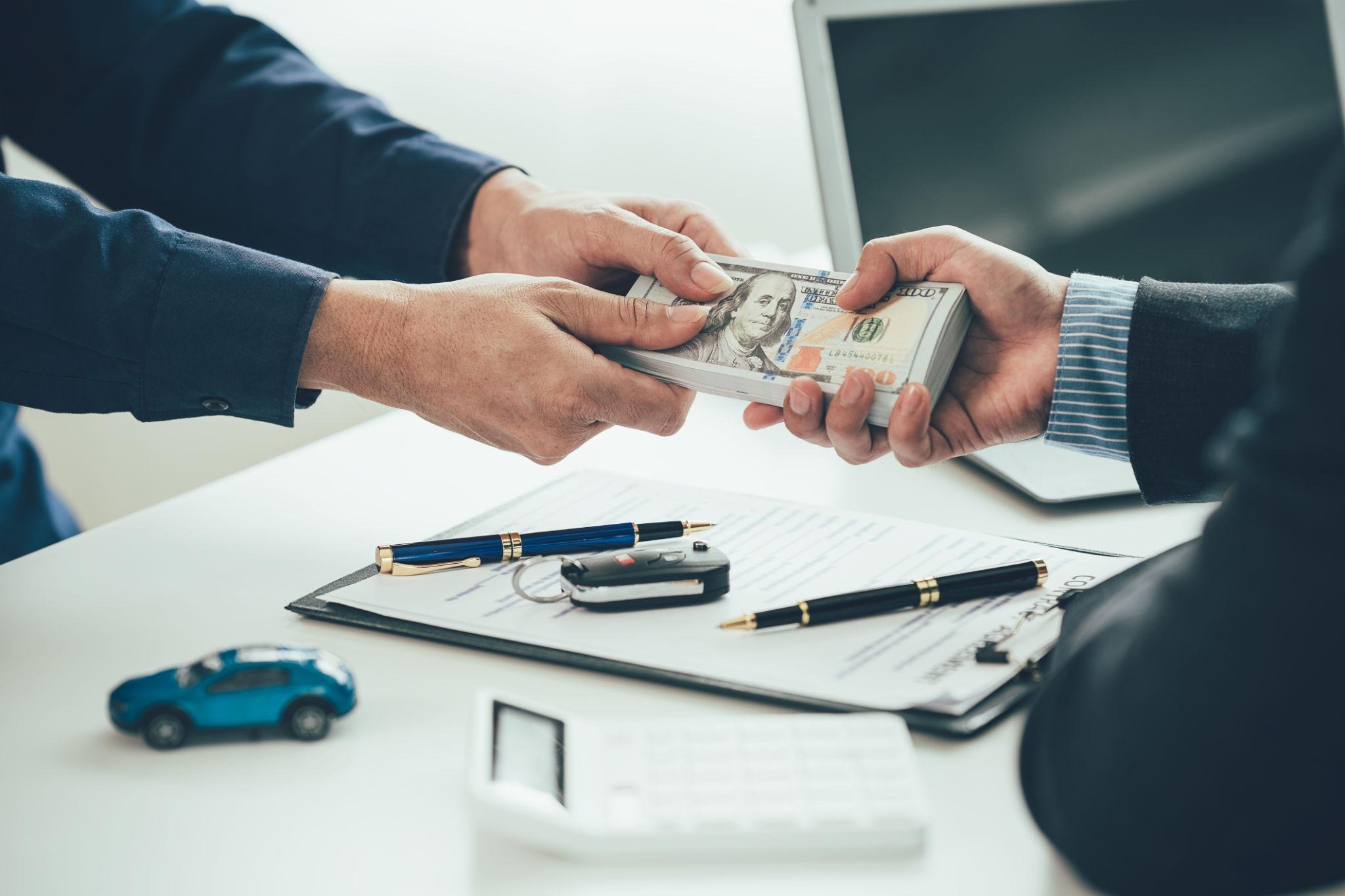
Planning to buy a car soon? Your tax refund could make the purchase easier by helping you raise the amount you can afford to pay upfront. Rather than depending entirely on your personal savings, you can put some of the money towards a larger down payment on a new or fairly used vehicle.
One benefit of making a larger initial payment is that it reduces the amount you need to borrow from the bank or financing company.
This can lower your monthly repayments and reduce the interest you will pay throughout the loan period. It may also help you avoid taking a loan that is higher than the car’s actual value.
Consider a vehicle priced at $30,000, for example. If you make an initial payment of $3,000, you will need to borrow $27,000 before taxes and other charges. However, increasing your down payment to $6,000 reduces the loan amount to $24,000. This means you will have less debt to repay.
For many car buyers, a tax refund can provide extra money towards this purchase. Refund amounts often range between $3,000 and $3,500, although the actual figure depends on individual income, tax payments, and filing details.
Before choosing a financing option, take time to compare interest rates, loan conditions, and repayment periods from different lenders. Remember to budget for vehicle insurance, registration, fuel, and unexpected maintenance costs.
Although paying more upfront can reduce your financial burden, avoid using all your available cash. Keep some money aside for emergencies so that buying a car does not leave you financially stranded.

2. Pay Down Your Existing Auto Loan Principal
Already have a car? Your tax refund could help you get closer to owning it outright.
Making an additional payment toward your auto loan principal can reduce the amount you owe and potentially shorten your repayment period. Since interest is generally calculated using your outstanding loan balance, reducing the principal can also lower the total interest you pay, depending on your loan terms.
Imagine you have $15,000 remaining on your vehicle loan and receive a $3,000 tax refund. Applying that money directly to the principal could bring your balance down to $12,000, provided your lender processes the payment as intended.
That extra payment may help you pay off your vehicle sooner, freeing up money in your monthly budget for other priorities.
However, there is something you should check before sending the money. Contact your lender to confirm that additional payments can be applied directly to principal rather than being treated as advance payments toward future monthly installments. Also, review your agreement for any prepayment penalties or special payment requirements.
If your lender allows principal-only payments without additional charges, this can be a practical way to make progress on your debt.
You do not necessarily have to use your entire refund. Even an additional $500 or $1,000 can help reduce your outstanding balance while allowing you to keep some money available for other needs.
3. Refinance and Restructure a High-Rate Loan
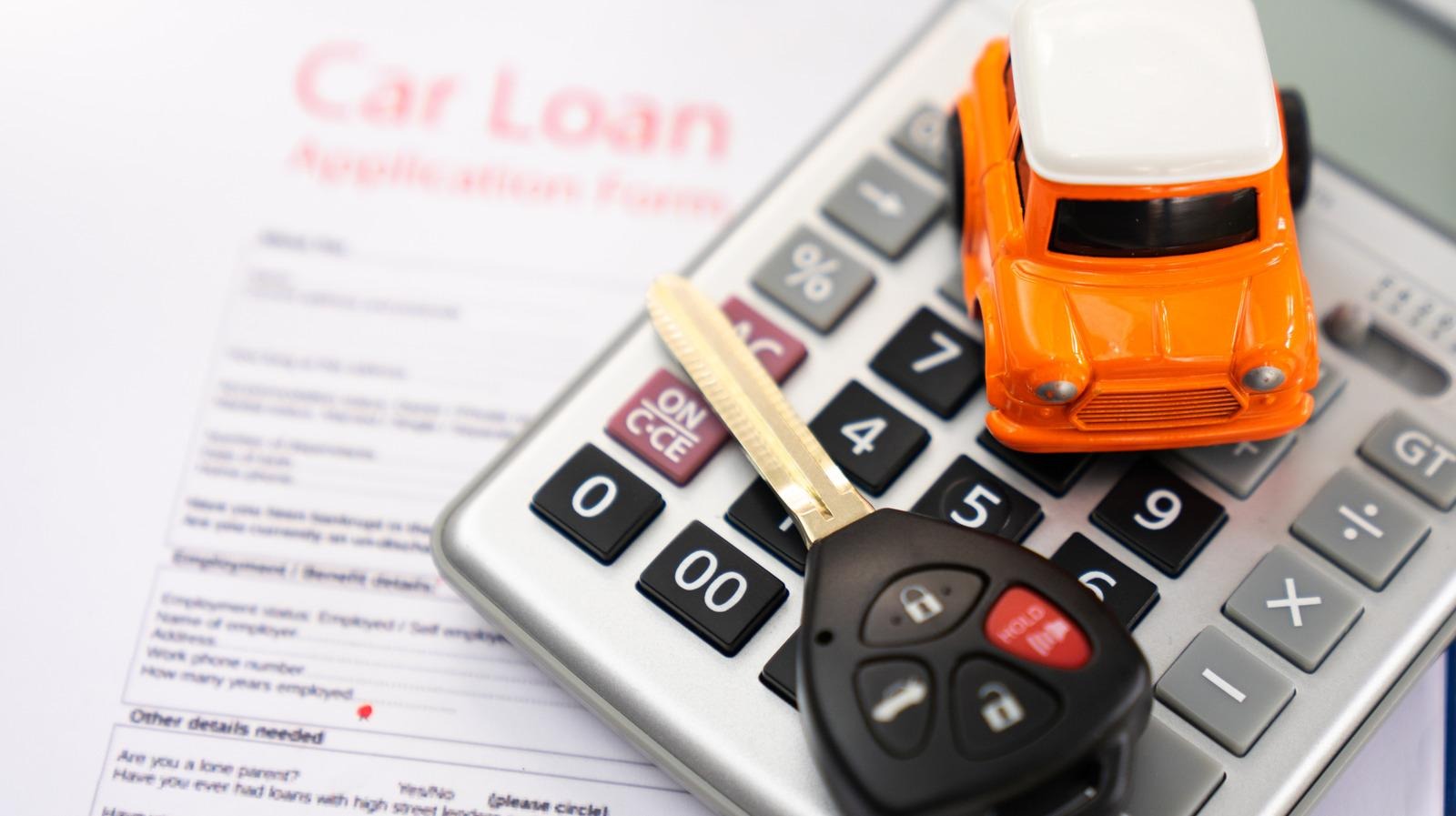
A high-interest auto loan can make vehicle ownership more expensive than necessary. If you financed your car when interest rates were less favorable or your credit profile was weaker, refinancing may be worth considering.
Refinancing involves replacing your existing auto loan with a new loan, ideally offering a lower interest rate or more suitable repayment terms. Your tax refund could help make this process more attractive by reducing the principal balance before you refinance.
For instance, imagine you owe $20,000 on a vehicle loan with a 12% interest rate. You receive a $3,000 refund and decide to apply it toward your loan balance. If your lender permits a principal-only payment, you could reduce the amount owed to $17,000 before pursuing refinancing.
If you qualify for a lower interest rate, the combination of a smaller loan balance and improved financing terms could reduce your borrowing costs.
Still, refinancing is not automatically the right choice. A lower monthly payment may come from extending the repayment period, which could increase the total interest paid. You should also account for application fees, title fees, and any other refinancing costs.
Compare the annual percentage rate, remaining loan term, monthly payment, and total repayment amount before signing a new agreement.
Your credit score, income, vehicle age, and outstanding balance may influence the offers available to you. Take time to compare multiple lenders rather than accepting the first offer you receive.
4. Catch Up on Overdue Routine Maintenance
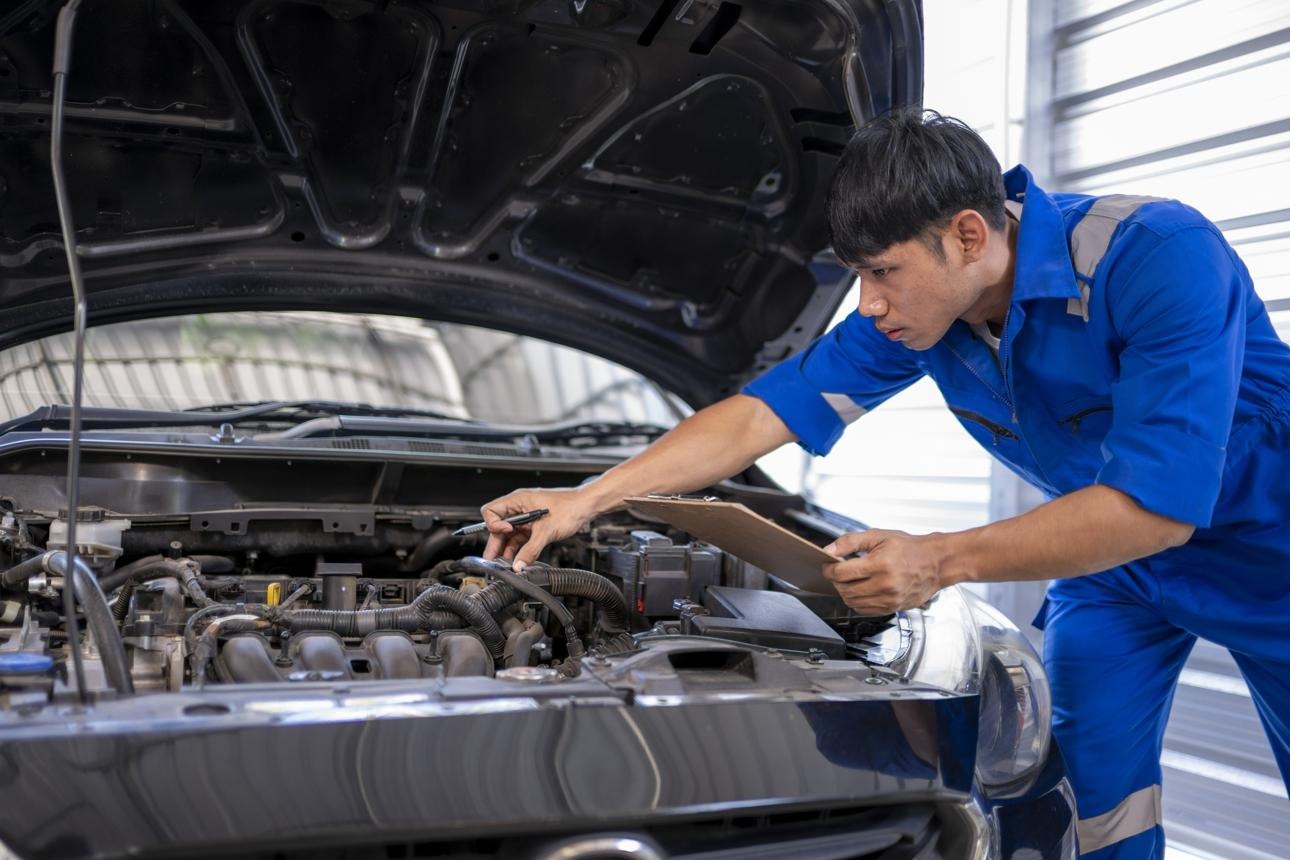
That strange engine noise, overdue oil change reminder, or neglected service appointment may be telling you something important. If you have postponed routine maintenance because money was tight, your tax refund could help you get your vehicle back on schedule.
Regular maintenance helps keep your car running properly and reduces the risk of certain mechanical problems becoming more expensive to repair. It also supports vehicle safety and helps maintain dependable performance.
Consider using part of your refund for essential services such as oil and filter changes, tire rotations, brake inspections, fluid checks, and necessary fluid replacements. These tasks may seem ordinary, but they play an important role in keeping your vehicle in good working condition.
For example, old engine oil can lose its ability to lubricate engine components effectively. Ignoring recommended oil changes can contribute to premature engine wear. Similarly, neglected brake components may affect stopping performance and create additional repair costs.
You do not have to schedule every possible service simply because you have extra money. Start by checking your owner’s manual and reviewing your vehicle’s maintenance history. Ask a trusted mechanic to inspect the car and identify which services are due.
Prioritize safety-related repairs and manufacturer-recommended maintenance instead of paying for unnecessary services.
A useful approach is to set aside a portion of your refund specifically for vehicle care. This gives you room to address overdue maintenance now and plan for upcoming service appointments without putting extra pressure on your regular budget.
5. Replace Aging Tires or a Failing Battery
Keeping your vehicle dependable requires paying attention to parts that can wear out without much warning. Your tyres and car battery deserve particular attention because problems with either can leave you stranded or make driving less safe. If you have received a tax refund, this may be a good opportunity to replace worn-out parts before they cause bigger problems.
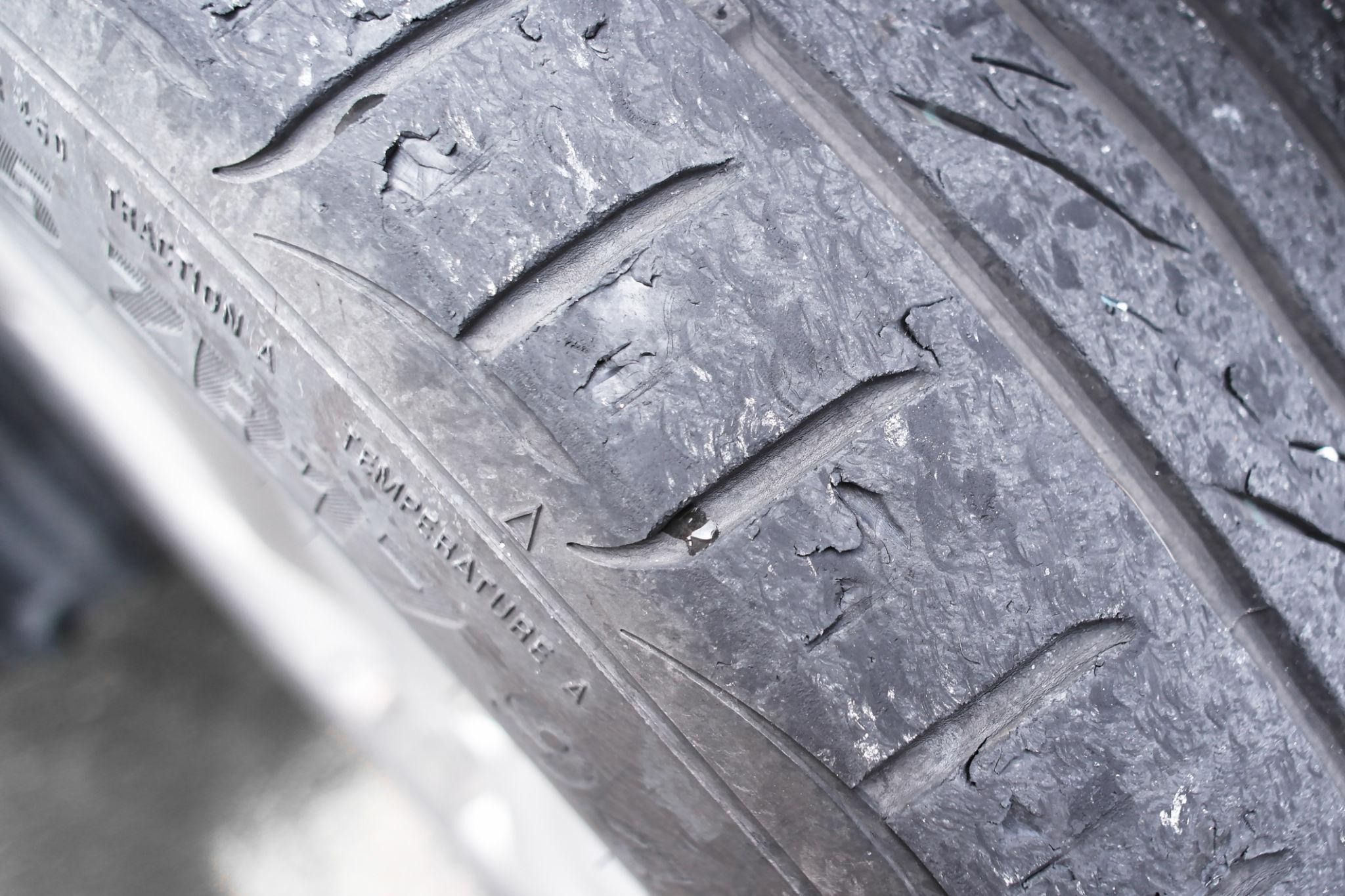
When checking your vehicle, start with the tyres. Worn or bald tyres can make it difficult to maintain a firm grip on the road, particularly during rainy weather. They can also affect braking distance, steering control, and your ability to drive safely.
If you notice cracks, bulges, shallow tread, or uneven wear, take your vehicle to a qualified tyre specialist for inspection. Depending on the condition, replacing the tyres may be a sensible way to spend part of your refund.
Before purchasing new tyres, check your vehicle manufacturer’s recommendations for tyre size, load capacity, and speed rating. Proper inflation and regular tyre rotation can also help prevent uneven wear and extend their lifespan.
Your car battery also deserves attention. Most standard car batteries last between three and five years, although weather conditions, driving habits, and usage can affect how long they remain reliable.
When the engine takes longer to start, the headlights become dim, or starting problems occur frequently, the battery may need testing. Replacing a weak battery before it fails can help prevent unexpected breakdowns.
If your refund cannot cover both expenses, ask a qualified mechanic to inspect the tyres and battery. Give priority to whichever requires attention first for your safety and reliable daily driving.
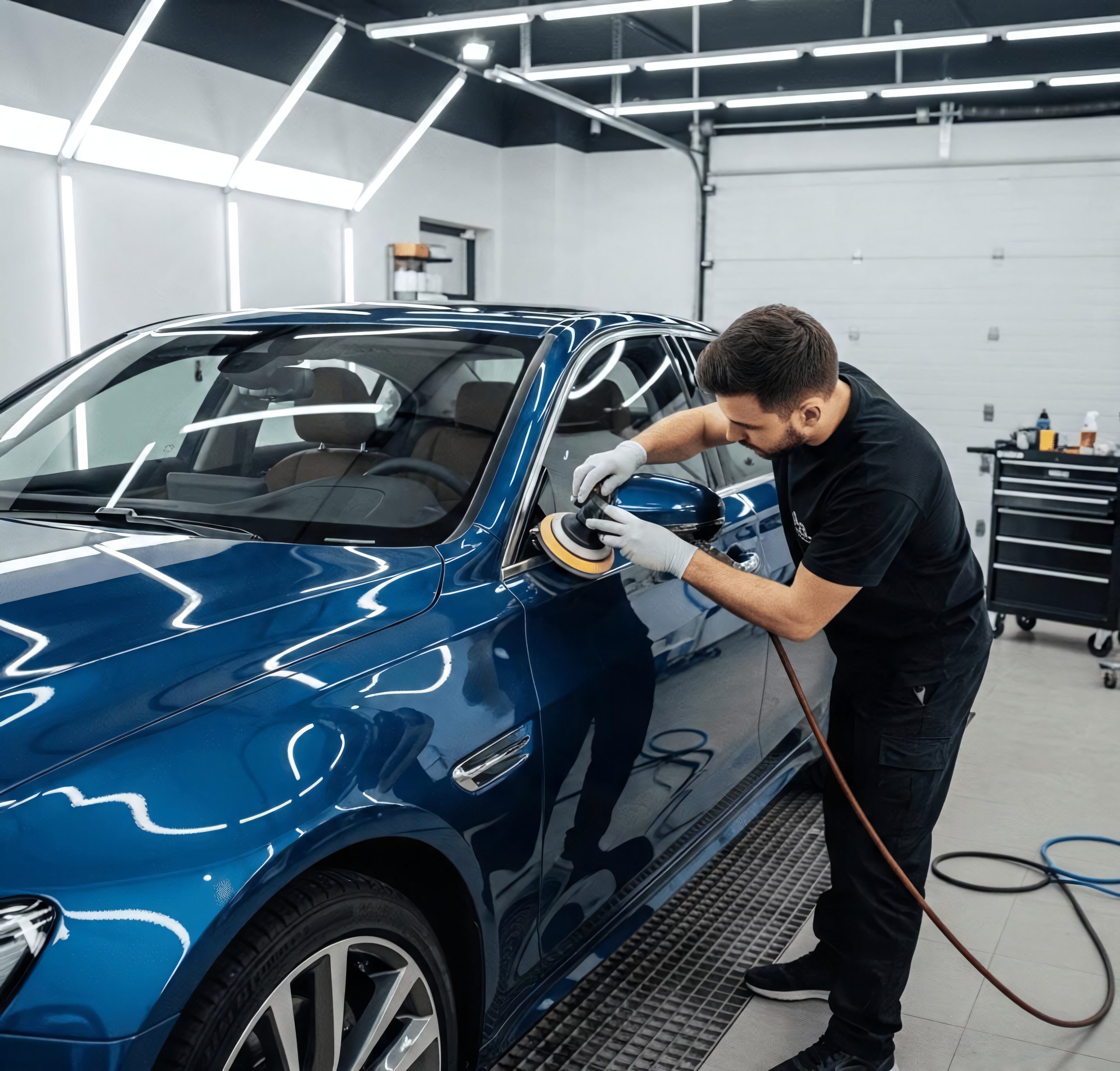
6. Handle Cosmetic Repairs and Detailing to Protect Resale Value
A vehicle can begin to look old and poorly maintained even when its engine and other mechanical parts are still in good condition. Scratches, dents, peeling paint, cloudy headlights, and damaged interior fittings can affect its appearance and make it less attractive to buyers.
For car owners who receive a tax refund, spending some of the money on cosmetic repairs may be a good idea, especially when planning to sell or exchange the vehicle in the future.
Taking care of minor damage can help maintain your car’s condition and prevent certain problems from getting worse. For instance, repairing chipped paint can protect exposed metal from rust, while restoring cloudy headlights can improve visibility during night driving.
Another option is to take the vehicle to a professional detailing service. A proper interior and exterior cleaning can remove stubborn dirt, stains, and unpleasant smells. Cleaning the seats, polishing the body, and treating faded plastic surfaces can make the car look cleaner and more comfortable.
Car owners can also use part of their budget to repair small dents, replace broken exterior fittings, and purchase fresh floor mats.
However, it is important to spend wisely. Paying $1,500 for cosmetic repairs does not mean the vehicle’s selling price will increase by the same amount. Such improvements may attract buyers without adding much to its actual market value.
Before starting any expensive repair work, collect quotations from trusted auto repair shops. Compare the estimated expenses with your vehicle’s current resale value.
Give priority to repairs that improve appearance, prevent further damage, and make daily driving more comfortable.

7. Upgrade Auto Insurance Coverage
You can also use your tax refund as an opportunity to reassess an expense that many drivers renew without much consideration, which is their auto insurance policy.
Having insurance is essential, but the cheapest policy is not always the most suitable one. If your current coverage leaves you exposed to expenses you could struggle to afford, using part of your refund to improve your protection may be a smart financial move.
Start by reviewing your existing policy. Check your liability limits, collision coverage, comprehensive coverage, deductible, and any additional benefits you currently receive.
If your liability limits are low, consider increasing them to provide better financial protection if you cause an accident that injures someone or damages their property. Your refund could help cover the additional premium.
You might also consider roadside assistance if your current policy does not include it. Depending on the provider, this service may help with towing, flat tires, dead batteries, and certain roadside emergencies.
For drivers who own newer or more valuable vehicles, comprehensive and collision coverage may also be worth reviewing. Collision coverage generally helps pay for covered damage to your vehicle after an accident, while comprehensive coverage addresses certain non-collision events, such as theft, vandalism, and weather-related damage.
Another option is lowering your deductible if you would struggle to pay a large amount after an accident. However, this usually increases your insurance premium.
Before making changes, request quotes from multiple insurers and compare coverage limits, exclusions, deductibles, and total costs. The goal is to choose protection that fits your vehicle, financial situation, and driving habits.