

Trading in a vehicle can be convenient, but accepting the dealership’s first offer could leave hundreds or even thousands of dollars on the table. Dealers consider several factors when appraising a used vehicle, including mileage, condition, service history, local demand, and expected reconditioning expenses.
Understanding how these calculations work gives sellers a stronger position during negotiations.
From collecting competing offers to timing the transaction and presenting maintenance records, a few practical strategies can make a meaningful difference. Here are eight proven trade-in tactics that can help American car owners secure a stronger offer.
1. Research Your Vehicle’s Market Value Before Visiting the Dealership
Walking into a dealership without knowing what your vehicle is worth puts you at a disadvantage. The salesperson or used-car manager may present an attractive-looking number that sounds reasonable but is actually below the amount similar vehicles are bringing in the local market.
Researching your vehicle’s value beforehand gives you a realistic starting point and makes it easier to challenge an unusually low offer.
Start with established American valuation services such as Kelley Blue Book, Edmunds, and the National Automobile Dealers Association’s vehicle valuation resources. Enter the exact model year, trim, mileage, installed equipment, and condition.
A vehicle with 45,000 miles should not be compared directly with an otherwise identical example showing 110,000 miles. Likewise, all-wheel drive, premium packages, and optional safety equipment can influence its market value.
Pay particular attention to the trade-in estimate rather than the private-party selling price. These are different valuation categories. Kelley Blue Book explains that trade-in estimates account for what a dealer might offer, while private-party values reflect transactions between individual sellers and buyers.
For example, suppose valuation tools suggest a trade-in range of $12,000 to $14,000. A dealership offering $10,500 should explain the difference through identifiable factors such as mechanical problems, excessive wear, or local inventory conditions.
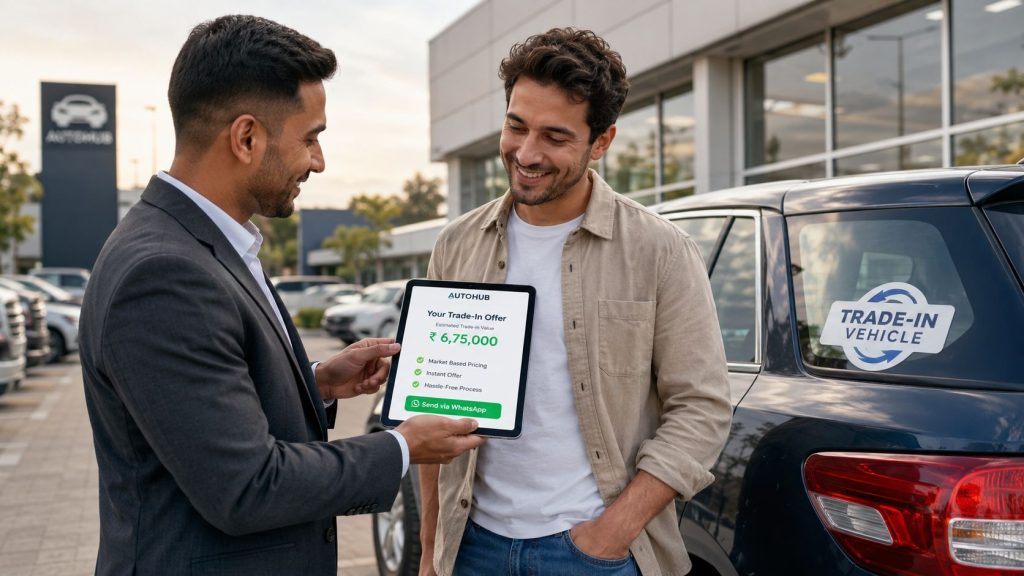
Remember that online estimates are not guaranteed purchase offers. They are negotiation benchmarks, and actual appraisals can change after inspection.
Researching several valuation sources before requesting an appraisal helps you establish a defensible price target rather than relying on the dealership to determine your vehicle’s worth.
2. Negotiate the New Vehicle’s Price Separately From Your Trade-In
One of the most effective ways to protect your trade-in value is to avoid combining two negotiations into one. When purchasing another vehicle, dealerships may discuss the new vehicle’s selling price, your existing vehicle’s value, financing, and monthly payments together.
Although this can make the transaction appear simpler, it becomes harder to determine whether you are receiving a genuinely favorable deal.
The Federal Trade Commission specifically advises consumers to negotiate the purchase price of the replacement vehicle before discussing their trade-in. This prevents a dealership from increasing one figure to compensate for a generous-looking offer on the other.
Consider a simple example. A dealership offers $16,000 for a trade-in but prices the replacement vehicle $2,000 above the amount you previously negotiated. The trade-in figure looks attractive, but the higher purchase price reduces the benefit. A separate negotiation makes this adjustment easier to identify.
Ask the salesperson to provide the replacement vehicle’s selling price without including the trade-in credit, down payment, or financing arrangements. Once that price is agreed upon, introduce your existing vehicle and request a separate written appraisal.
You should also compare the final transaction figures rather than focusing on one impressive number. The amount financed, applicable taxes, dealer fees, trade-in allowance, and loan interest all influence what you actually pay.
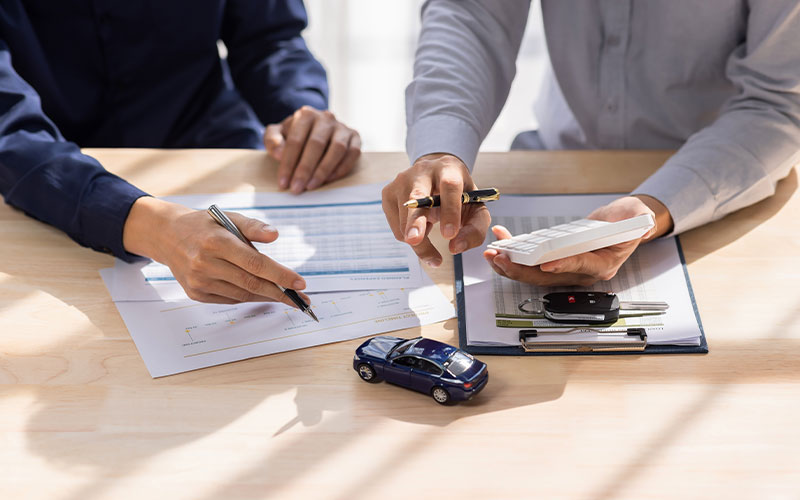
This strategy does not mean dealerships are automatically manipulating their customers. It simply makes the financial structure transparent and reduces confusion during negotiations.
Keeping both transactions separate gives you more control because you can accept a competitive purchase price while still challenging an inadequate trade-in offer.
3. Collect Written Offers From Multiple Dealerships
A single appraisal tells you what one dealership is willing to pay, not necessarily what your vehicle is worth across the market. Collecting offers from several buyers creates competition and gives you a stronger negotiating position. This is particularly useful when your vehicle has desirable equipment, low mileage, or strong demand in your region.
Start by contacting at least three potential buyers. These could include franchise dealerships, independent used-car retailers, and national vehicle-buying companies such as CarMax.
Provide each buyer with the same information, including the VIN, mileage, trim level, accident history, and known mechanical problems. Consistent information makes the resulting offers easier to compare.
Kelley Blue Book’s Instant Cash Offer is another useful option. Unlike its estimated Trade-In Value, the Instant Cash Offer represents a specific purchase amount from a participating dealer, subject to vehicle inspection. According to Kelley Blue Book, the offer is generally valid for seven days, excluding Sundays.
Suppose one dealership offers $11,800, another offers $12,400, and a third provides $12,750. You now have a concrete reference point when approaching the dealership where you intend to purchase your replacement vehicle. Showing a competing written offer is generally more persuasive than simply claiming that another dealer might pay more.
Pay attention to the expiration date and inspection conditions. A written offer can change if the vehicle’s actual condition differs from the information originally supplied.

Also compare payment arrangements, outstanding loan handling, and any conditions attached to the offer. The highest advertised number is not necessarily the best deal if additional deductions appear later.
Multiple offers turn the appraisal process into a competitive transaction rather than a one-sided negotiation.
4. Present Complete Maintenance Records to Support Your Asking Price
A vehicle’s maintenance history can influence how confidently a dealership evaluates its condition. Two vehicles with identical model years and mileage may receive different offers when one has documented servicing and the other has an incomplete ownership history.
Records help demonstrate that routine maintenance was performed and give an appraiser more information about the vehicle’s mechanical condition.
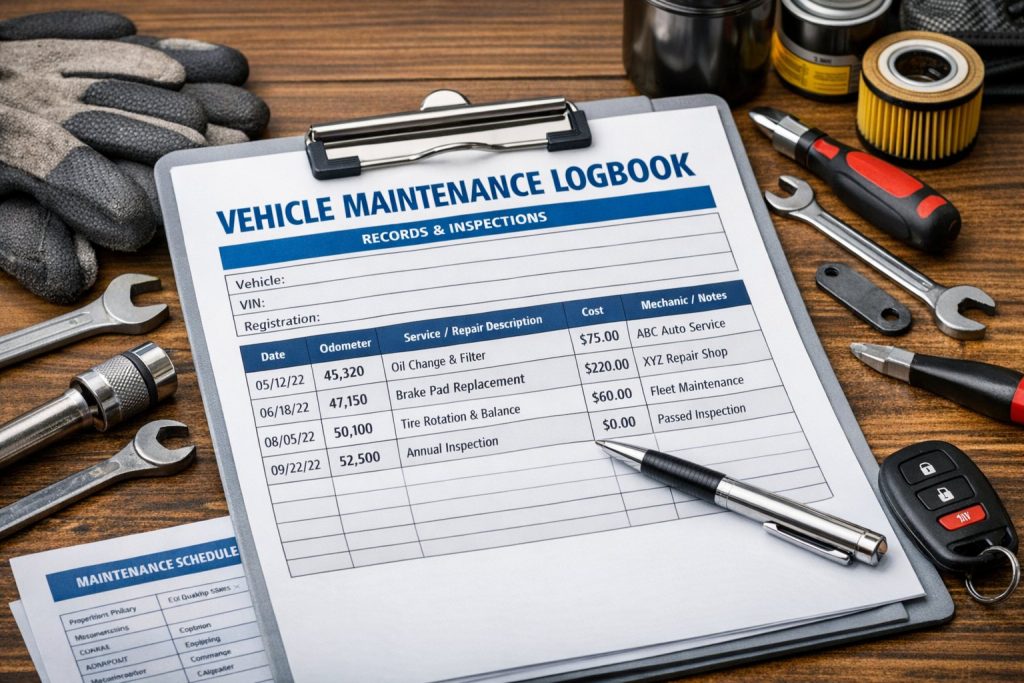
Before requesting an appraisal, gather available service invoices, oil-change receipts, tire replacement records, brake service documentation, and major repair bills.
Include records of manufacturer-recommended maintenance and completed recall repairs where available. Digital service histories from authorized dealerships can also help establish a consistent maintenance timeline.
For example, imagine two otherwise similar vehicles showing 60,000 miles. One has documented oil changes, recent brake servicing, and evidence of scheduled maintenance. The other has no service records and an uncertain repair history. The dealership may consider the first vehicle a lower-risk acquisition because it has better supporting documentation.
However, maintenance records do not guarantee a higher offer. Dealers still inspect the vehicle and account for mechanical condition, reconditioning requirements, and expected resale demand. A recently replaced set of tires may help demonstrate that the vehicle is ready for resale, but the dealer may not reimburse the full amount spent on them.
Organize the paperwork chronologically and separate routine servicing from major repairs. This makes it easier for the appraiser to review the vehicle’s history without searching through unrelated documents.
Do not hide significant repairs or warning lights. Accurate information protects you from disputes when the dealership conducts its inspection.
A well-documented service history provides evidence of responsible ownership and can make your vehicle easier for a dealer to evaluate and confidently purchase.
5. Clean the Vehicle and Fix Minor Cosmetic Problems Strategically
First impressions can influence how a dealership approaches an appraisal, particularly when evaluating a vehicle’s interior and exterior condition.
A car covered in dirt, filled with personal belongings, or carrying unpleasant odors can make an otherwise well-maintained vehicle appear neglected. Preparing it before the inspection is a practical way to present its actual condition.
Start with a thorough interior cleaning. Remove personal belongings, vacuum the carpets, clean the dashboard, wipe down door panels, and remove unnecessary items from the trunk. Pay attention to cupholders, seat seams, and other areas where accumulated dirt is easily visible. Exterior washing and cleaning the wheels can also make the vehicle easier to inspect.
Minor cosmetic problems deserve a little more consideration. Replacing inexpensive broken trim pieces, removing personal stickers, or correcting a loose interior component may improve presentation. However, expensive bodywork is not automatically worthwhile before a trade-in.
Consumer Reports notes that dealerships account for reconditioning and repair expenses when determining trade-in offers. Dealers may prefer to perform certain repairs themselves because they have established suppliers and internal repair arrangements. Consequently, spending $800 on cosmetic work does not mean your trade-in offer will increase by $800.
For example, a professional paint correction might cost several hundred dollars, while the dealership may simply sell the vehicle with its existing cosmetic condition or repair it at a lower internal cost.
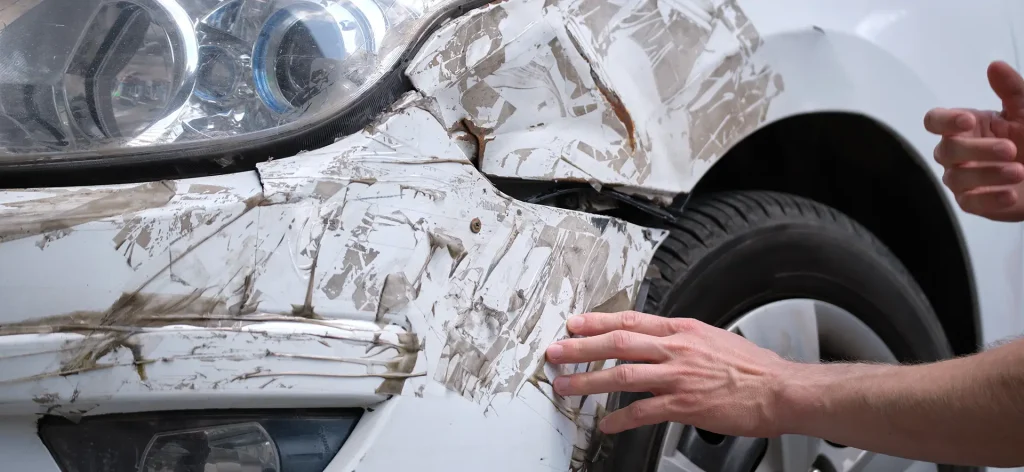
Avoid concealing damage with temporary cosmetic products. A dealership inspection can identify poorly repaired dents, paint inconsistencies, and mechanical leaks.
The smartest approach is to spend modestly on cleaning and inexpensive improvements while leaving major repairs to a cost-benefit decision. Presenting a clean, organized vehicle makes a better impression without unnecessarily spending money that you may never recover.
6. Choose the Right Time and Target the Local Market
The amount a dealership is willing to pay for a used vehicle depends partly on how easily it expects to resell it. Local inventory, customer demand, auction prices, and seasonal buying patterns can influence that calculation. Understanding these factors can help sellers approach the market when their particular type of vehicle is attractive to dealers.
Start by examining listings in your area. If several dealerships are advertising vehicles similar to yours, that provides useful evidence of local demand. However, advertised prices are not complete sale prices, so they should not be treated as guaranteed trade-in values.
Vehicle type also matters. A four-wheel-drive SUV may attract more attention in areas where winter weather makes additional traction desirable. Convertibles and certain recreational vehicles may receive more interest before warmer-weather seasons, while fuel-efficient commuter vehicles can appeal to buyers concerned about daily operating expenses.
Inventory conditions can be just as important as the calendar. If nearby dealerships have limited examples of a particular vehicle type, they may be more interested in acquiring another one. Conversely, a large supply of similar vehicles can reduce the urgency to make a competitive offer.
Do not assume that waiting until a particular month automatically increases your trade-in price. There is no universal seasonal bonus, and changing wholesale market conditions can outweigh predictable seasonal patterns.

A practical approach is to request appraisals from dealerships in different nearby markets and compare their offers within a short period. This helps reveal whether your vehicle is more desirable in one location than another.
Timing is not about guessing the perfect day. It is about identifying where demand exists and approaching buyers who have a genuine reason to acquire your vehicle.
7. Understand Your Loan Payoff and Build Positive Equity
If you still owe money on your vehicle, understanding your loan balance is essential before negotiating a trade-in. The difference between what your vehicle is worth and what you owe determines whether you have positive or negative equity. This figure can significantly influence the amount of money you receive from the transaction.
Positive equity means your vehicle is worth more than the remaining loan payoff. For example, if a dealership offers $18,000 and your lender confirms a payoff amount of $11,000, you have $7,000 in positive equity. That amount can generally be applied toward the replacement vehicle or handled according to the agreed transaction.
Negative equity works differently. Imagine your vehicle receives a $15,000 trade-in offer, but the outstanding loan payoff is $18,000. You have $3,000 in negative equity. Unless you pay that difference separately, the dealership may include it in your new financing arrangement.
The Federal Trade Commission warns that advertisements promising to pay off your existing loan do not necessarily mean the dealer is eliminating your negative equity. In many cases, the unpaid amount is transferred into the next loan, increasing the amount financed and potentially the interest paid.
Contact your current lender to obtain an accurate payoff quote rather than relying solely on the balance displayed on your monthly statement. Payoff amounts can include additional interest and other applicable charges.
If your negative equity is substantial, delaying the trade-in may be financially sensible. Making additional principal payments can gradually improve your equity position.

Before signing, verify that the old loan will actually be paid off and that the new contract clearly explains how any remaining balance is handled.
Managing existing debt properly can protect your trade-in proceeds from disappearing into another vehicle loan.
8. Highlight Valuable Features and Provide Accurate Vehicle Information
A trade-in appraisal should reflect the vehicle you actually own, including its factory-installed equipment, condition, and documented history. Many sellers underestimate the importance of providing complete information, particularly when their vehicle has optional features that distinguish it from a basic trim level.
Before visiting the dealership, prepare a list of factory-installed options. Depending on the vehicle, these might include all-wheel drive, leather upholstery, a premium sound system, a panoramic sunroof, advanced driver-assistance equipment, or a towing package.
These features can influence resale demand, although their value depends on the model, age, and local market.
Make sure the dealership records the correct trim level and equipment. A vehicle entered into an appraisal system with the wrong configuration may receive an inaccurate valuation. Providing the VIN and original window sticker, when available, can help establish its factory specifications.
Mileage must also be accurate. Lower mileage can support a stronger valuation, but it should never be exaggerated. Dealers verify odometer readings and may check available vehicle history information before completing a purchase.
Be equally transparent about accidents, title history, warning lights, modifications, and mechanical problems. A vehicle with a documented accident history can still have trade-in value, but concealing relevant information can lead to a revised offer or contractual complications.

If you have recently replaced expensive components, such as tires or a battery, provide the invoices. These improvements may help demonstrate that the vehicle is ready for resale, although the dealership is not required to reimburse their full cost.
Finally, review the appraisal document before accepting it. Confirm that the mileage, trim, VIN, condition, and agreed trade-in amount are correct.
Accurate information helps prevent avoidable deductions and ensures the dealership evaluates the vehicle using its actual specifications rather than an incomplete description.
