
A car makes everyday life easier, but keeping one on the road can take a bigger bite out of your budget than expected. Between fuel, insurance, repairs, and routine maintenance, small expenses can quickly add up. The good news? You do not need a newer vehicle or a major lifestyle change to spend less on car ownership. A few simple habits can help you protect your vehicle, reduce unnecessary expenses, and keep more money in your pocket.
As the year gets underway, consider making practical car resolutions that are easy to follow and worthwhile in the long run. These six resolutions offer a great starting point for keeping your vehicle in good condition while giving your finances a little breathing room.
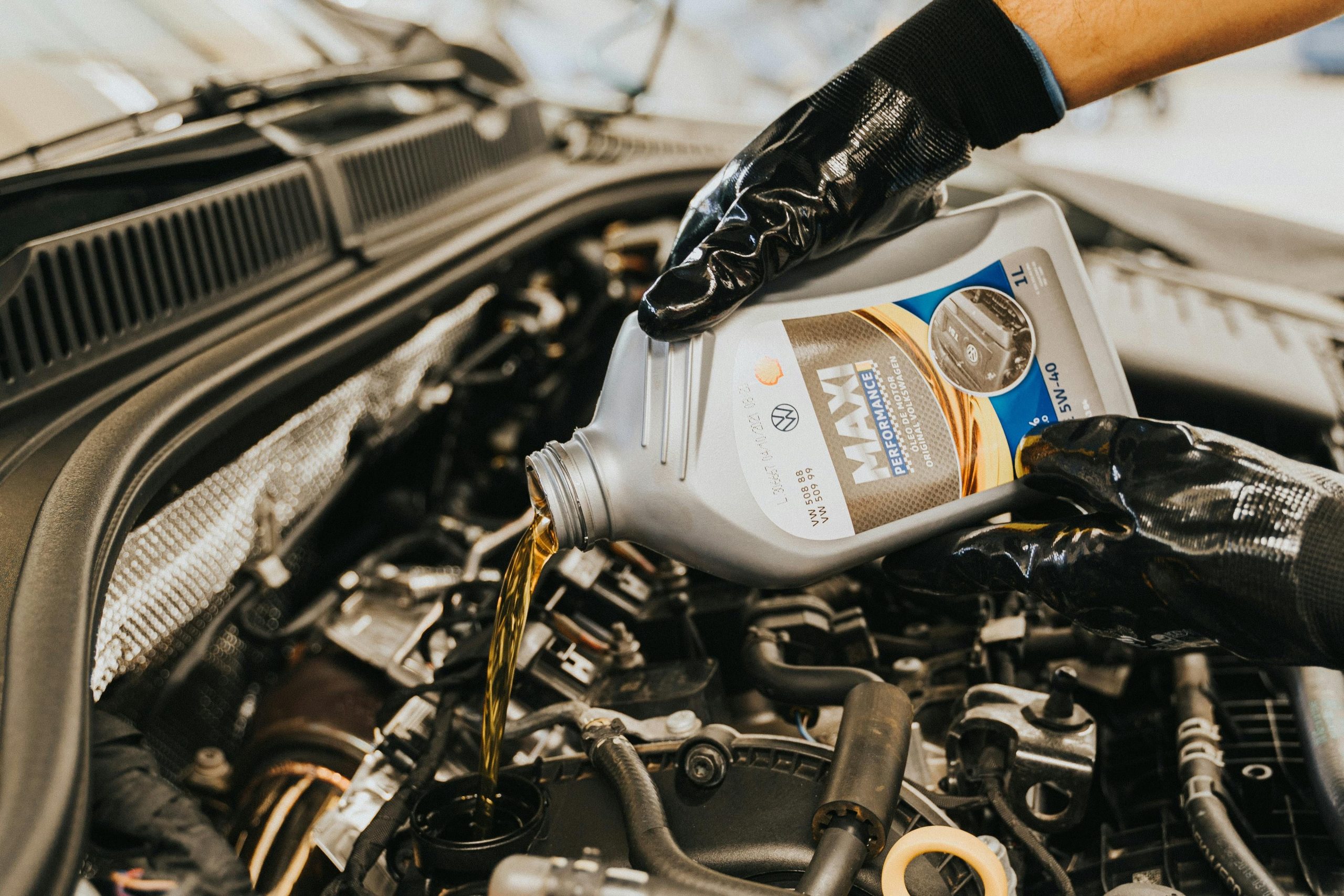
1. Commit to Regular Oil Changes and Maintenance
One figure worth keeping in mind is approximately $50, which is the estimated cost of a routine oil change. It is a relatively inexpensive maintenance expense that can help protect the engine and extend its service life.
Skip it long enough, and you could face thousands of dollars in damage. Fresh oil keeps moving parts lubricated, carries away heat, and prevents the sludge that slowly strangles an engine.
Old oil does the opposite. It thickens, breaks down, and lets metal grind against metal. Many drivers stick to a schedule of around every 5,000 miles, though your owner’s manual gives the exact interval for your car, and newer vehicles using synthetic oil may go longer.
Make it easy on yourself. Set a reminder on your phone, or place a sticker on the windshield showing the next service date. Use the same visit to check other basics, such as air filters, belts, fluid levels, and brake pads.
A mechanic who knows your car can spot small problems before they turn into large bills. Keep your receipts, too, since a documented service history raises resale value and can help with warranty claims.
Think of maintenance as a subscription that costs little and pays you back with fewer breakdowns, better performance, and a longer life for the car. This resolution is the foundation for every other saving on the list.
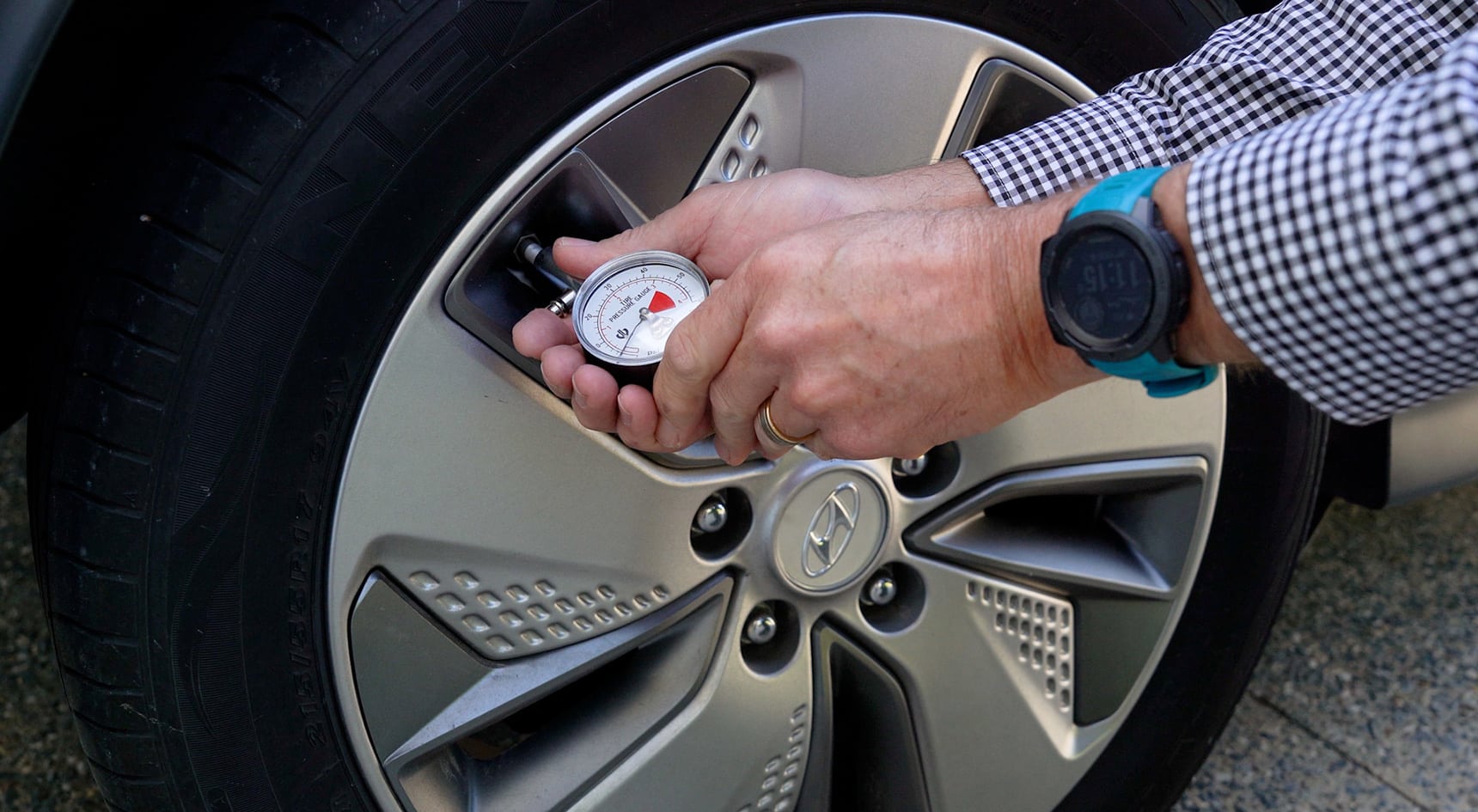
2. Check your tire pressure monthly
When was the last time you checked your tire pressure? If you cannot remember, this is an excellent resolution to add to your routine. Tires naturally lose air, even when there is no visible puncture.
Temperature changes can also affect inflation levels. Driving with underinflated tires increases rolling resistance, meaning your engine has to work harder to keep the vehicle moving. This can increase fuel consumption and cause tires to wear out faster.
Make a habit of checking your tire pressure at least once a month and before long road trips. Use a reliable tire pressure gauge and follow the recommended pressure listed on the driver’s door jamb or in your owner’s manual.
Avoid relying on the maximum pressure printed on the tire itself, as that is not necessarily the recommended operating pressure.
Proper inflation can improve fuel economy by roughly 3%, helping you spend less at the pump. It also supports better handling and helps extend tire life.
Think of this small task as an inexpensive form of preventive care. A few minutes each month could save you from replacing tires sooner than necessary.

3. Smooth Out Your Driving Habits
Your right foot controls more of your budget than you might think. Aggressive driving, with its hard acceleration, speeding, and sudden braking, burns fuel at a startling pace.
On the highway, it can reduce fuel economy by 15 to 30 percent. That is like paying for a full tank and tossing a third of it out the window.
Calmer driving flips that equation. Ease onto the gas pedal when the light turns green. Look far ahead so you can coast toward red lights instead of racing up and slamming the brakes.
Keep a steady speed on open roads, and use cruise control when conditions allow. Staying at or just under the speed limit makes a difference, since wind resistance climbs sharply as you go faster. Smoother habits do more than save fuel.
They reduce wear on brake pads, tires, and the transmission, which means fewer trips to the shop. They also lower stress and make you a safer driver, which may help keep your insurance rates friendly.
Try treating each drive like a small game. Pretend there is a cup of coffee on the dashboard that you cannot spill. Within a few weeks, gentle driving becomes second nature. Nobody needs to notice your new style, except your fuel gauge, which will be very pleased.
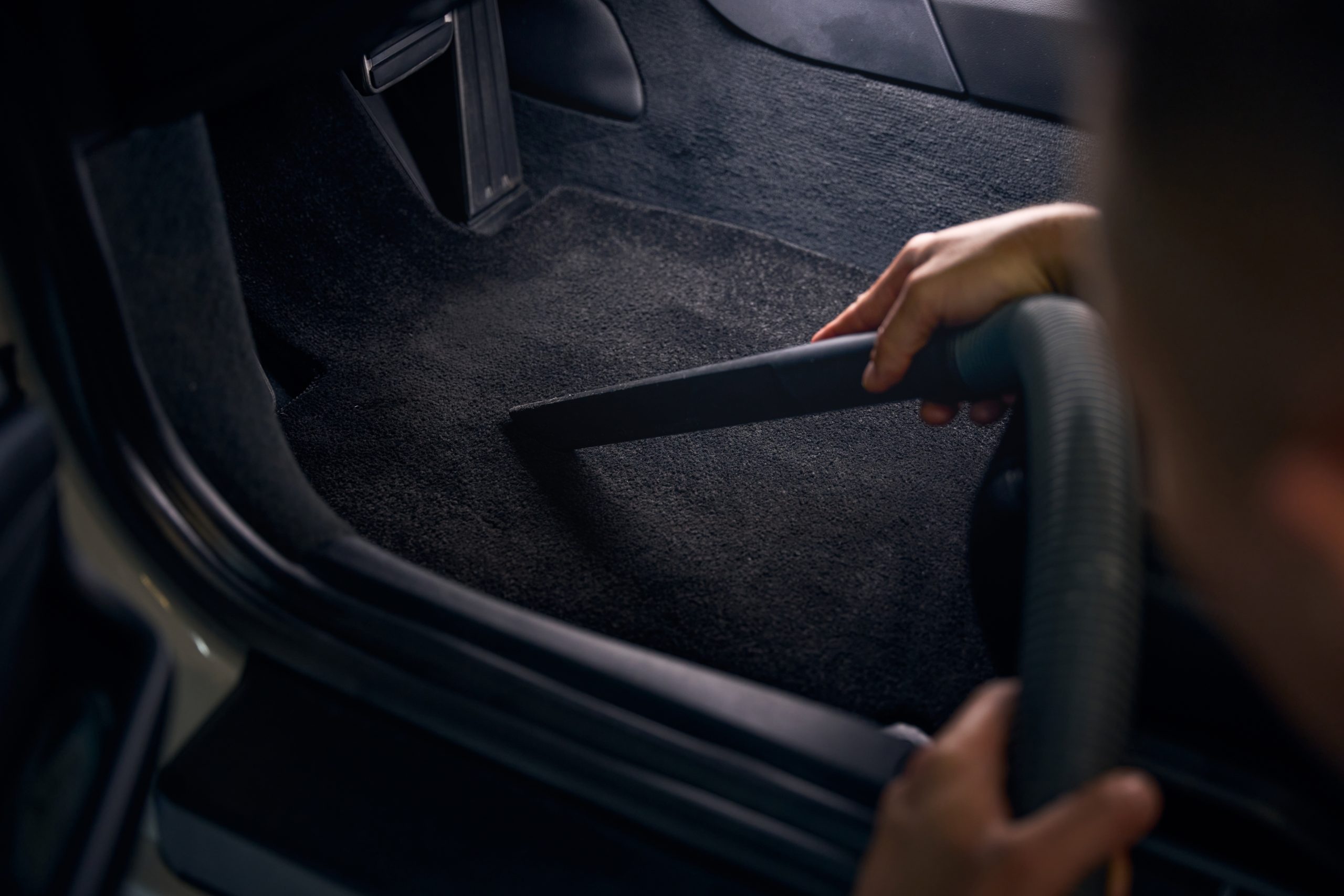
4. Declutter Your Vehicle and Remove Extra Weight
Open your trunk and be honest about what lives there. Old sports gear, bags of donations you meant to drop off, tools you never use, and a forgotten box of random stuff all add weight.
Every extra pound makes your engine work harder, and that directly cuts your miles per gallon. Lighter cars sip fuel. Heavier ones gulp it. Start with a full cleanout this weekend.
Pull out everything that does not belong, and keep only the essentials like a spare tire, jack, jumper cables, a first aid kit, and an emergency flashlight.
Next, look at the outside of the car. Roof racks and cargo boxes create drag, even when empty, and they can noticeably hurt fuel economy at highway speeds. If you do not use them daily, take them off and store them in the garage.
The same goes for bike racks and ski carriers during the off-season. Inside the cabin, toss the trash, clear out the back seat, and clean the floor mats.
A tidy car is more pleasant to drive, and it makes it easier to spot problems like leaks or musty smells. Make decluttering a monthly habit so the junk never builds up again. A lighter, cleaner car rewards you with every trip to the pump.
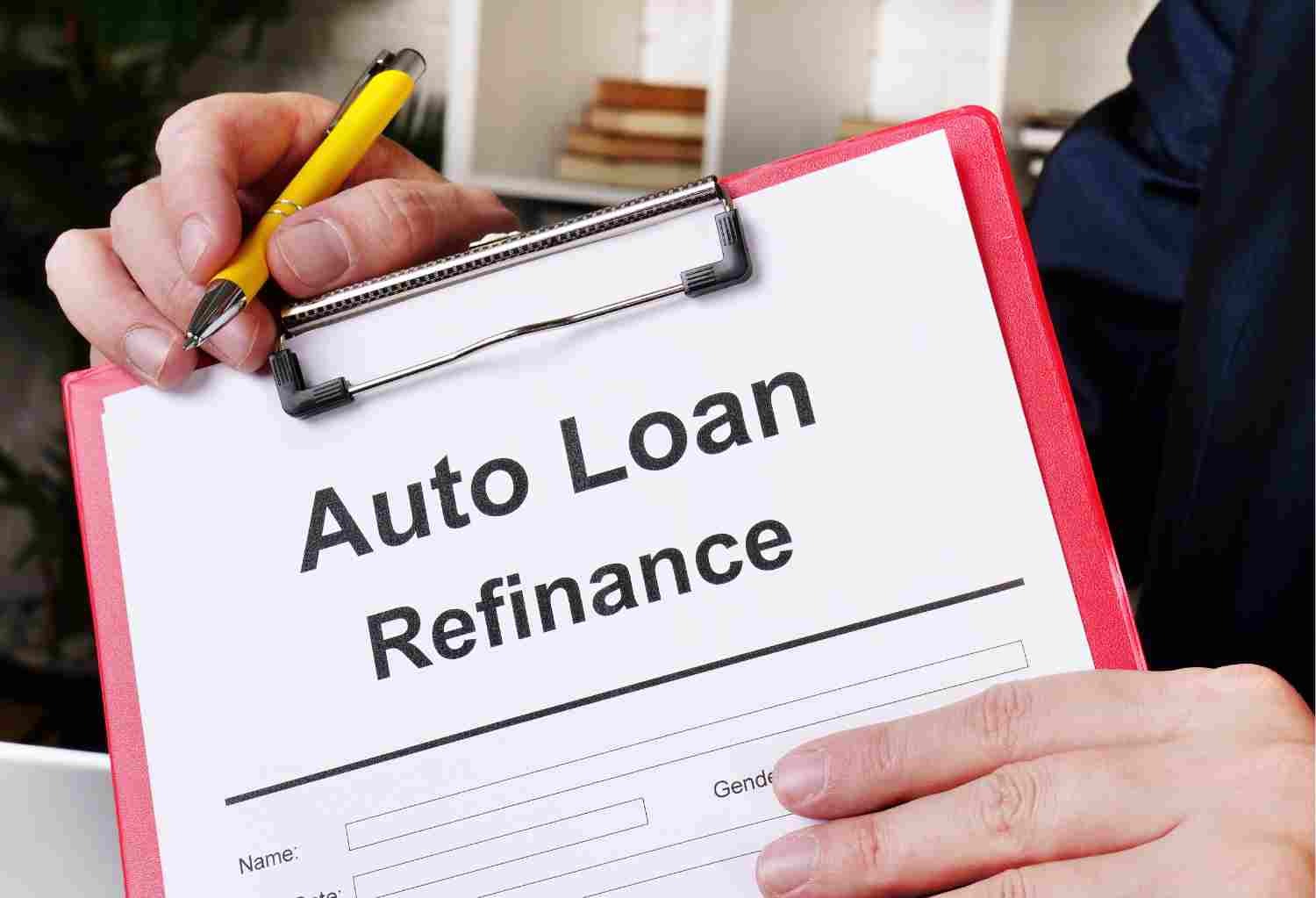
5. Refinance your auto loan or shop around for lower insurance
Car maintenance is not the only area where you can save money. Your monthly vehicle expenses may also be reduced by reviewing your financing and insurance arrangements.
If you currently have an auto loan, check whether refinancing could give you a lower interest rate. This may be worth considering if your credit score has improved since you first borrowed money or current loan offers are more favorable than your existing agreement.
Before accepting a new loan, compare the interest rate, remaining balance, repayment period, and any refinancing fees. A lower monthly payment does not always mean you will pay less in total interest, especially if the repayment period becomes longer.
Insurance deserves the same attention. Many drivers renew their policies automatically without checking whether a better rate is available. Request quotes from several reputable insurers and compare coverage limits, deductibles, exclusions, and available discounts.
You may qualify for savings through safe driving programs, multiple-policy discounts, or a revised coverage arrangement that suits your current circumstances.
Set a reminder to review these expenses at least once a year. A few phone calls and some careful comparisons could save you hundreds of dollars without requiring you to change your everyday driving routine.
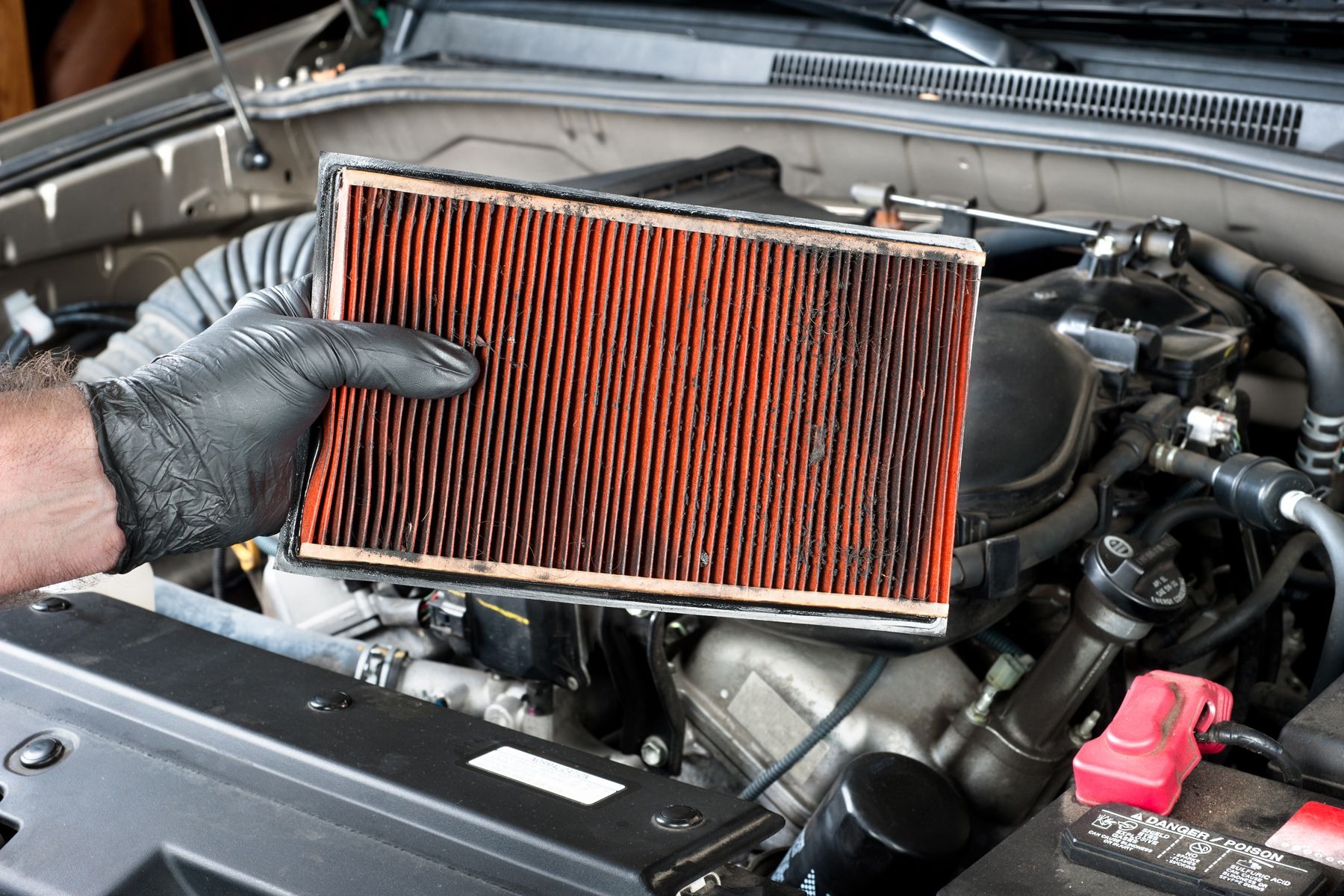
6. Replace clogged air filters on time
A dirty engine air filter is easy to overlook because it is hidden beneath the hood. Yet this inexpensive component plays an important role in keeping your engine supplied with clean air.
Your engine needs an appropriate mixture of air and fuel to operate properly. The air filter catches dust, dirt, and other particles before they enter the engine. As the filter collects debris, airflow can become restricted, particularly when it is heavily clogged.
Make inspecting the air filter part of your regular maintenance routine. Your owner’s manual will explain how frequently it should be checked or replaced. Driving conditions matter, too. Vehicles regularly exposed to dusty roads or heavy airborne debris may need more frequent inspections.
Replacing a dirty filter is generally a simple maintenance task, and many drivers can handle it themselves with basic guidance from the owner’s manual. If you are unsure how to access or install the filter, ask a qualified mechanic for assistance.
It is worth remembering that a clogged air filter does not always cause a noticeable drop in fuel economy in modern fuel-injected vehicles. However, replacing a severely dirty filter helps maintain proper airflow and supports healthy engine operation.
Do not wait until your car starts showing signs of trouble. A timely replacement is a small maintenance expense that helps you avoid neglecting an important part of your vehicle’s care.