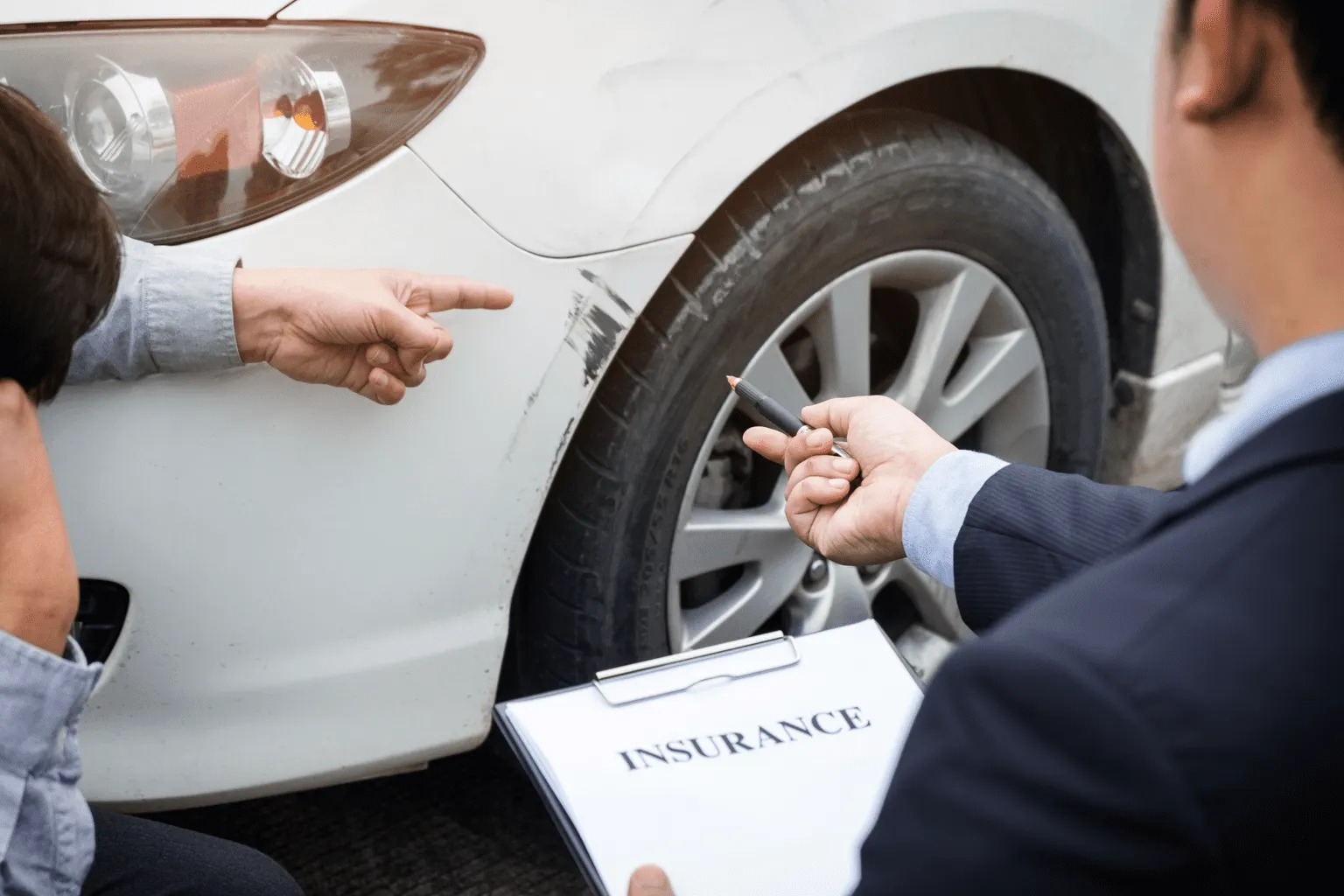
Vehicle damage does not always happen on the road or result from a collision. A parked car can suffer broken windows, fire damage, flooding, vandalism, or even theft while its owner is miles away. These unexpected incidents can leave drivers facing expensive repairs or the loss of their vehicles. Fortunately, comprehensive auto insurance may help cover many of these situations.
Unlike collision coverage, which generally pays for damage resulting from an accident involving another vehicle or object, comprehensive insurance focuses on certain non-collision events. Understanding what this coverage includes can help you make informed decisions about your auto insurance policy. Here are eight types of vehicle damage that comprehensive insurance may cover, even when no crash has occurred.
1. Theft or Grand Larceny
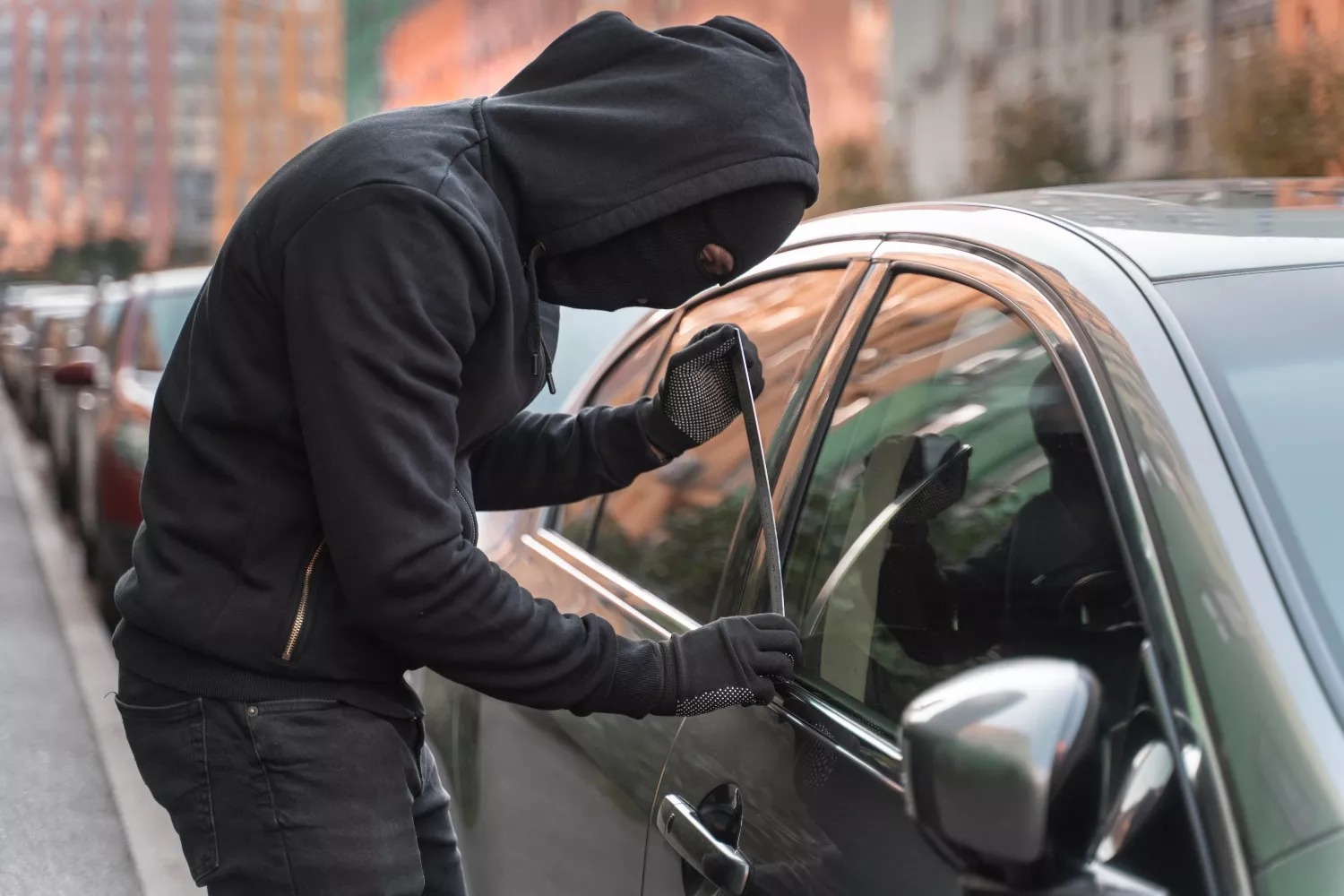
Vehicle theft is one of the most stressful experiences a car owner can face. You might park your vehicle outside your home, at a shopping center, or in a public parking garage, only to discover that it has disappeared.
Fortunately, comprehensive auto insurance may provide financial protection when someone steals your vehicle.
If your car is stolen and never recovered, comprehensive coverage may reimburse you based on its actual cash value at the time of the theft, minus your deductible.
Actual cash value generally accounts for the vehicle’s age, condition, mileage, and depreciation. This means the payout may not equal the original purchase price or the amount you still owe on an auto loan.
What happens if the police recover your vehicle? Comprehensive insurance may also cover repairs for theft-related damage, including broken windows, damaged locks, missing wheels, and stolen vehicle components.
For instance, a car recovered with a damaged ignition system or missing entertainment equipment may qualify for coverage.
Keep in mind that insurers usually require a police report and may impose a waiting period before treating a stolen vehicle as a total loss.
Personal belongings stolen from inside the car are generally handled through homeowners or renters insurance rather than auto insurance.
Reviewing your policy can help you understand the protection available before theft occurs.
2. Vandalism and Riots
Imagine returning to your parked vehicle and finding deep scratches across its doors, spray paint covering the hood, or a shattered side window. Nobody hit your car, yet the repair bill could still be substantial. This is where comprehensive auto insurance may prove useful.
Vandalism involves intentional damage caused by another person. Common examples include scratched paint, broken headlights, slashed tires, smashed mirrors, damaged locks, and graffiti.
These incidents can happen in residential neighborhoods, public parking lots, office garages, or anywhere a vehicle is left unattended.
Comprehensive coverage may pay for the necessary repairs when someone deliberately damages your vehicle. It can also apply to certain losses associated with riots or civil disturbances.
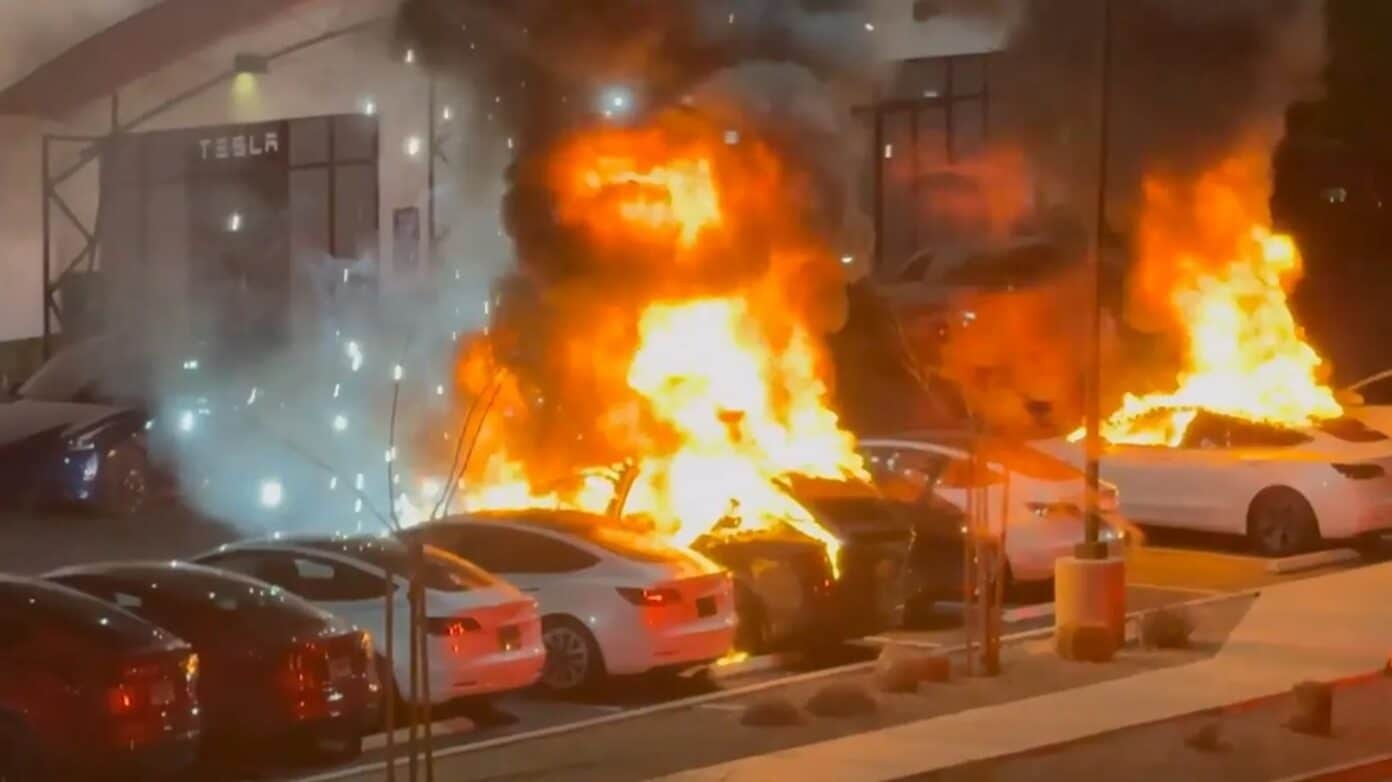
For example, a car damaged by people throwing objects, breaking windows, or setting nearby property on fire may qualify for protection under the policy.
There are a few practical steps to take after discovering vandalism. Photograph every damaged area before arranging repairs, report the incident to the police when appropriate, and contact your insurer promptly.
Avoid cleaning or repairing the affected areas before documenting the damage, unless doing so is necessary to prevent further harm.
Remember that coverage depends on your policy terms, deductible, and exclusions. Damage caused intentionally by the vehicle’s owner is generally not covered.
Comprehensive insurance is intended to protect against qualifying unexpected losses, not deliberate damage arranged by the policyholder.
3. Fire and Smoke Damage
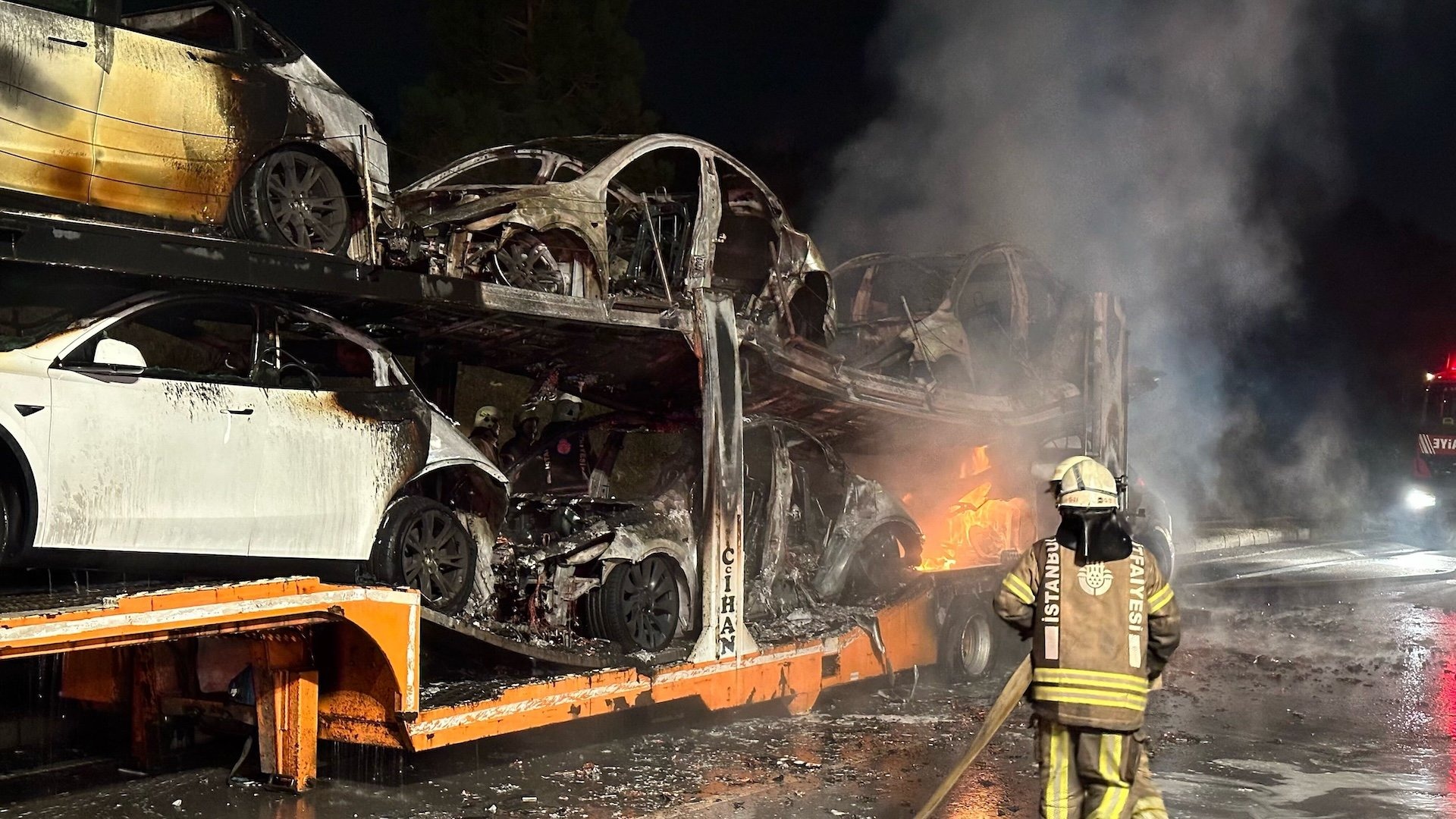
Fire can destroy a vehicle in minutes, even when it is parked safely in a driveway or garage. A small electrical fault, an engine compartment fire, or flames spreading from a nearby building can cause extensive damage without any collision taking place.
Comprehensive auto insurance may cover fire-related vehicle damage, including damage caused by direct flames, excessive heat, smoke, and ash.
For example, an electrical short circuit could ignite wiring beneath the dashboard, damaging the interior and potentially affecting the vehicle’s electronic systems. Similarly, a garage fire could expose a parked car to intense heat and smoke.
The extent of coverage depends on the circumstances and the policy’s exclusions. If a fire starts because of an accidental electrical malfunction, the resulting damage may qualify.
However, insurers may investigate suspected arson, intentional damage, or other circumstances that could affect the claim.
Smoke damage deserves attention, too. Even when flames never reach the vehicle, smoke can leave persistent odors, discolor upholstery, damage interior surfaces, and contaminate ventilation systems.
Repairs may involve professional cleaning, replacement materials, and electrical inspections. After a fire-related incident, safety should come first.
Do not attempt to start a vehicle that has suffered fire or heat exposure until a qualified technician has inspected it.
Take photographs when it is safe, preserve any relevant incident reports, and notify your insurance provider. A timely claim can help establish the damage and determine which repairs qualify for reimbursement.
4. Falling Objects
A vehicle does not need to be moving to sustain expensive damage. Sometimes, the danger comes from something directly above it.
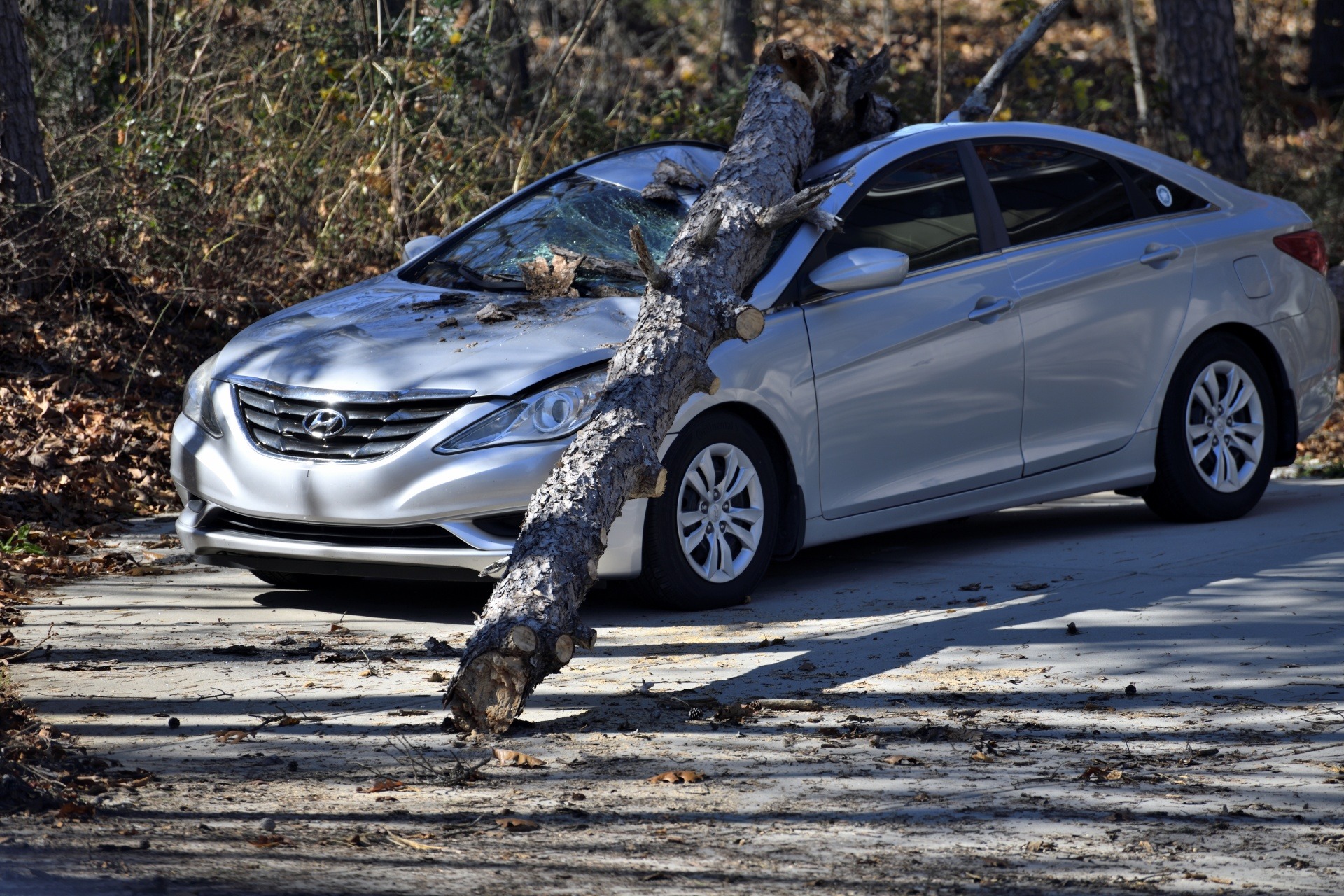
Tree branches, loose construction materials, falling rocks, and other objects can strike a parked car, leaving dents, broken glass, or damaged body panels.
Consider a vehicle parked beneath an aging tree during a storm. A heavy branch breaks off and lands across the roof, crushing part of the metal structure and cracking the windshield.
Although no other vehicle was involved, the owner may still face a costly repair job. Comprehensive insurance may cover damage caused by falling objects, provided the incident meets the policy’s coverage requirements.
Examples include roof dents from fallen branches, cracked windshields from falling debris, and damaged hoods caused by objects dropping from nearby structures.
Construction areas can present similar risks. Materials that become dislodged from scaffolding, buildings, or elevated work areas may fall onto nearby vehicles. Rocks and other debris falling naturally from slopes can also cause damage.
One detail worth remembering is that the source of the falling object may affect how an insurer evaluates a claim. If a construction company is responsible for unsafe work practices, there may also be grounds for a claim against that company’s liability insurance.
Document the scene, photograph the damage, and report the incident to your insurer. If another party may be responsible, keep any available information about the property owner or construction company.
Your insurer can explain the applicable coverage and whether another party’s liability may also be relevant.
5. Natural Disasters and Weather
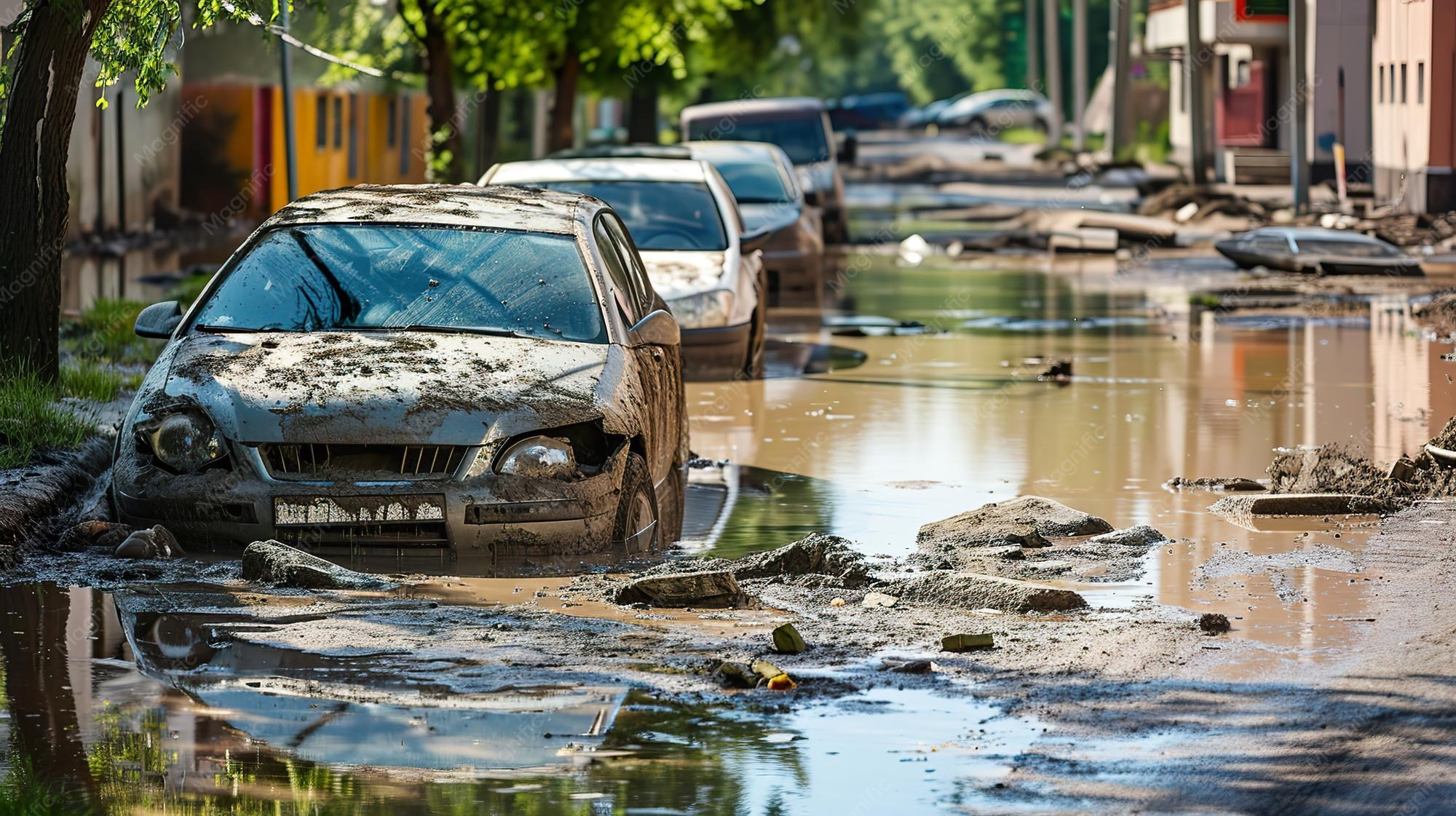
Severe weather can turn an ordinary day into an expensive experience for vehicle owners. Heavy rainfall may flood parking areas, hurricanes can send debris flying, and tornadoes can overturn cars or destroy nearby structures.
Even a vehicle sitting inside a garage may not be completely protected from nature’s force. Comprehensive auto insurance may cover several types of weather-related damage.
Flooding, hurricanes, tornadoes, hailstorms, earthquakes, and severe windstorms are among the events that may qualify, depending on the policy.
Flood damage is a particularly important example. Rising water can enter the cabin, damage electrical wiring, contaminate upholstery, and affect the engine.
In some cases, the cost of repairs may exceed the vehicle’s value, resulting in a total-loss settlement based on its actual cash value.
Hail can create another expensive problem. Large hailstones may leave dents across the hood, roof, and trunk while cracking windows or damaging exterior lights.
Strong winds can also send branches, roofing materials, and other debris into parked vehicles. However, not every weather-related loss receives automatic approval.
Policies may contain exclusions, conditions, or special provisions that affect certain natural disasters. Earthquake and flood coverage should be checked carefully rather than assumed.
Vehicle owners should review their comprehensive limits and deductibles before severe weather arrives. If flooding occurs, avoid starting a water-damaged vehicle, as doing so may cause additional mechanical or electrical problems.
Photograph the damage when conditions are safe and contact your insurer for instructions. Having suitable coverage beforehand can make recovery less financially difficult.
6. Animal Encounters
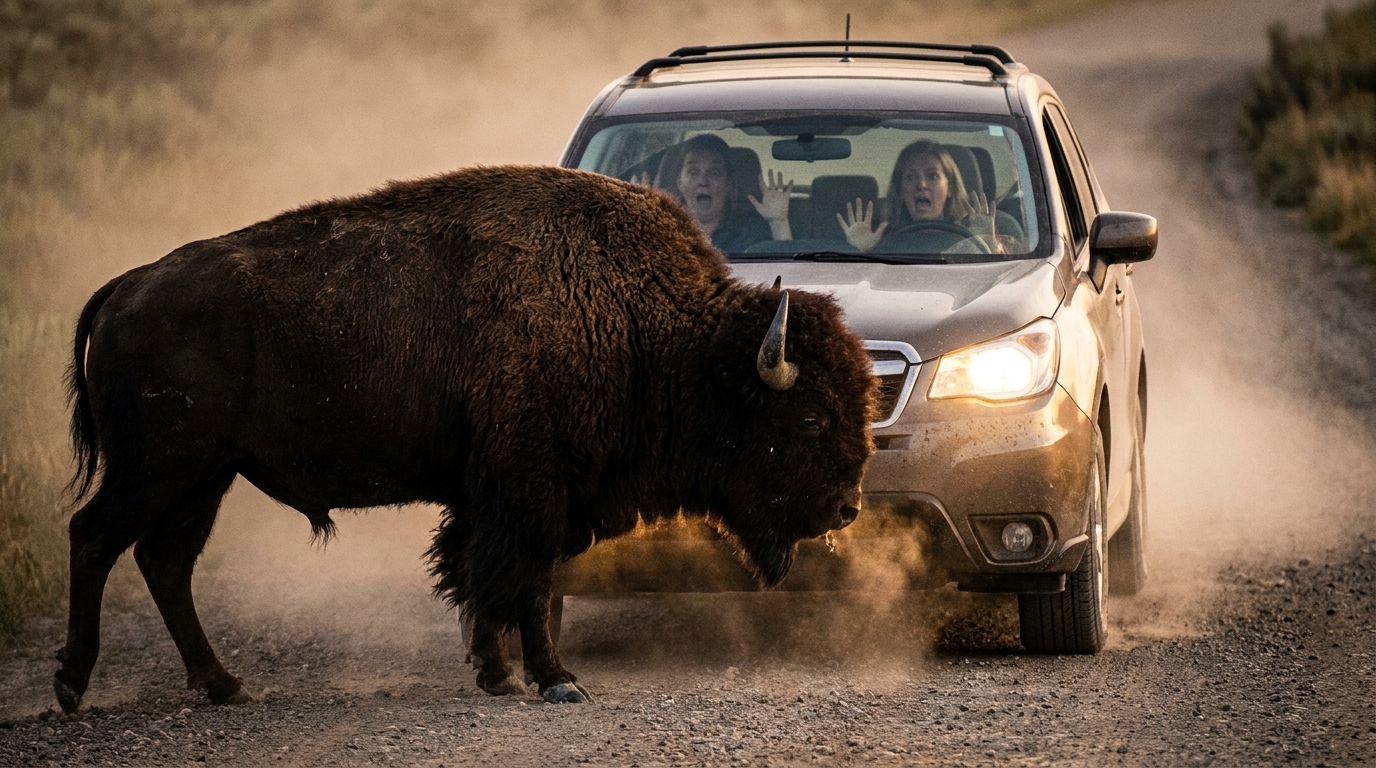
One second you are driving along a quiet road, and the next, a deer leaps into your headlights. Hitting an animal is a classic example of damage comprehensive insurance may cover, even though it involves contact.
Because the collision is with an animal rather than another vehicle or object, it often falls under comprehensive instead of collision. Coverage may pay for bodywork, smashed glass, and damaged engine parts.
Deer, elk, and other large animals can total a smaller car. Rodents can also chew wiring, and some policies may respond to that kind of damage depending on the terms.
After an encounter, pull over safely, turn on your hazard lights, and call the police if the animal blocks the road or the damage is serious. Stay away from injured animals, because they can be unpredictable.
Photograph the scene and your car before you leave. Then contact your insurer and ask how the claim will be handled. To lower your risk, stay alert at dawn and dusk, when wildlife is most active, and slow down in areas with warning signs.
Use high beams when it is safe, and remember that deer often travel in groups. If one crosses, expect another. Quick thinking and the right policy can turn a scary moment into a manageable one.
7. Windshield and Glass Breakage
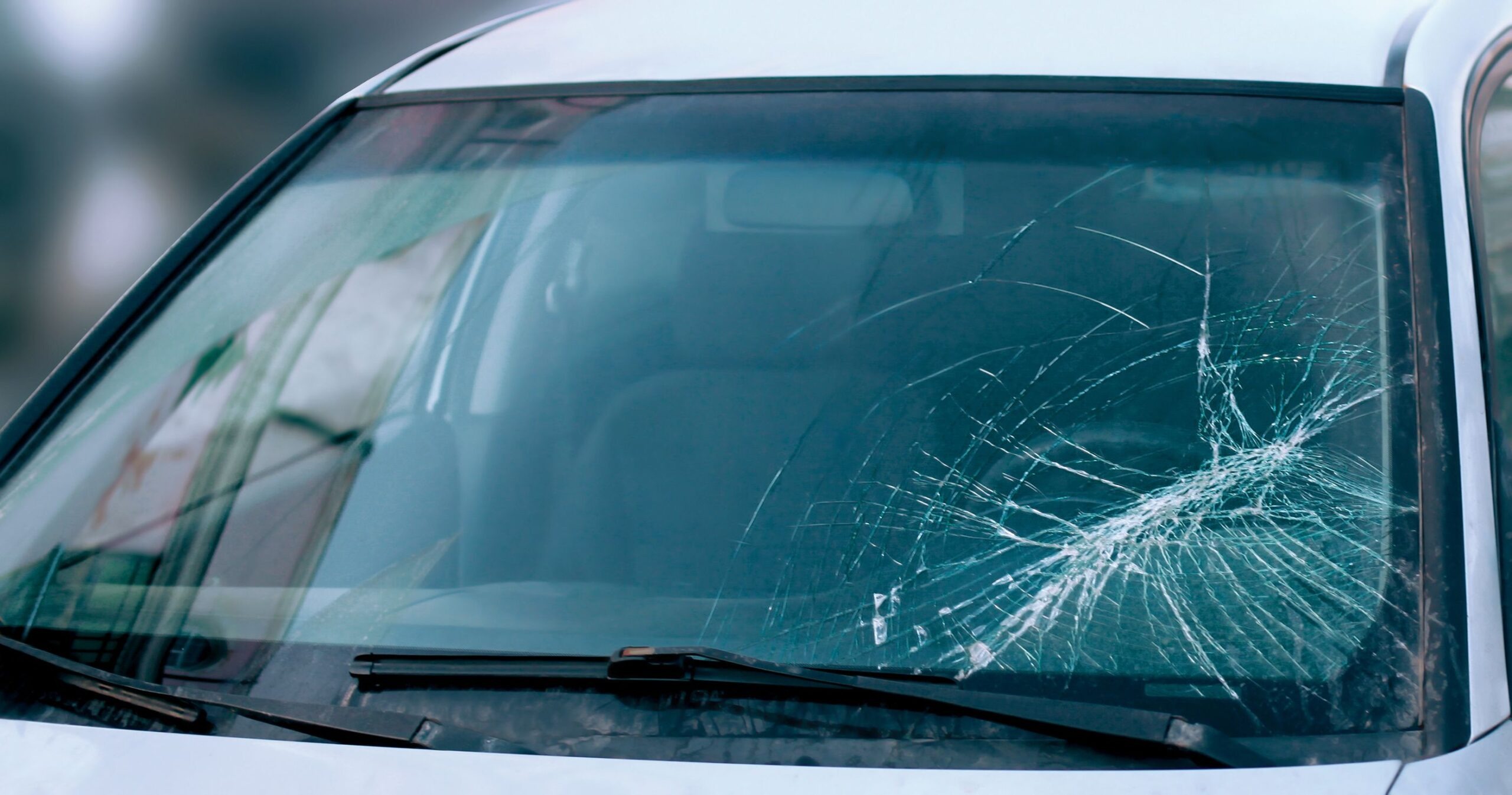
A tiny chip can turn into a long crack faster than you would expect. Comprehensive insurance may cover chips, cracks, or complete shattering of your windshield or side windows caused by flying debris or severe weather.
A stray rock kicked up by a truck on the highway is a common culprit. Cold snaps, hail, and falling branches can do the same. Glass damage is more than a nuisance.
A cracked windshield can block your view and weaken the structural support of the vehicle, which makes quick repairs a safety matter.
Many insurers will fix small chips without charging a deductible, because repairing early costs less than replacing later. Some policies include separate glass coverage, and a few states have special rules, so check what applies where you live.
If you spot damage, call your insurer or a trusted glass shop right away. Ask whether repair is possible instead of full replacement.
Modern windshields often contain sensors and cameras tied to driver-assist features, and those may need recalibration after replacement.
That can raise the cost, which makes coverage even more valuable. In the meantime, avoid slamming doors or blasting the defroster on a damaged windshield, since sudden temperature changes can spread a crack. Small repairs now prevent bigger bills later.
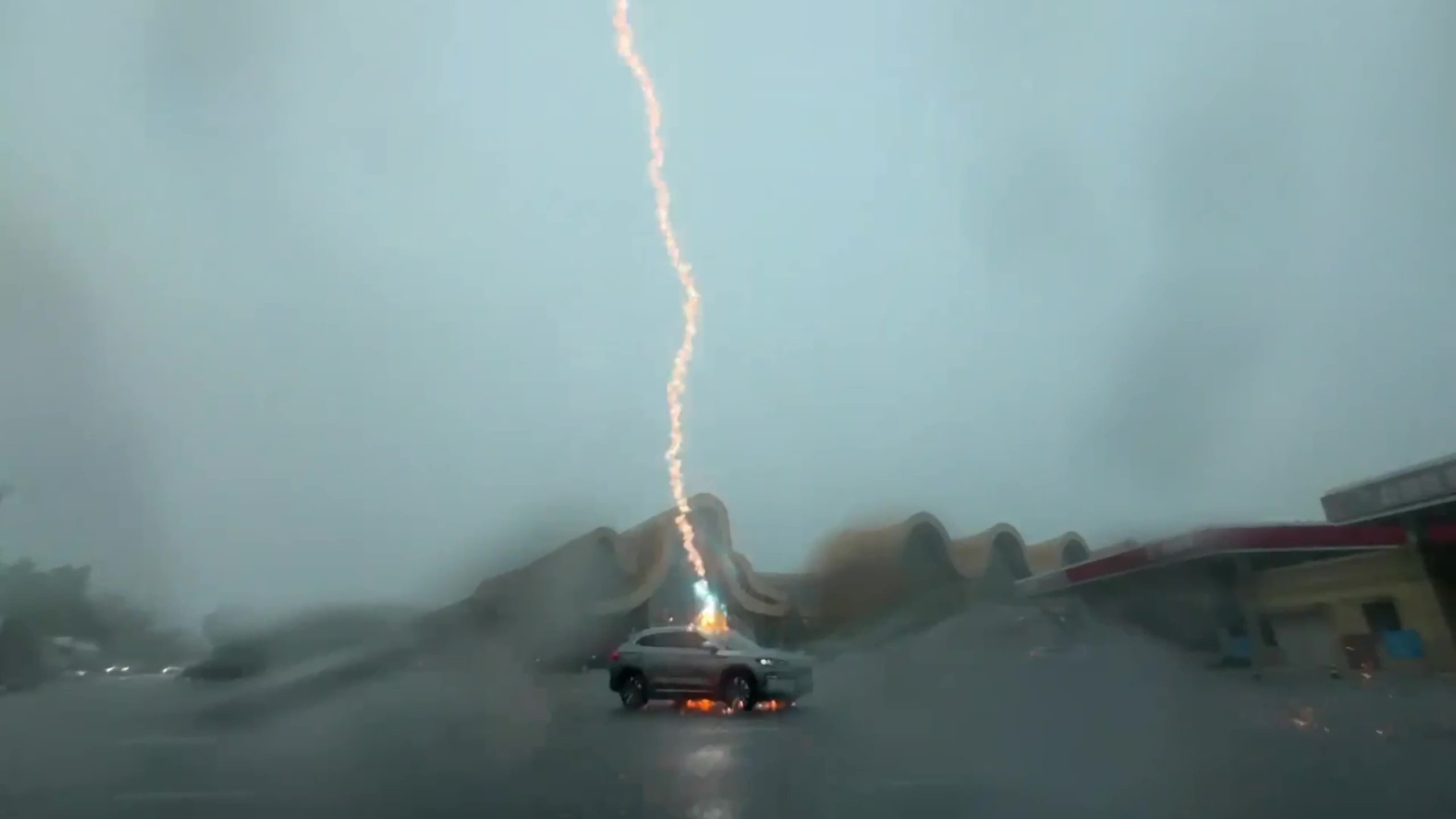
8. Explosions or Lightning Strikes
This one is rare, yet it deserves a mention. Comprehensive coverage may reimburse damage from direct acts of nature like lightning strikes, as well as accidental localized explosions that impact the vehicle while parked or driven.
Most drivers will never face either situation, but the cost can be enormous if they do. Lightning can fry electronics, burn paint, and damage tires. An explosion nearby could shatter glass, warp panels, and leave a car beyond repair.
These are the kinds of events nobody plans for, and that is exactly why comprehensive insurance is so useful. If something like this happens, move to safety first and let emergency responders do their work.
Once the scene is secure, contact your insurer and provide as much detail as you can. Photos, witness statements, and official reports can all support your claim.
Keep in mind that every policy has its own language, so ask your agent how these rare events are treated under your plan. Also check your deductible and coverage limits, since they affect what you receive.
It is easy to overlook coverage for unlikely events, yet those are the moments when protection matters most. Reviewing your policy once a year takes only a few minutes and can reveal gaps before they become problems. Prepared drivers sleep better.