
An accident can leave you dealing with damaged property, unexpected medical bills, and repair costs you never planned for. Having car insurance may provide some financial protection, but the type of policy you carry makes a big difference. Liability-only insurance is designed to pay for injuries and property damage you cause to other people. It does not automatically protect your own vehicle or cover every expense you face after an accident.
This distinction can catch drivers off guard, especially when they assume their insurance will handle all accident-related costs. Before choosing a basic policy, it helps to understand what you may have to pay yourself. Here are eight accident expenses liability-only insurance generally won’t cover for your own car and personal losses.
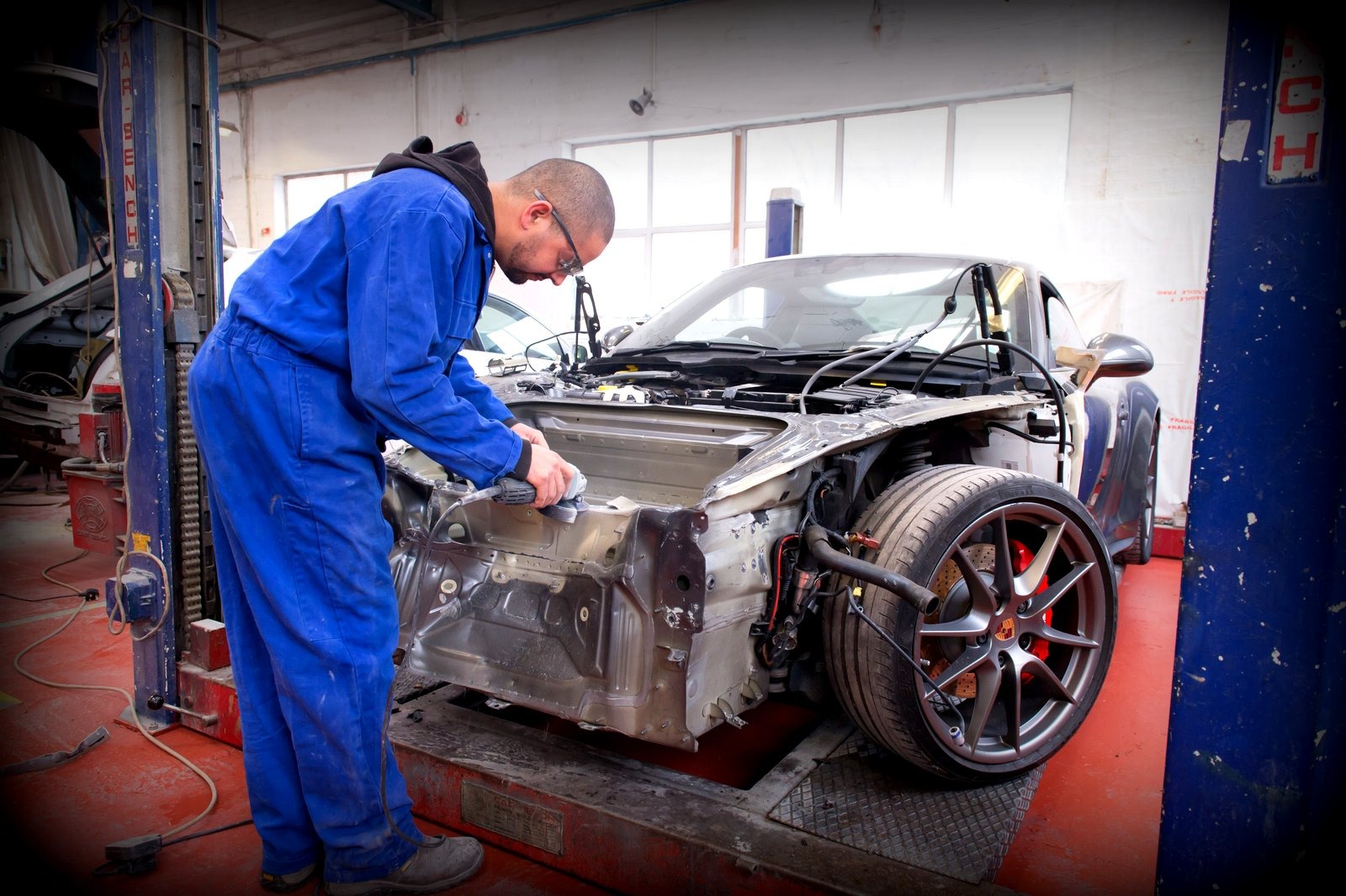
1. Repairs to Your Own Vehicle After an At-Fault Crash
Imagine accidentally hitting a guardrail while taking a sharp turn or rear-ending another vehicle in slow-moving traffic. Even if nobody else is involved, your car may need expensive repairs.
Unfortunately, liability-only insurance will not pay to fix your own vehicle after an at-fault accident. This type of policy is primarily designed to cover the financial responsibility you have toward other people.
If you damage someone else’s vehicle, liability coverage may pay for eligible repairs. However, your damaged bumper, broken headlights, dented doors, or damaged frame are your responsibility.
The same rule generally applies when you lose control of your vehicle and strike a tree, pole, fence, or other stationary object. Since the damage involves your own car, liability coverage does not provide reimbursement.
To protect your vehicle against these expenses, you would generally need collision coverage. Collision insurance helps pay for repairs to your car after a covered accident involving another vehicle or an object, regardless of who caused the crash. A deductible usually applies before the insurer pays its share.
Without this additional protection, you may have to pay the entire repair bill yourself. For drivers with newer vehicles, outstanding auto loans, or expensive replacement parts, this expense can be particularly difficult to manage.
Reviewing your coverage before an accident happens can help you avoid unexpected financial pressure.
2. Your Own Medical Bills
Your vehicle may have only minor damage after an accident, but your physical injuries could require weeks of treatment. Liability-only insurance does not pay for your own medical expenses simply because you were involved in a crash.
Suppose you are driving alone when another vehicle suddenly brakes. You collide with it, suffer neck pain, and need medical attention.
Even if your car is insured, your liability policy generally will not cover your hospital visit, prescription medication, diagnostic tests, or follow-up appointments.
This limitation applies whether your injuries are minor or require more extensive medical care. Emergency room visits, specialist consultations, rehabilitation, and other treatment costs can quickly become expensive.
So, what type of protection can help?
Personal Injury Protection (PIP) and Medical Payments coverage (MedPay) are two options worth understanding. PIP may cover eligible medical expenses and, depending on state law and policy terms, certain additional costs such as lost income.
MedPay generally focuses on reasonable medical and funeral expenses following a covered accident. The availability and requirements of these coverages vary by state. Some states require PIP, while others make it optional or offer MedPay as an additional choice.
Your health insurance may also help pay for treatment, although deductibles, copayments, and coverage restrictions can still leave you with expenses.
Checking these options before an accident can help you decide whether your current insurance provides enough protection for your personal medical needs.
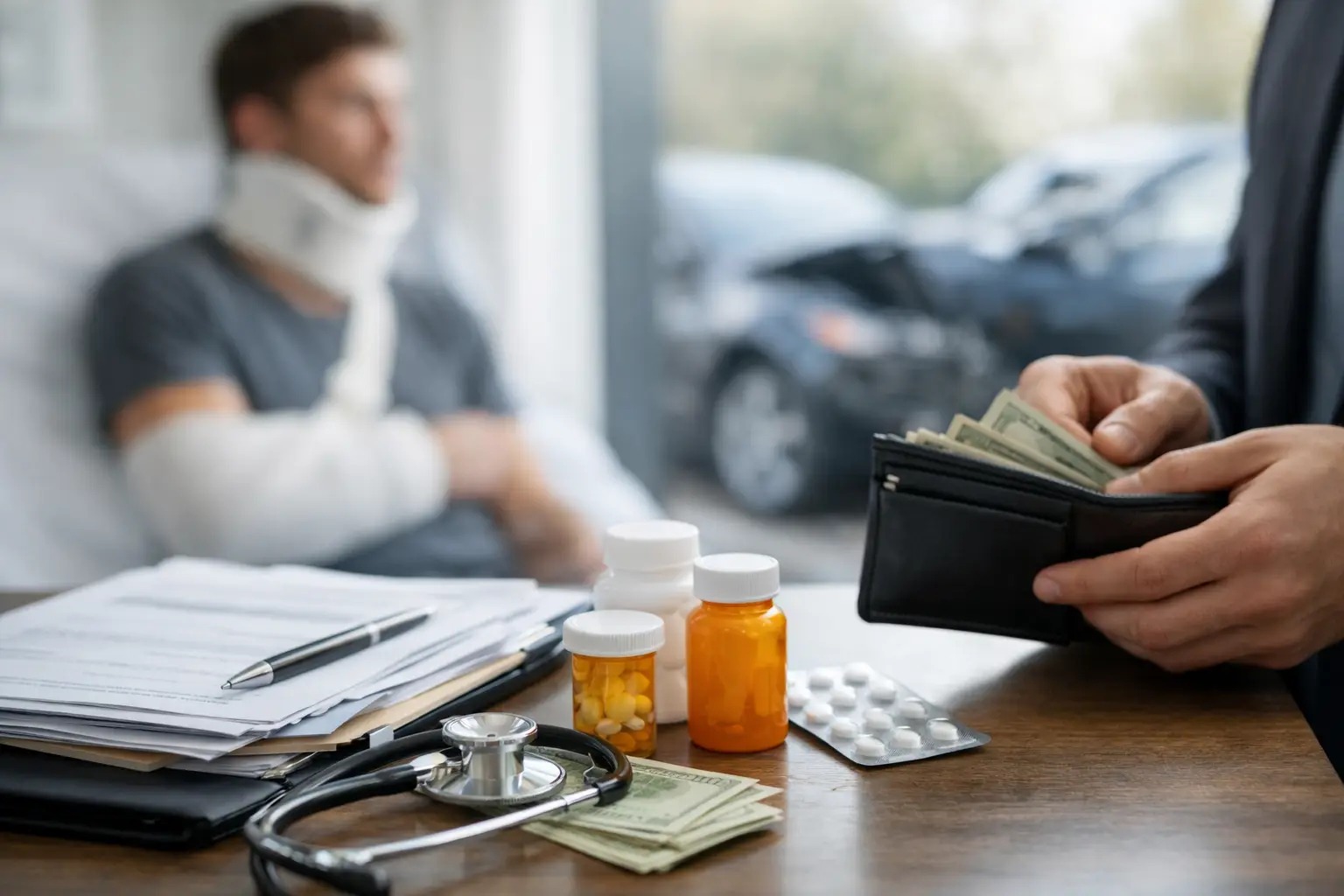
3. Medical Bills for Your Passengers
Driving friends or family around feels harmless until something goes wrong. If you crash with passengers in your vehicle, your liability-only policy does not cover their own medical costs in the way many people assume.
They would generally need to rely on their own health insurance or other specific coverages. That can create tension. Nobody wants a friend to struggle with hospital bills after an accident that happened in your car.
Here is where things get a little nuanced. Liability coverage may apply if a passenger sues you because your driving caused their injuries, though the details depend on your state and the situation.
That is different from automatically paying their bills after a crash. Coverage like MedPay or PIP can step in more directly, helping with passenger medical expenses without anyone needing to prove fault.
Think about who rides with you most often. Kids, coworkers, carpool partners, and elderly relatives all count. The more often you carry others, the more valuable this protection becomes.
Ask your agent how your state handles passenger injuries and what limits you would want. Also consider raising your liability limits if you regularly drive with a full car.
Being responsible behind the wheel includes looking out for the people sitting beside you. A little extra protection helps you protect them, and it protects your friendships too.
4. Rental Car Costs While Your Car Is in the Shop
Being without your vehicle can disrupt nearly every part of your daily routine. You may depend on your car to commute, attend appointments, take children to school, or handle ordinary errands.
When an accident leaves it undriveable, finding temporary transportation becomes another expense. Unfortunately, liability-only insurance does not normally pay for a rental car while your damaged vehicle is being repaired.
For example, imagine causing an accident that damages your car’s front suspension and radiator. The repair shop estimates that it will need ten days to complete the work. During that period, you may need to rent another vehicle to continue your normal activities.
Those daily rental charges are generally your responsibility if you only have liability coverage. Depending on the rental company, you may also face additional costs for insurance options, deposits, fuel, and other services.
Rental reimbursement coverage is an optional addition that may help with eligible rental expenses when your vehicle is being repaired after a covered claim. Policies usually have daily and total reimbursement limits, so the allowance may not cover every rental choice.
Another possibility is using public transportation, rideshare services, or borrowing a vehicle from someone you know. However, these alternatives may not be practical for everyone.
It is worth checking rental reimbursement limits before purchasing coverage. A modest daily benefit could make a difficult repair period easier to manage, particularly if you rely on your car for work or family responsibilities.
Remember that rental reimbursement generally does not apply to every mechanical breakdown or maintenance issue.
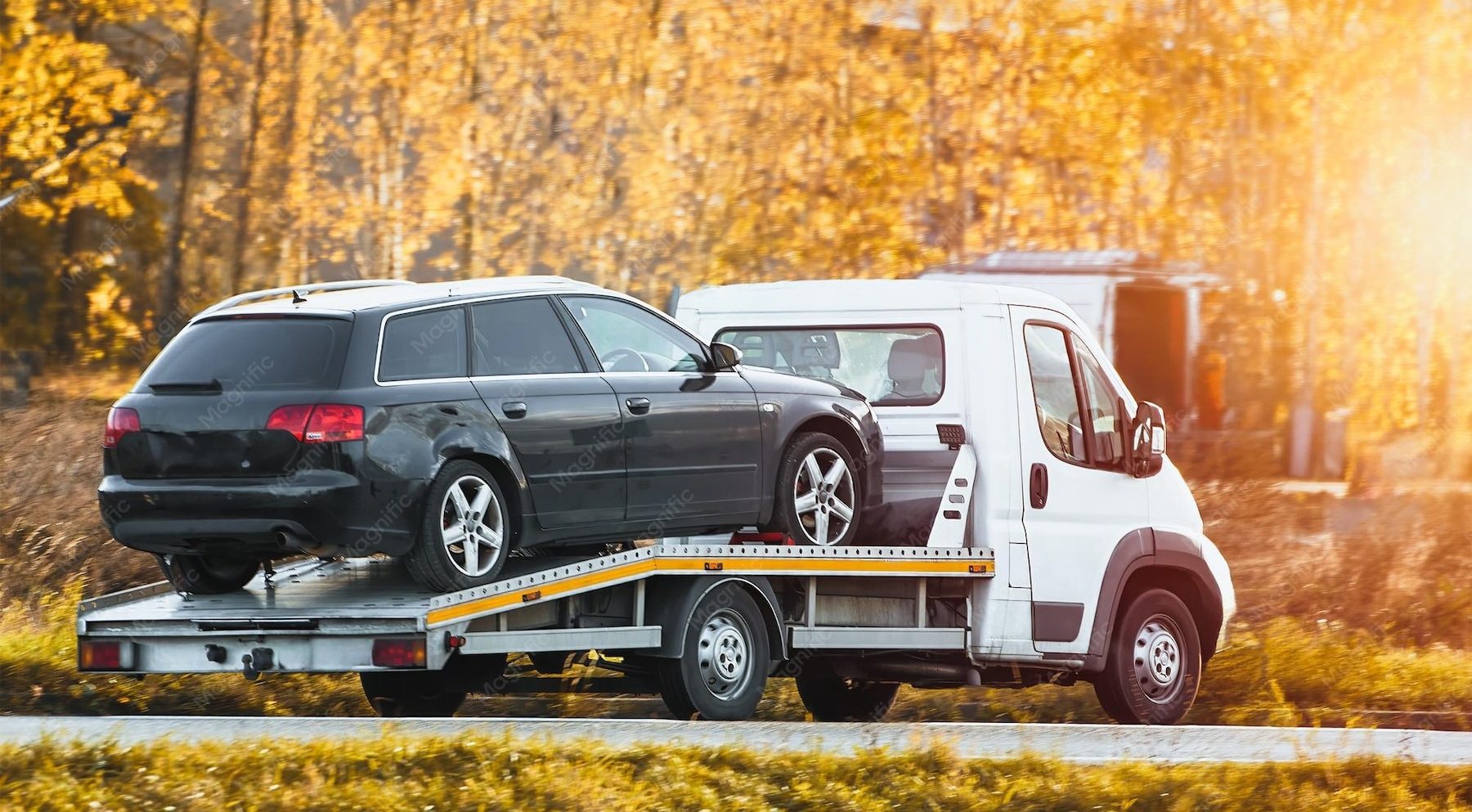
5. Towing and Roadside Assistance Services
A damaged vehicle may not be safe to drive after an accident. Even when the engine still runs, broken steering components, damaged wheels, leaking fluids, or deployed airbags can make continuing your journey dangerous.
Getting the vehicle moved to a repair facility may require a tow truck, and that service can come with an unexpected bill. Liability-only insurance generally does not pay your towing expenses when you need assistance with your own damaged vehicle.
The same limitation applies to many routine roadside services. A dead battery, flat tire, empty fuel tank, or locked vehicle may require professional assistance. Standard liability coverage does not automatically include these services.
For instance, imagine your vehicle becomes disabled following a minor crash. A towing company arrives and transports it to a nearby repair shop. Unless you have an applicable additional benefit or another source of coverage, you may need to pay the towing charge yourself.
Roadside assistance coverage can help with eligible services such as towing, battery jump-starts, flat-tire changes, fuel delivery, and lockout assistance. The exact benefits depend on the provider and policy.
Some insurers sell roadside assistance as an optional policy feature, while automobile clubs and other service providers offer separate membership plans.
Before choosing an option, check towing distance limits, service restrictions, and whether there are extra charges beyond the included allowance.
These details matter when your vehicle breaks down far from home. Having a suitable roadside plan can make getting help easier without relying on your basic liability policy to cover expenses it was never designed to handle.
6. Stolen Personal Belongings Inside the Car
A smashed window and a missing backpack make for a miserable morning. Liability-only auto insurance does not pay for valuables, electronics, or personal items that are broken or stolen from your car during or after a crash.
That includes laptops, phones, tools, sports gear, and even child car seats in some situations. The surprise for many drivers is that no standard auto policy treats these items as part of the vehicle.
Personal property inside the car typically falls under homeowners or renters insurance, depending on your living situation. Those policies often cover belongings even when they are away from home, though a deductible usually applies, and the cost of the stolen items must exceed it to make a claim worthwhile.
Check your policy for limits on certain categories like jewelry or high-end electronics. Some items may need special riders. The best strategy is to avoid leaving valuables in plain sight. Lock them in the trunk, take them with you, or keep them out of the car entirely.
Thieves often target vehicles after spotting a bag or a charging cable. Take photos of valuable items and keep receipts so you can prove ownership if you ever need to file a claim.
A quick conversation with your renters or homeowners agent can clear up what is protected. Knowing where each item is covered prevents painful surprises.
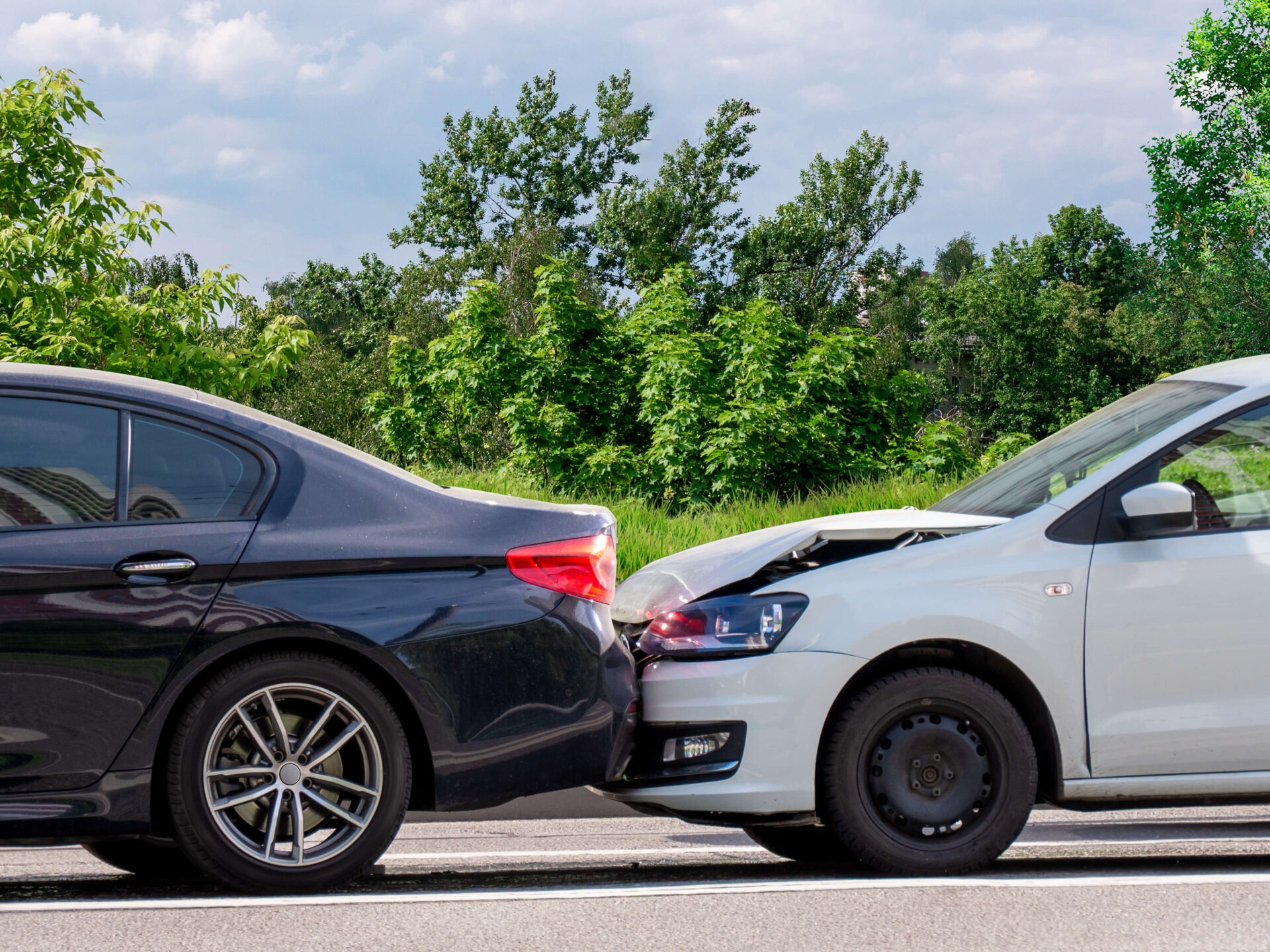
7. The Gap or Loan Balance if Your Car Is Totaled
Here is a painful scenario. Your car is totaled, the insurance payout arrives, and it falls short of what you still owe the bank. Cars lose value quickly, and a loan can easily exceed the vehicle’s actual cash value, especially in the first few years.
With liability-only insurance, you may receive nothing for your own car, and even with other coverage, the payout reflects market value rather than your loan balance. You are still responsible for the difference.
Picture owing $22,000 on a car worth $17,000. That leaves a $5,000 gap, and you would pay it with no car to drive. Gap insurance exists to cover that shortfall.
It is especially helpful if you made a small down payment, financed for 60 months or longer, or rolled negative equity from a previous loan into the new one.
Many lenders and lessors require it, and some dealerships offer it at signing, though your own insurer may sell it for less. Compare prices before you accept an offer.
Remember that gap coverage usually works with collision or comprehensive coverage, so liability-only drivers cannot rely on it by itself.
Check your loan paperwork and see exactly what you owe compared with your car’s value. Ignoring this gap could mean paying for a car you can no longer drive.
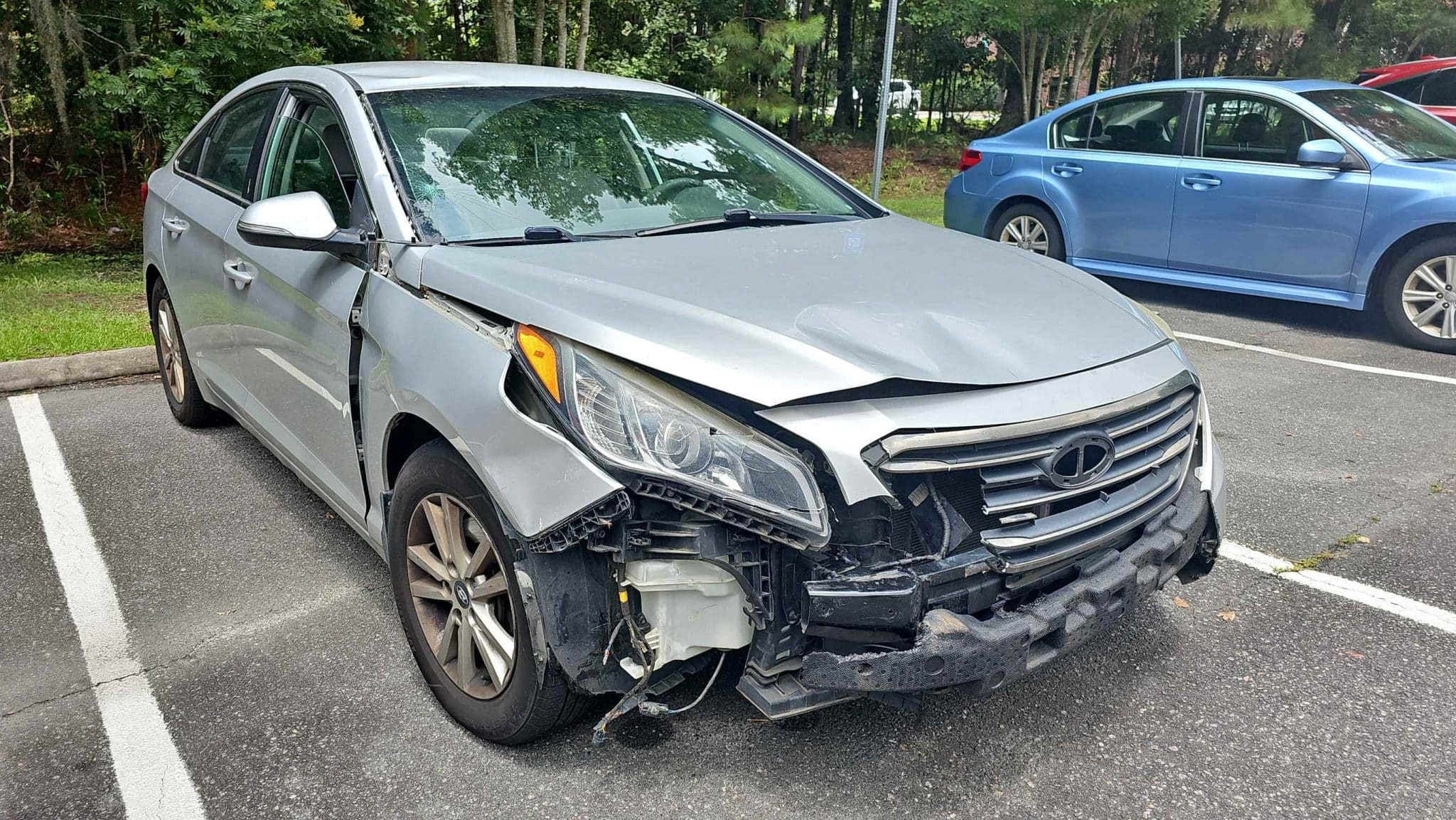
8. Damage From Non-Collision Perils (Theft, Fire, Hail, or Vandalism)
An accident is not the only event that can leave your vehicle damaged or unusable. Sometimes, your car suffers damage while parked outside your home, sitting in a public parking area, or waiting in a driveway.
Unfortunately, liability-only insurance does not provide protection against these non-collision losses.
For example, a severe hailstorm may leave dents across your hood and roof. A falling tree branch could crush part of your windshield, while an electrical fire could damage the interior and engine compartment
. Someone might also scratch the paint, break your windows, or steal the entire vehicle. Another situation involves hitting an animal while driving.
Although this incident may feel like a conventional road accident, damage caused by striking an animal is generally handled through comprehensive coverage rather than collision coverage.
Comprehensive insurance may help pay for eligible damage caused by theft, fire, vandalism, hail, falling objects, severe weather, and animal strikes. A deductible typically applies, and the insurer evaluates the claim according to the policy provisions.
Without comprehensive coverage, repair or replacement expenses resulting from these events may have to come directly from your savings.
Drivers should also remember that comprehensive coverage and collision coverage serve different purposes. Collision generally addresses qualifying damage from vehicle accidents and impacts with objects, while comprehensive addresses specified non-collision events.
Before settling for liability-only insurance, consider where you park your vehicle, local weather risks, its current value, and your ability to pay for unexpected repairs.
Choosing appropriate additional coverage can help protect your finances when something damages your car without another driver being responsible.