
Parking your car does not necessarily mean you are free from traffic laws or legal restrictions. Several activities that seem harmless while sitting inside a stationary vehicle can lead to fines, criminal charges, or other legal consequences.
From keeping an open alcoholic beverage inside the passenger compartment to leaving a child unattended or running the engine for too long, the rules can be surprisingly strict.
What’s particularly important is that some laws apply even when the vehicle is not moving. Here are nine things American drivers should avoid doing in a parked car to prevent unexpected legal trouble.
1. Keeping an Open Alcoholic Beverage Inside the Car
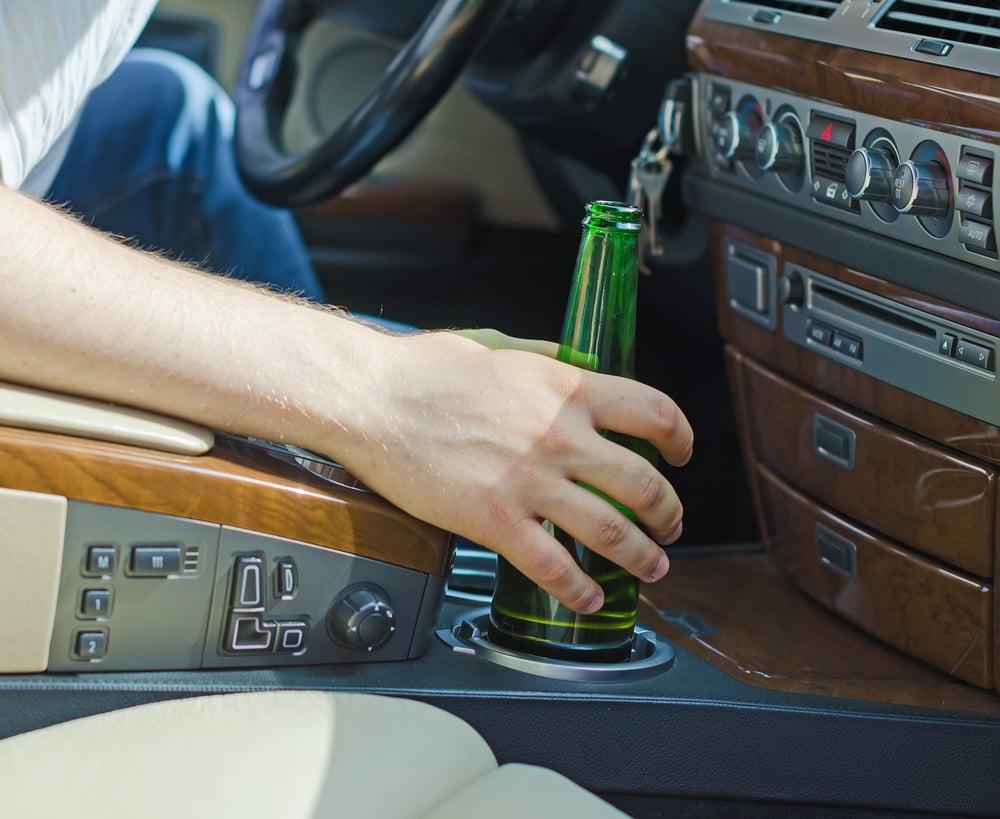
A parked car might seem like a private space to enjoy a drink, but keeping an open alcoholic beverage inside the passenger compartment can violate open-container laws. Many American drivers assume these restrictions apply only when a vehicle is moving.
However, the legal issue can arise simply from possessing an open container inside a vehicle located on a public road or its right-of-way.
Federal law under 23 U.S.C. §154 requires states to prohibit possessing open alcoholic beverage containers or consuming alcohol in the passenger area of motor vehicles on public highways and their rights-of-way.
An open container includes a bottle, can, or other receptacle with alcohol remaining inside after its seal has been broken or some of its contents have been removed.
The restrictions generally cover both drivers and passengers. This means sitting in a legally parked vehicle with an open beer can in the cup holder may still create an offense, depending on the applicable state law. Simply switching off the engine does not automatically remove the restriction.
There are exceptions concerning properly stored containers. Federal regulations recognize that states may permit open containers inside locked compartments or areas not normally occupied by passengers, such as a trunk. However, an ordinary glove compartment is not necessarily an acceptable storage location.
Nationally, open-container restrictions are widespread, although Mississippi and certain other jurisdictions have different rules. National Conference of State Legislatures research provides a useful comparison of these laws.
The safest approach is to keep opened alcoholic beverages out of the passenger compartment and follow local transportation laws. A vehicle being stationary does not automatically make it an alcohol-friendly space.
2. Sitting Behind the Wheel While Intoxicated
Finishing a night out and deciding to sleep inside a parked car instead of driving home might sound like a responsible decision. However, the legal situation can become complicated if you are intoxicated and sitting behind the steering wheel. In some states, prosecutors can pursue DUI-related charges even when officers never see the vehicle moving.
The issue is commonly associated with the legal concept of actual physical control. Authorities may examine whether an intoxicated person had the ability or immediate opportunity to operate the vehicle.
The engine’s status, ignition position, location of the keys, driver’s seating position, and surrounding circumstances can all matter.
Ohio provides a particularly clear example. Under Ohio Revised Code §4511.194, a person can commit a physical-control offense by being in the driver’s position of a front seat while possessing the vehicle’s ignition key or other ignition device if the person is under the influence. The vehicle does not have to be moving for this separate offense to apply.
Arizona also recognizes actual physical control under its DUI laws. In State v. Zaragoza, 221 Ariz. 49 (2009), the Arizona Supreme Court explained that courts must consider the totality of the circumstances when determining whether an intoxicated person’s control presented a real danger.
The rules are not identical everywhere. Pennsylvania, for example, has distinguished between simply possessing keys while sitting in a parked vehicle and circumstances demonstrating actual control over its movement.
If you have been drinking, avoid sitting in the driver’s seat with access to the ignition. Arrange alternative transportation or stay somewhere safe without placing yourself in a position to operate the vehicle.
3. Leaving a Young Child Unattended in a Parked Car
Leaving a child alone in a parked vehicle, even for a quick trip into a shop, can result in serious legal consequences. Many parents underestimate how quickly a vehicle’s interior temperature can rise or assume that leaving the windows slightly open makes the situation safe.
However, several states specifically prohibit leaving young children unattended in vehicles under circumstances that create safety risks.
Nevada Revised Statutes §202.485 prohibits a parent, guardian, or responsible person from knowingly and intentionally leaving a child aged seven or younger in a vehicle when conditions create a significant risk to the child’s health and safety.
The restriction also applies when the engine is running or the keys are in the ignition, unless the child is supervised by and within sight of someone at least 12 years old. A violation is a misdemeanor.
Michigan has a separate provision under Michigan Compiled Laws §750.135a. It prohibits leaving a child younger than six unattended in a vehicle when the circumstances or duration create an unreasonable risk of harm or injury. A basic violation can carry a fine of up to $500 and imprisonment of up to 93 days.
Washington also has restrictions under RCW 46.61.685. Leaving a child under 16 unattended in a vehicle parked on a public highway or public place with its engine running is a misdemeanor.
The danger is not limited to summer. Extreme cold, accidental vehicle movement, and access to power windows or controls can create additional risks.
Drivers should never treat a parked vehicle as a safe babysitting location. Take children with you whenever you leave the vehicle, even if you expect to return within a few minutes.
4. Leaving a Pet Inside a Parked Car in Dangerous Conditions
Leaving a dog inside a parked vehicle while running errands can create legal trouble, particularly when temperatures are high or dangerously low.
Some owners believe that cracking the windows or parking in the shade provides sufficient protection. Unfortunately, these precautions do not guarantee that the vehicle will remain at a safe temperature.
Nevada Revised Statutes §202.487 specifically prohibits leaving a pet unattended in a parked or standing motor vehicle when conditions, including extreme heat or cold, present a significant risk to the animal’s health and safety.
The law also authorizes certain officials, including police officers and animal control officers, to use reasonable means to remove an animal when they reasonably believe a violation has occurred.
California Penal Code §597.7 takes a similarly protective approach. It prohibits leaving an animal unattended in a motor vehicle under conditions that endanger its health or well-being because of heat, cold, lack of adequate ventilation, lack of food or water, or other dangerous circumstances.
The law provides specific exceptions, including certain circumstances involving an animal accompanied by an adult and adequate care.
Florida Statutes §828.13 also addresses confinement of animals without sufficient ventilation and protection from heat or cold. Violations can carry criminal consequences depending on the circumstances.
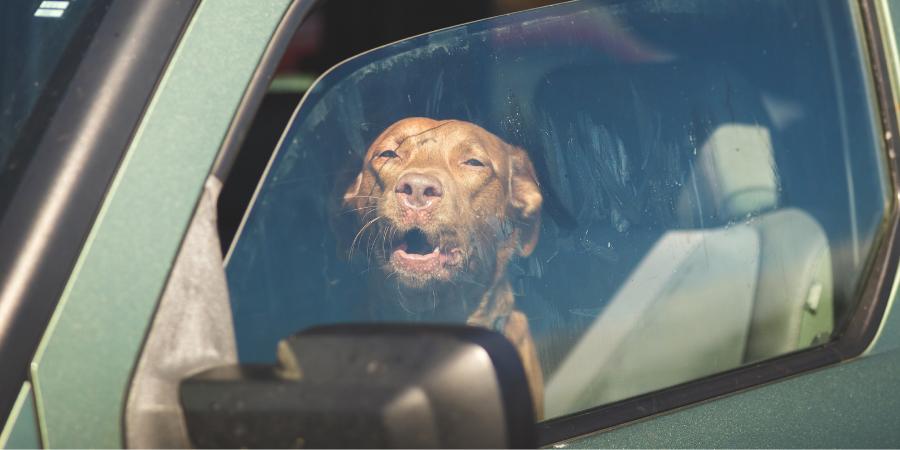
Importantly, these laws do not mean that every instance of briefly leaving a pet inside a vehicle automatically results in a crime. The conditions, duration, animal’s welfare, and specific statutory requirements matter.
Nevertheless, a parked vehicle can become dangerous much faster than owners expect. Leave pets at home when possible, or take them somewhere they can remain safely supervised. Never assume that an open window makes an unattended animal safe.
5. Smoking Inside a Car With a Minor Present
A parked car might feel like a private place to smoke, but having a child inside can make the activity illegal in certain states. Laws restricting smoking around minors are not limited to homes, restaurants, or public buildings. Some states specifically extend these protections to vehicles, whether the engine is running or switched off.
Illinois provides a clear example under 625 ILCS 5/11-1432. The law prohibits smoking in a motor vehicle when a person younger than 18 is present, regardless of whether the vehicle is moving or stationary.
It also applies when the windows are open, so ventilation does not provide an exemption. A violation is a petty offense punishable by a fine of up to $100 for a first offense and up to $250 for subsequent offenses.
The law defines smoking broadly. It includes inhaling, exhaling, burning, or carrying a lighted cigarette, cigar, pipe, weed, plant, regulated narcotic, or other combustible substance. Consequently, the restriction is not limited to conventional tobacco cigarettes.
Arkansas also has a vehicle-specific restriction under Arkansas Code §20-27-1902. It prohibits smoking in a motor vehicle when a child younger than 14 is present. This is another example of how age limits differ between states.
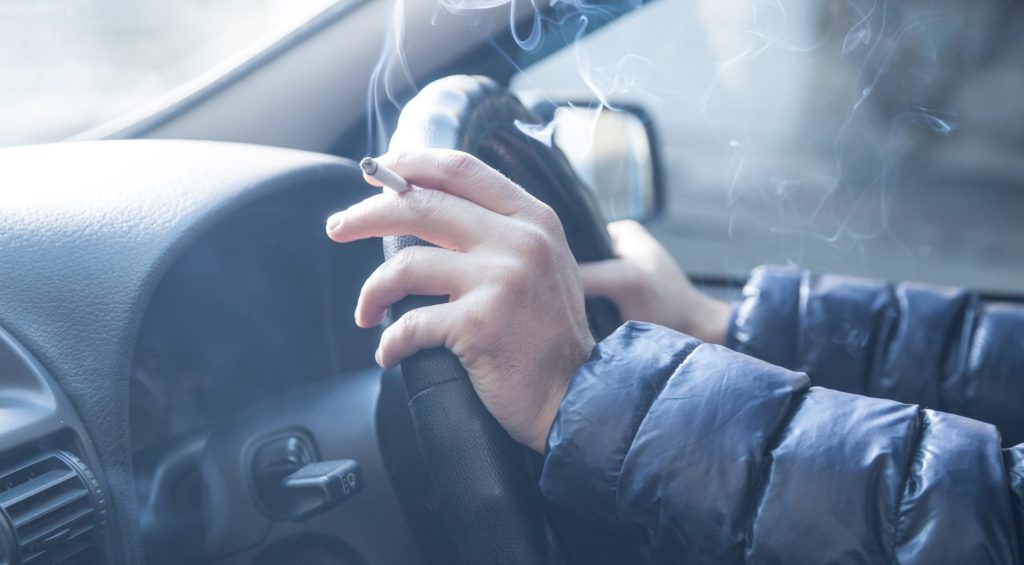
There is an important distinction between state laws and private-property rules. Even if a particular state does not have a specific vehicle-smoking prohibition, other restrictions concerning child welfare, secondhand smoke, or property use may still be relevant.
Drivers should avoid smoking inside vehicles occupied by children. Opening the windows does not remove the legal restriction in Illinois, and the safest choice is to keep the entire passenger compartment smoke-free.
6. Leaving the Engine Running While Walking Away
Leaving a vehicle running while stepping into a convenience store or collecting a takeaway order might save a little time, but it can create a legal problem in several states. Drivers often do this to keep the air conditioning operating in summer or the heater running during winter.
However, some state laws specifically prohibit leaving an unattended vehicle with its engine running.
Kentucky Revised Statutes §189.430 addresses this practice by requiring drivers to stop the engine, lock the ignition, and remove the key when leaving a motor vehicle unattended. The provision contains limited exceptions, including certain situations involving emergency vehicles and vehicles equipped with specified anti-theft devices.
Washington has a separate provision under RCW 46.61.685 concerning children left unattended in standing vehicles with the engine running. It specifically prohibits leaving a child under 16 unattended in a vehicle parked on a public highway or public place while its motor is running.
This is not a blanket prohibition on every unattended idling vehicle, but it demonstrates how leaving an engine running can create an additional legal violation.
Local anti-idling ordinances can also apply in certain cities and designated locations. These rules are often designed to reduce unnecessary emissions and may impose time limits on stationary vehicles, subject to exceptions for weather, emergencies, and particular vehicle operations.
The practical concern extends beyond a citation. An unattended running vehicle can be stolen, accidentally moved, or become involved in an incident without anyone immediately available to respond.
Before walking away, switch off the engine, engage the parking brake, and take the keys or key fob with you. Check state and local idling requirements rather than assuming that a stationary vehicle is exempt from vehicle regulations.
7. Parking in a Disabled Parking Space Without Authorization
Finding an empty parking space close to a store entrance can be tempting, particularly when the parking lot is crowded. However, occupying a designated accessible parking space without the required authorization can result in a citation, even if the driver plans to remain inside the vehicle for only a few minutes.
The Americans with Disabilities Act establishes federal requirements for accessible parking at covered facilities. Under the 2010 ADA Standards for Accessible Design, parking facilities must provide designated accessible spaces based on their total parking capacity.
For example, a parking facility containing 1 to 25 spaces must generally provide at least one accessible space. At least one out of every six accessible spaces, or fraction of six, must be van accessible.
The actual enforcement of unauthorized parking is generally governed by state and local laws. California Vehicle Code §22507.8 prohibits parking in designated disabled parking spaces without the required distinguishing placard or special license plate. The restriction also covers certain access aisles beside accessible spaces.
Texas Transportation Code §681.011 establishes penalties for parking in designated spaces reserved for people with disabilities without the required authorization. Depending on the offense and circumstances, fines can range from $500 to $750 for a first violation.
Importantly, remaining inside the car does not automatically make the parking lawful. A driver cannot occupy an accessible space simply because the vehicle is still running or someone remains behind the steering wheel.
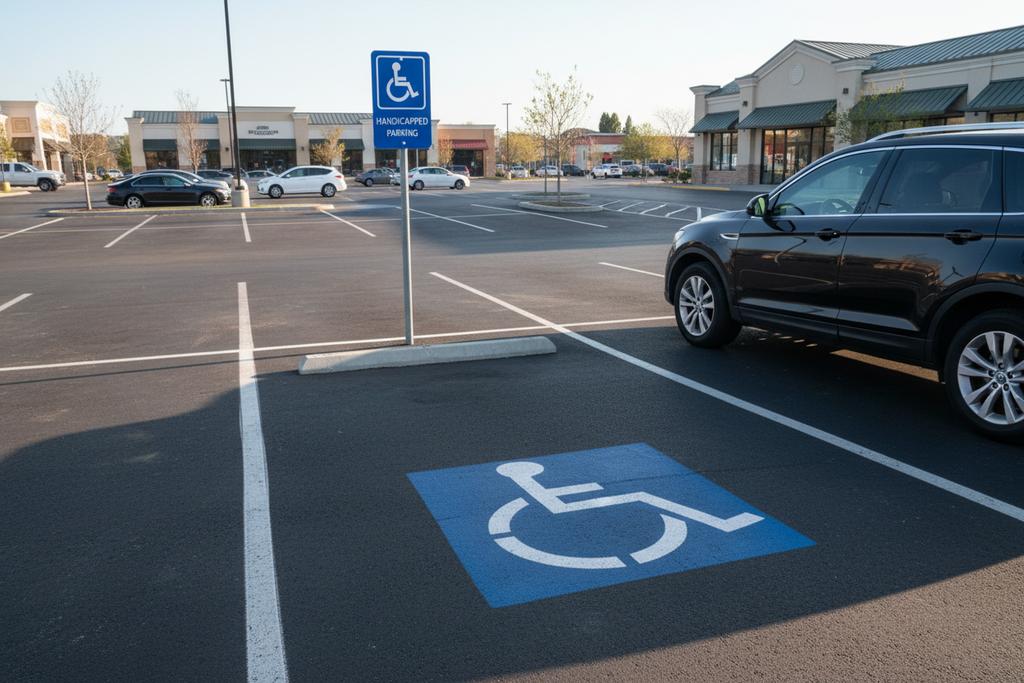
These spaces and access aisles are essential for people who need additional room to enter or exit their vehicles, including wheelchair users.
Always look for the appropriate authorization before using an accessible parking space. A few minutes of convenience can deny someone else access to a facility they need.
8. Parking in a Fire Lane or Too Close to a Fire Hydrant
Finding a space near a building entrance does not mean it is a legal place to leave your vehicle. Fire lanes and areas surrounding fire hydrants must remain accessible to emergency responders. Parking in these locations can result in a citation, even when the driver stays inside the vehicle with the engine running.
Minnesota Statutes §169.34 identifies several places where stopping, standing, or parking is prohibited. These include locations within 10 feet of a fire hydrant, sidewalks, crosswalks, intersections, and places where official signs prohibit stopping. The statute also restricts parking within 20 feet of certain crosswalks and 30 feet of specified traffic-control devices.
California Vehicle Code §22514 prohibits stopping, parking, or leaving a vehicle within 15 feet of a fire hydrant, subject to specific exceptions.
One exception allows certain parking where a vehicle is attended by a licensed driver seated in the front seat and ready to move the vehicle if necessary. Local authorities may also designate certain areas differently through applicable regulations.
Fire lanes are another concern. Private shopping centers, apartment complexes, hospitals, and commercial properties frequently have designated emergency access areas. Local fire codes and parking regulations can prohibit vehicles from stopping in these marked locations.
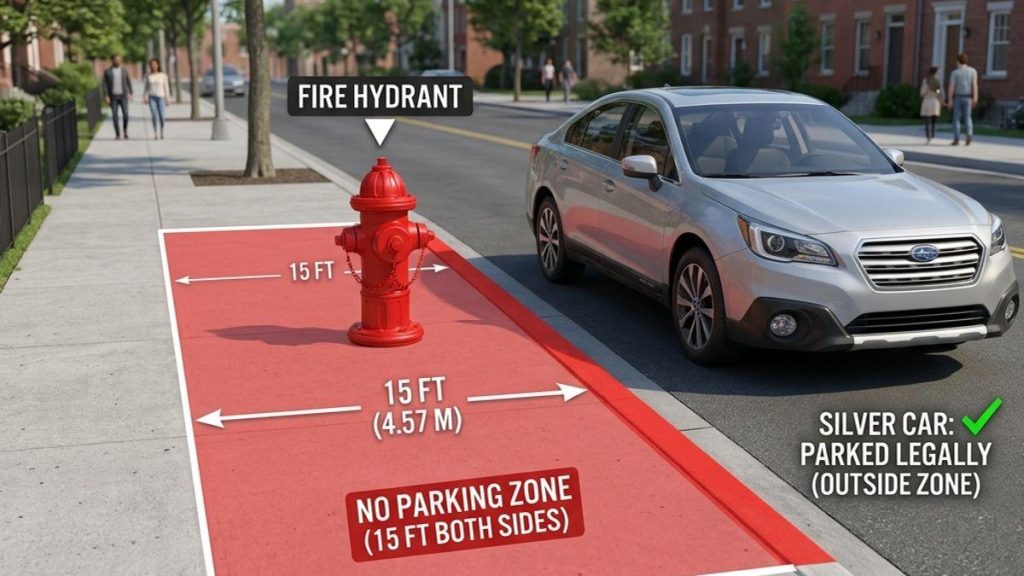
The fact that a driver remains behind the steering wheel does not automatically make the parking legal. Restrictions can apply to stopping and standing, not just leaving a vehicle unattended.
Always check painted curb markings, fire-lane signs, and hydrant clearance requirements before stopping. A few seconds spent choosing a proper parking space can prevent a fine and ensure emergency crews have the access they need.
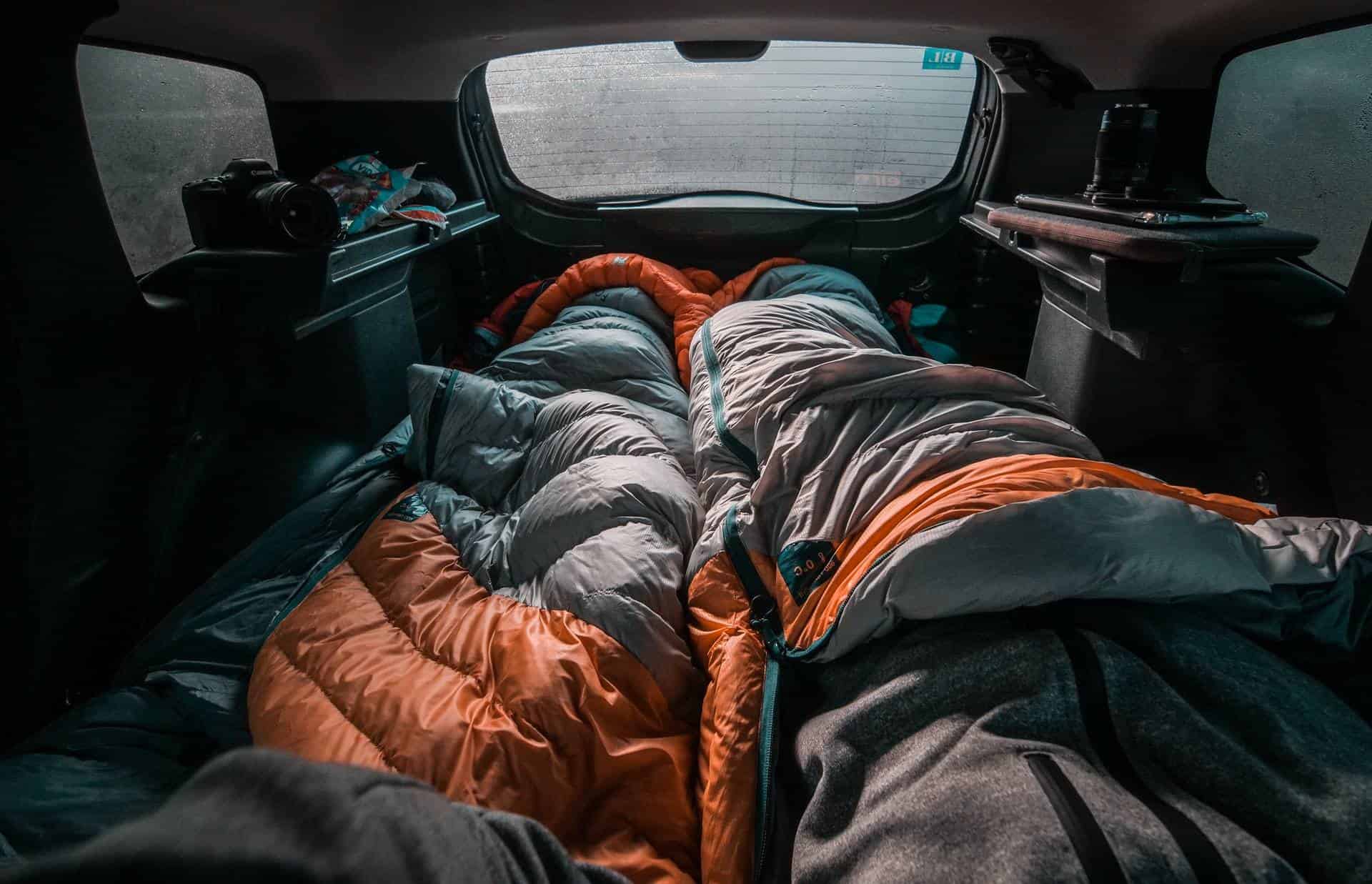
9. Sleeping Overnight in a Car Where It Is Prohibited
Sleeping inside a parked car is not automatically illegal throughout the United States. However, drivers can face citations or other legal consequences when they use a vehicle as an overnight sleeping space in locations where local parking, camping, or public-property ordinances prohibit it.
This is particularly relevant in public parks, municipal parking lots, residential streets, and certain commercial properties.
The legal distinction is between sleeping in a vehicle and violating a location-specific rule. A driver taking a short rest at a permitted rest area may be allowed to remain there, while someone sleeping overnight in a public park where camping is prohibited could face enforcement.
The U.S. Supreme Court addressed an important part of this issue in City of Grants Pass v. Johnson, decided on June 28, 2024. The case concerned local ordinances restricting camping on public property, including the use of vehicles as campsites.
The Court held that enforcing generally applicable public-camping restrictions does not automatically constitute cruel and unusual punishment under the Eighth Amendment.
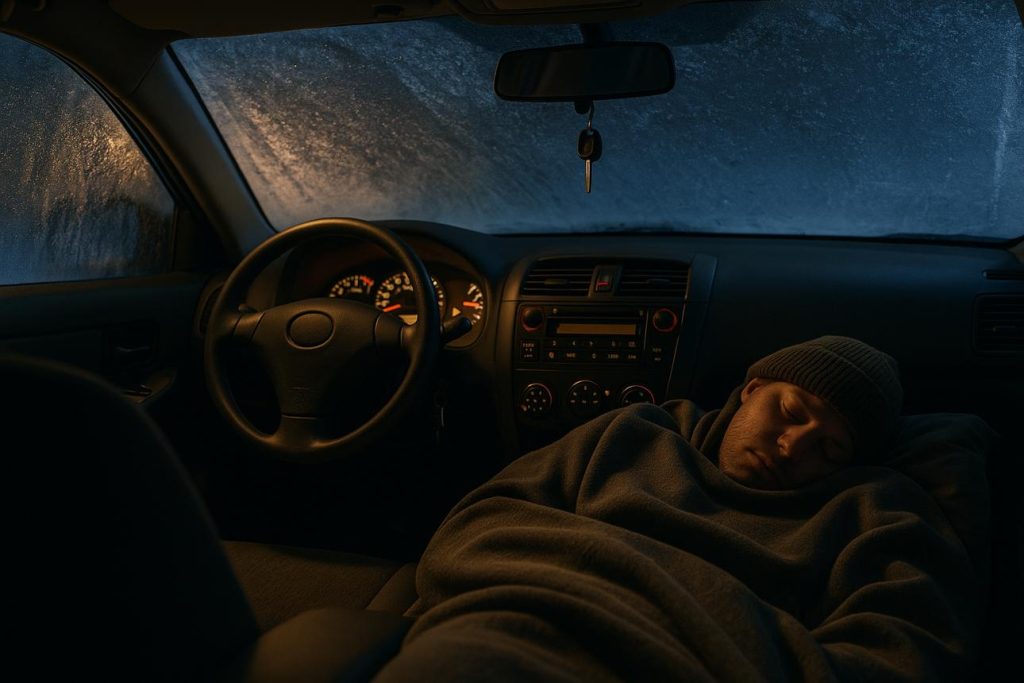
The decision did not create a nationwide ban on sleeping in cars. Instead, it addressed the constitutional limits on enforcing public-camping laws. Cities and municipalities can still establish their own rules concerning overnight parking, camping, and the use of public spaces.
For example, a city may prohibit overnight vehicle occupancy in a particular park while allowing designated overnight parking at a rest stop. Private property owners can also establish restrictions for their parking facilities.
Before settling down for the night, check posted signs, municipal ordinances, and any time limits applying to the location. If you need to rest during a long journey, choose an authorized rest area or another location where overnight parking is permitted.
