
Your windshield does much more than protect you from wind, rain, and road debris. It provides the visibility you need to drive safely, which is why U.S. traffic laws place strict limits on what drivers can attach, display, or leave on the glass.
From dark window tint and oversized stickers to hanging ornaments and improperly mounted electronic devices, seemingly harmless additions can result in traffic citations.
Although regulations differ from state to state, the same basic principle applies. Any object or material that substantially blocks the driver’s view can pose both a safety risk and a potential legal issue.
1. Illegal Windshield Tint and Dark Sun-Shading Film
A dark windshield might give a vehicle a sleek appearance, but applying the wrong tint can put drivers at risk of a traffic citation. Unlike rear and side windows, the front windshield has particularly strict restrictions because it provides the driver’s primary view of the road.
A film that reduces visibility or changes the glass’s light transmission beyond permitted limits can violate state vehicle-equipment laws.
Texas provides a clear example under Transportation Code §547.613. The state generally prohibits operating a vehicle with transparent material attached to the windshield if it alters the glass’s color or reduces its light transmission, subject to specific exceptions.
Texas allows qualifying sunscreening devices above the AS-1 line or within five inches of the windshield’s top when no AS-1 line exists, whichever is closer to the top.
The combined glass and film must allow at least 25% light transmission, with luminous reflectance no greater than 25%. Red, blue, and amber sunscreening devices are not permitted under this provision.
North Carolina has a similar restriction under General Statutes §20-127(b). Windshield tint is generally limited to the upper portion, extending no more than five inches below the top or below the AS-1 line, whichever is longer. The state makes an exception for qualifying clear ultraviolet-protection film that does not obstruct vision.
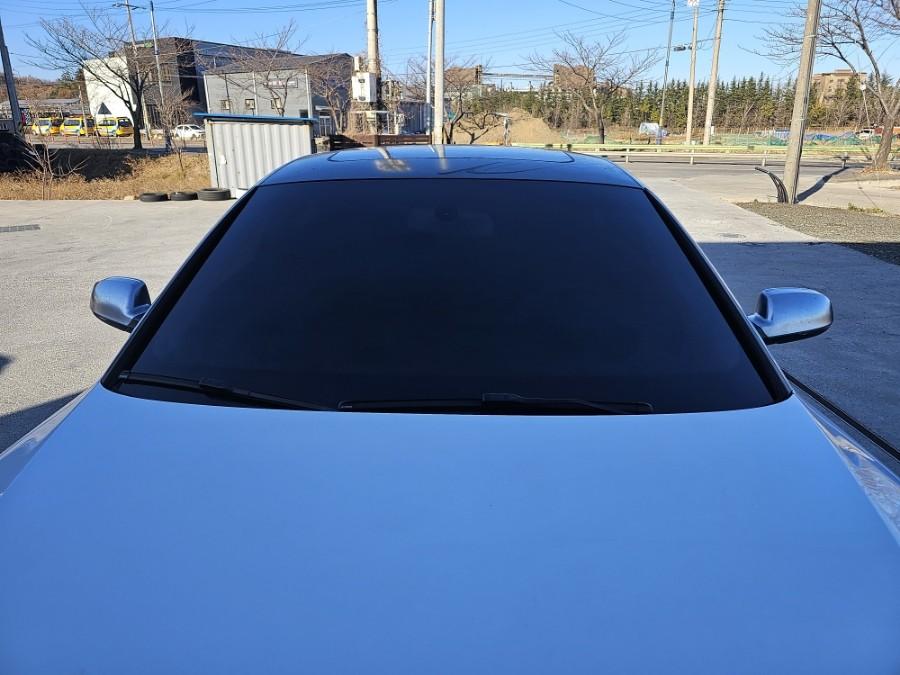
The important point is that a windshield tint installation legal in one state might fail inspection or attract enforcement in another.
Before installing any window film, verify the specific regulations in your state instead of relying solely on an installer’s general advice. Keeping the windshield clear is not simply a matter of appearance but an important factor in maintaining safe driving conditions.
2. Oversized Stickers, Decals, and Windshield Advertisements
A collection of bumper-style stickers on the windshield might seem like an easy way to personalize a vehicle, but many states restrict nontransparent material placed on front glass.
Large decals, promotional advertisements, decorative posters, and oversized parking labels can all become a problem when they occupy prohibited areas or interfere with the driver’s view.
California Vehicle Code §26708 establishes restrictions on objects and materials attached to vehicle windows. It provides specific exceptions, including a seven-inch-square area in the lower windshield corner farthest from the driver and a five-inch-square area in the lower corner nearest the driver.
These exceptions do not create permission to cover the rest of the windshield with decorative material.
Maryland Transportation Code §22-404 also restricts signs, posters, cards, stickers, and other nontransparent materials on the windshield. Its exceptions include certain materials above the AS-1 line, qualifying seven-inch-square lower-corner areas, and authorized government or toll-related devices.
Ohio has its own measurements. Under Revised Code §4513.24, a qualifying sign, poster, or decal can be displayed in a lower windshield corner, but it must not exceed four inches in height by six inches in width.
The law also prohibits placing such material where it conceals the vehicle identification number when that number is required to be visible through the glazing.
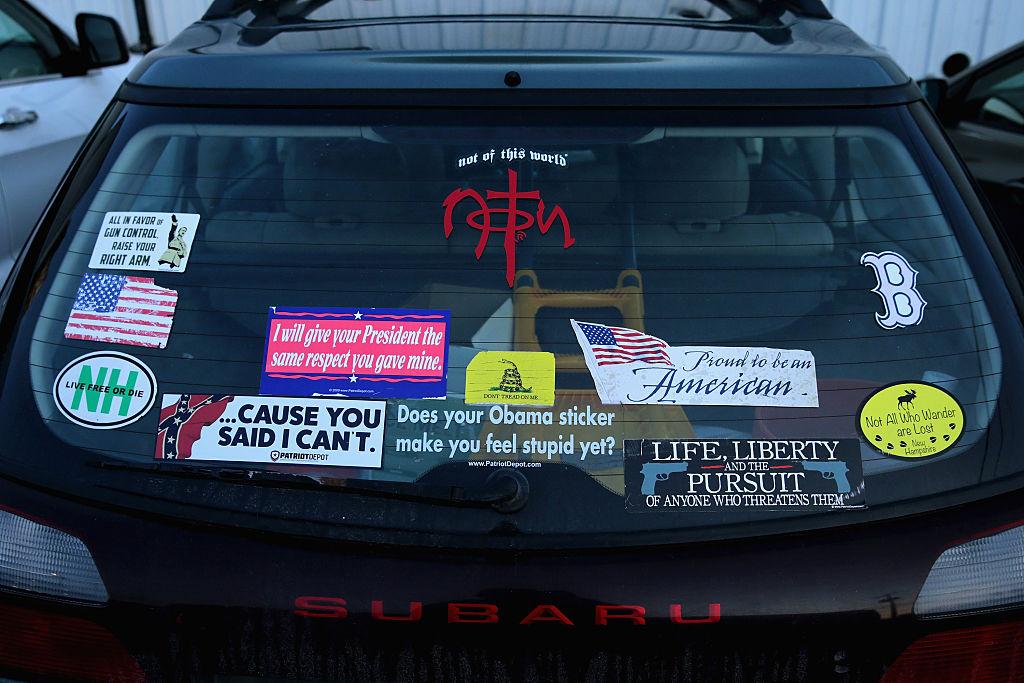
This is why a small official permit and a large decorative sticker are not necessarily treated alike. Their legal status depends on the material, location, dimensions, and applicable exceptions.
Remove unnecessary windshield advertisements and expired decals. Keep legally required permits in their designated locations, and check local regulations before adding anything else.
3. Hanging Air Fresheners, Ornaments, and Decorative Objects
That small air freshener hanging from the rearview mirror could create more trouble than drivers expect. Decorative beads, religious ornaments, miniature toys, parking accessories, and other suspended objects can interfere with the driver’s forward visibility.
The issue becomes particularly important when an accessory hangs directly in the driver’s line of sight or moves around while the vehicle is travelling.
Minnesota has an especially specific rule. Under Minnesota Statutes §169.71, drivers cannot operate a vehicle with objects suspended between themselves and the windshield, except for listed equipment such as sun visors, rearview mirrors, appropriately positioned driver-monitoring equipment, qualifying navigation systems, and electronic toll collection devices.
This means even a relatively small decorative ornament can violate the state’s equipment restriction.
Delaware takes a different approach. Under Delaware Code Title 21, §4309, drivers cannot display signs, posters, or other nontransparent materials on the front windshield or specified windows, except for legally required certificates and documents.
The statute also specifically prohibits driving with a removable disability parking placard hanging from or attached to the front windshield rearview mirror, regardless of whether the placard is valid.
Virginia Code §46.2-1054 addresses suspended objects that substantially obstruct the driver’s clear view. Its wording focuses on substantial obstruction rather than establishing a universal ban on every hanging accessory.
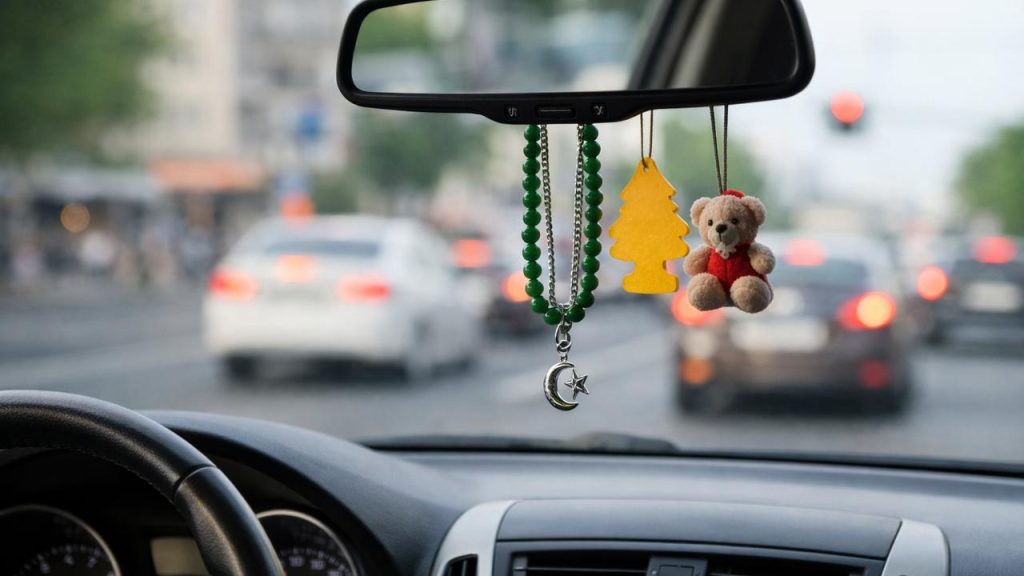
These differences matter because a decorative item permitted in one state could violate a more restrictive rule elsewhere. Drivers who frequently travel across state lines should pay particular attention to these restrictions.
The safest arrangement is to keep the rearview mirror area free of unnecessary accessories. Place air fresheners in manufacturer-provided holders or other permitted locations instead of allowing them to swing in front of the windshield.
4. Improperly Positioned Phone Holders and GPS Mounts
Phone holders and GPS navigation devices are useful when following unfamiliar routes, but mounting them directly in the driver’s viewing area can create a legal problem.
A device that blocks traffic signals, pedestrians, road signs, or approaching vehicles may violate windshield-obstruction regulations. The fact that a phone is being used for navigation does not automatically make every mounting position legal.
Texas Transportation Code §547.613 prohibits operating a vehicle with an object or material attached to the windshield that obstructs or reduces the driver’s clear view. A poorly positioned phone holder can therefore create an issue even when the phone is displaying navigation directions rather than entertainment.
Georgia offers a useful example of a more specific approach. Under Georgia Code §40-8-73(a), windshield-mounted supports for wireless telecommunications devices and standalone electronic devices are permitted when positioned to minimize obstruction of the driver’s view. This is not permission to install a mount anywhere across the glass. Placement still matters.
Minnesota Statutes §169.71 also identifies an exception for GPS and navigation systems mounted or located near the bottommost portion of the windshield. That exception is particularly important because the state otherwise restricts objects suspended between the driver and windshield.
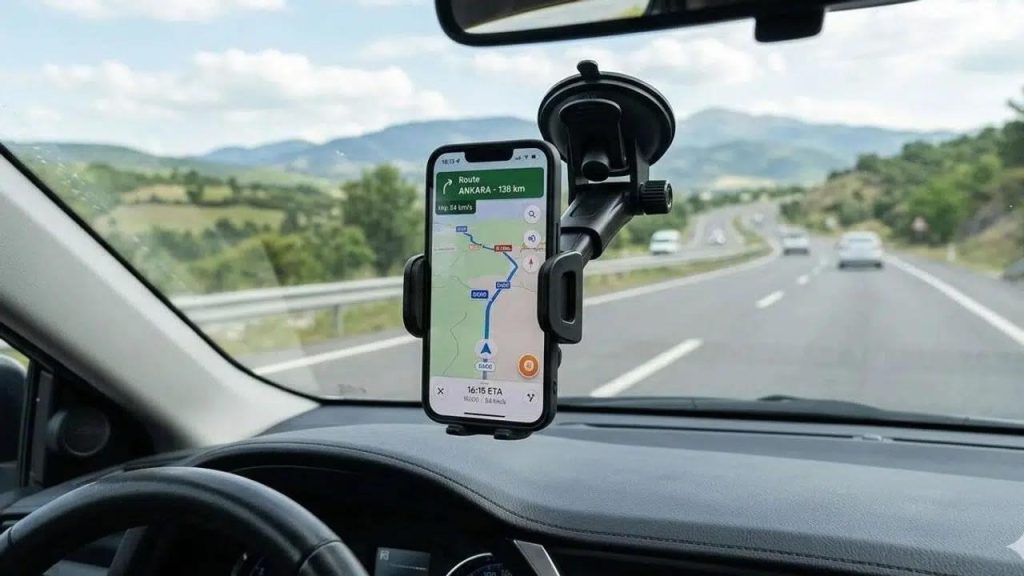
Drivers should also remember that mounting a phone legally does not automatically make handheld phone use lawful. Separate distracted-driving restrictions may apply when drivers hold, manipulate, or interact with their devices while moving.
A practical solution is to use a designated dashboard mounting area that keeps the screen within easy reach without blocking the road. Before installation, check the rules in your state and any other state where you regularly drive.
5. Dash Cameras Mounted in Prohibited Windshield Areas
Dash cameras are useful for recording accidents, road incidents, and unexpected encounters with other motorists. However, drivers sometimes install them without checking whether their mounting position complies with state windshield regulations.
A camera attached directly in front of the driver’s viewing area can become an obstruction, even if the device itself is relatively small.
Virginia has a specific provision covering dashboard cameras. Under Virginia Code §46.2-1054(C), dashboard cameras and their accompanying wires or attachments are permitted when they are not otherwise prohibited by federal regulations and are wholly or mostly concealed behind the rearview mirror without creating an additional obstruction to the driver’s view.
This provides a clear example of how placement can determine whether an installation is acceptable.
Minnesota Statutes §169.71 also recognizes an exception for driver feedback and safety-monitoring equipment mounted immediately behind, slightly above, or slightly below the rearview mirror. However, that exception does not give drivers permission to place any camera anywhere on the windshield.
Commercial vehicles have additional federal requirements. Under 49 CFR §393.60, qualifying vehicle safety technology must comply with specific windshield mounting and driver-visibility restrictions. The rules distinguish between ordinary passenger vehicles and regulated commercial vehicles.
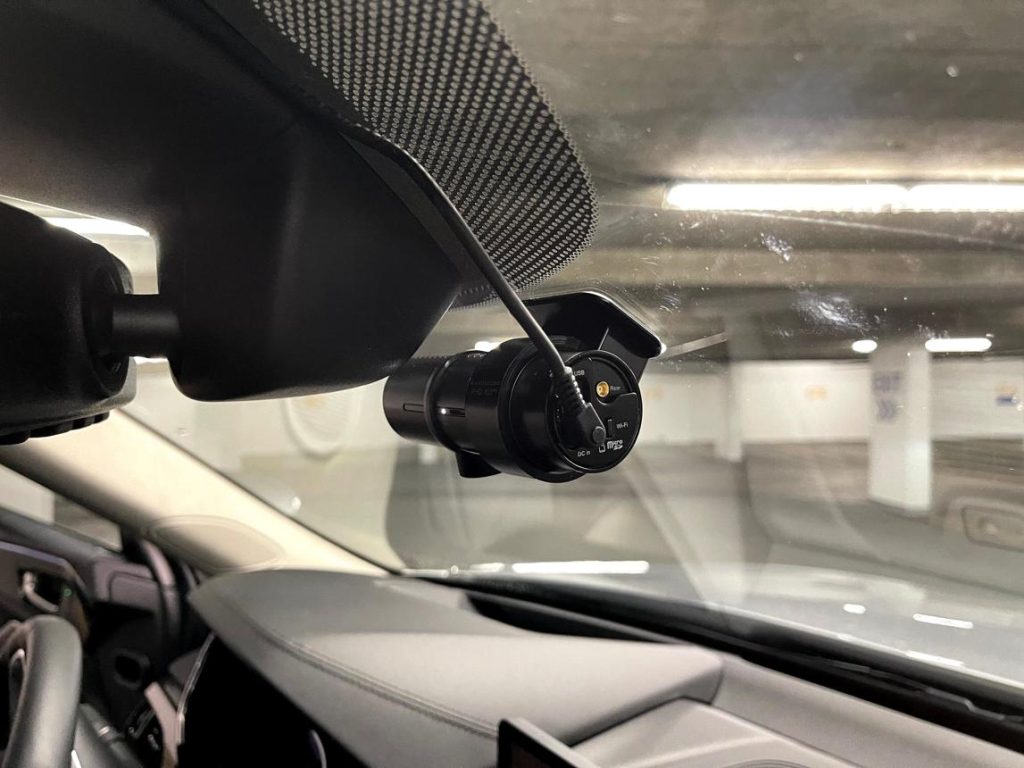
A dash camera mounted too low, too far toward the driver’s side, or with loose wires hanging across the windshield can create unnecessary visibility concerns. Before installing one, check the rules that apply to your vehicle type and state.
The most sensible position is generally behind the rearview mirror, where the camera can record the road without occupying a significant part of the driver’s forward view. A properly installed camera should document the journey, not interfere with it.
6. Cracked, Chipped, or Severely Damaged Windshields
A small windshield chip might not seem urgent, especially when it appears outside the driver’s direct line of sight. However, cracks can spread with temperature changes, road vibrations, and everyday driving.
Once damage becomes extensive enough to interfere with visibility, operating the vehicle can become a traffic-law issue rather than simply a maintenance concern.
California Vehicle Code §26710 makes it unlawful to operate a vehicle when its windshield or rear window is in such a defective condition that it impairs the driver’s vision. The provision also allows an officer to direct the driver to bring the glass into compliance within 48 hours, with additional enforcement measures available under the statute.
Minnesota Statutes §169.71 takes a similar approach. It prohibits driving with a windshield that is cracked or discolored to an extent that limits or obstructs proper vision. The law does not establish one universal crack length that automatically makes every passenger-car windshield illegal. The effect on visibility is central to the restriction.
Commercial vehicles face more detailed federal standards. Under 49 CFR §393.60(c), damage within the driver’s critical viewing area is subject to specific limits. These include restrictions concerning cracks, damaged areas, and other conditions that obstruct the driver’s view.
Those commercial-vehicle requirements should not be mistakenly presented as universal measurements for every private car.
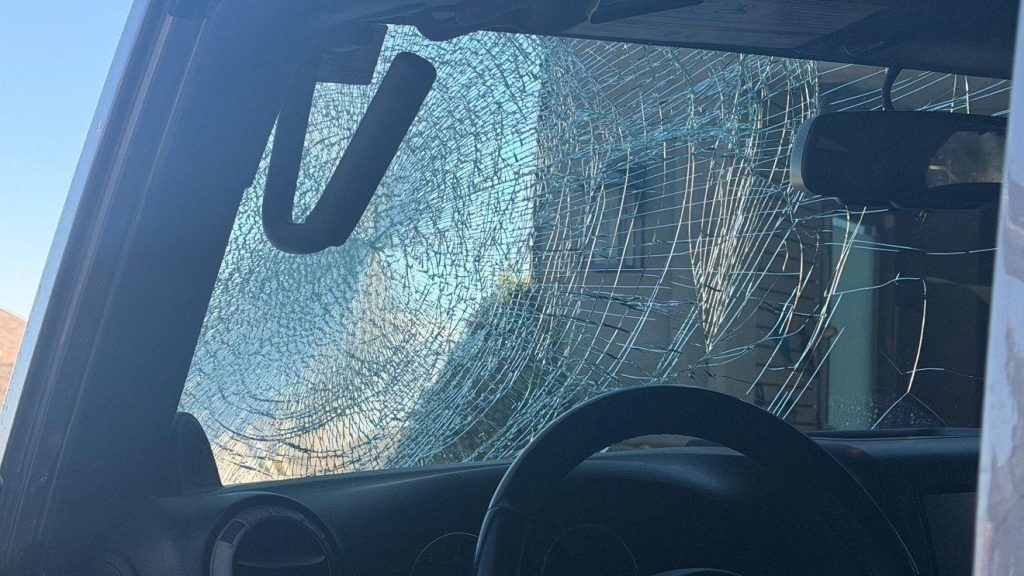
A crack directly across the driver’s viewing area deserves immediate attention, even if the vehicle remains technically drivable. Avoid waiting until a small chip spreads across the glass.
Repair minor damage promptly and replace a windshield when the damage cannot be safely repaired. Keeping the glass clear and structurally sound protects visibility and helps prevent avoidable traffic enforcement.
7. Nontransparent Windshield Covers and Sunshades
Windshield sunshades are useful for keeping a parked vehicle cooler, particularly during hot summer months. However, problems arise when drivers use opaque covers, curtains, or large sun-blocking panels while operating the vehicle.
An accessory that is perfectly acceptable when the car is parked can become an obstruction once the vehicle enters public traffic.
Minnesota Statutes §169.71 prohibits driving with nontransparent material on the front windshield, subject to specified exceptions. The same section restricts windshield materials that increase reflectivity or reduce light transmission.
Consequently, an opaque sunshade left covering the driver’s forward viewing area is not a permissible driving accessory under these provisions.
Indiana Code §9-19-19-3 also prohibits nontransparent material on the windshield when it obstructs the driver’s clear view of the highway or an intersecting highway. However, Indiana permits qualifying materials no larger than four inches square in the lower corner farthest from the driver’s position.
Pennsylvania addresses similar concerns under Title 75, Section 4524(a). It prohibits signs, posters, and other nontransparent material that materially obstructs, obscures, or impairs the driver’s clear view of the road. The restriction is focused on visibility rather than simply whether an accessory is advertised as a sunshade.
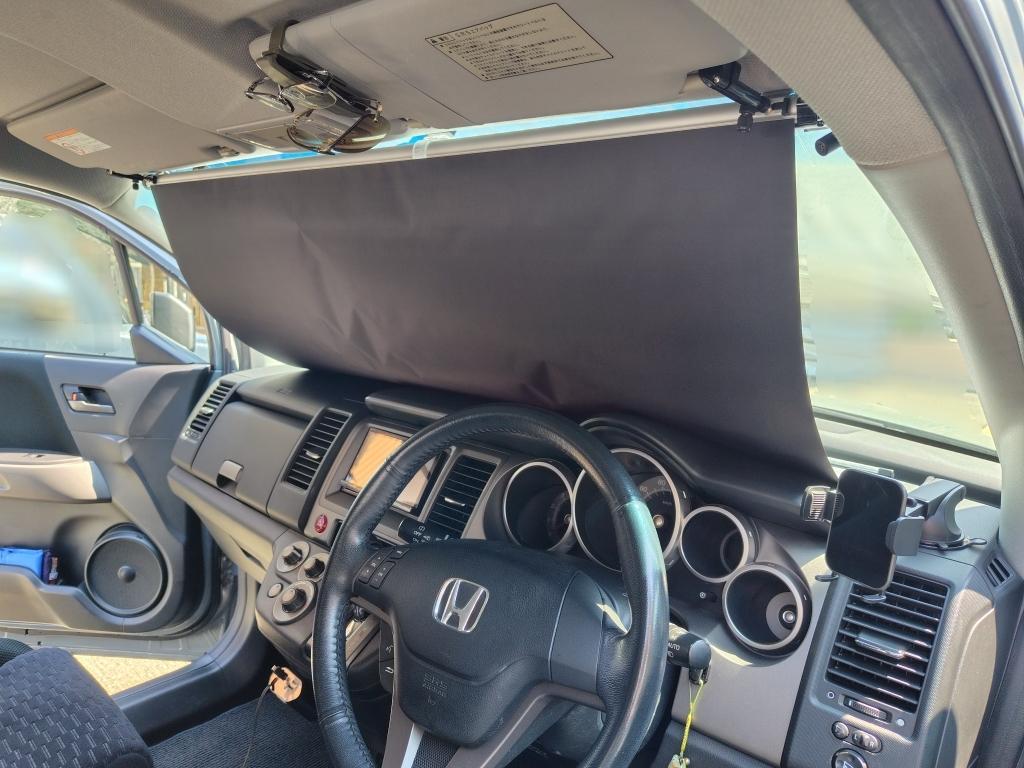
There is an important distinction between removable sunshades used while parked and coverings left in place during driving. The former are generally useful accessories, while the latter can create a serious safety and legal concern.
Before moving a vehicle, remove the windshield cover completely and ensure that the front glass provides an unobstructed view. Never rely on a small uncovered opening to see through an otherwise blocked windshield.
8. Snow, Ice, and Frost Covering the Windshield
Winter weather creates another windshield-related problem that many drivers underestimate. Snow, ice, and frost can accumulate overnight, leaving only a small patch of visible glass. Some motorists clear just enough space to see the road and begin driving.
However, operating a vehicle with significant portions of the windshield covered can violate traffic laws and create dangerous blind spots.
Minnesota Statutes §169.71 specifically prohibits driving with a windshield or front side windows covered by steam or frost to an extent that prevents proper vision. The same statute prohibits operating a vehicle with a cracked or discolored windshield when the damage limits or obstructs proper visibility.
Pennsylvania has an equally relevant provision. Under Title 75, Section 4524(a), drivers cannot operate vehicles with ice or snow on the front windshield when it materially obstructs, obscures, or impairs their clear view of the highway or an intersecting highway.
California Vehicle Code §26708 also addresses visibility obstructed by snow or ice. This demonstrates that the issue is not restricted to states with particularly harsh winters.
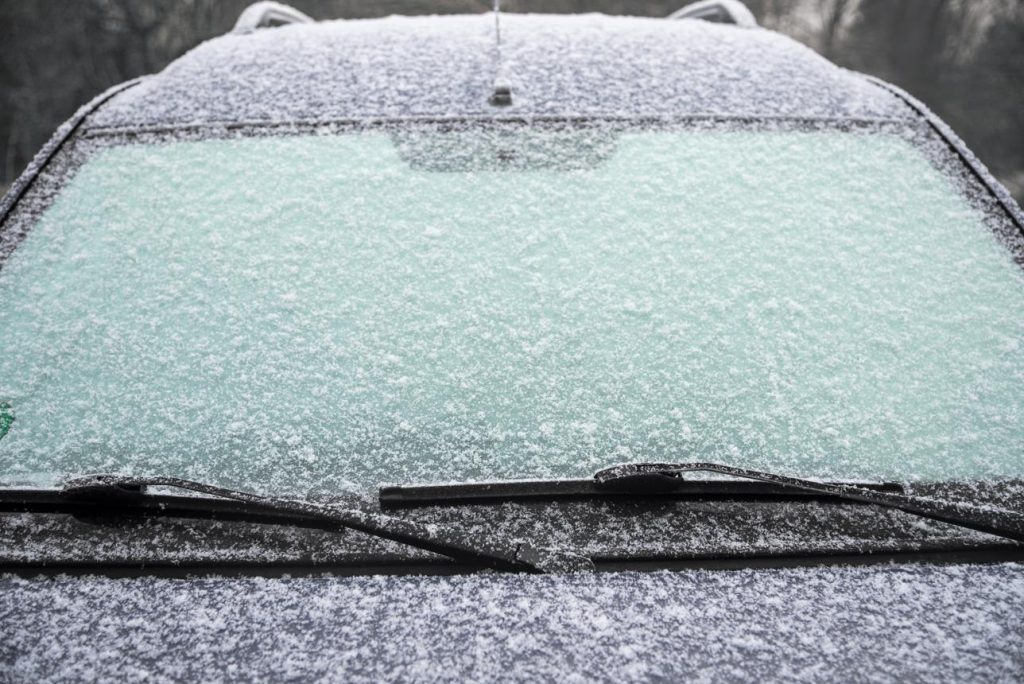
The danger extends beyond the driver’s immediate viewing area. Snow left along the windshield edges can conceal pedestrians and approaching traffic, while ice can slide across the glass during braking. Accumulated snow on the vehicle roof can also become airborne and create hazards for other motorists.
Drivers should completely clear the windshield, front side windows, mirrors, and other necessary viewing areas before setting off. Make sure the wipers can move freely, and the defroster is functioning properly.
A few extra minutes spent preparing the vehicle can prevent a citation and reduce the risk of a winter-weather collision.