Your car’s dashboard is meant to keep essential controls and information within easy reach, but adding a few accessories can sometimes create unexpected legal trouble.
From decorative air fresheners and phone holders to navigation screens and radar detectors, certain items can attract a traffic citation depending on where you drive.
The problem is not necessarily the accessory itself but how it is installed, whether it obstructs your visibility, and whether it violates state-specific vehicle regulations. Here are eight dashboard-related items U.S. drivers should think twice about before installing or displaying them.
1. Hanging Air Fresheners and Decorative Ornaments
A small air freshener hanging from the rearview mirror might seem harmless, but it can become a reason for a traffic stop if it obstructs the driver’s view.
The same applies to decorative ornaments, religious symbols, beads, miniature toys, and other accessories suspended in front of the windshield. Their size, position, and movement can determine whether they create a visibility problem.
The important distinction is that there is no single nationwide law prohibiting every object hanging from a rearview mirror in a private passenger vehicle. States have different rules governing windshield obstructions.
For example, Virginia Code §46.2-1054 prohibits objects suspended from a vehicle when they substantially obstruct the driver’s clear view through the windshield, front side windows, or rear window.
Pennsylvania takes a similar approach under Title 75, Section 4524(c), which addresses objects hung, placed, or attached in positions that materially impair the driver’s vision or create a safety hazard.
Illinois also prohibits objects from being placed or suspended between the driver and the front windshield when they materially obstruct the driver’s view under 625 ILCS 5/12-503(c-5).

This means a small air freshener positioned high near the mirror is not automatically illegal everywhere. However, a large ornament hanging at eye level, especially one that swings while the vehicle moves, can create a much stronger case for enforcement.
Drivers should consider moving these accessories to the dashboard’s designated storage areas or another location that does not interfere with visibility. Keeping the windshield area clear is a simple way to avoid unnecessary attention during a traffic stop.
2. Large Dashboard Decorations and Figurines
Dashboard decorations can give a vehicle a personal touch, but oversized figurines, stuffed toys, bobbleheads, and decorative collections can create problems when they occupy the driver’s forward viewing area.
An accessory does not have to hang from the rearview mirror to become a potential traffic violation. Something sitting directly on the dashboard can also interfere with the driver’s ability to see pedestrians, vehicles, traffic signals, and objects near the road.
Florida Statutes §316.2004 addresses vehicles loaded or occupied in ways that obstruct the driver’s view toward the front or sides. It also prohibits signs, posters, and other nontransparent material on vehicle windows when they materially obstruct or impair the driver’s clear view.
A large dashboard decoration that blocks the driver’s sightline can therefore raise a visibility-related concern, although the exact legal basis depends on its placement and the circumstances.
Pennsylvania’s vehicle code is particularly relevant because Section 4524(c) covers objects placed or attached in positions that materially obstruct the driver’s vision through the windshield or create a safety hazard.
This is not limited to traditional decorations. A large dashboard idol, toy collection, or bulky accessory can fall within the same practical concern if it blocks the road view.
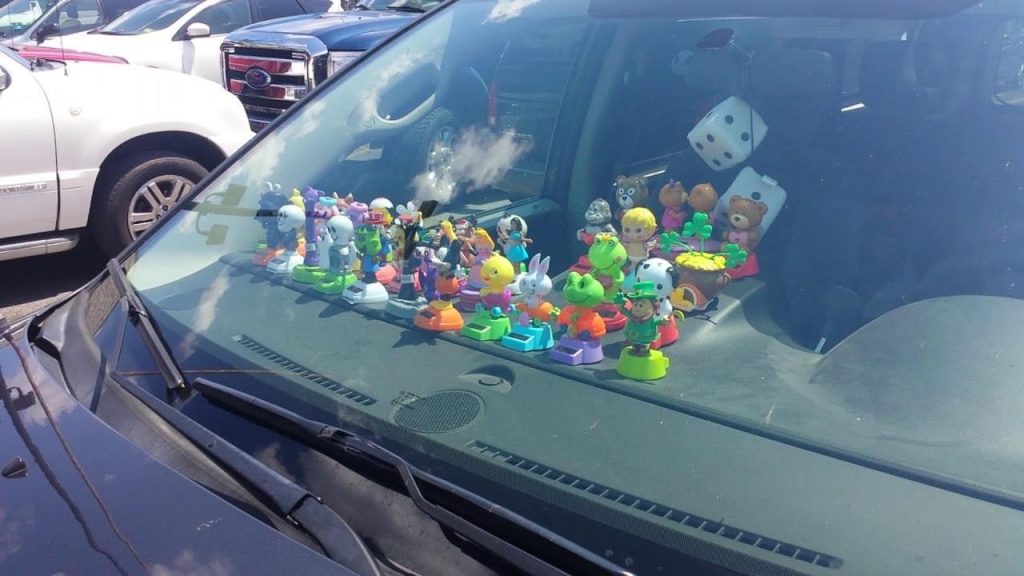
Drivers should also be mindful of loose objects on the dashboard, as they can shift or become dangerous projectiles during sudden braking or a collision. Even items that do not block the driver’s view can still pose a safety risk depending on where they are placed.
The sensible approach is to keep decorations small, secure, and below the driver’s primary sightline. Avoid placing anything near windshield corners where pedestrians, cyclists, or approaching traffic can disappear behind it. A clean dashboard provides better visibility and fewer reasons for an officer to question the vehicle’s equipment.
3. Dashboard-Mounted Phone Holders and GPS Devices
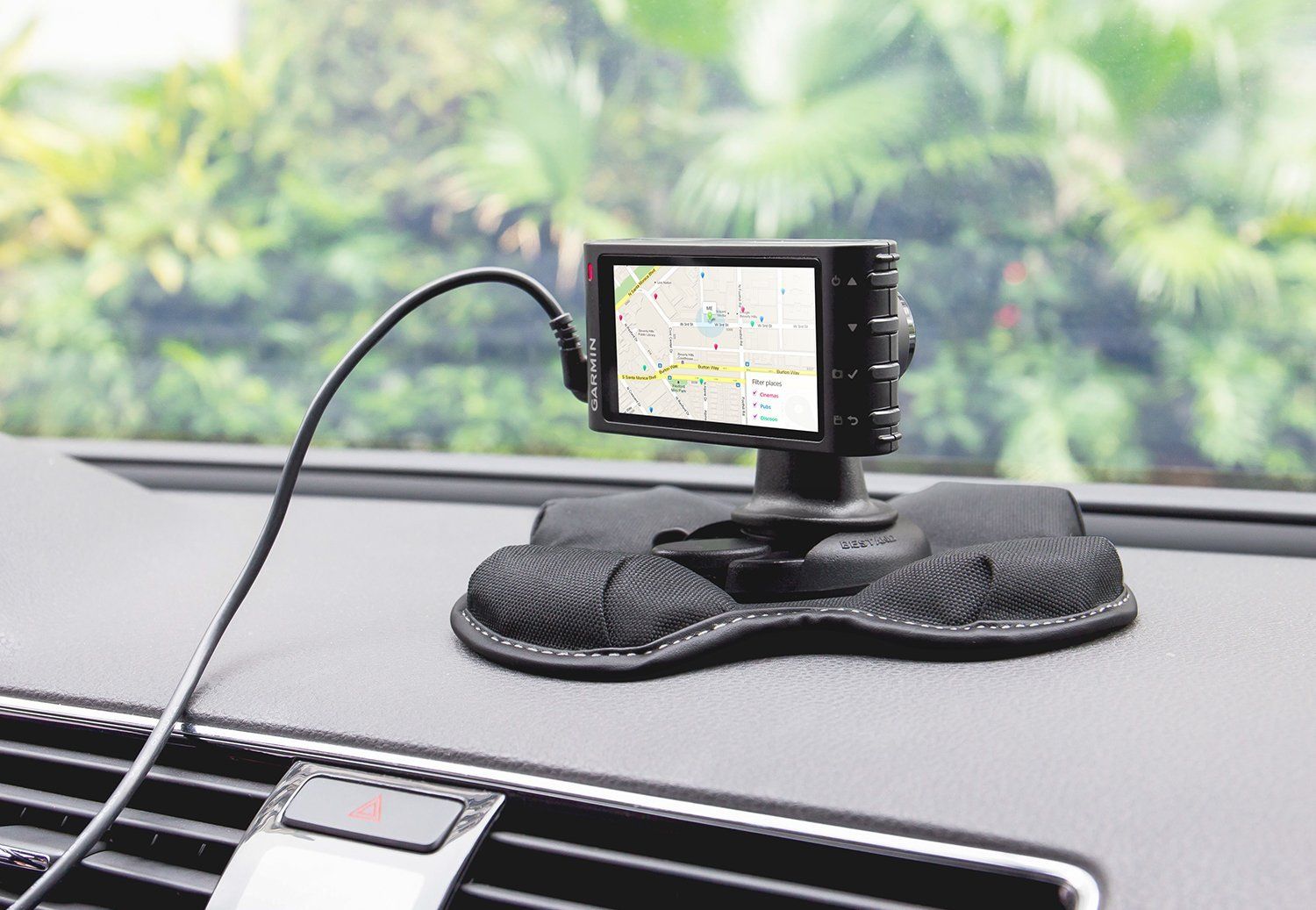
Smartphone holders and standalone GPS navigation units are among the most common dashboard accessories in American vehicles. They make navigation easier, particularly on unfamiliar roads, but their mounting position can create legal problems.
A phone holder attached to the dashboard is not automatically illegal. The concern arises when the device blocks the driver’s view, occupies a prohibited part of the windshield, or encourages unsafe interaction while driving.
California has particularly specific rules under Vehicle Code §26708. The law restricts objects placed on vehicle windows and also prohibits objects installed inside or upon a vehicle when they obstruct or reduce the driver’s clear view through the windshield or side windows.
Certain designated areas have exceptions, but drivers should not assume that every windshield-mounted GPS or phone holder qualifies.
The distinction between mounting a device and using it is equally important. Several states have separate distracted-driving laws restricting handheld phone use. A driver could therefore face a citation for handling a smartphone even when its holder is installed legally.
Navigation should be programmed before departure, and voice-guided directions are a safer alternative to repeatedly looking down at a screen.
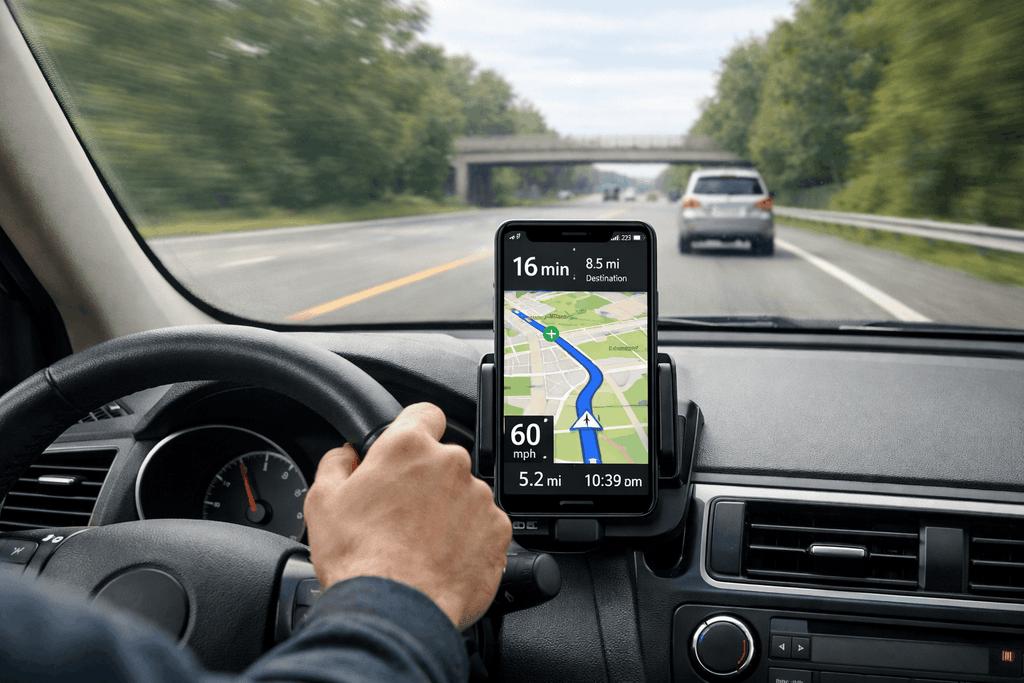
A properly positioned dashboard mount can reduce unnecessary handling, but it should never sit directly in the driver’s primary sightline. Avoid mounting devices near windshield corners, where they can conceal pedestrians, cyclists, or approaching vehicles.
Before purchasing a phone holder, check the windshield and device-placement regulations in the states where you regularly drive. A convenient accessory is not worth a traffic citation or a dangerous blind spot. California’s Vehicle Code §26708 and the state’s driver handbook provide useful examples of these restrictions.
4. Improperly Mounted Dash Cameras
Dash cameras have become popular among American motorists because they can record collisions, dangerous driving, and unexpected road incidents.
However, installing one in the wrong position can create a visibility problem and potentially attract a traffic citation. The camera itself is generally not the issue. Its location, size, mounting hardware, and effect on the driver’s field of vision matter much more.
California Vehicle Code §26708 restricts objects attached to vehicle windows and prohibits objects inside or on a vehicle that obstruct or reduce the driver’s clear view. This makes windshield placement an important consideration for California drivers.
A camera mounted directly in front of the driver’s normal viewing area could create a problem even if the device is relatively compact.
Other states approach the issue differently. Virginia Code §46.2-1054 addresses suspended objects that substantially obstruct the driver’s view, but it specifically provides an exception for dashboard cameras and their accompanying wires or attachments when they are mostly concealed behind the rearview mirror and comply with applicable federal requirements.
Commercial vehicles also have additional federal placement requirements. Under 49 CFR §393.60, certain devices mounted inside commercial vehicle windshields must remain outside the driver’s sightlines to roads, signs, and signals. The regulation also establishes specific mounting-position limits for qualifying vehicle safety technology.
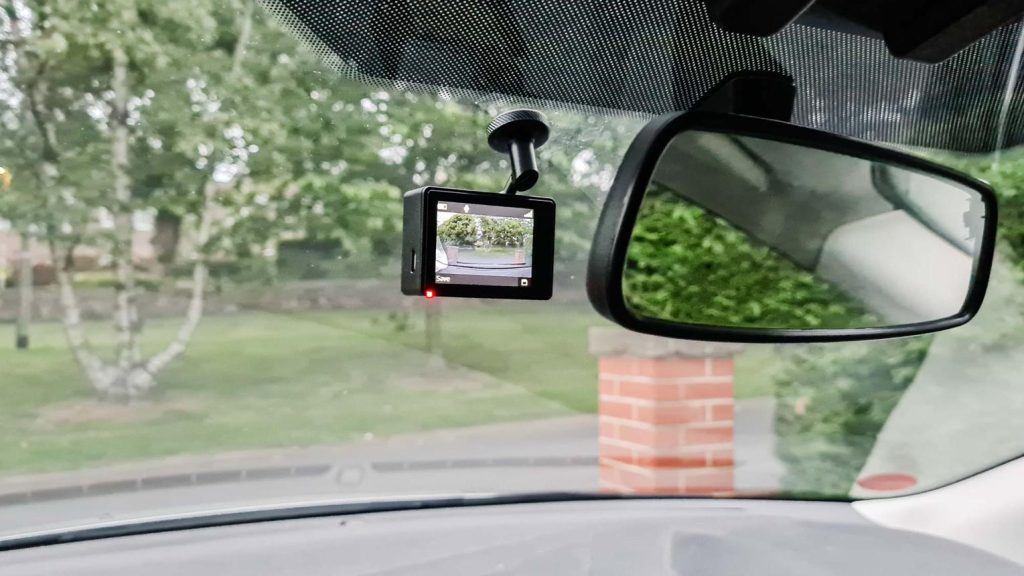
For ordinary passenger vehicles, a sensible installation is generally behind or close to the rearview mirror, provided the applicable state rules allow that position. Keep cables secured along the windshield edge rather than letting them hang across the driver’s view.
A dash camera should improve accountability, not compromise visibility. Checking local regulations before installation can prevent an expensive mistake.
5. Excessive Windshield Stickers and Toll Transponders
Parking permits, inspection stickers, dealership decals, toll transponders, and decorative windshield stickers may look like harmless additions, but placing too many of them in the wrong locations can create legal trouble. The main concern is whether an item violates windshield-placement restrictions or interferes with the driver’s ability to see the road clearly.
California Vehicle Code §26708 is particularly relevant. It generally restricts objects and materials placed, displayed, installed, or attached to the windshield and other vehicle windows.
However, the law provides specific exceptions for certain materials, including qualifying stickers in designated areas and electronic toll payment devices in an authorized location. These exceptions are limited, so drivers should not assume that any sticker becomes legal simply because it is small.
California’s driver handbook identifies permitted placement areas, including a seven-inch square in the lower passenger-side windshield corner and a five-inch square in the lower driver-side corner. It also recognizes a designated area for electronic toll payment devices in the uppermost center portion of the windshield.
Illinois has its own restrictions under 625 ILCS 5/12-503. The law prohibits signs, posters, window applications, and certain other materials on the front windshield, with a limited exception for nonreflective tint along the uppermost six inches.
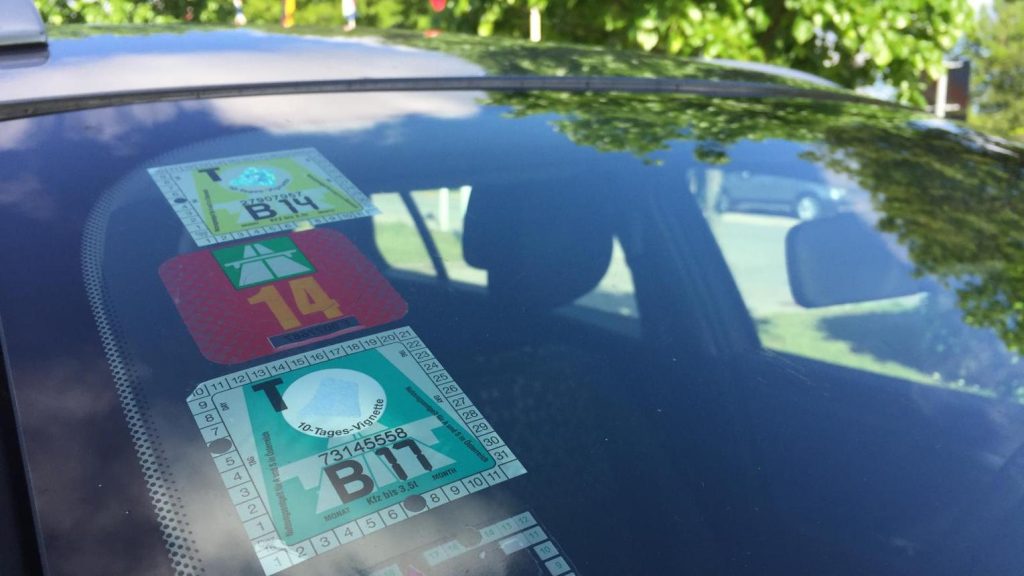
The practical problem is that drivers sometimes accumulate old parking permits, expired inspection stickers, dealership advertisements, and unnecessary decals without considering their placement. Even when an individual sticker is small, several overlapping materials can make the windshield unnecessarily cluttered.
Keep only legally required or genuinely useful stickers, remove expired permits when appropriate, and follow the designated placement rules for your state. A cleaner windshield gives you a better view and reduces the likelihood of an avoidable equipment-related citation.
6. Entertainment Screens and Video Displays
Modern vehicles increasingly feature large infotainment displays, smartphone mirroring, and aftermarket multimedia systems.
While navigation and vehicle information are useful, using a screen to watch movies, television programs, or other entertainment while driving can violate state laws. A dashboard-mounted entertainment display is therefore one accessory that deserves particular attention.
California Vehicle Code §27602 specifically restricts operating a vehicle with a television receiver, video monitor, or similar display showing entertainment or business applications when it is positioned forward of the back of the driver’s seat or visible to the driver while driving.
However, the law provides exceptions for certain equipment, including vehicle information displays, GPS navigation systems, and mapping displays.
The distinction is important. A driver using a built-in navigation screen for directions is not in the same legal position as someone watching a movie on a dashboard-mounted tablet. California also recognizes certain systems designed to prevent the driver from viewing entertainment video while operating the vehicle safely.
Virginia has a separate provision under Code §46.2-1077 addressing television receivers and video screens visible to the driver. Its rules also contain exceptions for permitted displays and specific equipment.
These restrictions are not limited to factory-installed entertainment systems. An aftermarket tablet, portable television, or additional video screen installed near the dashboard can create the same problem if it falls within the applicable legal restrictions.
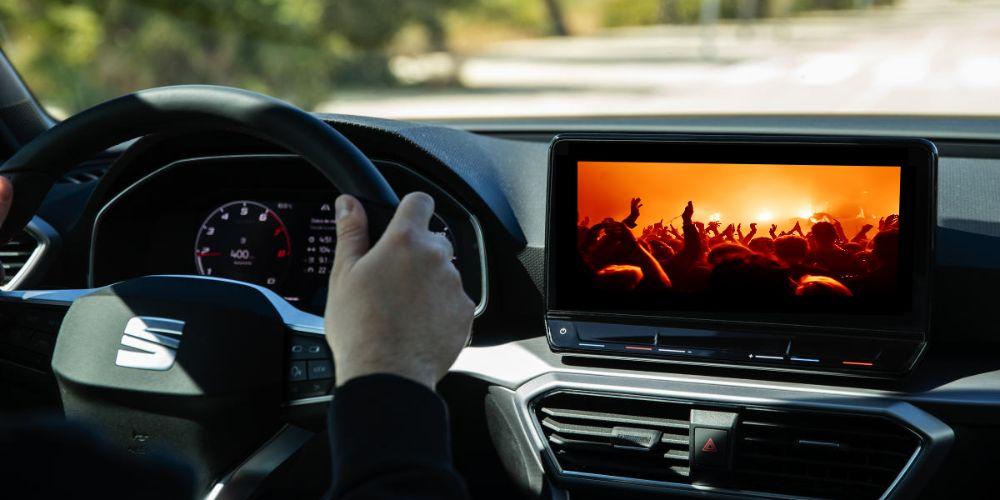
Drivers should configure entertainment systems so that video playback cannot be viewed from the driver’s position while the vehicle is moving. Passengers can still enjoy appropriate entertainment where the equipment and local laws permit it.
A screen that is useful for navigation can become a legal liability when used for entertainment at the wrong time. Understanding the difference can help drivers avoid distracted-driving risks and equipment-related citations.
7. Radar Detectors Mounted on the Dashboard
Radar detectors are designed to alert drivers when police speed-measurement equipment is operating nearby. Many motorists install these devices on their dashboards or attach them to their windshields.
Although radar detectors are legal in most U.S. states for private passenger vehicles, there are important exceptions that can turn this accessory into an expensive mistake.
Virginia is one of the most notable examples. Under Virginia Code §46.2-1079, operating a motor vehicle equipped with a device designed to detect or interfere with police radar or laser speed-measurement equipment is unlawful. The restriction applies even when the detector is not actively being used to avoid a speeding citation.
Washington, D.C., also restricts radar detector use in private vehicles. Drivers should therefore check local regulations before travelling with one installed.
Commercial drivers face a broader restriction. Federal regulation 49 CFR §392.71 prohibits drivers from using radar detectors in commercial motor vehicles or operating commercial vehicles equipped with or containing such devices. This federal rule applies independently of the more permissive laws governing ordinary passenger cars.
It is worth distinguishing radar detectors from radar jammers. A detector receives signals and alerts the driver, while a jammer is designed to interfere with speed-measurement equipment. Their legal treatment can differ, and installing a device marketed as a detector does not make an actual interference device permissible.
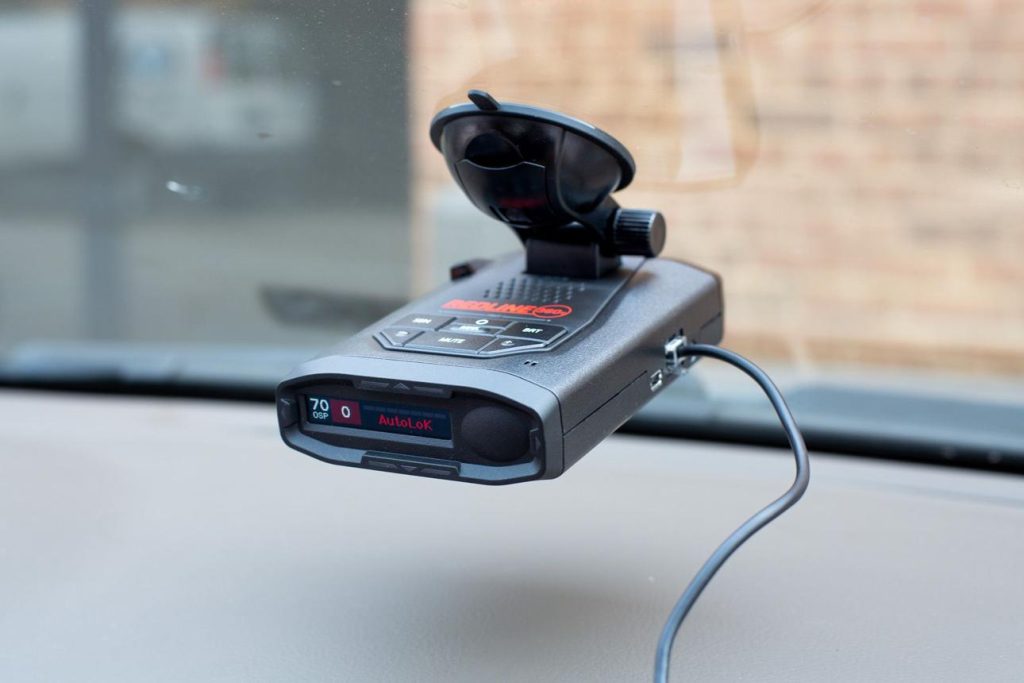
For motorists travelling between states, the rules can change significantly once they cross a state border. A device that is permitted in one jurisdiction may be prohibited in another.
Before attaching a radar detector to the dashboard, check the regulations for every state on your route. In Virginia, simply having the prohibited equipment installed in your vehicle can be enough to create a legal problem.
8. Unauthorized Flashing Emergency Lights
Some vehicle owners install aftermarket flashing lights on their dashboards to give their cars a distinctive appearance. These accessories may resemble the warning lights used by police cruisers, ambulances, or other emergency vehicles.
However, using unauthorized emergency-style lighting on a private passenger vehicle can lead to legal consequences, even when the lights are installed inside the cabin rather than on the exterior.
Texas provides a clear example. Under Transportation Code §547.305, ordinary vehicles generally cannot display a red light visible from directly in front of the vehicle unless specifically authorized.
The statute also restricts vehicles equipped with red, white, or blue beacons, flashing lights, or alternating lights unless the equipment is legally permitted.
This means an aftermarket dashboard light bar that flashes red and blue can create a serious compliance issue for an ordinary driver. The fact that the device is positioned behind the windshield does not automatically exempt it from the restrictions.
Virginia has similar restrictions concerning emergency-style lighting. Code §46.2-1022 identifies the government and law-enforcement vehicles authorized to use particular flashing or steady-burning red and blue warning lights. These permissions are not a general allowance for private motorists to install police-style lighting.

Drivers should also understand that not every interior LED accessory is illegal. Standard decorative ambient lighting is different from flashing emergency-style warning equipment. The color, brightness, visibility, and operating pattern can all affect whether a particular installation violates local vehicle-equipment rules.
If you want to personalize your dashboard, choose ordinary decorative lighting rather than equipment that imitates emergency warning systems. Avoid unauthorized red and blue flashing lights, particularly when they are visible from outside the vehicle.
A modification intended to make a car look distinctive can quickly attract unwanted attention from law enforcement when it resembles restricted emergency equipment