
Engine oil plays a critical role in keeping a vehicle’s engine lubricated, cool, and protected against excessive wear. However, checking its level is not always as simple as pulling out the dipstick and looking at the oil.
Small mistakes, such as checking on an incline, using the wrong procedure, or adding too much oil, can produce misleading readings and potentially cause mechanical problems. Many drivers also overlook warning signs that indicate oil-related issues.
Understanding the correct inspection process helps prevent avoidable engine damage and expensive repairs. Here are seven common mistakes people make when checking their engine oil.
1. Checking the Oil While the Vehicle Is Parked on an Incline
One of the most common mistakes drivers make is checking engine oil while their vehicle is parked on a sloping driveway, uneven road, or inclined parking space.
Although the difference might appear insignificant, the vehicle’s angle can affect how oil settles inside the oil pan. Since the dipstick measures the oil level at a specific location, an uneven reading surface can produce an inaccurate result.
Engine oil collects in the oil pan when the engine is switched off. On level ground, the oil settles relatively evenly, allowing the dipstick to provide a representative measurement. However, when a vehicle is tilted, the oil moves toward the lower side of the pan.
Depending on the dipstick’s position and the direction of the incline, the reading may appear higher or lower than the actual operating level.
This can lead to two different problems. A driver might add oil unnecessarily because the dipstick appears to show a low level. Alternatively, someone may believe the engine has sufficient oil when the actual quantity is below the recommended range. Repeatedly making decisions based on inaccurate readings can eventually contribute to lubrication problems.
The correct approach is straightforward. Park the vehicle on a firm, level surface, switch off the engine, and follow the manufacturer’s recommended waiting period before checking the dipstick. Avoid relying on a reading taken while the vehicle is positioned on a steep driveway.

AAA recommends checking engine oil with the vehicle parked on level ground. Toyota also explains that an inclined surface can affect oil readings because the lubricant collects unevenly inside the oil pan.
A few extra minutes spent finding a level parking location can prevent unnecessary top-ups and help drivers make better maintenance decisions.
2. Checking the Oil Immediately After Switching Off the Engine
Another mistake is pulling out the dipstick immediately after switching off the engine. During operation, the oil pump circulates lubricant through different engine components, including bearings, cylinder walls, and other moving parts.
When the engine stops, some of that oil gradually drains back into the oil pan. Checking too quickly can therefore produce a reading that does not accurately represent the settled oil level.
However, drivers should remember that the correct waiting time and engine temperature can vary depending on the vehicle. Some manufacturers recommend bringing the engine up to its normal operating temperature, switching it off, and waiting a few minutes before checking the oil level.
Others specify checking it when the engine is completely cold, often before the first start of the day. Certain modern vehicles use electronic measurement systems with their own instructions.
For example, a Chrysler owner’s manual available through NHTSA recommends checking the oil approximately five minutes after switching off a fully warmed engine.
Toyota’s guidance, meanwhile, explains that checking before starting the engine often provides a consistent reading, provided the owner’s manual does not specify otherwise.
Following a generic internet instruction instead of the vehicle’s recommended procedure is where problems begin. A driver might wait five minutes because another vehicle requires it, even though their own model specifies a different interval.
Hot engine components also create a separate safety concern. Avoid touching exhaust components or other extremely hot surfaces while accessing the dipstick.
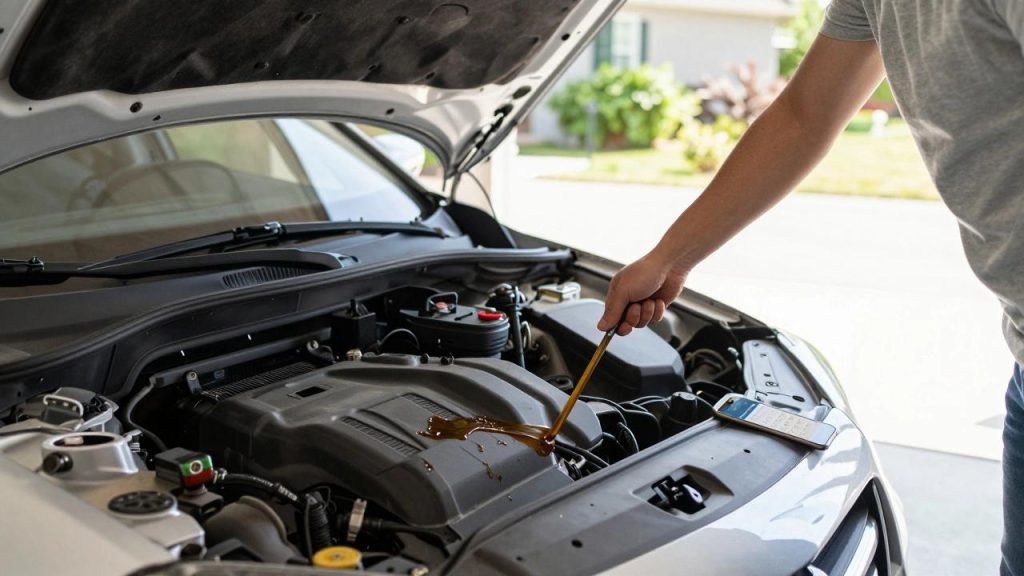
Before checking, consult the owner’s manual for the correct engine condition and waiting period. Consistency matters because using the same approved procedure each time makes it easier to identify changes in oil consumption.
A little patience helps prevent unnecessary oil additions and reduces the possibility of making maintenance decisions based on misleading measurements.
3. Forgetting to Wipe the Dipstick Before Taking a Reading
A dipstick may look like a simple metal measuring tool, but using it correctly requires more than pulling it out and immediately examining the oil.
One frequent mistake is reading the dipstick without wiping it clean first. This can produce confusing results because oil already present along the measuring blade may not represent the engine’s actual settled oil level.
When a driver initially removes the dipstick, oil can spread along its surface as it passes through the guide tube. This creates streaks and smudges that may extend beyond the actual oil level. If the driver treats these marks as an accurate measurement, they could mistakenly believe the engine contains more oil than it actually does.
The correct procedure involves three simple actions. First, remove the dipstick and wipe its measuring section with a clean, lint-free cloth or paper towel. Second, insert it completely back into its tube, ensuring it reaches its proper seated position.
Finally, withdraw it again carefully and inspect the oil between the minimum and maximum markings.
The second reading is important because it measures the oil after the dipstick has been cleaned and reinserted. The first reading is useful for removing the old oil film, but it should not normally be used as the final measurement.
AAA includes this cleaning and reinsertion procedure in its engine oil inspection instructions. International’s engine maintenance guidance published through NHTSA also specifies wiping the dipstick clean, reinserting it fully, and withdrawing it again to obtain a proper reading.
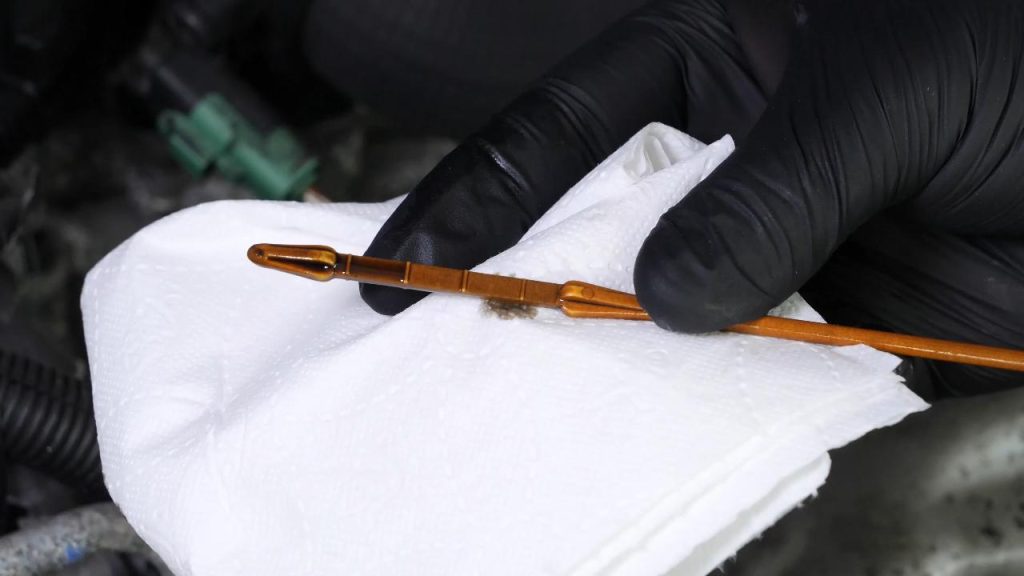
Drivers should avoid using dirty rags, tissues that leave fibers behind, or materials contaminated with grease and other automotive fluids. Dirt entering the dipstick tube can introduce unwanted contamination into the engine.
Although this procedure takes only a few seconds, skipping it can make an otherwise straightforward oil inspection unreliable. A clean dipstick provides a much clearer indication of whether the engine needs additional lubricant.
4. Misreading the Minimum and Maximum Markings
Many drivers know that an engine oil dipstick has markings indicating the acceptable oil level, but not everyone understands how to interpret them correctly.
Some mistake the upper marking for the minimum level, while others assume that the oil must always reach the very top of the measuring section. These misunderstandings can result in unnecessary additions or incorrect maintenance decisions.
Most conventional dipsticks use two marks, often identified as MIN and MAX, or ADD and FULL. Some designs use holes, notches, crosshatched sections, or differently shaped measuring areas instead of written labels.
The acceptable operating range lies between the designated lower and upper limits. If the oil level falls within this range, an additional top-up is generally unnecessary.
A common mistake is examining only one side of the dipstick. Oil can sometimes smear along the blade while it is being removed, making the reading less obvious. If the oil line looks unclear, wipe the dipstick, reinsert it completely, and take another measurement. Comparing both sides can also help identify an inconsistent reading.
Another issue involves assuming that every dipstick has identical markings. Manufacturers use different designs, and the correct interpretation depends on the specific engine. Some vehicles have a crosshatched SAFE area, while others use separate upper and lower indicators.
For instance, a Chrysler owner’s manual published through NHTSA explains that the oil should remain within the designated SAFE range. Its instructions also warn against operating the engine when the level exceeds the maximum mark.
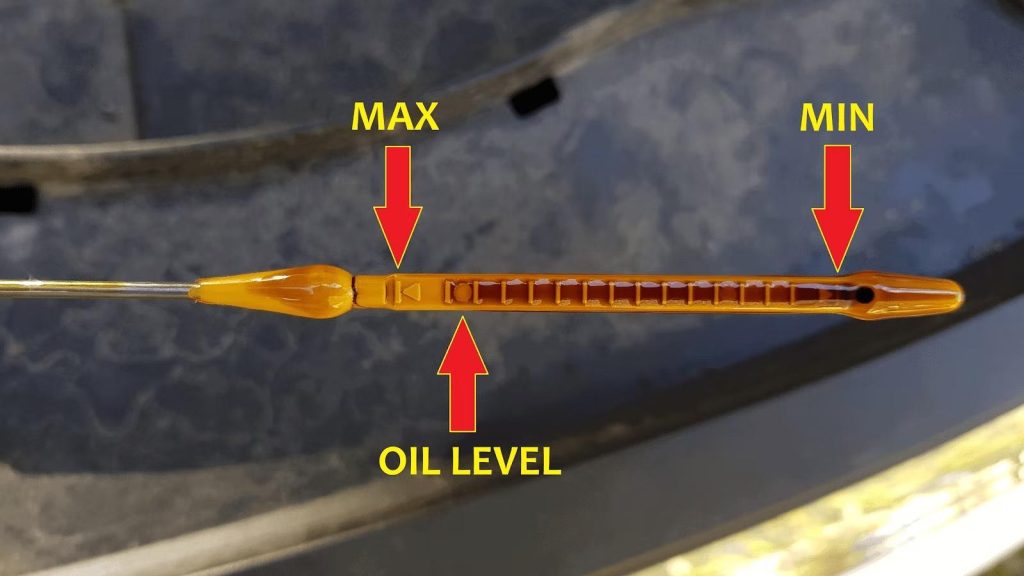
Drivers should consult their owner’s manual rather than guessing what unfamiliar markings mean. If the oil is below the minimum indicator, follow the recommended top-up procedure. If it is already within the acceptable range, adding more simply to reach an imagined full point may cause overfilling.
Understanding these markings helps prevent both insufficient lubrication and excessive oil levels.
5. Adding Too Much Oil Without Measuring the Quantity
Adding engine oil when the level is low is a normal maintenance task, but pouring in too much can create a different set of mechanical problems.
Some drivers assume that adding an extra amount provides additional protection, particularly when they are unsure how much lubricant the engine needs. In reality, maintaining the correct oil level is far more important than filling beyond the manufacturer’s recommended limit.
Excessive engine oil can cause the rotating crankshaft or other internal components to come into contact with the lubricant.
Depending on the engine design and the degree of overfilling, this can contribute to oil aeration, increased crankcase pressure, leaks, and lubrication-related problems. Foamy or aerated oil may not provide the consistent lubrication that engine components require.
The problem often begins when drivers pour oil directly from a large container without checking the dipstick between additions. They may underestimate how quickly the level rises, particularly when the engine requires only a relatively small top-up.
A safer method is to add oil gradually using a suitable funnel. AAA recommends adding approximately half a quart at a time when topping up a low reading, followed by another dipstick inspection. The exact amount needed depends on the engine and how far the oil level is below its recommended range.
Drivers should also allow sufficient time for newly added oil to drain into the oil pan before taking another measurement. Checking immediately after pouring can produce a misleading result.
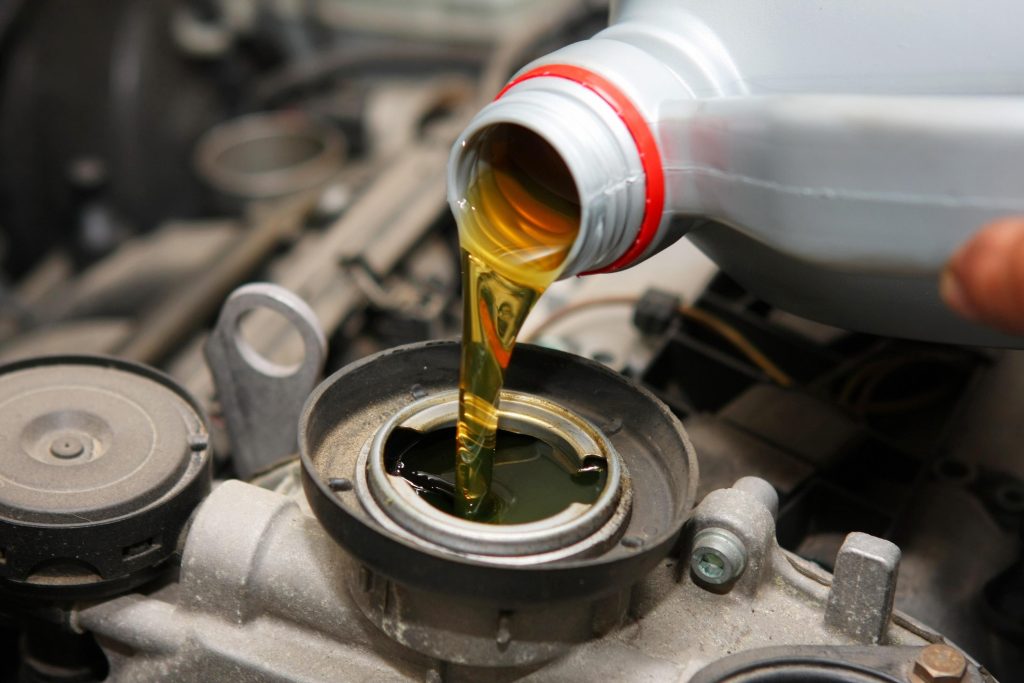
Manufacturer instructions must take priority over general advice. For example, a Chrysler maintenance manual published through NHTSA specifically warns that operating with oil above the MAX mark can cause aeration and potentially serious engine damage.
If you discover that the engine has been substantially overfilled, do not simply assume it will correct itself while driving. Have the excess oil removed and the level checked properly before continuing normal use.
6. Using the Wrong Engine Oil Specification When Topping Up
Finding a low oil level does not mean that any available motor oil is suitable for topping up. Another common mistake is choosing lubricant based only on its price, brand, or viscosity number without checking whether it meets the vehicle manufacturer’s requirements.
Modern engines are designed around specific lubrication standards, and using an unsuitable product can affect performance and long-term protection.
Engine oil specifications involve several factors. Viscosity grades, such as 0W-20, 5W-30, and 0W-40, describe how the oil flows under different temperature conditions. However, viscosity is only one part of the selection process. Manufacturers may also require particular industry certifications, performance categories, or proprietary approvals.
For example, two oils carrying the same viscosity grade are not necessarily interchangeable for every vehicle. One may meet the required manufacturer approval while another does not. This distinction is especially important for engines equipped with turbochargers, gasoline direct injection, or emissions-control equipment that requires specific lubricant formulations.
The American Petroleum Institute (API) maintains engine oil performance categories and licensing information that help consumers identify oils meeting recognized industry requirements. Its API Certification Mark, commonly known as the Starburst, identifies qualifying oils formulated for gasoline engines.
Drivers should check the owner’s manual for the correct viscosity and required performance specification before purchasing or adding lubricant. The oil filler cap may also display a viscosity recommendation, but it should not replace checking the complete requirements in the manual.
Another mistake is assuming that synthetic oil can automatically be substituted for any conventional oil. Synthetic products can offer particular performance benefits, but the correct specification still matters more than the marketing description on the container.
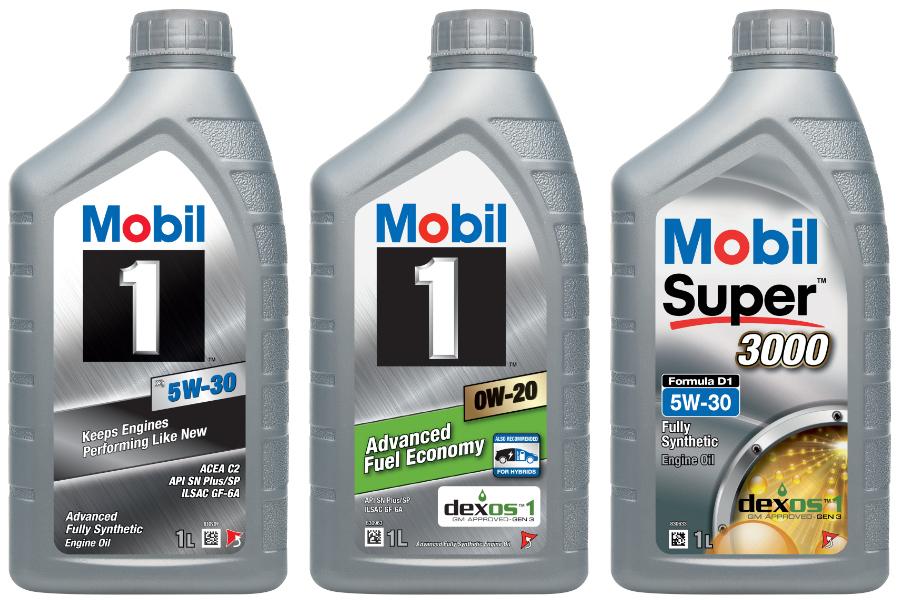
If the recommended product is unavailable, consult the manufacturer’s approved alternatives rather than selecting a random bottle from a gas station shelf.
Choosing the correct oil helps maintain the intended lubrication characteristics and avoids unnecessary compatibility problems.
7. Ignoring Unusual Oil Appearance, Leaks, or Dashboard Warnings
Checking the oil level is only part of inspecting an engine’s lubrication system. Another mistake is concentrating entirely on the dipstick markings while ignoring other warning signs. Oil appearance, unusual consumption, visible leaks, and dashboard warning lights can all provide important information about the engine’s condition.
Fresh engine oil is generally amber or golden, although its appearance varies depending on the formulation and vehicle. As it circulates through an engine, it collects combustion by-products and other contaminants, which can gradually darken its color.
Therefore, dark oil does not automatically mean that an engine needs immediate lubricant replacement. Drivers should follow the manufacturer’s maintenance schedule rather than judging oil condition by color alone.
However, certain changes deserve attention. A milky or creamy appearance can sometimes indicate coolant contamination, although condensation and short-trip operating conditions can also produce deposits in some areas.
Metallic particles, an unusual burnt smell, or a sudden increase in oil consumption may also justify professional inspection. None of these observations alone establishes a specific mechanical failure.
Visible oil underneath the vehicle should not be ignored either. Fresh leaks may indicate problems involving seals, gaskets, the oil filter, or drain plug. If the oil level continues dropping despite regular top-ups, a mechanic should investigate the cause instead of treating repeated additions as a permanent solution.
The most important warning is the red oil-pressure warning light. This is not simply a reminder to check the oil level. It can indicate insufficient oil pressure, which may cause serious engine damage.
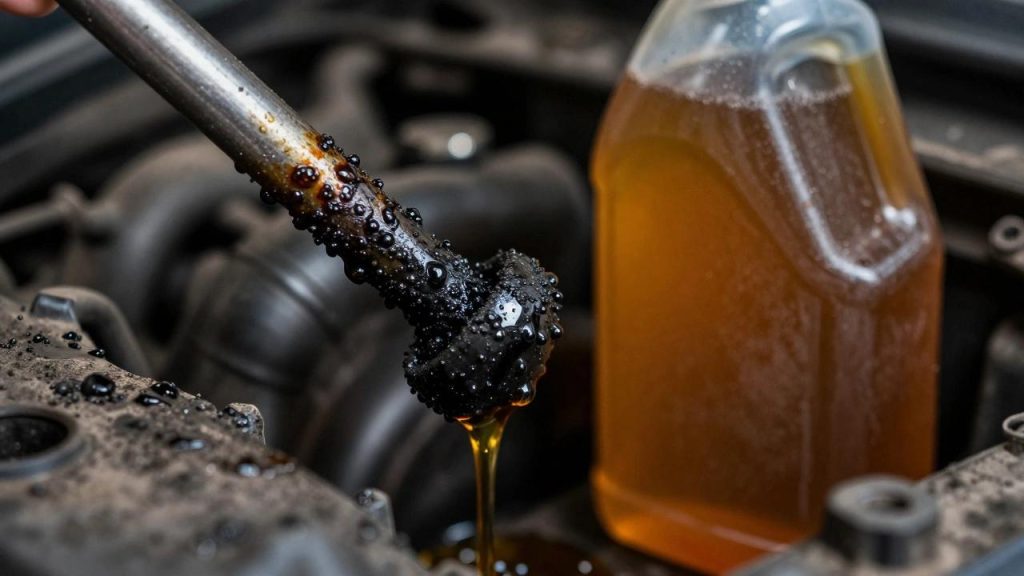
If it illuminates while driving, safely pull over, switch off the engine, and consult the owner’s manual or arrange professional assistance. Do not continue driving merely because the dipstick shows an acceptable level.
AAA and NHTSA maintenance guidance emphasize maintaining the correct oil level and responding to lubrication-related problems promptly.
Recognizing these warning signs helps drivers identify potential problems before they develop into expensive engine repairs.