
A catalytic converter helps reduce harmful pollutants in your vehicle’s exhaust before they leave the tailpipe. Over time, contamination, overheating, or damage can restrict its internal passages and interfere with exhaust flow.
When that happens, the engine may lose power, consume more fuel, or struggle to run normally. The tricky part is that a clogged converter can produce symptoms similar to ignition, fuel-delivery, and sensor problems.
Replacing it without proper testing can waste money. These nine warning signs can help you recognize a possible restriction and understand when your vehicle needs a professional exhaust-system inspection.
1. The Engine Struggles to Accelerate
A clogged catalytic converter can make your vehicle feel unusually sluggish, especially when you press the accelerator to merge onto a highway, climb a steep road, or pass another vehicle.
The converter contains a honeycomb-like internal structure that allows exhaust gases to pass through while chemical reactions reduce harmful emissions. If that structure melts, collapses, or becomes obstructed, exhaust gases cannot flow out as freely as they should.
The restriction creates excessive exhaust backpressure. As pressure builds ahead of the blockage, the engine has greater difficulty expelling exhaust gases from its cylinders. That can reduce power and make acceleration feel weak, even when you press the pedal harder.
Walker Exhaust Systems confirms that a melted or displaced converter substrate can block exhaust flow and cause noticeable power loss. However, a sluggish engine is not proof of a clogged converter. A restricted muffler, damaged exhaust pipe, fuel-delivery fault, ignition problem, or sensor issue can produce similar behavior.
A technician can measure exhaust backpressure at appropriate test ports to locate the restriction. Walker gives general reference figures of less than 1.5 PSI at idle and less than 3 PSI at 2,000 RPM, but the correct limits depend on the vehicle and test procedure.

The location of the pressure reading also matters because a blockage may be in the muffler rather than the converter.
If acceleration has deteriorated noticeably, have the exhaust system tested instead of immediately buying a replacement converter.
2. The Check-Engine Light Comes On
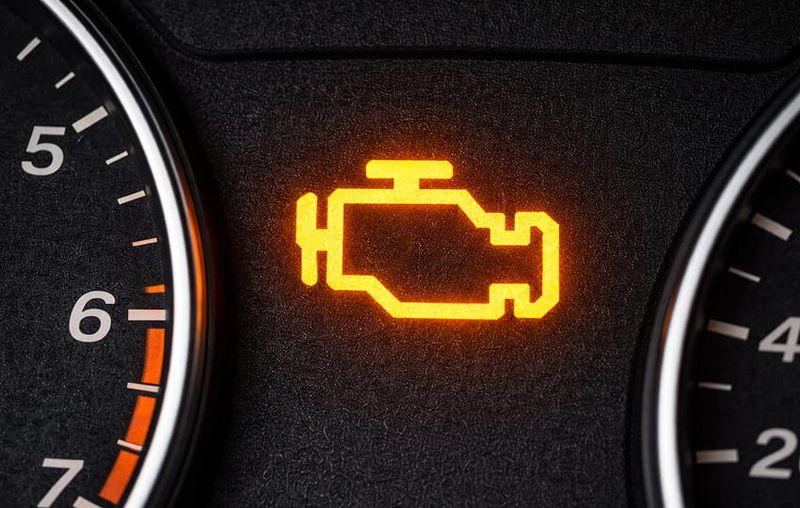
A check-engine light can be an early indication that your vehicle’s emissions system has detected a problem involving the catalytic converter.
One commonly discussed diagnostic trouble code is P0420, which means catalyst system efficiency is below the required threshold for Bank 1. Vehicles with a second cylinder bank may also record P0430 for Bank 2.
These codes do not specifically mean that the converter is physically clogged. The engine computer compares information from oxygen sensors positioned before and after the converter to evaluate catalyst performance.
If the readings suggest that the converter is no longer storing and processing oxygen as expected, the computer may record an efficiency fault.
A clogged converter is a different issue from a converter that has lost chemical efficiency. A converter can become less effective at reducing emissions without creating a major exhaust restriction. Likewise, a restriction can exist even when the driver has not noticed an obvious warning light.
Walker advises technicians to correct other engine-related trouble codes before condemning the converter. Misfires, incorrect air-fuel mixtures, exhaust leaks, and oxygen-sensor problems can affect converter operation or the readings used to evaluate it.
Have the stored codes and related sensor data checked with a suitable diagnostic scanner. A technician may also need to perform exhaust backpressure and emissions testing. Avoid replacing the converter solely because P0420 or P0430 appears.
Proper diagnosis can identify whether the issue is catalyst efficiency, physical blockage, an exhaust leak, or another engine-management fault.
3. The Vehicle Feels Like It Is Running Out of Breath at Higher Speeds
A vehicle with a restricted catalytic converter may behave normally at lower speeds but struggle when the engine needs to produce more power.
You might notice that it accelerates reasonably well around town, yet feels increasingly weak during highway driving or when climbing a long incline. This pattern can occur because the engine produces more exhaust as its speed and load increase.
When the converter’s internal passages are blocked, exhaust gases cannot leave the system at the required rate. Backpressure can rise as engine output increases, making it harder for the engine to clear exhaust from the cylinders. The result may feel like the vehicle has reached an invisible performance limit.
Walker identifies exhaust restriction as a cause of reduced engine performance and recommends using vacuum or backpressure testing to locate blockages. Its diagnostic guidance explains that pressure should be checked at more than one point when necessary.
High pressure ahead of the converter can indicate a converter restriction, while a reading farther downstream can help identify a blocked muffler or resonator.
Do not assume that every highway power loss comes from the catalytic converter. A weak fuel pump, clogged fuel filter, transmission issue, ignition fault, or air-intake restriction may produce similar complaints.

If the vehicle repeatedly loses power under load, arrange an exhaust-system inspection. Avoid towing heavy loads or making demanding highway trips until the problem is understood. A proper backpressure test is much more useful than replacing the converter based on driving feel alone.
4. The Engine Stalls or Becomes Difficult to Keep Running
A severely restricted catalytic converter can interfere with engine operation enough to cause stalling or make the engine difficult to keep running.
The problem may become more noticeable after the engine has warmed up or when you try to accelerate. In some cases, the engine starts but struggles to maintain a steady idle because exhaust gases cannot escape through the system as intended.
As exhaust backpressure increases, the engine has difficulty clearing the cylinders. That can reduce its ability to draw in a fresh air-fuel charge and maintain normal combustion. If the restriction is severe, engine performance may deteriorate until the vehicle stalls.
However, stalling is not a typical standalone confirmation of a clogged converter. A failing fuel pump, dirty throttle body, vacuum leak, faulty crankshaft sensor, ignition problem, or air-metering fault can cause similar symptoms.
The converter should be considered alongside other possible causes rather than treated as the automatic culprit.
Walker recommends an engine-vacuum test as one way to identify a possible exhaust restriction. Its guidance describes checking vacuum at idle and again around 2,500 RPM. A substantial drop that does not recover as expected can suggest a restriction, although ignition timing and valve timing can also affect vacuum readings.
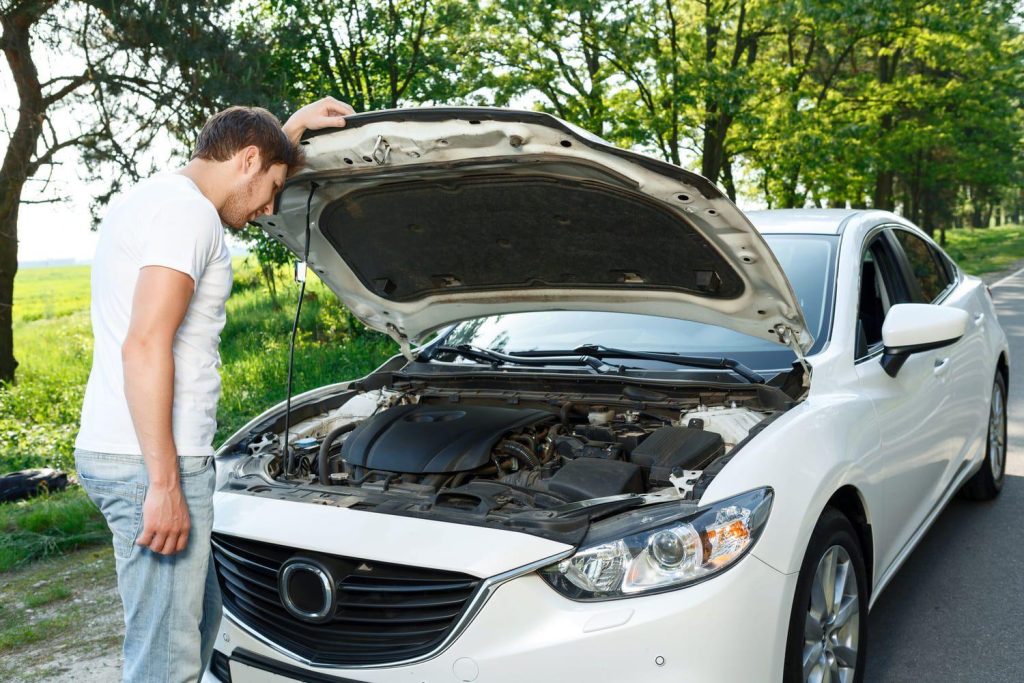
If the engine stalls repeatedly in traffic, do not continue driving it in unsafe conditions. Arrange professional diagnosis, particularly if the vehicle also has major power loss or excessive exhaust heat.
A technician can combine vacuum readings, backpressure measurements, and scan-tool data to determine whether the converter is actually blocked.
5. Fuel Economy Drops Without an Obvious Reason
A sudden drop in fuel economy can accompany a restricted catalytic converter, particularly when the blockage is severe enough to affect engine performance. When exhaust gases cannot flow freely, the engine may struggle to breathe properly.
Drivers sometimes respond by pressing the accelerator harder to maintain their usual speed, which can increase fuel consumption.
You may notice more frequent trips to the gas station even though your commute and driving habits have not changed. The vehicle might also feel less responsive, making ordinary acceleration require more throttle input.
Walker includes declining fuel economy among the vehicle-history questions technicians should ask when investigating catalytic converters and emissions problems.
However, increased fuel consumption does not automatically mean the catalytic converter is clogged. Several other issues can produce similar symptoms, including a defective oxygen sensor, dirty air filter, underinflated tires, sticking brakes, faulty fuel injectors, or an engine running with an overly rich fuel mixture. These possibilities should be checked before blaming the catalytic converter.
Some of these faults can actually damage the converter over time by sending an unsuitable exhaust mixture through it.
Compare fuel economy over several fill-ups rather than judging it from a single trip. Weather, traffic, short journeys, and changes in driving speed can affect the result. If consumption has dropped alongside weak acceleration, a check-engine light, or unusual exhaust behavior, have the vehicle examined.
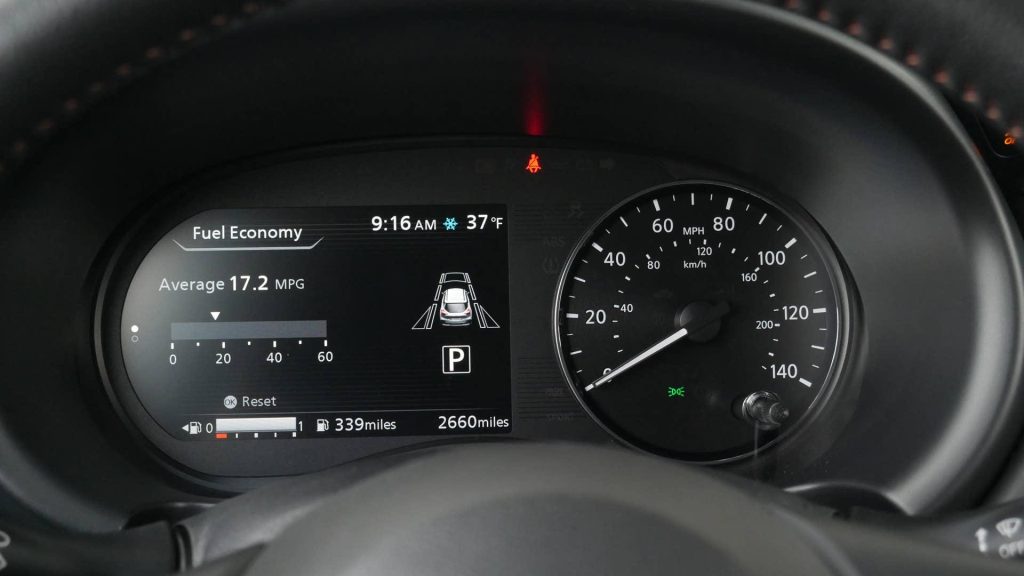
A technician should check fuel trims, oxygen-sensor operation, ignition performance, and exhaust backpressure. Walker emphasizes correcting engine and emissions faults before replacing a converter.
That approach matters because installing a new converter without repairing the cause of the original problem can lead to another failure.
6. A Rotten-Egg Smell Comes From the Exhaust
A strong rotten-egg or sulfur-like smell around the exhaust can indicate that the catalytic converter is not processing exhaust gases correctly. The odor is commonly associated with hydrogen sulfide, a sulfur-containing gas.
Under normal conditions, a functioning emissions system helps control harmful exhaust compounds, but certain fuel and catalyst conditions can allow a noticeable sulfur smell to develop.
This symptom is sometimes associated with a failing or overheated converter, but it does not prove that the internal passages are clogged.
A rich-running engine can send excess fuel into the exhaust, while fuel quality and catalyst condition can also influence sulfur-related odors. Walker explains that excessive fuel and oxygen entering a converter can cause intense heat and damage its internal substrate.
If the smell appears alongside reduced power, a check-engine light, or unusual exhaust temperature, the converter and engine fuel-control system should be checked. A technician may inspect fuel trims, oxygen-sensor readings, exhaust leaks, and catalyst performance before deciding what needs repair.
Do not deliberately stand behind the tailpipe to smell the exhaust. Vehicle exhaust contains harmful gases, including carbon monoxide, which has no smell and can be dangerous even when other odors are noticeable. If exhaust fumes enter the passenger cabin, stop using the vehicle and have the leak investigated promptly.
The key point is that a sulfur smell is a warning about possible emissions or fuel-control trouble, not a reliable standalone test for a blocked converter.
7. The Converter Area Becomes Extremely Hot or Shows Heat Damage
A catalytic converter normally operates at high temperatures because chemical reactions inside it help convert harmful exhaust pollutants into less harmful gases. However, unusually high heat can damage the internal substrate, and severe overheating may eventually contribute to a blockage.
A converter housing with blue, bronze, or rainbow-like discoloration can indicate that it has experienced excessive temperatures.
One major cause is an engine misfire. When a cylinder fails to burn its air-fuel mixture correctly, unburned fuel can enter the exhaust and ignite inside the converter.
A rich-running condition, ignition fault, or fuel-delivery problem can create similar overheating risks. Walker explains that temperatures above 1,600°F can damage catalyst material, even when obvious melting is not visible.
A restricted converter can also contribute to poor exhaust flow, but heat discoloration alone does not prove that a blockage exists. The converter may be overheating because of an engine fault that needs attention before the catalyst is damaged further.
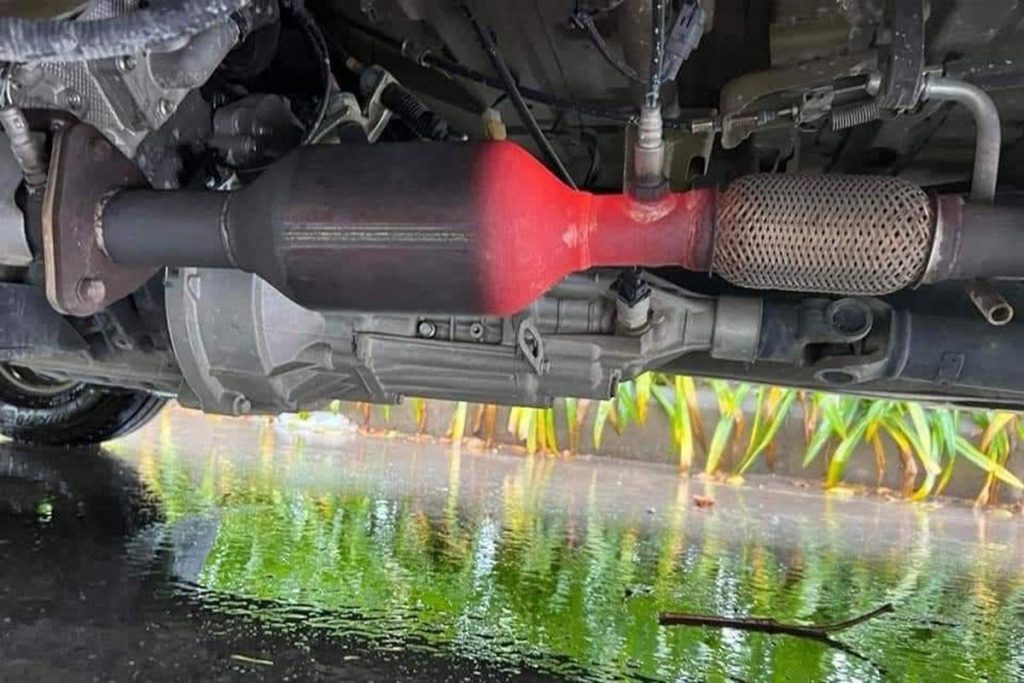
Never crawl under a vehicle or touch an exhaust component to check its temperature after driving. The converter can remain hot enough to cause serious burns and ignite nearby dry material. If you see smoke, a glowing converter, or a burning smell from underneath the vehicle, stop in a safe location and switch off the engine.
Have the ignition system, fuel delivery system, oxygen sensors, and exhaust backpressure inspected to identify the underlying problem. Addressing the original cause is crucial because installing a new catalytic converter without fixing the issue could lead to the replacement suffering the same damage.
8. You Hear a Rattling Sound From Underneath the Vehicle
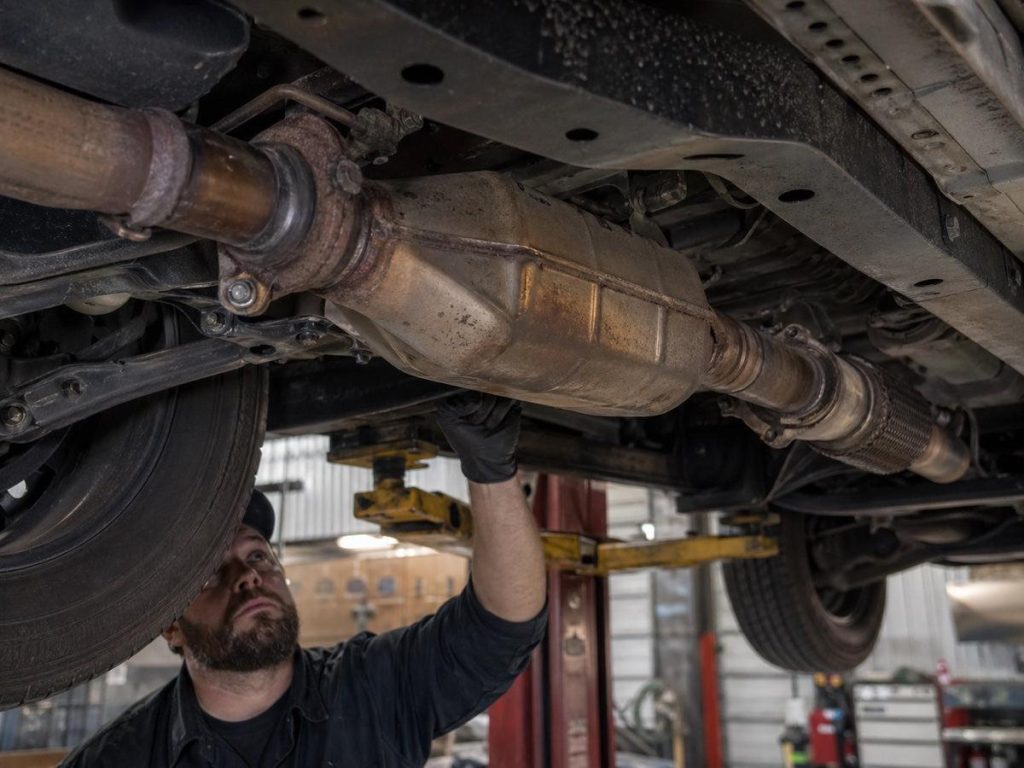
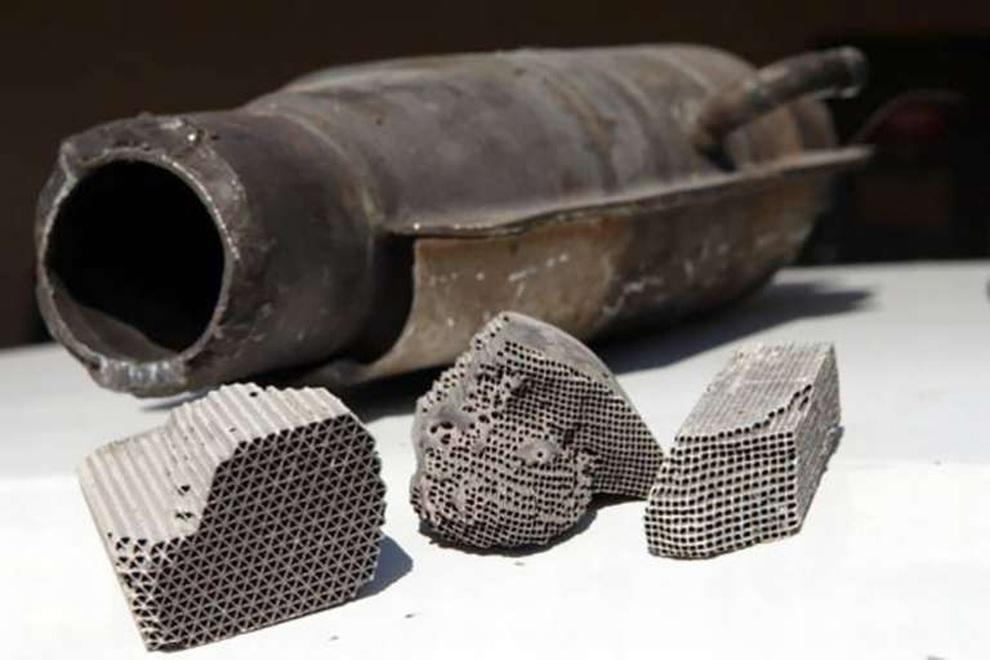
A rattling noise from beneath the vehicle can mean that the catalytic converter’s internal structure has broken apart. Most converters use a ceramic or metallic honeycomb substrate. If the substrate cracks, melts, or becomes loose inside the housing, fragments may move around and create a noticeable metallic or ceramic-like rattle.
The sound may be easiest to hear when starting the engine, accelerating, or passing over uneven roads. In some cases, broken material can shift and partially obstruct the exhaust passage. That can turn an internal structural problem into an actual exhaust restriction, causing reduced power and increased backpressure.
Walker identifies broken converter substrates and damaged support mats as possible reasons that internal material can move and block exhaust flow. Road debris, corrosion, thermal shock, and excessive operating temperatures can all contribute to structural damage.
Not every rattle comes from the converter, however. Loose heat shields, exhaust hangers, clamps, brackets, or damaged muffler internals can produce very similar sounds. A technician should inspect the full exhaust assembly before condemning the converter.
Do not strike the converter housing with a hard object or crawl beneath a vehicle supported only by a jack. A proper inspection should include checking the shields and mounts, listening for loose internal material, and testing exhaust backpressure if restriction is suspected.
If the rattle is accompanied by poor acceleration or a sudden change in engine performance, arrange an inspection soon. The converter may have broken internally, but the source of the noise must be confirmed before replacing it.
9. The Vehicle Fails an Emissions Inspection
Failing an emissions inspection can be another indication that the catalytic converter is no longer doing its job properly. The converter is designed to reduce pollutants such as hydrocarbons, carbon monoxide, and nitrogen oxides.
If its catalyst material is damaged, contaminated, or unable to operate effectively, the vehicle may produce emissions above the limits used in the applicable inspection program.
A failed emissions test does not necessarily mean the converter is physically clogged. A converter can lose chemical efficiency while exhaust still flows through it. Conversely, a converter can be restricted and cause major drivability problems without the emissions test alone identifying the exact blockage.
The inspection result and any diagnostic trouble codes can help guide the next step. For example, P0420 or P0430 indicates catalyst efficiency below the system’s threshold, but Walker cautions that these codes do not automatically prove the converter must be replaced.
Exhaust leaks, oxygen-sensor faults, fuel-mixture problems, and engine misfires should also be investigated.
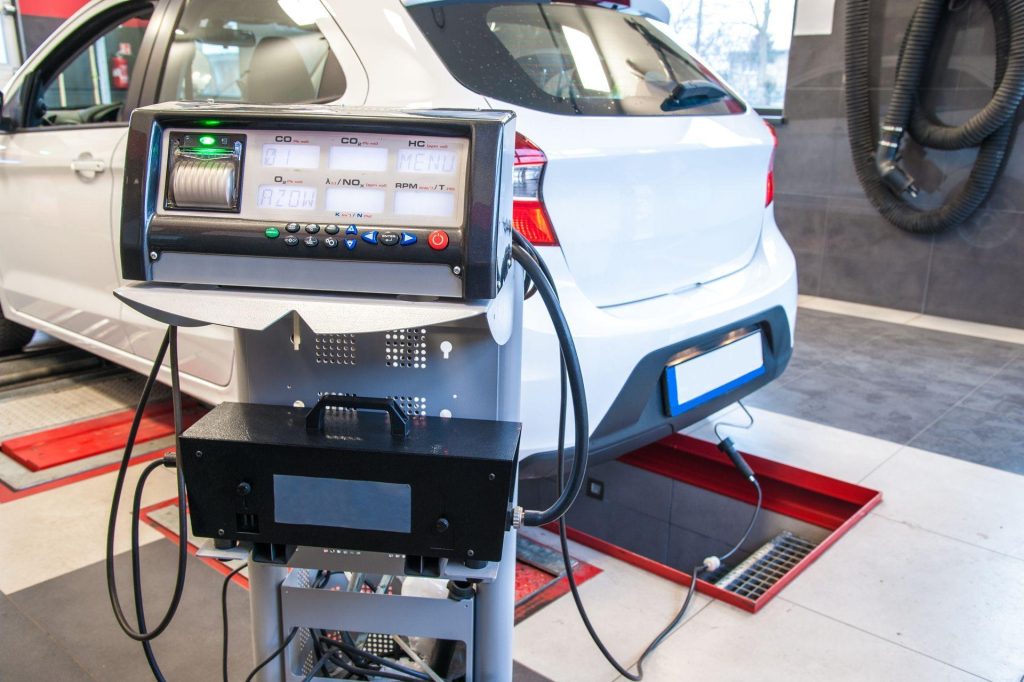
Testing with an emissions analyzer can measure gases such as hydrocarbons, carbon monoxide, carbon dioxide, oxygen, and nitrogen oxides. A technician can combine those results with sensor data and exhaust backpressure measurements to distinguish poor catalyst performance from a physical restriction.
US emissions inspection requirements vary by state and locality. Some areas use different testing methods or exemptions, so check the rules where the vehicle is registered. Keep the inspection report and diagnostic results. They can help identify the actual fault instead of leading to unnecessary parts replacement.