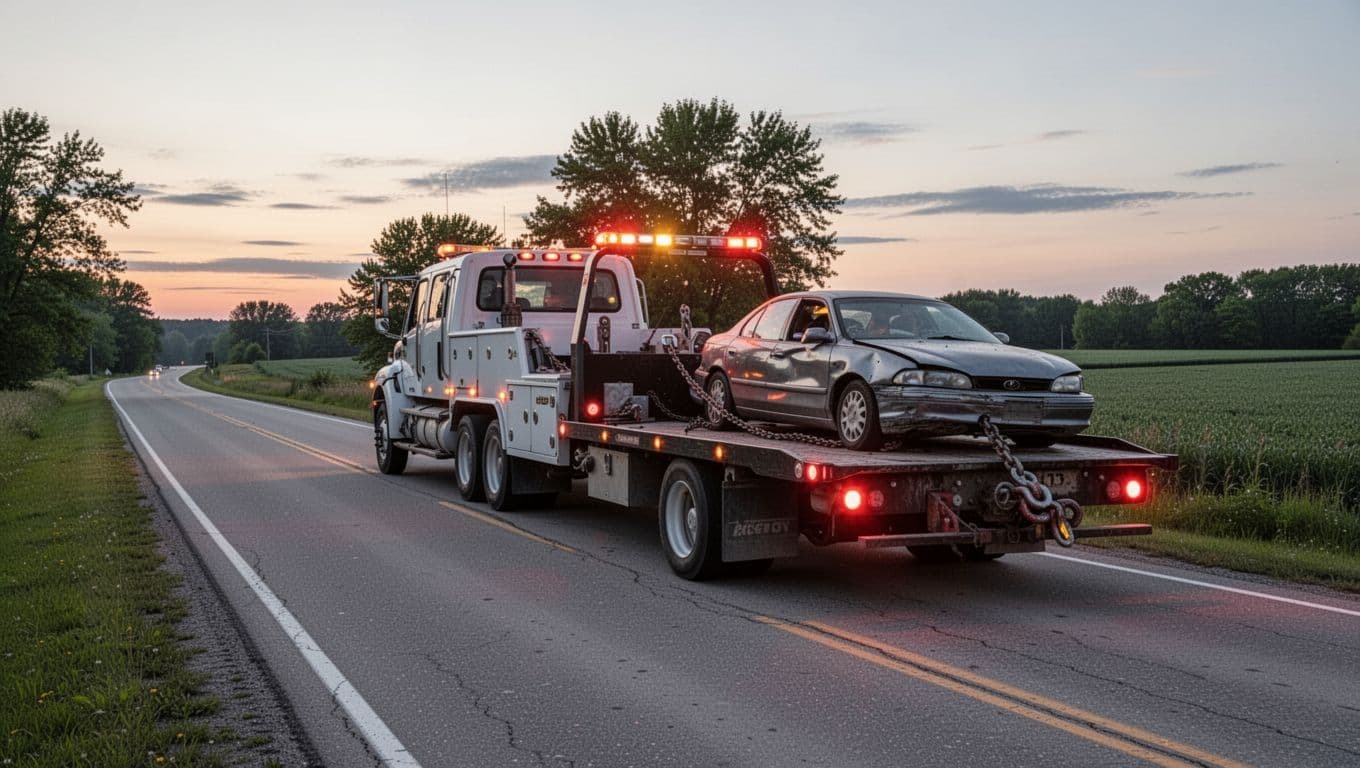
Walking outside and discovering that your vehicle is missing can be frustrating, especially when you have no idea why it was taken. While towing companies have the authority to remove vehicles under certain circumstances, that authority comes with rules they must follow. Property owners, parking enforcement agencies, and tow operators are generally required to comply with applicable laws before and after removing a vehicle.
Unfortunately, not every tow is handled properly. Some operators ignore required procedures, charge unauthorized fees, or make it unnecessarily difficult for owners to recover their cars. Knowing what to look for can help you recognize when a tow may have been unlawful. Here are seven warning signs worth checking before accepting a towing company’s explanation.
1. Missing or Improper Warning Signage
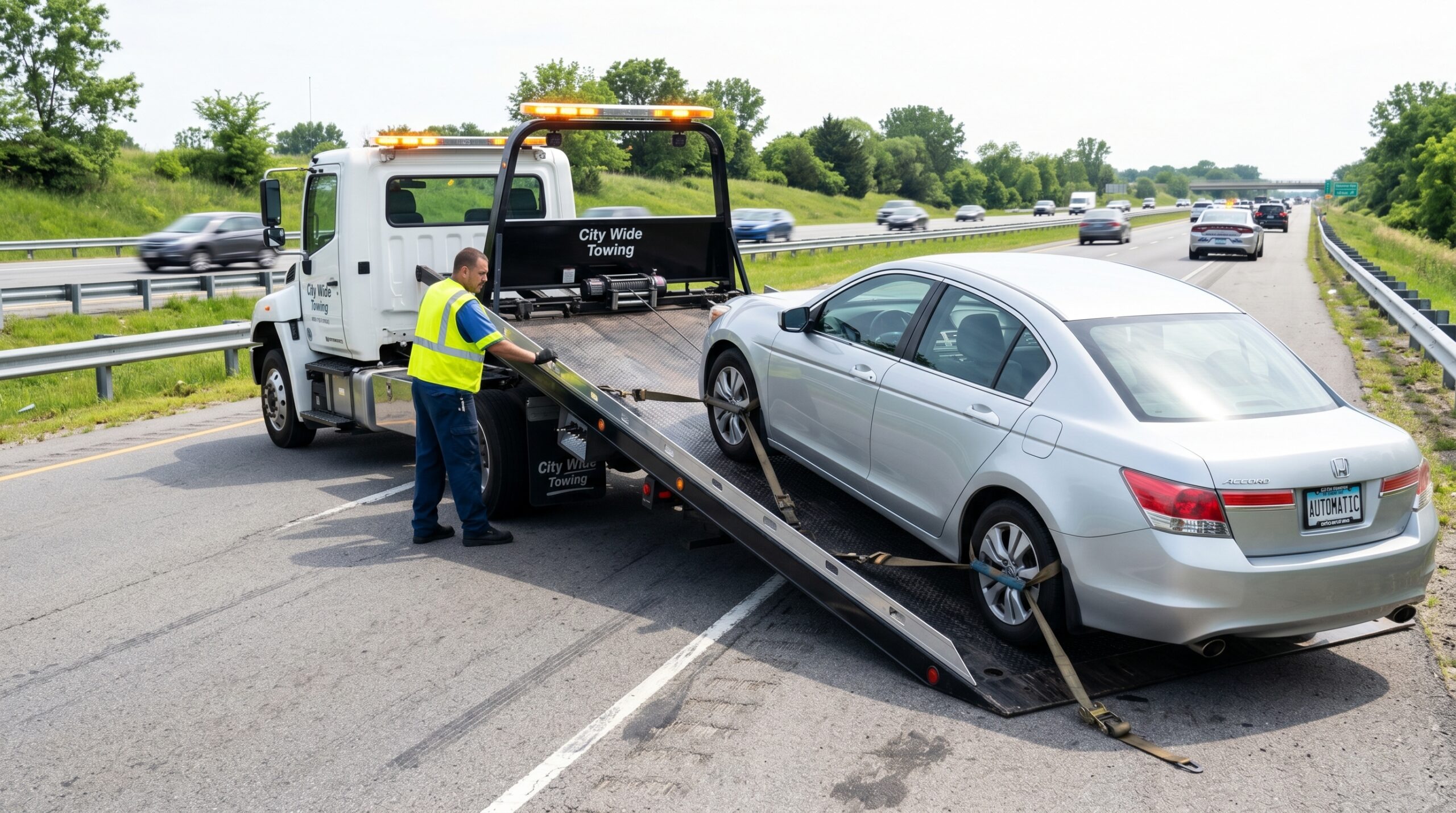
Parking signs serve an important purpose by notifying motorists of specific rules and restrictions. If your vehicle was towed from a private lot, residential complex, shopping center, or another restricted location, take time to verify that the appropriate warning signs were clearly posted and visible before parking.
Many jurisdictions require private properties to post visible signs explaining parking restrictions and warning drivers that unauthorized vehicles may be towed.
These signs may also need to include the towing company’s name, contact information, or other details required by local regulations.
Imagine parking in a shopping center lot where there are no visible restrictions, only to return and discover that your vehicle has been removed. If the property was required to display tow-away notices but failed to do so, the tow may have violated local rules.
Pay attention to the location, size, wording, and visibility of any signs. A notice hidden behind a tree, positioned too far from the parking entrance, or printed in a way that is difficult to read may not satisfy applicable requirements.
However, the absence of signage does not automatically make every tow illegal. Vehicles blocking fire lanes, emergency entrances, private driveways, or other restricted areas may be subject to immediate removal under local law.
Take photographs of the parking area, entrances, and any signs you find. These records can help you determine whether the towing company followed the required procedures.
2. No Authorization from Property Owner or Law Enforcement
A tow truck driver cannot simply decide to remove a vehicle because it appears inconvenient or unwanted. In many situations, a non-consensual tow must be authorized by someone with the legal authority to request it.
For example, a property owner, apartment manager, shopping center representative, or authorized agent may request the removal of a vehicle parked in violation of posted restrictions.
Law enforcement or traffic authorities may also order a tow when a vehicle creates a safety hazard, obstructs traffic, or violates applicable parking regulations. The problem arises when a towing company removes a vehicle without obtaining the required permission.
Consider a situation where you park in a residential complex with permission from the property manager. A towing operator arrives and removes your vehicle without checking with management or obtaining any required authorization.
If the law requires approval before towing, that failure could make the removal unlawful. Some jurisdictions require written authorization, while others permit verbal requests or establish different procedures depending on the circumstances. The exact requirements vary by location.
Ask the towing company who requested the removal, when authorization was given, and whether a written record exists. You can also contact the property manager or relevant law enforcement agency to confirm that the tow was approved.
A company should be able to explain the legal reason for taking your vehicle. If nobody can identify who authorized the removal, that is a reason to investigate further.
3. Failure to Notify Police
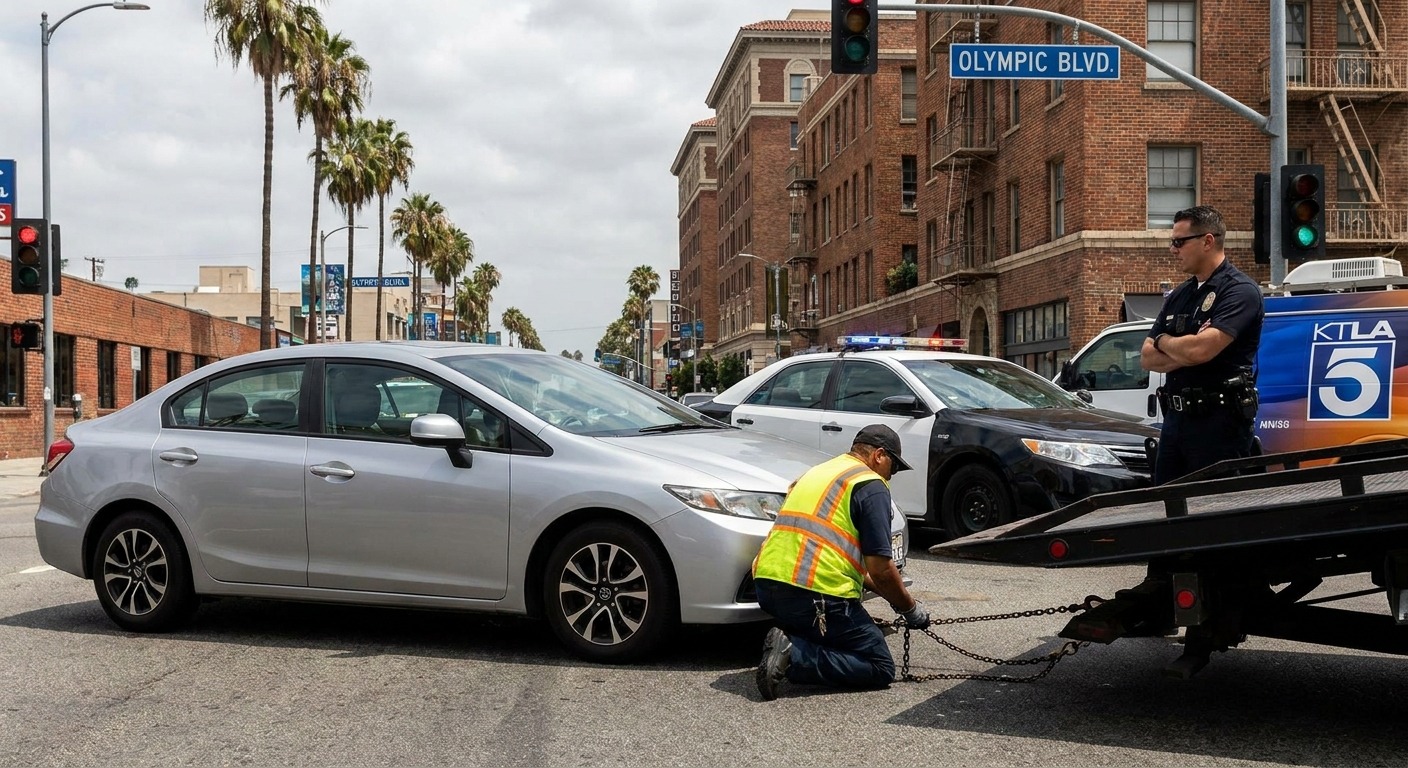
A vehicle disappearing from a parking space can create confusion, particularly when you have no idea whether it was stolen or legally towed. This is one reason many jurisdictions require towing companies to notify local law enforcement when they remove a vehicle without the owner’s consent.
The notification helps authorities maintain accurate records and allows vehicle owners to find their cars without wasting hours searching or reporting a possible theft.
Depending on local regulations, the towing company may need to report the vehicle’s license plate number, identification details, location of removal, and destination storage facility within a specified period.
A potential warning sign appears when you contact the police to report your missing vehicle and discover that no towing record exists. If the company was legally required to notify authorities but failed to do so, it may have violated applicable towing regulations.
For example, imagine returning to an apartment parking area and finding your car missing. You contact local police, provide your license plate number, and learn that no tow has been reported.
Later, you discover that a private towing company removed the vehicle and stored it at a nearby facility. Ask the company when it notified law enforcement and request any available confirmation.
You can also contact the relevant police department to verify whether the vehicle was reported. Keep in mind that notification deadlines and reporting requirements differ by jurisdiction.
A missing police record does not automatically establish an illegal tow, but it deserves attention when reporting was mandatory.
4. Refusal to Release Before Leaving the Scene
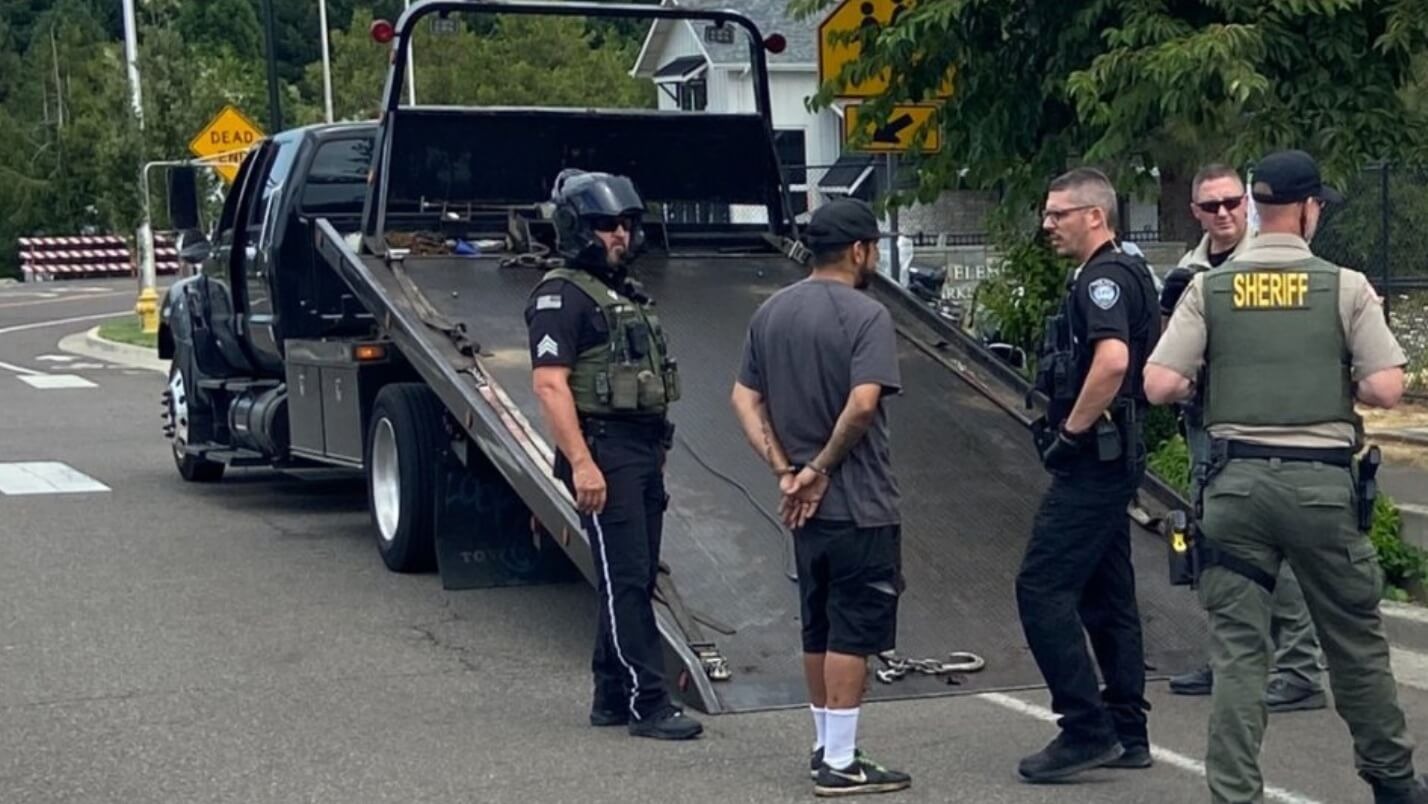
Imagine returning to your parking spot and finding a tow truck operator getting ready to take your vehicle away. Your car is already hooked up to the truck, but the operator has not yet driven off the property. This is a situation every motorist should know how to handle.
Can the operator refuse to release it?
In some jurisdictions, towing regulations require operators to stop the process and release a vehicle when its owner or authorized driver returns before the tow truck leaves the property. The owner may still be required to pay a reasonable hookup or service fee, depending on local law.
An operator who refuses to release the vehicle despite being legally required to do so may be violating towing regulations.
Watch for situations where the driver demands the full towing and storage charges even though the vehicle has not been transported away. Another warning sign is an operator who refuses to disconnect the vehicle simply because the owner questions the charge.
For instance, suppose you arrive while your car is still attached to a tow truck in your apartment parking lot. You identify yourself as the owner and ask the driver to release it, but the operator insists that you must pay the entire towing bill before getting your vehicle back.
Whether that demand is lawful depends on local rules and the stage of the towing process. Some places allow a limited service charge once hookup has occurred.
If this happens, remain calm, record the time, photograph the vehicle’s position, and ask the operator to explain the applicable release policy. These details may help support a complaint later.
5. Unlicensed Operator or Storage Lot
A towing company may have a truck, employees, and a storage facility, but that does not automatically mean it is legally permitted to operate.
Many states and local governments require towing businesses, individual operators, or vehicle storage facilities to obtain licenses, registrations, or permits.
These requirements help ensure that companies meet established standards and follow consumer protection regulations.
If your vehicle was removed by an operator who cannot provide required licensing information, you should investigate before assuming the tow was lawful.
Start by asking for the company’s legal business name, license number, and the address of the storage facility holding your vehicle.
Depending on local requirements, these details may appear on the towing receipt, company paperwork, or facility signage.
You can then check the relevant state or local licensing database to determine whether the business is authorized to provide towing services.
A storage facility also deserves attention. Some jurisdictions require vehicle storage yards to maintain separate permits, meet security standards, and display specific business information.
Imagine arriving at a storage lot to recover your car, only to discover that the business has no visible license information and cannot provide a valid company registration. That situation warrants further investigation.
Remember that licensing requirements vary. A company operating legally in one state may face different rules in another, and not every jurisdiction requires the same type of permit.
If you suspect an unlicensed operation, document the company’s details and contact the appropriate transportation regulator, consumer protection office, or local licensing authority.
6. Excessive or Improper Fees
Getting your vehicle back should not involve paying charges that have no legal basis. Unfortunately, some towing operators take advantage of frustrated vehicle owners by demanding excessive payments, adding unexplained fees, or refusing to release vehicles until disputed amounts are paid.
Towing fees are regulated differently across states and municipalities. Some jurisdictions establish maximum rates for non-consensual towing, storage, administrative charges, or after-hours services. Others require companies to display their rates or provide an itemized receipt.
A warning sign appears when the company cannot explain how it calculated your bill.
For example, your vehicle may have been towed from a private parking lot, but the operator demands an unusually high amount that includes several unexplained administrative charges.
Another company might add multiple daily storage fees without clearly stating when those charges began.
Pay close attention to charges for towing, vehicle storage, equipment use, after-hours release, and administrative services. Ask for an itemized breakdown rather than accepting a single unexplained total.
Also check whether the company refuses payment methods that local law requires it to accept. Some jurisdictions require towing facilities to accept credit cards or other standard payment options.
Keep copies of receipts, payment records, and any written fee schedules. If you believe the company charged more than legally permitted, contact the appropriate local regulator or consumer protection agency.
Paying a disputed fee to recover your vehicle does not necessarily mean you have given up your right to challenge it later. Keep your documentation and ask about the available complaint or refund procedures.

7. Improper Storage or Refusal of Personal Belongings
The towing process does not end when your vehicle reaches a storage facility. Companies may also have legal responsibilities concerning where they store vehicles, how they secure them, and how owners retrieve personal belongings.
One warning sign is when a towing company takes your vehicle to a location that violates applicable distance restrictions or storage requirements.
Some jurisdictions limit how far a vehicle may be transported without the owner’s approval, while others establish specific rules for designated storage facilities.
Ask where your vehicle was taken and compare that location with the rules governing non-consensual towing in your area.
Another concern involves access to personal belongings. Your vehicle may contain work equipment, medication, important documents, clothing, or other items you need urgently.
Some local laws require storage facilities to provide reasonable access to personal property, even when the towing and storage charges remain unpaid.
If employees refuse to let you retrieve essential belongings or demand unrelated payments before allowing access, ask them to identify the regulation supporting that decision.
For example, a storage facility might insist that you pay the entire outstanding balance before collecting a work laptop from your locked vehicle. Depending on local law, that restriction may be improper.
Document any refusal, including the employee’s name, date, time, and explanation. Take photographs of the facility and retain all paperwork provided.
If the company refuses to cooperate, contact local law enforcement, a consumer protection agency, or the relevant towing regulator for guidance.
Your vehicle’s removal does not mean you lose every right associated with it. Check the rules in your jurisdiction and take appropriate steps to challenge any improper storage or release practices.