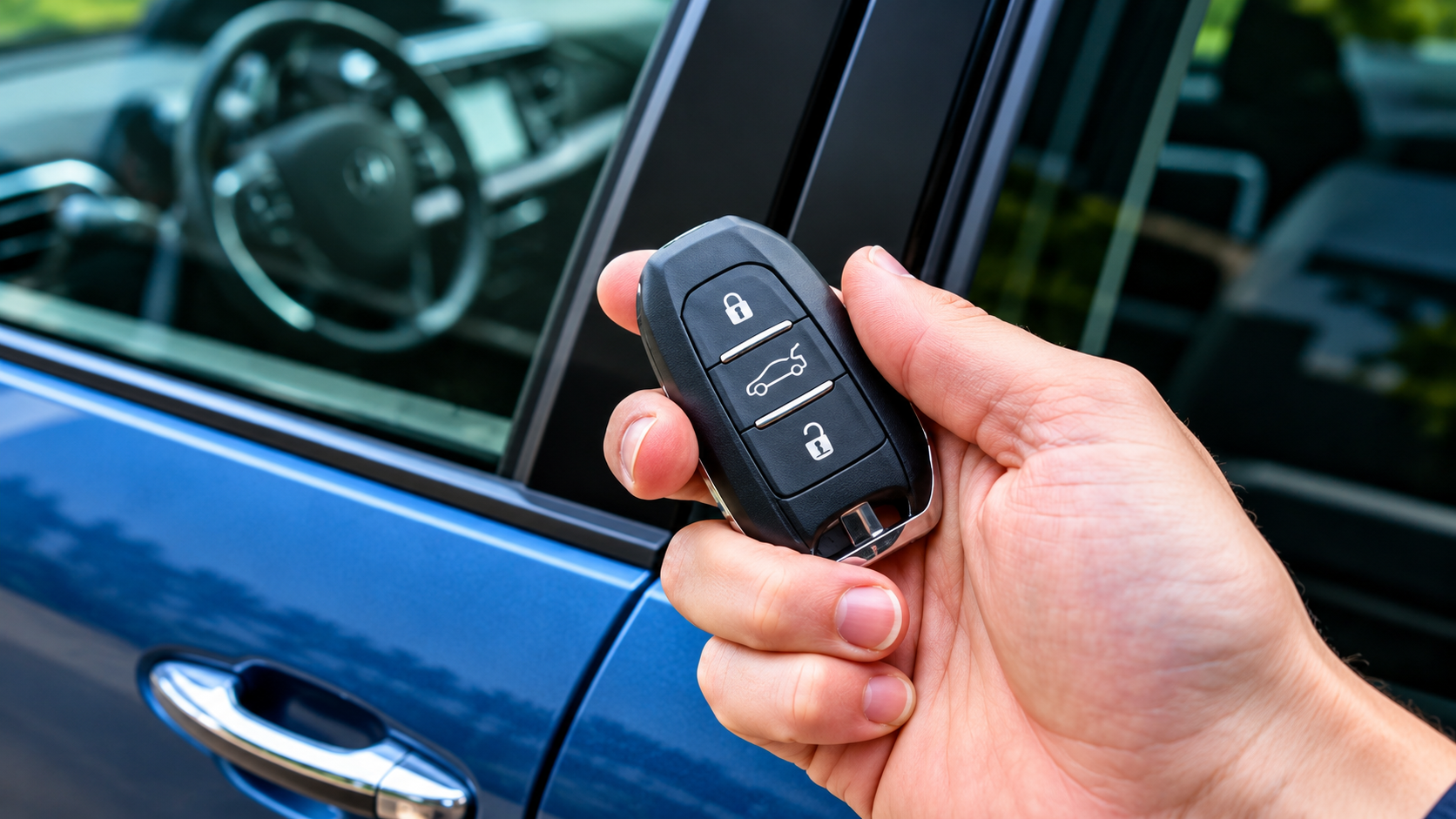
Your car key does much more than unlock the doors and start the engine. That small device sitting in your pocket may contain several useful functions that make everyday driving easier, safer, and more convenient. From opening windows remotely to locating your vehicle in a crowded parking lot, many modern car keys have features that drivers rarely discover.
Some even contain a mechanical backup key that can save the day when the battery dies. The interesting part is that these functions are not always explained clearly when you purchase a vehicle. Learning what your car key can do may help you get more value from your vehicle while avoiding unnecessary frustration. Here are seven hidden features worth checking out.
Your Car Key Can Open All the Windows Remotely
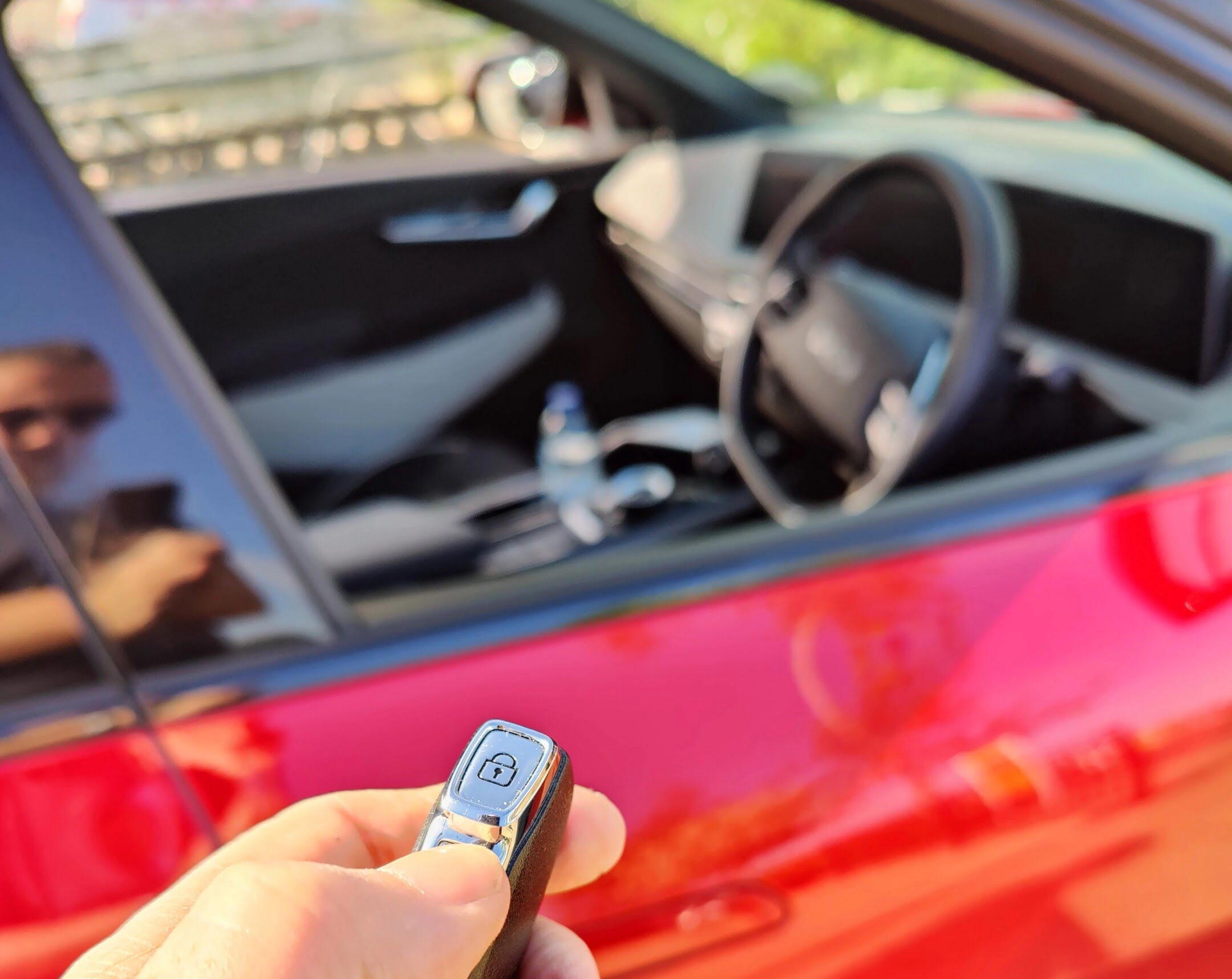
One of the most useful tricks hidden in some car remotes is the ability to lower several windows without entering the vehicle. This feature is especially helpful on hot days when the cabin has been sitting in direct sunlight.
On many compatible vehicles, the process involves pressing the unlock button once, pressing it again within a few seconds, and holding it down. The windows may then begin opening automatically. Certain models also allow the sunroof to open through the same command.
Imagine returning to your parked vehicle on a warm afternoon. Instead of opening the doors immediately and sitting inside a hot cabin, you can release some of the trapped heat before getting in.
Some manufacturers also offer remote window closing, usually through a separate button combination or a vehicle setting. However, this function is not available on every model.
One important risk is that accidentally activating this feature could leave your vehicle’s windows open while it is unattended. This may expose the interior to rain, dust, and potential unauthorized access if you fail to notice the windows are down.
Check your owner’s manual to find out whether your vehicle supports remote window operation and how to activate or disable it. Consumer Reports identifies this as one of the useful functions many drivers overlook.
You Can Start Your Engine Without Entering the Car
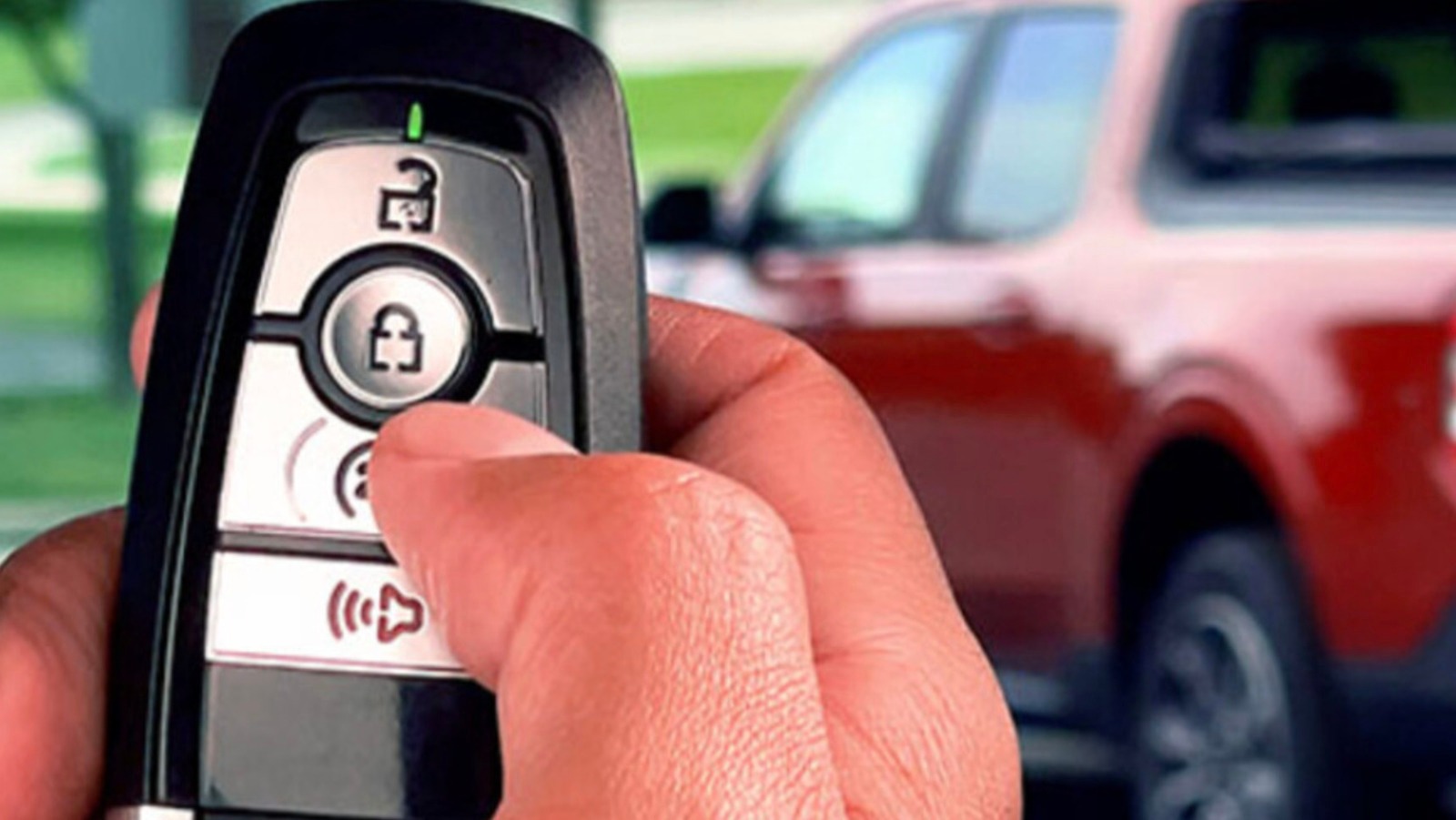
Ever wished your vehicle could start warming up or cooling down before you stepped inside? Some car remotes make that possible through a function called remote start.
Usually identified by a circular arrow symbol, this feature allows drivers to start the engine from a distance. Depending on the vehicle, you may need to press the lock button first and then press the remote-start button. Other manufacturers use a double press or a specific holding sequence.
The convenience becomes obvious during extreme weather. On cold mornings, the cabin may begin warming up before you leave the house. During hot weather, the air-conditioning system may start cooling the interior before you reach the driver’s seat.
Some vehicles also activate previously selected climate settings, heated seats, or other comfort features during remote operation.
Interestingly, not every remote-start system has a dedicated button. Certain BMW models have used a sequence involving three quick presses of the lock button. Some Toyota models also use a repeated lock-button sequence, depending on the vehicle and equipment.
Remember that remote starting should only be used where permitted and in a suitable outdoor location. Never leave a running vehicle in an enclosed garage because exhaust fumes can cause carbon monoxide poisoning.
Check the manufacturer’s instructions before attempting any button combination.
There Is a Physical Emergency Key Hidden Inside the Remote
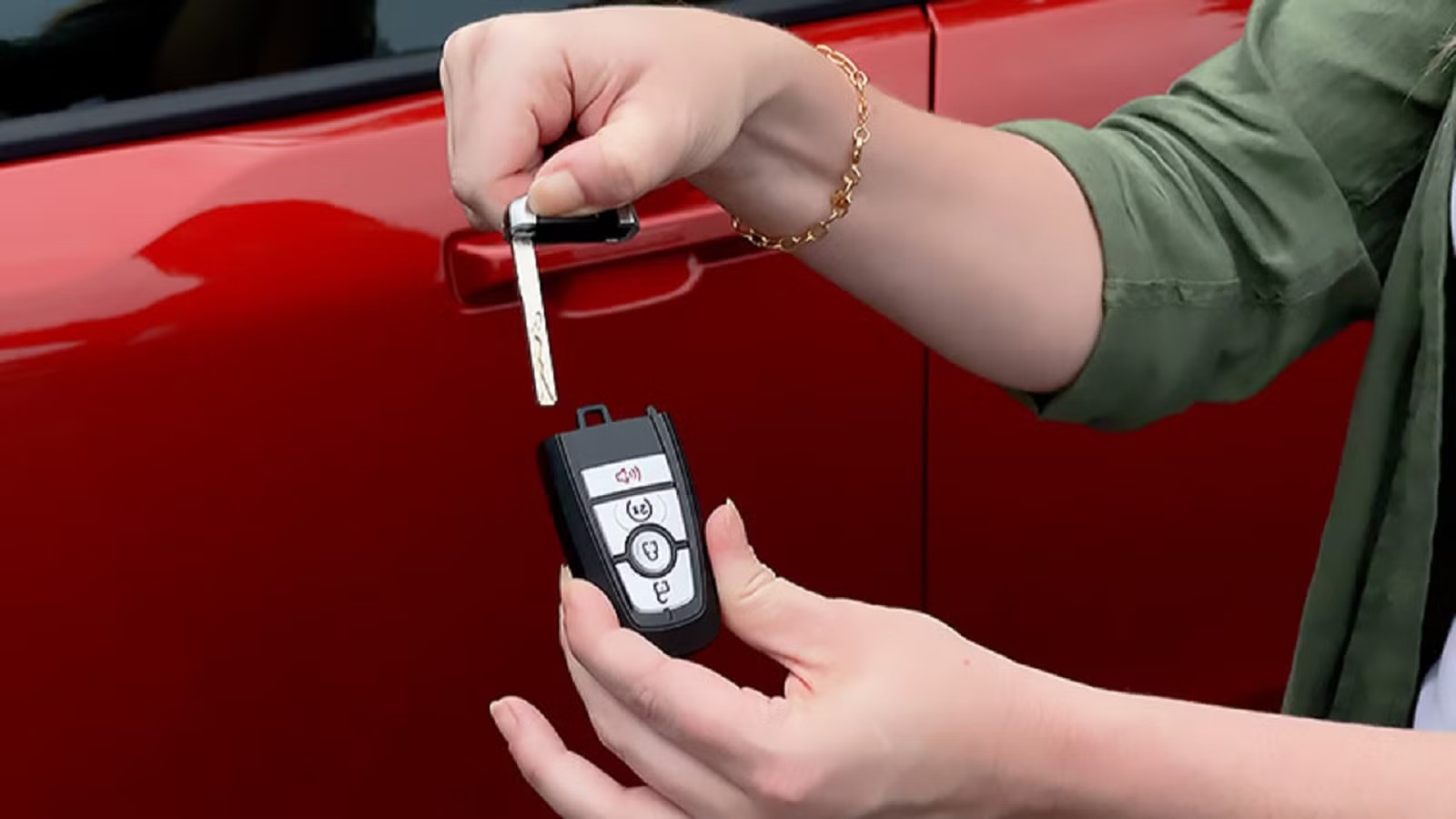
Many push-button-start vehicle owners may not know that their electronic key fob also contains a hidden metal key that can be used to unlock the doors manually.
Although modern vehicles rely heavily on electronic access, manufacturers often include a removable mechanical blade as a backup. It is usually concealed inside the plastic remote housing and can be released by pressing a small button, sliding a latch, or moving a retaining switch.
Why does this matter? Electronic systems can fail, remote batteries can run out, and vehicle batteries can become completely drained. When that happens, the mechanical backup may allow you to unlock the driver’s door without relying on the remote’s wireless signal.
Finding the actual lock can require a little extra effort. Some vehicles have an exposed lock cylinder, while others hide it beneath a small plastic cover near the exterior door handle.
The procedure for removing the cover also varies, so avoid forcing it with a sharp object that could damage the paint or surrounding trim.
It is worth checking your remote today rather than waiting until an emergency occurs. Find the release mechanism, remove the metal blade, and learn where it fits on your vehicle.
Consumer Reports highlights this built-in mechanical backup as an important feature that owners of modern push-button-start vehicles should understand.
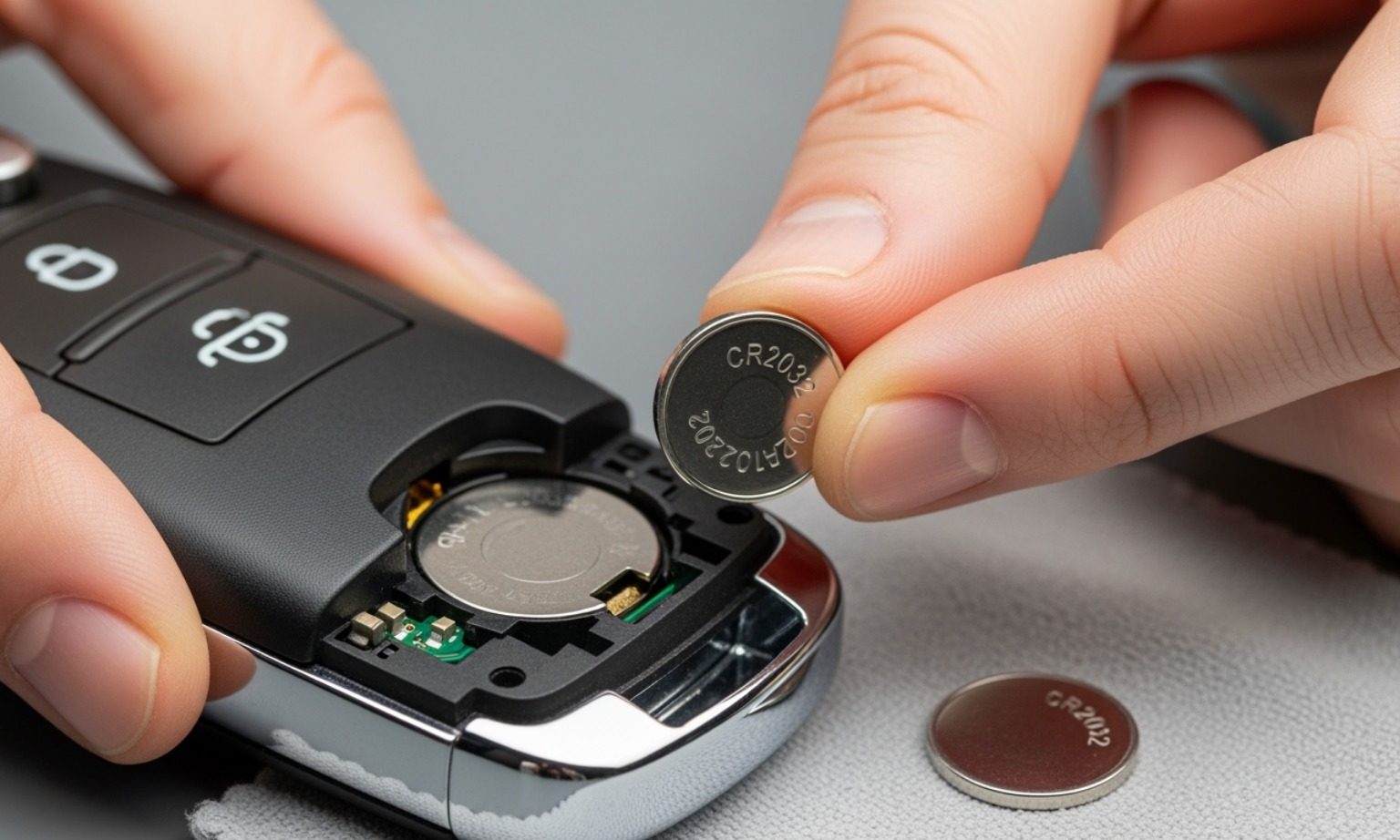
You May Still Start Your Car When the Remote Battery Dies
A dead remote battery does not always mean you are stranded. Many modern vehicles have an emergency starting procedure designed to recognize the remote even when its battery can no longer transmit a normal signal.
This works because certain vehicles use near-field communication (NFC) or another close-range identification system. Instead of relying on the remote’s usual wireless signal, the vehicle detects its identification chip when it is placed near a designated location.
Depending on the manufacturer, you may need to hold the remote against the engine start button, place it near the steering column, or position it inside a specific area of the center console.
Once the vehicle recognizes the device, you can follow the normal starting procedure.
This small feature can save considerable frustration when your remote suddenly stops responding. It also means you may not need to call roadside assistance simply because the remote battery has failed.
However, the emergency detection point is different for different vehicles. Some manufacturers provide a specific symbol or marked location to show where the remote should be placed.
Keep in mind that this procedure does not fix a completely discharged vehicle battery. It only provides an alternative way for the car to recognize an otherwise valid remote.
Read the emergency starting instructions in your owner’s manual and remember the correct location. Knowing this procedure beforehand can make an unexpected battery problem much easier to handle.
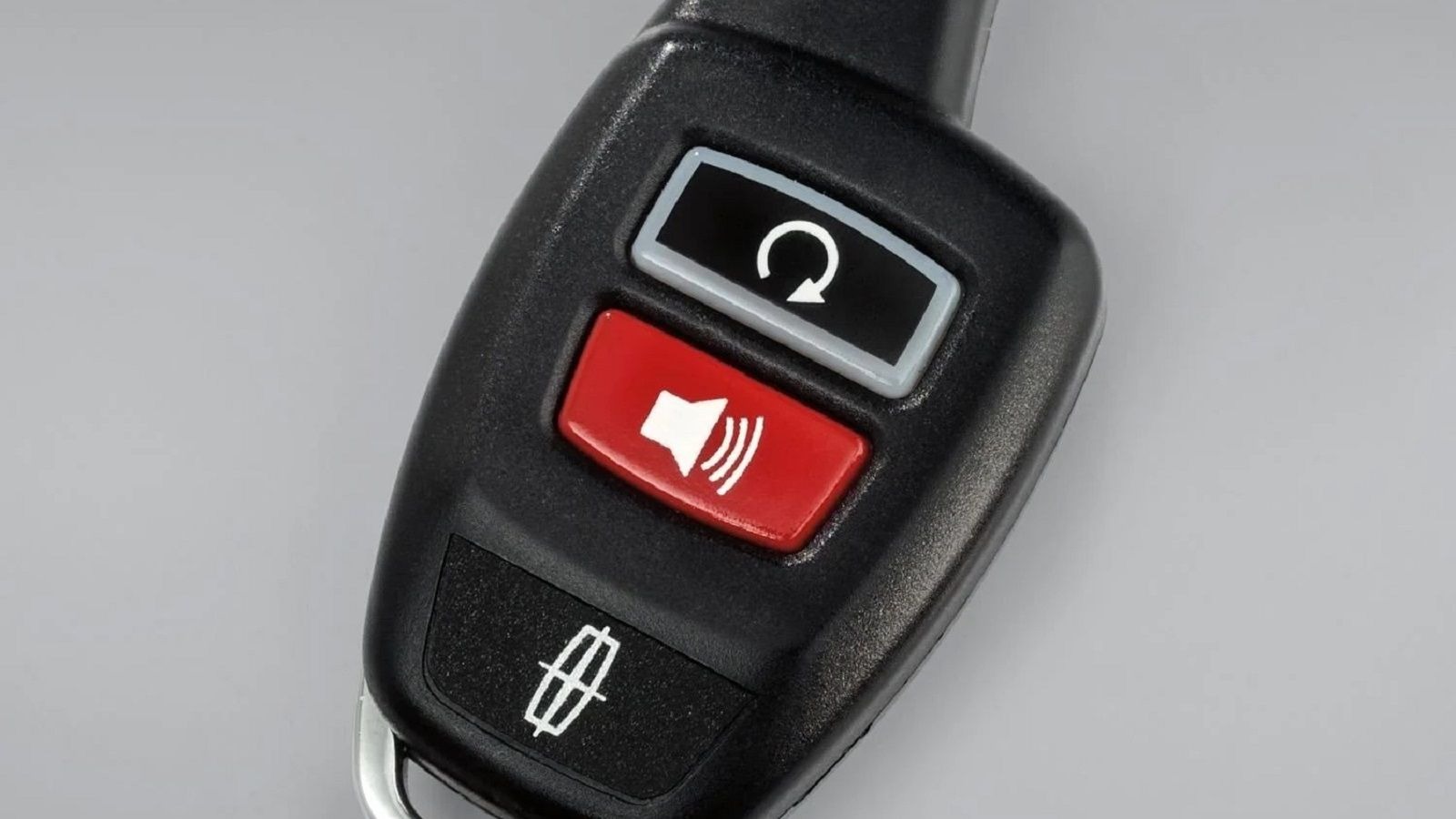
The Panic Button Can Help You Find Your Car or Attract Attention
That small button displaying a horn or alarm symbol has a purpose beyond making a loud noise. It activates the vehicle’s panic alarm, which can help attract attention during an emergency.
Activating the system usually triggers the horn and causes the exterior lights to flash. While the exact response varies by model, its main purpose is to draw attention to the vehicle and make it easier for nearby people to notice.
Consider returning to a large shopping center parking lot after sunset. Rows of similar vehicles can make it difficult to remember exactly where you parked. Activating the panic alarm may help you identify your car through its flashing lights and audible signal.
The same function can be useful if you feel threatened while approaching your vehicle. A loud alarm may draw attention from nearby people and discourage unwanted attention.
However, this button should be used responsibly. Accidentally pressing it inside a pocket or handbag can create an embarrassing disturbance, particularly in a quiet residential area.
Most vehicles allow you to deactivate the alarm by pressing the panic button again or using another designated remote button. Check your manual for the correct method.
It is also worth learning the difference between the panic function and a vehicle locator feature. Some cars provide separate commands for these purposes, while others use the same lights-and-horn response.
A little familiarity with this button can make it much more useful when you actually need it.
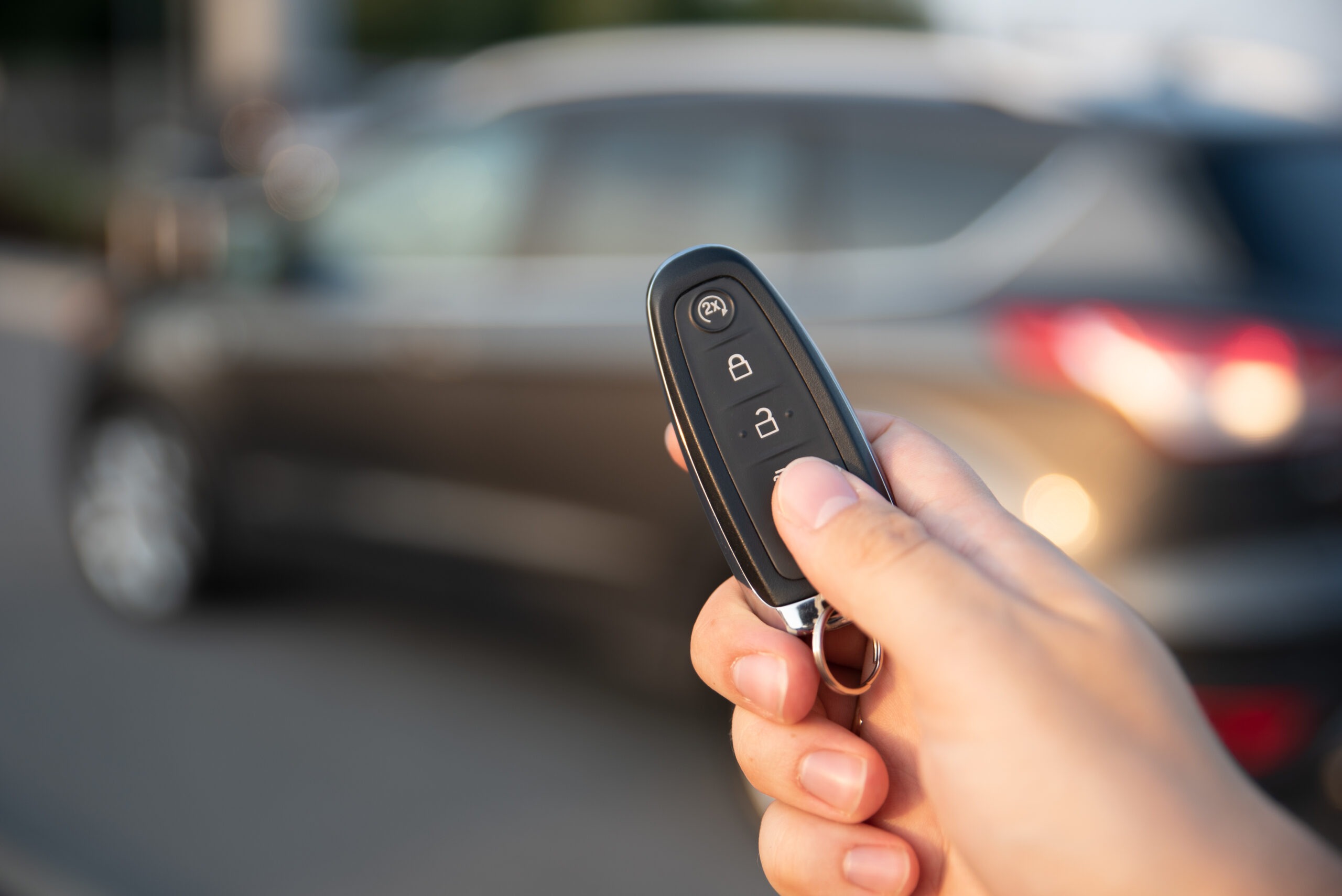
Your Remote May Control the Trunk, Side Mirrors, and Parking
Some car remotes offer more control over the vehicle than drivers expect. Beyond locking doors, certain models allow owners to operate the power trunk, fold exterior mirrors, and even move the vehicle into or out of a tight parking space.
Start with the trunk button. Depending on the vehicle, pressing it once may release the latch, while holding it down may activate a powered liftgate. Some vehicles also allow the liftgate to close remotely, making it easier to manage groceries, luggage, or other items when your hands are occupied.
Side-mirror folding is another useful convenience. Certain Chevrolet and GMC pickups, for example, allow drivers to fold their mirrors by holding the lock button for a specified period. This can help protect large mirrors when parking in narrow spaces.
Then there is remote parking assistance. Selected vehicles from manufacturers such as Hyundai and Tesla offer systems that allow the driver to control limited forward or backward movement using the remote. This can help when a vehicle is parked in a particularly tight space.
Naturally, these systems have restrictions. Drivers must follow the manufacturer’s instructions, monitor the vehicle’s surroundings, and remain ready to stop the movement when necessary.
Not every vehicle has these functions, and some require optional equipment. Still, checking your remote’s symbols and your owner’s manual could reveal useful controls you have never tried.
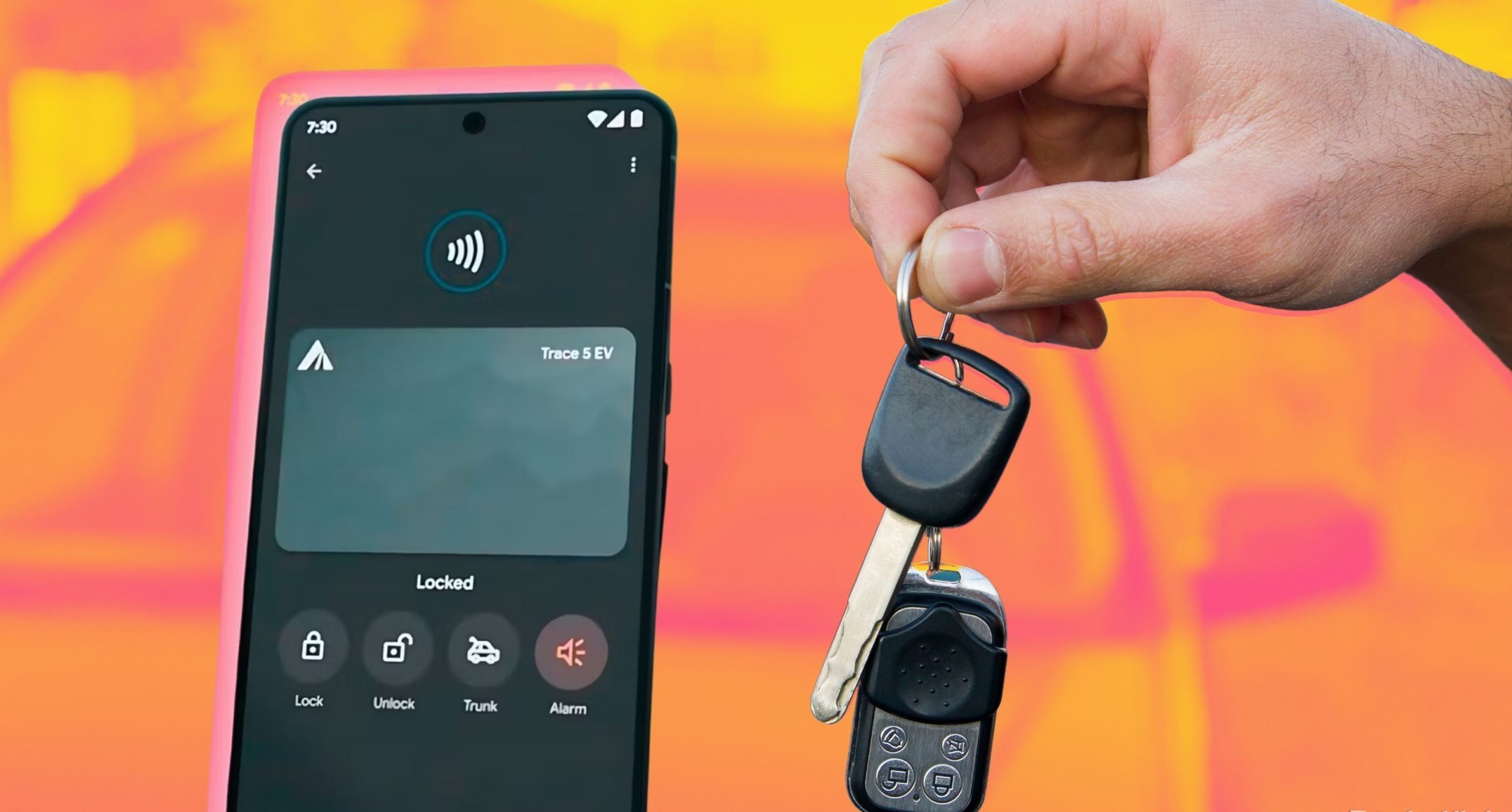
Your Car Remote May Remember Your Personal Settings
Sharing a vehicle with another driver can sometimes be inconvenient. One person prefers the seat closer to the steering wheel, while another needs more legroom. Mirrors, driving preferences, and other settings may also need constant adjustment.
Fortunately, certain modern vehicles offer personalized driver profiles linked to individual remotes.
The system works by identifying the driver’s assigned key fob and automatically restoring their saved settings. Depending on the vehicle’s make and available features, these may include seat positioning, side-mirror angles, steering-wheel adjustments, and infotainment preferences.
For households with multiple drivers, this can make getting behind the wheel much easier. Rather than adjusting everything manually each time someone uses the vehicle, the car can restore the appropriate profile automatically.
Some manufacturers also allow individual remotes to have different access permissions. For example, selected vehicles offer settings that restrict certain functions or limit vehicle speed when a younger driver is using an assigned remote.
However, these capabilities depend on the vehicle’s equipment, software, and manufacturer settings. You may need to activate driver recognition or connect each remote to a particular profile before the functions become available.
Consumer Reports explains that personalized remote settings can be particularly useful in households where several people share one vehicle.