
Buying a used car involves more than checking its mileage, service history, and mechanical condition. A vehicle can look clean, drive perfectly, and still carry an unpaid loan or other legal claim against its title.
This is known as a lien, and it can create serious problems for a buyer if the debt has not been settled and the lien properly released.
In the United States, title records, lender documents, and vehicle-history checks can help uncover these issues before money changes hands. Here are nine warning signs to watch for when purchasing a used vehicle.
1. The Title Still Lists a Bank or Finance Company as Lienholder
One of the clearest warning signs is a lienholder’s name printed on the vehicle’s certificate of title. If a bank, credit union, or finance company appears in the lienholder section, it generally means that the lender has a recorded security interest in the vehicle.
The seller may be making regular payments, may have recently paid off the loan, or may be trying to sell the car before clearing the debt. Those situations are not legally identical, so the buyer needs to establish the exact status before proceeding.
A vehicle loan commonly uses the car as collateral. Until the debt is satisfied and the lien is released according to the state’s procedures, the lender retains an interest in the vehicle. Virginia DMV, for example, explains that a lender’s lien is recorded on the title and that the title is released after the lender reports the debt as satisfied.
Do not assume that an old date beside the lienholder’s name means the claim has expired. Nor should you accept the seller’s verbal assurance that the loan was paid months ago.
Ask for a formal lien-release document or confirmation directly from the lender, then verify that the state title record reflects the release. Requirements differ by state, and some states use electronic lien systems rather than paper titles.
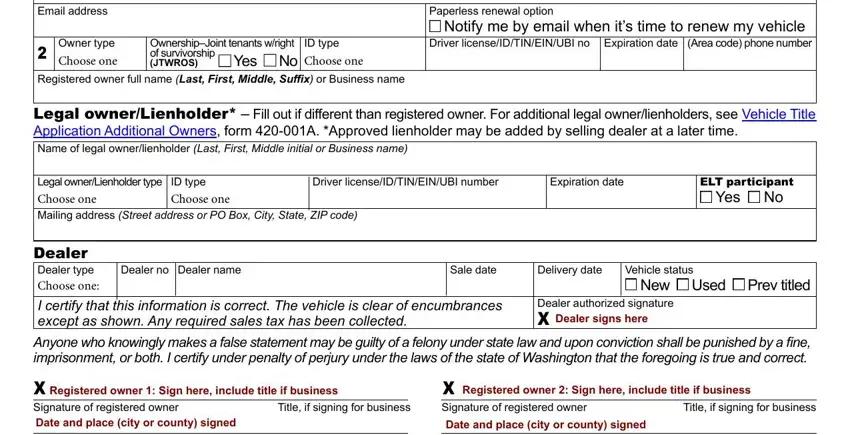
A seller can still complete a legitimate sale when a loan remains, but the payoff and title transfer need to be handled correctly. If the lienholder is still listed and nobody can explain how the debt will be cleared, treat the transaction as unfinished.
Paying the seller in full without a documented payoff arrangement could leave you with a vehicle you cannot title free of the existing claim.
2. The Seller Says the Bank Is Holding the Title
A seller who cannot produce the physical title may have a reasonable explanation: the lender could still be holding it because the vehicle has an outstanding loan.
In many states, electronic lien and title systems also mean there may be no paper title available for the owner to show. The explanation itself is not proof of fraud, but it is a reason to slow down and verify the transaction before handing over money.
Virginia’s electronic lien program, for example, allows the DMV and participating lenders to exchange title information electronically. The title is not printed and released to the owner until the lienholder reports that the loan has been satisfied.
California also operates an Electronic Lien and Title program in which a lender sends a lien-satisfaction notification before the title is issued or transferred.
The important question is not simply where the title is. It is whether the lender has confirmed the outstanding payoff and agreed to release its interest when the required amount is received. Ask the seller to arrange a three-way conversation with the lender or visit the lender together.
Obtain a current payoff statement identifying the account, vehicle, payoff amount, and expiration date. Confirm the lender’s official payment instructions independently, rather than relying only on details supplied by the seller.
Be especially cautious if the seller insists that you pay the full purchase price directly to them while promising to settle the loan later. That arrangement leaves you dependent on the seller’s actions after the money has changed hands.
A safer transaction routes the required payoff to the lender and documents how any remaining sale proceeds will be paid to the seller. Follow the title-transfer procedure required by the state where the vehicle will be registered.
3. The Lien Release Letter Is Missing Key Information
A seller may produce a document claiming that the vehicle loan has been paid, but the existence of a letter does not automatically prove that the lien was properly released.
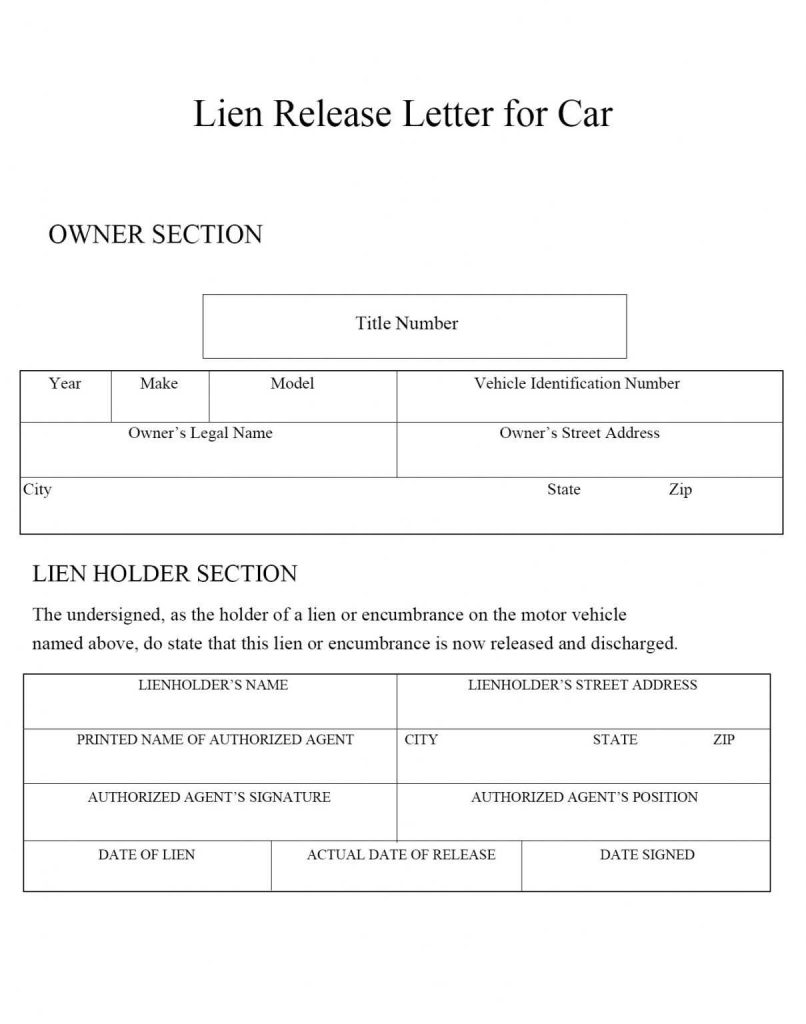
The details matter. A legitimate lien-release document should identify the correct borrower and vehicle, clearly state that the lender’s security interest has been satisfied, and contain the required authorization from the lienholder.
Indiana’s Bureau of Motor Vehicles provides a useful example of the information a formal release should contain.
Its requirements include the titled owner’s name, the date the lien was released, the vehicle’s year, make, and vehicle identification number (VIN), plus the signature and position of an authorized representative of the lending institution. Indiana also accepts an electronic release when the title is electronic.
That makes missing or inconsistent details a warning sign. A letter that does not include the VIN, names a different owner, or fails to identify the financial institution should not be accepted without further verification.
The same applies to a document that appears altered, contains conflicting dates, or uses contact information that cannot be independently confirmed.
State rules are not identical. New York, for instance, describes a lien-release letter on the lender’s stationery as one acceptable form of proof, but its requirements for removing a lien from a New York title include submitting the original release and title documents.
Before paying, contact the lender using a phone number from its official website, not just the number printed on the seller’s paperwork. Ask whether the loan has been satisfied and whether the release applies to that exact VIN. If the lender cannot confirm it, postpone the purchase until the title record is corrected.
4. The VIN on the Lien Paperwork Does Not Match the Vehicle
A lien release is only useful if it belongs to the vehicle being sold. That is why comparing the VIN on the title, release letter, loan payoff statement, and vehicle itself is essential. A single incorrect character can point to a clerical error, paperwork from another vehicle, or a more serious attempt to make an outstanding lien appear settled.
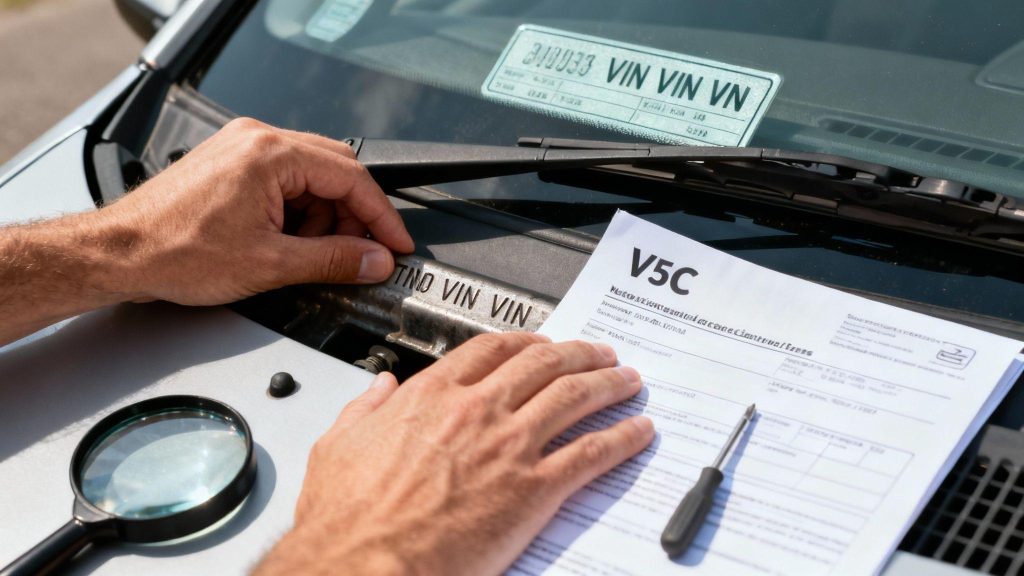
The VIN is the vehicle’s unique identifying code. Check the number visible through the windshield against the VIN printed on the driver’s-side door-jamb label and the title documents. These locations should agree.
Then compare that same number with every lender document. Do not accept an explanation that the paperwork belongs to a similar vehicle or that the mismatch is unimportant.
Federal vehicle-history resources can provide another layer of checking. The U.S. Department of Justice’s National Motor Vehicle Title Information System (NMVTIS) gives consumers access to title information, title-brand history, reported odometer readings, and certain theft-related information.
Its system is also used by states to help verify title documents and information such as lienholder status. However, a consumer NMVTIS report is not a substitute for direct confirmation from the state motor vehicle agency or lender.
If the VIN differs between the car and a lien-release document, stop the transaction until the discrepancy is resolved through official records. Ask the seller to obtain corrected paperwork directly from the lender and verify the updated title with the state agency.
Never rely on a handwritten correction or a promise to fix the paperwork after the sale. A mismatch involving the vehicle’s identity can affect whether ownership is transferred cleanly.
When a vehicle still has an outstanding loan, the lender is an important part of the sale. A seller who refuses to let you verify the payoff amount, confirm the account status, or speak with the financial institution is creating an unnecessary obstacle.
There may be a legitimate reason for wanting to protect personal financial information, but that does not prevent the seller from arranging a limited verification with the lender.
A proper payoff process should establish how much remains due, when that amount must be paid, and what the lender will do after receiving the funds.
The payoff figure can differ from the balance shown on a regular monthly statement because it may include interest accumulated through a specific date and other applicable charges. The buyer should not guess the amount or rely on a figure supplied verbally by the seller.
A practical solution is to arrange a joint call with the lender or visit a branch together. The seller can authorize the lender to discuss the vehicle’s payoff and lien-release procedure without unnecessarily disclosing unrelated account information.
If the lender requires written authorization, the seller should provide it. You can also ask the lender to explain whether payment must be made directly to it and how the title will be released.
The risk of skipping this step is significant. New York DMV warns that when a lien remains unpaid and the buyer does not receive proof of its release, the lienholder could repossess the vehicle.
If the seller repeatedly refuses reasonable verification, do not hand over a deposit or purchase payment. A genuine seller with a legitimate outstanding loan should be willing to follow a documented process that protects both parties.
6. The Seller’s Name Does Not Match the Name on the Title
A mismatch between the seller’s identification and the name printed on the vehicle title deserves immediate attention. It does not automatically prove that the car has a hidden lien, but it can indicate that the person offering the vehicle does not have the authority to complete the sale.
The situation becomes more concerning when the seller claims to be handling the transaction for a relative, friend, or previous owner but cannot provide the necessary legal documents.
A vehicle title identifies its legal owner and may also show a recorded lienholder. Michigan’s Secretary of State advises buyers purchasing from an individual to confirm that the owner named on the title is the same person signing it over. It also recommends checking the title for liens and ensuring that any listed lien is released by the lender.
There are legitimate exceptions. A seller may be acting under a valid power of attorney, or the vehicle may be part of an estate or business transaction. However, the relevant documents must satisfy the requirements of the state handling the transfer.
A simple handwritten authorization or a photograph of someone else’s identification is not a substitute for legally accepted ownership-transfer paperwork.
This mismatch can also hide a complicated loan situation. For example, the person selling the vehicle may not be the borrower who originally financed it. Without cooperation from the titled owner and lender, you may struggle to establish the payoff, obtain a lien release, or transfer ownership.
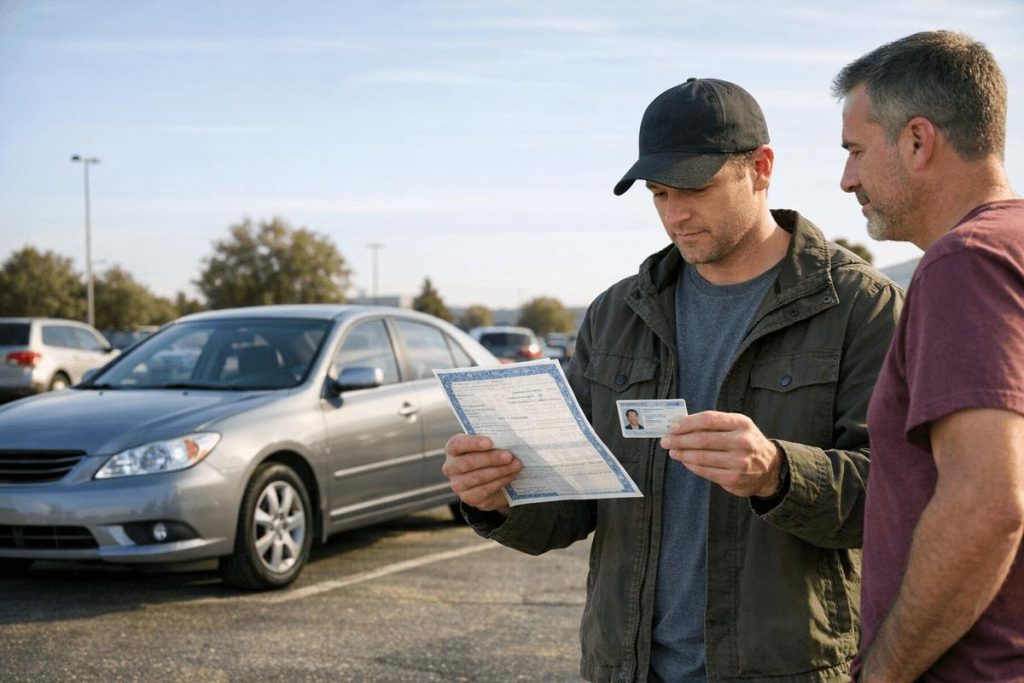
Compare the seller’s government-issued identification with the title before paying. If the names differ, ask the seller to explain the relationship and provide the required legal authorization. When the explanation cannot be verified, walk away rather than attempting to resolve ownership problems after the purchase.
7. A Vehicle History Report Shows an Unresolved Lien or Conflicting Title Records
A vehicle history report can reveal information that is not obvious from the car or the paperwork presented by the seller.
If a report identifies an active lien, a previous lienholder, or conflicting title information, do not dismiss it as an outdated database entry. It may indicate that the vehicle’s ownership records have not been updated after a loan was paid off.
One useful resource is the National Motor Vehicle Title Information System (NMVTIS), a federal database operated by the U.S. Department of Justice. Its consumer reports can include title information, title brands, reported odometer readings, and certain theft-related records. NMVTIS also helps states verify title documents and information such as lienholder status.
There is an important limitation, however: a clean report does not guarantee that a vehicle has no outstanding lien. Information availability depends on the records supplied to the system, and a report may not show every recent transaction or every type of claim.
Commercial vehicle-history services can also differ in the information they receive. Treat a report as a screening tool, not as final legal confirmation.
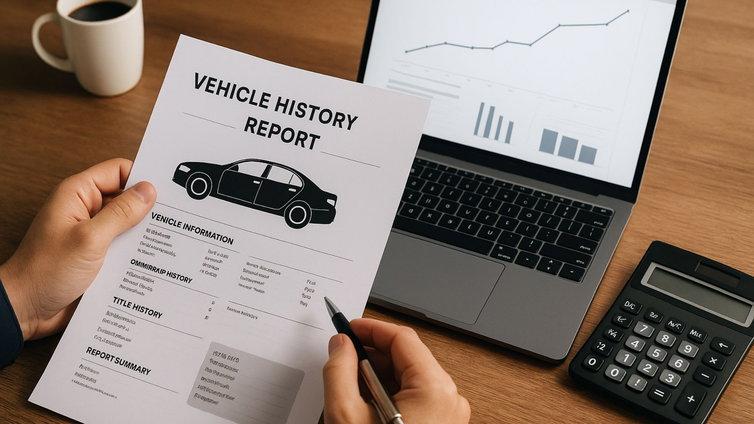
If the report names a lender that does not appear on the current title, ask the seller for documentation explaining the difference. Contact the lender independently and request confirmation that its security interest has been released. You can also ask the relevant state motor vehicle agency to verify the current title record using the VIN.
Pay particular attention when the seller says the report is wrong but refuses to help resolve the discrepancy. A genuine record error should be corrected through the lender or state agency, not simply ignored. Complete the purchase only after the title status is independently verified.
8. The Seller Offers a Bill of Sale but Cannot Provide a Proper Title
A bill of sale records the details of a transaction, but it does not automatically establish that the seller can transfer clear ownership. If someone offers you a vehicle with only a handwritten receipt and no valid title, you need to understand why the title is unavailable before considering the purchase.
An outstanding loan is one possible explanation, particularly if the lender still controls the title or the state’s electronic title system has not recorded the lien release.
State requirements vary, but official guidance makes clear that a bill of sale is not a universal replacement for a transferable title.
New York DMV instructs buyers to check the title for lienholders and obtain proof of release before accepting the vehicle. Michigan similarly advises private-party buyers to confirm that the titled owner is the person signing over the vehicle and that any recorded lien has been released.
There are legitimate situations in which a paper title may not be available. The title could be electronic, a lender may still be processing a release, or the seller may need to obtain a duplicate title.
But each situation requires the correct procedure through the lender and state motor vehicle agency. A seller should be able to explain the process and provide verifiable documentation.
Be particularly cautious if the seller suggests that you take the car now and receive the title weeks later without a formal arrangement.
You could end up paying for a vehicle that cannot be registered in your name. Before proceeding, confirm what documents your state requires, verify the lien status, and make sure the title transfer can be completed.
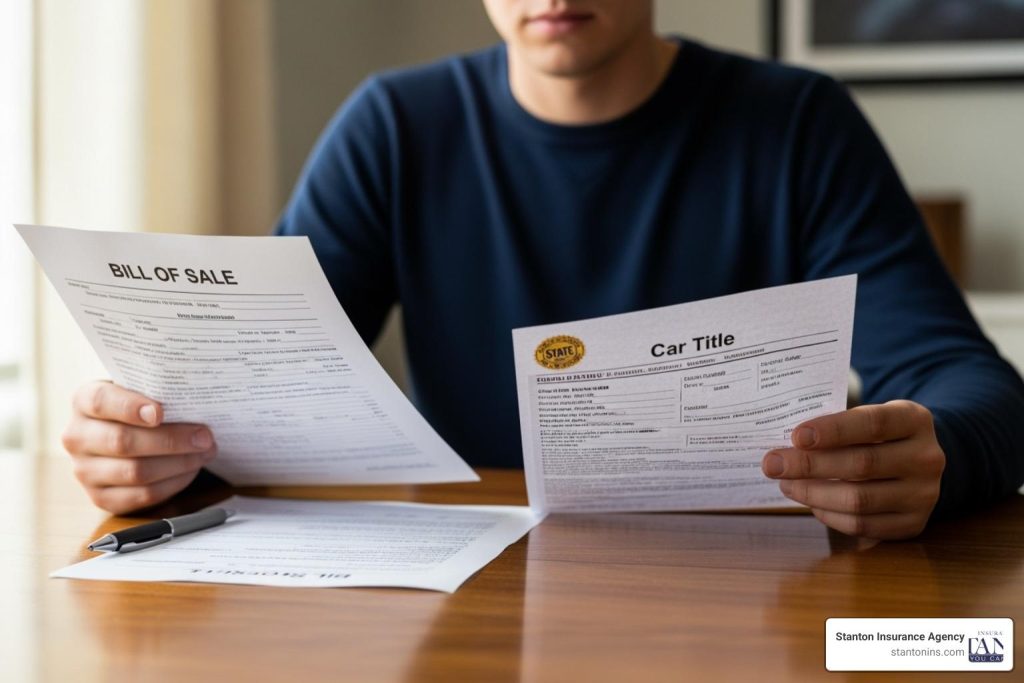
A low asking price does not compensate for uncertain ownership. If the seller cannot produce a valid title or demonstrate an official route to obtaining one, do not complete the transaction.
9. The Vehicle Has Unpaid Repair or Storage Charges
Not every vehicle lien comes from a bank or credit union. In some states, a repair business or storage facility may have a legal claim against a vehicle when the owner fails to pay qualifying charges.
These claims are commonly known as mechanic’s liens or storage liens. They can complicate a sale even when the seller insists that the original auto loan has been paid off.
New Mexico’s Motor Vehicle Division explains that a repair business may claim a mechanic’s lien when an owner fails to collect a vehicle and pay authorized repair charges within a reasonable period.
It also recognizes storage liens when an owner does not retrieve a vehicle or pay qualifying storage fees. The state has a formal process governing how such claims may be handled and how a vehicle can be titled through that process.
This is why a buyer should ask whether the vehicle has recently been held at a repair shop, towing facility, or storage yard because of unpaid bills.
A seller who mentions a dispute with a repair business but cannot provide a paid invoice or release deserves additional scrutiny. The issue may not appear in a conventional auto-loan payoff statement because the claim is not necessarily held by a financial institution.

Ask for recent repair and towing invoices, receipts showing payment, and any applicable lien-release documentation. Then check with the motor vehicle agency in the state where the vehicle is titled to determine whether a lien has been recorded and what records are available.
Do not assume that an invoice marked as paid is sufficient if the state requires a separate release or title-record update.
A legitimate repair or storage claim should have a documented resolution before the sale. If the seller expects you to take responsibility for an unpaid dispute, or refuses to identify the business involved, walk away until the claim is cleared and the vehicle’s title status is confirmed.