
A vehicle’s braking system is one of its most important safety components, but manufacturing and software defects can sometimes compromise its ability to slow down or stop.
From hydraulic brake lines that develop leaks to improperly secured pedal connections and software errors that interfere with braking, these problems can create dangerous situations for drivers. U.S. automakers have issued several safety recalls addressing defects that can reduce braking performance or cause a complete loss of braking function.
Understanding the actual reason behind each recall, how the defect develops, and what manufacturers are doing to correct it can help drivers recognize serious safety concerns.
1. Software Errors That Can Cause a Complete Loss of Braking
Software-controlled braking systems can create serious safety concerns when an error interferes with how a vehicle manages regenerative braking and conventional braking.
In one particularly concerning U.S. recall, a software problem could cause affected vehicles to completely lose their ability to brake while traveling downhill under specific operating conditions.
The National Highway Traffic Safety Administration (NHTSA) issued an urgent warning on July 17, 2025, concerning recall 25V-392, which covered 11,469 vehicles. The defect was associated with software introduced through an earlier over-the-air update intended to address a rearview camera issue.
Under certain conditions, if a vehicle coasted downhill for at least 1 minute and 40 seconds without the driver applying the brake pedal while regenerative braking was active, the vehicle could experience a complete loss of braking capability.
This defect was particularly dangerous because drivers could encounter a steep descent without the expected ability to slow the vehicle using the braking system. NHTSA reported that a serious incident had already occurred and urged affected owners to address the recall immediately.

The manufacturer’s instructions included temporarily disabling regenerative braking features, including one-pedal driving where applicable, and completing the prescribed software remedy. Owners were also advised not to drive affected vehicles until the repair was performed.
Why this recall matters: It demonstrates that braking safety depends on more than physical components. Software controlling vehicle functions can also introduce serious stopping risks.
What owners should do: Check the VIN through the official NHTSA Volvo brake failure warning and follow the manufacturer’s stop, drive, and repair instructions.
2. Brake Hoses That Develop Cracks and Leak Hydraulic Fluid
Hydraulic brake hoses carry pressurized brake fluid between rigid brake lines and moving components near the wheels. Because they operate under repeated pressure changes and suspension movement, their construction must withstand considerable mechanical stress.
If a hose develops cracks, brake fluid can escape, reducing hydraulic pressure and compromising the vehicle’s ability to stop.
This was the reason behind NHTSA recall 24V-455, announced in June 2024. Porsche identified a defect involving front brake hoses that could develop cracks around their tightest bending points.
Under certain steering and driving conditions, compression of the hoses could place excessive stress on the material, potentially damaging the internal fabric layer and allowing brake fluid to leak. The campaign covered 31,689 potentially affected vehicles in the United States.
A hydraulic leak can produce several warning signs. Drivers may notice an unusually soft brake pedal, increased pedal travel, a low brake-fluid warning, or reduced braking performance. If fluid loss becomes severe, the braking system may no longer provide its intended stopping capability.
The manufacturer prescribed replacing both front brake hoses with improved components through authorized dealerships. The repair was provided without charge to affected owners.
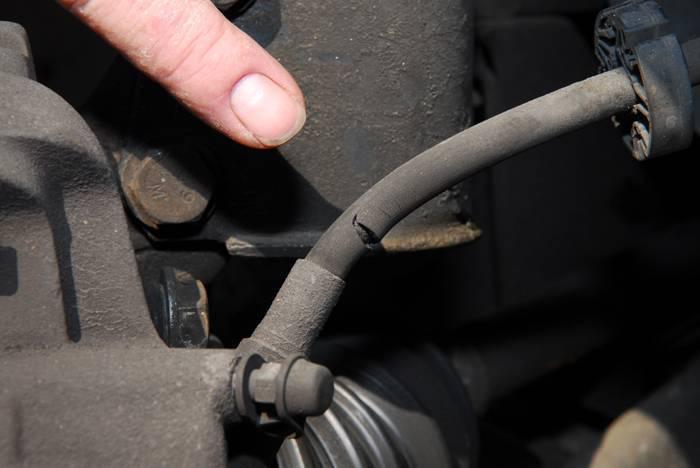
Why this recall matters: A brake hose may appear to be a relatively small component, but damage can affect the hydraulic pressure needed for effective braking. Continuing to drive with a suspected fluid leak can create an extremely dangerous situation.
What owners should do: Check for outstanding recall eligibility using the VIN and arrange the prescribed hose replacement. If the brake pedal becomes soft or fluid leakage is visible, stop driving and have the vehicle transported for professional inspection.
3. Brake Lines That Rub Against Nearby Components and Leak
A brake line does not need to break completely to create a serious stopping problem. Even repeated contact with another component can wear through its protective surface, eventually allowing hydraulic fluid to escape.
Once fluid pressure drops, the driver may experience a longer brake-pedal travel, reduced braking force, or a warning light. If enough fluid is lost, the vehicle may become significantly harder to stop.
Ford addressed this type of defect in a May 2025 safety recall, NHTSA campaign 25V-314. The issue involved a front brake line that could contact an air-cleaner outlet pipe. Continued contact could damage the line and cause a brake-fluid leak.
Ford’s recall documentation identified 273,585 potentially affected vehicles in the United States. The manufacturer warned that a leak could increase pedal travel and reduce deceleration, while rapid fluid loss could further compromise braking performance.
The problem illustrates why brake-line routing matters as much as the strength of the line itself. These pipes are designed to carry pressurized fluid through a vehicle while remaining clear of moving parts, sharp edges, and surrounding components. If a line is positioned too close to another part, normal vibration and movement can gradually cause damage.
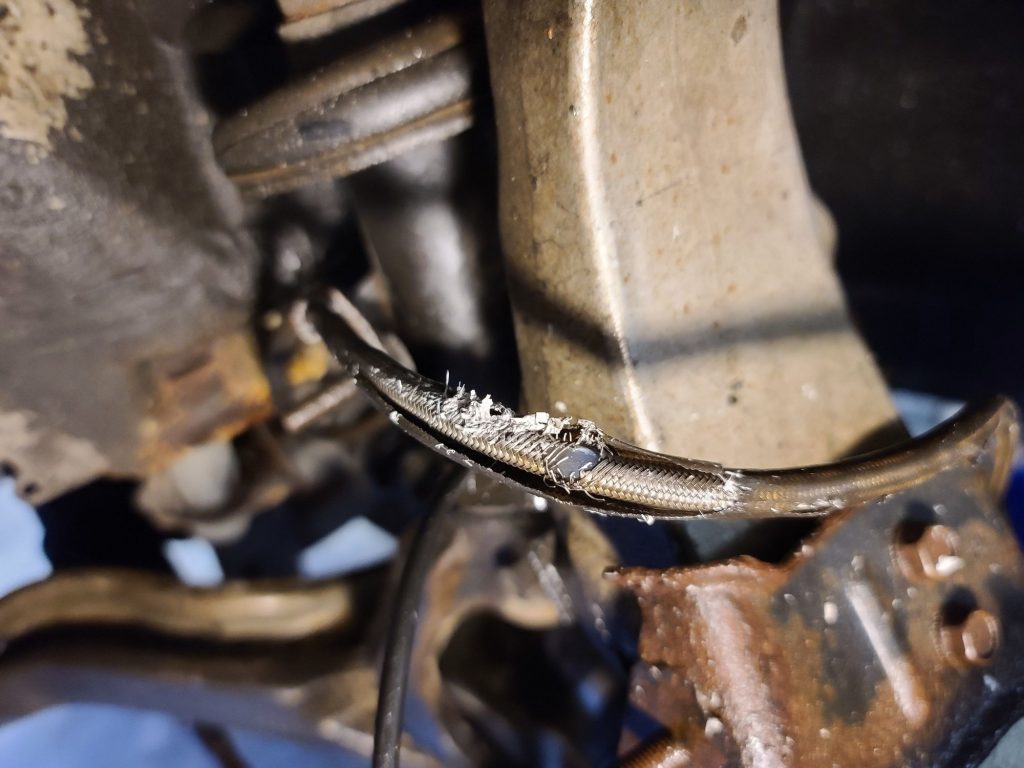
The prescribed repair involved inspecting the affected area and replacing the brake line and related air-cleaner outlet components when necessary.
Owners should not ignore a brake-fluid warning, a suddenly soft pedal, or visible fluid beneath the vehicle. Those symptoms require prompt attention, and a vehicle with suspected brake-fluid loss should not be driven to a repair shop.
4. Brake Pedal Connections That Can Detach
The brake pedal must remain securely connected to the mechanism that transfers the driver’s pressure to the braking system. If that connection is assembled incorrectly, the pedal may move without properly activating the brakes.
This is particularly dangerous because the driver might press the pedal during an emergency and discover that the usual braking response is missing.
A 2026 recall filed under NHTSA campaign 26V-240 addressed an improperly assembled fastener connecting the brake pedal to the brake booster. The recall covered 18,853 potentially affected vehicles.
According to the safety report, the fastener could allow the brake pedal to separate from the booster pushrod, resulting in a loss of braking function. The specified remedy was an inspection of the connection and tightening of the pushrod screw joint where required.
Unlike a gradual hydraulic leak, a detached pedal connection can create an abrupt loss of normal braking operation. The pedal may no longer transmit the driver’s input as intended, leaving the driver with little or no ability to slow the vehicle through the standard braking system. That makes even a relatively small assembly error a major safety concern.
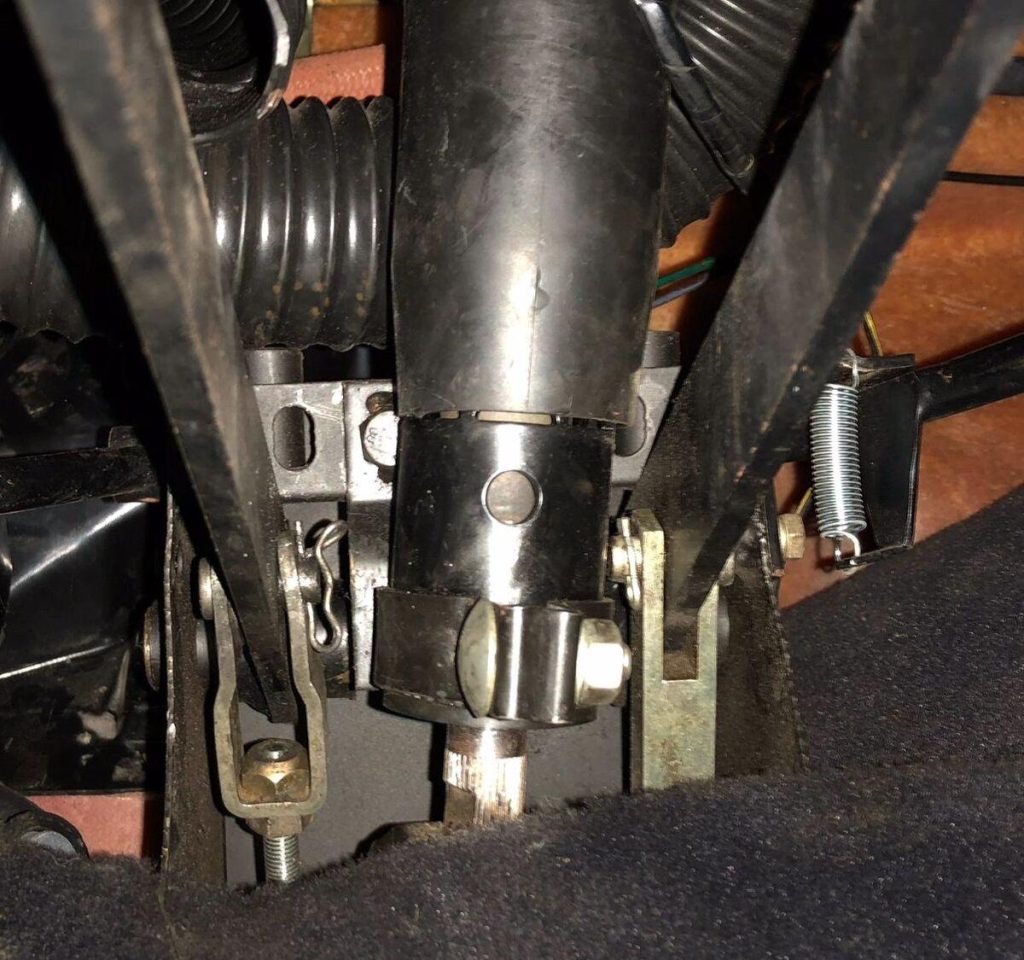
This type of defect also highlights the importance of quality control during vehicle assembly. A fastener that is not correctly installed or secured can undermine an entire safety-critical system.
Drivers should respond immediately to a recall notice involving brake-pedal hardware and arrange the specified inspection. If the pedal feels loose, changes position unexpectedly, or fails to produce normal braking, the vehicle should not be driven until it has been checked.
5. Missing Retaining Pins That Allow the Brake Booster Pushrod to Separate
Some braking components rely on small retaining parts to keep larger mechanical connections in place. A retaining pin may look insignificant, but its job is critical: it prevents a connected component from slipping out of position during normal operation.
If that pin is missing, the connection can separate, and the brake pedal may stop operating the system correctly.
Ford issued a 2026 recall under NHTSA campaign 26V-090 involving a brake-booster assembly that may have been manufactured without the required cotter pin. The missing pin could allow the pushrod to disconnect from the brake pedal, potentially causing a loss of braking ability.
The NHTSA recall report identified 15,965 potentially affected vehicles. The repair procedure called for dealers to inspect the assembly and install or replace the necessary components.
The danger is not simply that the pedal might feel different. If the pushrod separates, pressing the brake pedal may no longer deliver the intended mechanical input to the booster. That can leave the driver unable to achieve normal braking when it is most needed.
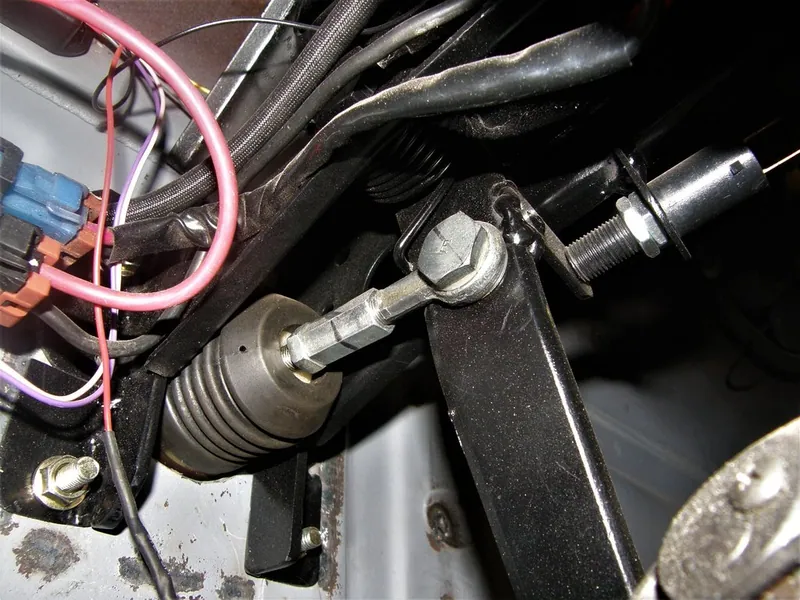
Because the defect involves a component that may be absent from the assembly, a visual check by an untrained owner may not be sufficient to confirm that the connection is secure.
A missing pin is also a reminder that vehicle safety does not depend only on major components such as calipers, rotors, and brake boosters. Small clips, pins, and fasteners help keep the entire system connected.
Owners who receive a recall notice involving this defect should follow the manufacturer’s instructions and avoid driving the vehicle if the recall specifically directs them to stop using it.
6. Rear Brake Hoses Damaged by Mud and Debris
Brake hoses near the rear wheels operate in a harsh environment. They are exposed to water, road salt, stones, mud, and debris thrown up by the tires. If the surrounding design allows dirt to collect around a hose, repeated exposure and contact can damage the rubber surface.
A damaged hose may eventually leak brake fluid, reducing the hydraulic pressure available to operate the brakes.
Toyota addressed this concern in NHTSA recall 25V-058, announced in February 2025. The recall involved rear brake hoses that could be damaged by mud and dirt accumulating inside the rear wheels.
If the hoses deteriorated and leaked, the vehicle could experience reduced braking performance. The recall documentation described the possibility of brake-fluid loss and a resulting reduction in braking effectiveness.
The location of the defect makes it particularly important to understand. Rear brake hoses flex as the suspension moves, so they must be able to withstand repeated movement while remaining protected from surrounding components and road debris.
Accumulated dirt can create an abrasive environment, especially when combined with moisture and vibration. Damage may develop gradually before a driver notices a change in pedal feel or a brake-system warning.
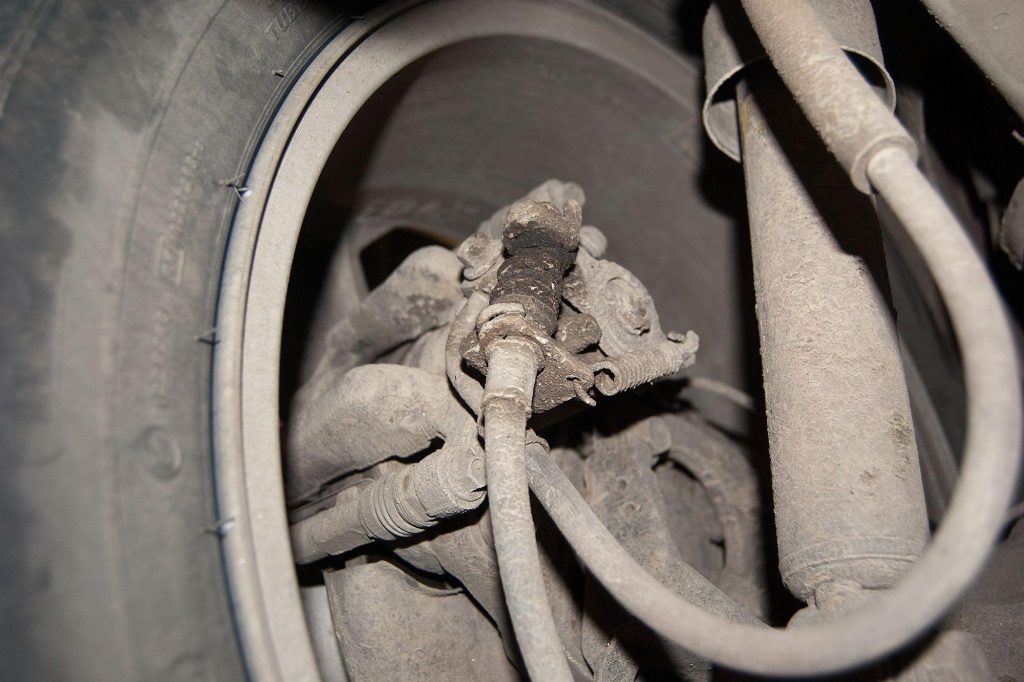
The recall remedy involved replacing the affected rear brake hoses with improved parts. Owners should have the repair completed through an authorized dealer rather than relying on a temporary inspection or cleaning.
A brake-fluid warning, a soft pedal, or visible leakage near a wheel should always be treated seriously. Even when the front brakes remain functional, a defect affecting the rear hydraulic circuit can reduce the vehicle’s ability to stop safely.
7. Brake Hoses That Leak and Disable Additional Safety Systems
A leaking brake hose can affect more than the driver’s ability to slow down. Modern vehicles use electronic systems such as anti-lock braking and stability control to help maintain control during hard braking or slippery conditions.
When a hydraulic leak reduces brake pressure, these systems may also become unavailable or unable to operate as intended.
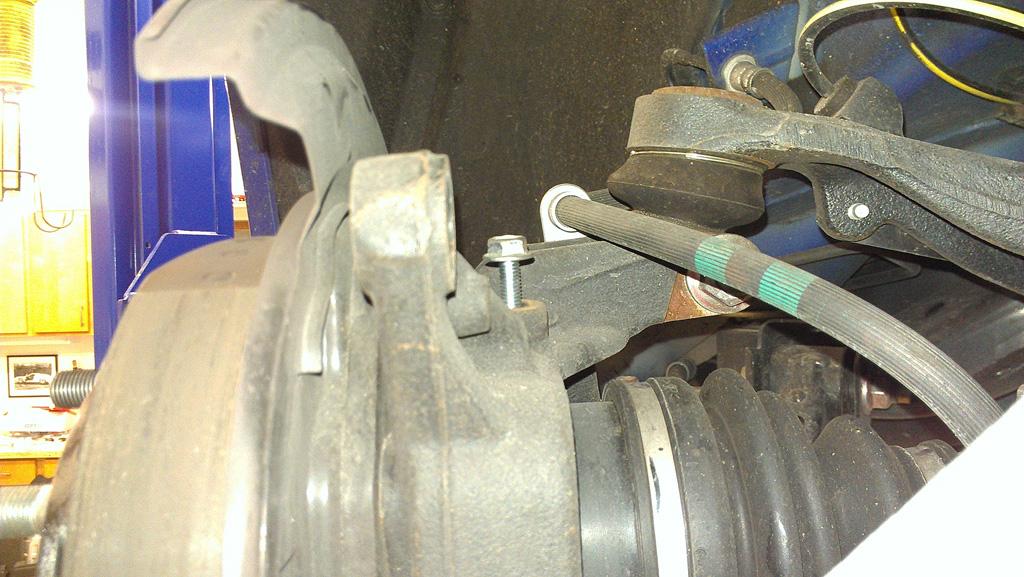
BMW’s 2025 recall campaign 25V-154 addressed rear brake hoses that could leak. The defect could cause a loss of braking function at the rear wheels and trigger warnings related to the anti-lock braking system and dynamic stability control.
The campaign covered potentially affected vehicles, with the recall report identifying the risk of reduced braking performance if brake fluid escaped from the hose.
The concern is especially serious because drivers may face two problems at once: reduced hydraulic braking at the affected wheels and the loss of electronic assistance designed to help maintain stability.
ABS helps prevent wheel lockup during hard braking, while stability control can intervene when the vehicle begins to deviate from the driver’s intended path. Neither system can compensate for a major hydraulic failure.
The correct response to a brake-hose recall is to have the affected components inspected and replaced according to the manufacturer’s repair instructions. Drivers should also take dashboard warnings seriously, particularly when ABS, stability-control, and brake-system alerts appear together.
A vehicle that has lost brake fluid or developed an abnormal pedal should not be driven until the cause has been identified and repaired.