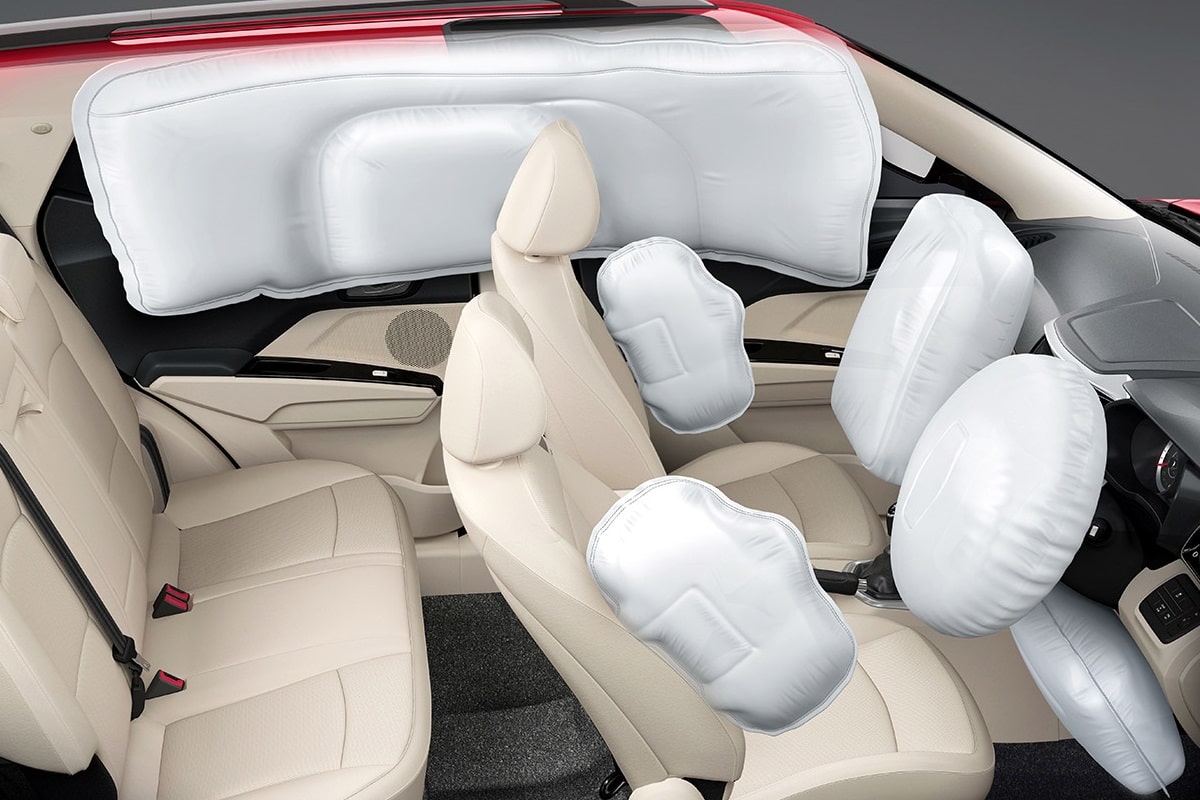
Airbags are among the most important safety features in a modern vehicle, but their presence does not guarantee that they will work correctly in a crash. After an accident, airbags may be replaced, improperly repaired, or even removed without the next owner knowing.
Some repairs leave visible clues, while others require a professional inspection or diagnostic scan to uncover. Buying a used vehicle with an improperly restored airbag system can put occupants at serious risk.
Before purchasing a previously owned car, look for these warning signs and verify that its restraint systems have been repaired using appropriate, genuine components.
1. The Airbag Warning Light Does Not Illuminate During Startup
The airbag warning light is one of the first things to check when inspecting a used vehicle. When the ignition is switched on, the Supplemental Restraint System (SRS) warning indicator should illuminate as part of its self-check and then turn off if the system does not detect a fault.
If the light never comes on, someone may have disabled the indicator to conceal an airbag problem. This is particularly concerning in a vehicle that has previously been involved in a collision. After an airbag deploys, the system requires appropriate replacement components and repairs.
Simply clearing a fault code or switching off the warning light does not restore the protection provided by a functioning restraint system.
A General Motors technical bulletin published through NHTSA specifically identifies the absence of an airbag warning light during the ignition check as a possible sign that the indicator bulb or warning function has been disabled.
The bulletin also lists this among the clues technicians should investigate when checking for counterfeit airbag modules.
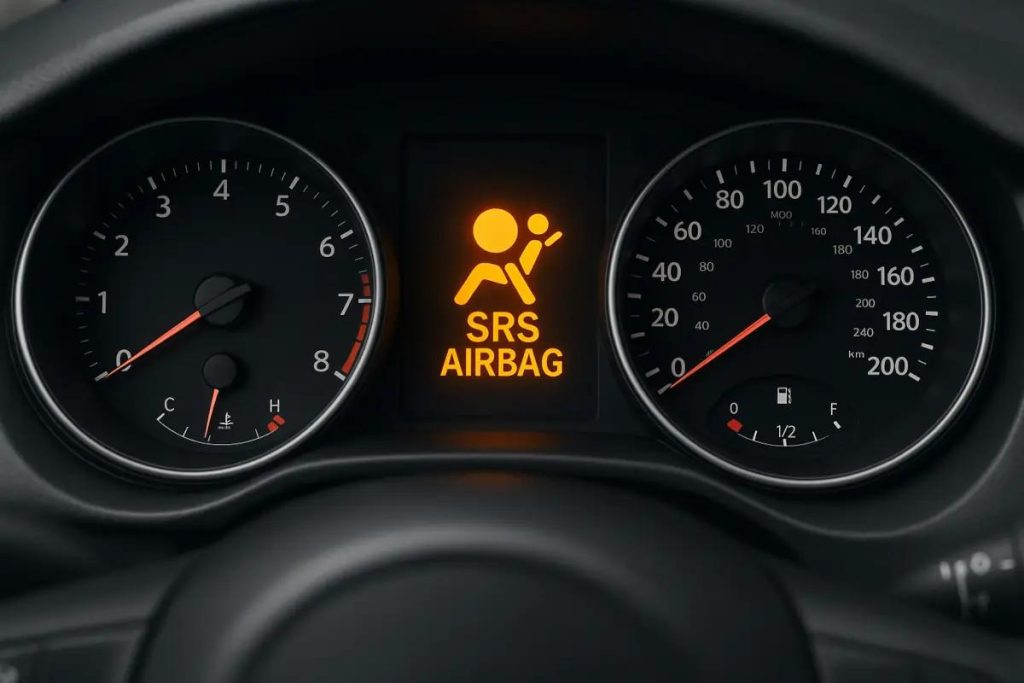
During a test drive, observe the warning light when the ignition is switched on. If it remains illuminated after startup, ask for a diagnostic inspection. If it never illuminates, do not assume the system is healthy simply because the dashboard looks normal.
A warning light alone cannot establish that an airbag was previously replaced or tampered with. Electrical faults and damaged sensors can produce similar symptoms. Have a qualified technician scan the SRS system using suitable diagnostic equipment and investigate the cause before purchasing the vehicle.
2. The Steering Wheel Airbag Cover Has Uneven Seams or a Different Finish
The steering wheel is one of the most useful places to look for evidence of previous airbag work. Its center section contains the driver-side frontal airbag module, and the cover is designed with specific seams that allow the airbag to deploy through designated opening points.
If that cover has been replaced with an incorrect or poorly manufactured component, differences may be visible around the emblem, material, or panel seams.
Look for uneven gaps around the steering wheel center, poorly aligned trim, unusual surface texture, or seams that appear different from the rest of the original interior.
A crooked emblem or a cover that looks noticeably different from the passenger-side dashboard trim may warrant a closer look. However, these details are only potential warning signs, not definitive evidence, since steering wheel designs differ across manufacturers and legitimate repairs may require replacement covers.
NHTSA has warned that counterfeit airbag modules can closely resemble genuine parts. Its technical material identifies differences in vinyl texture, poorly defined SRS lettering, and missing or incorrect tear seams as possible indicators.
Pay particular attention if the steering wheel looks newer than the surrounding interior or has noticeably different wear. A previous deployment followed by replacement could explain that difference, although ordinary cosmetic repairs are another possibility.
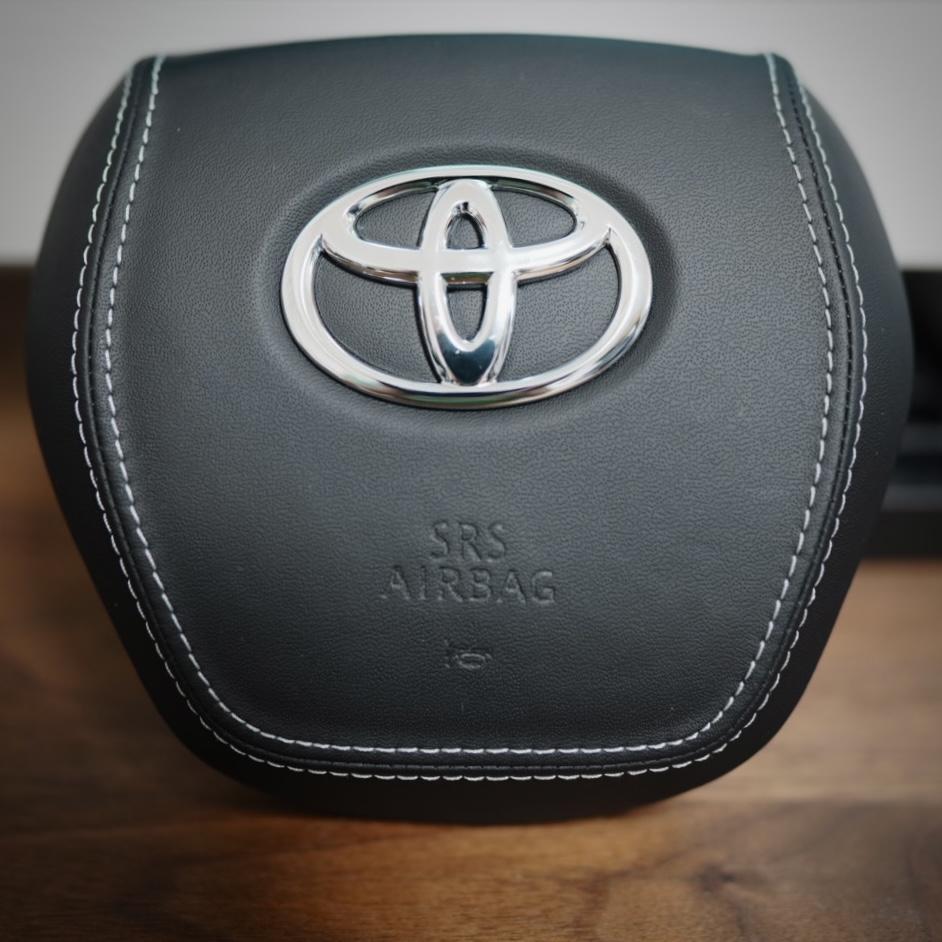
Do not press, pull, or attempt to remove the steering wheel cover to investigate. Airbag modules contain pyrotechnic components and should only be handled by trained professionals using manufacturer procedures.
If the finish or seams appear suspicious, ask a qualified technician to verify the module’s authenticity and installation before agreeing to the purchase.
3. The Passenger-Side Dashboard Has Mismatched Texture or Fit
The passenger-side frontal airbag is usually concealed behind a section of the dashboard, making its replacement less obvious than work on the steering wheel. However, the surrounding panel can sometimes reveal that the area has been repaired.
Differences in texture, uneven gaps, unusual trim alignment, or a dashboard section that does not match the rest of the cabin deserve closer attention.
After a passenger airbag deploys, the dashboard cover or instrument panel may need replacement, depending on the vehicle’s design and the manufacturer’s repair instructions.
A properly completed repair should use the specified replacement components and restore the intended fit and finish. A poorly performed job may leave visible signs such as rough edges, inconsistent grain patterns, excessive adhesive, or panels that sit slightly higher or lower than adjacent surfaces.
NHTSA has warned that counterfeit replacement airbags can be installed after a crash and may not deploy correctly. Its guidance identifies differences in trim material and poorly formed tear seams as possible indicators of a questionable replacement module.
During an inspection, compare the passenger-side dashboard with the surrounding trim. Look for a panel that appears unusually new in an otherwise worn interior, but remember that a replacement panel alone does not prove the airbag was tampered with. A legitimate collision repair may also require dashboard replacement.
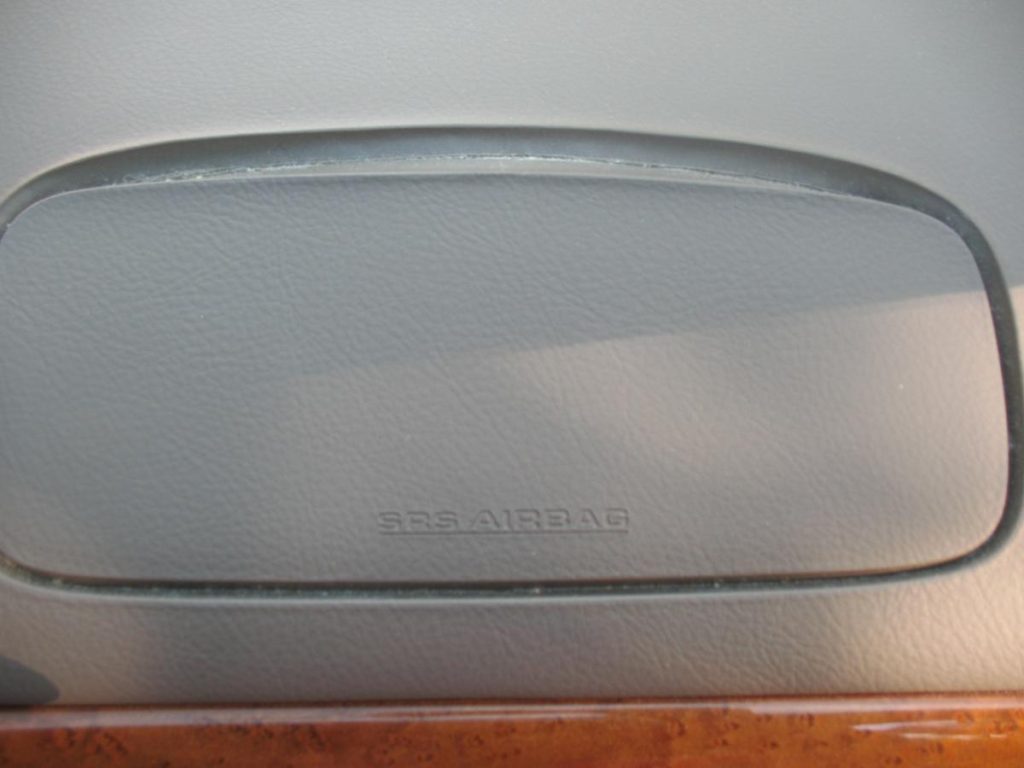
Do not push, pry, or remove the passenger airbag cover to check what is underneath. Ask a qualified repair facility to inspect the module, verify the part number, and confirm that the installation follows the manufacturer’s procedures.
If the seller cannot provide repair records for an obviously repaired dashboard, make the inspection a condition of purchase.
4. The Car Has Evidence of a Previous Collision but No Airbag Repair Records
A vehicle can have a clean-looking exterior after a major repair, but that does not mean its original safety equipment was restored correctly.
If a previous collision was severe enough to deploy the airbags, the restraint system should have been repaired using the correct replacement parts and procedures. Missing documentation makes it difficult to establish whether that work was completed.
Start by checking the vehicle’s history for reported crashes, insurance total-loss records, salvage branding, or collision repairs. The U.S. Department of Justice’s National Motor Vehicle Title Information System (NMVTIS) provides information about title brands, certain theft records, and reported odometer readings.
Commercial history reports may also include accident and damage records. However, neither type of report captures every collision or repair.
Inspect the front and sides of the vehicle for signs of previous repairs or damage. Check for uneven panel gaps, replaced headlights, paint overspray, color inconsistencies, and visible repair marks near structural components.
These signs can indicate previous bodywork, although they do not establish whether airbags deployed. A professional pre-purchase inspection should include the vehicle’s structure and restraint systems, not just its engine and transmission.
If the seller confirms a previous accident, ask for the insurance claim paperwork, body-shop invoice, and details of any airbag replacements.
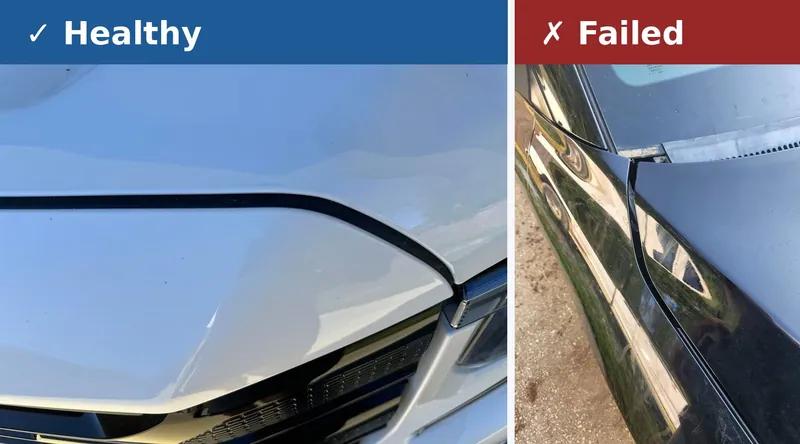
The documentation should identify the parts installed and the repair facility that performed the work. NHTSA specifically advises buyers to investigate a vehicle’s history and have a car inspected when a reported crash involved airbag deployment.
An accident history is not an automatic reason to reject a vehicle. The important question is whether the repairs were performed correctly and whether the airbag system can be verified as safe.
5. The Airbag Cover Appears to Have Been Painted or Refinished
An airbag cover with an unusual finish can indicate that someone attempted to make a damaged or previously deployed module look original. After an airbag deploys, the cover may split along its designed tear seams.
If someone tries to conceal the damage with paint, refinishing, or an aftermarket covering instead of installing the correct replacement assembly, the result may look different from the factory finish.
Examine the steering wheel center and passenger-side dashboard for uneven gloss, visible brush marks, overspray, discoloration, or a surface texture that differs from nearby plastic trim.
Also look for paint around the edges of the airbag cover or an unusually thick coating that appears to conceal previous damage. These observations are warning signs rather than definitive evidence, since legitimate interior repairs and age-related wear can also change a surface’s appearance.
This concern is supported by manufacturer guidance distributed through NHTSA. Toyota’s 2012 dealer communication stated that evidence of painted airbag covers could disqualify a vehicle from its certified pre-owned program.
The guidance also emphasized checking vehicle history and verifying that replacement airbags were genuine original-equipment parts.
Do not scratch the cover, apply chemicals, or try to remove its finish to determine whether it has been painted. Such actions can damage the material or interfere with a safety component. Instead, photograph the suspicious area and have a qualified technician inspect it.
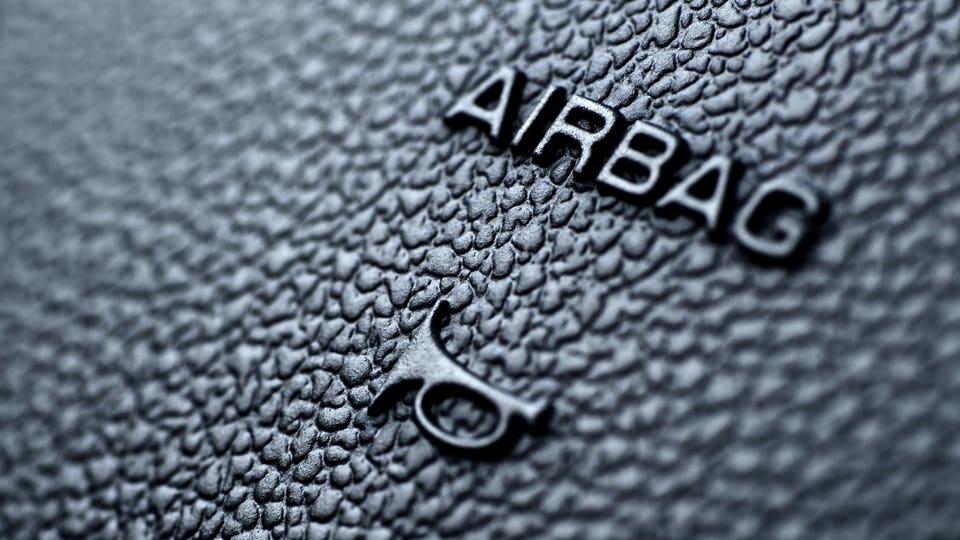
Ask the seller whether the interior has been refinished and request invoices for any airbag-related work. If the seller cannot explain an unusual coating around an airbag panel, do not accept a cosmetic explanation without professional verification.
The correct priority is confirming the module’s identity, condition, and installation, not simply making the interior look presentable.
6. The Seat Belts or Buckles Look Recently Replaced or Do Not Match
Airbags do not work independently of the rest of a vehicle’s restraint system. Seat belts, buckle sensors, and pretensioners can all play important roles during a collision.
A pretensioner is designed to tighten the seat belt during certain crashes, helping restrain the occupant. If it has activated, the affected component may require replacement under the vehicle manufacturer’s repair procedures.
That makes an unusual seat-belt condition worth investigating in a used car. Look for one belt that appears significantly newer than the others, different buckle designs, inconsistent stitching, damaged webbing, or trim around the belt anchor that looks recently removed.
A belt that retracts poorly or does not lock as expected also needs attention, although that symptom does not by itself prove previous airbag deployment.
A previous collision may explain why seat-belt components were replaced, especially if the airbags also deployed. However, belts can be replaced for ordinary wear, damage, or other reasons. The key is to establish whether the restraint system was restored as a complete system rather than repairing only the visible airbag covers.
Ask for the collision-repair invoice and check whether the work included the seat-belt pretensioners, buckles, sensors, and other components specified by the manufacturer. A qualified technician can inspect the restraint system and scan for relevant faults.
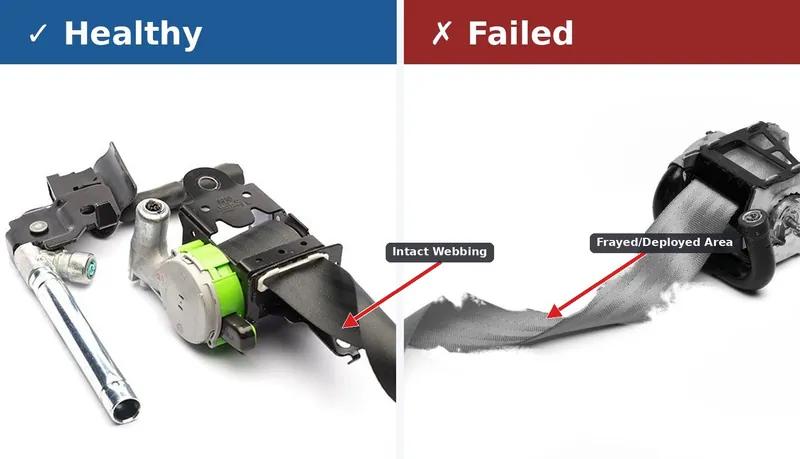
Do not pull apart belt retractors or attempt to test pretensioner wiring yourself because these components may contain pyrotechnic devices.
If the seller cannot explain why one seat belt looks substantially different from the rest, include it in a professional pre-purchase inspection. A properly repaired vehicle should have documentation showing that safety-related components were addressed according to the manufacturer’s requirements.
7. The SRS Diagnostic Scan Shows Airbag Faults or Missing Components
A dashboard warning light provides only a limited view of the airbag system’s condition. A professional diagnostic scan can reveal stored or active SRS fault codes involving sensors, wiring, control modules, or restraint components. These codes may help identify a system that has not been repaired correctly after an accident.
For example, a scan may show a fault associated with a seat-belt pretensioner circuit, an occupant-classification sensor, or an airbag module.
Depending on the vehicle, the system may also record crash-related information or require a specified module replacement or reset procedure after deployment. The exact information available varies by manufacturer and diagnostic equipment.
One important thing to keep in mind is that a scan showing no active faults does not guarantee that all airbags are genuine or properly installed. NHTSA warns that counterfeit airbags may contain resistors or other devices designed to mimic a proper electrical connection and keep the warning light from turning on.
It also states that diagnostic equipment alone cannot reliably establish whether an installed airbag is counterfeit.
For this reason, ask for a full SRS inspection rather than a basic engine-code scan. The technician should follow the vehicle manufacturer’s procedures and verify the installed modules and relevant components.
If the car has a reported history of airbag deployment, request confirmation that the replacement parts are genuine and appropriate for that specific vehicle.
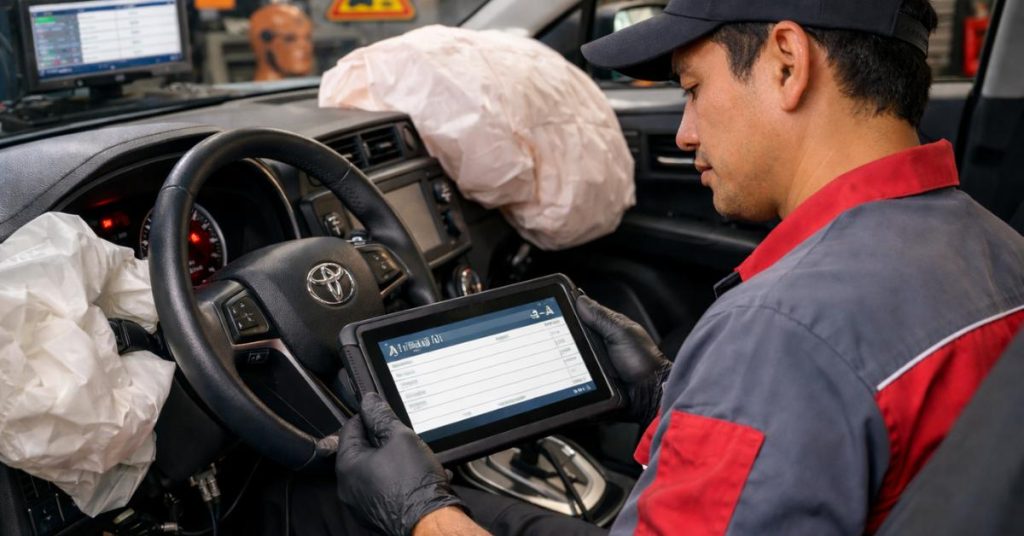
Never attempt to probe airbag connectors with a multimeter or apply electrical power to an airbag circuit. NHTSA warns that improper handling can cause serious injury or death.
A diagnostic scan is valuable evidence, but it should be combined with physical inspection and repair documentation before you make a purchase decision.
8. The Replacement Airbag Has Unusual Labels or Markings
An airbag module should have identification information that corresponds to the vehicle and the manufacturer’s approved replacement parts.
If a previous owner or repair shop installed an incorrect or counterfeit module, unusual labels, inconsistent part numbers, or questionable markings may provide a clue. These details are especially important when the vehicle has a history of collision repairs.
NHTSA’s counterfeit-airbag guidance identifies incorrect labels, unusual markings, and even a model year written by hand as potential warning signs. Its guidance also explains that counterfeit inflators have been found in replacement airbag assemblies installed after previous crashes.
The risk is not merely cosmetic. In July 2024, NHTSA reported that faulty aftermarket replacement inflators had been linked to three deaths and two life-altering injuries in the United States during the preceding year.
The defective inflators could rupture and send metal fragments toward vehicle occupants. NHTSA explained that some replacement parts were sold online at prices significantly below those of genuine equipment.
If the seller says an airbag was replaced, request the repair invoice and the manufacturer’s part number. Have an authorized dealership or reputable independent repair facility verify whether the installed component is appropriate for the vehicle. A label that looks convincing is not sufficient proof of authenticity.
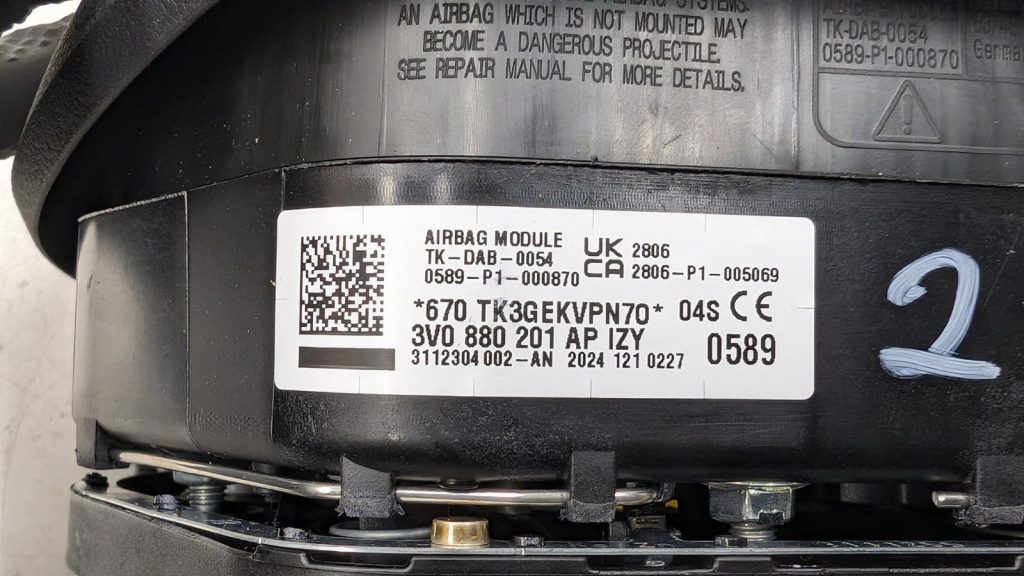
Do not remove the steering wheel, dashboard, or airbag assembly to look for a label yourself. NHTSA specifically warns consumers against dismantling airbags because of the risk of accidental deployment.
A suspicious marking should trigger professional verification, not an attempt to repair or inspect the module at home. If the seller cannot establish where the replacement component came from, treat the uncertainty as a serious safety concern.
9. The Seller Cannot Provide Records of Previous Airbag Repairs
A seller may admit that a vehicle was involved in an accident but have no paperwork showing what happened to its airbags afterward. That missing history can be a significant problem.
Even if the exterior repairs look professional, you have no reliable way to establish whether deployed airbags were replaced, whether the correct parts were used, or whether related restraint components were repaired.
Ask for more than a general body-shop receipt. Useful records include the insurance estimate, final repair invoice, parts list, airbag replacement documentation, and the name of the facility that completed the work.
If an insurer handled the accident, the seller may be able to obtain a copy of the claim documentation. You can also ask the repair shop to confirm the part numbers and whether original-equipment replacement components were installed.
NHTSA recommends obtaining a vehicle history report before buying a used car, particularly when the vehicle’s past is unknown. It advises buyers to have a vehicle inspected by a reputable mechanic or dealership if the report shows a previous crash involving airbag deployment.
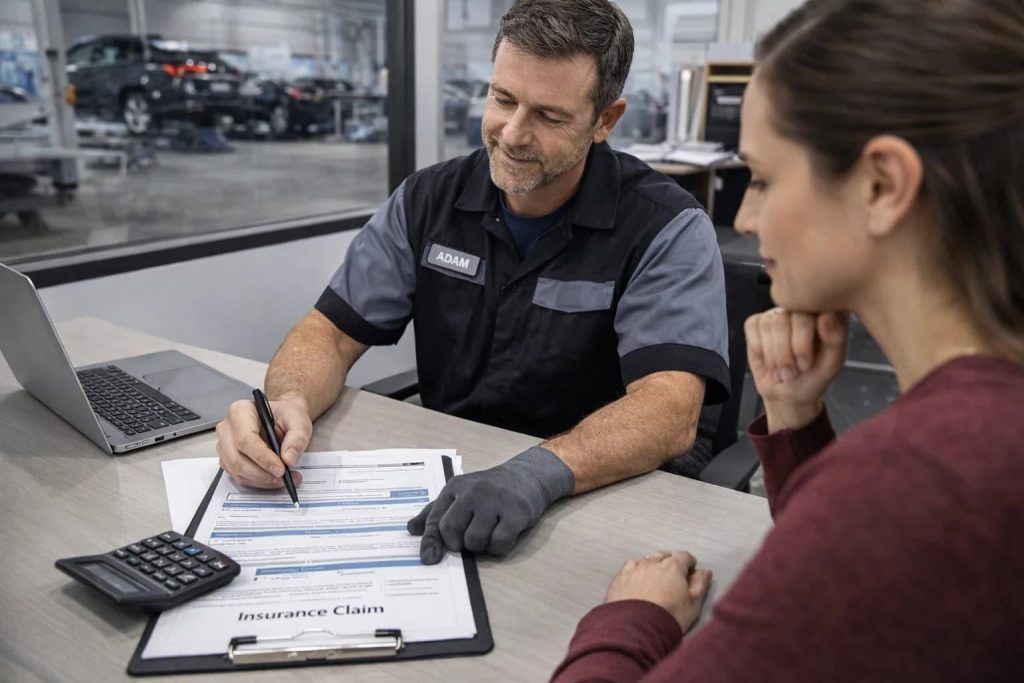
However, remember that vehicle history reports are not complete records of every repair. A crash that was handled privately or paid for without an insurance claim may not appear. Therefore, a report showing no accident history should not replace a physical inspection.
If the seller cannot provide documentation, arrange an independent inspection that specifically includes the SRS system. Ask the technician to verify the airbag modules, related components, and any evidence of previous deployment or tampering.
If the seller refuses this inspection, consider walking away. A low purchase price is not worth accepting uncertainty about equipment designed to protect your life.