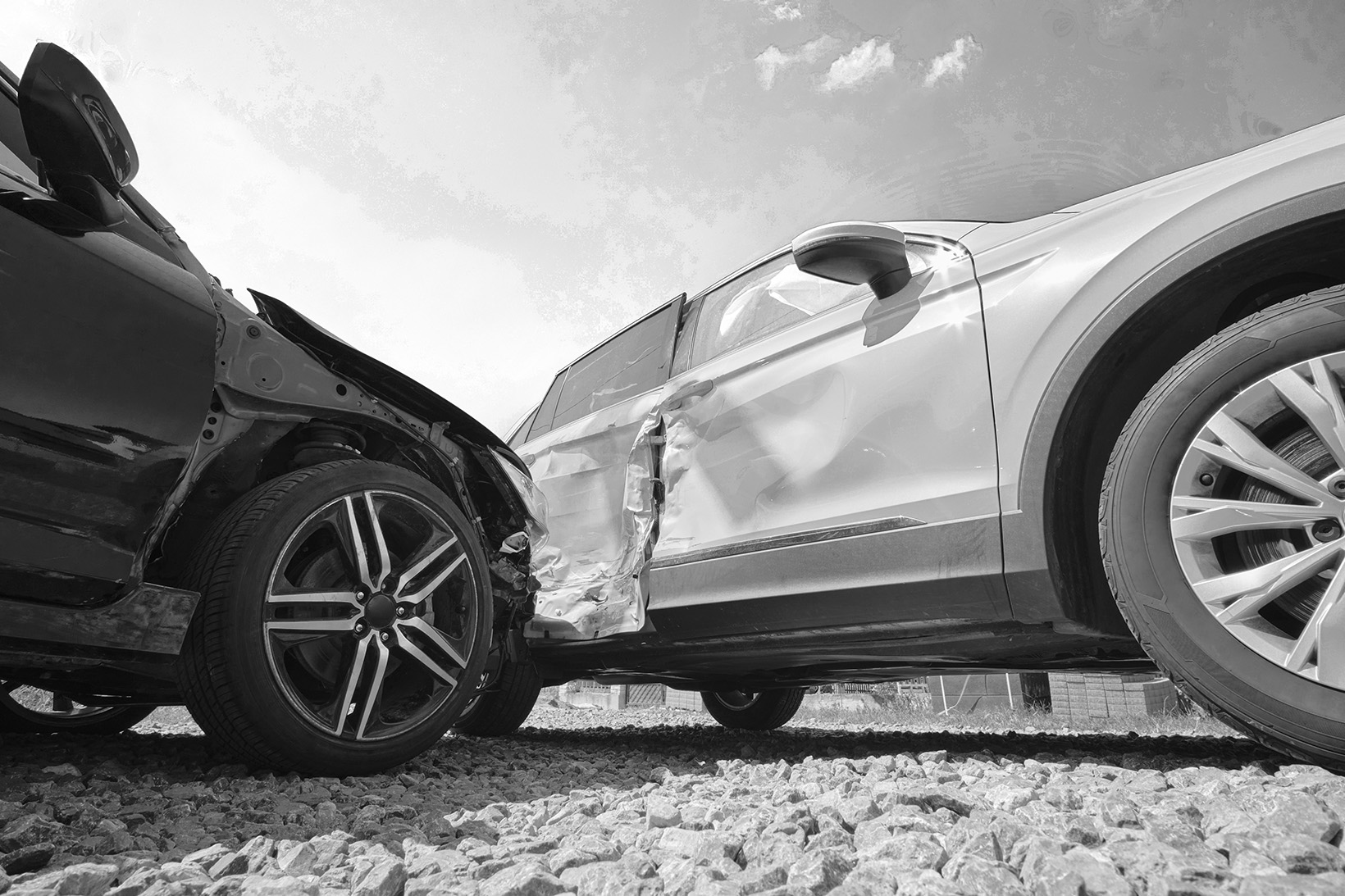
After a car accident, most drivers expect their insurance company to assess the damage, approve the claim, and arrange payment without unnecessary complications. In reality, the process can take longer than expected, even when a policy is active and the accident has been reported.
Missing documents, disputed fault, unclear repair estimates, and investigations into suspicious circumstances can all slow down a settlement.
Some delays are caused by the insurer, while others stem from incomplete information or disagreements between the parties involved. Understanding these common obstacles can help drivers avoid preventable setbacks and know what to do when a claim stalls.
1. Missing or Incomplete Accident Documentation
A claim can get stuck before the insurance company even reaches the question of payment if important documents are missing. After an accident, the insurer needs enough information to establish what happened, identify the vehicles and drivers involved, and assess the financial loss.
If the claim form is incomplete, the police report is unavailable, or photographs do not clearly show the damage, the adjuster may have to request additional evidence before moving forward.
The National Association of Insurance Commissioners (NAIC) advises drivers to collect the other driver’s contact and insurance details, vehicle information, witness contacts, and the responding officer’s information. Photographs of the accident scene and notes about the date, location, weather, and road conditions can also help support the claim.
Even a seemingly minor omission can create extra correspondence. For example, an insurer may need a completed proof-of-loss form, a repair estimate, or clarification about who was driving. If the requested material is submitted in an unreadable format or sent to the wrong department, the review may remain incomplete.
The best way to prevent this problem is to ask the assigned adjuster for a written list of outstanding requirements. Submit clear copies, keep the original documents, and save confirmation emails or upload receipts.
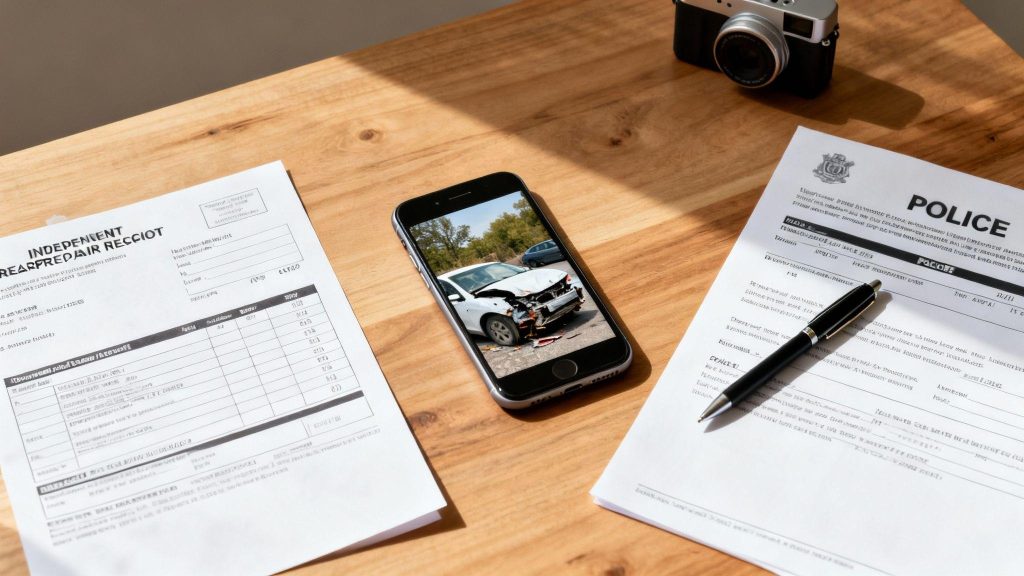
If a police report is not yet available, tell the insurer when it is expected rather than leaving the request unanswered.
Remember that documentation requirements depend on the claim and policy. Do not assume every accident requires the same paperwork. Confirm exactly what your insurer needs and follow up until it acknowledges receiving the complete submission.
2. Disagreement Over Who Was Responsible for the Accident
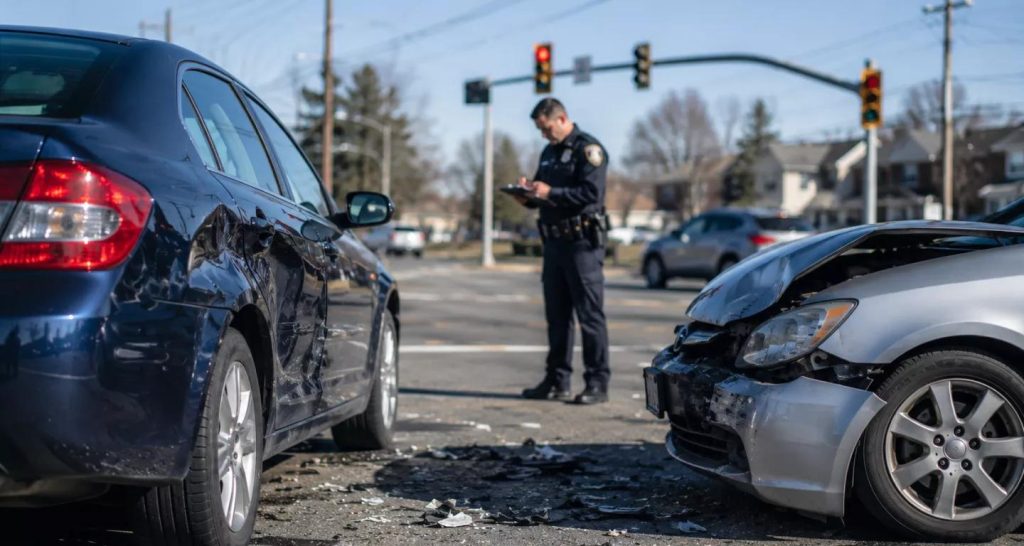
When two drivers give different accounts of a collision, an insurance company may need additional time to determine responsibility. One driver might claim the other vehicle ran a red light, while the other insists the light was green.
In a parking-lot collision, both parties may argue that the other vehicle was reversing. Without enough evidence to establish what happened, the insurer may be unable to make a liability decision immediately.
The investigation can involve reviewing photographs, vehicle damage, police reports, witness statements, traffic-camera footage when available, and statements from the drivers. California’s Department of Insurance explains that an insurer may contact other drivers and witnesses and may request a written or recorded statement as part of its investigation.
Another complication arises when multiple insurance companies are involved. Each carrier may conduct its own review, and their conclusions about fault or the amount owed may not match. This can extend the process, particularly when the accident involves several vehicles or conflicting accounts.
Drivers should avoid guessing or changing their version of events to make a claim appear stronger. Provide a consistent account, share relevant photographs, and give the insurer contact details for independent witnesses. If you have dashcam footage, preserve the original recording and submit a copy promptly.
Also ask the adjuster whether the delay concerns liability, coverage, or damage valuation. These are separate questions and require different evidence.
A clear explanation can help you understand what remains unresolved instead of repeatedly asking when the payment will arrive. Do not assume that an insurer’s investigation automatically means your claim will be denied.
3. The Insurer Needs to Confirm Whether Your Policy Covers the Damage
An accident does not automatically mean every repair bill is covered. Before approving payment, the insurance company must establish that the policy was active when the incident happened and that the type of damage falls within the coverage purchased.
If there is uncertainty about the policyholder, listed drivers, vehicle use, or the circumstances of the loss, the insurer may need additional information before making a decision.
For example, collision coverage generally pays for damage to the insured vehicle resulting from a collision, subject to the policy terms and deductible. Comprehensive coverage addresses certain non-collision events, such as theft, fire, vandalism, and weather damage.
A driver who carries liability coverage but has not purchased collision or comprehensive protection may not have coverage for damage to their own vehicle. The Idaho Department of Insurance explains these distinctions and notes that payment depends on the coverage and policy language.
Questions can also arise when someone who was driving is not listed on the policy, the vehicle’s ownership has changed, or the insurer needs to determine whether the reported damage occurred before coverage began. These circumstances do not automatically establish that a claim is invalid, but they can require a closer review of the policy and facts.
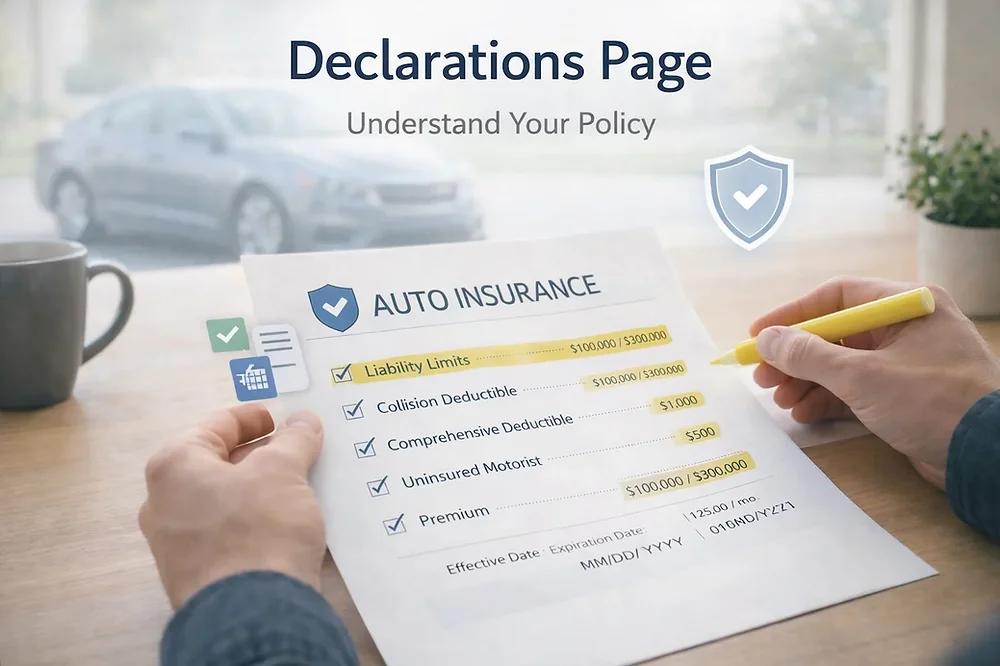
To reduce unnecessary delays, provide the insurer with the declarations page, policy number, vehicle registration, and accurate details about who was driving. Answer questions about the accident honestly and promptly.
If the company says a coverage issue is holding up the claim, ask it to identify the specific policy provision under review. A written explanation will help you understand whether the problem concerns missing information, an exclusion, or a disagreement about the facts.
4. Additional Damage Is Discovered After the Initial Inspection
The first estimate is not always the final repair bill. A vehicle may appear to have only a damaged bumper, fender, or headlight after a collision, but removing those parts can reveal bent brackets, damaged sensors, broken mounting points, or structural components that were not visible during the initial inspection.
When this happens, the repair shop usually needs the insurer to review the additional work before proceeding with the newly identified repairs.
This process is commonly called a supplement. The Idaho Department of Insurance explains that when a repair shop discovers additional damage related to an accident, it typically notifies the insurance company.
If the insurer agrees that the newly identified damage is covered and connected to the loss, it may authorize additional payment.
The extra review can slow down a claim because the adjuster may need photographs, updated estimates, inspection notes, or another physical assessment. Disagreements can also arise over whether a damaged component was caused by the reported accident or was already defective.
Until the additional work is approved, the repair facility may pause that portion of the job rather than risk performing work for which payment has not been authorized.
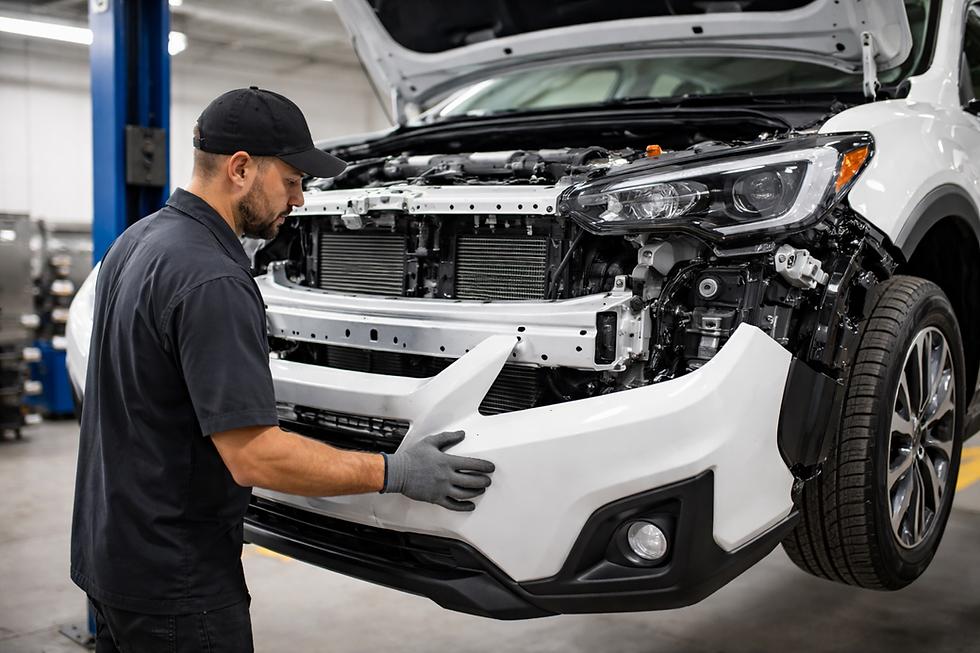
Drivers can help by asking the repair shop to send supplemental estimates directly to the assigned adjuster and provide copies for their records. Request confirmation that the insurer has received the supplement, and ask whether another inspection is required.
Do not authorize unrelated repairs under the assumption that the insurer will reimburse them. The key is to establish which additional damage is accident-related, covered by the policy, and approved for payment.
5. A Special Investigation Is Required Before the Insurer Can Decide
Some claims receive additional scrutiny when the insurer identifies facts that need further verification. This can happen when the reported accident circumstances do not appear to match the damage, the loss occurred shortly after a policy was purchased, or information in the claim conflicts with earlier statements.
An insurer may refer a case to its Special Investigation Unit (SIU) to examine potential fraud or material misrepresentation.
That does not mean every claim sent for investigation is fraudulent. The purpose is to establish whether the loss happened as reported and whether the policy provides coverage.
Investigators may review photographs, repair records, prior damage, vehicle ownership information, witness accounts, and statements from the people involved. In some cases, they may request additional documents or ask the policyholder to clarify inconsistencies.
The California Department of Insurance explains that suspected automobile insurance fraud referrals can be reviewed for possible investigation, referral to another agency, or closure when evidence is insufficient. Its process considers the facts supporting the suspicion and the documentation available.
A policyholder can prevent avoidable back-and-forth by keeping the original accident photographs, repair invoices, towing receipts, and communications with the insurer. Respond to reasonable requests and make sure dates, locations, and descriptions remain consistent with the original report. If you do not know an answer, say so rather than guessing.
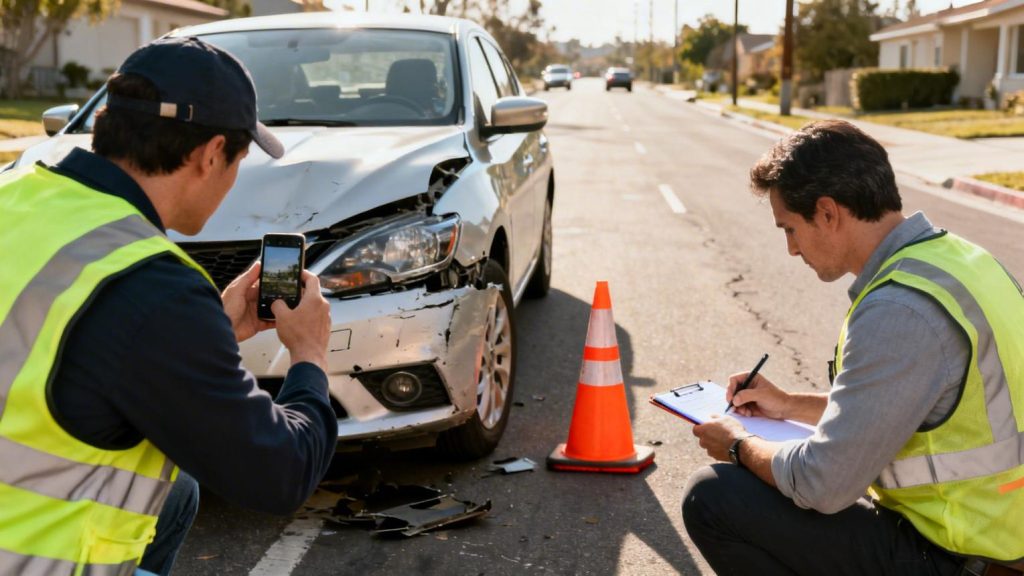
Ask the adjuster whether the claim has been referred for additional investigation, what information is still required, and whether there is an estimated date for the next update. You can also request important questions and document requests in writing.
An investigation may take longer than a routine claim review, but the insurer should still communicate what is delaying its decision.
6. The Repair Estimate and the Insurer’s Valuation Do Not Match
A claim can remain unresolved when the repair shop and insurance company disagree about how much the work should cost. The shop may recommend replacing a damaged component, while the adjuster believes it can be repaired.
They may also differ over labor hours, paint procedures, calibration work, or the price of replacement parts. Until the disputed amount is reviewed, the approved estimate may not cover the full repair plan.
This does not necessarily mean the insurer can insist that every driver use a particular repair facility. The Idaho Department of Insurance states that policyholders may not be obligated to use a preferred shop, although they could be responsible for a difference if their chosen shop charges more than a reasonable local repair cost.
It also advises consumers to provide supporting documentation when they disagree with the insurer’s repair valuation.
Modern vehicles can make these disagreements more complicated. A collision involving a bumper, windshield, or suspension component may require additional electronic calibration or inspection.
The repair facility may need to explain why a procedure is necessary and provide manufacturer information or supporting documentation before the insurer agrees to include it.
Ask the shop for an itemized estimate and request that it explain any disputed operation in writing. Have the repair facility communicate directly with the adjuster when technical clarification is needed. If you believe the estimate is incomplete, submit photographs, a second professional estimate, or relevant repair documentation.
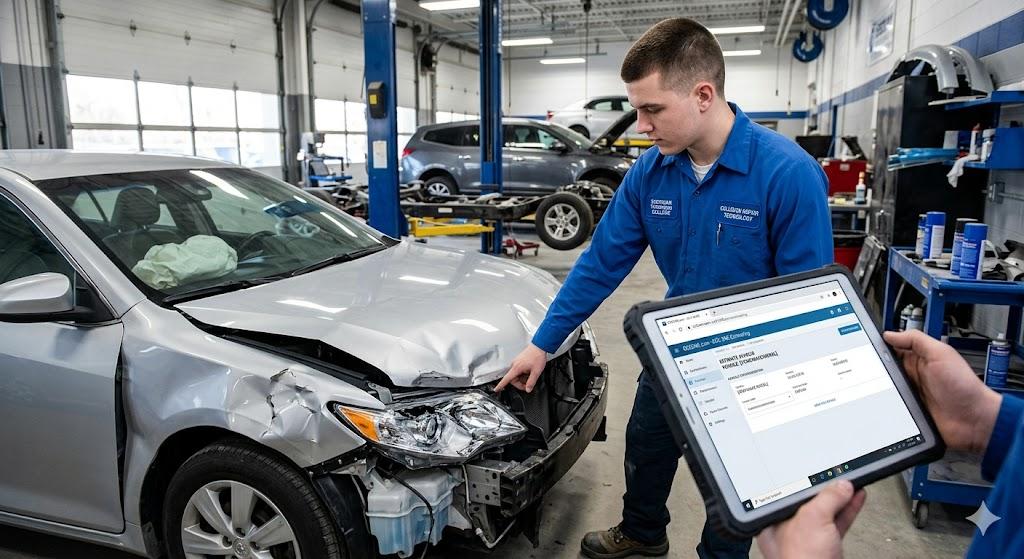
Do not confuse a disagreement over repair cost with a final claim denial. The insurer may accept responsibility for the covered damage while still disputing the amount required to fix it. Getting the specific differences documented is often the most useful way to move the review forward.
7. Your Vehicle Is Declared a Total Loss, but the Settlement Paperwork Is Incomplete
When repair costs are too high or a vehicle cannot be restored safely, an insurer may classify it as a total loss under the applicable policy and state rules. That changes the claim from a repair estimate into a settlement based on the vehicle’s value before the accident.
The payment process can take longer because the insurer must establish the vehicle’s actual cash value and complete the required ownership paperwork.
Valuation can become a point of disagreement. Insurers commonly consider factors such as mileage, age, condition, equipment, and comparable vehicles in the local market. If the owner believes the offer does not reflect the vehicle’s condition or options, supporting evidence may be needed before the amount is finalized.
The Idaho Department of Insurance explains that vehicle-value disputes can involve policy appraisal or arbitration provisions, depending on the contract.
There can also be a title problem. If the vehicle is financed, the lender may hold the title or have a recorded interest in it. The insurer may need the lender’s payoff information, authorization from the owner, and signed title-transfer documents before issuing the settlement.
Nationwide explains that it coordinates with the lienholder and may require a power of attorney and odometer disclosure when the lender holds the title.

To avoid unnecessary waiting, respond quickly to requests for the title, keys, lender details, and signed forms. Review the valuation report carefully and provide evidence if important equipment, mileage, or condition details are incorrect.
If a loan remains, contact the lender and authorize the insurer to obtain the payoff figure. A total-loss settlement cannot always be completed as quickly as a straightforward repair payment.
8. A Major Storm or High Volume of Claims Overloads the Insurer
Sometimes the delay has little to do with your individual accident. A major hailstorm, hurricane, flood, wildfire, or widespread collision event can generate thousands of insurance claims within a short period.
When that happens, insurers may have to handle a sudden increase in inspections, adjuster assignments, repair estimates, and customer inquiries.
Even a straightforward claim can take longer because the people responsible for reviewing it are dealing with a much larger workload.
The National Association of Insurance Commissioners (NAIC) acknowledges that severe weather can increase the number of claims filed and slow the settlement process. It also explains that claims requiring special or extended investigations may take longer than routine cases.
A shortage of available inspectors can be particularly frustrating. Your vehicle might be sitting at a repair facility or towing yard while the insurer waits for an adjuster to inspect it. In areas affected by widespread storms, repair facilities may also face crowded schedules, making it harder to obtain estimates and complete approved work.
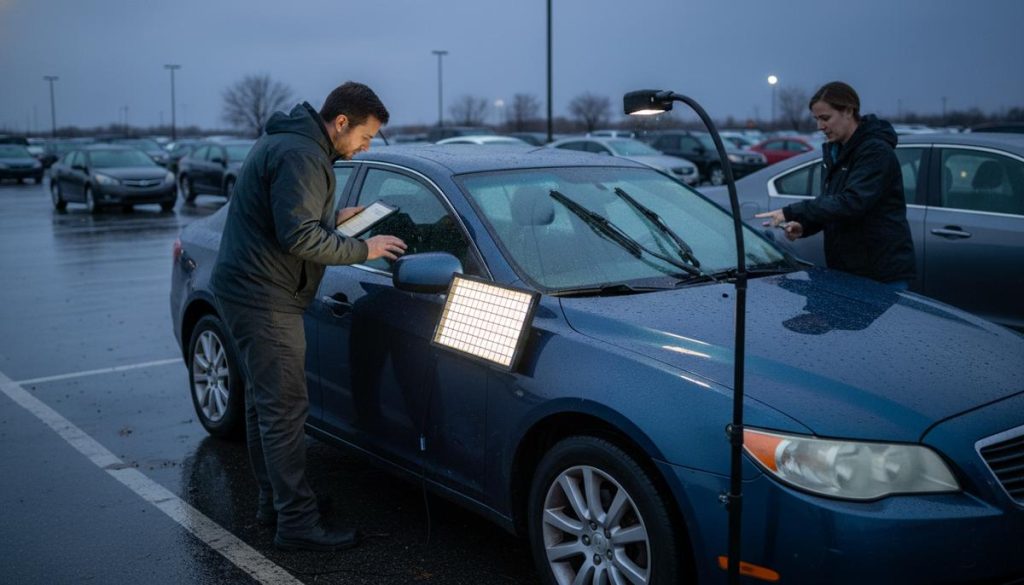
There are practical steps you can take while waiting. Ask whether the insurer can arrange a photo-based inspection or use an independent adjuster if permitted under its process. Keep photographs of the damage, towing receipts, storage invoices, and written communication from the repair shop.
If your policy includes rental reimbursement, confirm the daily limit, maximum benefit, and how long coverage is available.
Do not assume a catastrophe-related delay means the insurer can stop communicating. Washington’s Office of the Insurance Commissioner, for example, requires insurers to approve, deny, or explain a delay within 30 days after a claim is started, with further explanations every 30 days when the delay continues. That is a Washington-specific rule, not a nationwide deadline