
Reaching 200,000 miles does not automatically mean a vehicle needs an expensive engine replacement. Some engines have earned a reputation for staying on the road because replacement parts, routine maintenance components, and commonly needed repair items remain widely available in the United States.
Their popularity also gives independent repair shops plenty of experience working on them. However, affordable parts do not guarantee inexpensive repairs, especially when labor-intensive work is involved.
These seven engines stand out for their established aftermarket support, broad vehicle applications, and accessible replacement components, making them worth considering when buying or maintaining a high-mileage vehicle.
1. General Motors 5.3L Vortec LM7 V8
The GM 5.3-liter Vortec LM7 is a particularly interesting option for owners who want to keep an older American truck or SUV running beyond 200,000 miles without depending on expensive specialty components.
This Gen III small-block V8 appeared in numerous Chevrolet and GMC vehicles between 1999 and 2007, including the Silverado, Sierra, Tahoe, Yukon, and Suburban.
One major advantage is its extensive parts ecosystem. The LM7 shares the broader LS-based engine architecture, giving owners access to a substantial aftermarket selection of replacement components.
Oil pumps, timing chains, gaskets, bearings, water pumps, cylinder heads, and internal engine components are available through established American performance and replacement-parts suppliers. GM’s own performance-parts catalog also documented dedicated LM7/L59 engine assemblies and replacement components.
Its original factory output was approximately 285 horsepower and 325 lb-ft of torque, depending on the application. That combination made it suitable for full-size pickups and SUVs rather than relying on a highly stressed performance configuration.
Another benefit is the wide availability of repair services. Independent mechanics experienced with Chevrolet small-block engines can typically find the necessary parts and handle routine repairs without relying on specialized equipment.
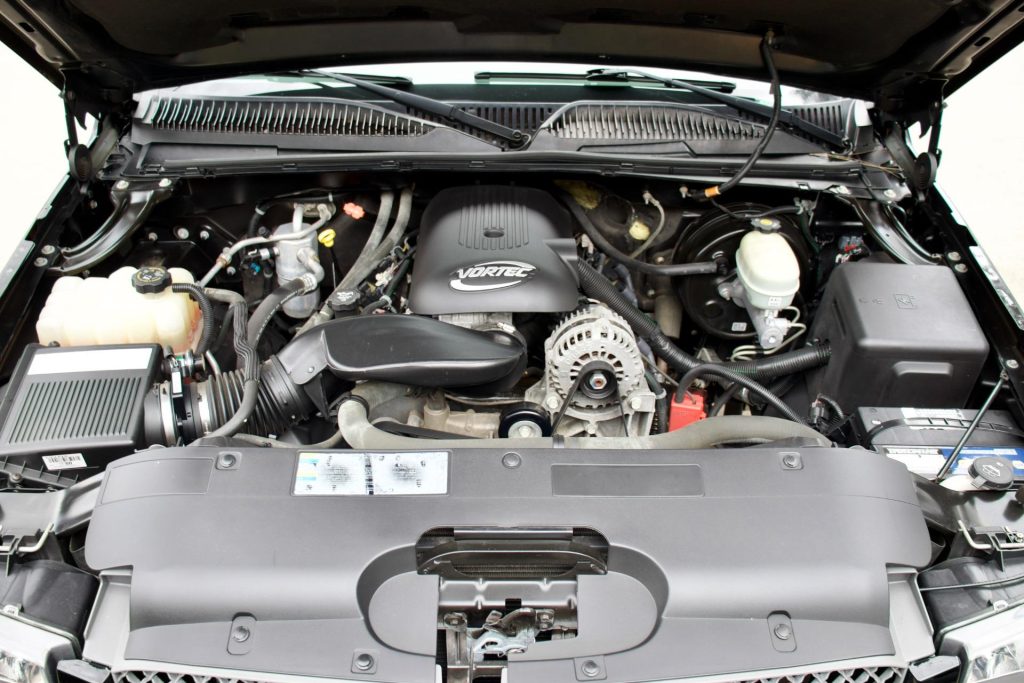
However, buyers should distinguish the LM7 from later 5.3-liter variants because components, electronics, and engine management systems are not universally interchangeable.
At 200,000 miles, inspect oil pressure, cooling-system condition, lifter noise, and evidence of previous overheating. Also check the specific engine code before ordering replacement parts.
The LM7’s widespread applications and established aftermarket support make ordinary maintenance and many mechanical repairs comparatively accessible, although a complete rebuild can still become expensive.
2. Ford 4.6L Modular V8 (2-Valve SOHC)
Few American V8 engines have appeared in as many familiar vehicles as Ford’s 4.6-liter Modular V8. The two-valve SOHC version is especially worth considering when maintaining an older vehicle beyond 200,000 miles.
It powered models such as the Crown Victoria, Grand Marquis, Lincoln Town Car, Mustang, and several F-Series trucks and Ford SUVs.
Its widespread use created a substantial replacement-parts market. American suppliers continue to list compatible timing components, gaskets, pistons, bearings, oil pumps, water pumps, cylinder heads, and other engine hardware.
Enginetech’s Ford modular parts catalog specifically identifies the 4.6-liter two-valve engine, its Romeo and Windsor variations, and its numerous car and truck applications.
The engine’s specifications also make it relatively straightforward to identify. It displaces 281 cubic inches, with a 3.551-inch bore and 3.543-inch stroke. Depending on the vehicle and configuration, factory output ranged from approximately 190 to 248 horsepower and 270 to 295 lb-ft of torque.
For someone keeping a high-mileage Ford on the road, this availability matters. Routine service items and many mechanical replacement parts can be sourced from multiple suppliers instead of relying exclusively on dealership inventory. Used and remanufactured assemblies also provide additional repair options.
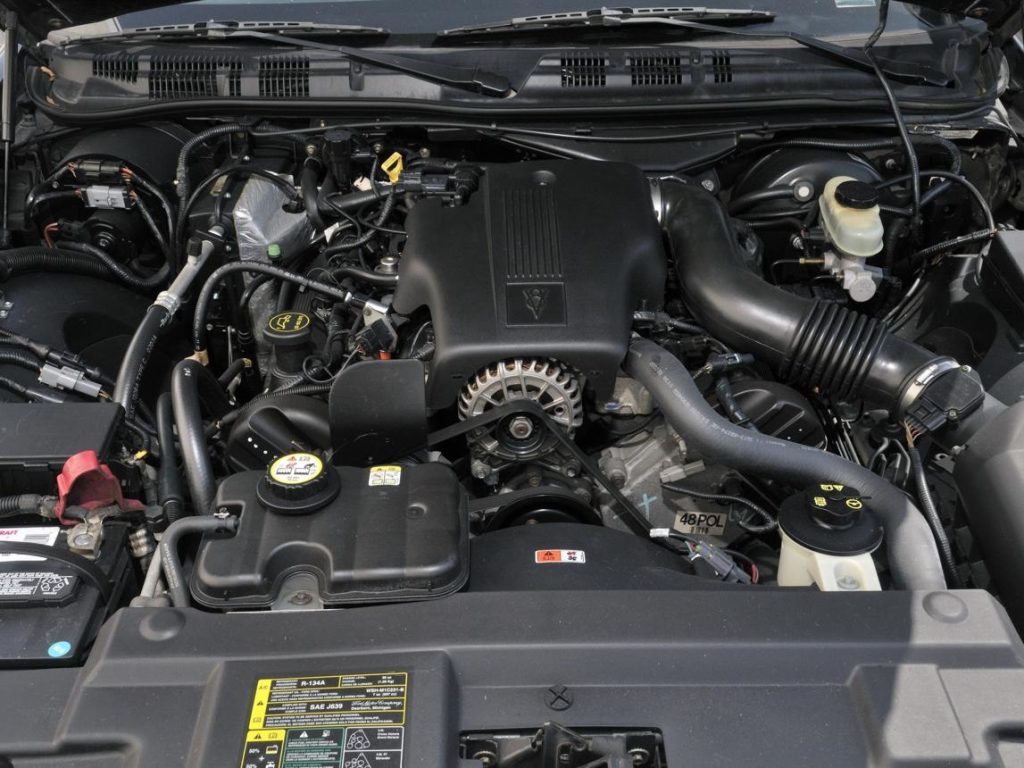
However, buyers must understand that not every 4.6-liter engine uses identical components. Two-valve, three-valve, and four-valve versions differ considerably, while Romeo and Windsor production variations can affect individual parts. Spark-plug thread condition, timing components, cooling-system maintenance, and oil leaks deserve attention during inspections.
A properly maintained two-valve example can remain a practical long-term engine, particularly when replacement parts and experienced independent mechanics are readily available.
3. Toyota 2UZ-FE 4.7L V8
Toyota’s 2UZ-FE is a 4.7-liter V8 designed for trucks and large SUVs, making it an interesting choice for owners who want to keep an older vehicle running well beyond 200,000 miles.
It appeared in several American-market models, including the Toyota Tundra, Sequoia, Land Cruiser, 4Runner, and Lexus GX 470. Its widespread use across these vehicles helped establish a replacement-parts market that remains useful to high-mileage owners.
One advantage is the availability of conventional service and engine components. Replacement water pumps, timing belt kits, gaskets, seals, bearings, and other maintenance parts are catalogued by established aftermarket manufacturers.
For example, INA’s Toyota application catalog lists timing-related components for the 2UZ-FE, while US-market Toyota parts catalogs identify compatible water pumps for different Tundra and 4Runner applications.
The engine uses a cast-iron cylinder block with aluminum cylinder heads and a 4,664 cc displacement. Depending on the production year and configuration, factory output varied, with later VVT-i versions producing approximately 271 horsepower and 315 lb-ft of torque.
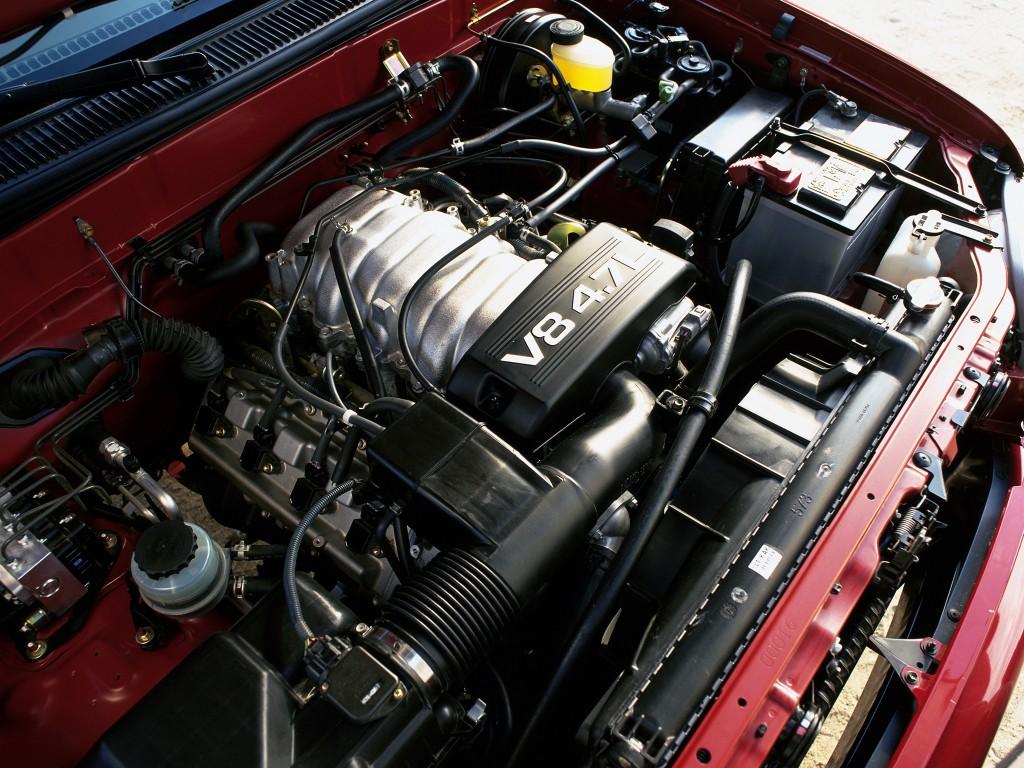
Owners should remember that this engine uses a timing belt rather than a timing chain. Replacing the belt and associated components at the specified intervals is important, particularly when purchasing a vehicle with incomplete maintenance records.
The 2UZ-FE is not necessarily cheaper to rebuild than a smaller four-cylinder engine. Its V8 configuration means additional parts and labor.
Nevertheless, established aftermarket support makes many routine repairs manageable. Verify the engine version and production year before ordering components because early and later versions are not universally interchangeable.
4. Honda K24 2.4L Four-Cylinder
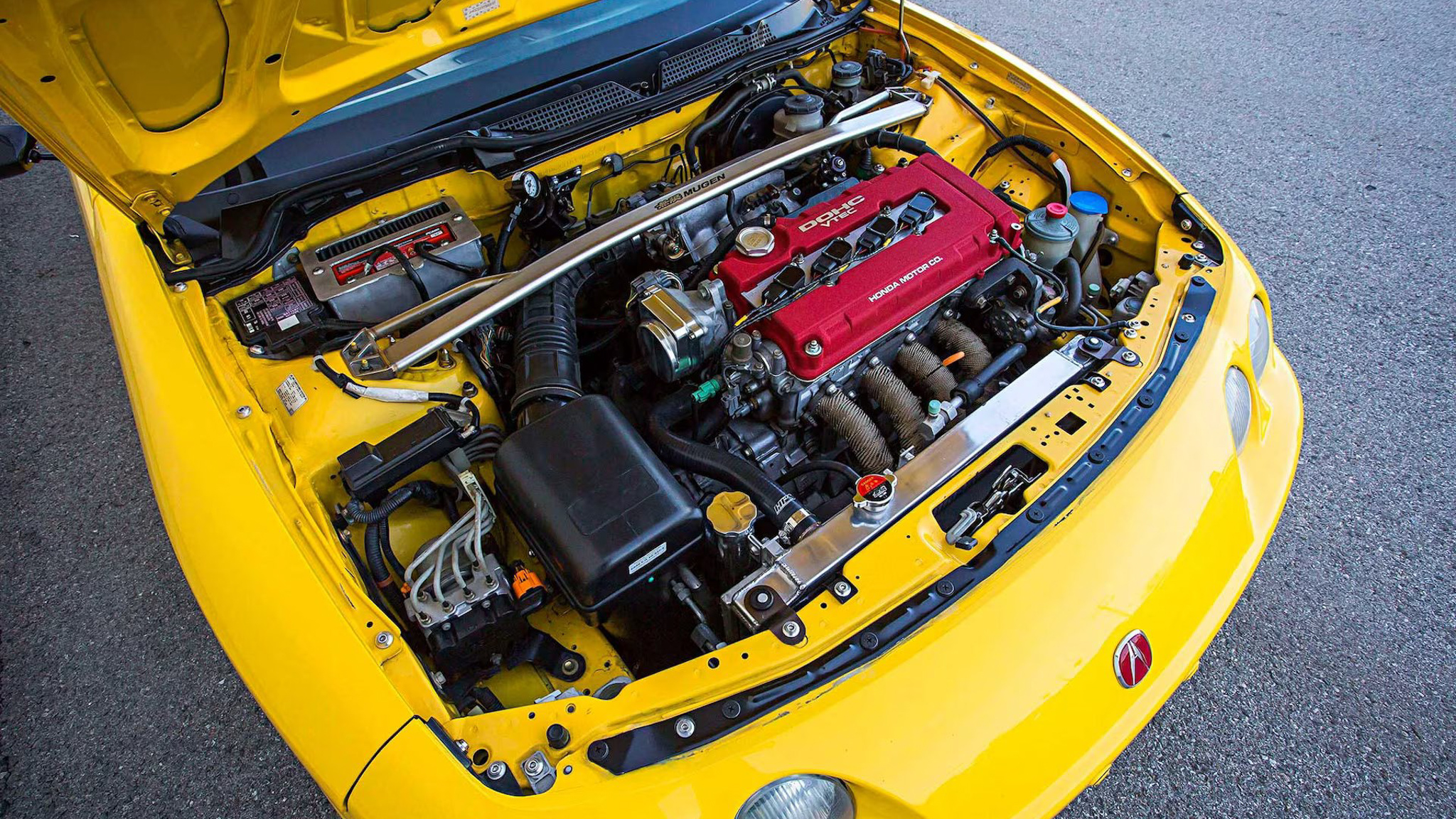
If replacement-part prices are a major consideration, Honda’s K24 engine deserves attention. This 2.4-liter four-cylinder family powered numerous American-market vehicles, including the Accord, CR-V, Element, Civic Si, and Acura TSX.
Its popularity among everyday drivers and automotive enthusiasts has created a substantial aftermarket, making common maintenance and mechanical components relatively accessible.
The K24 is particularly useful because Honda produced several versions rather than relying on one configuration throughout its production life. Examples include the K24A1 in the 2002-2006 CR-V, K24A4 in earlier Accords, K24A2 in the Acura TSX, and K24Z variants in later vehicles.
These engines share a family resemblance, but their cylinder heads, intake arrangements, electronics, and other components can differ.
Parts availability is supported by established manufacturers. MAHLE’s North American catalog, for example, lists application-specific filtration components for K24-powered Honda vehicles.
Engine rebuild suppliers also catalogue compatible piston, bearing, gasket, and valve components. This gives owners several sourcing options instead of depending exclusively on original dealership parts.
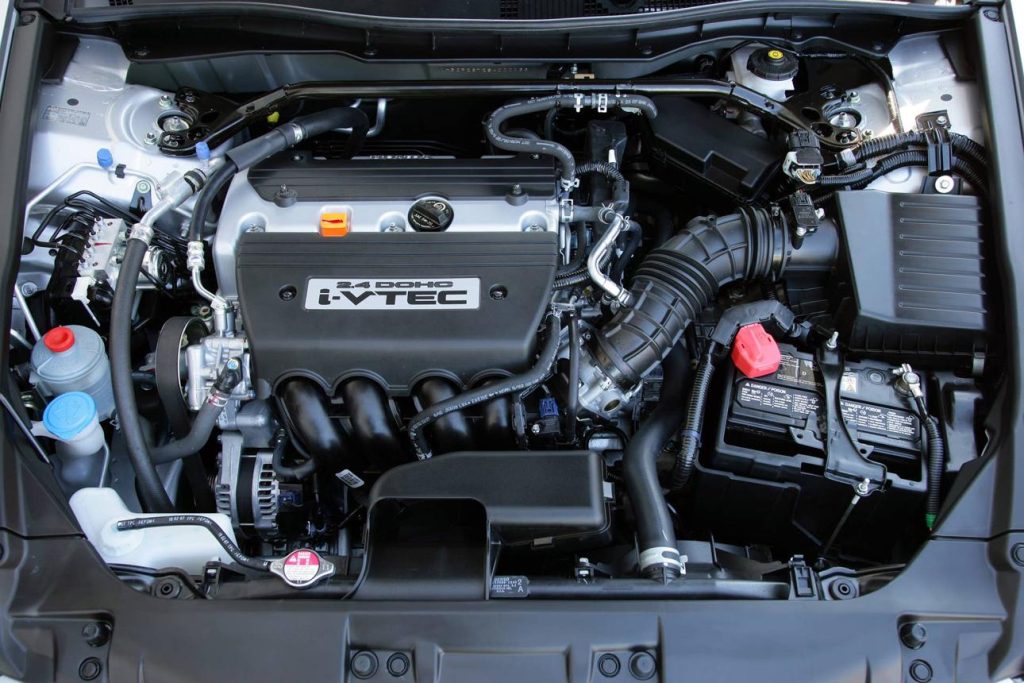
At 200,000 miles, however, maintenance history becomes more important than the engine’s reputation. Check for oil leaks, abnormal timing-chain noise, cooling-system problems, and excessive oil consumption. Some K24 versions have specific oil consumption or timing-related concerns, so avoid treating every variant as identical.
For owners maintaining an older Honda, the K24 offers a useful combination of widespread applications, familiar repair procedures, and established aftermarket support. Just match every replacement component to the exact engine code and vehicle year.
5. Chrysler 3.6L Pentastar V6
The 3.6-liter Pentastar V6 is one of Chrysler’s most widely used modern gasoline engines, appearing in vehicles from several brands under the Stellantis umbrella.
American-market applications include the Jeep Wrangler, Grand Cherokee, Dodge Charger, Challenger, Durango, Ram 1500, Chrysler 300, and Town & Country. Its extensive production history has helped create a large replacement-parts market, which is useful when maintaining vehicles with substantial mileage.
One reason this engine deserves consideration is the range of available replacement components. Owners can find timing-chain kits, camshafts, rocker arms, lifters, cylinder heads, gaskets, cooling-system components, and complete engine assemblies through aftermarket suppliers.
Mopar also maintains an official remanufactured-engine program. Its 2026 wholesale product guide lists 3.6-liter Pentastar replacement long blocks for several Chrysler, Dodge, Jeep, and Ram applications.
The engine produces different power figures depending on its application and production year. For example, the 2012 Jeep Wrangler’s 3.6-liter V6 produced 285 horsepower and 260 lb-ft of torque, giving it considerably more performance than the older 3.8-liter engine it replaced.
However, affordability does not mean the Pentastar is free from expensive problems. Early versions experienced cylinder-head issues, while rocker-arm wear, oil-filter housing leaks, and cooling-system faults can create additional repair expenses. The specific production year matters when ordering replacement parts.
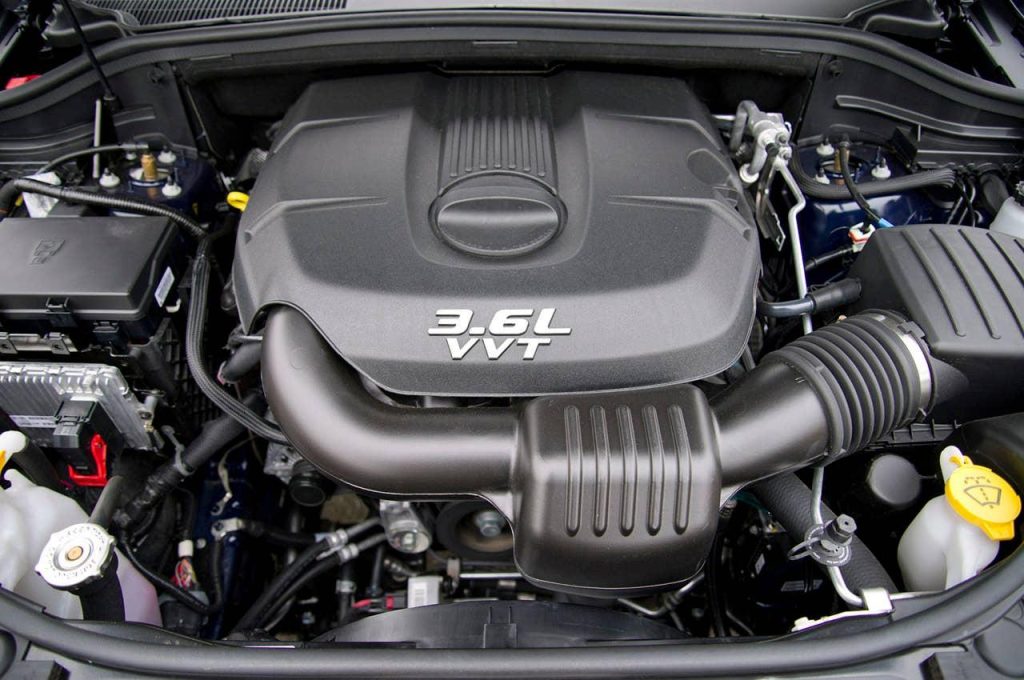
For an owner approaching 200,000 miles, inspecting the valvetrain, cooling system, and oil-filter housing is particularly important. Request invoices for previous rocker-arm or cylinder-head repairs.
The Pentastar’s broad vehicle applications and established replacement-parts supply make it a practical engine to maintain, provided buyers understand that labor-intensive repairs can still cost considerably more than ordinary service work.
6. Toyota 1GR-FE 4.0L V6
Toyota’s 1GR-FE is a 4.0-liter V6 found in several popular American trucks and SUVs. Its applications include the Tacoma, 4Runner, FJ Cruiser, and certain Tundra configurations. Because these vehicles have remained popular in the used market, replacement components for the engine are supported by established original-equipment and aftermarket suppliers.
The 1GR-FE is a particularly useful example because replacement parts are available for more than basic servicing. Engine manufacturers and component suppliers catalogue cylinder-head gaskets, valve seals, timing-chain kits, water pumps, bearings, and other internal components.
Topline’s application catalog identifies the 1GR-FE across multiple Tacoma, 4Runner, Tundra, and FJ Cruiser model years, including specific replacement components for its valve train and timing system.
Toyota’s original specifications also demonstrate why this engine became popular in utility vehicles. The 3,956cc V6 uses a 94mm bore and 95mm stroke. Output varies by model year and application, with the 2007 FJ Cruiser producing 239 horsepower and 278 lb-ft of torque in its US configuration.
One important consideration is that the 1GR-FE evolved during its production life. Earlier and later versions received different cylinder-head and variable valve timing arrangements. Consequently, a replacement water pump, timing component, or gasket must match the precise engine configuration.
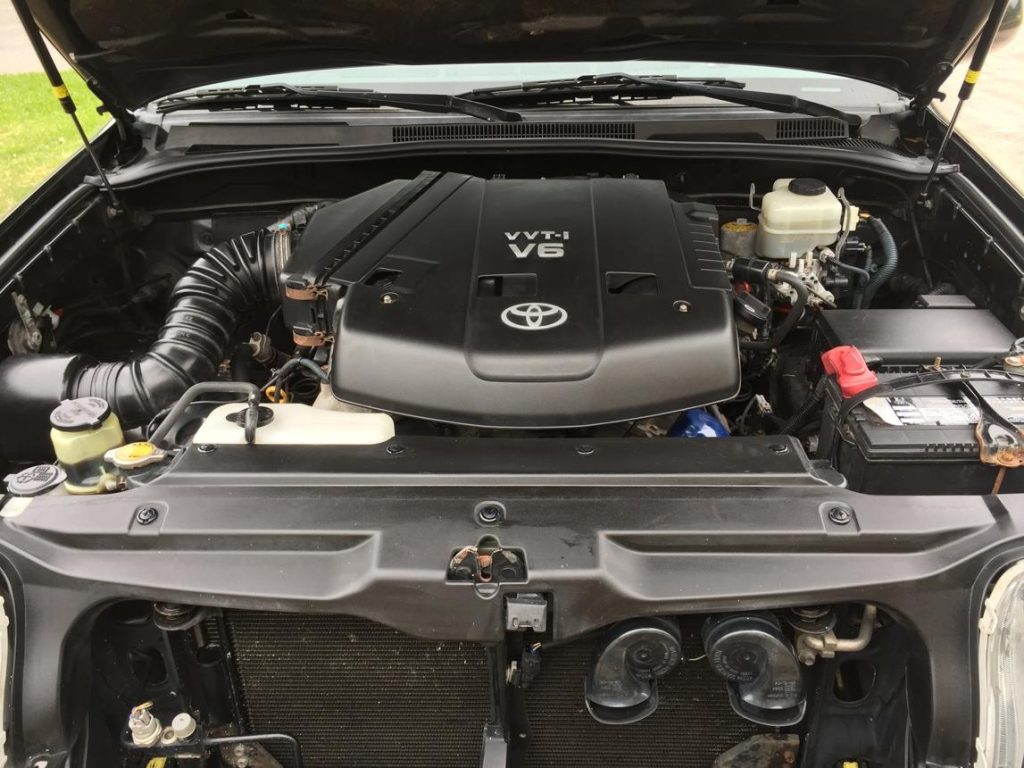
When inspecting a high-mileage example, look for cooling-system leaks, timing-chain noise, oil leaks, and evidence of overheating. Ask whether the water pump and timing components have been serviced.
For owners keeping an older Toyota truck or SUV, the 1GR-FE offers a useful combination of common mechanical architecture, multiple parts suppliers, and established repair support.
7. GM 3800 Series II 3.8L V6
An older engine does not necessarily become expensive to maintain simply because its vehicle has crossed 200,000 miles. General Motors’ 3800 Series II V6 demonstrates this particularly well.
The naturally aspirated L36 version appeared in American vehicles such as the Buick LeSabre, Pontiac Grand Prix, Oldsmobile Eighty Eight, and Chevrolet Impala, creating a substantial supply of replacement components during its production years.
The 3.8-liter engine has a relatively straightforward pushrod design with an overhead-valve configuration. That means it does not require the same type of complex overhead camshaft timing hardware found in many modern engines. Its established architecture also makes routine mechanical repairs familiar to independent shops.
Parts availability is supported by specialist engine suppliers. MAHLE’s North American engine-parts catalog lists pistons and other internal components for the 3.8-liter GM V6. Rebuild suppliers also catalogue complete kits containing pistons, piston rings, connecting-rod bearings, main bearings, gasket sets, timing components, and oil pumps.
The naturally aspirated Series II L36 produced approximately 205 horsepower in the 1999 Oldsmobile Eighty Eight, according to its factory owner’s manual.
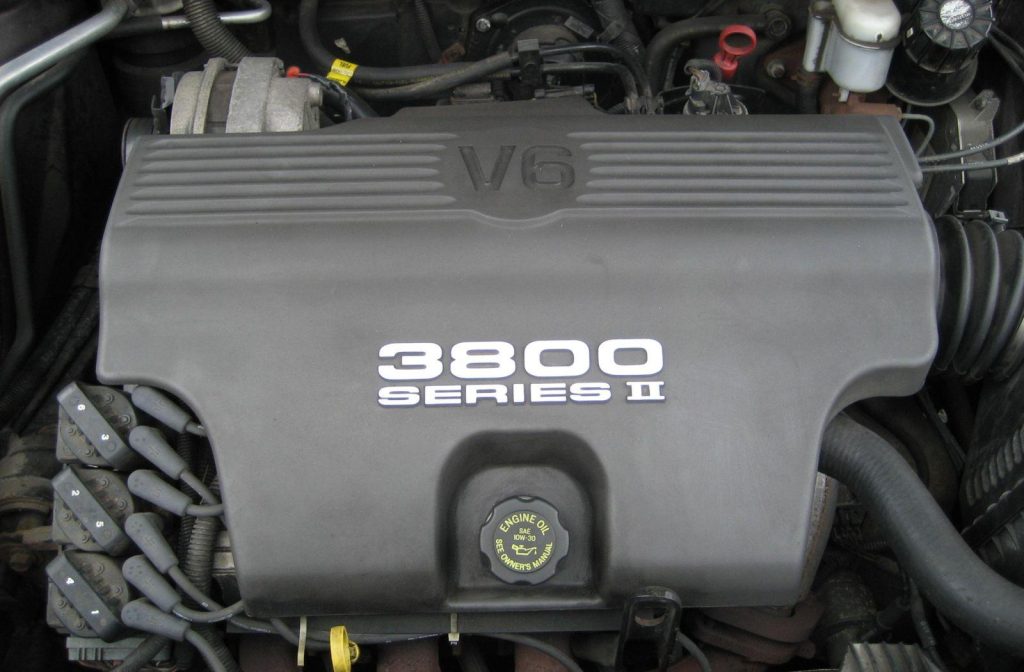
There are a few things buyers should investigate before choosing one. The lower intake manifold gaskets, plastic upper intake components, cooling system, and ignition system deserve particular attention. Intake-related coolant leaks can become serious if ignored.
Another advantage is that rebuild components remain identifiable through established engine codes. However, supercharged L67 and L32 versions are not identical to the naturally aspirated L36, so ordering parts without checking the VIN and engine code can cause compatibility problems.
For someone maintaining an older American sedan, the 3800 Series II remains a practical example of an engine with accessible conventional replacement parts.