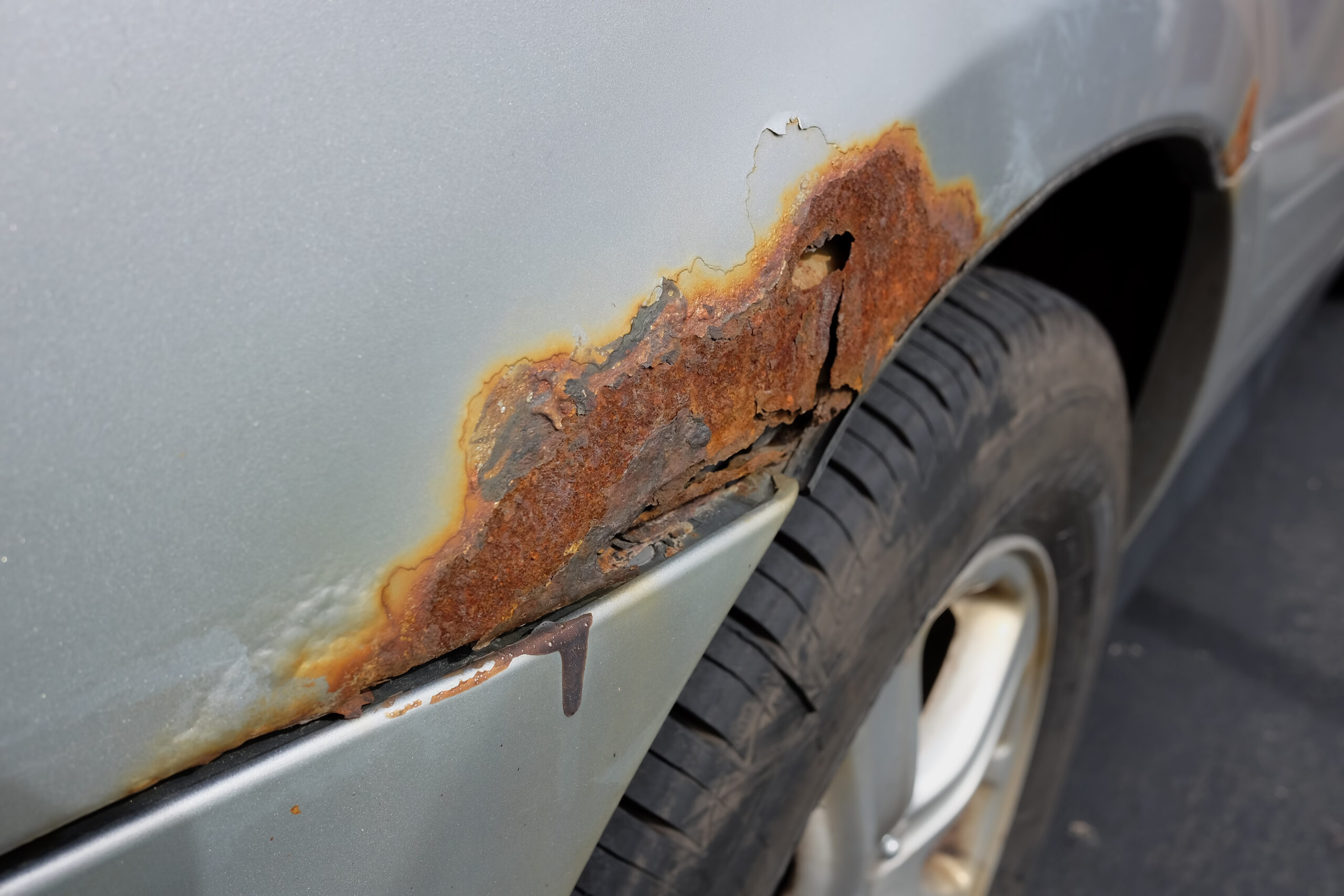
Crossing 100,000 miles does not automatically mean every factory warranty has expired. Some manufacturers provide coverage based on years rather than mileage, while certain hybrid, emissions, and corrosion warranties extend beyond the limits of ordinary bumper-to-bumper protection.
The important detail is that coverage depends on the vehicle’s model year, original in-service date, location, and specific warranty booklet. Some benefits also apply only to particular components or types of failure.
Before paying for an expensive repair, owners of high-mileage vehicles should check these nine warranty categories and confirm whether any protection remains.
1. Rust Perforation of Body Panels
A vehicle can pass 100,000 miles and still have protection against certain types of body corrosion. Some manufacturers offer anti-perforation warranties with unlimited mileage, meaning the odometer alone does not end coverage.
The important distinction is that these warranties generally cover rust that creates a hole through qualifying body sheet metal, not every visible patch of surface rust.
Hyundai provides a useful U.S. example. Its 2026 warranty handbook lists a seven-year, unlimited-mileage anti-perforation warranty. It covers original body sheet metal that develops a rust hole because of defects in materials or factory workmanship, provided the vehicle has been used and maintained normally.
Surface corrosion, exhaust components, and previously repaired or refinished panels are among the exclusions.
This means a Hyundai that has traveled 110,000 miles could potentially qualify for a corrosion repair if it is still within the seven-year warranty and the damage meets the warranty conditions. A vehicle that has exceeded seven years, however, would not qualify under that particular coverage simply because its mileage remains below another threshold.
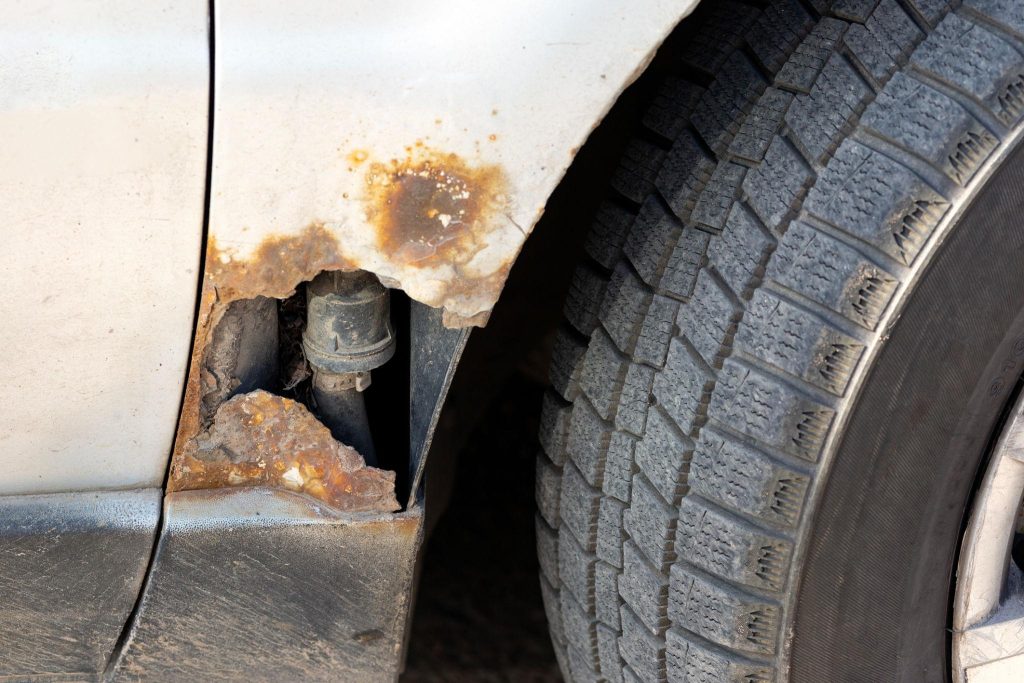
Owners should also understand that corrosion warranties differ between manufacturers. Nissan’s 2026 warranty booklet, for example, lists five years of unlimited-mileage coverage for corrosion perforation, a shorter time limit than Hyundai’s current policy.
If rust appears, photograph the affected area and arrange an inspection before attempting a repair. Repainting or replacing a panel independently can complicate a later claim. Check the original in-service date and exact warranty exclusions before assuming the manufacturer will pay.
2. Seat Belt Assembly Defects
Seat belts are safety equipment, so their warranty coverage may last longer than the basic vehicle warranty. Some manufacturers provide a separate time limit with unlimited mileage. That can matter to owners whose vehicles have passed 100,000 miles but have not yet reached the seat belt warranty’s age limit.
Nissan’s 2026 U.S. warranty booklet lists seat belt coverage for 10 years with unlimited mileage. The coverage is separate from its basic three-year, 36,000-mile vehicle warranty and five-year, 60,000-mile powertrain warranty.
Therefore, an eligible seat belt defect may still qualify after the vehicle has traveled well beyond 100,000 miles, provided the 10-year period has not expired, and the failure meets the warranty conditions.
This protection should not be interpreted as free replacement for every belt that looks worn. Warranty eligibility depends on the specific policy and the reason for the failure.
A manufacturing or material defect is different from damage caused by a collision, cutting, misuse, unauthorized modification, or ordinary deterioration. The manufacturer or authorized dealer must determine whether the reported problem is covered.
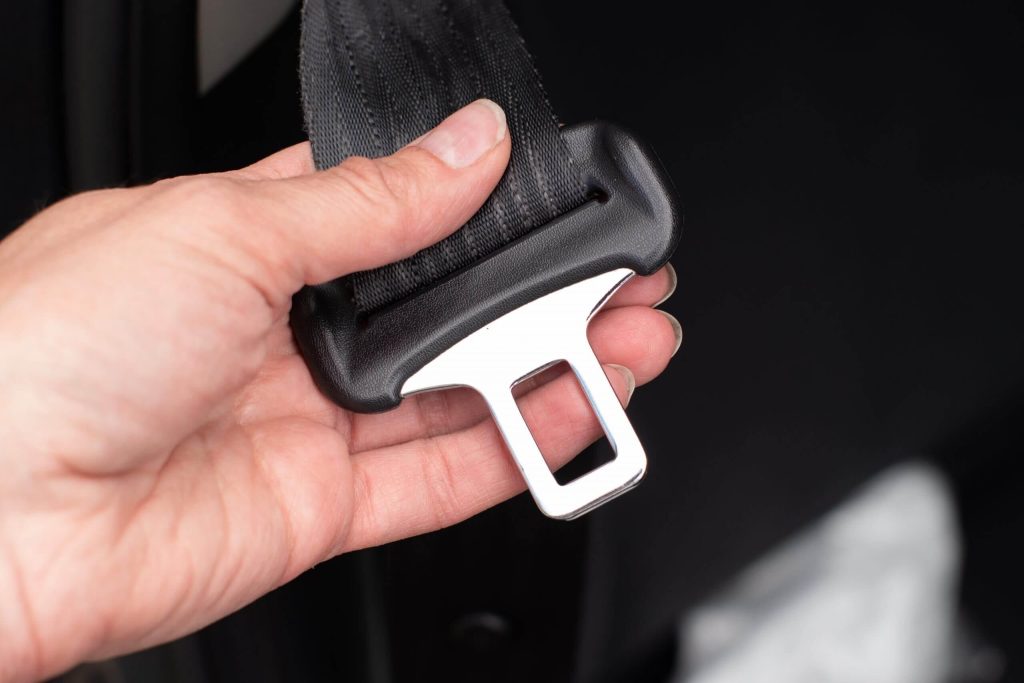
Pay attention to warning signs such as a buckle that will not latch securely, a belt that fails to retract properly, or visible damage to the webbing. Do not postpone an inspection simply because the vehicle has high mileage. A malfunctioning restraint system is a safety concern, not merely an inconvenience.
Before authorizing a paid repair, provide the dealer with the vehicle identification number and original in-service date. Ask for a warranty eligibility check and a written explanation if coverage is declined. Other manufacturers may offer different time limits, so Nissan’s 10-year policy should not be treated as a universal industry standard.
3. PZEV Emissions-Control Components
Some vehicles certified as Partial Zero Emission Vehicles (PZEVs) have emissions warranties that extend well beyond 100,000 miles. This is one of the most important exceptions to the assumption that factory protection ends once a vehicle reaches six figures on the odometer.
However, the benefit applies only to qualifying vehicles and specific emissions-related components, not every engine or exhaust repair.
The California Air Resources Board (CARB) lists a 15-year or 150,000-mile warranty for emissions-related components on eligible PZEV and Transitional Zero Emission Vehicle (TZEV) models from the applicable certification periods.
The battery or other energy-storage device has a separate 10-year or 150,000-mile period. The time and mileage limits are whichever comes first.
That distinction can be valuable to someone driving a qualifying vehicle with 115,000 or 130,000 miles. A covered emissions component could still be eligible for repair if the vehicle has not reached the applicable time limit and the failure meets the warranty requirements.
The precise list of covered parts depends on the vehicle’s certification and warranty statement.
Do not assume that every hybrid, plug-in hybrid, or low-emission vehicle automatically receives PZEV coverage. Certification matters. A vehicle registered in a state that follows California emissions rules is not necessarily covered unless it was built and certified for the applicable program.
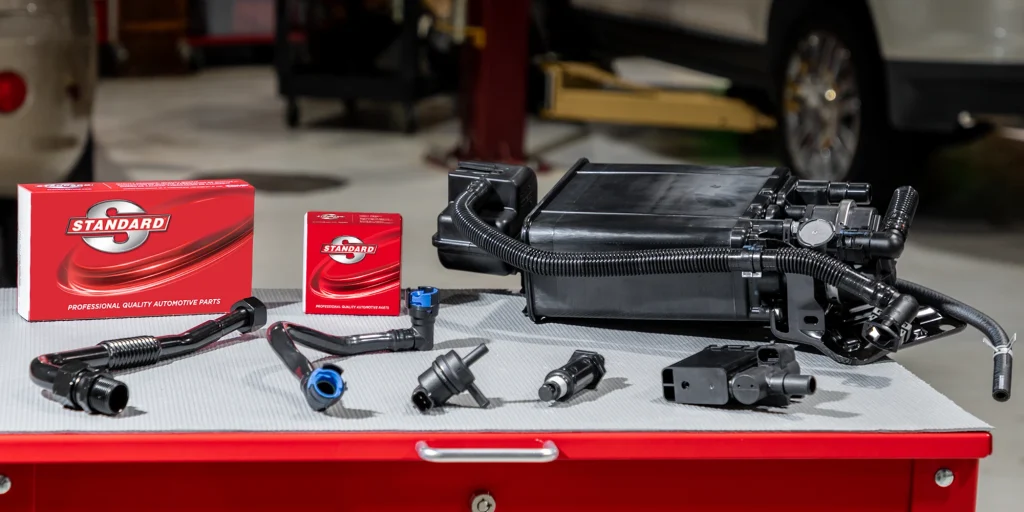
Check the emissions label under the hood and the original warranty booklet. Ask a dealer to verify the vehicle identification number against the emissions warranty records.
If the vehicle qualifies, request a written explanation of the component coverage before paying for a repair. CARB’s published warranty periods provide the framework, but the vehicle-specific warranty determines whether a particular claim qualifies.
4. High-Voltage Battery Coverage on Certain California-Certified Vehicles
A high-voltage battery can be one of the most expensive components in a hybrid or plug-in hybrid vehicle. Owners may therefore assume that reaching 100,000 miles leaves them fully exposed to a major battery bill.
That is not always true. Certain California-certified PZEV and TZEV vehicles have a separate battery or energy-storage warranty that can extend to 150,000 miles.
CARB’s published warranty requirements specify 10 years or 150,000 miles for the battery or other energy-storage device on eligible PZEV and TZEV vehicles covered by the relevant certification rules. This is separate from the 15-year or 150,000-mile coverage for other qualifying emissions-related components.
The distinction is important because not every hybrid battery receives this extended protection. A conventional hybrid, plug-in hybrid, or electric vehicle may instead have a manufacturer warranty with a different mileage and time limit.
For example, Hyundai’s U.S. warranty information lists 10 years or 100,000 miles for its hybrid and electric battery coverage. That particular limit does not protect 100,000 miles.
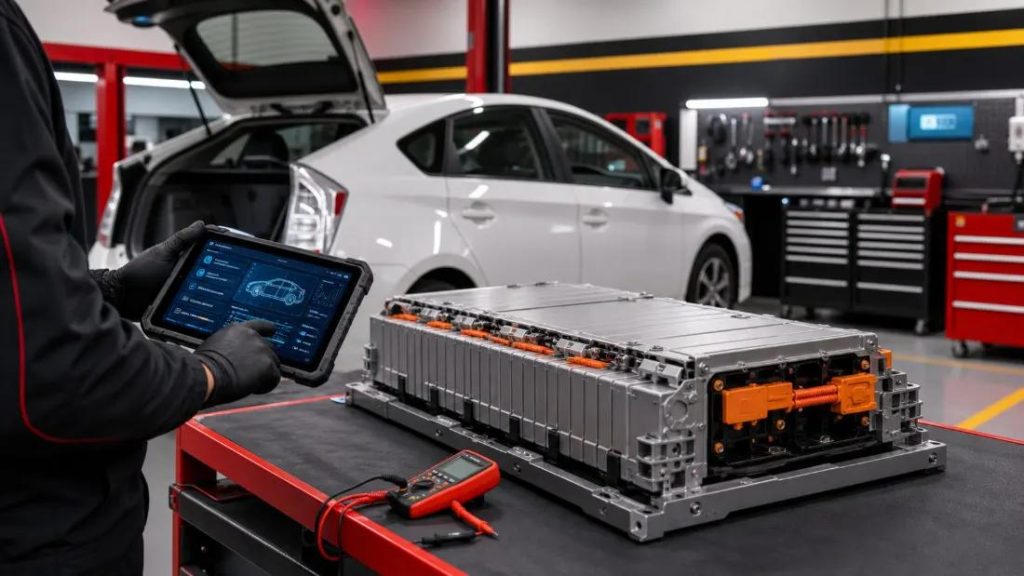
Even when a vehicle qualifies for the California extension, the warranty does not necessarily cover every reduction in driving range or every battery-related complaint. The manufacturer evaluates the failure under the applicable warranty terms and battery requirements.
Before authorizing a battery replacement, confirm the vehicle’s model year, emissions certification, original in-service date, and registration history. Ask the dealer to identify the exact battery warranty applying to that VIN.
A qualifying owner may have substantial protection remaining at 110,000 or 140,000 miles, but the certification and written terms must support the claim.
5. Safety Recalls Involving Major Vehicle Components
A safety recall is different from an ordinary factory warranty. It is issued when a manufacturer identifies a safety-related defect or a failure to meet a federal motor vehicle safety standard. As a result, a vehicle with 120,000 or even 200,000 miles may still qualify for a recall repair if the VIN is included in an open recall campaign.
The National Highway Traffic Safety Administration (NHTSA) provides a VIN lookup tool that allows owners to check for unrepaired safety recalls. NHTSA explains that manufacturers generally provide recall repairs free of charge, although the remedy and eligibility depend on the specific campaign.
A recall can involve components such as fuel systems, electrical wiring, airbags, braking equipment, or engine-related parts. Some defects may create a fire risk, while others can increase the likelihood of a crash or injury. The important point is that the vehicle’s mileage does not automatically make an open safety recall disappear.
There are limits. A recall is not a promise to repair every failure involving the affected system. The manufacturer must determine whether the vehicle is included in the campaign and whether the specific condition is covered by the remedy.
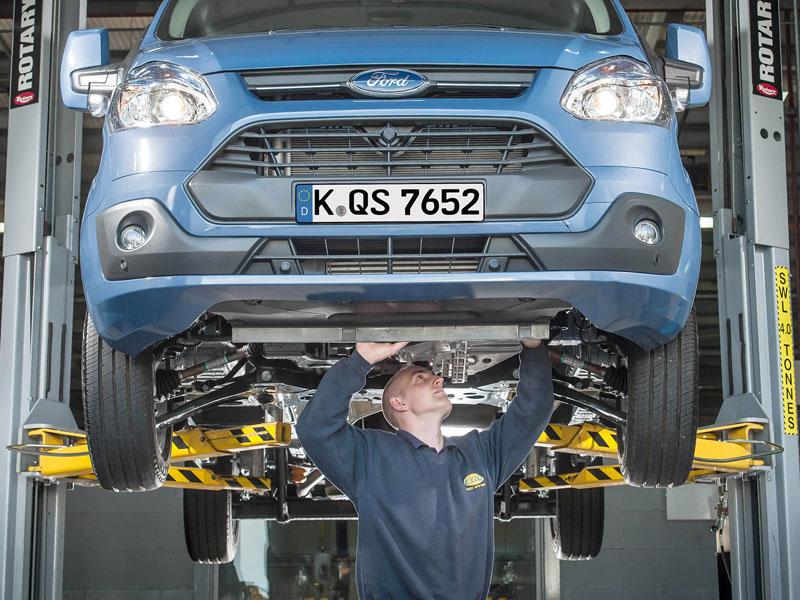
A vehicle that has already received the required recall repair may not qualify for the same remedy again unless the campaign instructions provide for additional work.
Owners should check the VIN through NHTSA rather than relying only on the model name or a general internet search. If an open recall appears, contact an authorized dealership and ask about the repair procedure and parts availability.
Keep the completed recall paperwork for future records. Even a high-mileage vehicle deserves attention when an unresolved safety defect remains on its recall history.
6. Replacement Parts Installed During Earlier Repairs
A vehicle’s original factory warranty may have expired years before its odometer reaches 100,000 miles, but a replacement component installed more recently can carry its own parts warranty.
This creates an important distinction between the age of the vehicle and the age of the repair. An alternator, starter, water pump, electronic module, or other replacement part may still have coverage even when the vehicle itself is well beyond its original warranty period.
The exact protection depends on who supplied the part, where it was purchased, and who installed it. Hyundai’s U.S. warranty information, for example, lists a 12-month, unlimited-mileage limited warranty for qualifying genuine replacement parts and accessories supplied by Hyundai.
Its terms distinguish between parts purchased through an authorized dealer and parts installed by that dealer.
That means a qualifying replacement part could remain within its time limit after the vehicle has traveled another 10,000 or 20,000 miles. It does not mean every aftermarket component receives the same coverage.
Independent parts manufacturers and retailers set their own written terms, which may include different durations, mileage limits, labor allowances, or exclusions.
The paperwork is essential. Keep the repair order, itemized invoice, part number, installation date, and odometer reading. If the replacement component fails, those records help establish whether the part is still covered and whether labor is included.

Before spending money on another repair, contact the original installer and ask whether the replacement part is still covered by warranty. Keep in mind that coverage may not include the entire repair, as some policies pay for the replacement part but exclude or limit labor and diagnostic fees.
Even if the vehicle has high mileage, a repair completed relatively recently may still qualify for warranty protection, depending on the written terms and conditions.
7. Dealer-Installed Accessories With Separate Coverage
A vehicle’s original warranty may be finished, but an accessory installed later can have a separate warranty period. This is particularly relevant for owners who purchased genuine accessories after buying the vehicle.
Items such as roof racks, floor liners, electronic accessories, and certain dealer-supplied equipment may be covered under a separate manufacturer’s or supplier’s policy.
Hyundai’s U.S. warranty information provides an example of how this works. Its published terms list a 12-month, unlimited-mileage limited warranty for qualifying replacement parts and accessories supplied by Hyundai.
Accessories installed on a vehicle at the time of, or before, purchase may instead fall under the new-vehicle limited warranty. Accessories installed by a dealer after the vehicle has been in use are treated under the separate parts and accessories coverage described by Hyundai.
This matters when a vehicle already has 110,000 miles but receives a genuine accessory installation at that stage. The vehicle’s odometer does not necessarily cancel the accessory’s separate coverage. The accessory’s own installation date and warranty conditions become more important.
However, buyers should not assume that every accessory has unlimited-mileage coverage. Some branded products carry their own manufacturer’s warranty, while others may have a shorter period or different exclusions.
An accessory installed by an independent shop may also be governed by the supplier’s terms rather than the automaker’s policy.
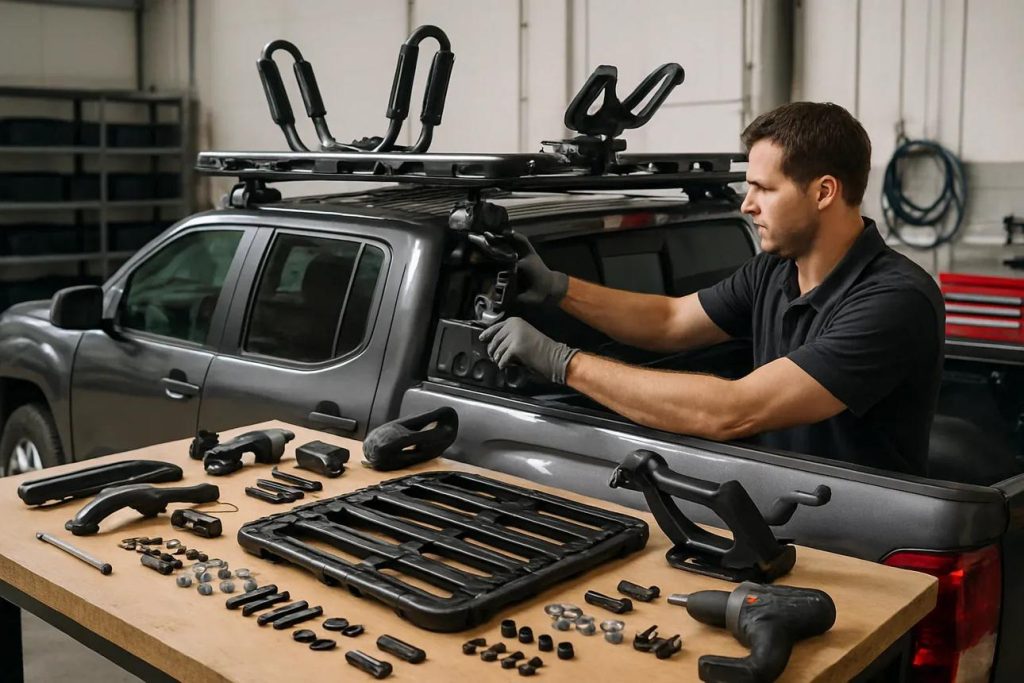
At installation, request an itemized invoice identifying the accessory, part number, supplier, and date. Ask whether the warranty covers both the part and installation labor.
If a fault develops later, contact the seller or authorized installer before allowing another shop to dismantle the component. That helps preserve evidence and makes it easier to determine which warranty applies.
8. Manufacturer Warranty Extensions for Known Defects
A vehicle manufacturer may extend coverage for a specific component after identifying a recurring defect or receiving enough complaints to investigate a problem.
These programs can sometimes protect owners beyond the original factory warranty, including vehicles that have already crossed 100,000 miles. However, an extended warranty is not automatically issued for every vehicle with the same engine or transmission.
These programs may be described as warranty extensions, special service campaigns, or customer-support programs. Their terms can identify a particular component, model year, production period, and maximum mileage.
An extension might cover an engine component, transmission assembly, fuel-system part, or electronic module for longer than the original warranty.
The important distinction is that a technical service bulletin (TSB) is not automatically a warranty extension. A TSB gives dealership technicians instructions for diagnosing or repairing a known issue. It does not, by itself, promise free repairs.
A separate warranty-extension document or customer-support program must establish the additional coverage.
Owners should search using the vehicle identification number rather than assuming that a repair discussed online applies to their vehicle. Ask the manufacturer or authorized dealer whether any special coverage, warranty extension, or customer-support program remains active.
Request the program number, covered component, expiration date, and mileage ceiling in writing.

A vehicle with 125,000 miles could qualify if the manufacturer has issued a program extending coverage beyond that point. Another vehicle with the same model name may not qualify because of its production date or engine configuration. These programs are highly specific, so there is no universal 100,000-mile extension.
If a warning light appears or a covered component begins failing, contact the dealer before authorizing an independent repair. Paying for the work first can make reimbursement more complicated, and some programs require diagnosis or authorization through an approved repair facility.
9. Extended Vehicle Service Contracts With Higher Mileage Limits
An extended vehicle service contract can provide protection after the factory warranty expires, but buyers need to understand that it is not the same as an original manufacturer’s warranty.
Depending on the provider and contract, coverage may continue to 120,000, 150,000, or even more miles. This can make a difference for owners who intend to keep a vehicle well beyond the 100,000-mile mark.
These contracts may cover major mechanical and electrical components, including the engine, transmission, drive axle, cooling system, and selected electronic equipment. However, coverage varies considerably.
A basic powertrain plan may exclude many electrical components, while a more comprehensive plan may include additional systems. Wear items, routine maintenance, pre-existing problems, and damage caused by neglect are commonly excluded.
The Federal Trade Commission advises consumers to read service-contract terms carefully, understand what is covered and excluded, and check whether the provider requires repairs at particular facilities.
It also recommends checking the company’s reputation and understanding deductibles, claim procedures, and cancellation conditions.
Mileage limits require particular attention. A contract advertised as lasting five years may also end when the vehicle reaches a stated odometer reading. Some providers calculate the limit from the vehicle’s current mileage, while others use its mileage when the contract was purchased. The starting point must be clear before signing.

For a vehicle already showing 105,000 miles, ask whether the provider will accept it and what maximum mileage the plan allows.
Get the coverage schedule, exclusions, deductible, claim authorization rules, and cancellation terms in writing. Also verify whether the contract is backed by the manufacturer, an administrator, or a third-party insurer.
A service contract can reduce exposure to certain expensive repairs, but it is not a guarantee against every breakdown. Compare its cost with the actual coverage before committing.