
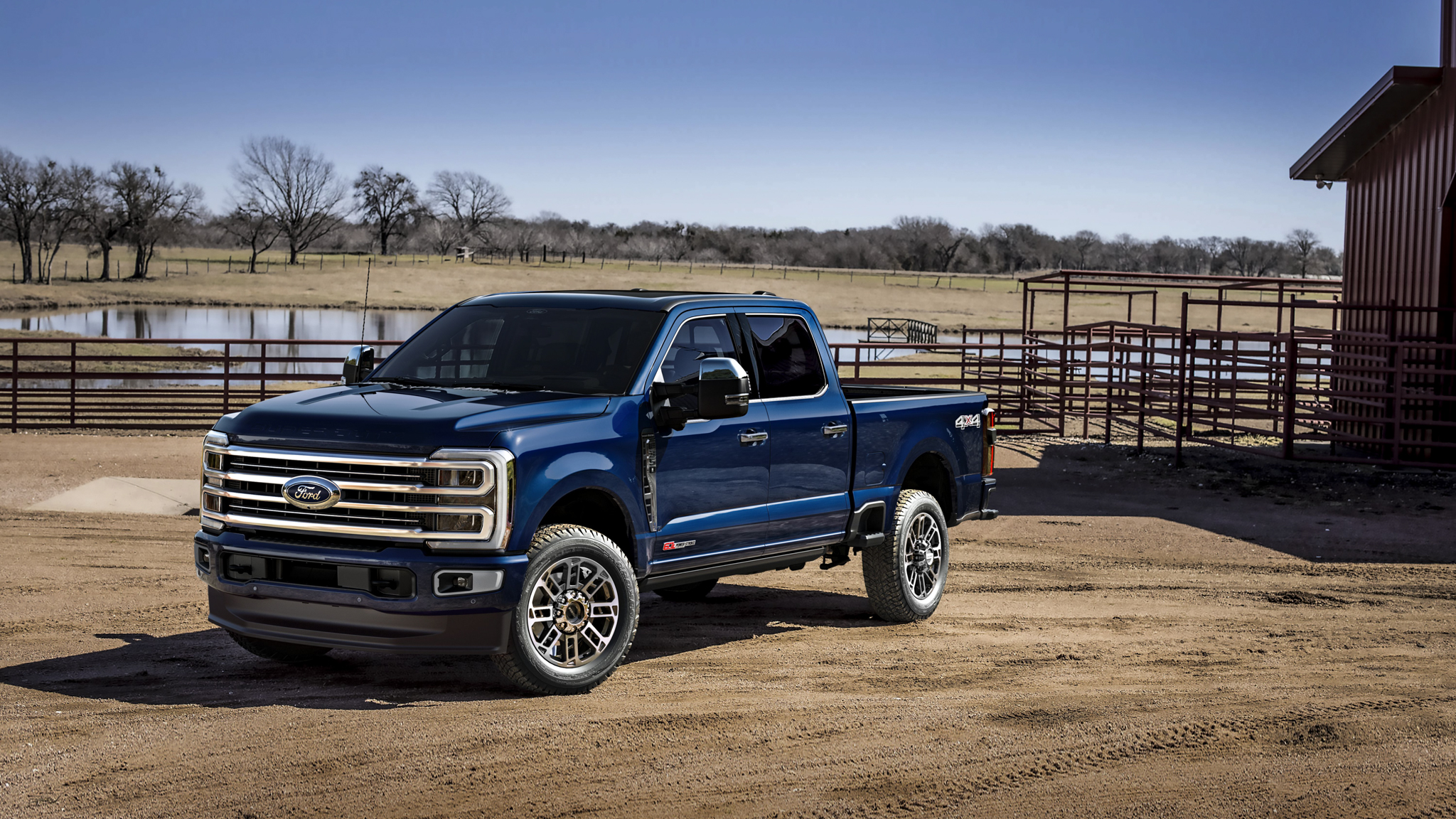
A pickup truck’s payload capacity is not determined by its engine alone. Several factory-installed features and optional upgrades can reduce the weight available for passengers, tools, building materials, and other cargo.
Luxury equipment, larger wheels, off-road accessories, and additional drivetrain components all add weight to the vehicle. Since a truck must remain within its Gross Vehicle Weight Rating (GVWR), every extra pound added to its curb weight reduces the remaining payload allowance.
Some upgrades improve comfort, appearance, or capability, but buyers who regularly haul heavy loads should understand the trade-offs before choosing their next pickup.
1. Hybrid Powertrain Systems
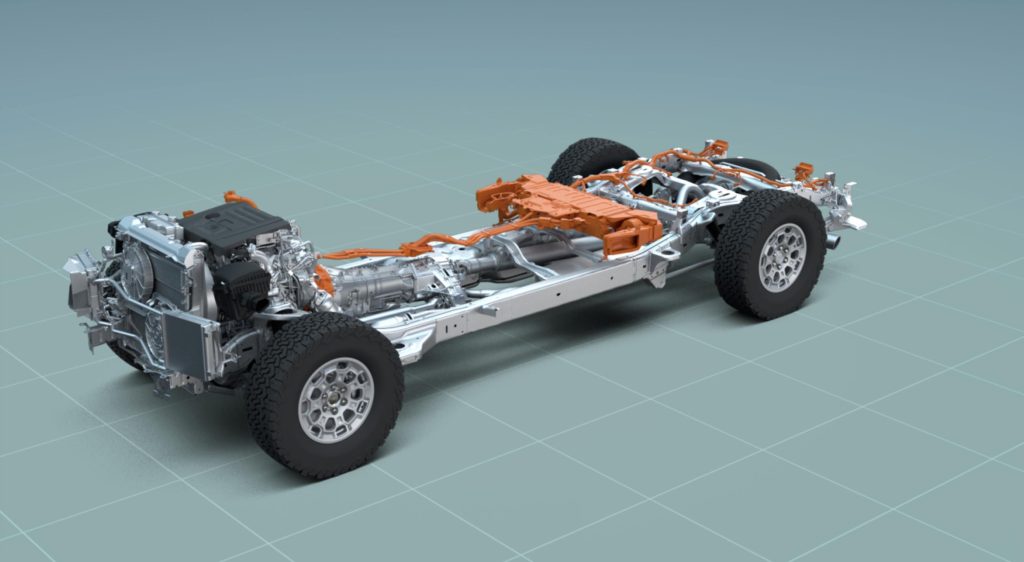
Hybrid powertrains can improve fuel economy and provide additional torque, but their extra components also increase a pickup’s curb weight. Unlike a conventional gasoline engine, a hybrid setup combines an internal combustion engine with an electric motor, battery pack, power electronics, and additional cooling equipment.
All these components occupy space and add weight before the owner places anything in the bed.
The battery pack is particularly important because it can be one of the heavier additions to the powertrain. Depending on the system, manufacturers must also install protective housings, wiring, and supporting hardware.
That additional mass reduces the remaining payload whenever the truck’s GVWR stays unchanged. A pickup with a hybrid system may therefore have less room for passengers, construction materials, and work equipment than a comparable configuration without it.
However, it would be inaccurate to assume that every hybrid pickup automatically has a lower payload rating. Manufacturers can use different GVWR ratings, suspension specifications, and chassis configurations to account for additional equipment. The actual difference depends on the exact factory configuration.
For buyers who regularly carry heavy loads, checking the payload sticker is more important than relying on the engine description or advertised maximum capacity.
Ford’s owner documentation explains that optional equipment must be accounted for when calculating available carrying capacity. A hybrid powertrain can be a worthwhile choice for efficiency and performance, but its added hardware deserves consideration when payload is a priority.
2. Four-Wheel-Drive Systems
Four-wheel drive is a valuable feature for pickup owners who regularly encounter snow-covered roads, muddy construction sites, loose gravel, or uneven terrain.
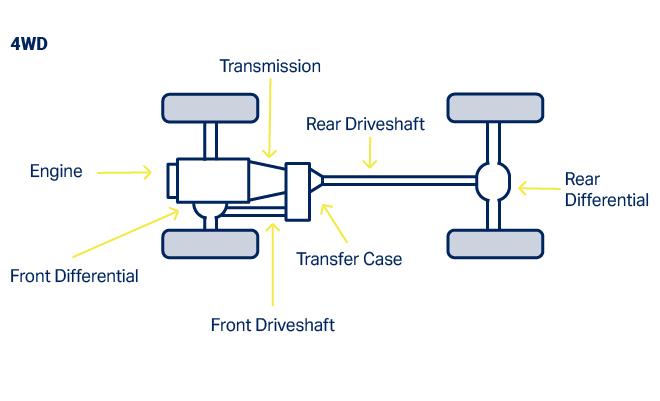
However, the system requires additional mechanical components that increase the vehicle’s empty weight. These typically include a transfer case, front differential, additional driveshafts, axle components, and associated mounting hardware.
Unlike a two-wheel-drive configuration, which sends engine power to one axle, a four-wheel-drive system must distribute power to both axles when engaged. The additional equipment remains part of the truck even when four-wheel drive is switched off. Consequently, it still contributes to curb weight during everyday driving.
The effect on payload capacity is simple. When two vehicle configurations share the same GVWR, the heavier one has less available capacity for passengers, luggage, and other cargo because more of its weight limit is already used.
For example, an additional 120 pounds of factory equipment would reduce available payload by 120 pounds if the GVWR remained unchanged. This is an illustration of the weight calculation, not a universal four-wheel-drive penalty.
There is also another consideration for buyers choosing a truck primarily for commercial work. A heavier drivetrain can leave less room for toolboxes, construction supplies, and other equipment that needs to travel in the bed.
Four-wheel drive is certainly useful when additional traction is necessary, but it is not essential for every pickup owner. Buyers who spend most of their time on paved roads should compare the actual payload ratings of two-wheel-drive and four-wheel-drive configurations before paying extra for the additional capability.
3. Oversized Wheels and Heavy-Duty Tires
Larger wheels and more aggressive tires can give a pickup a tougher appearance and improve its performance in certain driving conditions. However, these upgrades can also increase the amount of weight the truck carries before any cargo is loaded.
The difference becomes particularly relevant when buyers replace standard factory wheels and tires with heavier aftermarket alternatives.
The weight penalty comes from several areas. Larger alloy or steel wheels can weigh more than the original equipment, while all-terrain and mud-terrain tires often use heavier construction, reinforced sidewalls, and deeper tread patterns. Some heavy-duty tire combinations also require different wheels, increasing the combined weight of the setup.
Another consideration is the extra equipment that may be needed when installing larger tires. Depending on the setup, owners may need suspension adjustments, wheel spacers, or upgraded components to provide adequate clearance. These modifications add weight to the vehicle and can further reduce its available payload capacity.
The important point is that the payload reduction depends on the actual difference between the original and replacement equipment. For example, if a complete replacement wheel-and-tire package adds 80 pounds across all four corners, the truck has 80 fewer pounds available for passengers and cargo, assuming its GVWR remains unchanged.
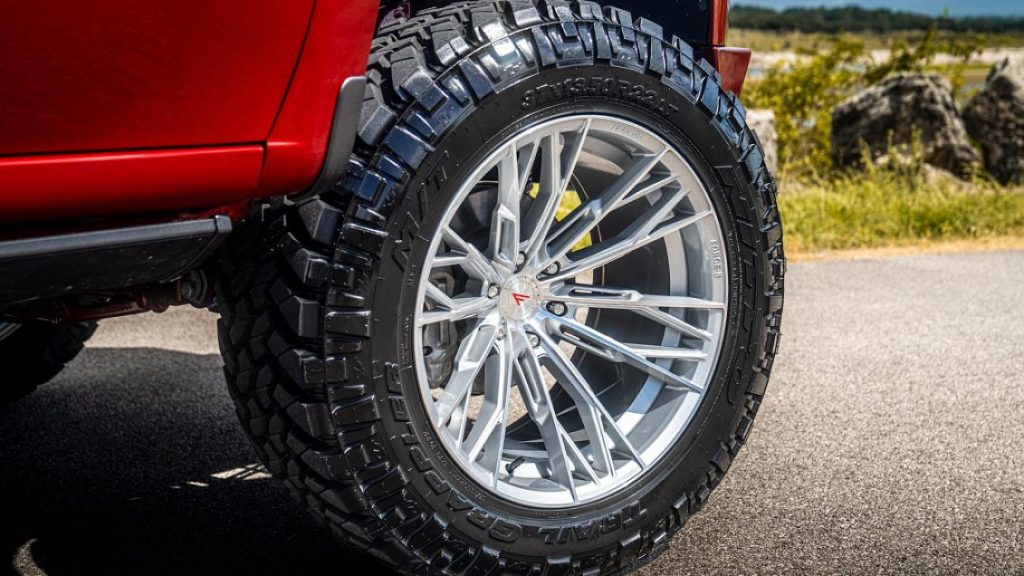
Buyers should also understand that a higher tire load rating does not automatically increase the pickup’s legal payload capacity. The vehicle’s certified weight limits still apply. Before upgrading, compare the weight of the complete factory setup with the replacement package rather than judging wheels and tires by appearance alone.
For someone who regularly transports heavy materials, keeping the factory wheel and tire combination may preserve useful carrying capacity without sacrificing everyday practicality.
4. Panoramic Sunroofs and Large Glass Roofs
A panoramic sunroof can make a pickup’s cabin feel brighter, more spacious, and more comfortable during long journeys. It is an attractive feature on premium configurations, particularly for buyers who use their trucks as everyday family vehicles.
However, the additional equipment required for a large glass roof can contribute to the vehicle’s curb weight.
A panoramic roof is more complicated than a simple opening in the roof panel. Its construction can include large glass panels, reinforcement, sliding mechanisms, electric motors, tracks, seals, drainage channels, and an interior shade. Depending on the design, some systems also include additional structural support to maintain the required rigidity.
All these components add weight compared with a conventional fixed roof. The actual difference varies considerably between manufacturers and vehicle configurations, so there is no reliable universal figure that applies to every pickup.
The payload calculation is straightforward. A truck has a maximum permitted loaded weight established by its GVWR. When additional factory equipment increases its curb weight without changing that rating, the available payload decreases by the same amount.

This becomes particularly important for owners who regularly carry several passengers alongside heavy cargo. A few additional pounds from individual comfort options may seem insignificant, but multiple upgrades can gradually reduce the remaining carrying allowance.
There is nothing wrong with choosing a panoramic roof if comfort is a priority. However, buyers shopping for a work-focused pickup should consider whether the feature provides enough practical value to justify its contribution to vehicle weight.
Checking the actual payload information for the selected configuration is the best way to understand the trade-off before purchasing.
5. Luxury Interior and Comfort Packages
Premium interior packages can transform a pickup into a comfortable vehicle for daily commuting, family travel, and long-distance driving.
Features such as power-adjustable seats, heated and ventilated seating, premium audio systems, larger center consoles, additional sound insulation, and upgraded upholstery make higher trim levels appealing.
However, these additions can increase vehicle weight and reduce the space available within its payload allowance.
The weight difference comes from several individual components rather than one major upgrade. Electrically adjustable seats contain motors and mechanisms that basic manual seats do not require.
Ventilation and heating systems introduce additional hardware, while premium audio packages can include larger speakers, amplifiers, and subwoofers. More extensive interior insulation and additional electronic equipment also contribute to the final curb weight.
The impact becomes more noticeable when a buyer chooses several luxury options together. A premium cabin, larger infotainment system, upgraded seating, and additional convenience equipment can collectively add weight that would otherwise be available for passengers and cargo.
However, a higher trim level does not automatically have a lower payload rating. Manufacturers sometimes offer different GVWR ratings and suspension configurations across their lineups. Therefore, comparing trim names alone will not reveal the actual difference.
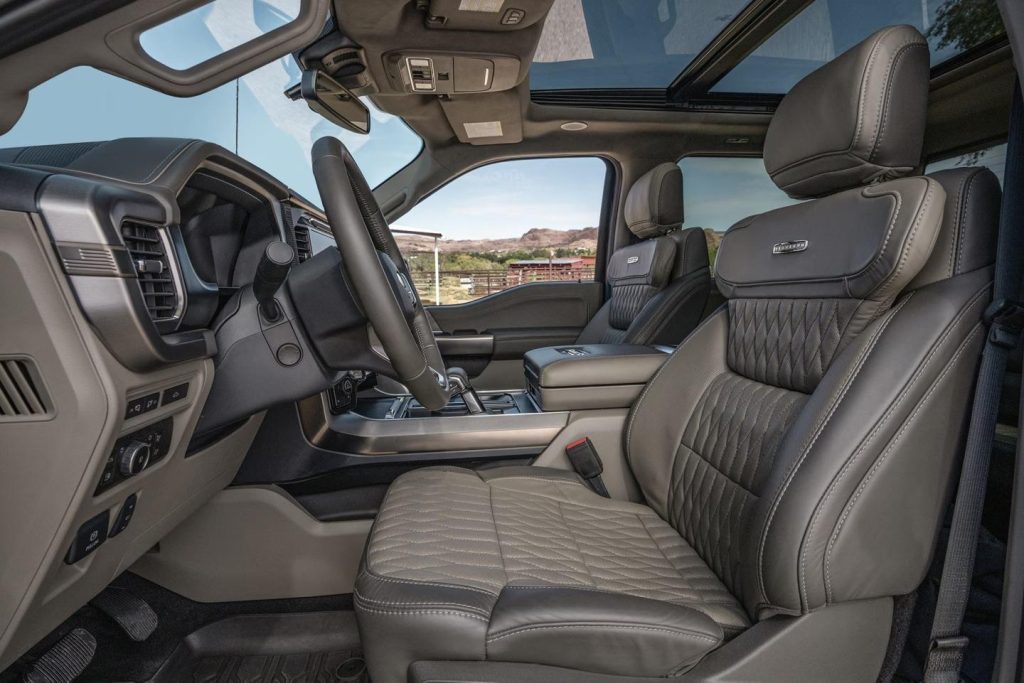
For buyers who use their pickups for construction work, farming, landscaping, or transporting heavy equipment, a simpler interior can offer a practical advantage. It may provide more payload headroom while also avoiding features that are unnecessary for demanding work environments.
Before purchasing, compare the actual payload stickers of the available configurations. The difference between two similarly sized pickups can be more important than the additional comfort equipment advertised in the showroom.
6. Heavy Tonneau Covers and Bed Accessories
A pickup bed is designed to carry cargo, but many owners install additional equipment to make it more useful. Tonneau covers, cross-bed toolboxes, ladder racks, cargo rails, and storage systems provide protection and organization.
The disadvantage is that these accessories occupy part of the truck’s available payload before any tools or materials are loaded.
The amount of weight added depends on the design and construction. A lightweight soft tonneau cover contributes relatively little, while a powered retractable cover with metal slats, motors, and mounting hardware can be considerably heavier.
Large toolboxes and steel ladder racks introduce additional weight, particularly when several accessories are installed together.
The Chevrolet Silverado owner’s documentation specifically addresses this issue by listing equipment weight considerations for ladder racks, cross-bed toolboxes, and side boxes. It also advises owners to account for additional equipment when determining how much the vehicle can carry.
Consider a practical example. If a pickup has 1,600 pounds of available payload and its owner installs accessories weighing a combined 150 pounds, the remaining allowance becomes 1,450 pounds, assuming no other changes to the vehicle’s weight limits. That remaining capacity must still accommodate passengers, cargo, and other equipment.
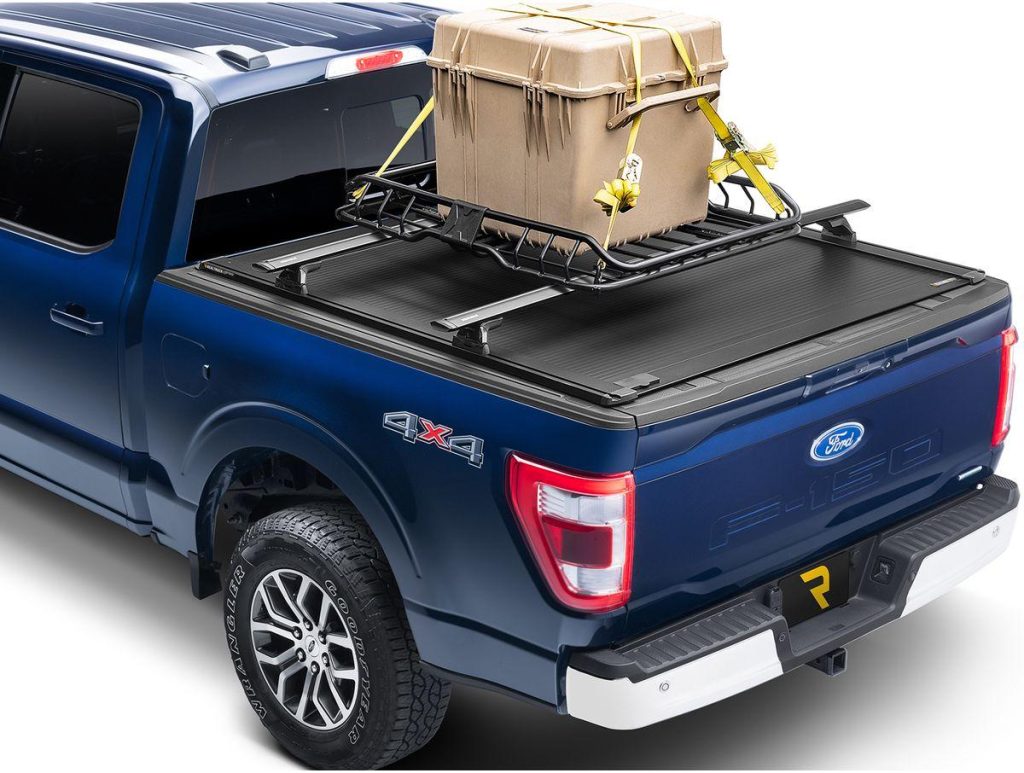
Another concern is that accessories can affect weight distribution. A heavy toolbox mounted near the front of the bed may place a different load on the axles than equipment installed farther back.
Bed accessories are useful investments, especially for tradespeople who need organized storage. However, choosing lighter equipment and avoiding unnecessary additions can preserve valuable payload capacity.
7. Off-Road Protection Equipment and Steel Bumpers
Off-road protection equipment is designed to help pickups handle rough terrain, rocks, mud, and other demanding environments.
Steel front bumpers, skid plates, rock sliders, recovery points, and protective underbody components can reduce the risk of damage during difficult driving conditions. Unfortunately, these upgrades can also add substantial weight to a truck.
Factory off-road packages may include reinforced suspension components, protective plates, specialized bumpers, and additional recovery equipment. Aftermarket modifications can increase the weight further, particularly when owners replace standard components with heavier steel alternatives.
Steel bumpers are especially important to consider because they can weigh considerably more than the original bumper assemblies. Some designs also accommodate winches, auxiliary lighting, and recovery hardware. Each additional component contributes to the vehicle’s loaded weight, even when the equipment is not being used.
Skid plates and rock sliders create a similar situation. They provide useful protection underneath the vehicle, but their metal construction adds weight that must be deducted from the available payload allowance.
For example, installing 200 pounds of additional protection equipment reduces the remaining payload by 200 pounds when the truck’s GVWR remains unchanged. This is why a heavily modified off-road pickup may have considerably less carrying capacity than its original factory configuration.
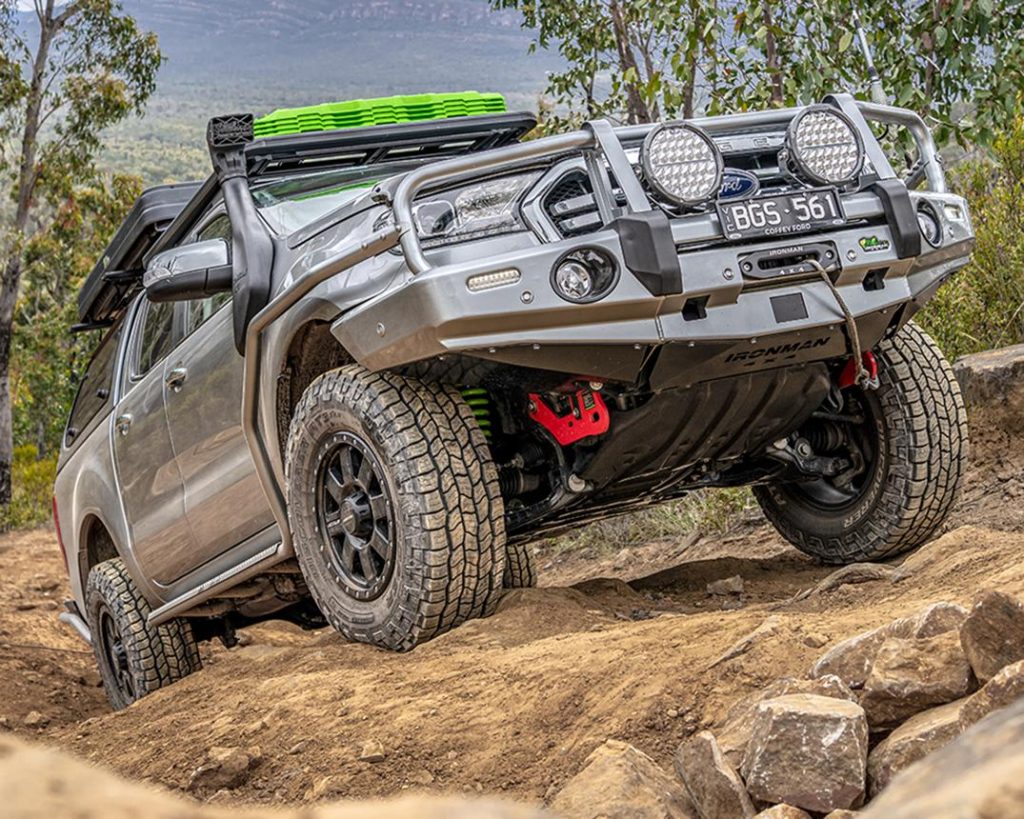
Owners should also pay attention to axle ratings. Concentrating heavy equipment toward the front can increase the load on the front axle, even if the truck remains below its total GVWR.
Off-road protection is valuable for people who regularly travel challenging trails or work in demanding environments. However, choosing only the equipment necessary for those conditions helps prevent unnecessary payload losses.
8. Power Running Boards and Electric Side Steps
Power running boards make entering and exiting a tall pickup easier, particularly for children, older passengers, and people who regularly climb into lifted trucks.
Unlike basic fixed side steps, these systems use electric motors and mechanical assemblies to extend when a door opens and retract when it closes. The added convenience comes with additional hardware and weight.
A powered running board typically includes metal step platforms, mounting brackets, electric motors, wiring, sensors, and control mechanisms. Some systems also incorporate protective covers and reinforced hinges. The complete assembly can weigh more than a basic set of fixed steps, depending on its design and materials.
The weight penalty may appear relatively small compared with larger modifications such as steel bumpers or heavy storage systems. Nevertheless, it still reduces the amount of weight available for passengers and cargo when the truck’s GVWR remains unchanged.
There is also a practical consideration for owners who install several accessories together. Power running boards may be accompanied by upgraded bumpers, larger wheels, bed covers, and additional lighting. Individually, these options might not appear significant, but their combined weight can consume a noticeable portion of the available payload.
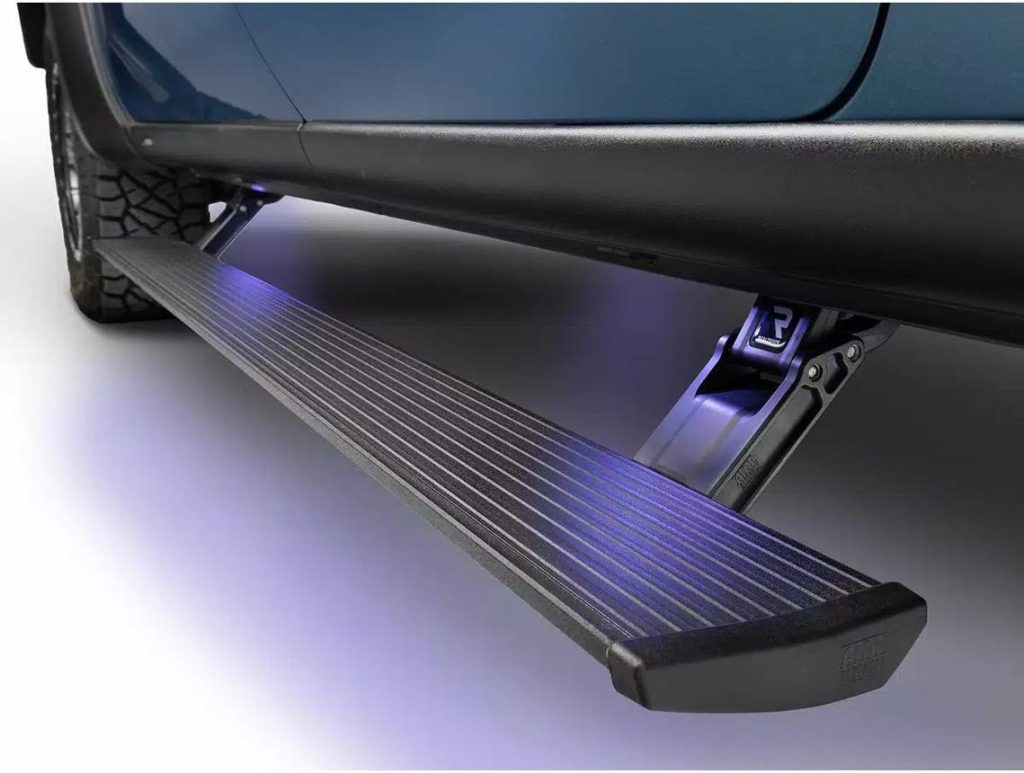
Unlike some off-road upgrades, powered steps are primarily convenience equipment rather than essential load-carrying components. Buyers who prioritize maximum payload may prefer simpler fixed running boards or no additional side steps at all.
That does not mean electric running boards are a poor investment. They can make a tall pickup considerably easier to use every day.
However, anyone purchasing a truck for demanding hauling work should compare the weight of different step systems before selecting one. A simpler setup can preserve useful payload capacity without compromising the truck’s primary working purpose.