
A car that performs perfectly during short city trips may reveal serious problems after spending several hours at highway speeds. Long journeys place sustained demands on the engine, transmission, brakes, tires, cooling system, and suspension.
A minor vibration or occasional warning light can become a much bigger concern when driving hundreds of miles from home. Before setting out, drivers should look beyond fuel level and navigation and pay attention to how the vehicle behaves.
These nine warning signs can indicate that a car needs professional attention before it is safe to begin a long highway journey.
1. Tires Have Low Tread or Visible Sidewall Damage
Tires are the only parts of a car that maintain direct contact with the road, making their condition especially important before a long highway journey.
A tire that looks acceptable during a quick walk around the vehicle may have worn tread, hidden damage, or a weakened sidewall that becomes more concerning at sustained speeds. Drivers should inspect all four tires, including the inside edges where uneven wear can be difficult to notice.
The most obvious warning is insufficient tread depth. Under US federal tire inspection standards, passenger-car tires must have at least 2/32 of an inch of tread. NHTSA also recommends replacing tires when their tread reaches this minimum.
However, drivers should not wait until the legal minimum if they regularly encounter heavy rain. Reduced tread can compromise wet-road traction and increase the risk of losing control.
Sidewall damage deserves equal attention. Look for bulges, deep cuts, exposed cords, cracks, or sections that appear distorted. A bulge can indicate internal structural damage, while exposed cords mean the tire should not be used. A tire with these conditions should be inspected and replaced as necessary before highway travel.
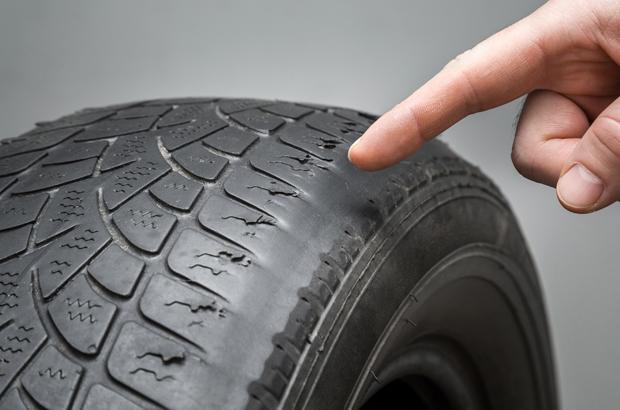
Pressure is another essential check. Measure all four tires when cold and follow the pressure listed on the driver’s door-jamb placard, not the maximum pressure printed on the tire.
NHTSA recommends checking inflation before long trips and inspecting the spare as well. Underinflated tires can generate excessive heat, making them more vulnerable to failure during extended driving.
If you notice a bulge, exposed cord, serious crack, or repeated pressure loss, do not begin a long journey until the problem has been properly addressed.
2. The Brakes Make Grinding Noises or Cause Strong Vibrations
A brake pedal that feels different from normal should never be ignored before a highway trip. Long-distance driving often involves repeated high-speed deceleration, traffic slowdowns, steep downhill sections, and sudden braking situations.
If the braking system is already showing signs of trouble, sustained travel can expose the problem at a particularly dangerous moment.
Listen carefully when applying the brakes. A persistent grinding noise may indicate that brake pads have worn down far enough for metal components to contact the rotor.
A high-pitched squeal can sometimes come from a wear indicator, although not every squealing brake means the pads are completely worn. Either way, unusual or persistent noise deserves inspection before departure.
Vibration is another warning. If the steering wheel shakes during braking, the front brake rotors or related components may have uneven surfaces or another fault. A pulsing brake pedal can also indicate a problem that requires diagnosis.
These symptoms should not automatically be blamed on warped rotors because worn suspension components, loose hardware, and other issues can produce similar sensations.
Pay attention to the pedal feel as well. A pedal that sinks unusually far, feels soft or spongy, or requires noticeably more force than usual may indicate a hydraulic problem, air in the brake lines, or another malfunction.
A brake warning light, fluid leak, or significant drop in brake fluid level is an additional reason to stop and arrange a professional inspection. Do not simply top up fluid without identifying why the level has fallen.

AAA advises drivers to have grinding noises and braking vibrations checked before road trips. These symptoms can indicate a system that needs repair rather than a vehicle that is ready for several hours of highway driving.
If braking performance has deteriorated, avoid the trip until a qualified technician has identified and corrected the fault. A long drive is not the place to test whether questionable brakes will hold up.
3. The Engine Temperature Rises or the Coolant Warning Appears
An engine that runs hotter than normal during everyday driving should not be trusted for a long highway journey. At highway speeds, the engine operates under sustained load, and a cooling-system problem that seems minor around town can develop into serious overheating.
Watch the temperature gauge during normal trips. If it begins climbing above its usual position, or a temperature warning appears, have the cause identified before travelling.
Coolant leaks are one possible reason. Check for puddles beneath the vehicle and inspect the coolant reservoir when the engine is completely cold. A falling coolant level, a sweet smell, steam from under the hood, or repeated overheating can point to a leak or another cooling-system fault.
Possible causes include a damaged hose, a failing radiator, a faulty thermostat, or a water pump that is no longer circulating coolant properly.
Do not assume that adding coolant solves the problem. If the system is leaking or a component has failed, the temperature can rise again after a short distance. Never remove a radiator cap or open a pressurized cooling-system reservoir while the engine is hot. Hot coolant can escape under pressure and cause severe burns.
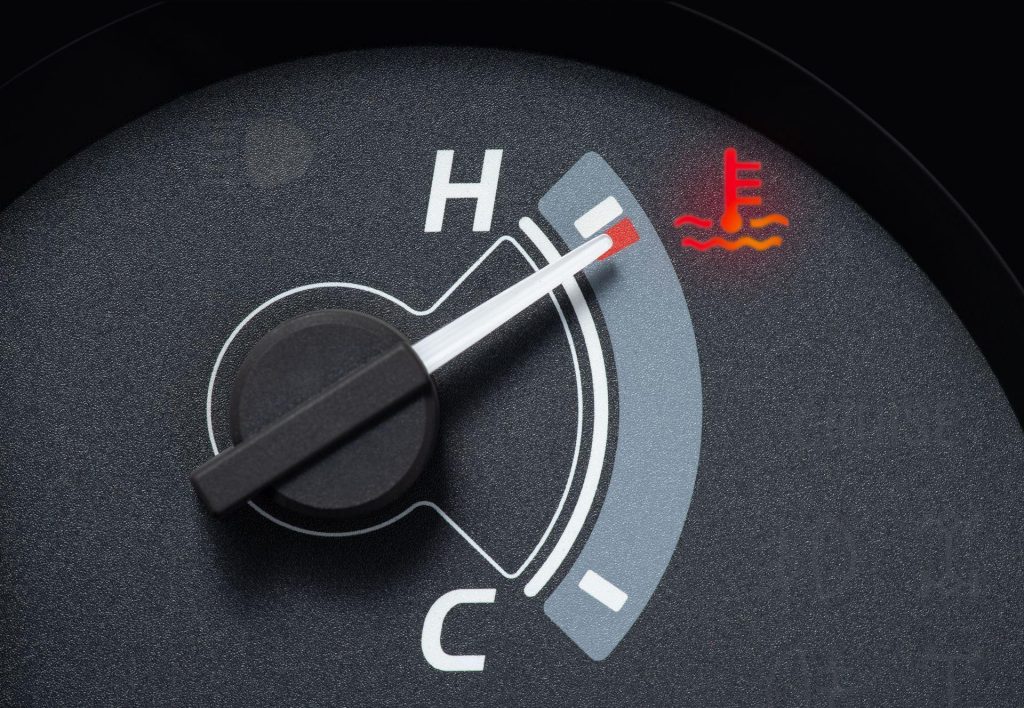
If the temperature warning appears while driving, reduce the engine load and pull over somewhere safe as soon as possible. Switch off the engine if it is overheating, and arrange professional assistance rather than continuing to your destination.
A breakdown is inconvenient, but continuing to drive an overheating engine can turn a repairable cooling-system fault into extensive engine damage.
4. The Battery Struggles to Start or Electrical Systems Behave Erratically
A vehicle that takes longer than usual to start may be warning you about a weak battery or a problem with its charging system. The first sign is often a slow, labored engine crank when you turn the key or press the start button.
You might also notice dim headlights, flickering dashboard displays, or electronic accessories that behave inconsistently. These symptoms deserve attention before a long drive, particularly if the vehicle has already needed a jump-start.
Battery trouble is not always caused by the battery itself. Corroded or loose terminals can interfere with electrical connections, while a failing alternator may not recharge the battery properly as the engine runs.
A worn drive belt or an electrical fault can also affect charging. Replacing the battery without checking the charging system may leave the underlying problem unresolved.
Age is another factor. Many conventional car batteries last around three to five years, although climate, driving habits, vehicle design, and maintenance can shorten or extend their service life.
A battery that has worked reliably for several years should be tested if starting performance changes. A professional load test and charging-system inspection can help determine whether the battery, alternator, or connections need attention.
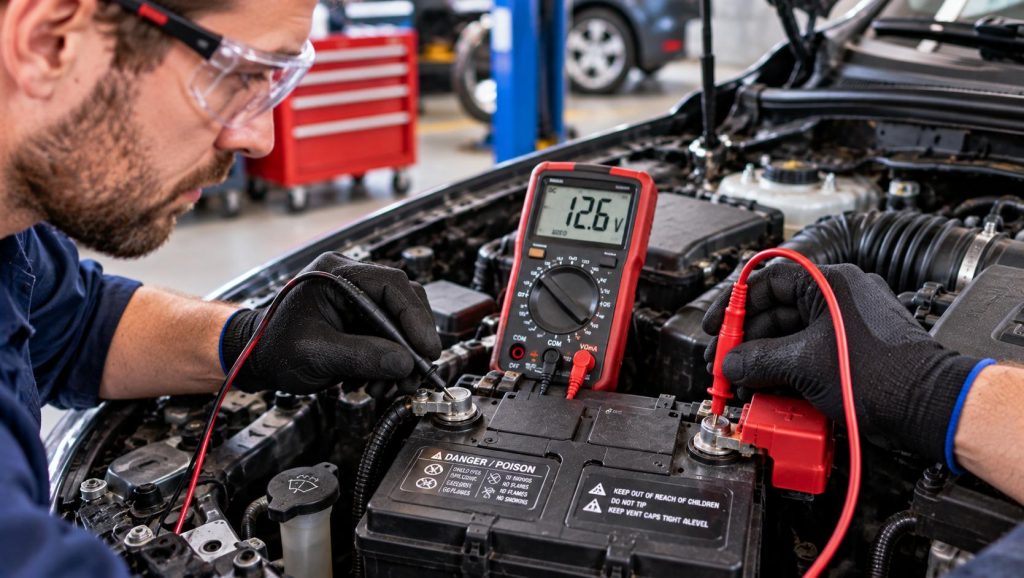
The potential danger becomes more apparent during long highway journeys. A vehicle that starts without any problems at home may refuse to restart after a fuel stop, meal break, or overnight stay. Electrical faults may also interfere with other important systems that drivers depend on while traveling.
Have the battery and charging system checked if warning signs appear, rather than waiting for the car to leave you stranded far from home.
5. The Steering Feels Loose, Pulls to One Side, or Wanders
A car should respond predictably when you turn the steering wheel. If it wanders across the lane, requires constant corrections to travel straight, or feels unusually loose, have the steering and suspension systems inspected before attempting a long highway drive.
At higher speeds, even a small loss of steering precision can make it harder to maintain control, particularly when changing lanes or reacting to sudden traffic movements.
Pay attention to when the problem occurs. If the vehicle consistently pulls to one side on a reasonably level road, possible causes include incorrect tire pressure, uneven tire wear, poor wheel alignment, or a problem with a brake or suspension component.
If the steering wheel has excessive free movement before the front wheels respond, worn steering linkage or other steering-system components may be involved. A vibration through the steering wheel can also indicate a tire, wheel, or suspension issue.
Do not assume that an alignment is the automatic solution. Alignment problems can cause pulling and uneven tire wear, but they do not explain every steering symptom.
A damaged tie rod, worn ball joint, or other failing component may require repair rather than an alignment adjustment. AAA identifies loose steering as a warning sign that should not be ignored.
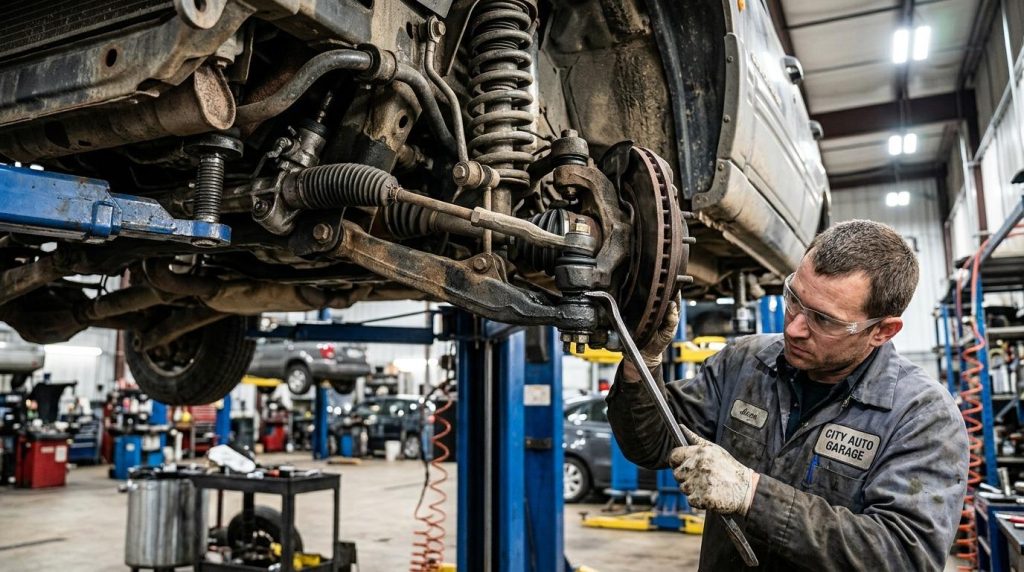
If the car suddenly becomes difficult to steer, pulls sharply, or feels unstable, avoid continuing at highway speed. Find a safe place to stop and arrange professional assistance. A technician should inspect the tires, steering linkage, suspension, and alignment to identify the actual cause. Starting a long trip with unpredictable steering is an unnecessary risk.
6. The Suspension Knocks, Bounces, or Makes the Car Feel Unstable
A vehicle that repeatedly bounces after crossing a bump, leans excessively through corners, or produces knocking sounds over uneven pavement may have a suspension problem.
These symptoms can become more noticeable during a long highway journey, when the vehicle encounters expansion joints, rough pavement, uneven surfaces, and sudden changes in road conditions.
Shocks and struts help control spring movement and keep the tires in contact with the road. When these components wear out, the vehicle may continue bouncing after a bump instead of settling quickly.
Drivers might also notice excessive nose-diving during braking, unusual body movement in corners, or a floating sensation at highway speeds. These symptoms can affect handling and make the car less predictable during emergency maneuvers.
Not every suspension noise means the shock absorbers have failed. Worn bushings, ball joints, sway-bar links, springs, and other mounting components can also produce clunks or rattles.
A damaged component may cause uneven tire wear or affect how the vehicle tracks along the road. AAA’s vehicle inspection guidance specifically identifies excessive bouncing, swaying, and leaning as suspension conditions worth checking.
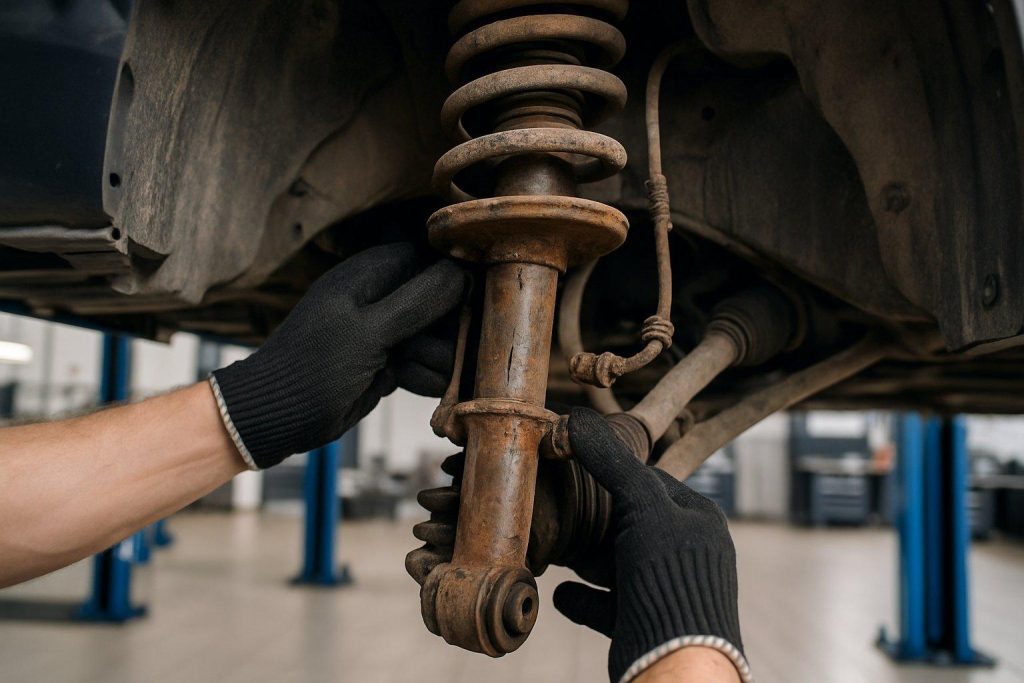
Look for visible signs such as fluid around a shock absorber, a vehicle sitting lower on one corner, or tires wearing unevenly. However, some suspension faults are hidden and require a proper inspection.
If the car feels unstable, makes repeated suspension noises, or handles differently from normal, have it checked before loading it with passengers and luggage. Replacing a worn component before departure is far better than discovering the problem on a busy highway.
7. You Find Fluid Leaks Beneath the Vehicle
A fresh puddle beneath a parked vehicle should never be dismissed before a long journey. Cars rely on several fluids to lubricate moving parts, control engine temperature, operate the brakes, and support other systems.
A small leak may appear manageable in the driveway, but continued driving can allow the fluid level to fall until an important component stops working properly.
The location, color, and smell of a leak can provide clues, although appearance alone cannot confirm its source. Dark brown or black fluid may be engine oil, while brightly colored liquid can sometimes indicate coolant or transmission fluid.
Brake fluid is often clear to amber and can feel slippery. A strong gasoline smell is particularly concerning because it may indicate a fuel leak. Never start or drive a vehicle if you suspect fuel is leaking.
One exception to watch for is water dripping underneath the vehicle after the air conditioning has been running. This is usually normal condensation, especially when the liquid is clear and has no odor. However, not every clear puddle is harmless, so it is important to identify where the fluid is coming from before assuming there is no problem.
AAA recommends investigating visible leaks, and NHTSA advises drivers to have a vehicle serviced when fluid leakage is found.
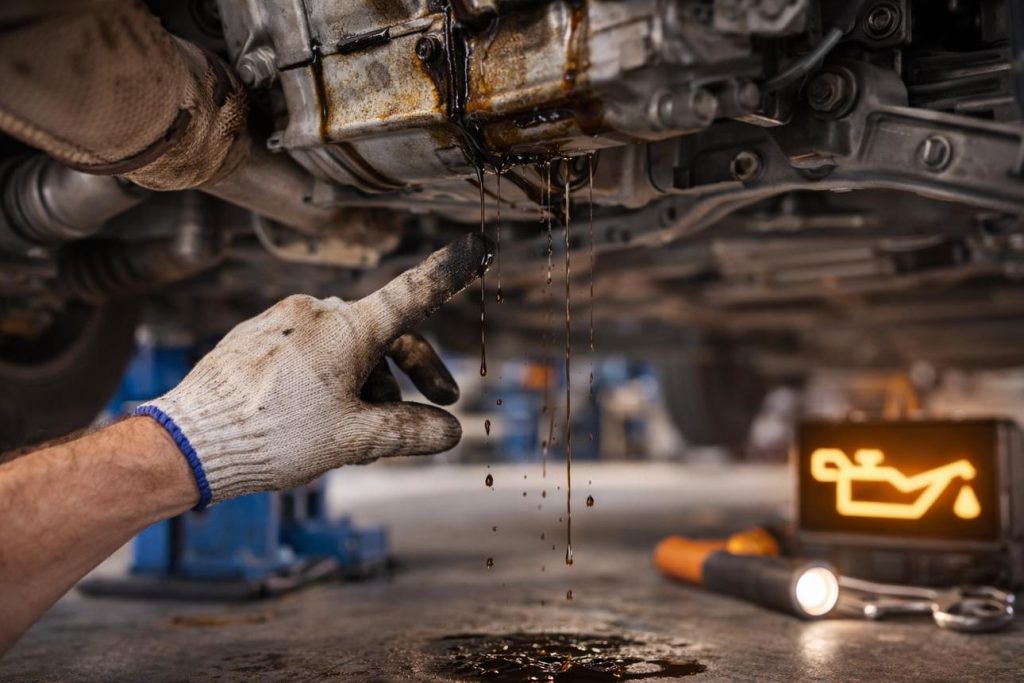
Check fluid levels only according to the vehicle’s owner’s manual and use the specified fluids. Do not simply refill a reservoir and assume the problem is solved. A leak can indicate a damaged hose, seal, gasket, radiator, or another failing component.
If the brake fluid level is falling, the oil-pressure warning appears, or a significant leak is present, do not continue driving. Have the vehicle inspected and repaired before setting off.
8. Important Dashboard Warning Lights Stay Illuminated
Dashboard warning lights are designed to alert drivers when a vehicle detects a problem. Some indicate routine maintenance or a minor fault, while others signal conditions that require immediate attention.
Before a long highway journey, make sure you understand what every illuminated warning means rather than assuming the car is safe because it still drives normally.
A red oil-pressure warning is particularly serious. It can indicate that the engine is not receiving adequate lubrication. Continuing to drive may cause severe internal damage, so pull over safely and switch off the engine.
A red temperature warning can indicate overheating, while a brake-system warning may point to low brake fluid or another problem affecting braking performance. These warnings should not be ignored.
An illuminated check-engine light requires a little more interpretation. A steady light can indicate an emissions or engine-management fault that needs diagnosis.
If it flashes, or the vehicle begins shaking, losing power, or running roughly, stop somewhere safe and seek assistance. AAA advises drivers to pull over and contact roadside assistance if the check-engine light flashes or vehicle drivability changes.
The owner’s manual is the best place to confirm the meaning of a particular warning because dashboard symbols and recommended responses can differ between manufacturers. Do not rely on the assumption that every amber light is harmless or every red light has the same meaning.
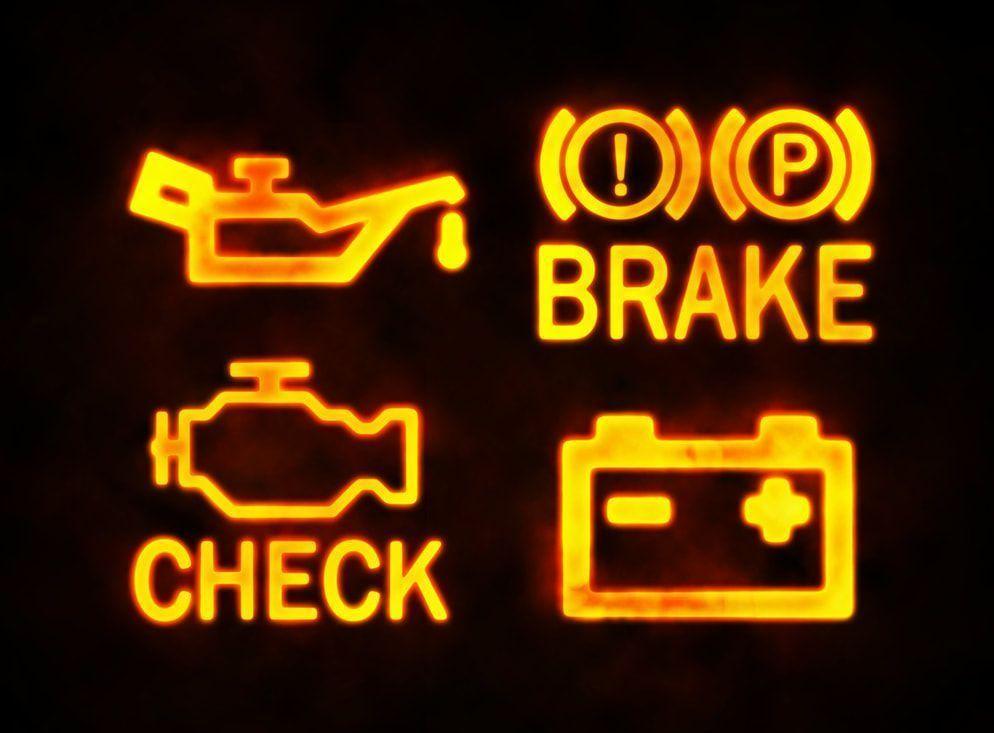
Have persistent warning lights diagnosed before travelling. A diagnostic scan can help identify stored fault codes, but the codes alone do not necessarily identify the failed component.
The underlying problem needs to be checked and repaired where necessary. Starting a journey with an unresolved oil-pressure, brake, or overheating warning can put both the vehicle and its occupants at risk.
9. The Wipers, Headlights, or Defroster Do Not Work Properly
A vehicle can have a healthy engine, good tires, and reliable brakes yet still be unsuitable for a highway journey if the driver cannot see clearly. Rain, road spray, darkness, fog, and sudden weather changes can reduce visibility quickly. Worn wiper blades, weak headlights, or a malfunctioning defroster can turn an ordinary trip into a dangerous situation.
Start with the windshield wipers. Blades that leave streaks, skip across the glass, chatter, or fail to clear water evenly may be worn or damaged. Inspect the rubber edges and replace blades that no longer clean the windshield effectively.
Also check the washer-fluid reservoir and make sure the spray nozzles work. A dirty windshield can become difficult to see through when sunlight, oncoming headlights, or rain hits the glass.
Exterior lighting deserves the same attention. Check both headlights, taillights, brake lights, turn signals, and hazard lights. A failed headlight reduces your ability to see the road and can make your vehicle less visible to other drivers.
A faulty brake light or turn signal also makes it harder for surrounding traffic to understand your intentions. NHTSA includes lighting, batteries, cooling systems, and wipers among the items drivers should check before travelling.

Finally, test the front and rear defrosters if your vehicle has them. If the windshield fogs up and the defroster cannot clear it effectively, visibility may become dangerously limited. A cracked windshield that obstructs the driver’s view also deserves attention before departure.
Do not wait for heavy rain or nighttime driving to discover these faults. Replace damaged blades, repair failed lights, and have defroster problems diagnosed before leaving. Good visibility is essential throughout a long journey, not just during difficult weather.