
A minor car accident may leave behind little more than a dented bumper or scratched door, but its financial consequences can extend beyond the repair bill. Even when nobody is injured and the damage appears manageable, an insurance claim can influence how an insurer evaluates future risk.
The effect depends on fault, claim size, driving history, policy terms, state regulations, and the company’s rating rules.
Understanding why premiums sometimes increase after seemingly small collisions can help drivers make informed decisions about filing claims, using accident forgiveness, and protecting their insurance costs after an unexpected incident.
1. The Insurer Determines You Were at Fault
A small dent does not necessarily mean a small insurance consequence. What often matters more is whether the insurer determines that you were responsible for the collision. Even if the damage is limited to a bumper or fender, an at-fault accident can affect the way your policy is priced at renewal.
Insurance companies use driving records and claims history to estimate the likelihood of future losses. The National Association of Insurance Commissioners (NAIC) identifies driving records and claims history among the factors insurers may consider when calculating premiums.
The Insurance Information Institute also explains that insurers commonly reassess rates after claims involving incidents primarily caused by the policyholder.
The amount of damage does not automatically determine whether an accident is chargeable. An insurer may investigate photographs, statements, police reports, and other evidence before assigning responsibility.
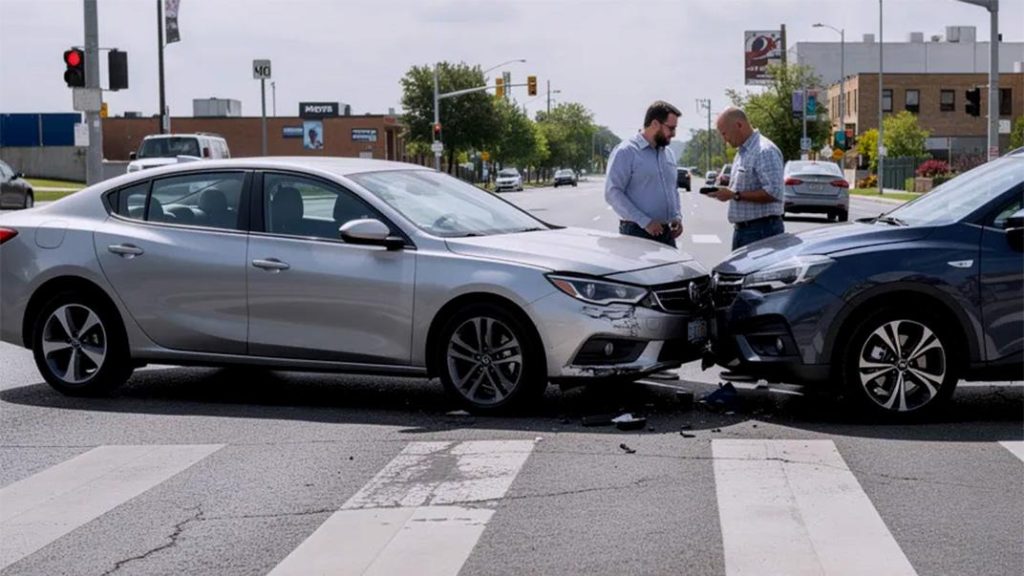
A driver who reverses into another vehicle in a parking lot, for example, may be found responsible even if the resulting damage is only a cracked bumper cover.
State regulations can make a substantial difference. California’s Department of Insurance says a surcharge may apply when a driver is at least 51% at fault. New York has its own rules governing chargeable accidents, including specific conditions involving property damage and injuries.
There is an important distinction between being involved in a crash and being found responsible for it. A driver who is not at fault may receive different treatment, depending on state law and the insurer’s rules.
Before assuming that a minor collision will raise your premium, ask the company how it classifies the incident and whether it qualifies for a surcharge. The fault decision can matter more than the appearance of the damage.
2. The Repair Claim Crosses the Insurer’s Chargeable Threshold
A collision that appears inexpensive at the scene can become a more substantial insurance claim once a repair shop examines the vehicle.
A cracked bumper may conceal broken mounting brackets, damaged sensors, or other components that increase the estimate. If the resulting claim crosses the insurer’s applicable threshold, it may become eligible for a surcharge under the rules governing that policy.
New York provides a clear example of why location matters. Its Department of Financial Services says an at-fault accident involving property damage exceeding $2,000 or bodily injury can qualify for a surcharge.
However, the state also specifies that a surcharge is generally not permitted for an accident involving less than $2,000 in total damage when nobody is injured.
That $2,000 figure is a New York rule, not a nationwide standard. Other states and insurers can apply different thresholds and rating requirements. Drivers should never assume that a small repair estimate automatically protects them from a premium increase.
It is also important to understand that the amount an insurer pays for a claim does not necessarily determine the surcharge in the same proportion. Other factors may influence how the additional premium is calculated.
New York’s guidance explains that, when an accident qualifies for a surcharge, the driver may face the same surcharge whether the damage is $3,000 or $50,000. The state’s rules therefore distinguish between qualifying for a surcharge and calculating its amount.

Before filing a claim for minor damage, review your deductible, obtain a repair estimate, and ask your insurer how the incident would be treated. Do not withhold information when your policy or state law requires reporting an accident. The key is to understand the potential financial consequences before making assumptions based solely on the visible damage.
3. Losing a Safe-Driver or Claims-Free Discount
A driver may see a premium increase after a minor accident even when the insurer does not add a separate accident surcharge. The reason can be the loss of a discount that had been reducing the policy cost.
Safe-driver and claims-free discounts are commonly tied to maintaining a qualifying driving or insurance history. When a driver files a claim or is involved in an at-fault accident, eligibility for those savings may change.
The exact effect depends on the insurer’s rules. Some companies require several years without an at-fault accident before granting or maintaining a preferred discount. Others may continue offering a discount after a qualifying incident but reduce the amount or apply different eligibility conditions.
The National Association of Insurance Commissioners explains that insurers use their own rating systems and may consider a policyholder’s claims history when setting premiums.
This distinction can make the renewal notice confusing. The insurer might not describe the change as an accident penalty. Instead, the policyholder may simply notice that a previous discount has disappeared or become smaller. The final premium can rise even if the base rate has not changed by the same amount.
For example, a driver who previously qualified for a claims-free discount may lose some of that savings after an at-fault bumper collision. The financial effect will depend on the discount’s value and the policy’s other rating factors.
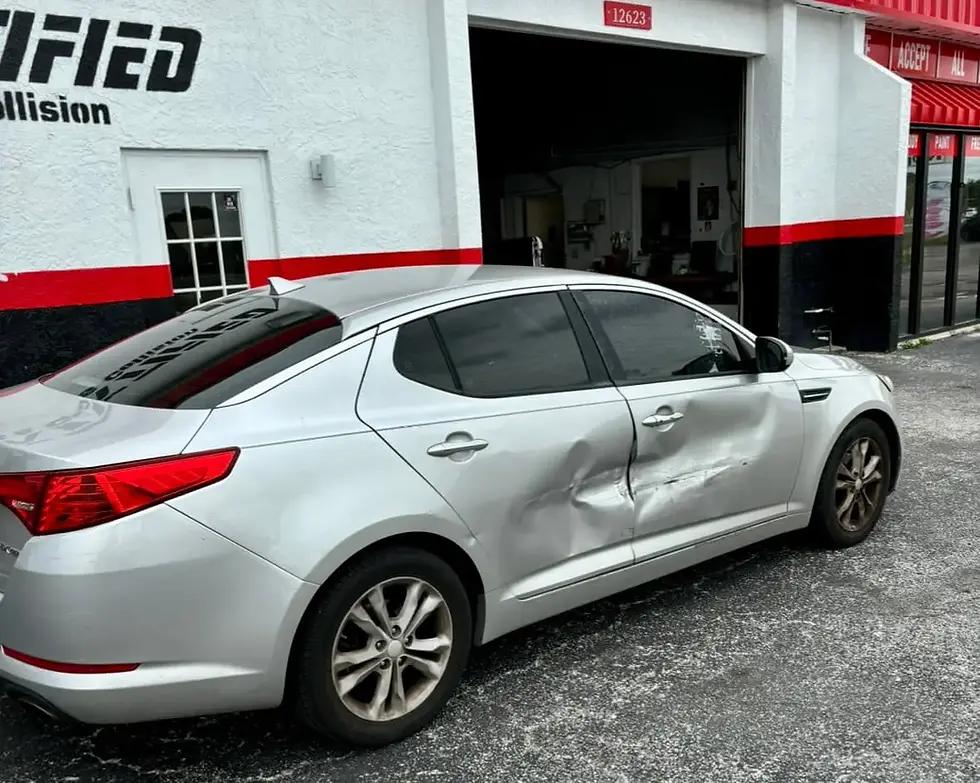
Before assuming that a claim will trigger a surcharge, ask your insurer whether it could affect safe-driver, claims-free, or preferred-customer discounts. Request a renewal estimate that shows which discounts would remain in place. That information can help you understand the real cost of filing a claim for relatively minor damage.
4. Multiple Small Claims Can Make You Look Like a Higher Risk
One minor accident may be treated differently from several claims filed within a relatively short period. Even when each incident involves limited damage, repeated claims can suggest a pattern that an insurer considers relevant when assessing future risk.
The concern is not necessarily the cost of one repair. It is the possibility that frequent claims indicate a greater likelihood of additional losses.
The National Association of Insurance Commissioners identifies claim history and claim frequency as factors insurers may consider when determining premiums. It also notes that companies use their own rating systems, so the effect of repeated claims is not identical across the market.
Imagine a driver who files one claim after scraping a garage pillar, another after a parking lot collision, and a third following a low-speed rear-end accident. Each repair might be relatively inexpensive, but the combined claim history could influence how the insurer evaluates the policy at renewal.
GEICO also explains that multiple claims within a short period may affect how an insurer views a customer’s risk, although the outcome depends on the circumstances and applicable rules.
There is no universal number of minor claims that automatically causes every insurer to raise a driver’s rate. The type of incident, fault determination, claim payments, state regulations, and the company’s underwriting guidelines all matter. A not-at-fault claim may also be treated differently from an at-fault loss.

Drivers should therefore avoid treating every small repair as an automatic insurance claim. Compare the repair estimate with the deductible and ask how another claim could affect the policy. Paying for a modest repair out of pocket may sometimes make financial sense, provided reporting requirements are followed and the driver understands the policy terms.
5. Your Accident Forgiveness Benefit Does Not Apply
Accident forgiveness can protect some drivers from a premium increase after their first qualifying at-fault accident. However, having this benefit advertised by an insurer does not mean every collision is automatically covered. Eligibility requirements, policy restrictions, and the driver’s history determine whether the protection applies.
Some insurers offer accident forgiveness as an optional feature, while others make it available after a customer maintains a qualifying policy for a specified period. Certain programs may require a clean driving record before the accident.
Others may limit forgiveness to one incident or exclude particular types of claims. The Insurance Information Institute notes that accident forgiveness can prevent a rate increase after a qualifying accident, but the benefit depends on the policy and insurer.
The difference becomes important after a seemingly harmless collision. A driver might assume that a small parking lot accident will be forgiven, only to discover that the policy does not include the benefit or that the incident fails to meet its conditions.
A benefit may also protect against an accident surcharge without preserving every discount or preventing other renewal changes.

Drivers should check the actual policy documents rather than relying on a general advertisement. Ask whether the protection applies to the first at-fault accident, whether it covers all listed drivers, and whether it has already been used. It is also worth checking whether the benefit is included automatically or requires an additional charge.
Accident forgiveness can be valuable, but it is not a guarantee that the premium will remain unchanged after every incident. Understanding its limitations before a crash can prevent an unpleasant surprise when the next renewal quote arrives.
6. The Accident Remains Part of Your Claims History
A minor collision can have consequences beyond the renewal immediately following the accident. Insurers may review a driver’s claims history when evaluating a policy, and an earlier incident can remain relevant during the period covered by the company’s rating rules.
That does not mean every accident will increase premiums for the same length of time, but it can influence future quotes.
The Insurance Information Institute says accident-related surcharges generally remain on a driver’s premium for around three years, although the actual period can vary by insurer and state.
Some states have specific rules governing how accidents may be used in insurance rating. New York, for example, has its own requirements for determining whether an accident qualifies for a surcharge.
Claims information can also matter when a driver shops for a new policy. The NAIC explains that insurers may use driving records and claims history as part of their underwriting and pricing decisions.
As a result, switching companies after a minor accident does not necessarily make the incident irrelevant. A new insurer may still consider available claims information when preparing a quote.
Consider a driver who changes insurers six months after filing a claim for a damaged door. The new company may evaluate that previous incident alongside the driver’s location, vehicle, mileage, coverage choices, and other rating factors. The quoted price could therefore differ from what the driver paid before the accident.

When comparing policies, ask how far back each insurer reviews accident and claims history. Also check whether the incident was recorded as at-fault, not-at-fault, or a comprehensive claim. Accurate classification matters because different types of claims can receive different treatment.
7. Your State and Insurance Company Have Different Rating Rules
There is no single nationwide rule stating that every minor accident must increase a driver’s insurance premium. State insurance regulations and individual company rating practices can produce very different results.
A collision that leads to a surcharge in one state may receive different treatment elsewhere, particularly when fault, repair costs, and reporting requirements are considered.
California offers one example. The state’s Department of Insurance says an insurer may apply a surcharge when a driver is at least 51% at fault, while a driver who is not at fault should not receive that type of surcharge under the state’s rules.
New York follows a different framework, including specific conditions involving property damage exceeding $2,000 or bodily injury before certain accidents can be treated as chargeable. These examples are state-specific and should not be applied to drivers elsewhere.
Insurers can also differ within the same state. One company may offer accident forgiveness or a particular claims-free discount, while another may use a different rating structure.
The NAIC explains that insurance companies maintain their own systems for evaluating risk and setting premiums. That is why two drivers with similar accident histories may receive different renewal prices.

For drivers dealing with a minor crash, the practical step is to check both state rules and the policy’s specific terms. Ask the insurer whether the incident is considered chargeable, whether it affects any discounts, and how long it may influence the premium.
If the renewal increase seems inconsistent with the explanation provided, contact your state insurance department for guidance.
A small collision does not guarantee a higher rate, but neither does limited visible damage guarantee that the accident will have no effect. The outcome depends on the details of the claim and the rules governing the policy.