
Honda built its performance reputation through precision engineering rather than large-displacement power. During the 1980s, 1990s, and early 2000s, the company became famous for developing lightweight naturally aspirated engines capable of extremely high RPM figures, often exceeding 8,000 or even 10,000 RPM. These engines relied on advanced engineering, lightweight internals, precise balancing, and innovative valve timing systems like VTEC to survive the immense stress created at such high engine speeds.
Unlike torque-heavy performance cars, Honda’s high-revving engines encouraged drivers to push toward the top of the rev range, where power delivery became more aggressive and exciting. The combination of rapid throttle response, screaming induction noise, and dramatic VTEC engagement created a driving experience that felt energetic and highly engaging.
One of Honda’s greatest achievements was combining this race-inspired performance with long-term durability. Many of its engines handled daily commuting, track driving, and years of enthusiastic use without sacrificing reliability. These powerplants appeared in both road cars and motorsport programs, helping establish Honda as one of the most respected engine builders in automotive history.
Also Read: 10 Modded BMWs That Outrun Stock Lamborghinis
1. Honda RA168E Formula One Engine
Before hybrid systems reshaped modern Formula One, Honda stunned the racing world with turbocharged engines capable of extraordinary power and remarkably high revs. Among the most iconic was the Honda RA168E, a 1.5-liter V6 turbo engine that powered McLaren and helped drive Ayrton Senna during one of Formula One’s most dominant eras in the late 1980s. Despite being turbocharged, the engine revved beyond 10,000 RPM while producing immense performance figures that pushed racing technology to its limits.
Built during a time when Formula One regulations encouraged manufacturers to extract maximum output from small-displacement engines, the RA168E became famous for delivering over 1,000 horsepower in qualifying trim under extreme boost settings. The result was explosive acceleration combined with a violent surge of turbocharged power that demanded exceptional driver skill, especially in an era lacking advanced electronic driver aids.
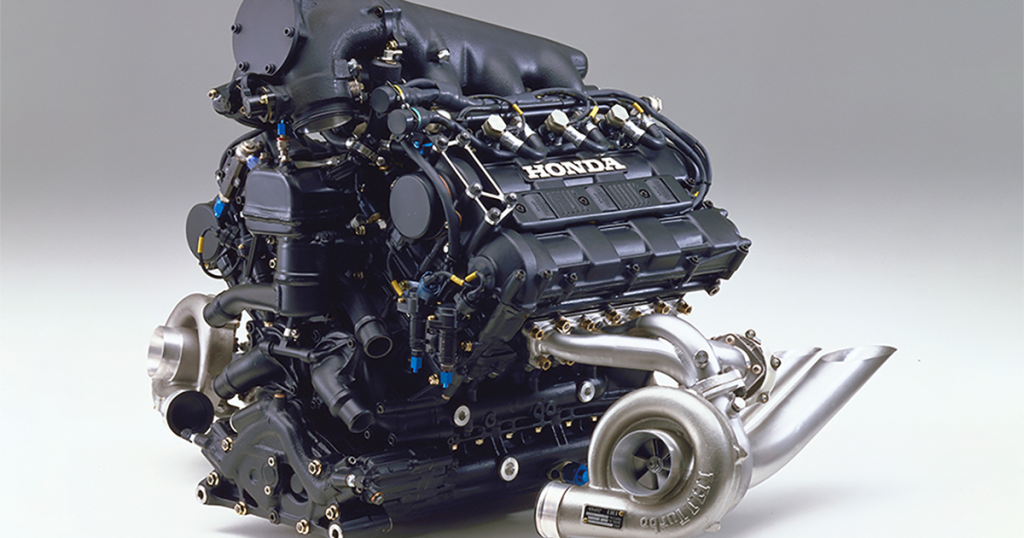
The engine’s sound also became legendary. Unlike the quieter tones of today’s hybrid Formula One cars, the RA168E produced a sharp, aggressive scream as revs climbed, giving it an unmistakable presence on the track. Honda engineers paired that intensity with impressive reliability, an achievement many rival manufacturers struggled to match during the demanding turbo era. While other teams frequently suffered mechanical failures, Honda’s careful engineering allowed the RA168E to combine durability with astonishing performance.
Compact packaging also played an important role in the engine’s success. Honda designed the turbo system to support better aerodynamics and balanced weight distribution, improving both straight-line speed and cornering capability.
Today, the RA168E remains one of Honda’s most celebrated racing engines, representing a period when Formula One engineering pushed performance to extraordinary extremes.
- Engine: 1.5-liter turbocharged V6 Formula One engine
- Torque: Approximately 420 lb ft
- Horsepower: Approximately 900 to 1,000 hp in qualifying trim
- Length/Width: Formula One dimensions varied by chassis
2. Honda RC149 Motorcycle Engine
The Honda RC149 remains one of the most extraordinary engineering achievements in motorcycle history. During the 1960s, Honda became obsessed with dominating Grand Prix motorcycle racing through technology rather than brute displacement.
The RC149 perfectly represented that philosophy. While competitors relied on larger engines producing strong torque, Honda created a tiny five-cylinder masterpiece capable of revving beyond 20,000 RPM, a figure almost unimaginable for the era.
At first glance, the engine seemed impossibly small. Displacing only 125 cc, the inline five-cylinder powerplant looked more like a scientific experiment than a racing engine.
Yet Honda engineers packed it with advanced technology, including dual overhead camshafts, multiple carburetors, ultra-lightweight internals, and incredibly precise valve control systems. Every component existed for one reason: allowing the engine to survive astonishing rotational speeds.
Riders described the RC149 as demanding but thrilling. Low RPM performance felt weak compared with larger motorcycles, but once revs climbed, the engine transformed completely.
The powerband existed extremely high in the rev range, forcing racers to maintain aggressive riding techniques and constant momentum. Keeping the engine singing near maximum RPM became essential for competitive lap times.
The sound produced by the RC149 was unlike almost anything else in motorsport. Instead of a deep mechanical roar, the tiny five-cylinder engine emitted a piercing, high-pitched scream that echoed across racetracks with incredible intensity. Spectators immediately recognized the motorcycle by sound alone.
Honda’s dedication to high-revving engineering paid off spectacularly. The RC149 dominated Grand Prix competition and demonstrated that intelligent engineering could outperform larger-displacement rivals. It also strengthened Honda’s reputation for building engines willing to rev far beyond conventional limits.
What makes the RC149 especially impressive today is the period in which it was created. During the 1960s, metallurgy, machining precision, and electronic systems remained far less advanced than modern standards.
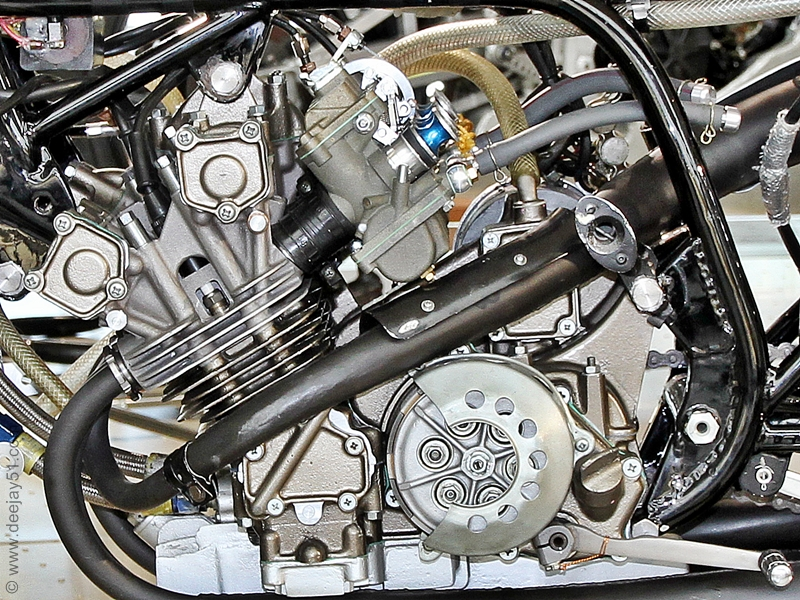
Yet Honda still managed to engineer an engine capable of surviving RPM figures that many contemporary engines struggled to achieve decades later.
The RC149 became more than just a successful race motorcycle. It symbolized Honda’s fearless engineering ambition and its willingness to challenge conventional thinking through innovation and the relentless pursuit of speed.
- Engine: 125 cc naturally aspirated inline five-motorcycle engine
- Torque: Approximately 10 lb-ft
- Horsepower: Approximately 34 hp
- Length/Width: Racing motorcycle dimensions varied by configuration
3. Honda F20C Engine
The Honda F20C earned legendary status as one of the finest naturally aspirated four-cylinder engines ever fitted to a production car. Created for the Honda S2000, the 2.0-liter engine stunned enthusiasts by delivering a remarkable 9,000 RPM redline while remaining fully street legal and reliable enough for everyday driving. At a time when many sports cars depended on large-displacement engines or turbochargers for excitement, Honda demonstrated that precision engineering and high-revving performance could be just as thrilling.
Behind the wheel, the F20C delivered a driving experience unlike most traditional sports cars. At low RPM, the engine felt smooth and controlled, almost understated in character. As revs climbed toward the VTEC engagement point, however, the engine transformed dramatically. Intake sound became sharper, throttle response intensified, and the engine surged toward redline with the urgency of a racing motorcycle. Much of the excitement came from keeping the engine in its upper rev range, where it produced its strongest performance and most engaging personality.
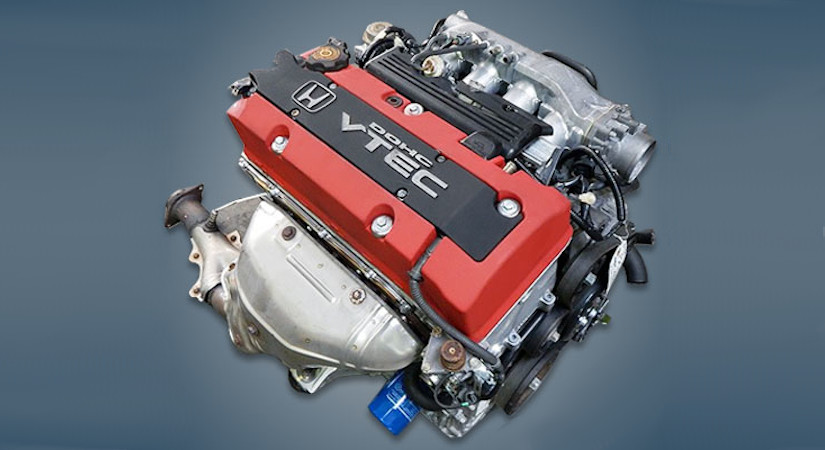
Honda achieved these capabilities through meticulous engineering. Lightweight forged pistons, a forged crankshaft, durable connecting rods, and advanced cylinder liner technology allowed the engine to handle extreme internal stress at high RPM. Despite piston speeds comparable to racing engines, the F20C maintained impressive long-term durability.
Another defining trait was its immediate throttle response. Unlike turbocharged engines that rely on boost buildup, the F20C reacted instantly to driver inputs, creating a direct mechanical connection between car and driver.
Even years after its release, the F20C remains one of the most respected performance engines ever built, perfectly reflecting Honda’s philosophy of balance, efficiency, and high-revving excitement.
- Engine: 2.0 liter naturally aspirated inline four
- Torque: 153 lb ft
- Horsepower: 240 hp
- Length/Width: 162.2 inches / 68.9 inches
4. Honda RC166 Motorcycle Engine
If the RC149 demonstrated Honda’s willingness to challenge engineering boundaries, the RC166 pushed those ambitions into territory that almost seemed impossible. Introduced during the 1960s Grand Prix motorcycle racing era, the RC166 carried an astonishing six-cylinder 250 cc engine capable of revving beyond 18,000 RPM.
Even today, the technical sophistication of this motorcycle continues to amaze engineers and racing enthusiasts around the world.
The tiny inline-six engine looked almost absurd because of how compact it remained despite containing six individual cylinders. Honda engineers developed extremely lightweight moving components and highly advanced valvetrain technology to achieve the unbelievable rotational speeds required for competitive racing.
At maximum RPM, the pistons moved with terrifying intensity, demanding absolute precision from every mechanical component inside the engine.
Riding the RC166 required complete concentration. Power existed high in the rev range, meaning riders constantly worked the gearbox to keep the engine operating near peak RPM.
Unlike larger motorcycles producing broad torque curves, the RC166 demanded an aggressive riding style and perfect timing. Skilled racers who mastered the engine’s characteristics gained enormous speed advantages against competitors.
The sound produced by the RC166 became legendary across international racing circuits. The engine emitted a shrieking mechanical howl, unlike conventional motorcycles, creating an atmosphere closer to Formula One racing than traditional bike competition. Spectators often remembered the sound long after races ended because nothing else on the grid resembled it.
Honda’s engineering achievement becomes even more remarkable when considering the technological limitations of the 1960s. Modern computer simulations and advanced materials did not exist, yet Honda still created an engine capable of astonishing RPM figures while remaining competitive throughout brutal race conditions.
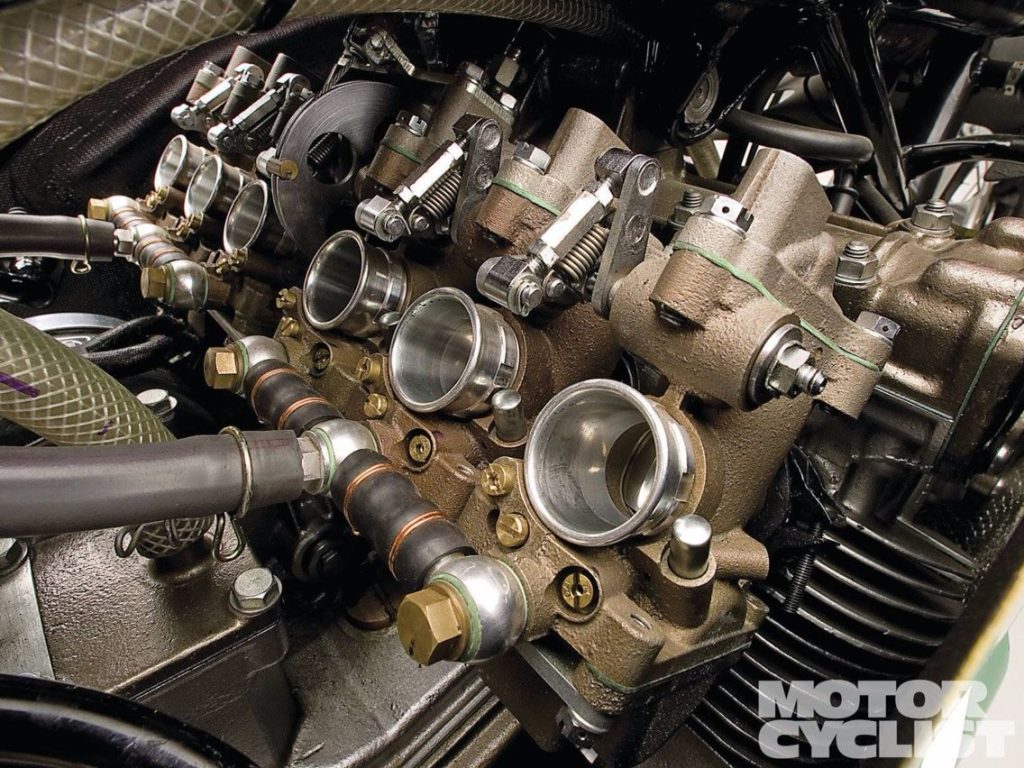
Success on the racetrack also strengthened Honda’s global image as an engineering-driven company willing to innovate fearlessly. The RC166 helped establish Honda as a dominant force in motorcycle racing and influenced future high-revving engine development across both motorcycles and automobiles.
Today, the RC166 stands as one of the greatest examples of mechanical ambition ever seen in motorsport. Few engines before or after captured Honda’s obsession with RPM and precision so perfectly.
- Engine: 250 cc naturally aspirated inline six-motorcycle engine
- Torque: Approximately 12 lb ft
- Horsepower: Approximately 60 hp
- Length/Width: Racing motorcycle dimensions varied by configuration
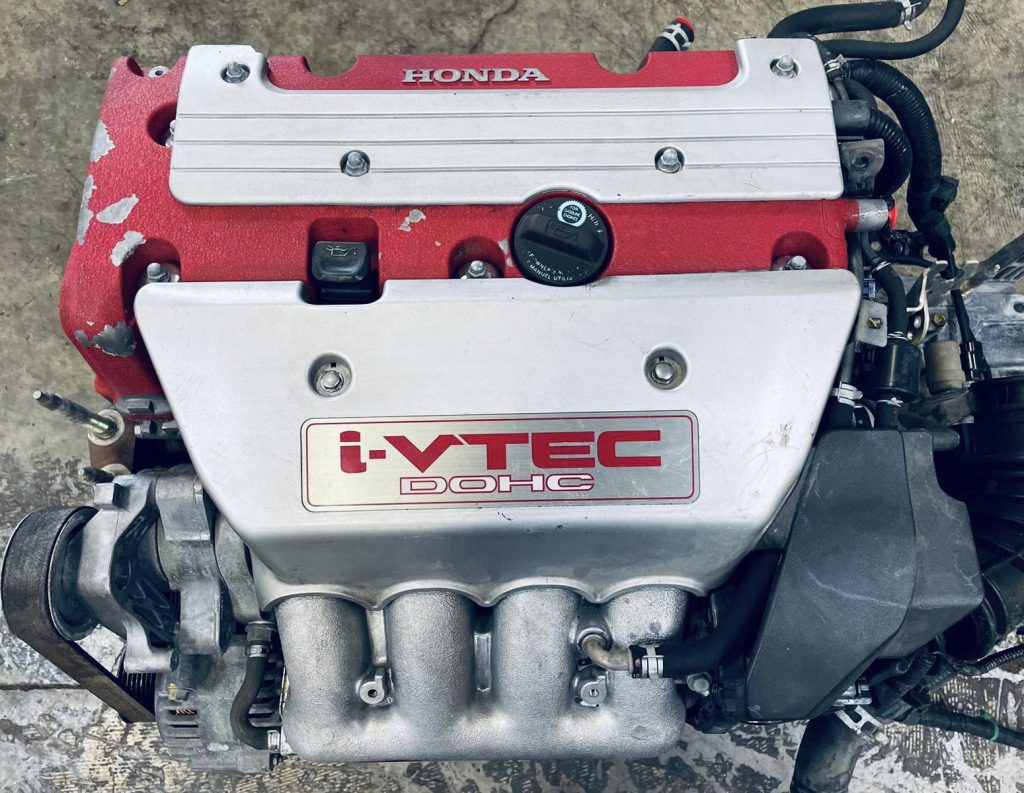
5. Honda K20A Type R Engine
The Honda K20A Type R engine arrived during a period when emissions regulations and changing market demands threatened the future of naturally aspirated high-performance engines. Instead of abandoning its high-revving philosophy, Honda refined it further.
The K20A became one of the company’s most respected four-cylinder powerplants because it combined modern reliability, strong mid-range response, and the screaming top-end character enthusiasts loved from earlier VTEC legends.
Installed in vehicles like the Civic Type R and Integra Type R sold in Japan, the K20A felt more mature and flexible than older Honda performance engines. Unlike the razor-focused F20C that demanded constant high-RPM driving, the K20A delivered useful torque lower in the rev range while still charging aggressively toward its near 8,500 RPM redline.
Tuners later pushed fully built versions well beyond 10,000 RPM in racing applications, helping the engine earn legendary status in motorsport and drag-racing communities.
One of the engine’s greatest strengths involved airflow efficiency. Honda engineered an advanced cylinder head design with excellent intake and exhaust flow characteristics, allowing the K20A to breathe effectively at extremely high R.P.M.
Combined with intelligent VTEC camshaft control and a strong bottom end, the engine maintained stability even under intense racing conditions.
The driving experience felt sharp and energetic. As revs climbed, the engine note transformed from smooth mechanical hum into an aggressive metallic scream.
Gear changes became addictive because the close-ratio transmissions paired with the K20A kept the engine operating directly within its strongest power band. Drivers learned quickly that the engine rewarded commitment and precision.
Another reason the K20A became famous involved tuning culture. Enthusiasts discovered the engine responded exceptionally well to modifications.
Upgraded valve springs, camshafts, pistons, and intake systems allowed race-prepared K20 builds to spin beyond 10,000 RPM while producing remarkable horsepower figures from relatively small displacement. This made the engine dominant in many naturally aspirated racing categories worldwide.
Reliability also separated the K20A from fragile, high-strung competitors. Honda managed to create a performance engine capable of surviving daily use, track abuse, and extensive modifications without constant catastrophic failures. That durability helped cement its reputation among enthusiasts and professional racers alike.
Today, many consider the K20A one of Honda’s greatest modern engines because it preserved the company’s high RPM identity while adapting successfully to a new automotive era.
- Engine: 2.0 liter naturally aspirated inline four
- Torque: 159 lb ft
- Horsepower: 220 hp
- Length/Width: 173.8 inches / 66.7 inches
6. Honda RA121E Formula One Engine
During the early 1990s, Formula One transitioned away from turbocharged madness and entered a new naturally aspirated era dominated by screaming high-RPM engines. Honda responded with the RA121E, a V12 masterpiece that powered McLaren during one of the sport’s most competitive periods.
The engine became famous not only for its performance but also for producing one of the most unforgettable sounds in Formula One history.
The 3.5 liter naturally aspirated V12 revved beyond 13,000 RPM, delivering smooth yet relentless power across the rev range. Unlike turbocharged engines that produced sudden, explosive acceleration, the RA121E built speed progressively and beautifully.
Drivers could push the engine harder and harder as revs climbed, creating an exhilarating connection between throttle input and power delivery.
Sound played a massive role in the engine’s legacy. The RA121E emitted a piercing mechanical scream that echoed across racetracks with astonishing intensity.
Spectators often described the noise as almost musical because the V12 maintained such smoothness at extreme RPM. Even today, many Formula One fans consider Honda’s naturally aspirated V12 engines among the best-sounding racing engines ever built.
Engineering such an engine required incredible precision. Lightweight internals, advanced valvetrain technology, and meticulous balancing allowed the RA121E to survive prolonged operation at RPM levels impossible for ordinary road car engines.
Honda engineers treated the project like a scientific challenge, constantly refining combustion efficiency and airflow characteristics to maximize performance.
The engine also influenced driving style significantly. Formula One drivers needed to maintain momentum and keep the engine within its optimal power band. Precision became critical because small mistakes in gear selection or throttle application could cost valuable speed against rivals.
Although McLaren faced fierce competition during this era, the RA121E helped continue Honda’s reputation as one of motorsport’s greatest engine manufacturers. It represented the company’s commitment to combining reliability, performance, and high RPM engineering excellence even under the brutal demands of Formula One racing.
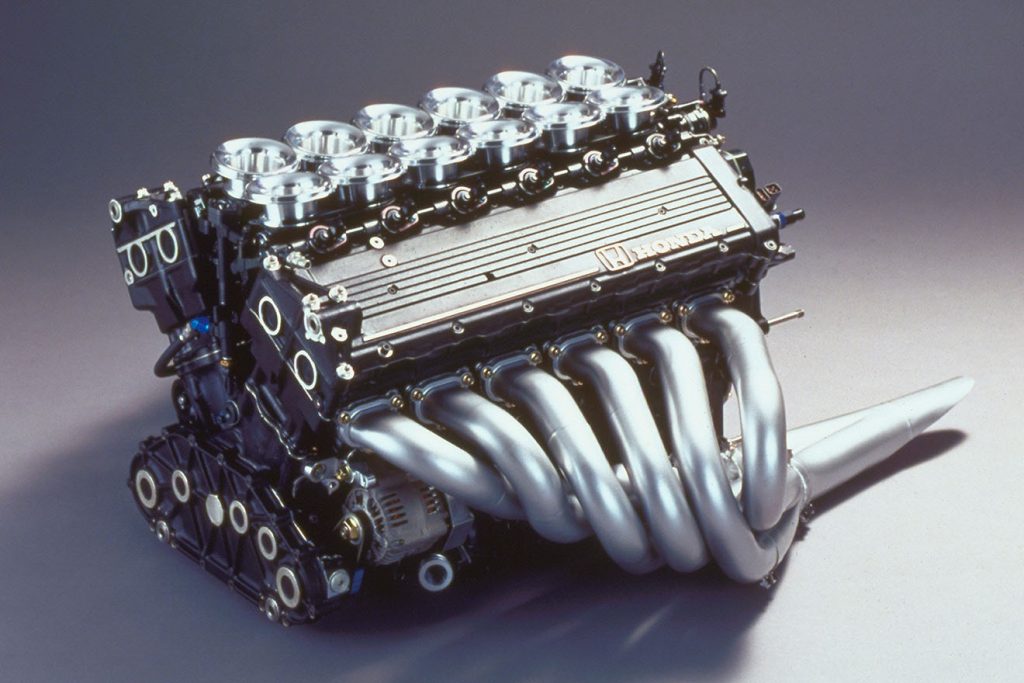
Today, the RA121E remains an icon of the naturally aspirated Formula One era. Its combination of breathtaking sound, engineering sophistication, and extreme RPM capability secured its place among the greatest racing engines Honda ever produced.
- Engine: 3.5-liter naturally aspirated V12 Formula One engine
- Torque: Approximately 290 lb ft
- Horsepower: Approximately 760 hp
- Length/Width: Formula One dimensions varied by chassis
7. Honda CBR250RR MC22 Engine
The Honda CBR250RR MC22 proved that small-displacement motorcycles could deliver excitement normally associated with exotic race machinery.
Released during Japan’s golden era of high-performance sport bikes, the MC22 carried a tiny inline four engine capable of screaming toward an astonishing 19,000 RPM redline. Few motorcycles before or after managed to combine such extreme engine speed with everyday usability and legendary reliability.
At lower RPMs, the engine behaved surprisingly civilized. Riders could navigate city traffic smoothly without feeling overwhelmed by aggressive power delivery. Everything changed once the tachometer climbed deeper into the rev range.
The intake noise sharpened dramatically, the exhaust tone intensified, and the little four-cylinder transformed into a furious mechanical weapon demanding constant throttle commitment.
Honda engineered the engine with incredible precision to survive those unbelievable RPM figures. Lightweight pistons, tiny valves, advanced camshaft profiles, and exceptionally balanced internals allowed the engine to maintain stability at speeds where many larger engines would destroy themselves instantly.
The tiny displacement also reduced reciprocating mass, helping the engine spin freely with almost motorcycle-racing levels of urgency.
Unlike larger superbikes relying on massive torque for acceleration, the CBR250RR rewarded riders who kept the engine singing near redline. Fast riding required aggressive downshifts and constant attention to gear selection. That characteristic created a highly engaging experience because riders needed skill and timing rather than brute force alone.
The sound became one of the motorcycle’s defining features. At maximum RPM, the engine produced a piercing scream closer to a miniature Formula One car than an ordinary street bike. Enthusiasts still celebrate the MC22 because modern emissions rules and market trends make such high-revving small-displacement engines increasingly rare.
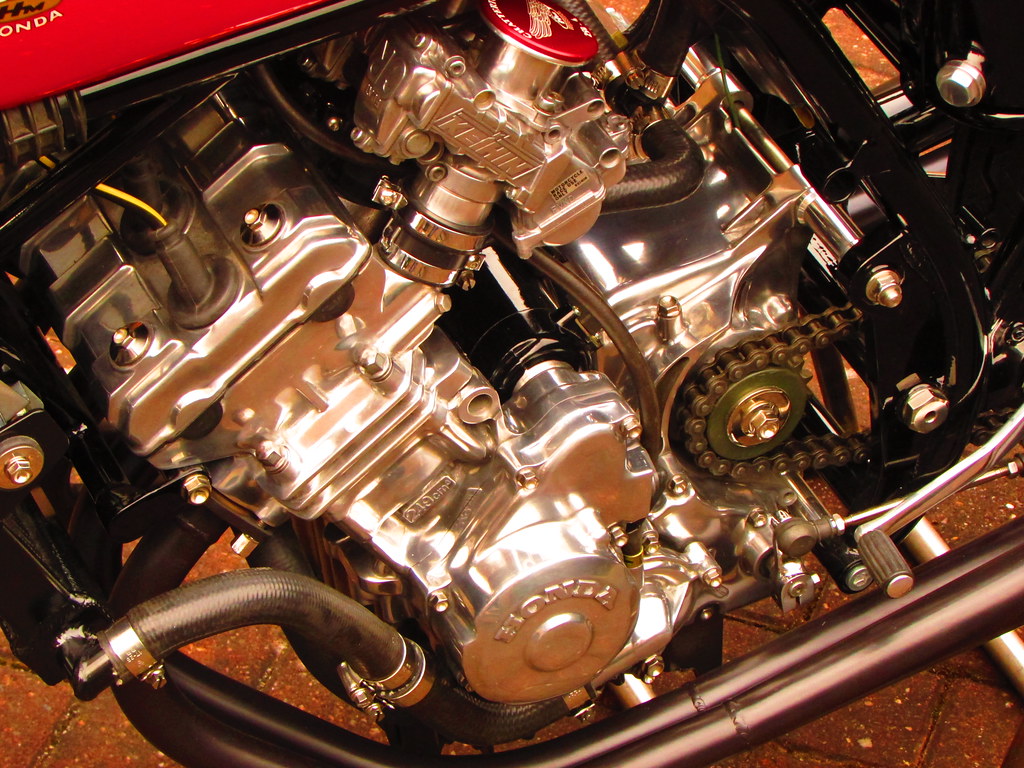
Another reason the motorcycle gained cult status involved handling balance. The lightweight chassis paired perfectly with the screaming engine, allowing riders to carry tremendous corner speed while maintaining confidence through tight roads and racetracks. Instead of intimidating power, the MC22 emphasized precision and momentum.
Today, the Honda CBR250RR MC22 remains one of the greatest examples of Honda’s obsession with RPM and engineering creativity. It showed the world that excitement does not always require huge displacement or overwhelming horsepower figures.
- Engine: 249 cc naturally aspirated inline four-motorcycle engine
- Torque: 17 lb ft
- Horsepower: 45 hp
- Length/Width: 77.2 inches / 26.5 inches
8. Honda Indy V8 Engine
When Honda entered IndyCar competition during the 1990s and 2000s, the company brought its high-RPM engineering philosophy directly into American open-wheel racing.
Honda’s naturally aspirated Indy V8 engines became famous for their reliability, responsiveness, and ability to sustain enormous RPM under brutal racing conditions. These engines represented a perfect fusion of precision engineering and motorsport aggression.
Unlike Formula One engines, focused heavily on exotic technology and short-lifespan qualifying runs, IndyCar engines needed to survive long races at sustained high speeds.
Honda responded by building lightweight V8 powerplants capable of revving beyond 10,000 RPM while maintaining remarkable durability. This balance between endurance and extreme performance helped Honda become one of the dominant forces in IndyCar racing.
The power delivery felt immediate and linear. Drivers relied heavily on throttle precision because the naturally aspirated V8 responded instantly to pedal inputs.
Without turbo lag interrupting acceleration, the engine provided smooth yet ferocious performance throughout the rev range. At maximum RPM, the sound became thunderous and mechanical, creating the unmistakable atmosphere of American open wheel racing.
Honda engineers paid enormous attention to airflow efficiency and internal friction reduction. Advanced materials, carefully shaped intake systems, and lightweight rotating assemblies allowed the engines to operate reliably at astonishing speeds for extended periods.
Even tiny improvements in efficiency or cooling could determine success during long races under extreme heat and stress.
The engines also played a critical role in Honda’s motorsport reputation outside Formula One and motorcycle racing. Success in IndyCar demonstrated the company’s ability to compete across multiple racing disciplines while applying its high-revving engineering philosophy to completely different environments.
Another fascinating aspect involved the engine’s versatility. Different track layouts demanded different performance characteristics, forcing engineers to optimize gearing, fuel mapping, and power delivery depending on whether races occurred on road courses, street circuits, or high-speed oval tracks.
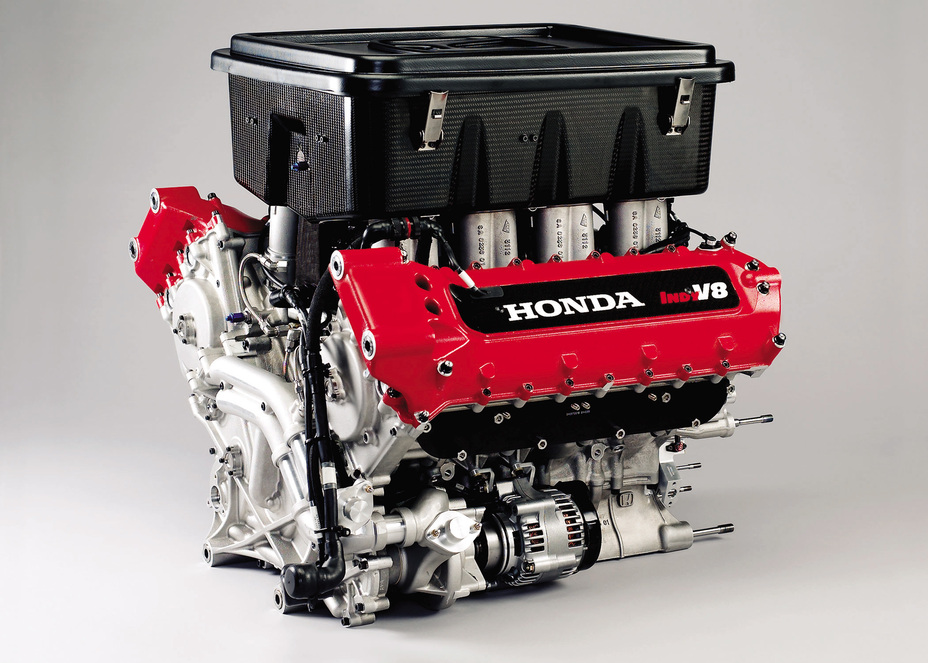
Honda’s Indy V8 engines may not receive the same mainstream attention as famous road car powerplants like the F20C, but within motorsports circles, they remain deeply respected. They symbolize Honda’s relentless dedication to building engines capable of extraordinary RPM without sacrificing competitive reliability.
- Engine: 3.5 liter naturally aspirated V8 IndyCar racing engine
- Torque: Approximately 300 lb ft
- Horsepower: Approximately 650 hp
- Length/Width: IndyCar dimensions varied by chassis
9. Honda RC213V MotoGP Engine
The Honda RC213V engine represents the modern peak of Honda’s high RPM racing philosophy. Built specifically for MotoGP competition, this compact V4 engine operates in one of the most demanding environments in motorsport.
Riders push the machine to incredible limits while the engine screams far beyond 10,000 RPM lap after lap under brutal acceleration, extreme lean angles, and violent braking forces.
Unlike older Honda racing engines that depended mostly on raw RPM and mechanical simplicity, the RC213V combines advanced electronics with highly refined engineering.
Sophisticated traction control, launch systems, seamless transmission technology, and precision fuel mapping help riders manage the engine’s explosive power delivery. Even with these electronic aids, the motorcycle remains extremely demanding because the V4 produces aggressive acceleration capable of overwhelming rear tire grip instantly.
One of the engine’s defining characteristics is its compact packaging. Honda engineers designed the V4 layout carefully to centralize mass and improve handling agility.
This allows riders to change direction rapidly through corners while still maintaining strong stability during high-speed sections. In MotoGP, where tiny differences decide championships, this balance becomes critical.
The sound produced by the RC213V is unforgettable. At maximum RPM, the engine emits a sharp mechanical roar mixed with the rapid crackling unique to modern MotoGP machines. Spectators often feel the vibration physically as the motorcycles blast past at extraordinary speed.
Another fascinating aspect involves durability. MotoGP regulations limit engine allocations across race seasons, forcing manufacturers to build engines capable of surviving repeated high RPM punishment without failure.
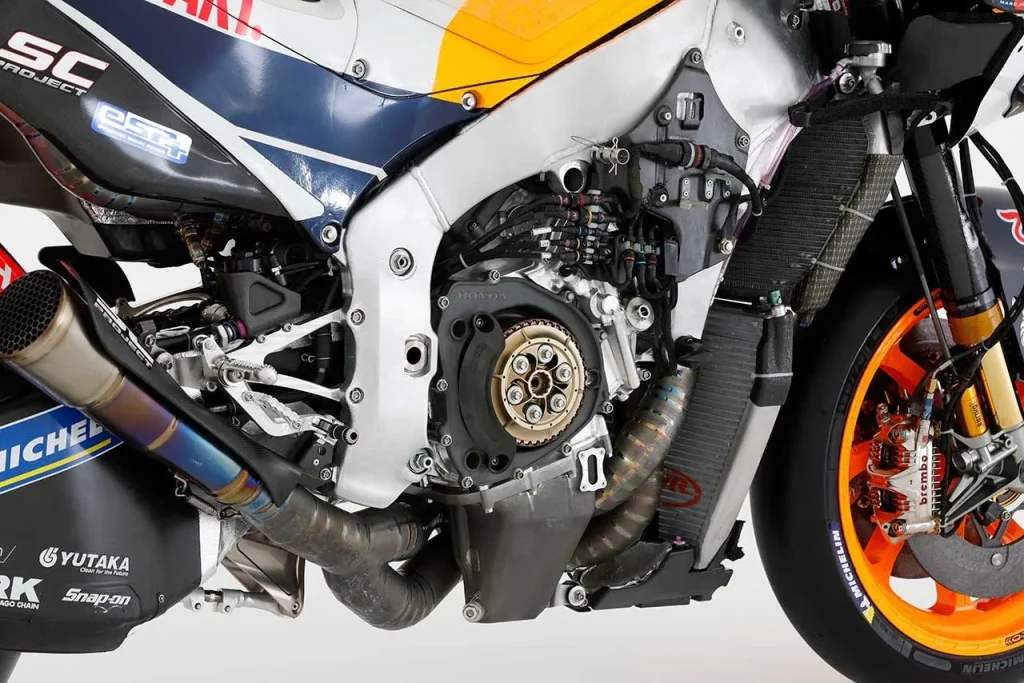
Honda’s ability to maintain reliability under these conditions reflects decades of racing development stretching back to motorcycles like the RC149 and RC166.
The RC213V also demonstrates how far Honda’s engineering evolution has progressed. From tiny screaming Grand Prix motorcycles of the 1960s to today’s electronically managed MotoGP weapons, the company continues chasing RPM, precision, and racing excellence with relentless intensity.
- Engine: 1.0 liter naturally aspirated V4 MotoGP engine
- Torque: Approximately 85 lb ft
- Horsepower: Approximately 290 hp
- Length/Width: MotoGP dimensions varied by chassis
Also Read: 7 Maintenance Tasks That Become Mandatory at 100,000 Miles
