
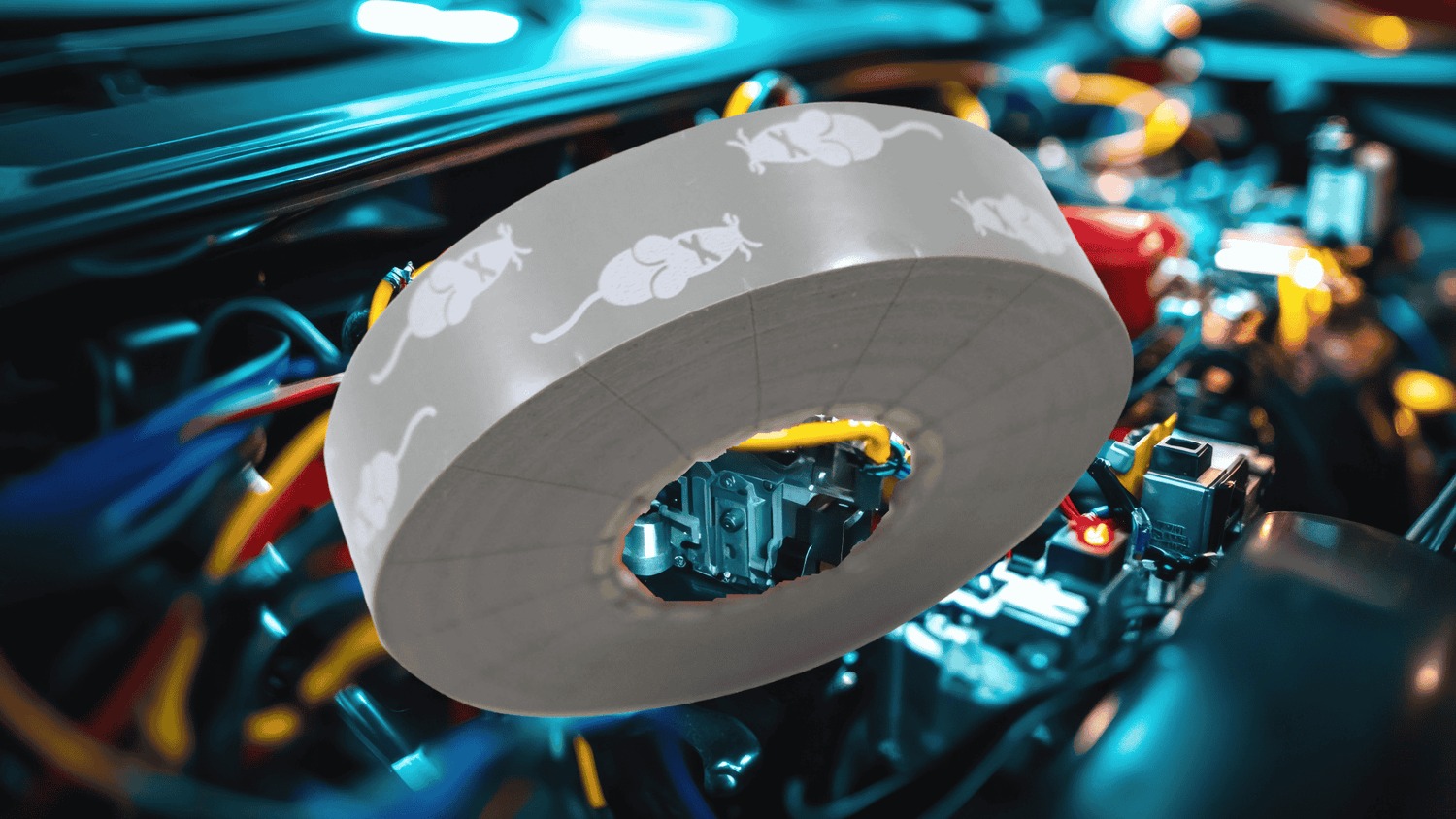
Picture this: a mouse sneaks into your engine bay, spots a tasty-looking wire, takes one confident bite, and instantly regrets every decision that led it there. That’s the exact outcome Honda had in mind when it created its now-famous Genuine Rodent Deterrent Tape. Yes, a car company sells tape soaked in chili pepper extract, and yes, it actually works.
This isn’t a prank or a viral hoax cooked up for laughs. It’s a real, purchasable Honda part with an official number, sold through dealerships and parts counters. If you’ve ever had a rodent chew through your wiring and wondered why nobody builds a defense against it, Honda already did. Grab a coffee, because this story is spicier than it sounds.
Why Honda Created a Spicy Wire Wrap
Rodents have a strange fondness for parked cars, and engine bays are basically a five-star hotel for them. They’re warm, sheltered from predators, and packed with soft material perfect for nesting and gnawing.
Wiring harnesses became an unexpected snack for mice, rats, and squirrels once automakers, including Honda, started using soy-based wire coatings in the 2000s and 2010s. Soy insulation was cheaper and more eco-friendly than older materials, but rodents apparently found it delicious.
Owners began reporting chewed-through wires, blinking dashboard lights, and check engine codes that made no sense until a mechanic found tiny teeth marks buried in the harness. Replacing a damaged wiring harness isn’t cheap, and diagnosing the issue can eat up hours of labor.
Honda needed a fix that technicians could apply quickly without redesigning the entire electrical system. Enter capsaicin, the same fiery compound found in jalapeños, habaneros, and ghost peppers. Engineers realized that infusing tape with this natural irritant could stop chewing before it started.
A rodent’s mouth reacts to capsaicin the same way a human tongue does after biting into a hot pepper, except worse, since these animals have no idea what’s coming. One bite delivers a burning jolt strong enough to send most critters running in the opposite direction. Instead of fighting rodents with poison or traps, Honda decided to simply make the food taste terrible.
What’s Actually Inside the Roll of Tape
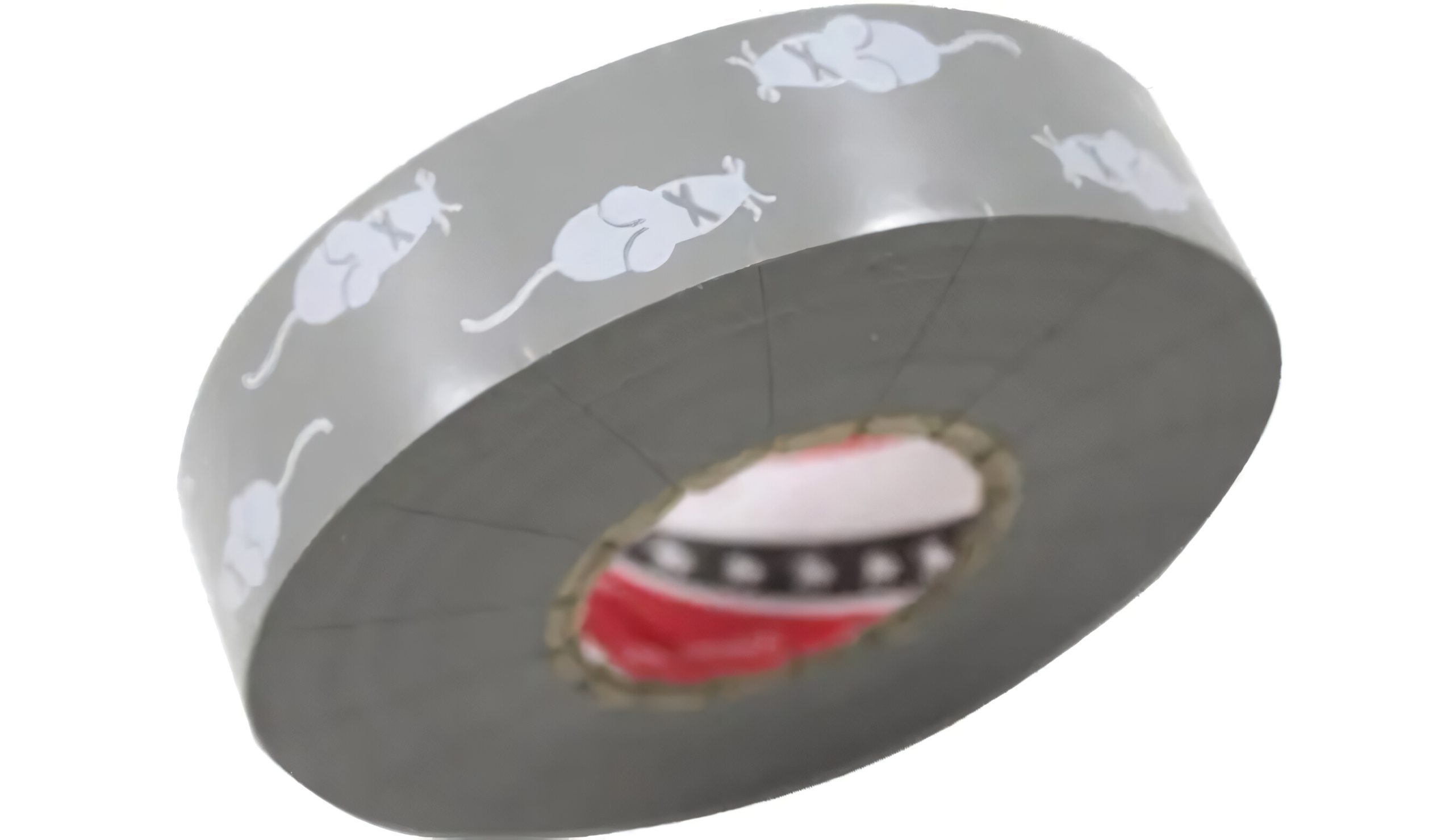
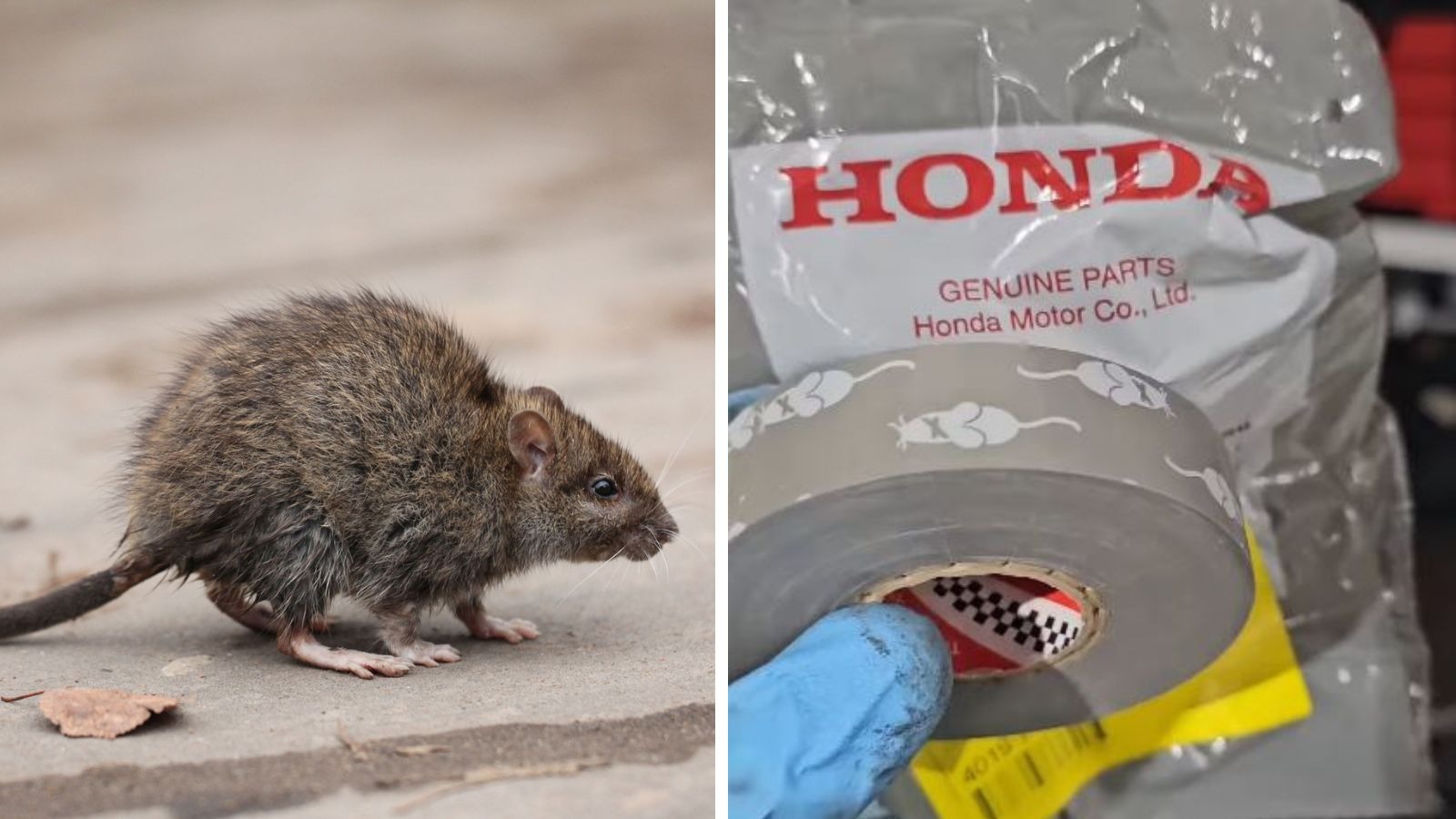
Honda’s product carries the official part number 4019-2317, and it’s officially labeled Genuine Rodent Tape. A single roll runs about 65 feet, giving technicians enough length to wrap multiple problem areas during one service visit.
Pricing typically lands around $45, which sounds steep for tape until you compare it to the cost of replacing a chewed-up wiring harness, a repair that can run into the hundreds or even thousands of dollars depending on the vehicle.
The tape looks like ordinary black electrical tape at first glance. There’s no visible pepper flakes or odd texture, and it doesn’t scream “spicy” the way a chili-themed product might. The active ingredient is baked directly into the adhesive, so the entire strip carries the same capsaicin punch from edge to edge.
Reviewers who’ve tested it, including one brave writer who literally tasted a piece, describe the sensation as an intense, lingering burn that spreads across the tongue within seconds. That’s precisely the point. A curious rodent doesn’t need to eat much before the message is received loud and clear.
Despite the name suggesting it’s exclusive to Honda vehicles, the tape works on any make or model. Auto parts retailers and online stores carry it, so owners of Fords, Toyotas, or anything else with an engine bay can order a roll for their own preventive maintenance.
Also Read: 8 Tips for Protecting Your Car Electrical System From Desert Rodents
How Technicians Apply the Tape Correctly
Applying rodent tape is not a difficult task, but it needs to be done properly for it to work effectively. Technicians usually begin by cleaning the wiring with alcohol to remove grease, dirt, and any old adhesive. This helps the tape stick properly.
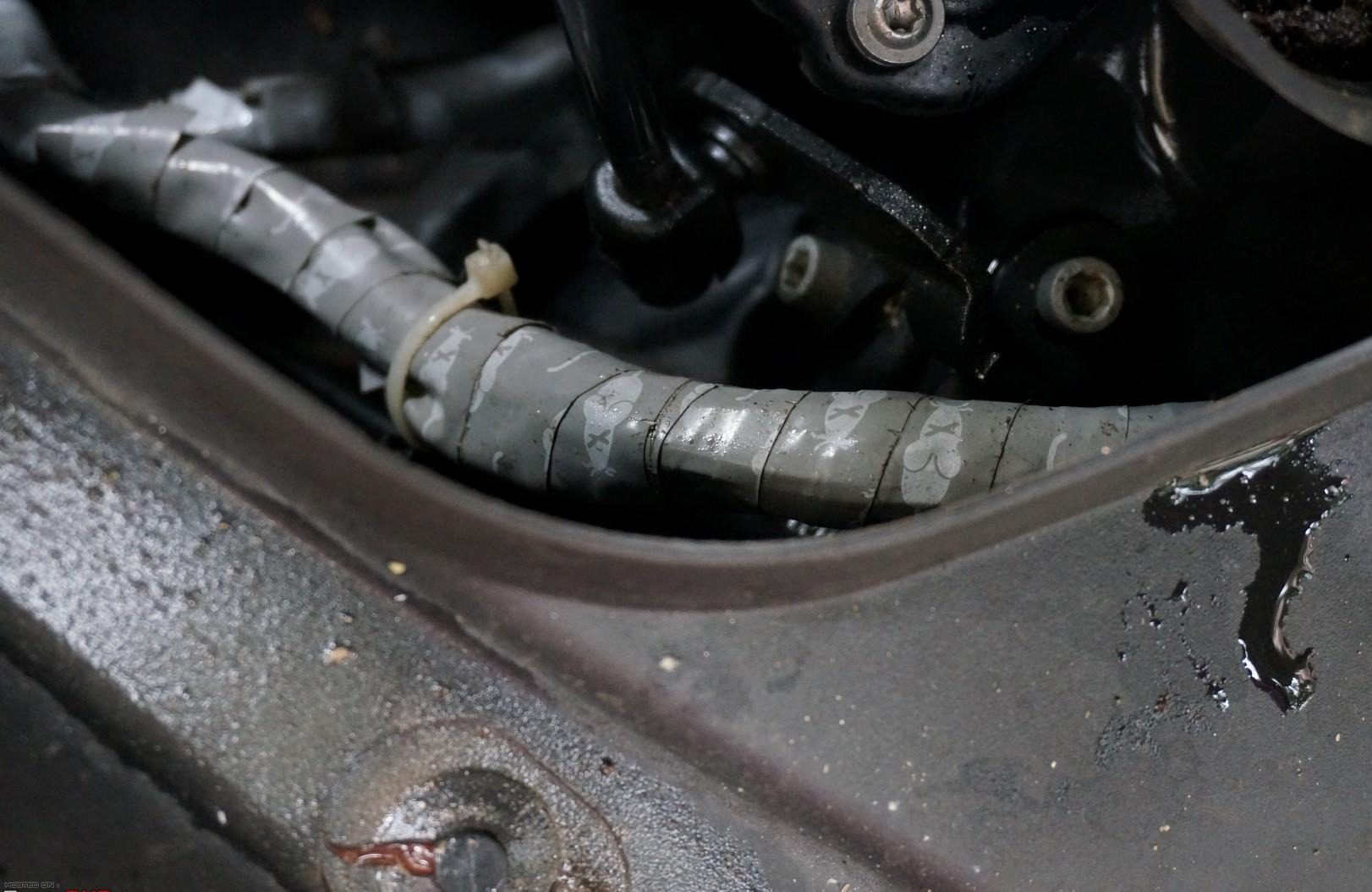
After cleaning, the tape is wrapped around wire looms, harnesses and other areas where rodents are likely to chew, especially places that have suffered damage before. Honda recommends a “half-wrap” method, where each layer overlaps the previous one by about half of the tape’s width.
This provides proper coverage and leaves no exposed section for rodents to attack. While wrapping, the tape should be pressed firmly so that the adhesive can bond well and remain in place despite engine heat and vibration.
However, the tape should not come into contact with hot engine parts, exhaust components, or moving parts. It is meant for stationary wiring, as excessive heat or friction can weaken the adhesive and possibly create a safety risk.
Many mobile mechanics and independent workshops now use rodent tape as a preventive measure. It is particularly useful in areas where rodent problems are common, especially during colder periods when rodents often look for warm places around vehicles.
Does the Chili Tape Actually Stop Rodents?
Honda has never claimed that this tape is a perfect solution that will completely stop rodents, and that is important to understand. No rodent deterrent can offer 100 percent protection because hunger and curiosity can sometimes make animals ignore the discomfort.
However, feedback from mechanics and car owners has generally been positive. Many people say they noticed fewer cases of repeated wire chewing after applying the tape to areas that had been damaged before. This suggests that rodents can learn to stay away from treated wires after experiencing the unpleasant sensation once.
The idea is supported by how capsaicin works. Unlike poison, it does not kill or seriously harm animals. Instead, it creates an unpleasant feeling that encourages rodents to avoid the area. This makes the tape a more humane option for vehicle owners who want to protect their cars without harming wildlife.
The tape has also been available for several years, giving mechanics enough time to assess how well it works. Its popularity has spread beyond Honda service centres, with independent workshops, car owners and online automotive communities recommending it as a useful way to prevent rodent damage.
For drivers who have experienced chewed wires and unexpected dashboard warning lights, a $45 roll of chili-infused tape may be a simple and worthwhile investment.
Also Read: Top 8 Ways to Protect Your Car Electrical System From Rodent Damage
A Small Fix Worth Remembering
Nobody expects a car company to fight rodents with pepper spray disguised as tape, yet here we are, and it’s working. Honda’s approach proves that sometimes the cleverest solutions come from thinking about a problem the way the animal experiences it, not just the way an engineer sees it on paper.
If your vehicle has ever fallen victim to a hungry visitor under the hood, this small, spicy roll might be the cheapest insurance you’ll ever buy.
