
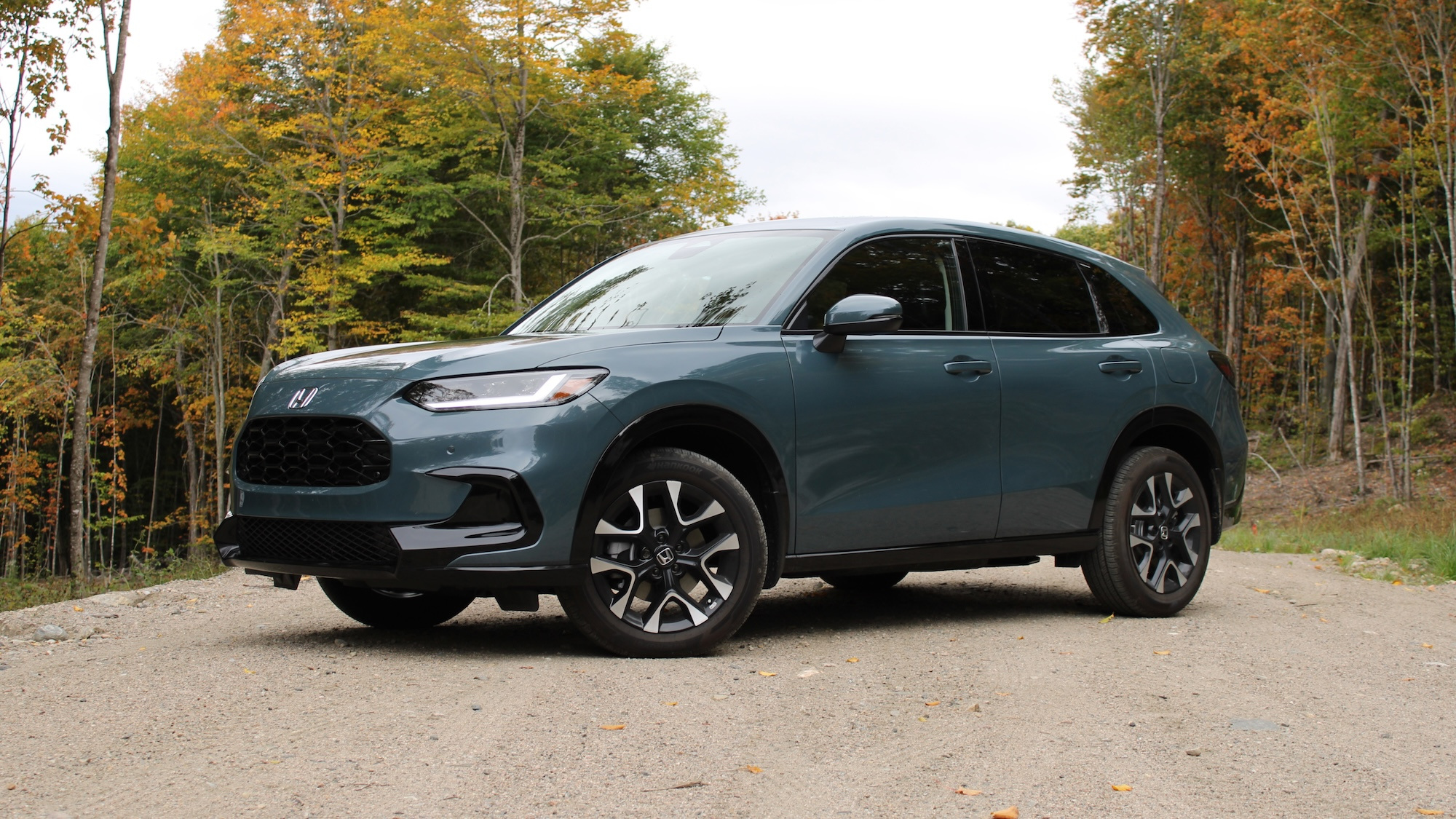
Choosing the right Honda HR-V trim involves more than deciding how much to spend at the dealership. The entry-level LX offers essential technology and safety features, the Sport adds convenience and styling upgrades, and the EX-L brings a more premium interior.
The question is whether those extra features justify the higher purchase price, particularly when depreciation and resale value are considered.
For the 2026 model year in the U.S., the Honda HR-V is available in three trim levels, LX, Sport, and EX-L. Each version is powered by a 2.0-liter four-cylinder engine producing 158 horsepower, paired with a continuously variable transmission. Front-wheel drive comes standard on all trims, while all-wheel drive is offered as an option throughout the lineup.
The starting manufacturer’s suggested retail prices are $26,500 for the LX, $28,300 for the Sport, and $30,350 for the EX-L. These prices exclude destination charges, taxes, registration, and optional equipment. The difference between the least expensive and most expensive trim is $3,850 before those additional costs.
Kelley Blue Book has also recognized the HR-V for its projected resale performance, naming it the 2026 Best Resale Value winner in the subcompact SUV category. That recognition makes the model worth considering for buyers concerned about depreciation, although it does not guarantee that every trim will retain the same percentage of its value.
The smartest purchase depends on the equipment you genuinely need, the price you negotiate, and how long you intend to keep the vehicle. A higher trim can improve everyday comfort, but paying for features you rarely use may not make financial sense.
What Each Honda HR-V Trim Offers for the Money
The Honda HR-V LX is the starting point, but its equipment list is not as basic as the price might suggest.
At $26,500 before destination charges, it includes a 9-inch touchscreen, wireless Apple CarPlay and Android Auto compatibility, wireless phone charging, automatic climate control, and Honda Sensing driver-assistance technology. It also comes with 17-inch alloy wheels.
The LX’s strongest argument is value. Buyers receive modern smartphone connectivity and important driver-assistance features without paying for leather-trimmed seats, a moonroof, or other premium equipment.
For someone who mainly needs a comfortable commuter vehicle, the base trim already covers many everyday requirements.
The Honda HR-V Sport costs $28,300, a premium of $1,800 over the LX. Its additional features include 18-inch gloss-black alloy wheels, heated front seats, heated side mirrors, remote engine start, and Smart Entry with Walk Away Auto Lock. It also upgrades the audio system from four speakers to six and includes Blind Spot Information with Cross Traffic Monitor.
Those additions make the sport appealing to drivers who want more convenience without paying for the top trim. Heated seats are useful in colder weather, remote engine start adds flexibility, and blind-spot monitoring can help drivers identify vehicles alongside them when changing lanes. The larger wheels also give the HR-V a more distinctive appearance.
There is a practical trade-off, however. Larger wheels can mean more expensive replacement tires, depending on the tire selected. Buyers should consider this recurring expense rather than evaluating the Sport solely by its appearance.
The Honda HR-V EX-L starts at $30,350, or $2,050 more than the Sport. It adds leather-trimmed seats, an eight-way power-adjustable driver’s seat, dual-zone automatic climate control, a one-touch power moonroof, an eight-speaker audio system, and parking sensors. Low-speed braking control is also included.
The EX-L makes the strongest case for buyers who prioritize interior comfort. Its power-adjustable driver’s seat can make it easier to find a suitable driving position, while dual-zone climate control allows the driver and front passenger to select different temperatures. Parking sensors can also help when maneuvering into tight spaces.
Yet none of these upgrades increases the HR-V’s engine output. All three trims use the same 158-hp engine, and their official fuel-economy ratings are identical when equipped with the same drivetrain.
Front-wheel-drive versions are rated at 26 mpg city, 32 mpg highway, and 28 mpg combined. All-wheel-drive models return 25 mpg city, 30 mpg highway, and 27 mpg combined.
That means the decision is primarily about equipment, comfort, and purchase price rather than gaining performance or better fuel economy by moving up the range.
What KBB Resale Values Tell Buyers
Depreciation can be one of the largest expenses associated with owning a new vehicle. A trim that costs less initially may not necessarily be the cheapest to own if it loses a larger proportion of its value. Conversely, an expensive version does not automatically recover its additional cost when it is sold.
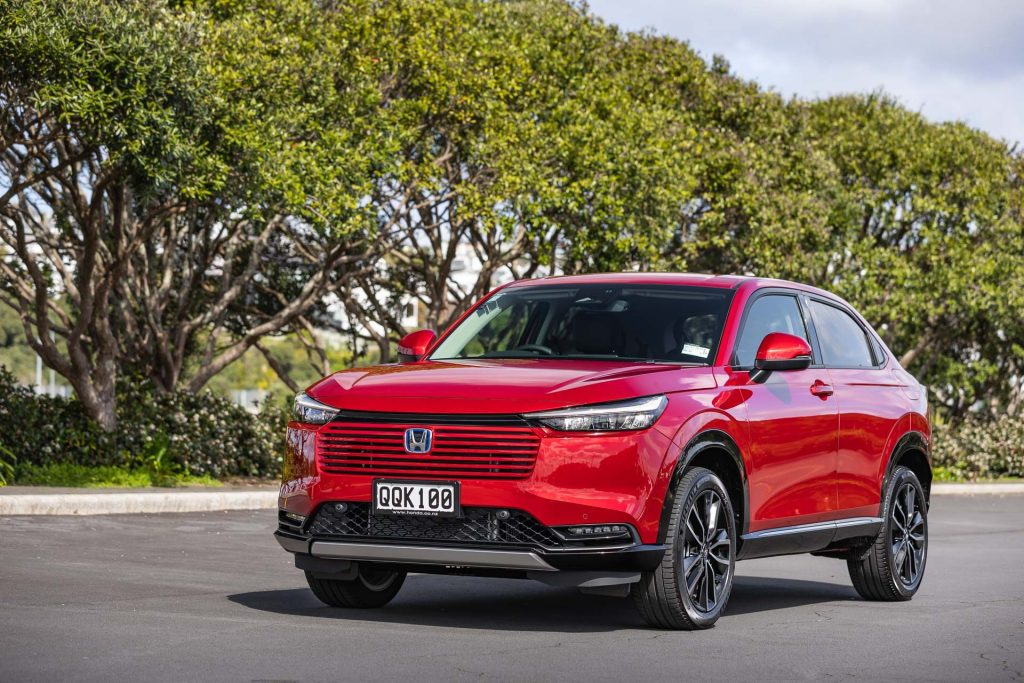
Kelley Blue Book named the 2026 Honda HR-V the Best Resale Value winner in the subcompact SUV category. Its awards use projected resale values from its 2026 Residual Value Guide.
This supports the HR-V’s reputation as a model worth considering for long-term value, but the award applies to the model category rather than establishing a definitive ranking of the LX, Sport, and EX-L.
KBB’s published Cost to Own estimate for the 2026 HR-V projects a five-year residual value of $16,501 from a starting MSRP of $27,950. That represents approximately 59% of the starting price. KBB also estimates $11,449 in depreciation over five years. These figures are projections based on its assumptions, not guaranteed future selling prices.
The distinction matters because trim-specific resale performance can depend on local demand, equipment, mileage, condition, and the original transaction price.
A Sport or EX-L may appeal to used-car shoppers because of its additional features, but that does not mean buyers will pay enough extra to cover the full premium paid when it was new.
The price negotiated at purchase also affects depreciation in dollar terms. Someone who secures a substantial discount on an LX may be in a stronger financial position than someone who pays close to full MSRP for a more expensive trim. Comparing only the advertised starting prices misses that difference.
KBB’s figures should therefore be used as a reference point, not a promise of what a dealer or private buyer will pay several years later. Actual resale value can change with market conditions, vehicle condition, and mileage.
Buyers planning to sell after three to five years should compare current valuation estimates for the exact trim and model year, using consistent mileage and condition assumptions.
The Sport Offers More for Your Money While the LX Keeps Costs Low
For many buyers, the Honda HR-V Sport is the most balanced choice. Its $28,300 starting price places it between the LX and EX-L, while the additional $1,800 over the base trim buys features that can make daily ownership more convenient.
Heated front seats, remote engine start, and blind-spot monitoring are useful additions rather than purely decorative upgrades. The Sport also retains the LX’s core connectivity features, so buyers do not have to pay for the EX-L simply to get wireless smartphone integration.
The LX remains the strongest option for people who want to minimize their initial spending. Its touchscreen, wireless connectivity, automatic climate control, and Honda Sensing features make it a well-equipped entry point.
If heated seats, larger wheels, and remote start are not priorities, the additional money for the Sport may be better kept in savings.
The EX-L is worth considering when comfort is particularly important, and the extra $2,050 over the Sport fits comfortably within the budget. Its leather-trimmed seating, power-adjustable driver’s seat, moonroof, and upgraded audio system create a more premium cabin.
However, buyers should not assume that these features will increase resale value by the full amount spent on them.
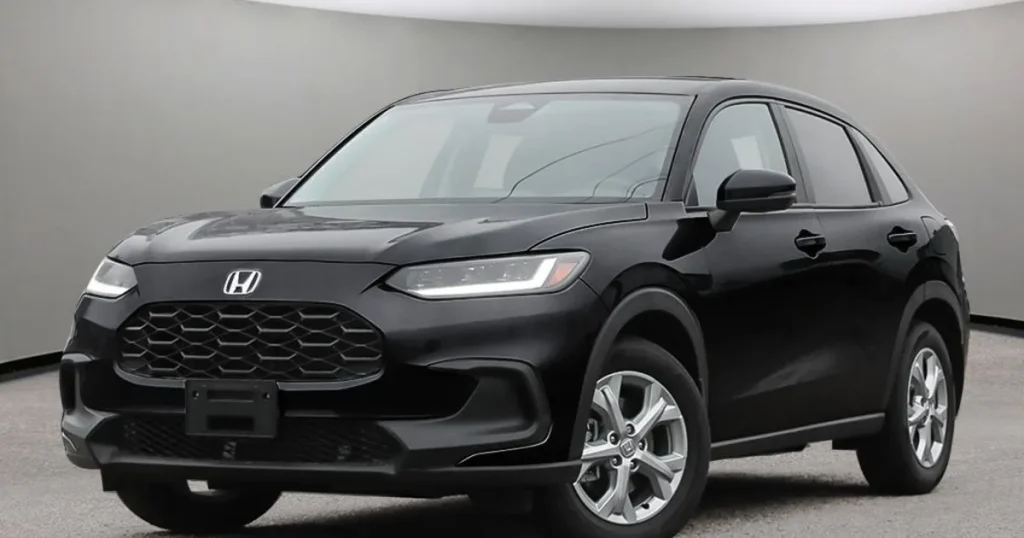
Before choosing a trim, compare actual dealer quotes, including destination charges, optional equipment, and available incentives. Honda’s current build-and-price information lists a $1,550 destination charge, although buyers should confirm the charge shown on their specific quotation.
Insurance costs and financing terms deserve attention, too. A lower purchase price can reduce the amount financed, while a longer loan can increase total interest paid. If you plan to keep the vehicle for many years, features you use daily may justify the premium. If you expect to sell it relatively soon, paying less upfront may be more important.
The 2026 Honda HR-V offers a clear choice between value, convenience, and premium comfort. Its shared powertrain means the higher trims do not deliver more horsepower or better official fuel economy, so the additional spending must be justified by their equipment.
Your choice ultimately depends on your budget and priorities. The LX keeps costs down, the Sport adds worthwhile features at a modest increase in price, and the EX-L delivers a more premium cabin for buyers willing to spend extra on comfort.
For the typical buyer seeking a strong balance of features and price, the Sport is the trim to start with, while the LX remains the sensible choice for strict budgets.
