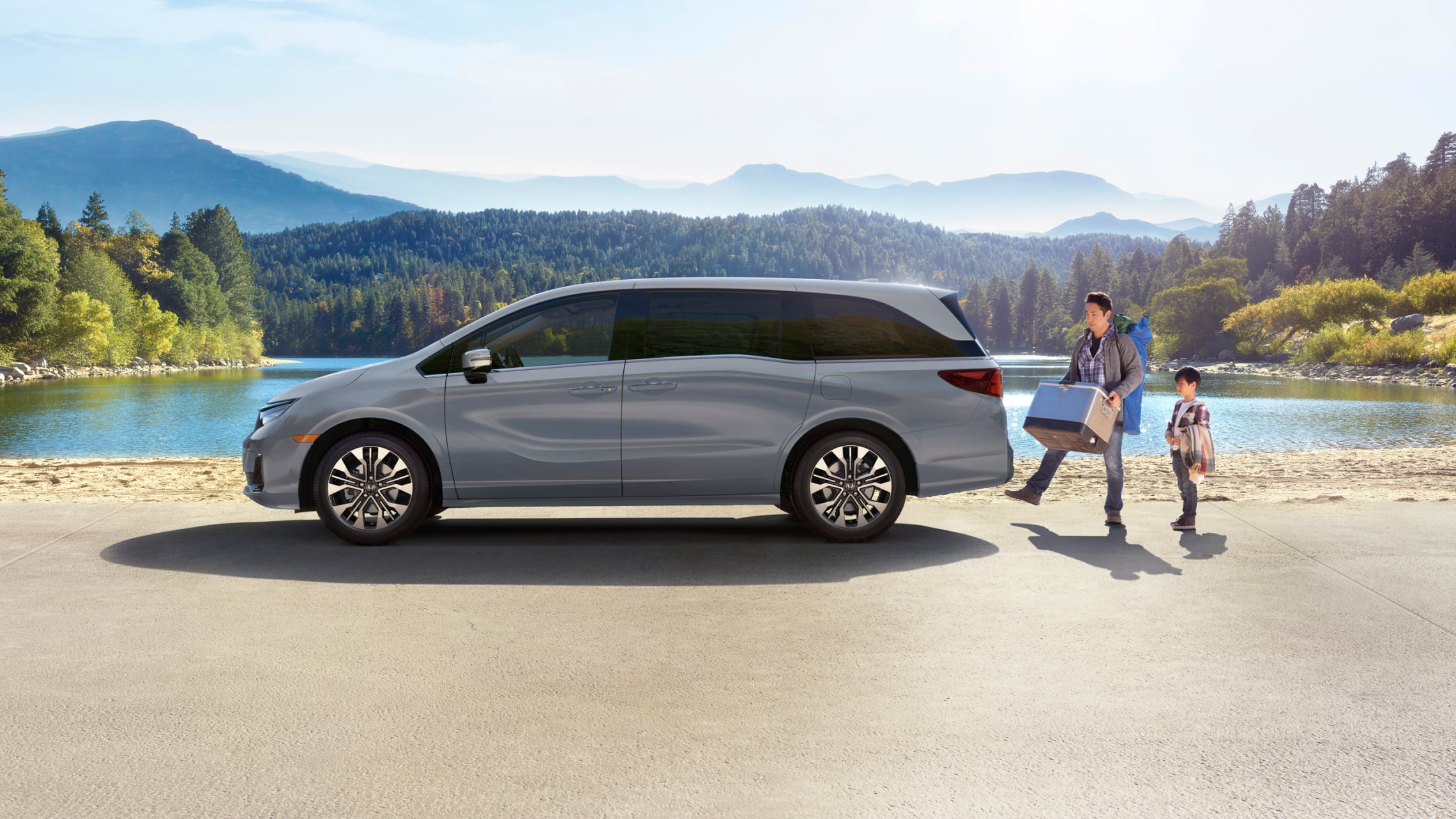
Honda has built a reputation for dependable vehicles, but a familiar badge does not guarantee trouble-free ownership at 150,000 miles.
Some models can remain practical daily drivers well beyond that milestone when maintained properly, while others have specific engine, transmission, or oil-consumption concerns that make a high-mileage purchase riskier.
The difference often comes down to the model year, engine choice, maintenance records, and how the previous owner treated the vehicle.
This guide separates Honda models worth considering from those that demand closer inspection, using reported reliability patterns and known mechanical concerns rather than assuming every vehicle ages the same way.
5 Honda Models Safe to Buy at 150,000 Miles
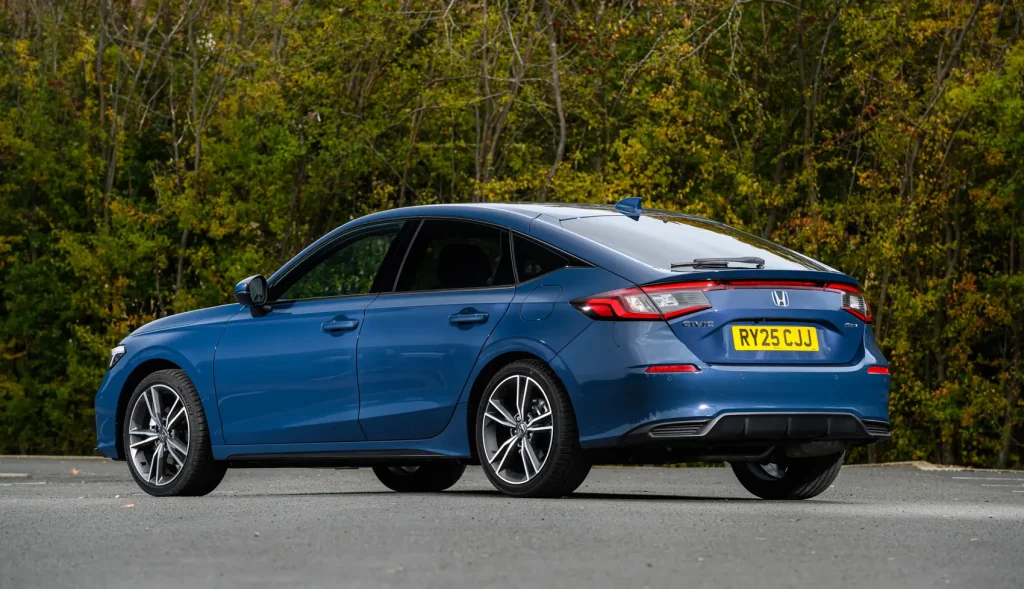
1. Honda Civic, Particularly the 2.0-Liter Naturally Aspirated Versions
The Civic deserves a place on this list because certain versions combine a relatively simple gasoline engine with a lightweight body and widely available replacement parts. For a buyer considering a car with 150,000 miles, the 2.0-liter naturally aspirated four-cylinder found in selected Civic model years is worth investigating.
Unlike turbocharged engines, it does not rely on a turbocharger, reducing the number of components involved in the intake and exhaust systems. That simplicity does not make it indestructible, but it can make long-term ownership less complicated.
Condition remains decisive. Check the oil level before starting the engine, look for blue exhaust smoke, and listen for unusual knocking or rattling. A healthy engine should start cleanly and idle steadily once warmed up.
The transmission also needs careful attention. On automatic versions, acceleration should be smooth, without slipping, shuddering, or delayed engagement. If the car has a continuously variable transmission, ask for evidence of fluid servicing appropriate to that transmission rather than assuming it was maintenance-free.
The Civic’s practical advantages include modest fuel consumption, a large supply of independent repair shops, and parts availability in the United States. These qualities can help keep routine ownership costs reasonable after the warranty period has long passed.
Nevertheless, inspect the suspension, wheel bearings, air-conditioning system, underbody, and signs of previous collision repairs. A worn-out Civic can still become expensive if several neglected systems need attention at once.
Why it makes the list: a well-maintained, naturally aspirated Civic can be a sensible high-mileage purchase, but the exact year, transmission, maintenance history, and inspection results matter more than the nameplate alone.
Consumer Reports’ model-year reliability information and owner-reported trouble spots are useful cross-checks before choosing a particular example.
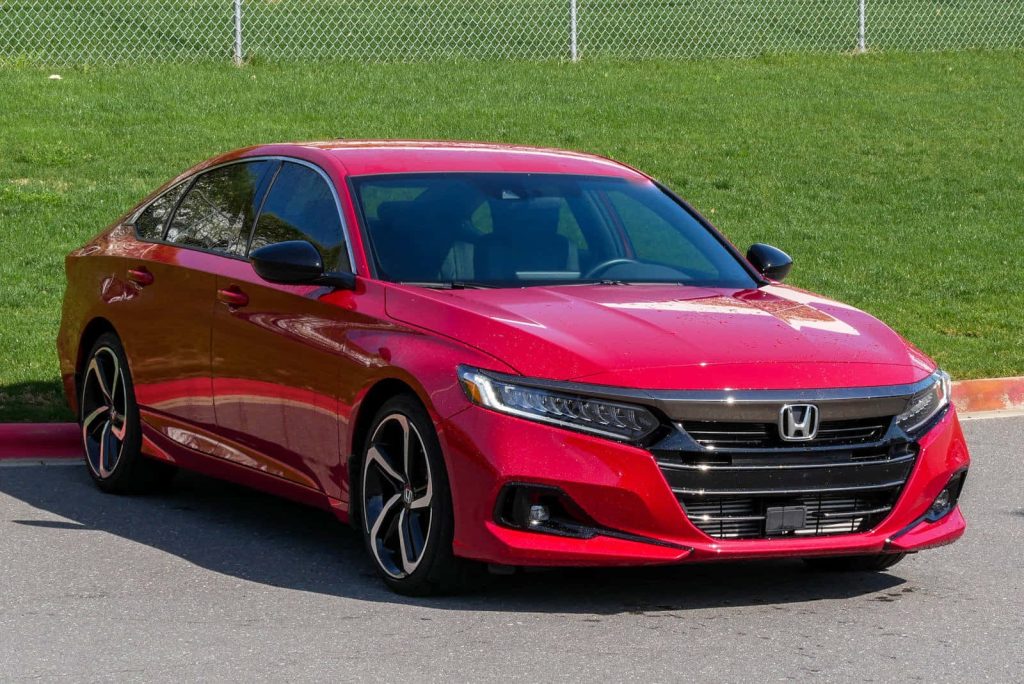
2. Honda Accord, Especially Carefully Maintained Four-Cylinder Models
The Accord can make sense at 150,000 miles when the buyer selects the right year and finds a car with convincing maintenance records. Its four-cylinder versions have long appealed to owners seeking a comfortable midsize sedan without the added fuel and maintenance demands that can accompany larger engines.
For high-mileage shopping, a well-documented four-cylinder example is generally a more reassuring starting point than buying an older V6 model without a clear service history.
That distinction matters because the Accord’s reputation does not apply uniformly across all generations. Certain older model years have attracted substantial complaints involving automatic transmissions, while some V6 versions from the late 2000s and early 2010s have been associated with excessive oil consumption.
The existence of those problems does not mean every Accord from those years will fail, but it makes careful year-by-year research essential. A low asking price is not a bargain if the vehicle has unresolved engine or transmission trouble.
During a test drive, accelerate gently and firmly, checking for hesitation, slipping, harsh shifts, or vibration. Once the engine is warm, inspect for warning lights and ask a mechanic to scan the car for stored diagnostic codes.
Check for oil leaks around the engine, signs of coolant loss, and irregular tire wear that could point to worn suspension components or poor alignment.
The Accord earns consideration because a sound example can offer comfortable long-distance driving, practical cabin space, and a familiar mechanical layout.
Selecting the right model year is essential when buying a used Honda Accord. CarComplaints reports significant transmission problems in certain older models, while Consumer Reports’ reliability data shows that dependability differs from one model year to another.
Why it makes the list: A properly serviced four-cylinder Accord can be a worthwhile candidate, provided the buyer verifies its specific year, checks its service history, and obtains an independent mechanical inspection.
3. Honda CR-V, Particularly Well-Maintained 2.4-Liter Models
A used SUV with 150,000 miles needs to offer more than a spacious cabin. It must also have a powertrain capable of handling years of additional commuting, family trips, and everyday errands. The Honda CR-V is a strong candidate, particularly earlier examples equipped with the naturally aspirated 2.4-liter four-cylinder engine.
The 2014 to 2016 CR-V models are worth investigating because they use an established engine design and offer practical cargo space without requiring buyers to move into a larger, more expensive SUV.
RepairPal rates the CR-V highly for reliability, reporting an average annual repair and maintenance cost of $407 across the model line. That figure is an average, not a forecast for an individual vehicle with 150,000 miles, when age-related repairs become increasingly important.
Before buying, check for oil leaks, coolant loss, suspension noises, worn engine mounts, and evidence of overheating. During the test drive, make sure the automatic transmission responds smoothly.
Ask whether transmission fluid has been changed according to Honda’s maintenance schedule, and inspect the air-conditioning system, which can be expensive to repair if major components have failed.

One important distinction is model year. Certain 2017 and 2018 CR-Vs with the 1.5-liter turbocharged engine have documented oil-dilution concerns, particularly under cold-weather and short-trip conditions. Those issues do not affect every example, but they make a careful review of service history essential.
Why it makes the list: a properly maintained CR-V can combine useful space, manageable running costs, and a strong reliability record. Prioritize condition and documented maintenance rather than buying solely because the odometer reads 150,000 miles.
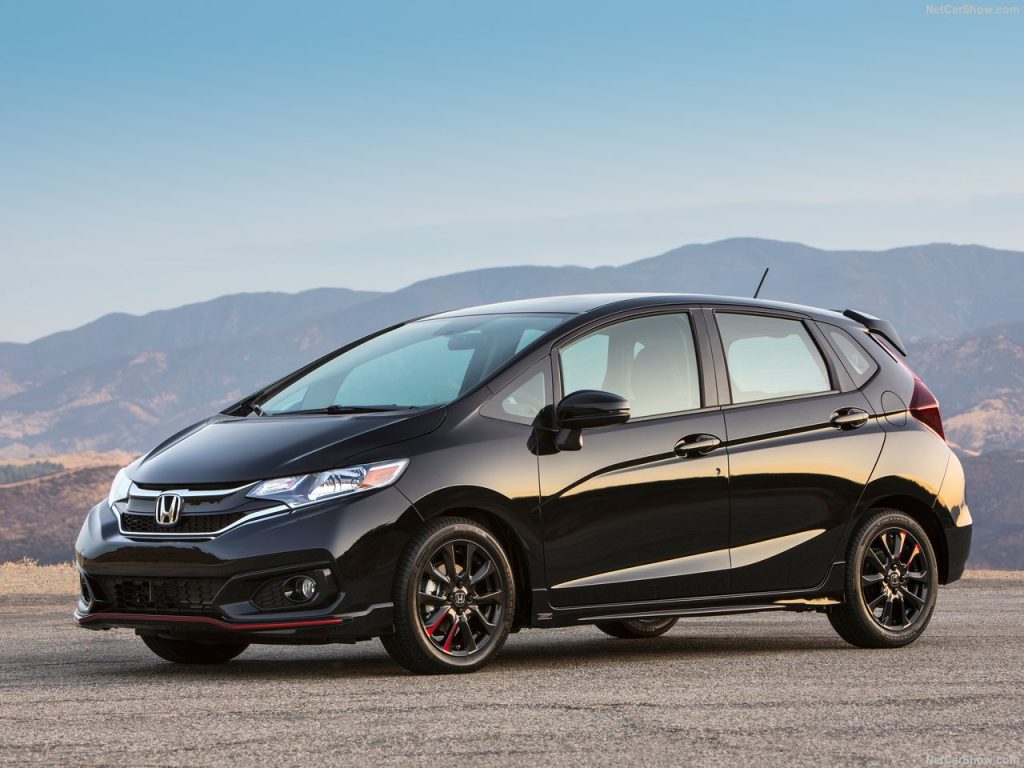
4. Honda Fit, Especially Carefully Inspected 2016 to 2020 Models
Not every high-mileage buyer needs a midsize sedan or an SUV. The Honda Fit is a practical alternative for someone who values easy parking, useful interior space, and economical everyday transportation. Although Honda discontinued the Fit in the United States after the 2020 model year, used examples remain worth considering.
Its compact dimensions conceal a surprisingly versatile cabin, and the rear seats fold to accommodate larger items. The naturally aspirated four-cylinder engine is relatively straightforward, making the Fit appealing to owners who want a small car without the added complexity of a turbocharged powertrain.
A carefully maintained 2016 to 2020 example could be a sensible purchase at 150,000 miles, but the individual year and transmission deserve scrutiny.
Pay particular attention to the continuously variable transmission, which is fitted. Acceleration should be smooth, without pronounced juddering, hesitation, or unusual whining. Ask for maintenance records showing that the correct transmission fluid was used at the recommended intervals.
Also check the engine for oil leaks, examine the suspension over uneven roads, and test the air-conditioning and electrical equipment.
Year selection matters. Owner-complaint records identify elevated problems for certain Fit years, including 2015, while the 2017 and 2020 models have comparatively encouraging complaint patterns in some analyses. Complaint counts are not failure rates, however, and they cannot prove that any individual vehicle will be reliable.
Why it makes the list: the Fit offers practical, economical transport in a small package. At 150,000 miles, buy only after an independent inspection, verification of recall completion, and a review of maintenance records. A neglected example can quickly erase the savings associated with its fuel economy.
5. Honda Element, Particularly Well-Maintained 2007 to 2011 Models
The Honda Element is an unusual but worthwhile option for buyers who care more about practical durability than modern styling. Sold in the United States through the 2011 model year, this compact SUV used Honda’s 2.4-liter four-cylinder engine, a powertrain shared in related forms with other Honda vehicles.
Its boxy body, washable interior surfaces, and flexible seating arrangement made it useful for owners who regularly carried equipment, pets, or bulky cargo.
For high-mileage shoppers, the attraction is the relatively straightforward mechanical layout. The naturally aspirated engine avoids turbocharger-related complexity, and the Element’s practical design can make it a useful second vehicle or inexpensive daily driver.
However, its age creates a different set of risks from those found in newer vehicles. A 2009 Element with 150,000 miles is now an older vehicle, so corrosion, deteriorated rubber components, and previous repairs deserve as much attention as engine condition.
Inspect the underbody carefully, particularly if the vehicle has spent years in a region that uses road salt. Rust around structural areas can turn an apparently affordable purchase into an uneconomical repair. Listen for suspension knocks, check the steering for looseness, and look for oil leaks.
On automatic versions, test the transmission when cold and fully warmed up, checking for delayed engagement or harsh shifts. Ask for documentation of regular oil changes and any major repairs.
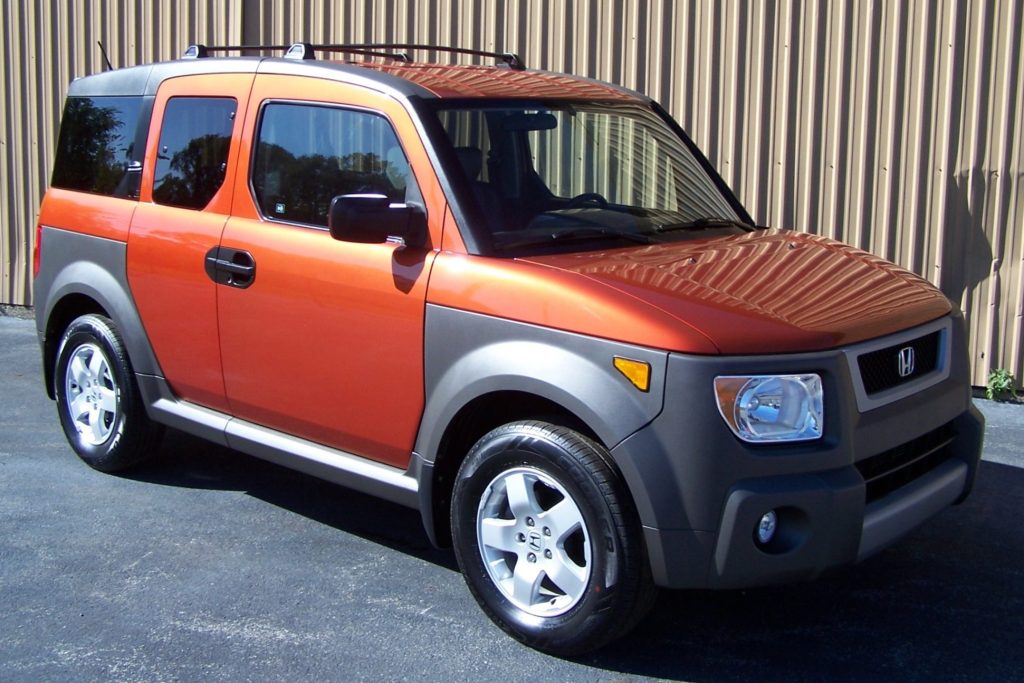
The Element’s limited availability can also affect parts sourcing for certain body and interior components. Before purchasing, check that the seats, rear doors, interior trim, and other distinctive features work properly.
Why it makes the list: A carefully maintained Element can offer a practical, relatively simple vehicle at 150,000 miles. It is a candidate rather than a guarantee, and rust condition is especially important when judging whether an older example is worth buying.
5 Honda Models to Be Careful With at 150,000 Miles
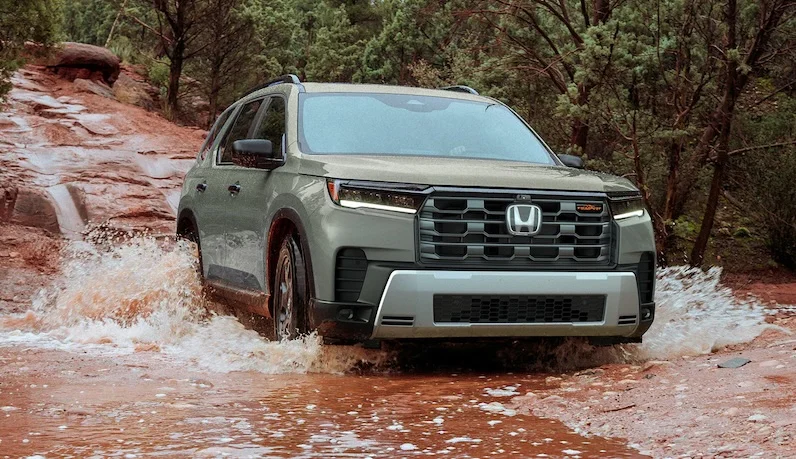
1. Honda Pilot, Particularly 2003 to 2005 Models
The first vehicle requiring extra caution is the early Honda Pilot, especially examples from 2003 to 2005. These SUVs can still be useful family vehicles, but their age and reported drivetrain problems make a purchase at 150,000 miles a decision that needs careful financial calculation.
The 2003 Pilot has attracted notable owner complaints involving automatic transmission failure. CarComplaints reports that transmission problems were a recurring concern for this model year, including reports of failures near or beyond 100,000 miles. Some owners reported expensive repairs.
These are consumer complaints rather than a verified failure rate, so they cannot establish that every 2003 Pilot has a defective transmission. They do, however, justify a more demanding inspection.
The 2005 model also warrants attention. Reported problems include transmission damage associated with transmission fluid mixing with coolant after radiator failure. If this happens, the resulting contamination can cause serious transmission damage.
A radiator that has already been replaced is not automatically evidence of trouble, but buyers should ask why it was replaced and whether the transmission was inspected afterward.
Before buying one of these SUVs, arrange a cold-start inspection and a substantial test drive. Check for delayed gear engagement, slipping, harsh shifts, warning lights, coolant discoloration, and signs of overheating.
A mechanic should inspect the radiator and transmission, scan for diagnostic codes, and review maintenance records. Also verify that the timing belt and related service items were replaced when required for the specific engine and mileage.
Why it belongs on the caution list: a cheap early Pilot can become expensive if its transmission is failing. At 150,000 miles, walk away from unexplained shifting problems or signs of coolant contamination unless the repair has been professionally diagnosed and the purchase price accounts for the risk.
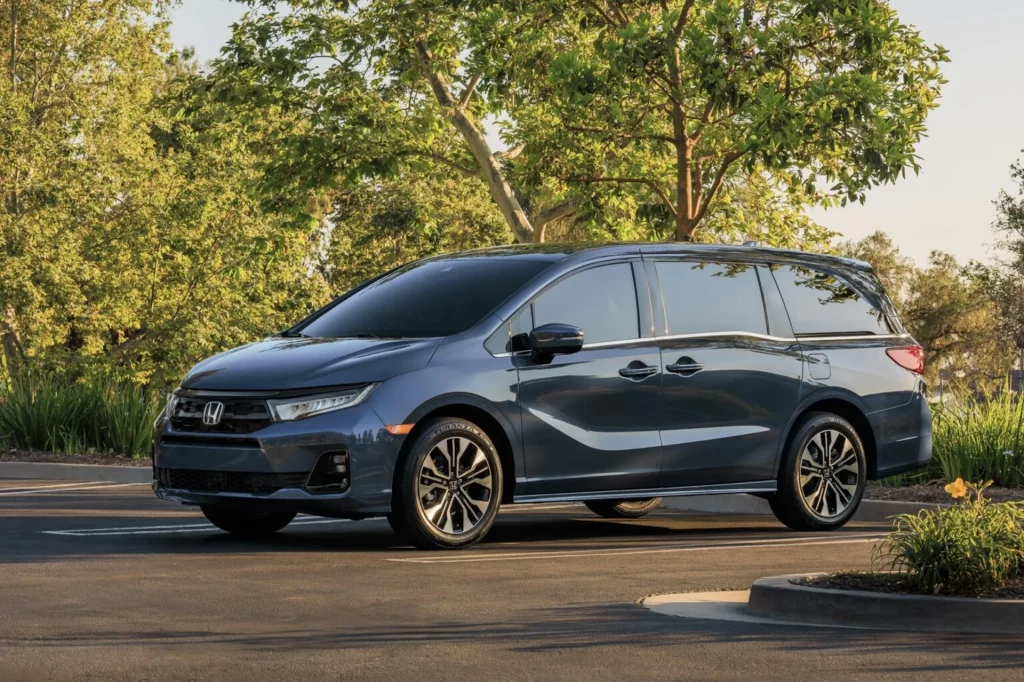
2. Honda Odyssey, Particularly Older Models With Unclear Transmission History
The Honda Odyssey offers the space and seating that many families need, but an older, high-mileage example deserves closer scrutiny than its reputation for practicality might suggest.
A minivan that has covered 150,000 miles may have spent years carrying passengers and cargo, operating in traffic, and making frequent short journeys. Those conditions can place substantial demands on its drivetrain, brakes, suspension, and cooling system.
Older Odysseys, especially certain early-2000s examples, have documented automatic-transmission concerns. The National Highway Traffic Safety Administration investigated an ignition-interlock issue involving 2003 and 2004 Odyssey and Pilot vehicles, while owner complaint records also document transmission-related problems on some early Odysseys.
The interlock investigation is a separate safety issue, not proof of a transmission defect, so buyers should distinguish between the two when researching a vehicle.
A pre-purchase inspection should focus on transmission behavior, fluid condition, cooling-system health, and evidence of previous overheating. During the drive, check for hesitation when selecting Drive or Reverse, slipping during acceleration, abrupt shifts, and unusual vibration.
Ask for invoices documenting transmission servicing or replacement, rather than relying on a seller’s verbal assurance that the minivan has been maintained.
There are other age-related expenses to consider. Sliding-door mechanisms, air-conditioning components, engine mounts, suspension bushings, and power accessories can all require attention on an older family vehicle. These repairs may not individually make the Odyssey a poor purchase, but several appearing together can undermine its value.
Why it belongs on the caution list: a high-mileage Odyssey with incomplete maintenance records can expose the next owner to costly drivetrain and age-related repairs. A documented, well-inspected vehicle may still be worth buying, but an unusually low price should prompt questions rather than an immediate purchase.
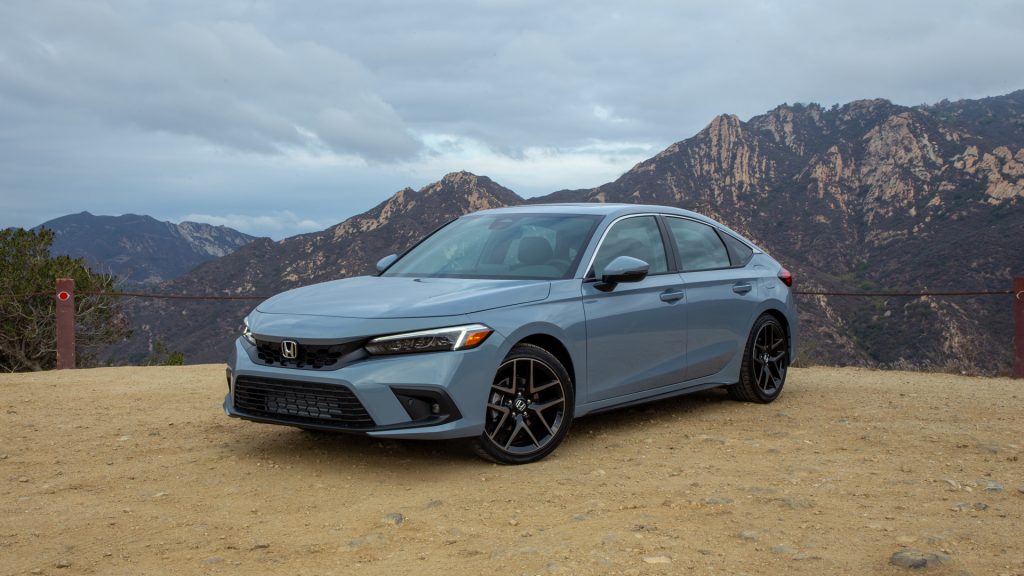
3. Honda Civic, Particularly 2006 to Early 2009 Models
The Civic is often associated with economical, long-term ownership, but buyers should not assume that every older example is equally dependable.
Certain 2006 to early 2009 Civics equipped with the 1.8-liter four-cylinder engine have documented reports of cracked engine blocks and coolant leaks. This is an important exception to the model’s otherwise appealing reputation.
CarComplaints records 63 complaints involving cracked engine blocks for the 2008 Civic. Reports describe coolant escaping from the engine block, potentially causing overheating and requiring major engine repairs.
Honda issued technical service bulletin 10-048 addressing coolant leaks associated with engine-block problems on certain vehicles. This was a service bulletin, not a blanket recall, and the reported issue did not affect every Civic.
At 150,000 miles, the concern is whether the engine has already developed a coolant leak or suffered overheating damage. Before purchasing, inspect the coolant level and look for dried coolant residue around the engine.
Check for unexplained coolant loss, overheating warnings, white exhaust smoke, or signs that someone has repeatedly topped up the cooling system. A mechanic should pressure-test the cooling system and investigate any evidence of leakage.
Do not assume that a recent radiator replacement resolves the risk. The source of any previous overheating must be established, and the engine block itself should be inspected if symptoms suggest a leak. Ask the seller for repair invoices, particularly if the engine or block has been replaced.
Why it belongs on the caution list: a cracked engine block can turn an inexpensive used car into a costly repair project. If considering one of these Civics, verify its repair history and cooling-system condition before buying. A later model year without this particular concern may be a more sensible choice if prices are comparable.
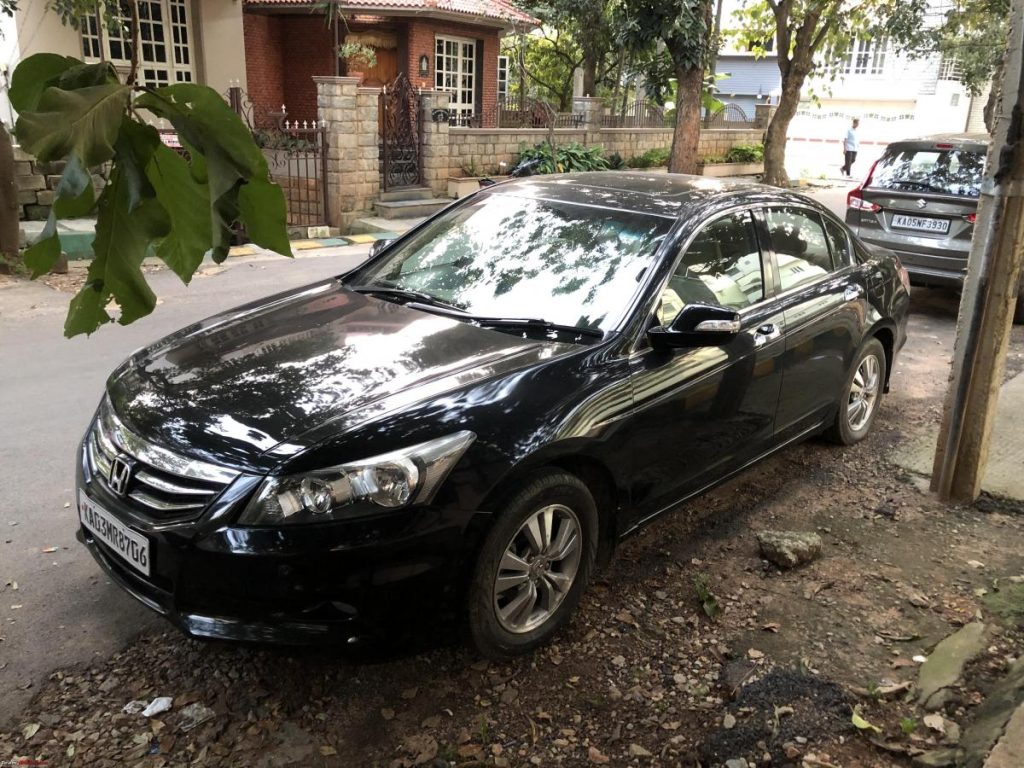
9. Honda Accord, Particularly 2008 to 2011 Four-Cylinder Models
The Accord appears in this caution section for a different reason from its place among potential high-mileage purchases. While a properly maintained Accord can last for many years, certain 2008 to 2011 four-cylinder versions have a documented excessive-oil-consumption concern that buyers should investigate carefully.
Honda’s service bulletin 12-087 addresses sticking oil-control rings that can lead to unusually high oil consumption in specified Accord configurations. Under certain prolonged operating conditions, deposits can develop around the oil-control rings, allowing engine oil to pass into the combustion process.
The bulletin describes corrective action that can include replacing pistons and piston rings when testing confirms the problem. The affected configurations vary by model year, body style, and transmission, so not every 2008 to 2011 Accord is covered in the same way.
This issue is especially relevant at 150,000 miles because an engine that consumes oil may continue running while gradually losing lubrication between services. If the owner fails to check the level regularly, the resulting damage can become much more serious. A clean exterior and a smooth test drive do not necessarily reveal the problem.
Ask the seller how frequently oil needs to be added between changes. Check the dipstick before starting the engine, look for smoke from the exhaust, and inspect the spark plugs if a mechanic considers it appropriate.
Service records should show whether the vehicle received an oil-consumption test or any piston and ring repairs. A mechanic should also check for diagnostic codes and signs of neglected maintenance.
Why it belongs on the caution list: the risk is not that every Accord from these years will fail, but that an unresolved oil-consumption problem can lead to expensive engine work. Prefer a documented example with the issue properly addressed, or consider a different model year after checking its reliability history.
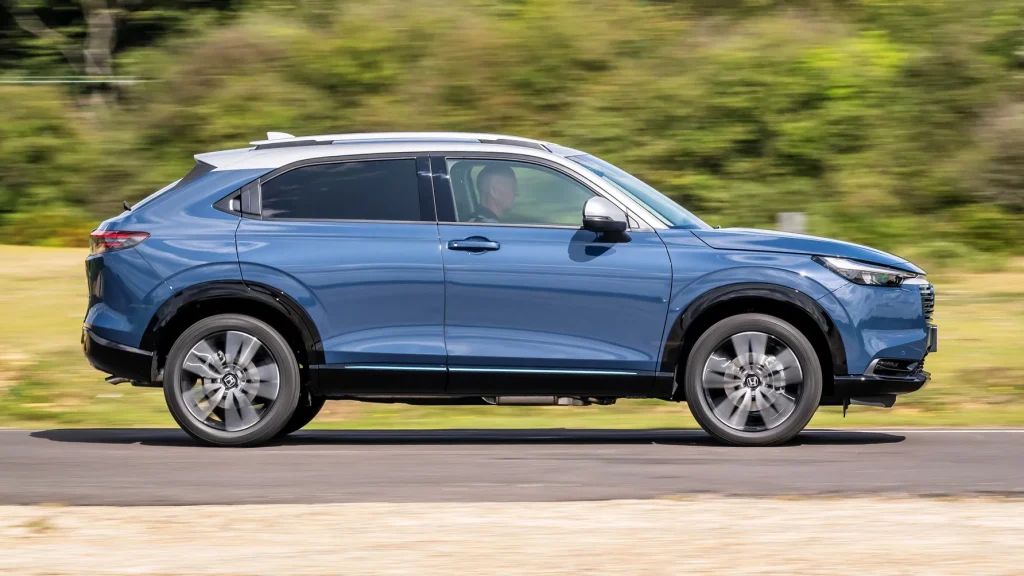
5. Honda HR-V, Particularly Early Models With CVT Concerns
The Honda HR-V offers a practical combination of compact dimensions, a raised driving position, and useful cargo space. However, buyers considering an early HR-V with 150,000 miles should pay close attention to its continuously variable transmission (CVT).
A vehicle can look tidy and drive acceptably during a short test drive while still having transmission wear that becomes more apparent under load or after the drivetrain warms up.
The first-generation HR-V sold in the United States from the 2016 model year used a 1.8-liter four-cylinder engine. Automatic versions were equipped with a CVT, making transmission condition and servicing important parts of a high-mileage inspection.
Reports of transmission judder, hesitation, and unusual operating behavior are reasons to investigate a specific vehicle carefully, rather than proof that every HR-V from these years is defective.
Start the test drive with the vehicle cold, then continue long enough for the transmission to reach normal operating temperature. Check for shuddering during gentle acceleration, delayed response when shifting from Park into Drive or Reverse, and unusual whining.
Ask for records showing that the correct Honda CVT fluid was used at the intervals required for the vehicle’s driving conditions. If the seller cannot provide records, have a qualified mechanic assess the transmission before making an offer.
The rest of the vehicle deserves attention, too. Inspect the suspension, wheel bearings, brakes, air-conditioning system, and underbody. A compact crossover with several aging components may cost considerably more to bring up to standard than its purchase price suggests.
Why it belongs on the caution list: an early HR-V with an uncertain transmission history carries a risk that should be reflected in the price. Prioritize documented servicing, a thorough test drive, and a professional inspection. If the CVT judders, slips, or behaves inconsistently, do not dismiss the symptoms as normal without obtaining a diagnosis.