
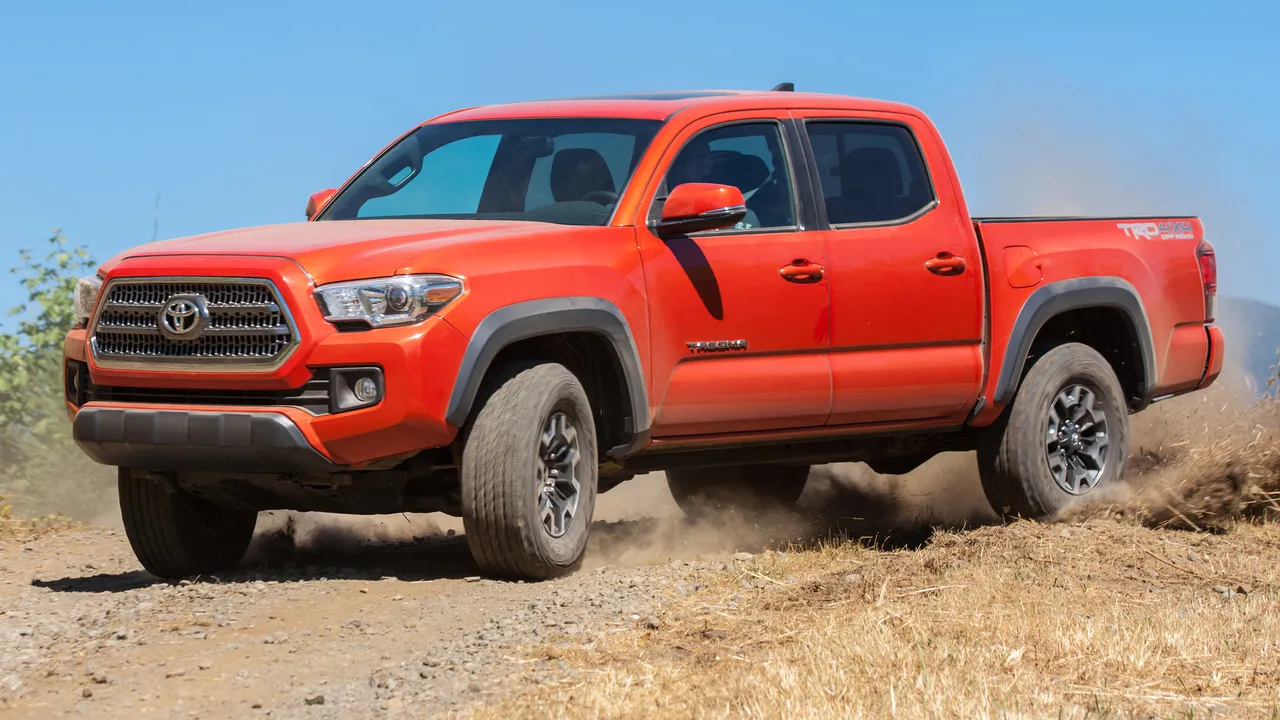
The Toyota Tacoma has established itself as one of the most enduring and popular mid-size pickup trucks in the American market, earning a reputation for reliability, off-road capability, and impressive resale value.
Since its introduction in 1995, the Tacoma has evolved through multiple generations, each bringing improvements in design, technology, and performance. However, not all model years are created equal, and understanding which years to embrace or avoid can save potential buyers thousands of dollars and countless headaches.
Model years to avoid are 2005-2010 and 2016-2017 due to excessive rust, rot, and other problems, while other years have proven to be exceptionally reliable choices for buyers seeking long-term ownership satisfaction.
This comprehensive guide examines ten crucial Toyota Tacoma model years, providing a detailed analysis of five years that have demonstrated exceptional longevity and reliability, alongside five years that have disappointed owners with recurring problems and expensive repairs.
By understanding the strengths and weaknesses of each generation, buyers can make informed decisions that align with their budget, expectations, and intended use of the vehicle.
5 Toyota Tacoma Model Years That Last
The 2005-2015 second-generation Tacomas represent the pinnacle of Toyota’s truck engineering, featuring the virtually indestructible 4.0L V6 and 2.7L four-cylinder engines that consistently deliver 300,000+ miles with proper maintenance.
These model years benefit from mature manufacturing processes, thoroughly tested drivetrain components, and robust frame construction that resists the rust and structural failures that plague other manufacturers.
The proven automatic and manual transmissions in these generations feature heavy-duty internals and conservative gear ratios that handle extreme towing and off-road abuse without premature wear.
From the reinforced differential housings to the time-tested suspension components, these Tacomas were engineered during Toyota’s quality-obsessed era when durability trumped cost-cutting.
Owners routinely report original clutches lasting 250,000 miles, timing chains that never stretch, and electrical systems that remain trouble-free through decades of use, making these model years the gold standard for pickup truck longevity.
1. 2001 Toyota Tacoma
The 2001 Toyota Tacoma represents one of the pinnacle years of the first-generation Tacoma lineup, embodying the rugged simplicity and mechanical reliability that made Toyota trucks legendary.
This model year came equipped with proven powertrains that had been refined over several years of production, resulting in exceptionally dependable performance that many owners have enjoyed for well over 200,000 miles.
Under the hood, the 2001 Tacoma offered two engine options that have proven their worth over decades of use. The base 2.4-liter four-cylinder engine, while not particularly powerful by modern standards, delivered remarkable fuel economy and virtually bulletproof reliability.
This naturally aspirated engine featured a simple design with minimal complexity, making it easy to maintain and repair when necessary. The optional 3.4-liter V6 engine provided significantly more power for towing and highway driving while maintaining Toyota’s reputation for longevity. This V6 became legendary among truck enthusiasts for its ability to run smoothly well beyond 300,000 miles with proper maintenance.
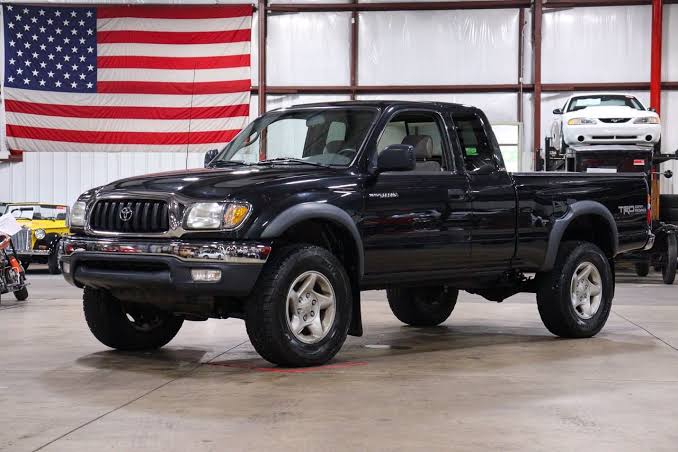
The transmission options in 2001 were equally robust, with both the five-speed manual and four-speed automatic proving their durability over time.
The manual transmission, in particular, became known for its precise shifting and ability to handle abuse from off-road driving and heavy loads. The automatic transmission, while not as engaging as the manual, provided smooth operation and rarely required major repairs when serviced according to Toyota’s recommendations.
Frame construction in the 2001 model year was solid and well-designed, predating the catastrophic rust issues that would plague later generations.
The frame used higher-quality steel and better protective coatings, resulting in significantly better corrosion resistance, especially in salt-heavy environments.
The seats were designed for longevity rather than luxury, using tough fabrics and foam that maintained their shape and comfort over hundreds of thousands of miles. The dashboard and trim pieces were built to withstand extreme temperatures and UV exposure without cracking or fading significantly.
2. 2012 Toyota Tacoma
The 2012 Toyota Tacoma marked a significant milestone in the second generation’s evolution, representing a model year where Toyota had addressed most of the early second-generation issues while incorporating meaningful improvements in build quality and reliability.
This year stands out as particularly desirable because it benefited from years of refinement while avoiding the major problems that plagued both earlier and later model years.
By 2012, Toyota had largely resolved the frame rust issues that had devastated the 2005-2010 model years. The company implemented improved frame materials, better protective coatings, and enhanced manufacturing processes that significantly reduced the likelihood of catastrophic corrosion.
This improvement was crucial for buyers in northern climates where road salt exposure had previously caused premature frame failure in earlier second-generation models.
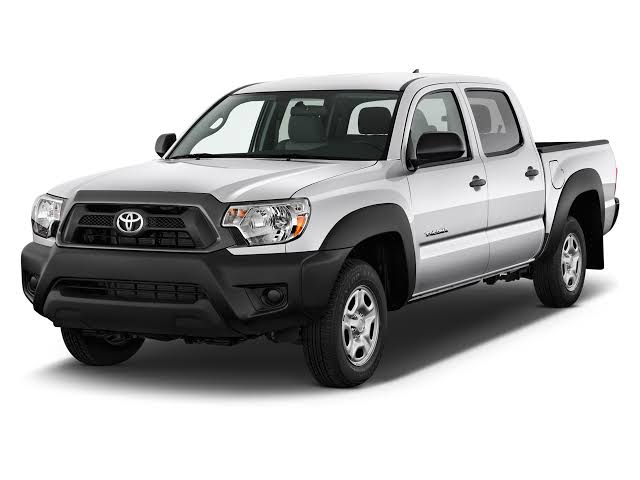
The powertrain options in 2012 were well-developed and reliable, building on lessons learned from previous years. The 2.7-liter four-cylinder engine, while not exciting in terms of performance, provided excellent fuel economy and remarkable reliability.
This engine featured Toyota’s proven technology with minimal complexity, making it both dependable and affordable to maintain. The 4.0-liter V6 engine offered substantial power for towing and off-road use while maintaining reasonable fuel economy and long-term durability.
Transmission performance in the 2012 Tacoma was notably improved compared to problematic earlier years. Both manual and automatic transmissions operated smoothly and proved capable of handling the demands of both daily driving and recreational use.
The 2012 model year also benefited from improved electrical systems and accessories that proved more reliable than those found in earlier second-generation models.
Power windows, air conditioning, and infotainment systems operated consistently without the premature failures that had affected some previous years, contributing to lower long-term ownership costs and higher satisfaction.
3. 2018 Toyota Tacoma
The 2018 Toyota Tacoma represents the refinement of the third generation’s design, incorporating improvements and corrections that addressed many of the teething problems experienced in the platform’s early years.
This model year stands out as particularly reliable because it benefited from three years of continuous improvement since the third generation’s 2016 launch, resulting in a well-sorted truck that delivers both modern amenities and Toyota’s traditional dependability.
One of the most significant advantages of the 2018 model year is its improved powertrain calibration and reliability. The 3.5-liter V6 engine, while initially criticized for its performance characteristics in early third-generation models, had been refined by 2018 to deliver smoother power delivery and better throttle response.
Toyota addressed many of the engine management issues that had caused frustration among early adopters, resulting in more predictable and enjoyable driving dynamics.
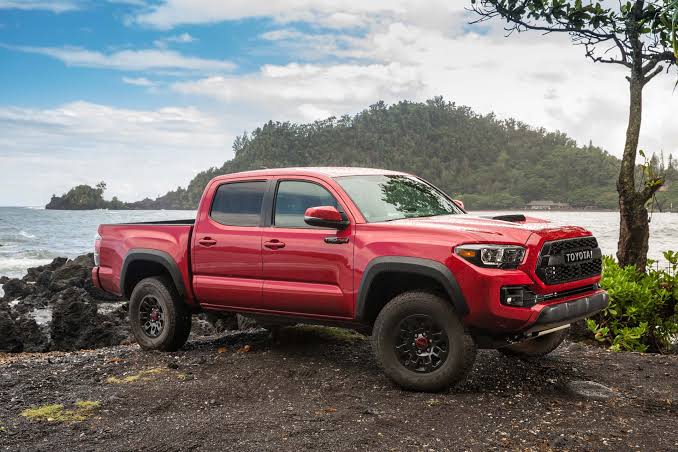
The transmission systems in 2018 were notably improved over the problematic 2016-2017 model years. The six-speed automatic transmission received software updates and mechanical improvements that eliminated much of the harsh shifting and hunting behavior that had plagued earlier third-generation models.
The six-speed manual transmission also benefited from refinements that improved shift quality and durability, making it a more appealing choice for driving enthusiasts.
Build quality reached new heights in the 2018 Tacoma, with Toyota implementing improved manufacturing processes and quality control measures.
Interior materials and construction quality were significantly improved in 2018, with Toyota using higher-grade plastics, better seat materials, and more durable trim pieces.
The cabin design felt more refined and premium while maintaining the practical, durable character that Tacoma buyers valued. This balance between improvement and tradition helped establish the 2018 model year as a particularly desirable choice among third-generation Tacomas.
4. 2022 Toyota Tacoma
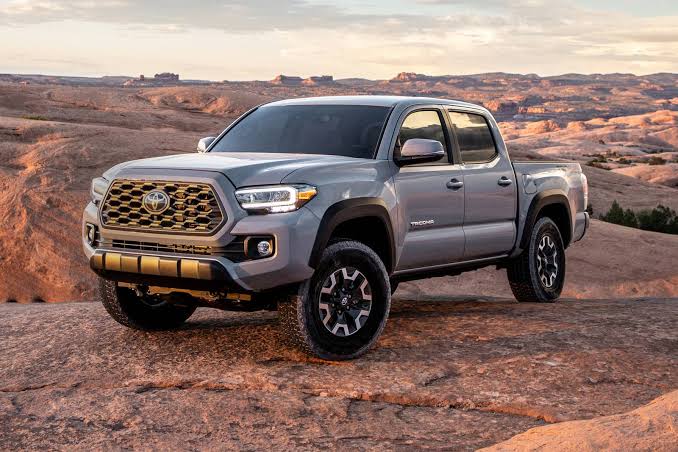
The 2022 Toyota Tacoma represents the pinnacle of third-generation development, incorporating years of refinement and improvement that resulted in one of the most reliable and well-rounded mid-size trucks available.
This model year benefits from continuous evolution since the third generation’s introduction, with Toyota addressing virtually every significant issue that had affected earlier years while adding meaningful improvements in performance, comfort, and technology.
By 2022, Toyota had perfected the powertrain combination that would define the late third-generation Tacoma. The 3.5-liter V6 engine delivered its best performance yet, with refined calibration that provided smooth power delivery across the entire rev range.
Engine reliability had been thoroughly proven by this point, with the powerplant demonstrating exceptional longevity and minimal maintenance requirements when properly serviced. The naturally aspirated design continued to provide the dependability that Toyota truck owners expected.
Transmission performance reached excellent levels in 2022, with both automatic and manual options operating smoothly and reliably. The six-speed automatic transmission featured final calibration refinements that eliminated the shifting issues that had plagued early third-generation models.
Shift timing became more predictable, shift quality improved dramatically, and drivetrain integration reached levels that satisfied even demanding users. The manual transmission also benefited from years of development, offering precise engagement and excellent durability.
The 2022 Tacoma featured the most refined interior of any third-generation model, with high-quality materials, excellent fit and finish, and thoughtful ergonomics throughout the cabin.
Seat comfort reached new levels without sacrificing the durability that commercial and recreational users demanded. The dashboard design incorporated lessons learned from years of customer feedback, resulting in intuitive control placement and attractive aesthetics that complemented the truck’s rugged character.
These enhancements contributed not only to better initial quality but also to improved long-term durability and appearance retention, making the 2022 Tacoma an excellent choice for buyers planning extended ownership.
Also Read: 5 Camry Trims That Still Shine After 300K Miles vs. 5 That Fail Early
5. 1999 Toyota Tacoma
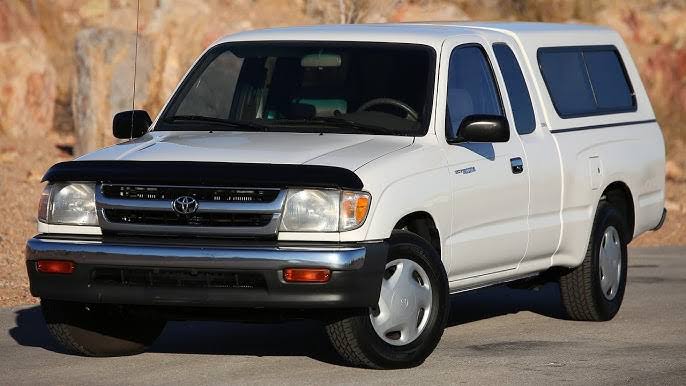
The 1999 Toyota Tacoma represents the early excellence of Toyota’s first dedicated compact pickup truck design, embodying the simplicity, reliability, and durability that would establish the Tacoma nameplate as a benchmark in the segment.
This model year captures Toyota at its best during the initial generation, offering proven mechanical components, straightforward design, and the kind of no-nonsense reliability that created legions of devoted Toyota truck owners.
The powertrain options available in 1999 were exceptionally well-developed, having been refined through years of use in previous Toyota truck applications.
The base 2.4-liter four-cylinder engine, while modest in power output, delivered remarkable fuel economy and virtually unbreakable reliability. This engine featured a simple, naturally aspirated design with minimal electronic complexity, making it both dependable and straightforward to maintain.
Many 1999 Tacomas with four-cylinder engines have surpassed 300,000 miles with only routine maintenance, testament to the engine’s fundamental robustness.
The optional 2.7-liter four-cylinder engine provided additional power while maintaining the exceptional reliability characteristics that defined Toyota engines of this era.
This powerplant struck an ideal balance between performance and economy, offering adequate power for most users while delivering fuel economy that remained competitive even by modern standards.
The engine’s simple design and proven components resulted in minimal maintenance requirements and exceptional longevity. Transmission quality in the 1999 Tacoma was exemplary, with both manual and automatic options proving their worth over decades of use.
The five-speed manual transmission offered precise, engaging shifts and remarkable durability, capable of handling both daily driving and recreational abuse without significant wear.
The four-speed automatic transmission, while not sophisticated by modern standards, provided smooth, reliable operation that rarely required major service or replacement even after high mileage use.
The seats featured sturdy construction that maintained support and comfort even after hundreds of thousands of miles, while dashboard and trim materials resisted cracking and fading better than many modern alternatives. This focus on durability over appearance has allowed many 1999 Tacomas to remain functional and attractive even after a quarter-century of use.
5 Toyota Tacoma Model Years to Avoid
The 2016-2020 third-generation Tacomas represent a significant departure from Toyota’s legendary reliability, plagued by the problematic 3.5L V6 engine that suffers from carbon buildup, oil consumption, and premature timing chain wear that can require expensive repairs before 60,000 miles.
These model years introduced complex direct injection systems and advanced transmissions that prioritize fuel economy over durability, creating a perfect storm of reliability issues that contradict decades of Tacoma dependability.
The notorious frame rust problems affecting 2005-2011 models led to massive recalls and frame replacements, while the 2016+ models suffer from transmission hunting, rough shifting, and hesitation issues that Toyota has struggled to resolve through multiple software updates.
The combination of unproven powertrain technology and cost-cutting measures has created Tacomas that require significantly more maintenance and repairs than their bulletproof predecessors, disappointing loyal Toyota customers who expected the same legendary durability.
1. 2007 Toyota Tacoma
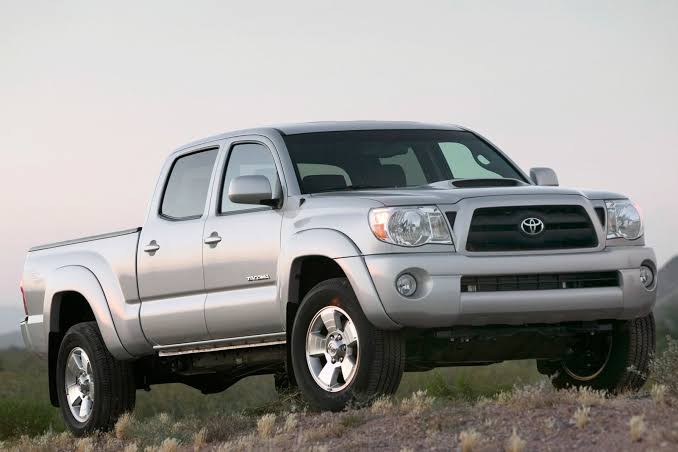
The 2007 Toyota Tacoma stands as one of the most problematic model years in the truck’s history, representing a perfect storm of design flaws, manufacturing issues, and quality control problems that resulted in widespread owner dissatisfaction and expensive repairs.
The most problematic Tacoma models, particularly from the 2007-2009 range, are notorious for severe frame rust, making this year particularly notorious among automotive reliability experts and Toyota truck enthusiasts.
The most devastating issue affecting the 2007 Tacoma was catastrophic frame rust that could lead to complete structural failure. Unlike typical surface corrosion, the frame rust in 2007 models was so severe that it compromised the truck’s structural integrity, making vehicles unsafe to drive and often resulting in total loss.
The problem stemmed from inadequate protective coatings and poor-quality steel used in frame construction, combined with design features that trapped moisture and accelerated corrosion. Many owners discovered their trucks were worthless due to frame damage, with repair costs often exceeding the vehicle’s value.
They can actually break in half, or have mounts to the frame break off. They can and have broken while driving them, highlighting the severity of the frame rust problem that made 2007 Tacomas genuinely dangerous to operate.
Toyota eventually acknowledged the issue and implemented recall programs, but many affected vehicles were beyond economical repair by the time the problem was recognized and addressed.
Beyond the frame rust disaster, the 2007 Tacoma suffered from numerous other reliability issues that compounded owner frustration. Suspension components, particularly leaf springs, were prone to premature failure, leading to poor ride quality and expensive repairs.
The leaf spring problems were so widespread that they became a defining characteristic of the 2005-2010 generation, with many owners experiencing multiple failures over their ownership period.
Dashboard cracking was common, seat materials wore prematurely, and various switches and controls failed earlier than expected. These problems, while less severe than the mechanical issues, contributed to an ownership experience that fell far short of Toyota’s reputation for quality and reliability.
2. 2016 Toyota Tacoma
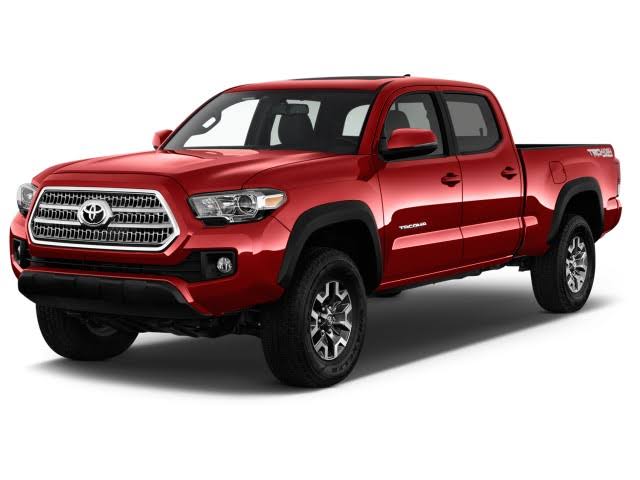
The 2016 Toyota Tacoma marked the launch of the third generation, but this inaugural year proved problematic as Toyota struggled with the transition to new technologies and manufacturing processes.
2016 and 2017 had a number of transmission complaints and two slightly alarming recalls, establishing the 2016 model year as one to avoid due to numerous teething problems that affected virtually every aspect of the vehicle’s performance and reliability.
The most significant and widespread problem affecting 2016 Tacomas involved the automatic transmission, which exhibited severe shifting issues that made the trucks nearly undrivable in certain conditions. Owners reported violent, jarring shifts that occurred unpredictably, particularly during acceleration and when transitioning between gears.
The transmission would hunt between gears, shift harshly enough to cause whiplash, and sometimes fail to shift at all, leaving drivers stranded. These problems were so severe that they affected vehicle safety and usability, making the 2016 Tacoma unsuitable for many intended uses.
Engine performance issues also plagued the 2016 model year, with the new 3.5-liter V6 suffering from poor calibration that resulted in hesitation, surging, and inconsistent power delivery. Several reports have been made over the years that the Tacoma is not as powerful as it should be.
Even at higher speeds, some report engine sputtering and rough vibrations, problems that were particularly pronounced in the initial 2016 model year. The engine management system seemed unable to provide smooth, predictable power, making the trucks frustrating to drive and potentially unreliable in demanding situations.
The direct injection system introduced in 2016 brought its own set of problems, including carbon buildup on intake valves that could cause performance degradation and expensive cleaning procedures.
The transition to more complex electronic systems was clearly not well-managed, resulting in numerous software bugs and hardware failures that required multiple dealer visits to address.
These problems were especially frustrating for owners who expected Toyota’s legendary reliability and found themselves dealing with constant electronic gremlins instead.
3. 2005 Toyota Tacoma
The 2005 Toyota Tacoma launched the second generation with high expectations but quickly became notorious for widespread quality problems that affected virtually every aspect of the vehicle.
This model year represents the beginning of Toyota’s frame rust crisis and marked a significant departure from the brand’s reputation for reliability, making it one of the most problematic years in Tacoma history and a model year that buyers should avoid at all costs.
The frame rust problem that would define the 2005-2010 generation began with the 2005 model year, though the full extent of the issue wouldn’t become apparent for several years.
The frames were constructed using substandard materials and inadequate protective coatings that proved completely insufficient for real-world conditions.
The design also incorporated features that trapped moisture and debris, accelerating the corrosion process and ensuring that rust problems would be both severe and widespread.
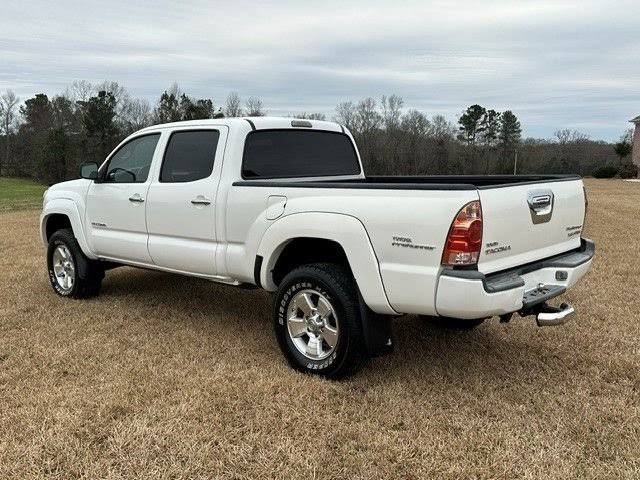
What made the 2005 frame rust particularly insidious was its rapid progression and hidden nature. Unlike surface rust that owners could observe and address, the frame corrosion occurred from the inside out, weakening the structure before becoming visible.
By the time owners noticed the problem, the damage was often so extensive that the vehicle was beyond economical repair. This hidden deterioration made 2005 Tacomas ticking time bombs that could become worthless overnight when the rust was finally discovered.
The 2005-2010 Tacoma had a double-digit recall count each year due to premature rusting issues, highlighting the unprecedented scope of problems that affected this generation.
The recall situation was particularly complex because the problems were so widespread and severe that normal repair procedures were inadequate, often requiring complete frame replacement at enormous cost.
Beyond the catastrophic frame problems, the 2005 Tacoma suffered from numerous other reliability issues that compounded the ownership nightmare.
The transition to the new generation clearly involved manufacturing processes that weren’t fully developed, resulting in quality problems that affected everything from seat materials to dashboard components.
These interior problems, while less severe than the mechanical issues, contributed to an ownership experience that was thoroughly unsatisfactory.
4. 2009 Toyota Tacoma
The 2009 Toyota Tacoma represents the culmination of the second generation’s problems, incorporating all the issues that had plagued the 2005-2008 model years while adding new problems of its own.
This model year stands as particularly problematic because it came at a time when Toyota was facing widespread quality control issues across its entire lineup, and the Tacoma bore the brunt of manufacturing shortcuts and cost-cutting measures that severely compromised reliability.
Frame rust continued to be a devastating problem in the 2009 model year, with the issue actually becoming more severe as Toyota struggled to address the underlying causes while continuing production.
The protective coatings and steel quality remained inadequate, ensuring that 2009 Tacomas would face the same catastrophic structural failures that had affected earlier second-generation models.
In many cases, the frame rust in 2009 models progressed even more rapidly than in earlier years, suggesting that manufacturing quality had actually declined rather than improved.
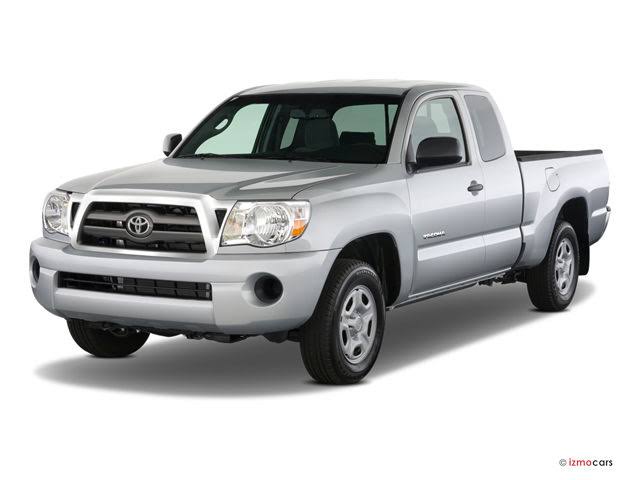
The leaf spring problems that had characterized the entire 2005-2010 generation reached their worst point in 2009, with widespread failures occurring even in relatively low-mileage vehicles.
The leaf springs were clearly inadequate for the truck’s intended use, failing under normal load conditions and requiring expensive replacement. Many 2009 Tacoma owners experienced multiple leaf spring failures, making the trucks unreliable for work or recreational use.
Suspension wear and steering: Many Tacomas from the 2005-2009 period have reported suspension issues, such as worn leaf springs and a loose steering wheel, indicating that the suspension problems extended beyond just the leaf springs to affect handling and safety.
The quality control situation in 2009 was so poor that it represented a nadir for Toyota’s reputation in the North American market. Paint problems, interior component failures, electrical issues, and assembly defects were widespread, creating an ownership experience that was thoroughly unsatisfactory.
The combination of major mechanical problems and widespread quality issues made the 2009 Tacoma one of the least desirable used truck purchases available.
5. 2017 Toyota Tacoma
The 2017 Toyota Tacoma continued the problematic trend established by the 2016 launch, with many of the initial third-generation problems persisting despite a full year of customer complaints and feedback.
This model year proved particularly frustrating for owners because it suggested that Toyota was either unable or unwilling to address the serious issues that had made the 2016 launch so problematic, making the 2017 another year that buyers should avoid.
Transmission problems remained severe in the 2017 model year, with the automatic transmission continuing to exhibit the harsh shifting, gear hunting, and unpredictable behavior that had characterized the 2016 launch.
Many of the problems with these years include leaking valve covers, vacuum pump leaks, coolant leaks, the coolant bypass pipe is plastic and cracks, the direct injection is loud, fuel pump chirps, and chronic drive belt noise, indicating that the problems extended far beyond just the transmission to affect multiple engine systems.
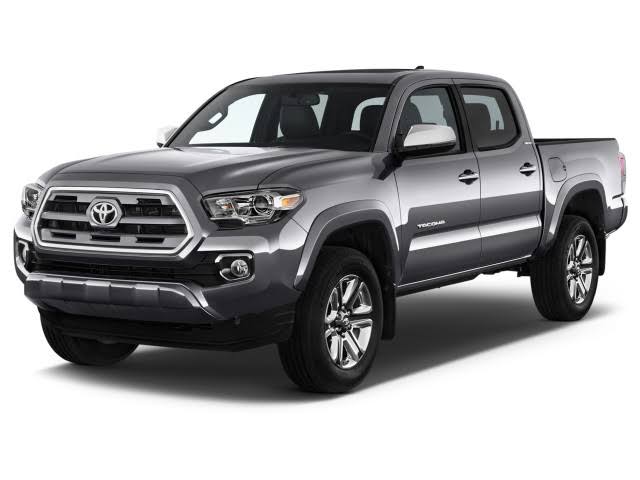
The persistence of transmission problems into the 2017 model year was particularly disappointing because it suggested that Toyota had not properly diagnosed or addressed the root causes of the issues.
Owners continued to report violent shifting that could cause whiplash, gear hunting that made highway driving frustrating, and complete transmission failures that left vehicles inoperable.
These problems were so severe that they affected vehicle safety and usability, making the 2017 Tacoma unsuitable for many intended purposes. Engine problems also continued into the 2017 model year, with the 3.5-liter V6 still suffering from poor calibration, hesitation, and inconsistent power delivery.
Build quality remained problematic in 2017, with fit and finish issues, paint problems, and component failures continuing to affect new vehicles. The persistence of these quality problems into the second year of production indicated that Toyota had not implemented adequate quality control improvements, making the 2017 Tacoma another disappointing entry in the third generation’s troubled early years.
Also Read: 5 Lexuses With Long Engine Life vs. 5 Models With Early Oil Consumption
