
Weather stripping is one of the most underrated components in any vehicle. It plays a crucial role in keeping the cabin quiet, comfortable, and protected from the elements. Most car buyers focus on engine performance, fuel economy, or interior technology when making a purchase decision.
Very few people think about the rubber seals running along their doors, windows, and trunk lids. However, weather stripping can make or break the ownership experience in ways that become very apparent over time.
Wind noise is one of the most common complaints among vehicle owners worldwide. A poorly sealed cabin can turn a highway drive into an exhausting, noisy ordeal. High-quality weather stripping creates an airtight seal that blocks wind, rain, dust, and road noise from entering the cabin.
It also improves climate control efficiency and reduces the load on heating and cooling systems. Premium vehicles invest heavily in multi-layer sealing systems to achieve near-silent cabins.
On the other hand, some vehicles are notorious for their wind whistle problems. These issues range from minor annoyances to serious quality control failures. Thin, poorly fitted rubber seals are often the root cause.
In this article, we explore five vehicles celebrated for exceptional weather stripping and five that have earned a reputation for frustrating wind noise complaints.
5 Vehicles With High-Quality Weather Stripping
These exceptionally well-engineered vehicles feature premium weather stripping and superior door sealing systems designed to block wind noise, dust, and water intrusion even at highway speeds.
Their high-quality rubber seals, precision-fitted door frames, and well-insulated window channels create a quiet cabin experience that feels refined and premium. Even after years of use, these vehicles often maintain excellent cabin insulation, reducing outside noise and improving comfort during long drives and harsh weather conditions.
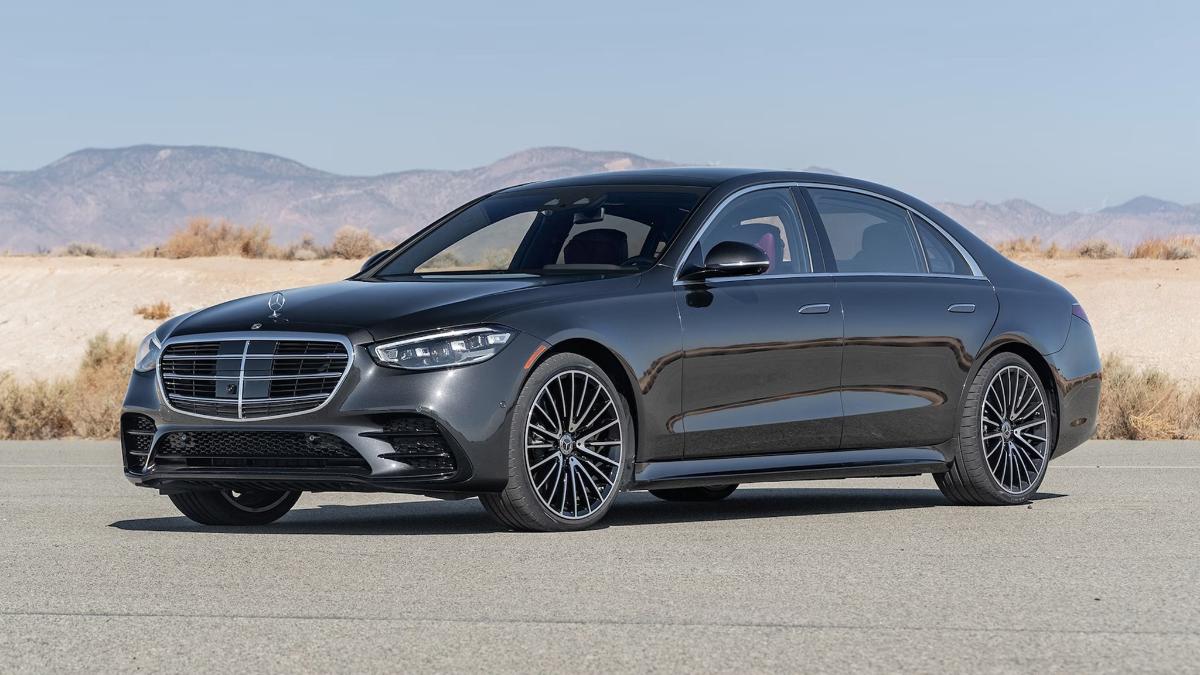
1. Mercedes-Benz S-Class
The Mercedes-Benz S-Class has long been considered the gold standard of automotive luxury. It sets the benchmark for nearly every aspect of vehicle refinement, and weather stripping is no exception.
The S-Class uses a triple-layer door seal system that is virtually unmatched in the industry. Each door is fitted with multiple rubber gaskets that compress precisely when the door closes, creating a near-perfect airtight environment inside the cabin.
Mercedes engineers spend thousands of hours testing seal performance across extreme climate conditions. The weather stripping on the S-Class is designed to perform flawlessly in temperatures ranging from arctic cold to desert heat.
Special heat-resistant rubber compounds are used to prevent cracking or shrinking over time. This level of engineering ensures the seals remain effective for hundreds of thousands of miles.
The result is a cabin that feels completely isolated from the outside world. At highway speeds, wind noise inside the S-Class is almost nonexistent. Passengers can hold a conversation in normal speaking tones even at 100 mph.
This acoustic performance is a direct result of the superior sealing system built into every door, window, and trunk lid.
The door closing sound itself reflects the quality of the weather stripping. When you shut an S-Class door, it produces a deep, solid thud that signals a perfect seal.
Cheap vehicles with thin rubber seals produce a hollow, tinny sound when doors close. That solid closing sound is not just psychological it means the rubber is doing its job correctly.
Mercedes also uses a unique door frame design that guides the door into a precise sealing position every time. The door hinges are engineered to align the door perfectly against the weather strip with each closure.
There is zero tolerance for misalignment in the S-Class door assembly. This precision engineering is what separates world-class weather stripping from ordinary rubber seals.
Owners of the S-Class frequently cite cabin quietness as one of their favorite features. Consumer reviews and long-term ownership reports consistently praise the vehicle’s isolation from wind and road noise.
Even after several years of use, the weather stripping on well-maintained S-Class models holds its shape and seal integrity. This is a testament to the quality of materials and manufacturing standards Mercedes-Benz maintains at the top of its lineup.
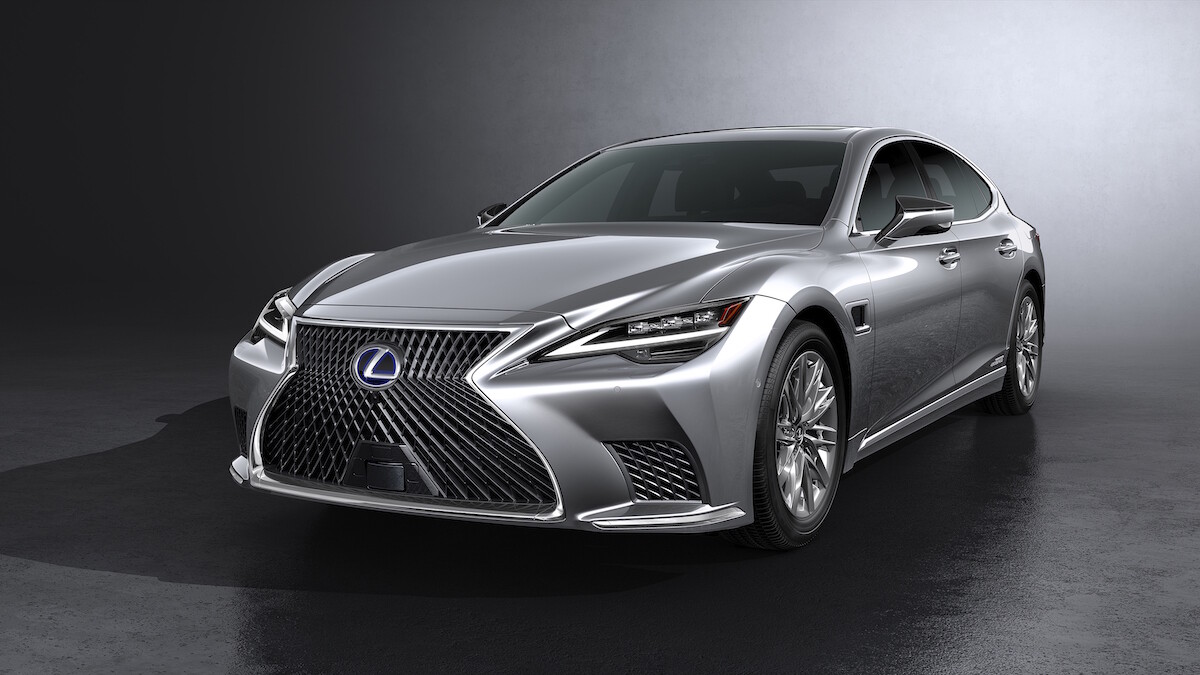
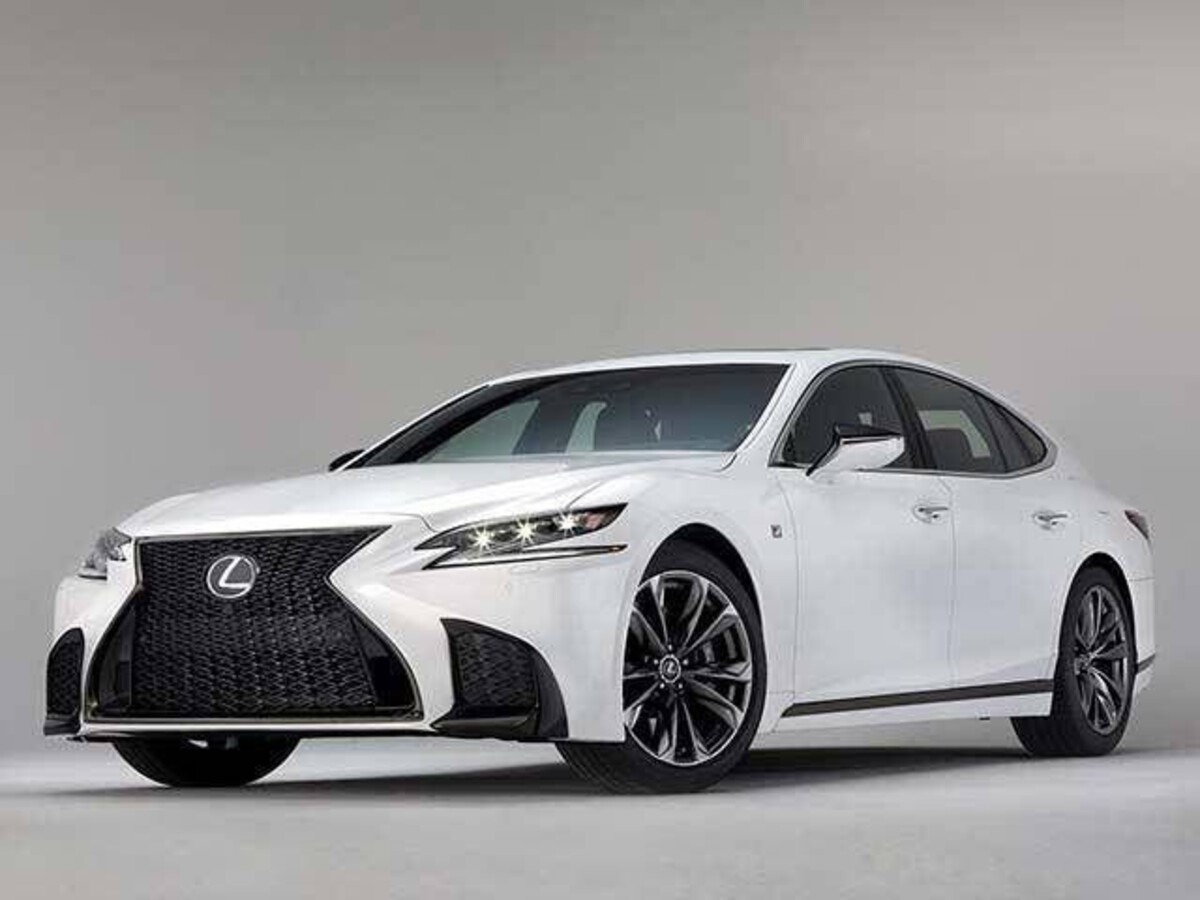
2. Lexus LS
Lexus built its entire brand identity around the concept of near-perfect silence. The original Lexus LS 400, launched in 1989, shocked the automotive world with its whisper-quiet cabin.
That commitment to acoustic excellence has never wavered. Today’s Lexus LS continues to lead the industry in wind noise suppression, largely thanks to its exceptional weather stripping design.
The Lexus LS uses a dual-layer door seal system complemented by acoustic glass on all windows. The combination of these two technologies creates a cabin that absorbs and blocks sound from every possible direction.
The weather stripping itself is made from a premium EPDM rubber compound that maintains flexibility in extreme temperatures. It resists compression set, meaning it bounces back to its original shape even after years of repeated door closings.
Toyota’s manufacturing philosophy, known as the Toyota Production System, demands extraordinary precision in every assembly step. The weather stripping installation process at the Lexus factory follows strict torque and alignment specifications.
Each seal is checked multiple times during the assembly process before the vehicle moves to the next station. This obsessive attention to detail ensures every LS that leaves the factory meets the same acoustic standard.
Lexus engineers conduct extensive wind tunnel testing during the development of every new LS generation. They identify potential leak points at the earliest stages of design.
The door frames, window channels, and trunk lid seals are all engineered simultaneously to work as an integrated sealing system. No single seal is designed in isolation from the rest of the vehicle’s structure.
The Lexus LS also features unique “whisper door” technology on some trim levels. These doors use an electrically assisted closing mechanism that gently pulls the door shut with exactly the right force.
This ensures the weather stripping is always compressed to the correct degree. Too little compression leaves gaps, and too much can accelerate seal wear the Lexus system finds the perfect balance every time.
Long-term Lexus LS owners report that the weather stripping holds up remarkably well over time. Even high-mileage LS models with over 150,000 miles on the clock often show minimal wind noise.
The durability of the seals reflects both the quality of the raw materials and the precision of the installation. The Lexus LS remains one of the best examples of what outstanding weather stripping can do for the driving experience.
3. BMW 7 Series
The BMW 7 Series is a vehicle that blends athletic performance with genuine luxury refinement. While it may not be quite as whisper-quiet as the S-Class or LS, the 7 Series still offers exceptional weather stripping performance that puts it well above the average luxury sedan.
BMW has invested heavily in its sealing technology over the past two decades. The results are clearly felt the moment you close the door and pull onto the highway.
BMW uses a co-extruded rubber seal design on the 7 Series that incorporates two different rubber compounds in a single seal. The outer layer is firm and durable, while the inner layer is softer and more compliant.
This dual-compound approach allows the seal to create a tight, consistent contact with the door frame without requiring excessive closing force. It is a clever engineering solution that improves both performance and longevity.
The 7 Series also benefits from BMW’s advanced body shell technology. The door apertures are manufactured to extremely tight tolerances using robotic assembly equipment.
A precisely shaped door frame means the weather stripping always contacts the same surface in the same way. This consistency is critical to maintaining a reliable seal across the entire perimeter of each door.

BMW pays particular attention to the A-pillar seal area, which is a common trouble spot on many vehicles. Wind noise at the A-pillar is one of the most irritating types of cabin noise because it occurs right next to the driver’s ear.
The 7 Series uses a specially shaped corner seal at the A-pillar junction that redirects airflow away from the cabin. This design detail significantly reduces wind noise even at high speeds.
The rear door seals on the 7 Series are also worthy of special mention. Long-wheelbase versions of the 7 Series are particularly popular with chauffeur-driven passengers.
BMW knows these rear seat passengers demand absolute silence. The rear door weather stripping is therefore engineered to the same standard as the front doors. No compromises are made in the back seat simply because it is out of the driver’s sight.
Customer satisfaction surveys consistently rate the BMW 7 Series highly for cabin noise and sealing performance. Automotive journalists who conduct long-term tests of the vehicle rarely report any wind noise issues.
The weather stripping performs reliably across different climates and seasons. BMW’s dedication to quality control ensures that the seals on the 7 Series deliver on their promise for many years of ownership.
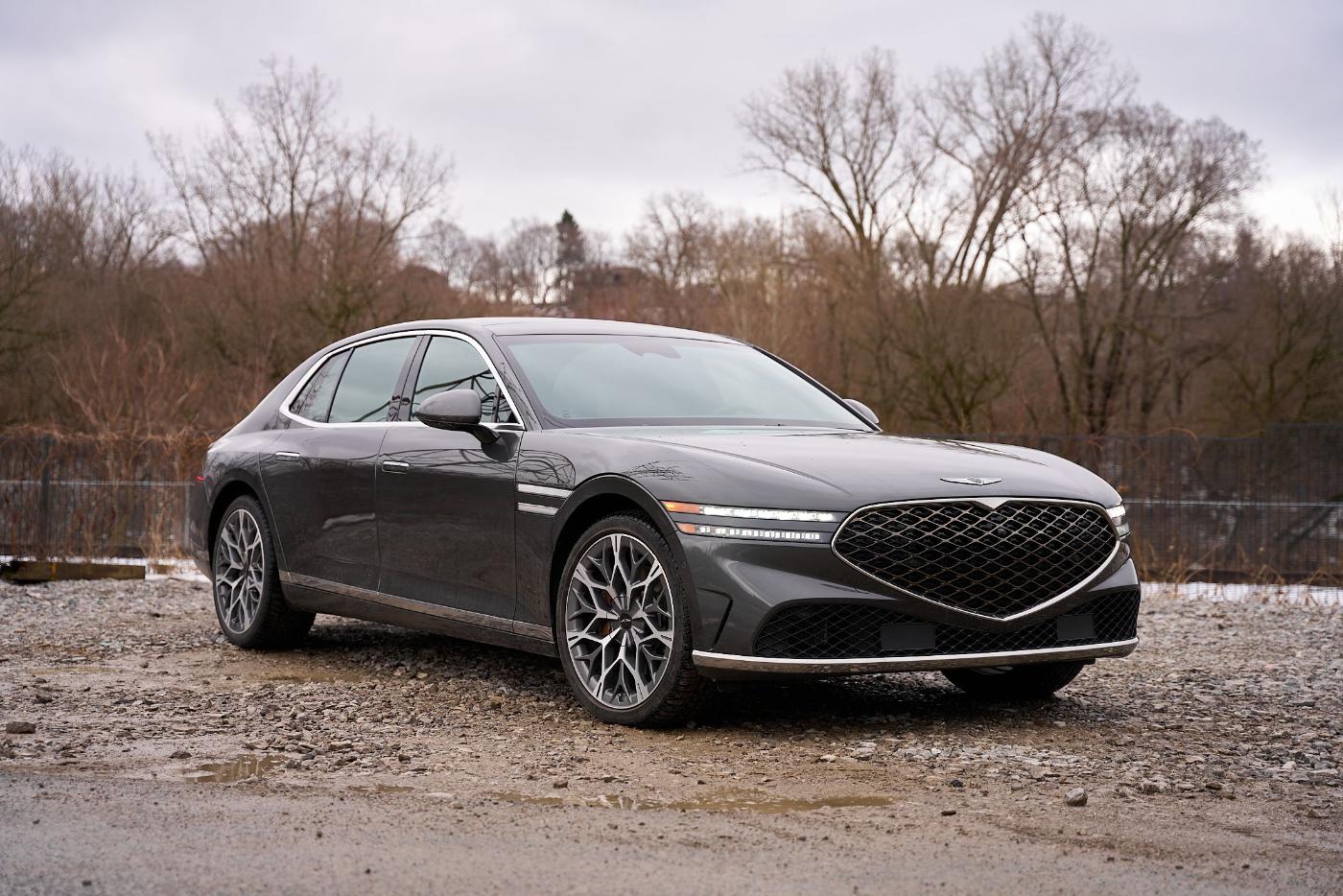
4. Genesis G90
The Genesis G90 is one of the most impressive weather stripping success stories in the modern automotive industry. When Hyundai launched the Genesis brand, it had a clear mission to compete directly with European luxury cars.
Achieving a quiet cabin was a top priority from day one. The G90 features some of the most advanced door sealing technology found in any production vehicle today.
Genesis engineers developed a triple-seal door system for the G90 that creates three independent contact points between the door and the body. If one seal is slightly imperfect, the other two compensate and maintain the seal integrity.
This redundant sealing approach is unusual even in the luxury segment. It reflects Genesis’s determination to outperform established competitors in every measurable way.
The G90 also uses acoustic laminated glass on all windows, which works in tandem with the weather stripping to block wind noise. The glass itself dampens vibrations that would otherwise transmit noise into the cabin.
Combined with the triple-seal door system, this creates a multi-layered defense against sound intrusion. The result is a cabin that competes directly with the Mercedes S-Class for sheer acoustic tranquility.
Genesis conducts its weather stripping testing in South Korea’s varied climate zones, from cold mountain regions to hot coastal areas. The seals must perform equally well in both extreme environments.
Special rubber formulations are used that maintain their flexibility and sealing force across a wide temperature range. This thermal stability is critical for owners in regions with harsh seasonal weather changes.
The G90’s trunk lid seal deserves particular attention. Many vehicles fall short on trunk seals even when door seals are excellent.
Genesis engineered the G90’s trunk seal with the same care as the door seals. The trunk closes with the same satisfying, solid thud as the doors. There are no air leaks or wind noise contributions from the rear of the vehicle.
Early reviews of the G90 praised its cabin quietness to a degree that surprised many industry veterans. Independent acoustic testing placed the G90 ahead of several more established luxury sedans.
The value proposition of the G90 is enhanced enormously by its weather stripping quality. Buyers get genuine flagship-level sealing performance at a price point below the German competition.
Also Read: 12 Best Used Trucks for People Who Need to Plow Snow Every Winter
5. Rolls-Royce Ghost
No discussion of exceptional weather stripping would be complete without mentioning Rolls-Royce. The Ghost represents the pinnacle of automotive sealing technology.
Every aspect of the Ghost’s construction is oriented toward creating the most isolated, peaceful cabin environment possible. The weather stripping is not merely an afterthought it is a core engineering priority at Rolls-Royce.
Rolls-Royce uses hand-fitted rubber seals on every Ghost produced. Each seal is individually installed by a skilled craftsperson who checks the compression and fit by hand.
The company uses a proprietary rubber compound developed specifically for Rolls-Royce that provides exceptional durability and flexibility. No other manufacturer uses the same level of artisanal care in its sealing process.
The Ghost features what Rolls-Royce calls the “Gallery” architecture, which includes an entirely new approach to body structure sealing.
Every junction point between body panels is sealed with precision-engineered rubber profiles. The doors themselves weigh considerably more than those of ordinary vehicles. Heavier doors compress the weather stripping more firmly and consistently, contributing to a better seal.
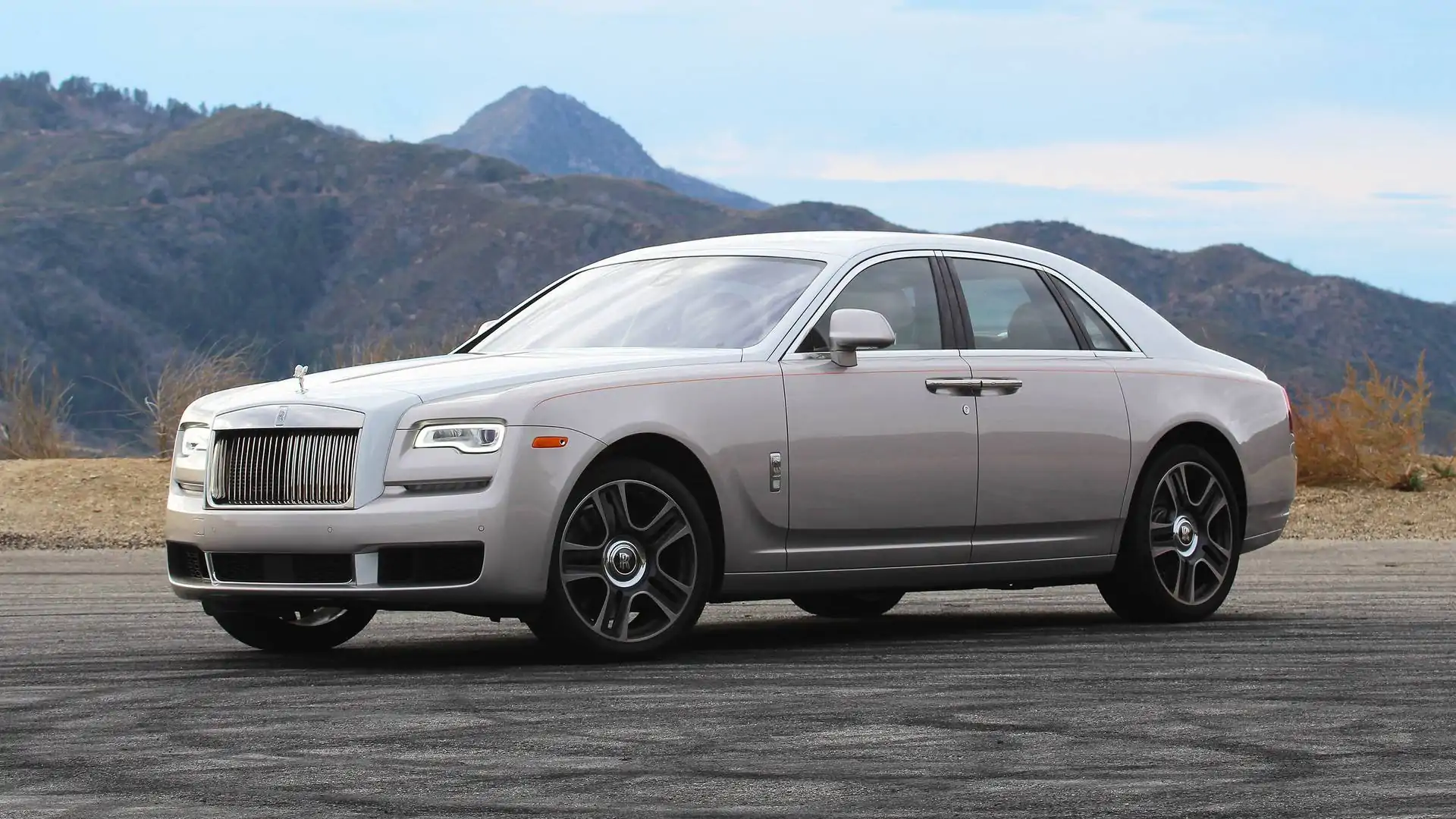
The famous coach doors on some Rolls-Royce models require especially complex sealing solutions. These rear-hinged doors create unique sealing challenges at the front and rear edges.
Rolls-Royce engineers spent years developing the seal geometry needed to make these doors as airtight as conventionally hinged doors. The solution involved a custom multi-lip seal profile that was patented by the company.
Rolls-Royce tests its weather stripping in some of the harshest conditions imaginable. Vehicles are exposed to driving rain, dusty desert environments, and sub-zero arctic temperatures during development.
The seals must perform without a single drop of water intrusion or trace of wind noise under all these conditions. This is not a marketing claim it is a verified engineering standard.
Owners of the Rolls-Royce Ghost describe the cabin experience as stepping into a sealed vault. Outside noise disappears almost completely the moment the door closes.
The outside world ceases to exist from an acoustic standpoint. This extraordinary isolation is the product of world-class weather stripping combined with a body structure built to tolerances that most manufacturers would consider impossible.
5 Vehicles With Wind Whistle Issues
These vehicles are often known for poor weather stripping quality or weak door seal design, leading to noticeable wind whistle noises at moderate to high speeds.
Over time, the rubber seals may harden, shrink, or lose alignment, allowing air to pass through small gaps around doors, windows, or mirrors. This creates persistent cabin noise, especially on highways, making long-distance driving less comfortable and giving the interior a less refined feel.
1. Ford F-150 (Pre-2021 Generations)
The Ford F-150 is the best-selling vehicle in the United States. Millions of Americans rely on it for work and everyday transportation. However, wind noise has been a persistent and well-documented complaint across several generations of the F-150.
Many owners of pre-2021 models report frustrating wind whistles that develop within the first year of ownership. The issue is largely traced back to inadequate weather stripping design and materials.
The main problem area on older F-150 models is the door seal along the B-pillar. The rubber seal in this area is often too thin and insufficiently supported by the door frame.
When the door closes, the seal does not always compress evenly along its full length. Gaps develop at the top and bottom corners of the seal where wind can find its way into the cabin at highway speeds.
The rear door seals on crew cab and SuperCrew F-150 models have also drawn criticism. The large rear doors create a longer seal perimeter that is harder to keep consistent.
Owners frequently report wind noise originating from the upper rear corner of the rear doors. This area experiences significant aerodynamic pressure at highway speeds and the thin rubber seal often fails to hold a proper contact.
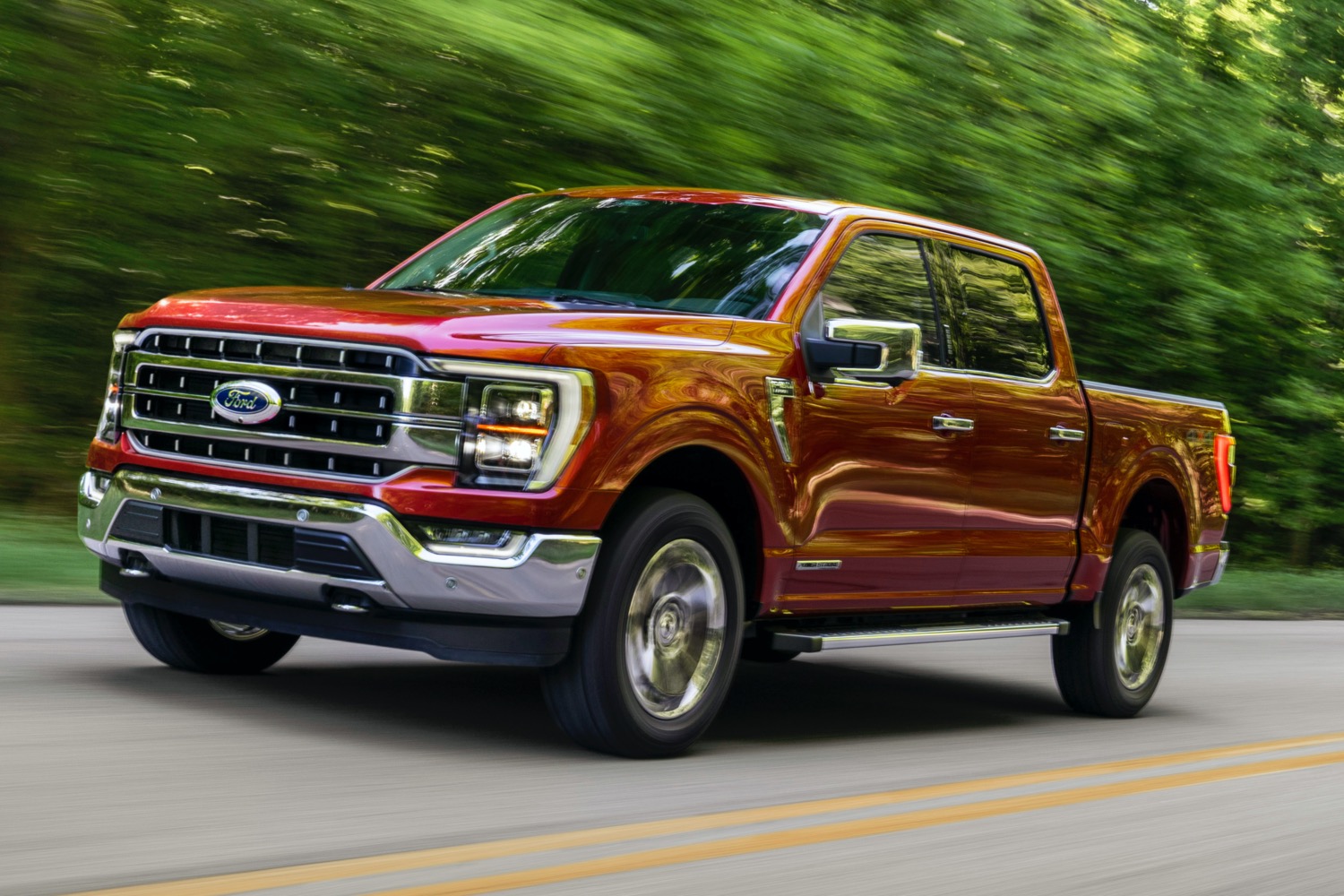
Ford has acknowledged some of these sealing issues through technical service bulletins over the years. Several TSBs recommend adjusting door alignment or applying additional sealing tape to problem areas.
The existence of these TSBs confirms that the wind noise problem is not isolated to individual vehicles. It is a design-level issue that affects a significant portion of the production run.
The problem is made worse by the F-150’s aluminum body panels, which were introduced in the 2015 model year. Aluminum panels can flex slightly differently than steel panels under aerodynamic load.
This flexing can change the contact pressure on the weather stripping at highway speeds. The seals were not always updated to compensate for this new behavior when the aluminum body was first introduced.
Aftermarket weather stripping companies have built a substantial business selling replacement seals for F-150 models. The existence of a thriving replacement seal market is strong evidence that the factory seals do not meet owner expectations.
Many F-150 owners report dramatically reduced wind noise after installing higher-quality aftermarket seals. This outcome underscores the fact that the original equipment weather stripping was the limiting factor all along.
2. Jeep Wrangler
The Jeep Wrangler is a legendary off-road vehicle with a passionate and dedicated following. Its removable doors and roof panels are central to the open-air driving experience that defines the Wrangler’s character.
However, these same features make achieving a good weather seal essentially impossible. Wind noise in the Wrangler is not a quality control issue it is a fundamental consequence of the vehicle’s design philosophy.
The removable door system requires the weather stripping to create a seal between the door and the body without the benefit of a fixed, permanent door frame.
Every time the doors are removed and reinstalled, the seal alignment changes slightly. Over time, these repeated removals distort the rubber seals and reduce their effectiveness. Owners who frequently remove their doors for off-roading can expect significant wind noise to develop fairly quickly.
The soft top versions of the Wrangler are particularly susceptible to wind noise. The fabric top panels are secured to the body with zippers and snap fasteners rather than rigid rubber seals.
Even when properly secured, these connections allow wind to whistle through at highway speeds. The situation worsens as the fabric ages and loses its tension. Many Wrangler owners simply accept wind noise as part of the experience.
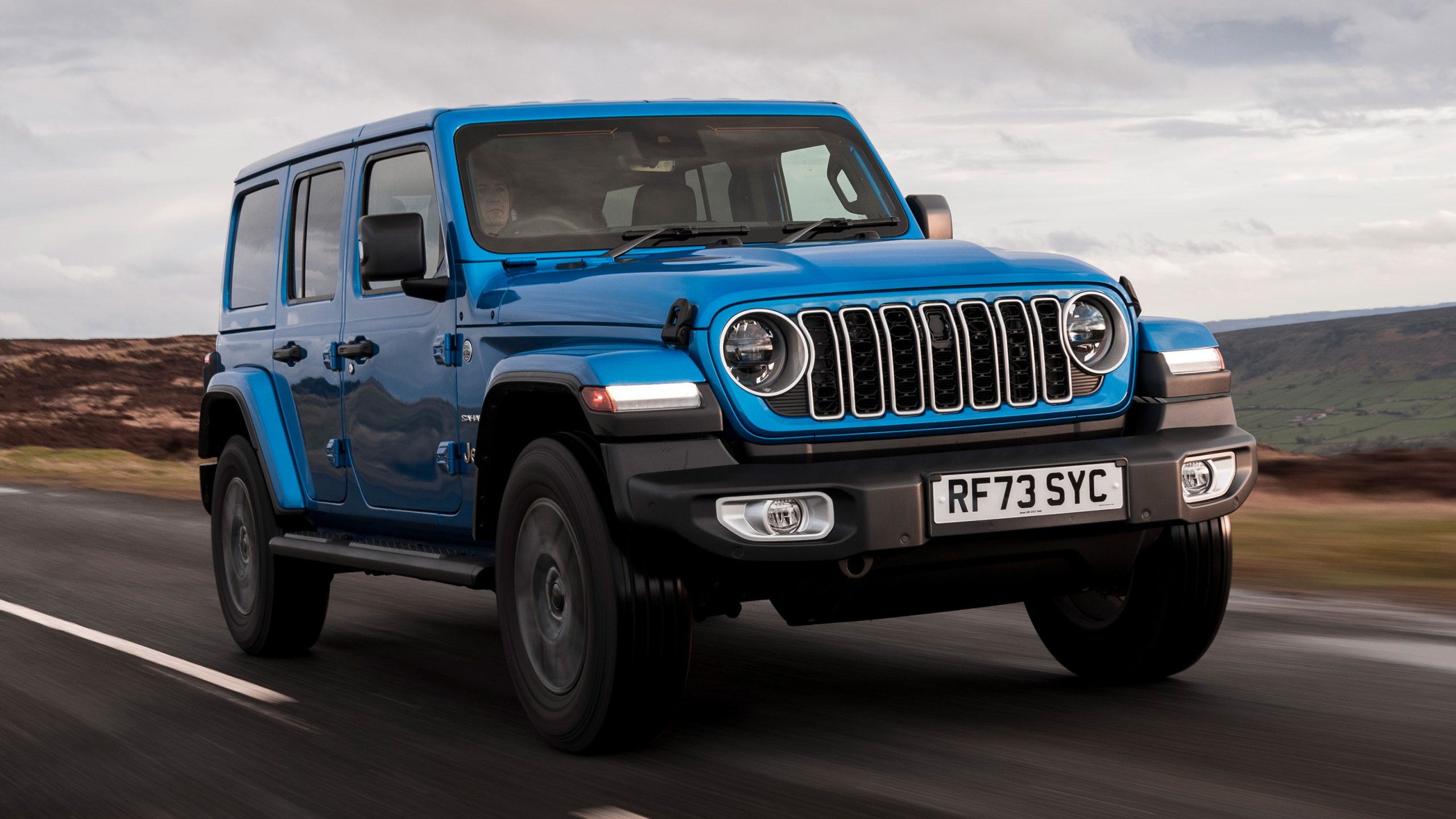
Hard top Wrangler models offer better sealing than soft tops, but they are far from perfect. The hard top panels meet the body at several joints that are sealed with foam gaskets rather than robust rubber weather stripping.
These foam gaskets compress and deteriorate over time. Owners of older hard top Wranglers often report dramatically increased wind noise compared to when the vehicle was new.
Jeep has made incremental improvements to the Wrangler’s sealing over the years. Later JL-generation Wranglers seal noticeably better than older JK models. However, the improvement is relative even the best-sealing Wrangler still produces far more wind noise than any conventional SUV or sedan.
The aerodynamic shape of the Wrangler also contributes to the problem. Its flat, upright windshield creates a massive pressure zone that forces air against every potential leak point.
Many Wrangler owners invest in aftermarket acoustic door seals and window channel seals to improve cabin quietness. Kits are available that replace the entire factory seal system with higher-quality rubber profiles.
These kits can make a meaningful improvement, particularly at lower speeds. At true highway speeds, however, the fundamental design limitations of the removable door system continue to allow significant wind noise.
3. Nissan Frontier (Second Generation)
The Nissan Frontier spent an unusually long time in production with minimal updates between its second-generation launch and its eventual replacement. During that extended run, its weather stripping became increasingly outdated compared to modern competitive standards.
Wind noise complaints were among the most consistent criticisms leveled at the Frontier by owners and automotive journalists alike. The truck’s cabin was simply not as well-sealed as buyers of the era had come to expect.
The primary wind noise source on the Frontier is the front door window seal. The rubber channel that guides and seals the door glass is thin and poorly shaped. At highway speeds, air finds gaps between the glass and the seal and produces a distinctive whistling sound.
This problem is particularly noticeable on the driver’s side, where the window is opened and closed most frequently. Repeated use accelerates wear on the already marginal seal.
The Frontier’s door seals along the door frame perimeter also draw criticism. The rubber seals are single-layer designs that provide minimal redundancy. When the door frame flexes slightly under load or during off-road use, the thin seal loses contact with the body.
This loss of contact creates immediate wind noise that persists until the vehicle returns to a smoother road surface. The seal simply does not have the compliance needed to maintain contact under varying conditions.
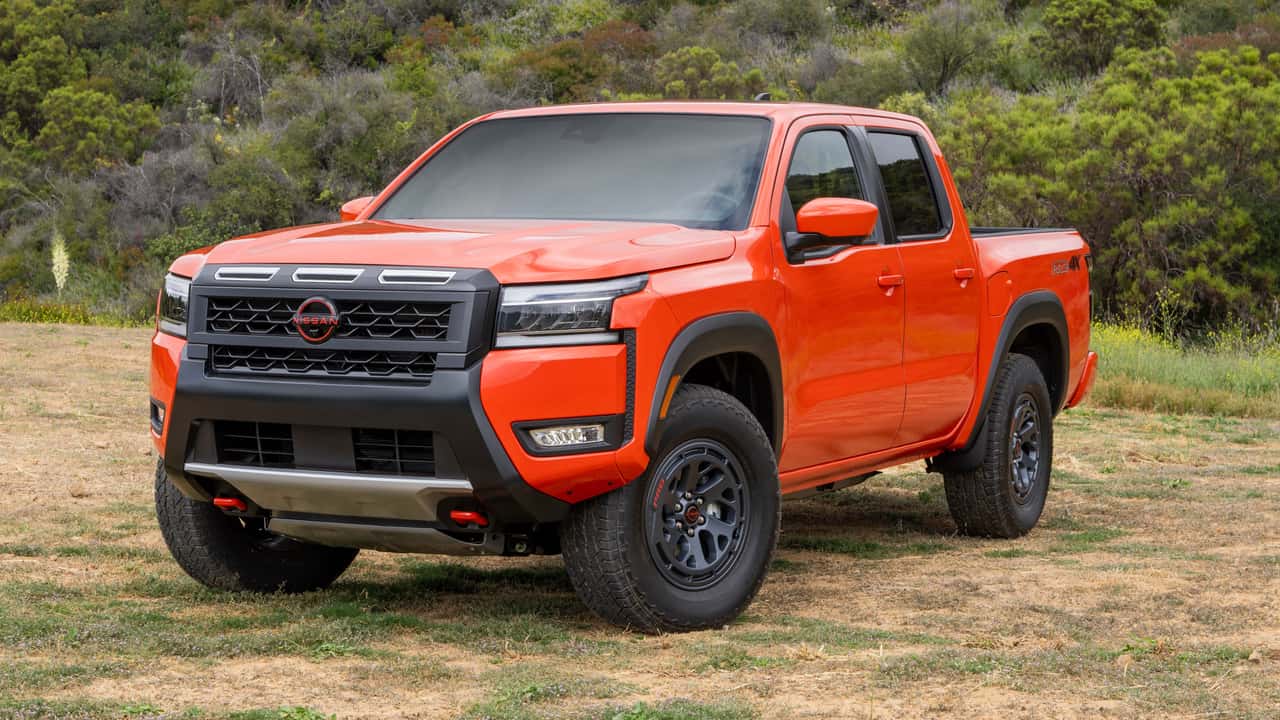
Nissan’s cost-cutting approach to the Frontier’s development is partially responsible for the seal quality issues. The truck was positioned as a value-oriented compact pickup.
Achieving a luxury-level acoustic environment was not a design priority. The engineering budget was allocated elsewhere, and the weather stripping was specified to meet a minimum acceptable standard rather than an aspirational one.
The problem was acknowledged indirectly by Nissan through extended production. Because the platform was not updated for many years, the weather stripping design remained frozen at an early 2000s standard.
As competitors updated their sealing systems, the Frontier fell further and further behind. By the final years of the second generation, the wind noise gap between the Frontier and its competitors had become embarrassingly large.
Owners who kept their Frontiers for many years report that the wind noise worsens significantly with age. The original factory seals are not very durable and begin to lose their shape after several years.
Replacement seals are available but require significant effort to install correctly. Many long-term Frontier owners simply adapt to the noise and use it as motivation to replace the vehicle sooner rather than later.
4. Chrysler 300 (Early Generations)
The Chrysler 300 made a dramatic visual impact when it was introduced with its bold, upright grille and muscular proportions. However, beneath the striking exterior, the early versions of the 300 harbored a significant wind noise problem that frustrated many owners.
The large, frameless door windows were a primary source of the issue. Frameless windows are notoriously difficult to seal effectively, and Chrysler’s early attempts fell short of the mark.
Frameless windows rely entirely on the door glass pressing directly against a rubber seal molded into the door opening. There is no metal frame surrounding the glass to provide structural support for the seal.
When the door closes, the glass must find and compress the seal precisely on its own. If the glass alignment is even slightly off, the seal is incomplete and wind noise enters the cabin freely.
The early Chrysler 300 had alignment issues with its frameless glass that were well-documented in owner forums and automotive reviews. Many owners reported a pronounced wind whistle from the driver’s window at speeds above 65 mph.
The noise was traced to inadequate glass-to-seal contact at the top front corner of the window. This corner is the most aerodynamically stressed point on the window and also the hardest to seal with a frameless design.
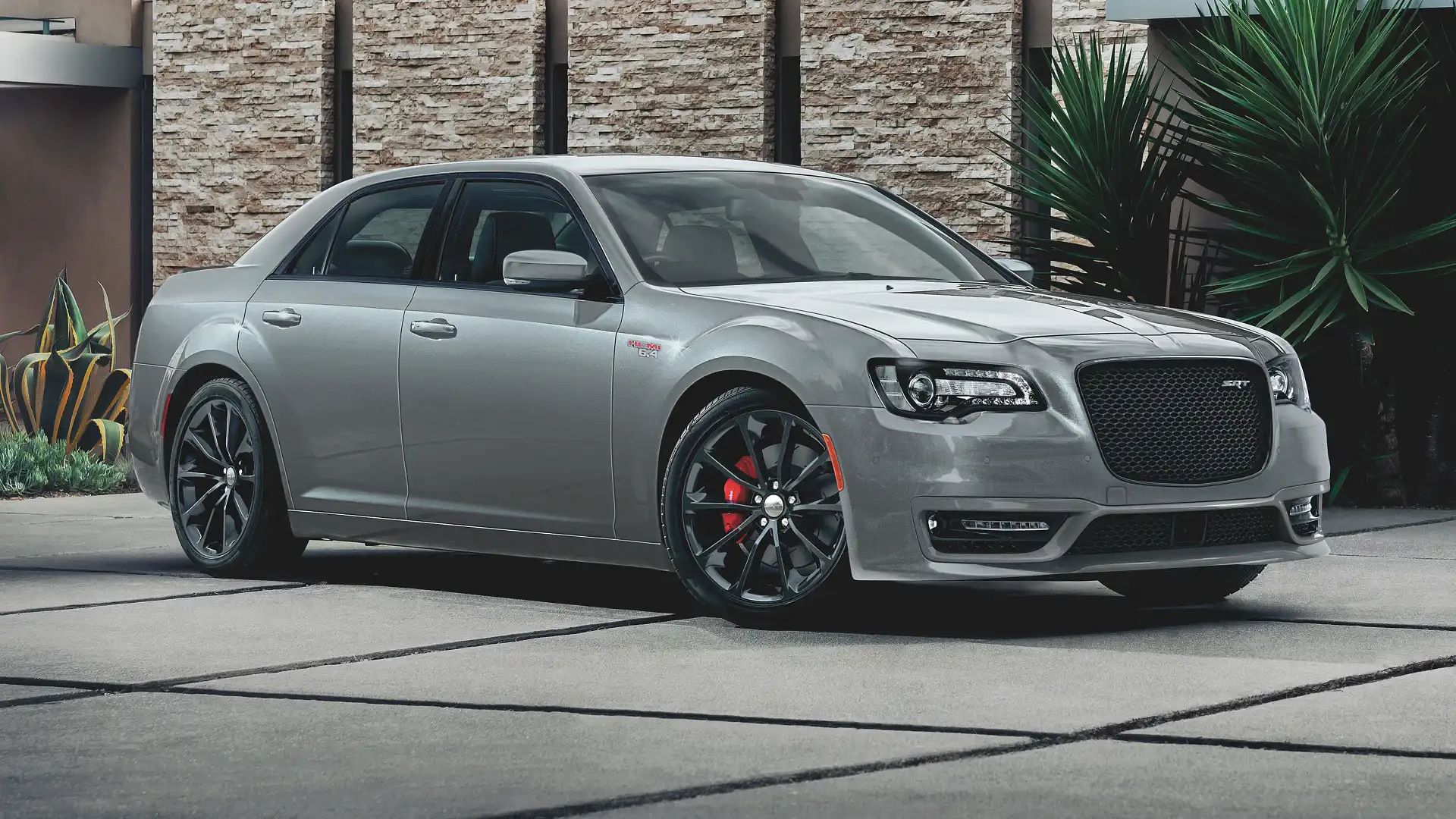
Chrysler issued several technical service bulletins addressing the wind noise problems. The fixes ranged from adjusting door striker positions to applying additional seal material at the problem corners.
Some owners found these dealer-performed fixes effective, while others reported that the wind noise returned within a few months. The underlying design limitation of the frameless window system was never fully resolved in early production years.
The rear doors of the early Chrysler 300 also contributed to wind noise complaints. The rear door seals were specified with the same insufficient rubber profile as the front doors.
The large rear quarter windows, which were fixed rather than opening, created additional sealing challenges at their edges. Owners of four-door 300 models often experienced wind noise from multiple sources simultaneously.
Later generations of the Chrysler 300 benefited from revised seal profiles and improved glass alignment procedures. The wind noise situation improved meaningfully from the mid-production period onward.
However, the early reputation for wind noise stuck with the model and influenced buyer perceptions for years. The 300’s story illustrates how a single engineering decision choosing frameless windows without adequate sealing solutions can define a vehicle’s reputation for its entire model life.
5. Mitsubishi Outlander (Third Generation)
The Mitsubishi Outlander is a compact SUV that has been popular for its value pricing and fuel efficiency. However, the third generation of the Outlander developed a noticeable reputation for wind noise that undermined its appeal as a family vehicle.
Wind noise is particularly problematic in family SUVs because passengers spend long hours on highway trips. Even moderate wind noise becomes exhausting over a four or five-hour drive.
The main sealing problem on the third-generation Outlander is located at the roof rail junction. The roof rails on this model are a popular feature, but they create a gap between the rail base and the roof panel that is difficult to seal completely.
Wind passes over the roof at high speed and finds this gap, creating a turbulent whistle that is audible throughout the cabin. This is a design-level problem that no amount of dealer adjustment can fully correct.
The front door seals on the Outlander also fall short of competitive standards. The rubber profiles used are relatively thin and single-layer. The door frames themselves have a wider manufacturing tolerance than premium competitors.
This means the gap between the door and the body frame varies more from vehicle to vehicle. Some Outlanders seal acceptably well from the factory, while others have significant wind noise from day one.
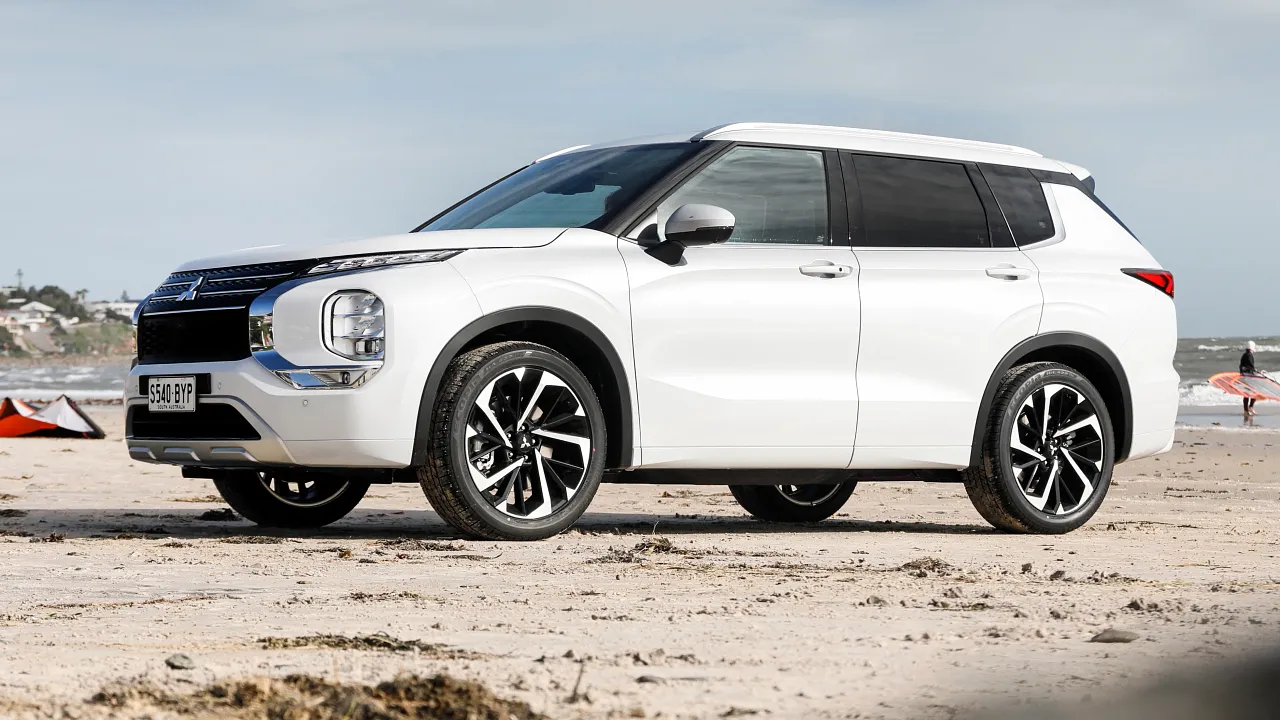
The rear hatch seal is another chronic problem area on the Outlander. The large rear hatch creates a substantial seal perimeter that must maintain contact across its entire length. The seal profile used on the Outlander is not robust enough to maintain consistent contact when the hatch flexes slightly at speed.
Many owners report a low-frequency wind noise from the rear of the vehicle that is difficult to identify and fix without professional help.
Mitsubishi’s response to the wind noise complaints has been mixed. Some owners receive helpful assistance from dealers who adjust door alignments and apply additional sealing materials.
Others report that dealer technicians are unable to replicate the problem in their shop, which is common with wind noise issues that only appear at highway speeds. The frustration of having a documented problem that dealers cannot diagnose is a particularly common theme in Outlander owner forums.
The third-generation Outlander’s wind noise issues reflect a broader pattern in Mitsubishi’s cost management approach during that period. The company was under significant financial pressure and made engineering compromises that prioritized visible features over hidden quality elements like weather stripping.
The result is a vehicle that looks competitive on paper but falls short of expectations in real-world ownership. Better weather stripping would have cost very little per vehicle but would have meaningfully improved the ownership experience for thousands of customers worldwide.
Also Read: 12 Best Ways to Maintain Clear Windshields in High Humidity US Climates
