

Opening a car hood should be one of the simplest tasks any driver performs. Whether you are checking the oil, topping up coolant, or inspecting the battery, the hood latch system is your first point of contact. Unfortunately, not all vehicles are designed with equal attention to this small but critical mechanism.
Some manufacturers engineer their hood release systems with remarkable simplicity. These designs use durable cables, sturdy levers, and robust secondary latches that work reliably for decades. Owners of these vehicles rarely think twice about popping the hood.
On the other hand, certain vehicles have earned a notorious reputation for frustrating hood latch problems.
Cables snap unexpectedly. Levers break inside the cabin. Secondary latches seize up from rust or poor lubrication. Drivers are left stranded, unable to access their engine bay without professional help.
This article explores both sides of the spectrum in detail. We examine five vehicles widely praised for their straightforward, dependable hood release systems. We also investigate five vehicles that frequently suffer from latch cable failures and snapping issues.
Understanding these differences helps buyers make smarter purchasing decisions. It also helps current owners know what to watch for and when to perform preventative maintenance. Hood latch failures are avoidable. Knowledge is your best tool.
5 Vehicles With Simple Hood Release Latches
These well-designed vehicles feature simple, durable hood release latch mechanisms built for long-term reliability and ease of use.
Their straightforward cable-and-latch systems operate smoothly with minimal force, reducing the chances of sticking, jamming, or mechanical failure over time. Even after years of regular use, these latches typically remain dependable, allowing quick and hassle-free hood access for maintenance and inspections.
1. Toyota Hilux
The Toyota Hilux is one of the most dependable workhorses ever built. It has earned its legendary reputation through decades of brutal real-world testing across every continent. One area where it consistently impresses is the simplicity of its hood release system.
The Hilux uses a straightforward single-cable mechanism connected to a sturdy lever inside the cab. The lever is positioned low on the driver’s side dashboard, within easy reach of almost any driver. It requires minimal pulling force, even after years of heavy use.
Toyota engineers designed the latch with generous tolerances. This means small amounts of cable stretch or minor misalignment do not cause the system to fail. The latch continues operating smoothly even when subjected to dirt, dust, and vibration.
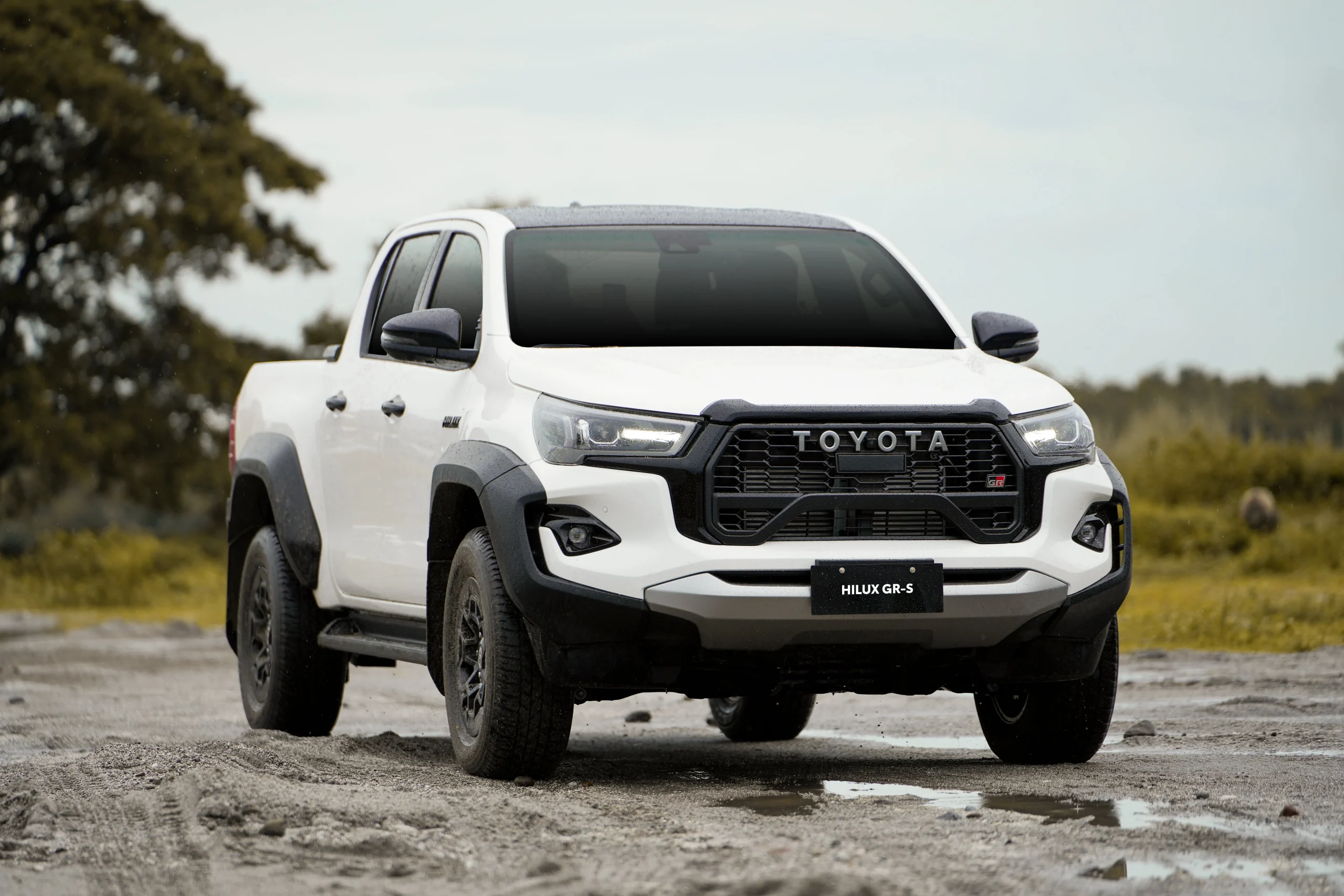
The secondary latch the small catch you release by hand at the hood’s leading edge is equally well designed. It moves freely and does not require excessive hand strength to disengage. Even drivers with limited grip strength can manage it without frustration.
The Hilux is frequently used in remote, off-road environments far from any workshop. Toyota understood that every component, including the hood latch, needed to be field-serviceable. Replacement cables are widely available and inexpensive. Installation requires only basic mechanical knowledge.
Corrosion resistance is another strong point of the Hilux latch system. The latch mechanism uses coated steel components that resist rust effectively. Even in coastal or high-humidity environments, the latch typically remains functional for many years without lubrication.
Owners who regularly service their Hilux report that the hood latch is one of the last things they ever need to replace. Testimonials from high-mileage Hilux drivers frequently mention that the latch still operates as smoothly at 300,000 kilometers as it did when new.
Toyota also made the latch mechanism visually accessible. When you lean over the front of the vehicle to release the secondary latch, the mechanism is easy to see and locate. There is no fumbling around blindly under a dark hood edge.
The Hilux hood latch represents Toyota’s broader engineering philosophy. Simple, robust, and long-lasting design beats complex systems every time. For anyone who needs a vehicle with a reliable, no-fuss hood release, the Hilux remains a gold standard example.
2. Honda Civic (2006–2015 Generation)
The Honda Civic from the 2006 to 2015 model years is celebrated for its mechanical reliability. This generation is a favorite among first-time car owners and experienced drivers alike. The hood release system perfectly reflects Honda’s commitment to practical, user-friendly engineering.
The interior hood release lever on these Civics is clearly labeled and easy to locate. It sits just inside the driver’s door on the lower left side of the dashboard. A single firm pull is all it takes to pop the hood up from its fully closed position.
The cable connecting the interior lever to the latch mechanism is generously long. This extra length reduces tension on the cable during normal operation. Less tension directly translates into a longer service life and fewer failures.
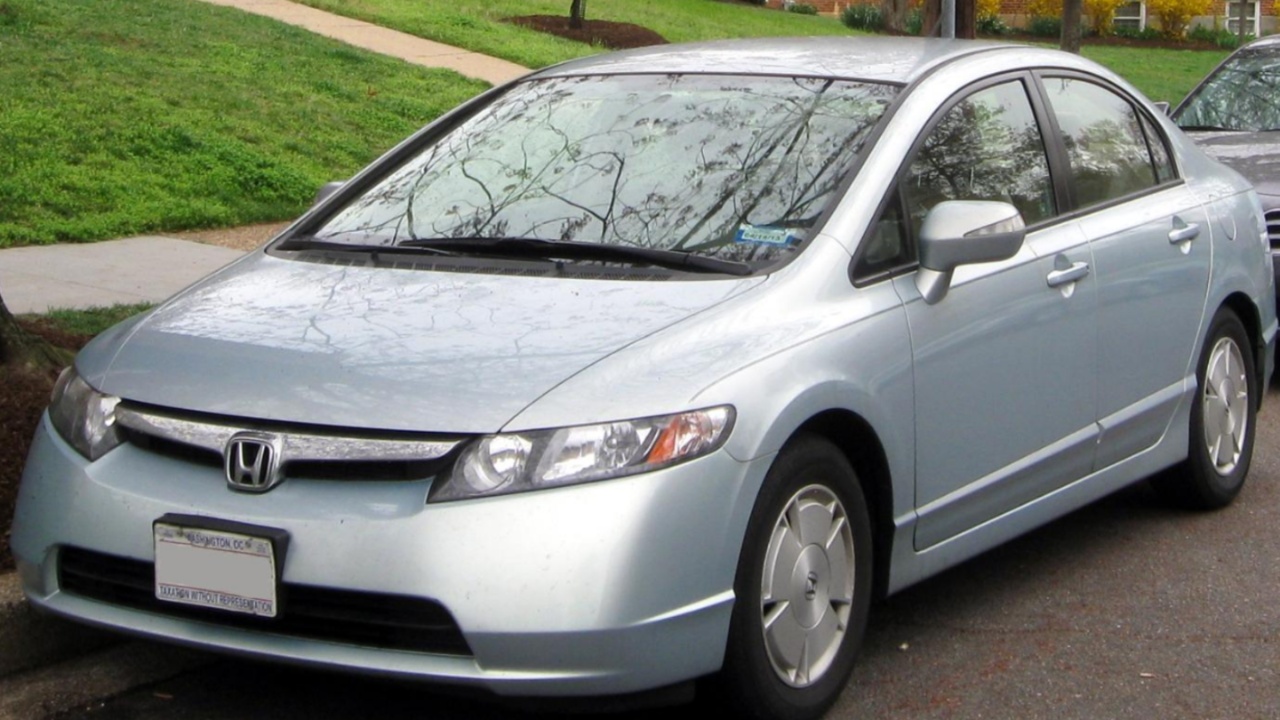
Honda used a simple hook-and-catch style primary latch on these Civics. The design has very few moving parts, which means there are fewer components that can wear out or fail. Simplicity in engineering is often the greatest form of reliability.
The secondary latch release tab is located centrally at the hood’s front edge. It is wide, easy to grip, and requires minimal sideways pressure to disengage. Many competing vehicles from the same era had narrower, harder-to-find secondary latches.
Honda specified a durable nylon coating over the latch cable on these models. The coating reduces friction inside the cable housing. Lower friction means the interior lever pulls more easily and the cable experiences less wear over thousands of cycles.
These Civics are also praised for their ease of DIY maintenance. If the hood latch cable does eventually wear out, replacement is a straightforward job. Parts are affordable and widely available at virtually every auto parts store worldwide.
The corrosion protection on the latch assembly is competent, though not exceptional. Owners in northern climates who use road salt should apply a small amount of white lithium grease annually. This simple step keeps the mechanism operating smoothly through harsh winters.
The 2006–2015 Honda Civic sets a high standard for hood latch usability. It is a system that works without drama, day after day and year after year. Honda got the details right on this one.
3. Ford F-150 (2004–2014 Generation)
The Ford F-150 is America’s best-selling truck for good reason. It balances capability, comfort, and practicality in a package that millions of drivers trust. The hood release system on the 2004 to 2014 generation is particularly well regarded for its robustness and ease of use.
Ford positioned the interior hood release lever in a logical location beneath the steering column on the driver’s side. The lever is large and easy to grip with work gloves on. This detail matters enormously for truck owners who frequently check under the hood in dirty or cold conditions.
The primary latch mechanism on these F-150 models is built with heavy-gauge steel components. The extra material thickness provides significant resistance to bending or deformation. Even after years of hard use, the latch maintains its precise alignment.
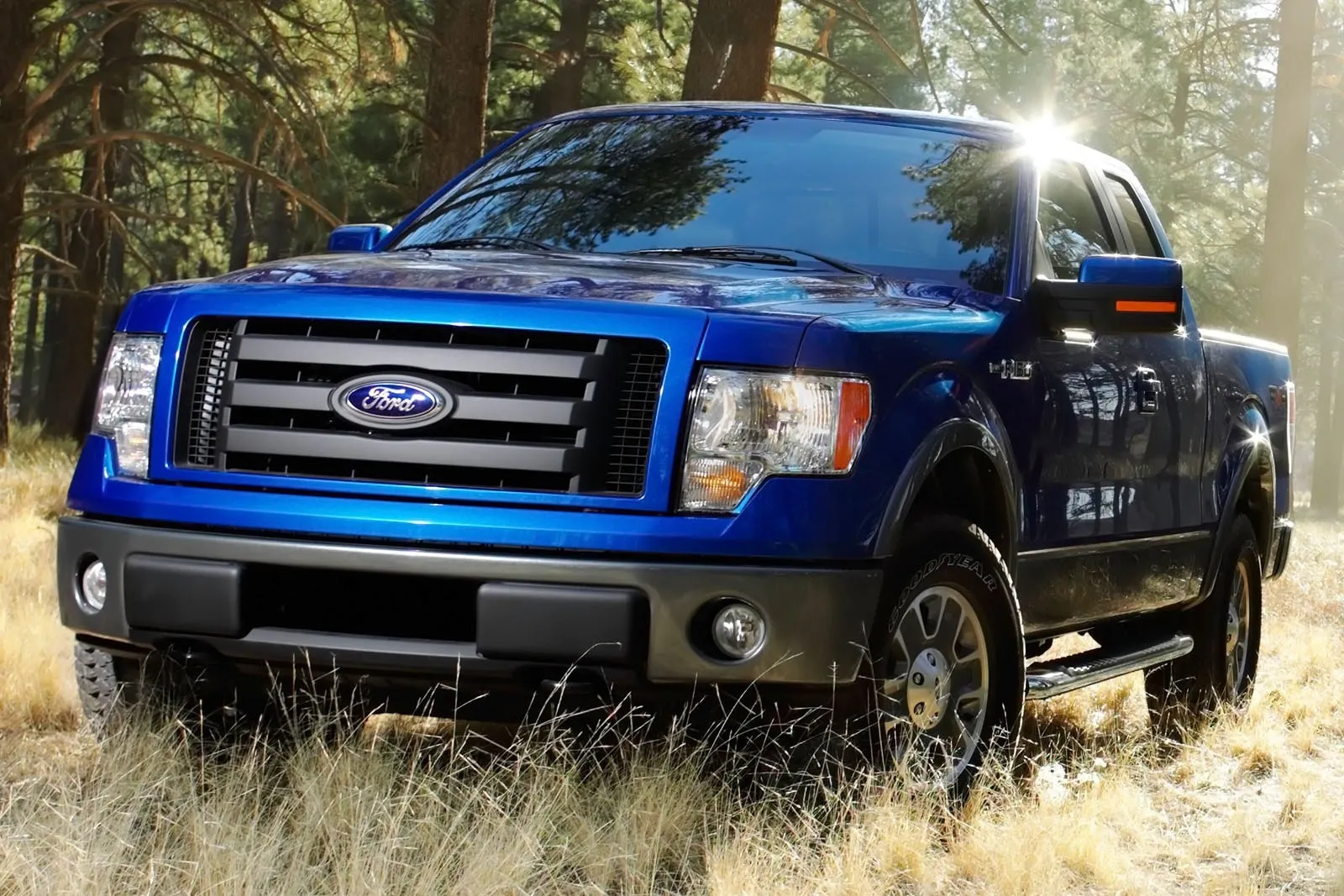
Ford engineers understood that truck owners open hoods frequently. Oil checks, fluid top-ups, and belt inspections are regular tasks for working truck drivers. The system was designed to withstand thousands of open-and-close cycles without degradation.
The secondary latch is also impressively sturdy on these trucks. It features a wide, textured release tab that is easy to locate and push aside. Drivers wearing thick gloves in cold weather can still release the latch without removing them.
The cable routing on these F-150 models avoids sharp bends and extreme angles. Gentle cable routing reduces internal wear and prevents premature fraying. Ford’s attention to this engineering detail contributes directly to the latch system’s long service life.
Replacement parts for the F-150 hood latch system are among the most affordable on the market. High production volumes mean that aftermarket manufacturers produce large quantities of replacement cables and latches. This keeps prices low and availability high.
Even in dusty, muddy, or salt-heavy environments, the F-150 latch system holds up well. Owners who work their trucks hard consistently report that hood access is never an issue. The system simply works as expected, every single time.
The 2004–2014 Ford F-150 demonstrates that with correct engineering choices, a hood release system can last the entire life of a vehicle. It is a benchmark of practical truck design that competitors have long tried to match.
4. Land Rover Defender (Pre-2020)
The pre-2020 Land Rover Defender is a legend of off-road vehicles. It was designed from the ground up for operation in the harshest environments on Earth. Every component, including the hood latch, reflects this extreme-duty design philosophy.
The Defender uses an external hood latch system that differs from conventional designs. A pair of external rubber-coated steel catches secure the hood on both sides near the front corners. These catches are released manually from outside the vehicle.
This external system eliminates the need for an interior release cable entirely. There is no cable inside the cabin to stretch, fray, or snap. The system cannot fail in the ways that plague cable-operated latches on other vehicles.
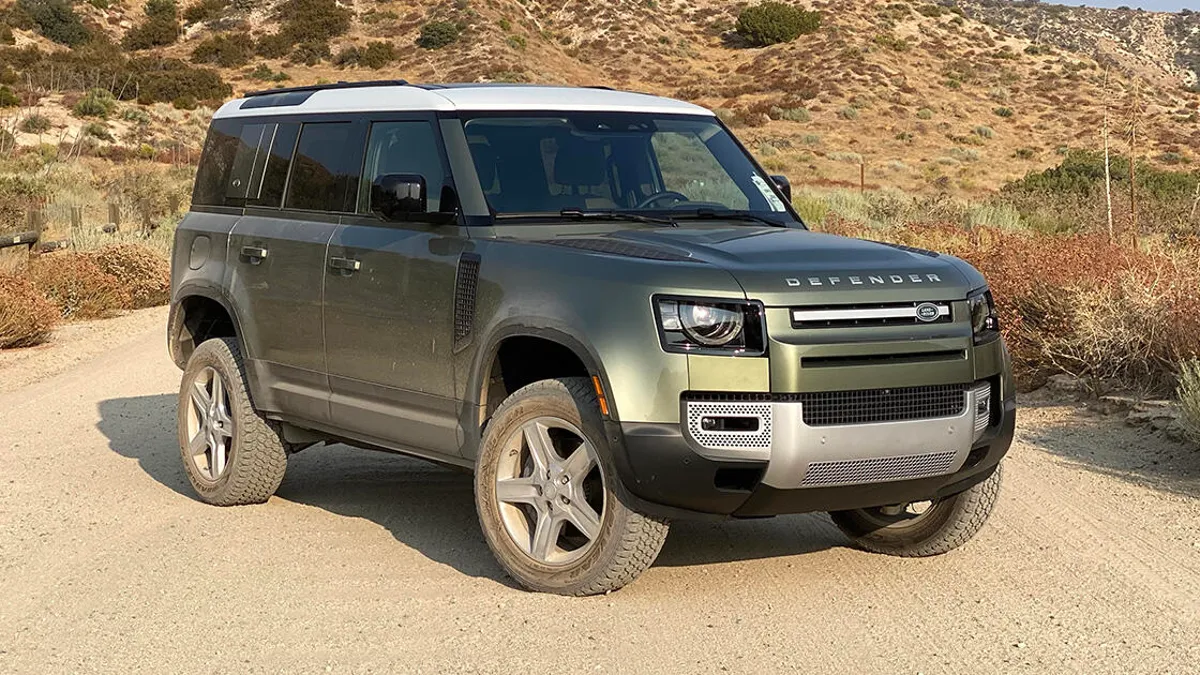
The rubber coating on the catches serves multiple purposes. It prevents metal-on-metal contact that causes wear. It also provides grip for gloved hands during release operations in cold or wet conditions. It even reduces rattling during off-road driving over rough terrain.
Because the catches are external, they are easy to inspect and service. A driver can visually check the condition of the catches and their mounts without any tools. Identifying wear or damage is immediate and obvious, not hidden inside a dashboard panel.
Replacement catches for the Defender are among the cheapest hood hardware components available. A set of both catches can be purchased for a fraction of the cost of replacing a broken cable latch on a modern vehicle. Fitting new catches takes less than ten minutes.
The Defender hood latch system works in temperatures ranging from arctic cold to desert heat. Neither extreme causes the mechanism to jam, bind, or fail. This thermal resilience is essential for a vehicle designed for global operation.
Long-term Defender owners frequently describe the hood latch system as one of the vehicle’s most satisfying details. It is primitive by modern standards. However, that primitiveness is precisely what makes it so enduringly reliable.
The pre-2020 Defender proves that the best engineering solution is not always the most complex one. Sometimes the simplest, most direct approach delivers the most reliable result. The hood latch is a perfect example of this principle in action.
Also Read: 12 Heavy Duty Work Vans Preferred by Electricians and Plumbers in the US
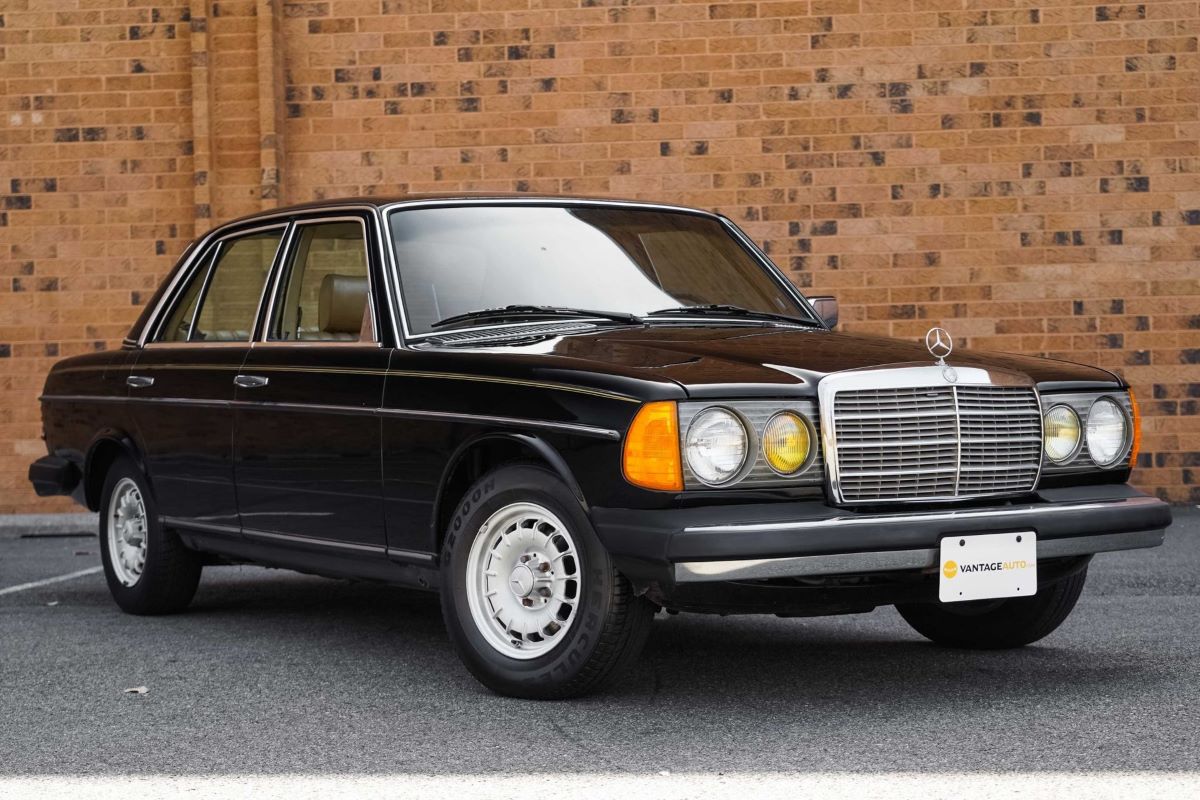
5. Mercedes-Benz W123 (1976–1985)
The Mercedes-Benz W123 is one of the most celebrated cars in automotive history. Produced from 1976 to 1985, it became famous worldwide for extraordinary build quality and longevity. The hood release system on the W123 reflects the meticulous engineering standards of that era.
Mercedes used a dual-cable system on the W123 that provides redundancy. If one cable experiences increased friction or minor damage, the second cable continues to operate the latch effectively. This built-in backup system prevents sudden and complete latch failures.
The interior release mechanism uses a distinctive T-bar pull handle located inside the driver’s side door frame. The handle is large, ergonomically shaped, and requires only light pulling force. Even elderly drivers or those with limited hand strength can operate it comfortably.
The primary latch mechanism is machined from heavy steel with tight tolerances. Every component fits together with a precision that eliminates slop and vibration. This tight fit prevents the wear that loosens cheaper latch systems over time.
The secondary latch is equally well engineered. It features a wide, easy-to-locate safety catch at the center of the hood’s leading edge. A gentle sideways push releases it cleanly without requiring contorted hand positions.
Mercedes applied protective grease to all latch components during assembly at the factory. This grease was specified to last for extended service intervals under normal conditions. Many W123 hood latches still work perfectly today, forty years after leaving the factory.
The longevity of these vehicles is remarkable. W123 taxis in developing countries frequently accumulated over one million kilometers. The hood latch mechanisms on these extreme-mileage vehicles typically remained functional throughout this incredible service life.
Replacement cables and latch components for the W123 remain available despite the car’s age. A thriving community of enthusiasts and specialists maintains healthy parts availability. This keeps running costs low for dedicated W123 owners.
The W123 hood release system stands as a testament to what thoughtful engineering can achieve. It was built to last not for years, but for generations. In this respect, Mercedes succeeded beyond almost any other manufacturer of its era.
5 Vehicles Prone to Hood Latch Cable Snapping
These vehicles are often known for fragile hood release cables or weak latch assemblies that can become stiff, corroded, or prone to snapping with age. Frequent use, poor cable routing, and plastic handle components may increase the risk of failure, leaving the hood difficult or impossible to open without manual intervention. Such issues can turn simple maintenance tasks into frustrating and costly repairs, especially in older high-mileage vehicles.
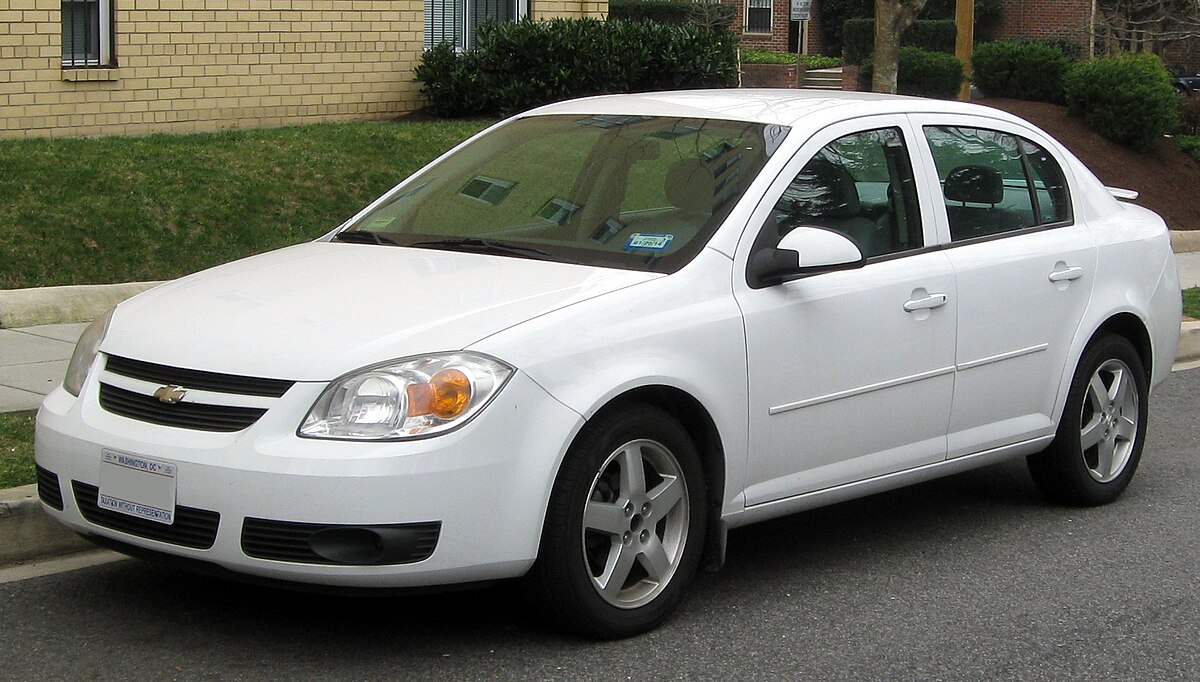
1. Chevrolet Cobalt (2005–2010)
The Chevrolet Cobalt was General Motors’ attempt to compete in the compact car segment during the mid-2000s. While it offered reasonable value and acceptable performance when new, it quickly developed a troubling reputation for mechanical reliability issues. Among the most frustrating was its hood latch cable system.
The Cobalt’s interior hood release lever is positioned awkwardly at the bottom left corner of the dashboard. Reaching it requires an uncomfortable reach that places unusual lateral stress on the cable. This stress point becomes a common failure location over time.
The cable itself is notably thin for a vehicle of this class. Thin cables have less material to resist fatigue from repeated bending and pulling cycles. The Cobalt’s cable was simply undersized for the mechanical demands placed on it during normal operation.
Many Cobalt owners first notice the problem as increasing resistance when pulling the interior lever. The lever becomes progressively harder to pull over weeks or months. This is a warning sign that the cable is fraying internally inside its housing.
The final failure usually happens suddenly. The driver pulls the lever and feels it release with zero resistance. The hood does not open. The cable has snapped, leaving the broken end still attached to the lever with no connection to the latch.
Accessing the latch mechanism after cable failure is genuinely difficult on the Cobalt. The grille design limits access to the latch from the front of the vehicle. Some owners resort to using a long, thin rod inserted through the grille to manually trigger the latch release.
When professional assistance is required to open the hood, labor costs are disproportionately high. The time required to access the latch through the limited front opening exceeds the time needed to replace the cable once the hood is actually open.
General Motors issued no formal recall or technical service bulletin addressing this widespread problem. Thousands of Cobalt owners experienced cable failures, often outside the warranty period. This left many drivers to bear the full cost of repairs themselves.
Aftermarket cable replacements are available and moderately priced. However, many owners report that aftermarket cables fail again within a few years of installation. The root cause the cable’s inadequate gauge is not fully corrected by most replacement parts.
The Cobalt hood latch cable failure is a classic example of cost-cutting creating long-term reliability problems. A slightly thicker cable and a more ergonomic lever position would have prevented thousands of frustrated owners from dealing with stuck hoods.
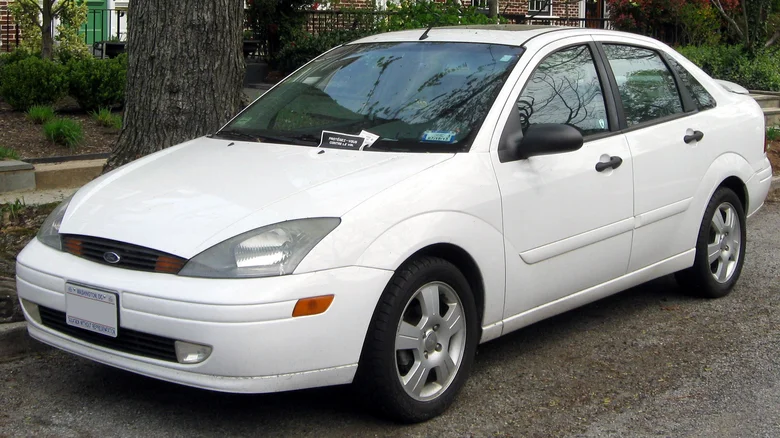
2. Ford Focus (2000–2007, First Generation)
The first-generation Ford Focus was an important car for Ford in terms of global sales and market presence. It offered European-influenced styling and handling that resonated strongly with buyers. Unfortunately, its hood latch cable system developed a notorious reputation for premature failure.
The cable on these early Focus models runs a particularly long and convoluted route from the interior lever to the front latch. Long cable runs with multiple direction changes accumulate friction over time. Higher friction increases the force needed to operate the latch and accelerates internal wear.
The cable housing on many of these Focus models was observed to crack and deteriorate in cold weather climates. Cracked housing allows moisture to enter the cable sheath. Moisture leads to internal corrosion of the cable strands, dramatically accelerating failure.
Ford’s choice of cable anchor points on this generation was another engineering weakness. The point where the cable attaches to the latch mechanism applies uneven stress during each pull cycle. This uneven stress progressively weakens individual cable strands before total failure occurs.
Early warning signs in the Focus are similar to those in the Cobalt. The interior pull lever gradually becomes stiffer. Eventually it pulls free with a loose, disconnected feeling. At this point, the cable has separated and the hood is effectively sealed.
Opening a Focus hood after cable failure is particularly challenging. The primary latch is positioned behind the front bumper in a way that makes tool-assisted manual release very difficult. Many owners require professional assistance to open the hood safely without damaging the bodywork.
Replacement cables are readily available due to the high volume of failures across this model. Many independent garages stock Focus hood cables as a routine item. This wide availability reflects just how commonly the problem occurs across this generation.
Ford updated the cable specification and routing on later Focus generations. This acknowledgment through revised engineering rather than a formal recall confirms that Ford recognized the first-generation design was inadequate. Earlier owners were left to manage the problem themselves.
The Focus hood latch issue is particularly frustrating because the vehicle is otherwise a practical and affordable car. A relatively inexpensive engineering improvement during development would have spared hundreds of thousands of owners this aggravating experience.
Owners of first-generation Focus models are strongly advised to proactively replace the hood cable before failure occurs. A preventative replacement costs significantly less than an emergency hood-opening service. Acting early avoids the worst of this frustrating design flaw.
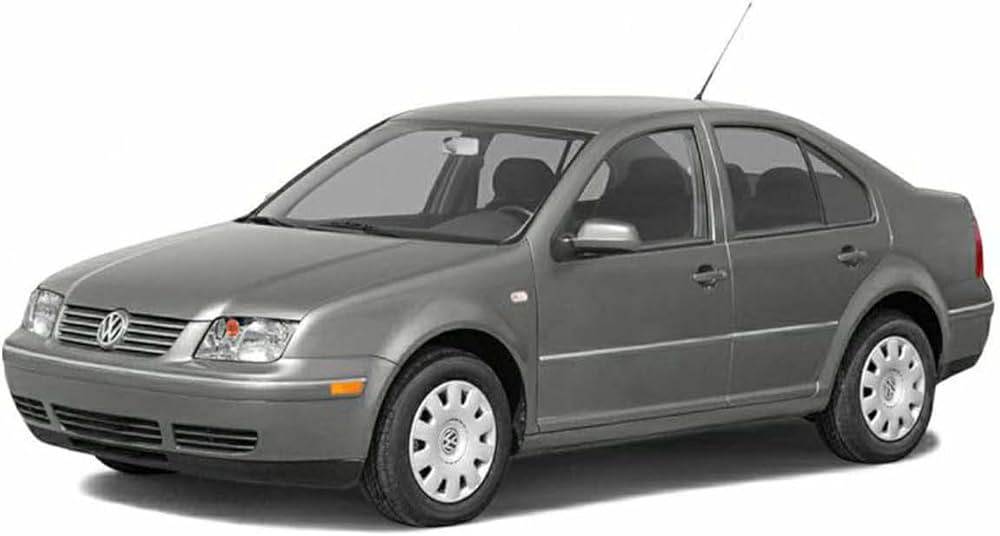
3. Volkswagen Jetta (Mk4, 1999–2005)
The fourth-generation Volkswagen Jetta, produced from 1999 to 2005, brought sophisticated European styling and interior quality to the affordable sedan market. It earned many admirers for its build quality in many respects. However, its hood release cable system represents one of the generation’s significant engineering shortcomings.
The Mk4 Jetta uses a thin plastic-sheathed cable that is particularly vulnerable to damage from heat cycles in the engine bay. Repeated heating and cooling causes the plastic sheath to become brittle over time. A brittle sheath cracks, allowing corrosion to attack the cable strands inside.
The interior pull lever on the Mk4 Jetta is constructed primarily from plastic. The plastic mounting bracket that holds the lever to the dashboard can crack under repeated use. When the bracket breaks, the lever loses its mechanical advantage and pulling it becomes either very difficult or completely ineffective.
Volkswagen used a complex cable routing path on the Mk4 that passes close to several heat sources. Proximity to hot engine components accelerates degradation of both the cable and its plastic sheath. This routing decision reflects a prioritization of packaging efficiency over long-term durability.
Many Mk4 Jetta owners report that hood latch failures occur between 100,000 and 150,000 kilometers. This mileage range corresponds roughly to the vehicle leaving its original warranty period for most buyers. The timing creates maximum financial inconvenience for owners.
When the cable snaps on a Mk4 Jetta, accessing the latch is a moderately involved process. The front bumper provides some access to the latch area with a thin rod or stiff wire. However, the latch release point is not easy to identify without prior knowledge of the mechanism.
Replacement cables for the Mk4 Jetta are readily available and inexpensive. The replacement procedure is straightforward for a competent DIY mechanic. However, many owners choose to pay for professional installation because they lack confidence working in the tight cable routing areas.
Volkswagen enthusiast forums are filled with detailed threads about Mk4 Jetta hood latch failures. The volume and consistency of these reports across different owners and geographies confirms that this is a systemic engineering issue, not random bad luck.
The broader lesson from the Mk4 Jetta is that aesthetic and interior quality excellence does not guarantee mechanical reliability in all areas. A vehicle can feel premium while still harboring specific design vulnerabilities that create real-world frustration for owners.
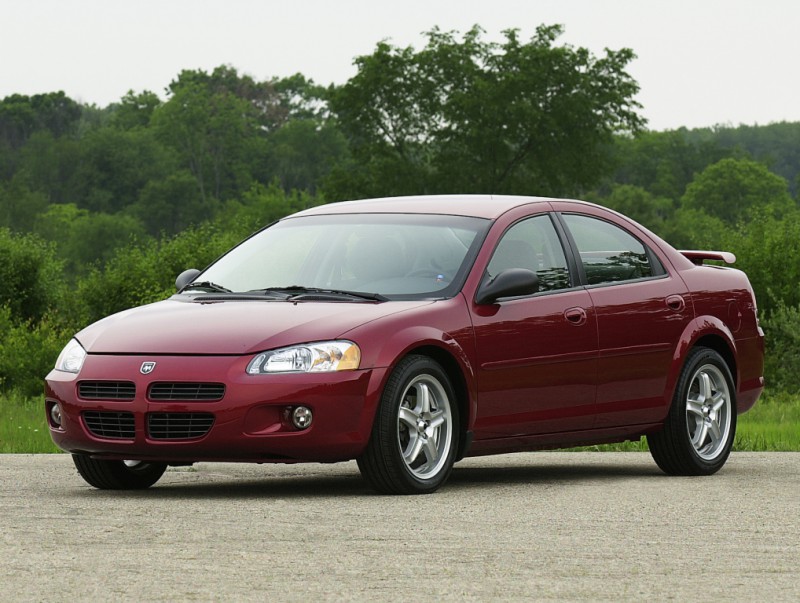
4. Dodge Stratus (2001–2006)
The Dodge Stratus represented Chrysler’s mid-size sedan offering during the early 2000s. It competed in a crowded segment against strong rivals from Toyota, Honda, and Ford. While it offered competitive interior space and reasonable performance, its hood latch cable system became a notable reliability liability.
The Stratus uses an interior hood release lever positioned on the lower left side of the dashboard. The lever itself is of adequate quality. However, the cable it connects to is routed through a path with an unusually sharp bend near the firewall. This sharp bend creates a stress concentration point.
Repeated pulling cycles cause the cable to work-harden at the sharp bend location. Work-hardened metal loses ductility and becomes susceptible to sudden fracture. Many Stratus owners describe the cable snapping with little warning after the lever stiffens for only a short period.
Cold weather dramatically worsens the Stratus hood cable situation. Cable housings contract in cold temperatures, increasing friction on the cable inside. On particularly cold mornings, owners sometimes pull the lever with extra force due to the added resistance. This extra force is often what causes the final fracture.
Chrysler used a notably short cable with minimal slack on the Stratus. Short cables with minimal slack experience higher tension during each pull cycle compared to cables with adequate length. Higher tension directly accelerates fatigue and reduces the total number of cycles before failure.
After cable failure on a Stratus, accessing the latch requires moderate effort. The gap between the hood and the front grille provides just enough room to insert a flat-head screwdriver or stiff wire to manually trip the latch. Most mechanically inclined owners can manage this without professional help.
However, first-time Stratus owners who are unfamiliar with the workaround face genuine difficulty. Without prior knowledge of the manual release trick, they may attempt to pry the hood open using force. Forced opening attempts frequently cause cosmetic damage to the hood or front trim.
Replacement cables are inexpensive and widely available. Many experienced Stratus owners choose to replace the cable on a preventative basis, particularly as the vehicle approaches higher mileage thresholds. This proactive approach saves both money and frustration in the long run.
The Dodge Stratus hood cable issue is a recurring theme in online owner communities. It serves as a reminder that even straightforward mechanical systems require careful attention to detail during the engineering and testing phases of vehicle development.
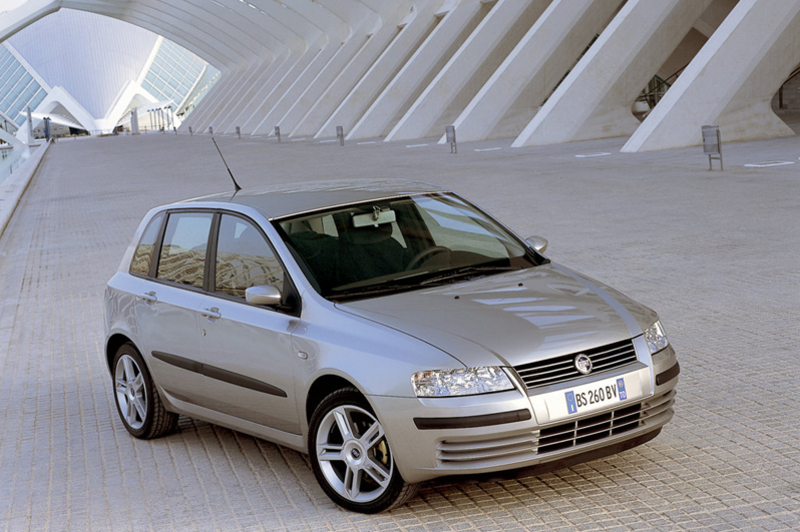
5. Fiat Stilo (2001–2007)
The Fiat Stilo was an ambitious attempt by Fiat to recapture market share in the European compact car segment during the early 2000s. It featured bold styling and a wide range of body styles and engine options. Despite these appealing attributes, the Stilo quickly developed a reputation for electrical and mechanical reliability problems. Its hood latch cable system was among the most criticized.
The Stilo’s hood release cable is among the thinnest used on any European vehicle of its era. Thin cables, as established by other examples in this article, are inherently more vulnerable to fatigue failure. Fiat’s decision to use such a slender cable on the Stilo reflects cost-reduction priorities that compromised long-term reliability.
The cable housing on the Stilo was observed to deteriorate rapidly in wet climates. Fiat’s cable housing material was less resistant to moisture ingress than the specifications used by competitors. Water entry into the cable housing leads to corrosion of internal strands, dramatically shortening the cable’s functional life.
Interior temperatures in the Stilo’s engine bay were observed to be higher than average for a vehicle of its class. Raised underhood temperatures accelerate the degradation of plastic and rubber components throughout the vehicle, including the hood cable housing. The Stilo’s thermal management contributed directly to its high incidence of cable failures.
The interior pull lever on the Stilo is located in a somewhat unusual position near the center-lower dashboard area. This non-standard location causes many drivers to pull at an angle that applies sideways stress on the cable anchor point. Sideways stress at the anchor is a primary cause of premature cable fatigue.
Fiat’s parts supply network for the Stilo was inconsistent in many markets. Obtaining genuine replacement cables proved difficult in some regions. This parts availability problem compounded the frustration of cable failures, forcing owners to wait for components or seek unreliable aftermarket alternatives.
Opening a Stilo hood after cable failure is notoriously challenging. The front bumper design provides very limited access to the latch mechanism from outside the vehicle. Many mechanics unfamiliar with the Stilo require considerable time and effort to achieve manual latch release without causing bodywork damage.
Online Fiat owner forums contain extensive discussions about Stilo hood cable failures dating back to the mid-2000s. The consistency of reports across different countries and climate zones confirms that the problem is attributable to design and materials choices rather than regional environmental factors.
The Fiat Stilo’s cable failures were particularly damaging to the brand’s reputation because they often occurred on relatively young vehicles.
Owners who experienced a stuck hood on a three or four-year-old car lost confidence in the brand rapidly. This contributed to the Stilo’s poor long-term sales performance compared to its initial market reception.
The Stilo remains a cautionary tale about the consequences of prioritizing cost reduction over engineering integrity in critical vehicle systems. A more robust cable specification and better-quality housing material would have cost very little extra per vehicle at the point of manufacture. The savings achieved were vastly outweighed by the reputational and customer satisfaction damage that followed.
Also Read: 8 Pickups With Composite Beds That Never Rust vs 8 With Steel Beds
