
Buying a used luxury sedan is one of the smartest automotive decisions you can make. You get premium comfort, advanced features, and a smooth ride often at a fraction of the original sticker price. However, not every used luxury car is created equal when it comes to long-term reliability. One of the most overlooked and expensive issues in used luxury sedans is air conditioning failure, specifically evaporator leaks.
The evaporator is a critical component of any car’s AC system. It sits deep inside the dashboard and is responsible for cooling the air before it reaches the cabin. When it leaks, refrigerant escapes slowly, the AC loses its cooling power, and repair costs can skyrocket.
In luxury vehicles, accessing the evaporator often requires removing the entire dashboard a labor-intensive job that can cost anywhere from $1,500 to $4,000.
Knowing which used luxury sedans have solid, dependable AC systems can save you thousands of dollars. Equally important is knowing which ones have a notorious history of evaporator problems.
This guide breaks down five used luxury sedans that are celebrated for their reliable air conditioning, and five that are frequently flagged for evaporator leaks and AC headaches. Make an informed choice before you buy.
5 Used Luxury Sedans With Reliable Air Conditioning
These well-built luxury sedans are known for dependable air-conditioning systems that continue delivering strong cooling performance even after years of ownership.
Their high-quality compressors, durable evaporators, and well-sealed refrigerant lines help maintain consistent cabin comfort in hot weather and long-distance driving.
Even in older used examples, these systems are often praised for quick cooling, stable airflow, and fewer major HVAC repair issues, making them excellent choices for buyers who value comfort and long-term reliability.
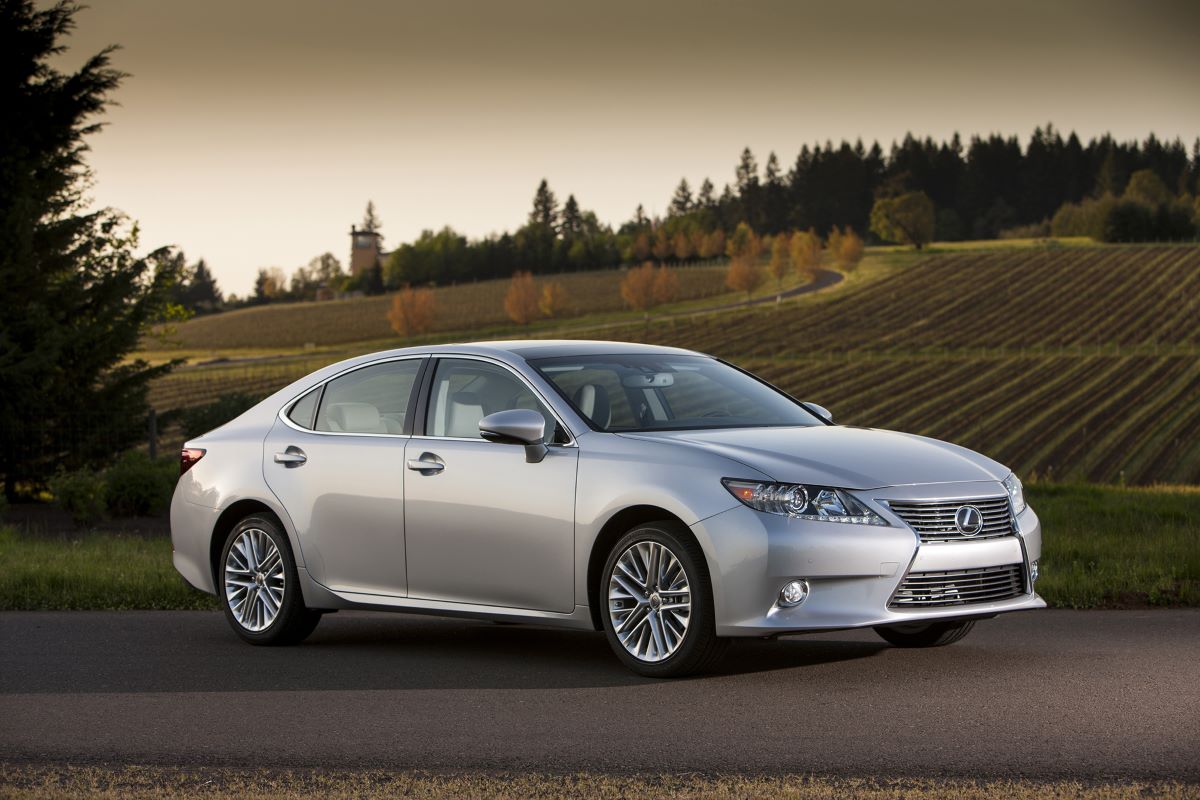
1. Lexus ES 350 (2013–2021)
The Lexus ES 350 has long been regarded as one of the most dependable luxury sedans on the used market. It consistently ranks at the top of reliability surveys conducted by J.D. Power and Consumer Reports.
Toyota’s engineering philosophy which underpins the entire Lexus lineup prioritizes long-term durability over flashy complexity. That philosophy pays off enormously when it comes to the air conditioning system.
The ES 350’s AC setup is notably straightforward compared to European competitors. It uses a well-tested, conventional refrigerant circuit that doesn’t rely on overly complicated electronic valves or dual-zone evaporator assemblies prone to cracking.
The compressor in these models is robust and rarely fails before 150,000 miles without abuse or neglect. Many owners report their AC blowing ice-cold air well past the 100,000-mile mark with nothing more than a refrigerant top-up.
The evaporator in the ES 350 is housed in a well-sealed, moisture-managed casing. Lexus engineers designed the drain system to efficiently evacuate condensation, which is one of the leading causes of evaporator corrosion over time.
This thoughtful drainage design significantly extends the life of the evaporator core. Owners rarely report refrigerant loss or weak cooling due to evaporator failure in this generation.
Cabin air filters are easy to access and replace on the ES 350, which matters more than most buyers realize. A clogged cabin filter restricts airflow across the evaporator, causing it to freeze and thaw repeatedly a cycle that accelerates wear.
Because maintenance is simple on this car, most owners actually keep up with it, which further protects the AC system. Prevention is built into the design.
Dealership service records for ES 350 units frequently show zero AC-related repairs throughout ownership. This is a strong signal when shopping for a used example.
Even privately owned ES 350s with 80,000 to 120,000 miles tend to have fully functional, powerful AC systems. It is one of the safest bets you can make in the used luxury sedan segment for climate control reliability.
If you live in a hot climate like Texas, Florida, or South Asia, the ES 350 is particularly well-suited. The system is calibrated to perform under sustained high-load cooling conditions.
It doesn’t struggle or cycle erratically when temperatures push above 40 degrees Celsius. For used luxury buyers prioritizing AC reliability above all else, the ES 350 is the gold standard.
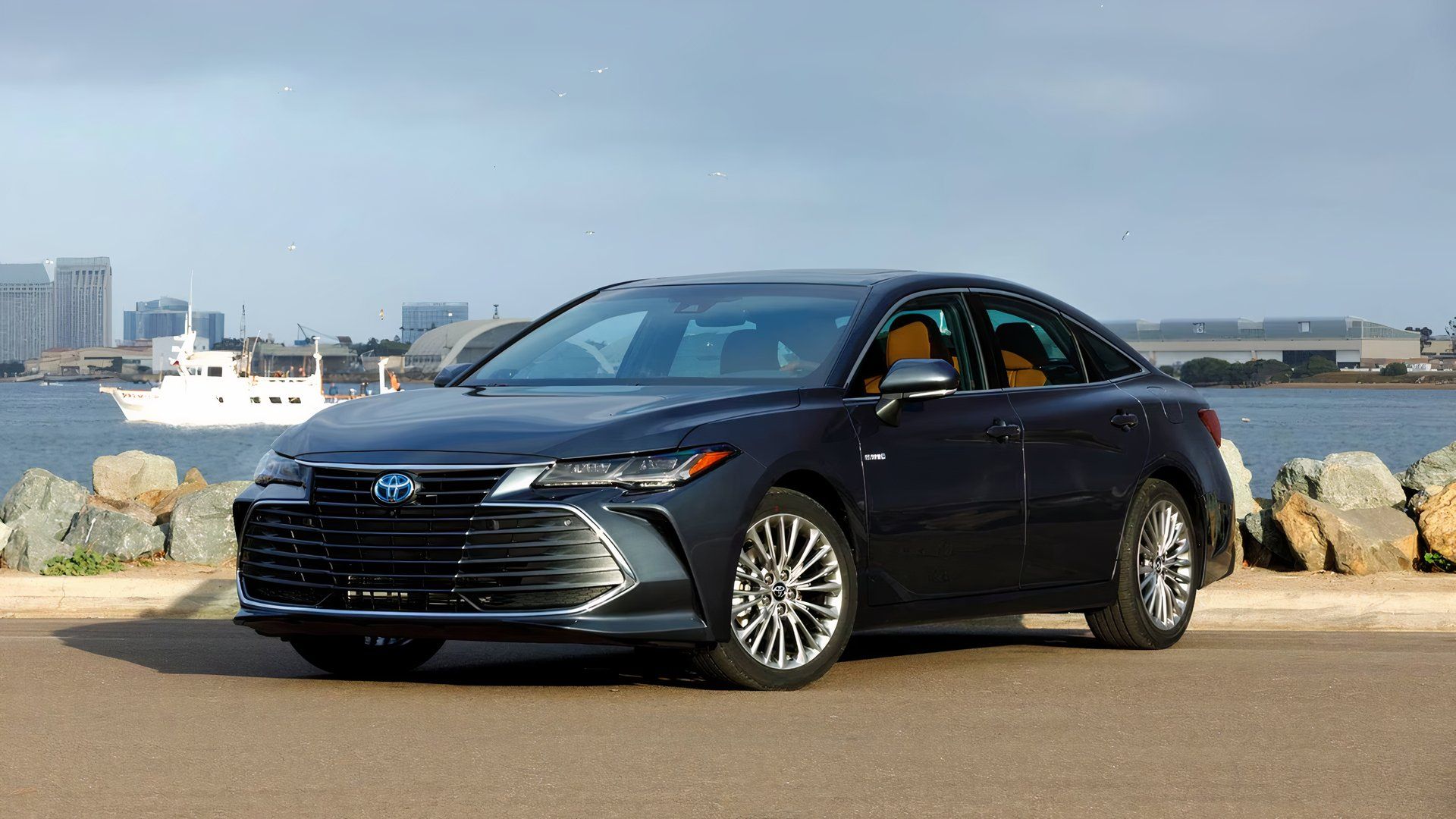
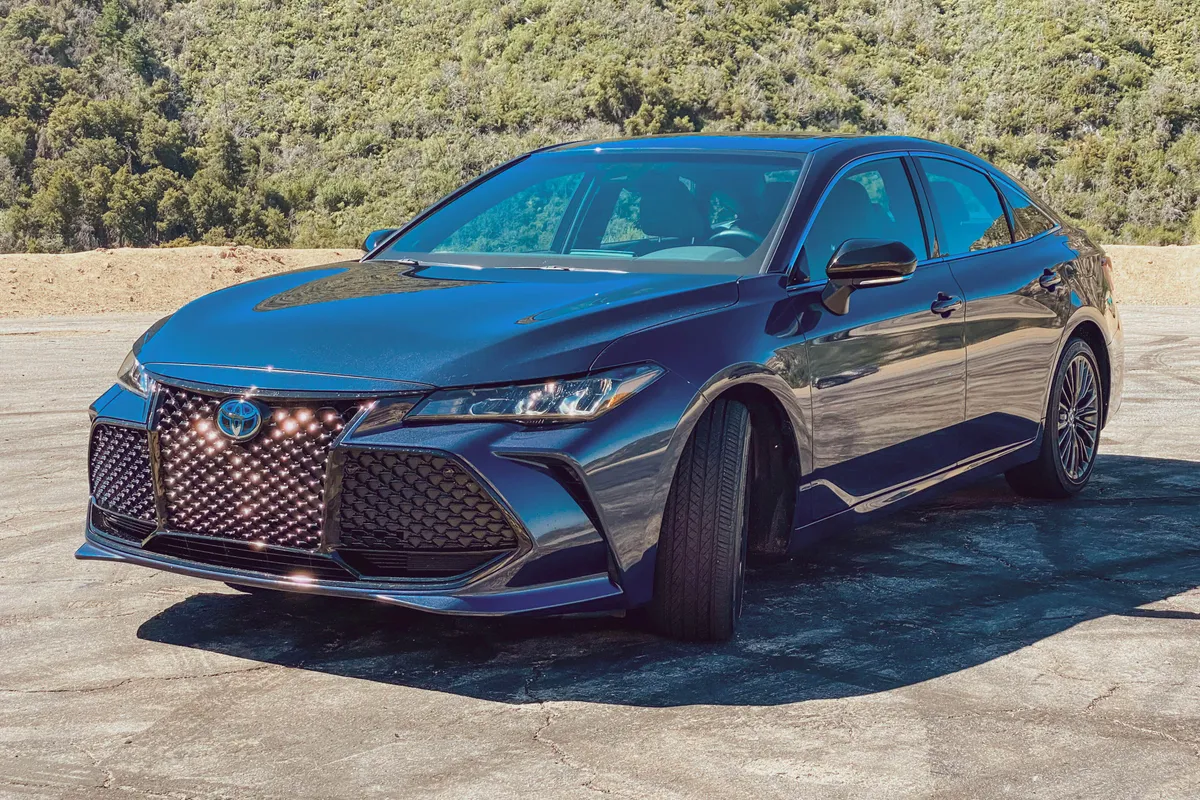
2. Toyota Avalon (2013–2022)
The Toyota Avalon in its upper trim levels particularly the Limited and Touring competes directly with entry-level European luxury sedans.
It offers leather seating, a quiet cabin, premium audio, and a refined V6 powertrain. But what truly sets the Avalon apart in the used market is its mechanical dependability, including an AC system that simply works year after year.
Toyota builds its AC components with conservative engineering tolerances. The Avalon’s evaporator is made from high-quality aluminum alloy and is protected by an efficient condensate drain.
Unlike European sedans that use ultra-thin, tightly packed evaporator fins for maximum cooling efficiency, the Avalon uses a slightly more robust core design. This makes it more resistant to the micro-cracks and corrosion that cause refrigerant leaks in competitors.
The Avalon’s dual-zone climate control system is electronically sophisticated but mechanically conservative. It uses proven actuators and blend door motors that rarely fail before 150,000 miles.
The refrigerant circuit is sealed tightly from the factory, and field reports from independent mechanics confirm that AC-related repairs on Avalons are extremely rare. Most technicians describe the Avalon’s AC as boringly reliable, and that is exactly what used car buyers should want.
Compressor failures are virtually unheard of in Avalons that have received regular maintenance. The compressor is belt-driven and well-integrated with the serpentine drive system.
It engages smoothly and doesn’t exhibit the clutch chatter or delayed engagement that signals impending failure in some luxury brands. When you turn on the AC in a well-maintained Avalon, you get instant, powerful cooling every time.
One underrated advantage of the Avalon is parts availability and repair cost. If something does eventually go wrong with the AC as anything can after many years parts are widely available and inexpensive compared to European luxury brands.
A replacement evaporator for an Avalon costs a fraction of what the same part costs for a Mercedes or BMW. Labor times are also shorter because the dash doesn’t need to be fully removed. This makes the Avalon not just reliable, but also affordable to fix.
For buyers in regions with extreme summer heat, the Avalon’s AC performs exceptionally well under sustained load. It doesn’t lose cooling efficiency on long highway drives or during stop-and-go traffic in peak summer.
The system is calibrated for real-world conditions, not just controlled test environments. The Toyota Avalon remains one of the most practical and trustworthy used luxury sedan choices for climate comfort.
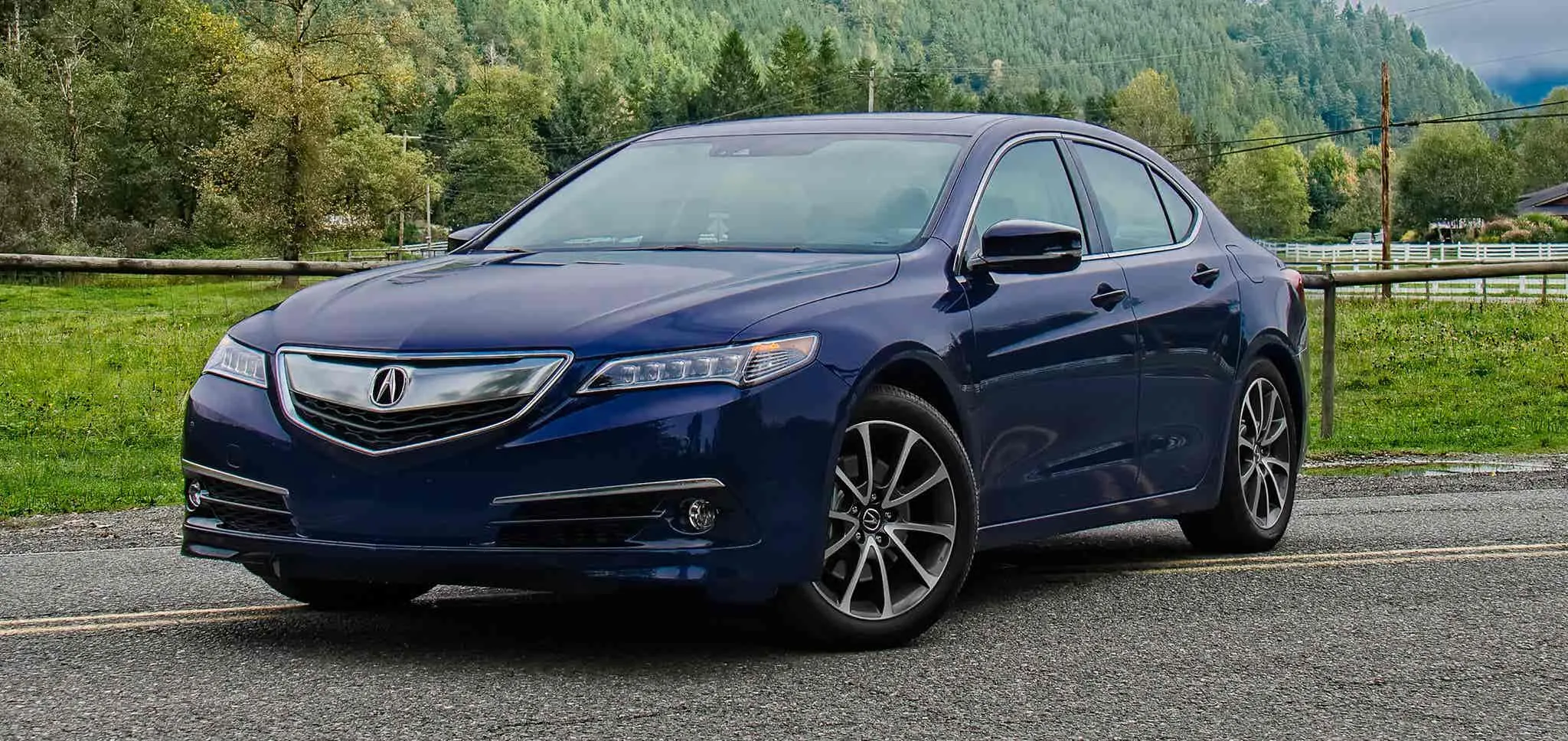
3. Acura TLX / Acura TL (2012–2020)
Honda’s luxury division, Acura, produces vehicles that blend Japanese reliability with genuine premium character. The Acura TL and its successor, the TLX, are consistently praised for their build quality and long-term dependability.
The AC systems in these models benefit directly from Honda’s rigorous engineering standards and have a strong real-world track record. They are a compelling choice for used luxury buyers focused on staying cool.
The evaporator core in the TL and TLX generations is well-positioned within the HVAC box, and Honda uses quality seals throughout the refrigerant circuit.
Unlike some competitors that use rubber O-rings which harden and crack over time, Honda has used improved seal materials that maintain their integrity at higher mileage. This is one of the primary reasons refrigerant retention is so strong in Acura models over the long term.
The dual-zone climate control system in the TLX operates through a reliable electronic interface that rarely develops faults. The temperature actuators and mode door motors are durable and seldom require replacement before 100,000 miles.
When these components do eventually wear, they are accessible and relatively inexpensive compared to European alternatives. The HVAC architecture is designed for longevity, not just showroom performance.
Acura owners frequently report that their AC systems remain effective well into high-mileage ownership. Independent surveys and owner forums are filled with accounts of TLX models at 130,000 or 150,000 miles still blowing cold without any refrigerant service.
This real-world data is the most convincing argument for the platform’s durability. It reflects not just good design, but excellent manufacturing consistency.
The compressor in the TLX is particularly well-regarded. It is a variable displacement unit that modulates its output based on cooling demand, which reduces wear significantly compared to fixed-displacement compressors.
This variable operation also improves fuel efficiency and reduces stress on the drive belt. The result is a compressor that lasts longer and works more efficiently than those found in many European luxury sedans.
From a value perspective, the Acura TLX offers an outstanding combination of luxury, reliability, and reasonable running costs. Used examples with 60,000 to 100,000 miles are widely available at attractive prices.
AC reliability is rarely a concern when buying one of these cars. If you want a premium sedan that keeps you cool without draining your bank account, the Acura TLX deserves serious consideration.
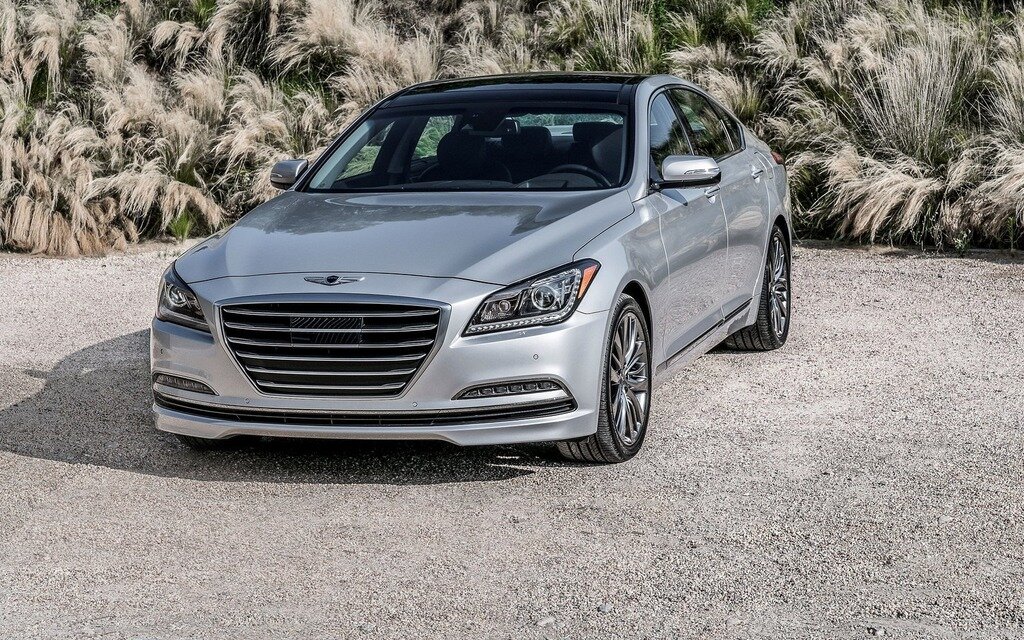
4. Genesis G80 (2017–2021)
The Genesis G80 is South Korea’s answer to the BMW 5 Series and Mercedes E-Class. It launched as a standalone luxury brand in 2017, backed by Hyundai’s substantial engineering investment and a genuine commitment to quality.
Early skepticism has faded as G80 owners have reported impressive reliability across the board. The AC system is one of the G80’s genuine strengths in the used luxury market.
Hyundai-Kia’s thermal management and HVAC engineering has improved dramatically over the past decade. The G80 benefits from a modern, well-sealed refrigerant system with quality components sourced from reputable suppliers.
The evaporator is housed in a robust casing with an efficient drainage design. Corrosion resistance was clearly a priority during development, and it shows in the field reliability data available from independent mechanics.
The G80 features a sophisticated dual-zone or tri-zone climate control system depending on the trim level. Despite its complexity, the electronic control modules are reliable and rarely trigger fault codes related to HVAC operation.
The blend door actuators are durable, and the blower motor is rated for high-cycle longevity. The system functions with the consistency expected from a serious luxury brand.
One of the most compelling aspects of the G80 from an ownership perspective is Hyundai’s warranty legacy. Many used G80s from this era are still covered by remaining powertrain or component warranties.
This coverage often extends to major HVAC components in certain markets. Buying a certified pre-owned G80 can give you additional peace of mind regarding AC system integrity.
The compressor in the G80 is a well-engineered variable displacement unit paired with quality refrigerant lines and fittings.
Independent technicians confirm that refrigerant retention is strong in these vehicles, with very few cases of unexplained AC performance loss reported. The system performs exceptionally well in hot weather conditions and maintains consistent cooling even during extended high-demand operation.
The Genesis G80 represents extraordinary used luxury value. It competes directly with German sedans in terms of features and refinement but comes at a significantly lower ownership cost.
AC reliability is part of that story. For buyers who want European-style luxury with Japanese-inspired dependability at a Korean price point, the G80 is one of the most intelligent used luxury purchases available today.
Also Read: 10 SUVs With Third Row Seating That Adults Can Fit in Comfortably
5. Volvo S90 (2017–2020)
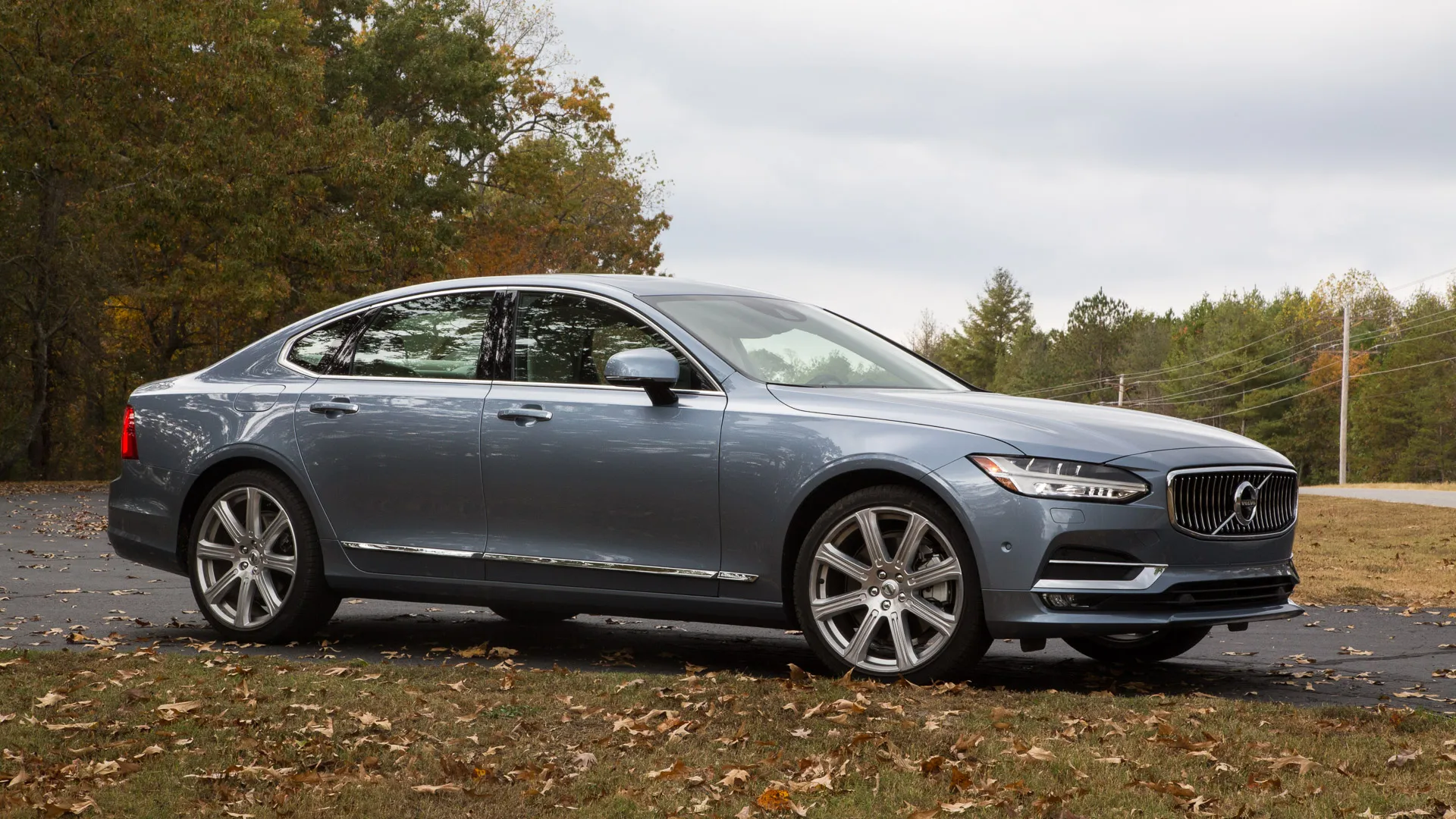
The Volvo S90 is a Scandinavian luxury sedan that combines striking design with genuine engineering substance. It competes with the BMW 5 Series and Audi A6 but brings a different philosophy to luxury motoring one focused on comfort, safety, and long-term quality.
The S90’s air conditioning system is notably well-engineered for its class and has developed a positive reputation among owners and independent mechanics alike.
Volvo uses high-quality HVAC components sourced from established European suppliers. The evaporator in the S90 is made from corrosion-resistant aluminum and is properly sealed throughout the refrigerant circuit.
Unlike some of its German competitors, Volvo has avoided the over-engineering tendencies that lead to complex systems with multiple potential failure points. The S90’s AC architecture is sophisticated but not unnecessarily complicated.
The climate control system in the S90 features Volvo’s clean air technology, which includes an advanced cabin air filtration system. This system actively protects the evaporator from particulate buildup and contamination.
Cleaner air passing through the evaporator means less moisture retention and less biological growth both of which contribute to evaporator corrosion and odor over time. It is a genuine engineering benefit, not just a marketing feature.
Refrigerant retention in the S90 is consistently strong according to workshop data from Volvo specialists. The O-rings and seals used throughout the system are high-quality and maintain their integrity well beyond 100,000 miles under normal conditions.
This means you are unlikely to experience the gradual cooling performance decline that signals a slow refrigerant leak one of the most common and frustrating AC issues in used luxury sedans.
The S90’s HVAC control system is integrated into Volvo’s Sensus infotainment platform, which has had some software reliability criticisms.
However, the underlying mechanical and refrigerant components of the AC system are separate from these software concerns and remain dependable. Climate control continues to function correctly even when infotainment software requires attention. The mechanical backbone of the system is solid.
For buyers seeking a used luxury sedan with European style and genuine AC reliability, the S90 offers a compelling package. It is more affordable on the used market than comparable BMW or Mercedes models.
Running costs are reasonable, and parts availability has improved as the model ages. The S90 is a mature, well-developed luxury sedan that keeps its occupants genuinely comfortable and cool mile after mile.
5 Used Luxury Sedans Prone to Evaporator Leaks
These used luxury sedans are often known for air-conditioning systems vulnerable to evaporator leaks, a costly and frustrating issue that commonly appears with age.
Once the evaporator core begins leaking refrigerant, cooling performance drops significantly, leading to weak AC, warm cabin air, and repeated gas refills that only offer temporary relief.
Repairs can be especially expensive because evaporator replacement often requires dashboard removal, increasing labor costs and making this a major concern for used luxury car buyers.
1. BMW 5 Series (F10 Generation, 2011–2016)
The BMW F10 5 Series is one of the most celebrated luxury sedans of its era. It offers exceptional driving dynamics, a beautifully crafted interior, and a wide range of powerful engines.
Many enthusiasts consider it the definitive executive sedan of the 2010s. However, beneath its impressive surface lies a persistent and well-documented AC problem that has cost thousands of owners significant repair bills evaporator leaks.
The F10 5 Series uses an evaporator core that sits deep within the dashboard assembly. BMW used ultra-thin aluminum fins in this evaporator to maximize cooling efficiency and minimize weight.
While this design delivers excellent performance when new, it is extremely vulnerable to corrosion over time. Road salt, humidity, and normal condensation gradually attack the thin aluminum, causing micro-cracks that allow refrigerant to escape slowly.
Owners typically first notice the problem as a gradual reduction in cooling performance. The AC begins blowing slightly less cold air, then progressively warms until it barely functions at all.
By this stage, refrigerant is nearly depleted. A simple recharge provides temporary relief, but the refrigerant will leak out again within weeks or months. The only permanent solution is replacing the evaporator which requires removing the entire dashboard.

Dashboard removal on the F10 5 Series is a labor-intensive operation that typically requires eight to twelve hours of professional mechanic time. Combined with the cost of the evaporator core itself and refrigerant, total repair costs commonly range from $2,500 to $4,500 at independent shops.
BMW dealership quotes are often even higher. This is a financially painful repair on a car that many buyers purchased expecting lower maintenance costs than they experienced.
The problem is so widespread that it has been discussed extensively in BMW owner forums, specialist Facebook groups, and independent mechanic communities. Multiple class-action discussions have taken place in the United States and Europe.
BMW has acknowledged the issue to varying degrees in different markets, but there has been no formal recall or widespread warranty extension for affected vehicles. Owners have largely been left to absorb the cost themselves.
If you are considering an F10 BMW 5 Series, have the AC system pressure-tested by a specialist before purchase. Ask for the service history to determine whether the evaporator has already been replaced.
Many sellers are aware of the issue and may have already addressed it. A car with a recently replaced evaporator is actually preferable, as the replacement core is typically made from improved materials. Proceed with caution on any F10 with original AC components and high mileage.
2. Mercedes-Benz E-Class (W212 Generation, 2010–2016)
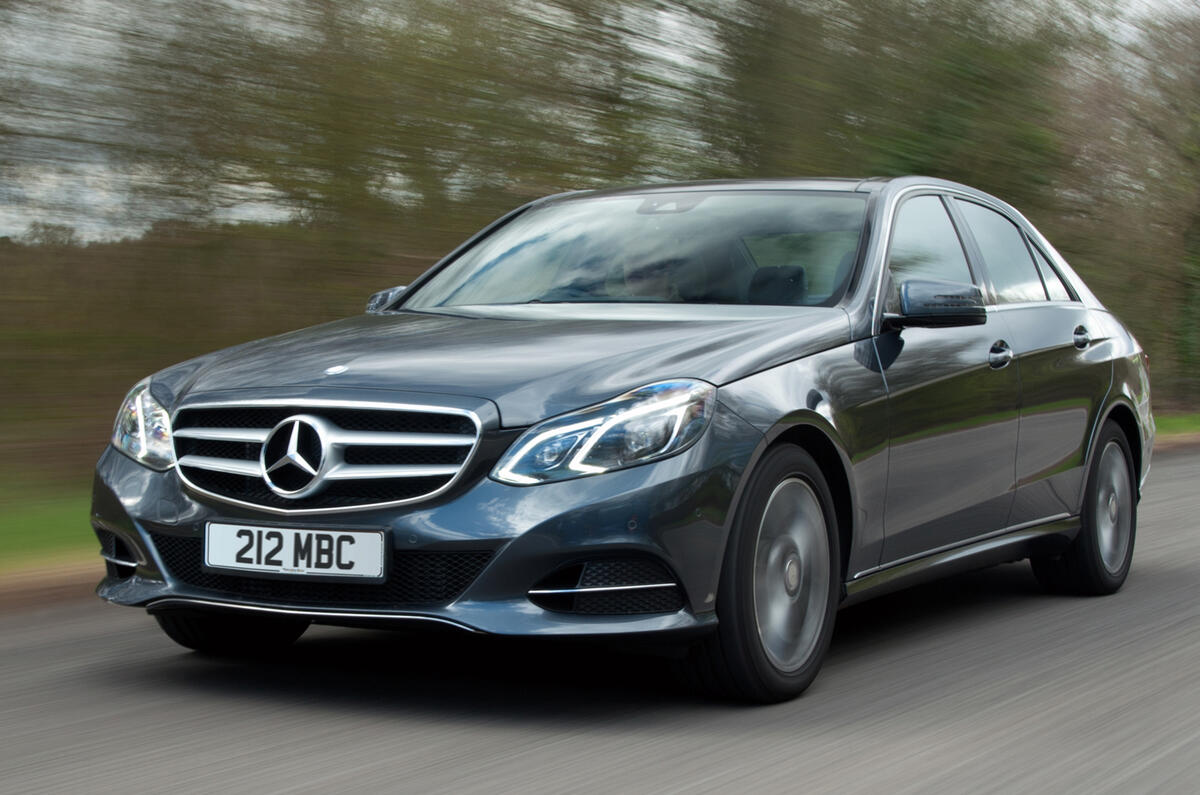
The Mercedes-Benz W212 E-Class is a supremely refined luxury sedan that set benchmarks for interior quality and ride comfort during its production run. It remains a popular choice on the used market, offering genuine S-Class-level comfort at a fraction of the price.
Unfortunately, the W212 carries a serious and recurring vulnerability that used buyers must understand a well-documented pattern of evaporator leaks and AC system failures.
Mercedes-Benz used a complex, multi-zone HVAC system in the W212 that incorporates separate evaporator sections for driver, passenger, and rear climate zones in higher trim levels.
This complexity increases the number of seals, O-rings, and connection points within the refrigerant circuit. Each one of these connections is a potential leak point. As the vehicle ages and thermal cycling accumulates, these seals shrink, harden, and eventually fail.
The evaporator cores in W212 models are known to develop pinhole leaks, particularly in humid climates where condensation activity is high. The refrigerant used R134a or in later models R1234yf slowly escapes through these pinholes.
The initial symptoms are subtle: slightly reduced cooling performance that owners often attribute to normal wear. Over time, the AC performance degrades to the point of complete failure.
Accessing the evaporator in the W212 requires a near-complete dashboard disassembly. Mercedes’ complex instrument cluster, multiple control modules, and extensive wiring harnesses make this job significantly more difficult than on comparable Japanese or Korean vehicles.
Labor times at independent shops typically range from ten to fourteen hours. Total repair costs regularly exceed $3,000 and can approach $5,000 at authorized Mercedes dealerships. It is one of the most expensive AC repairs in the executive sedan segment.
The problem is compounded by the fact that Mercedes’ refrigerant line connections use proprietary O-ring specifications. Generic replacement O-rings may not seal correctly, leading to repeat failures after expensive repairs.
Owners and independent mechanics are strongly advised to use genuine Mercedes or OEM-equivalent seal kits when performing evaporator repairs. Using incorrect parts can turn a $3,500 repair into a recurring problem.
Prospective W212 buyers should request a full AC system pressure test before committing to a purchase. Ask specifically whether the evaporator and refrigerant lines have been inspected for leaks.
Cars with service records showing recent AC work are not necessarily a red flag a properly repaired W212 can provide years of reliable cooling. However, an unserviced W212 with 90,000 miles or more and no AC records should be approached with significant caution and factored into price negotiation.
3. Audi A6 (C7 Generation, 2012–2018)
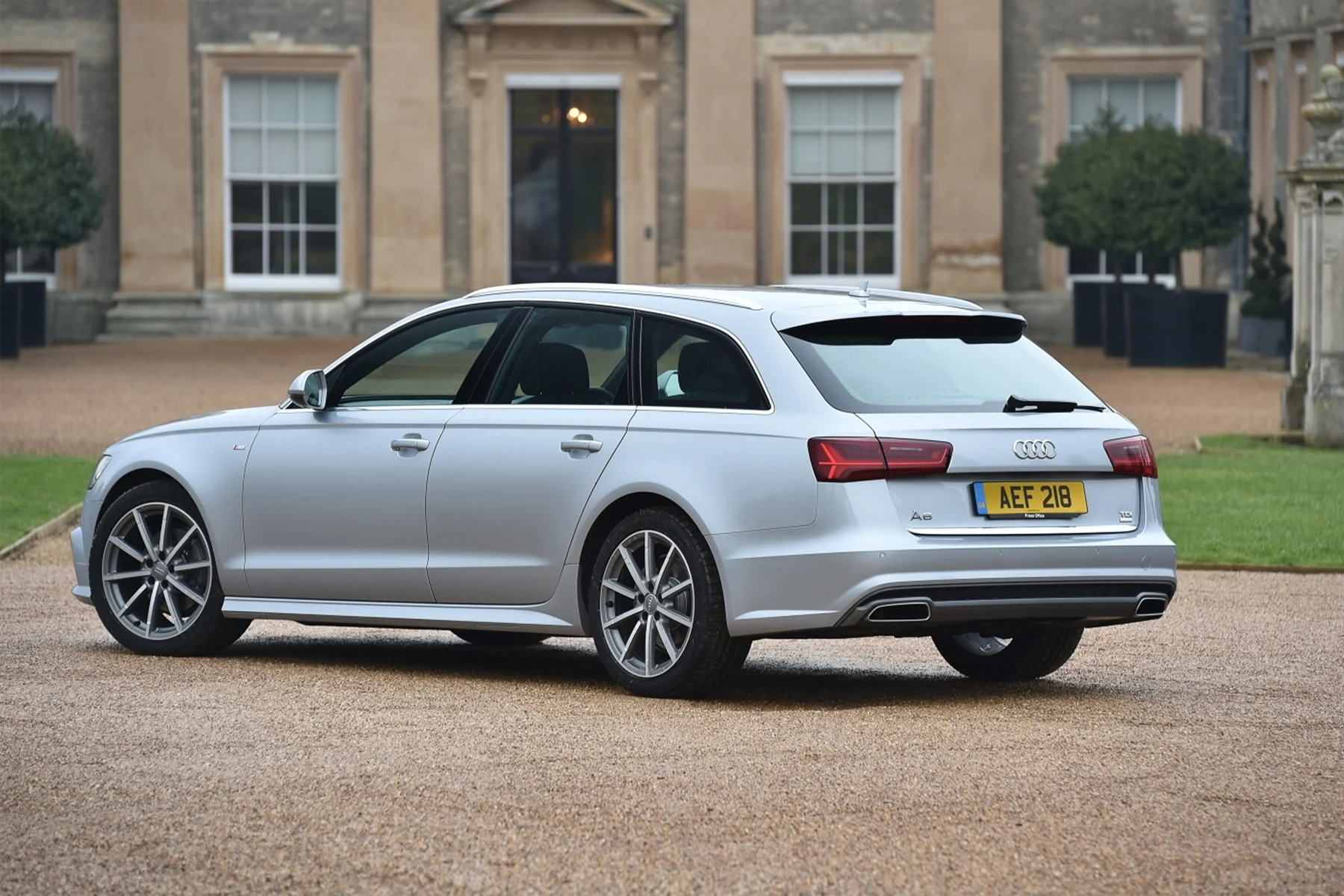
The Audi A6 C7 is a beautifully engineered luxury sedan that impresses with its quattro all-wheel drive, luxurious interior, and refined turbocharged engines. It is widely regarded as one of Audi’s finest efforts and competes directly with the BMW 5 Series and Mercedes E-Class.
On paper, it is an exceptional used luxury purchase. In practice, however, the C7 A6 has a troubling track record of AC evaporator failures that prospective buyers must take seriously.
Audi’s C7 A6 uses an evaporator made from thin-walled aluminum, similar in construction to the problematic cores used in BMW’s F10. The evaporator is integrated into the HVAC box, which sits centrally in the dashboard.
The aluminum fins are vulnerable to formic acid corrosion a phenomenon caused by the breakdown of certain organic compounds in the cabin air. This corrosion gradually eats through the evaporator walls, creating slow refrigerant leaks.
The symptom progression is frustratingly slow and deceptive. The AC may function perfectly for years before the first signs of reduced performance appear.
By the time the owner notices a problem, significant refrigerant has often been lost. Recharging provides temporary relief but does not address the underlying corrosion. Replacement of the evaporator is the only lasting solution, and it is every bit as complicated and expensive in the A6 as in its German rivals.
Audi’s MMI-integrated climate control system adds an additional layer of complexity to diagnosing AC problems. Fault codes related to refrigerant pressure and temperature can be ambiguous, sometimes pointing to sensor or actuator faults rather than the actual evaporator leak.
This diagnostic ambiguity means owners sometimes spend money chasing false leads before the evaporator is correctly identified as the source of the problem. It is a frustrating and costly diagnostic experience.
The labor involved in replacing the A6 C7’s evaporator is substantial. The entire dashboard must be removed, including the MMI display, instrument cluster, HVAC control panel, and associated wiring.
Independent shops typically quote ten to sixteen hours of labor for this job. With parts and refrigerant, total repair costs commonly fall between $2,800 and $4,500. Audi dealerships are generally even more expensive, and the job is not one that even competent DIY mechanics typically attempt.
Buyers interested in the C7 A6 should commission a thorough pre-purchase inspection that includes an AC system evacuation and pressure hold test. This test will reveal whether the system holds refrigerant correctly or leaks under pressure.
Cars that fail this test should have the evaporator replacement factored into the purchase price. Given the scale of the repair, negotiating a significant discount is entirely reasonable. The A6 C7 is a wonderful car, but its AC vulnerability is a real and expensive concern.
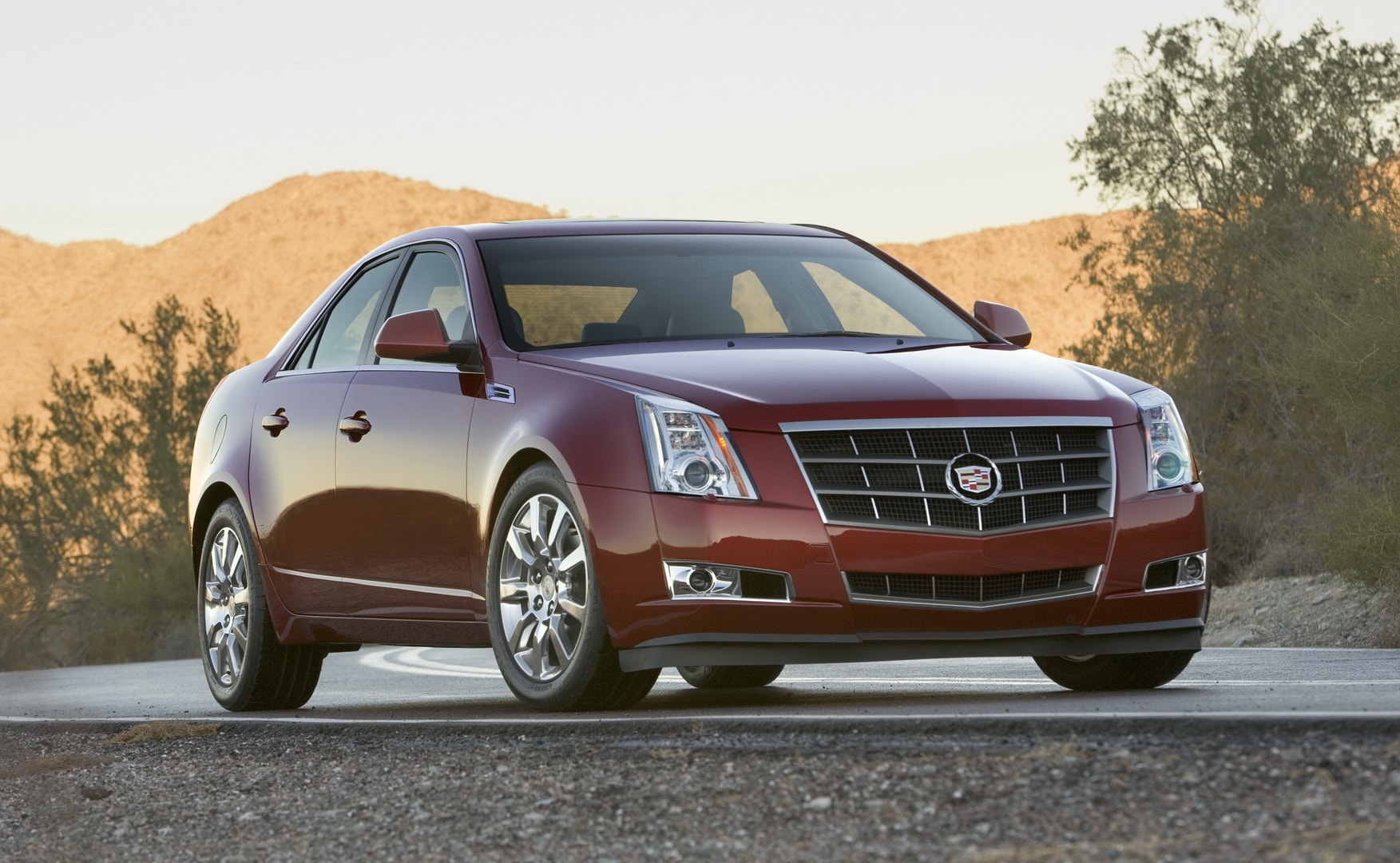
4. Cadillac CTS (2nd & 3rd Generation, 2008–2019)
The Cadillac CTS is America’s finest attempt at a genuine sports luxury sedan. It offers rear-wheel drive dynamics, a powerful range of engines including the legendary V-Series variants, and a surprisingly high-quality interior for an American luxury car. It competes respectably with its German rivals on driving feel.
Unfortunately, the CTS has a documented weakness in its air conditioning system that has generated significant frustration among owners and mechanics.
General Motors’ HVAC engineering during the CTS production run used evaporator cores that are susceptible to refrigerant leaks, particularly in the 2008 through 2014 model years.
The evaporator sits in the typical deeply recessed dashboard location, and the core material used in earlier examples is not as corrosion-resistant as GM’s later improvements. Refrigerant loss through evaporator leaks has been reported frequently enough to constitute a recognized pattern among CTS-specialist mechanics.
The problem is particularly common in geographic regions with high humidity or significant road salt use. Condensation collects on the evaporator fins, and when combined with road contaminants that enter through the HVAC intake, it creates an environment where corrosion accelerates.
The thin-walled cores in affected CTS models deteriorate faster than expected, and refrigerant begins escaping through pinhole corrosion damage. The first owner symptom is typically weak cooling on hot days.
Diagnosing the leak in a CTS can be complicated by the depth of the evaporator’s location. Standard UV dye leak testing requires refrigerant in the system to circulate the dye effectively, which may not work well in severely depleted systems.
Nitrogen pressure testing of the isolated HVAC system is a more reliable diagnostic approach. Finding a mechanic familiar with CTS-specific AC diagnostics is important to avoid misdiagnosis and unnecessary parts replacement.
Evaporator replacement on the CTS requires significant dashboard disassembly, though it is somewhat less complex than comparable operations on German sedans. Experienced independent mechanics familiar with the CTS can complete the job in seven to ten hours.
Total repair costs typically range from $1,800 to $3,200 painful but slightly less catastrophic than comparable repairs on European competitors. GM parts pricing is also generally more reasonable than Audi, BMW, or Mercedes components.
Used CTS buyers should pay particular attention to AC performance during the test drive. Turn the system to maximum cooling and check for ice-cold output from all vents.
Ask the seller directly whether the AC has ever been recharged, and how recently. A system that required recharging within the past year or two is a potential indicator of an active evaporator leak. Get the system pressure tested independently before finalizing any purchase.
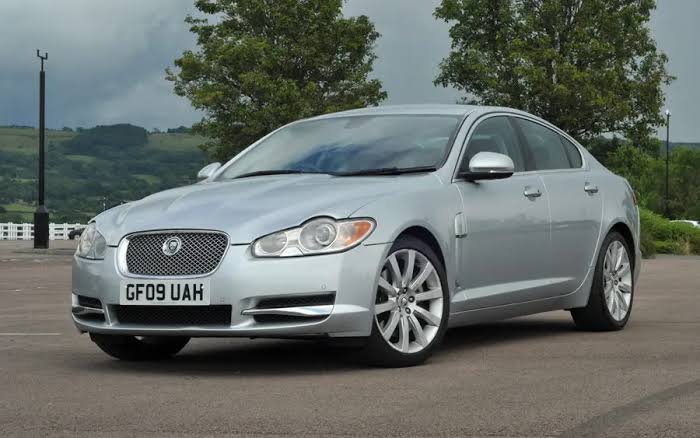
5. Jaguar XF (X250 Generation, 2008–2015)
The Jaguar XF is one of the most visually striking and emotionally satisfying used luxury sedans available. It introduced modern Jaguar design language and revitalized the brand’s image when it launched in 2008. Inside, it offers genuine luxury with a uniquely dramatic feel.
The AC vents rotate on startup, the gear selector rises from the console it is genuinely theatrical. It is also, unfortunately, one of the most problematic used luxury sedans when it comes to air conditioning reliability.
The X250 XF has a well-documented and serious pattern of evaporator leaks and AC system failures. Jaguar used aluminum evaporator cores that are vulnerable to corrosion, particularly in the UK, North American, and Middle Eastern markets where the car sold in large numbers.
The evaporator sits in a position that makes it susceptible to moisture accumulation, and the condensate drainage system in some builds has been criticized for inadequate evacuation capacity. Standing moisture accelerates corrosion dramatically.
The refrigerant circuit in the XF also uses a number of O-ring connections that degrade over time. These connections are found throughout the system at the compressor, the condenser, and the expansion valve and any one of them can develop a slow leak.
When multiple connections begin leaking simultaneously, as they often do in high-mileage examples, the refrigerant loss is rapid and complete cooling failure follows quickly. The systemic nature of the problem makes it particularly expensive to address comprehensively.
Jaguar’s electronic climate control system adds diagnostic complexity to an already difficult situation. The XF’s CAN bus architecture means that refrigerant pressure faults can sometimes be masked by other system faults, or misread by generic OBD-II scanners.
Proper diagnosis requires Jaguar-specific diagnostic equipment, which means independent mechanics without the right software tools may struggle to pinpoint the exact failure source. This increases diagnostic costs and the risk of incorrect repairs.
Evaporator replacement on the X250 XF is among the most labor-intensive in the used luxury segment. The dashboard design, while beautiful from the driver’s seat, was not engineered with service accessibility in mind.
Full dashboard removal is required, and the complexity of the XF’s electronic systems means that recalibration procedures are necessary after the repair. Total repair costs at reputable independent Jaguar specialists commonly fall between $3,000 and $5,500. Jaguar dealership quotes are often higher still.
The Jaguar XF X250 is a car best purchased with eyes wide open. It is genuinely wonderful to drive and to be seen in. It offers character and style that Japanese or Korean alternatives simply cannot match.
But its AC reliability is poor, and ownership costs can be substantial. If you decide to pursue one, insist on a pre-purchase inspection by a Jaguar specialist, commission a full AC pressure test, and budget conservatively for potential evaporator work. Go in prepared, and the XF can be a rewarding experience. Go in blind, and it can be a very expensive lesson.
Also Read: 12 Diesel Trucks Known for Holding Their Resale Value for Two Decades
