
Every time you step into a car dealership or browse an automotive website, the EPA fuel economy rating stares back at you from the window sticker. It promises a specific number, a combined city and highway figure that is supposed to tell you exactly how efficient your new vehicle will be. But the truth, as millions of American drivers discover each year, is far more complicated than those neatly printed numbers suggest.
Fuel economy ratings estimate how efficiently a vehicle uses fuel, and they appear on every new car’s window sticker. But although EPA ratings help level the playing field, actual fuel economy can vary for every driver. The gap between the sticker and the street is not always a scandal or a deception. It is the natural result of testing vehicles in controlled laboratory conditions and then handing them over to real people with real habits, real weather, and real roads.
AAA research found that 81.8 percent of drivers reported getting better fuel economy than the EPA estimates, while 16 percent reported their fuel economy was lower than the EPA ratings. That statistic alone should reshape how you think about the window sticker. For every driver complaining that their car underperforms, there are many more quietly exceeding what was promised.
There are so many variables involved that the idea of an absolutely accurate rating of average mpg is nearly impossible to achieve. Factors like air-conditioner use, vehicle size, and the region in which the vehicle is primarily operated can each reduce fuel efficiency significantly.
In 2026, several vehicles stand out clearly on both ends of this spectrum. Some models are quietly delivering more miles per gallon than their badges suggest, surprising their owners at the pump in the best possible way. Others are falling frustratingly short of what was advertised. Here is an honest, data-backed look at five vehicles beating their EPA ratings and five that consistently fall behind.
5 Cars With Fuel Economy Better Than Advertised in 2026
These vehicles are known for delivering real-world fuel economy that often exceeds expectations, especially in city driving and steady cruising conditions. Efficient hybrids like the Toyota Prius and similar compact models tend to outperform estimates due to regenerative braking and optimized power delivery.
Lightweight design, smooth transmissions, and well-tuned engines help these cars achieve higher-than-expected mpg when driven carefully, making them ideal for daily commuters and long-distance drivers looking to save on fuel costs.
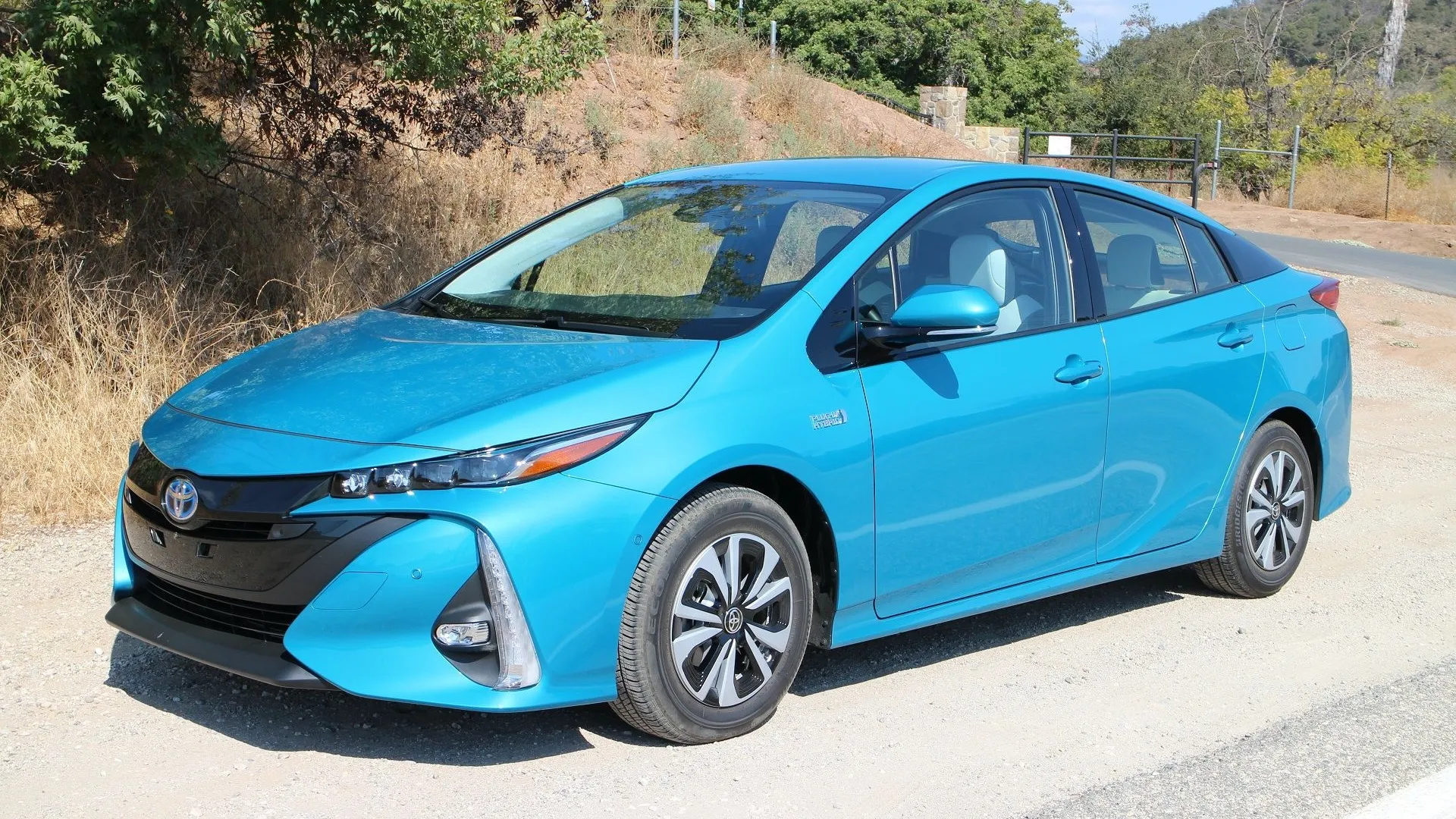
1. 2026 Toyota Prius
The Toyota Prius has held the title of most fuel-efficient non-plug-in hybrid in America for years. In 2026, it continues to reign at the top of the efficiency charts. But what makes it truly special is how consistently it exceeds the already impressive numbers printed on its sticker.
The 2026 Prius LE boasts best-in-segment fuel economy at up to an EPA-estimated 57 combined mpg with Front-Wheel Drive. That number alone would be enough to satisfy most efficiency-conscious buyers. Yet real-world testing repeatedly shows the Prius delivering numbers that match or beat what the EPA certified in its laboratory setting.
On Edmunds’ real-world testing route, they observed 52.3 mpg in the Limited FWD trim, hitting the EPA-estimated 52 mpg combined number for that trim nearly on the nose. That kind of precision is rare in the automotive world. Most vehicles fall short of their lab numbers in real driving; the Prius essentially refuses to disappoint.
Veteran Prius owners have long known that the car has a hidden talent for rewarding patient drivers. When you drive smoothly in city traffic, the regenerative braking system harvests energy that would otherwise be wasted as heat. The car’s hybrid logic is extraordinarily well-tuned after decades of refinement. Toyota has had more time to perfect this technology than any other automaker, and the results speak for themselves.
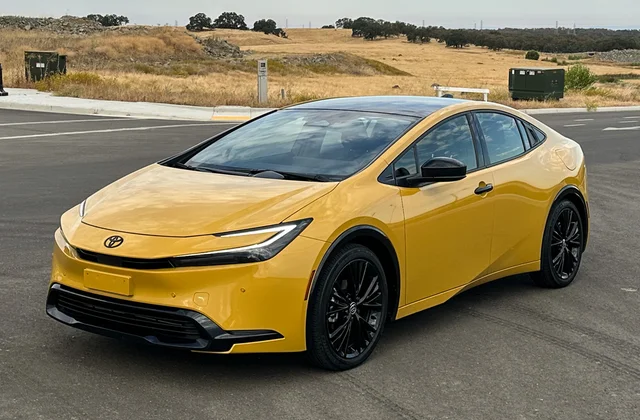
In real-world driving, the Toyota Prius typically delivers between 50 to 60 mpg, depending on driving style, weather, and terrain. Many drivers report achieving even better mileage in city traffic due to regenerative braking and efficient hybrid tuning. That is a remarkable statement for a car already rated in the high 50s. It means that careful city drivers can actually push past the EPA’s own estimates.
The key to the Prius overperforming lies in where you drive it most. The EPA test cycle uses a weighted blend of 55 percent city and 45 percent highway driving. The Prius hybrid system is tuned to shine particularly brightly in stop-and-go conditions. The electric motor handles low-speed movement with zero gasoline consumption. Every time you brake gently, energy flows back into the battery instead of evaporating as heat.
It is worth noting that wheel size makes more of a difference in fuel economy than the number of driven wheels for the Prius. The front-wheel-drive entry-level Prius LE on 16-inch wheels is the efficiency champion, while the XLE, Nightshade, and Limited trims on 18-inch wheels can only manage 52 mpg because larger wheels and tires weigh more and take more energy to spin.
The Prius overachieves not by magic but by engineering discipline and decades of real-world refinement. If you buy the base LE trim, keep tire pressures correct, drive with a light foot, and live in a moderate climate, you may find yourself genuinely shocked at how rarely you visit the gas station. Toyota built a car that genuinely lives up to and frequently surpasses everything it promises.
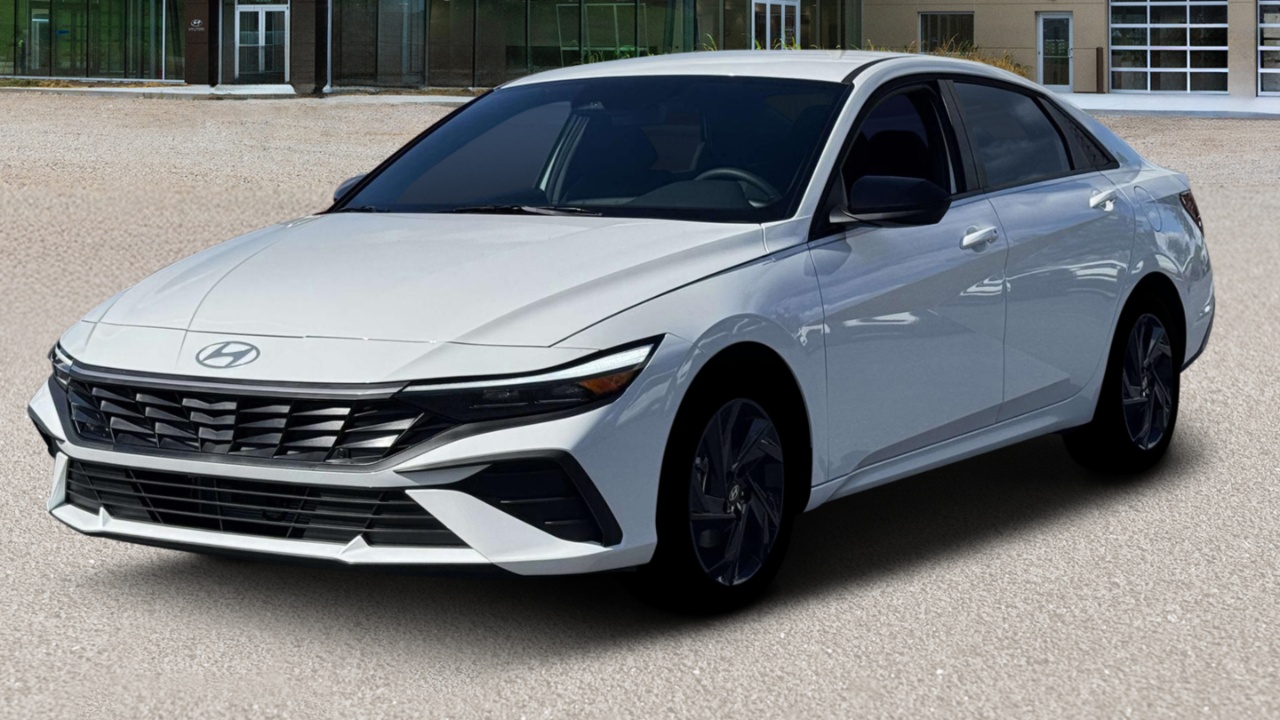
2. 2026 Hyundai Elantra Hybrid
The 2026 Hyundai Elantra Hybrid is not the flashiest car in any showroom. It does not turn heads at traffic lights or inspire awe with aggressive styling. What it does instead is something far more useful for everyday life: it reliably delivers more miles per gallon than its own EPA rating, and it does so with surprising consistency across a wide range of driving conditions.
The Hyundai Elantra Hybrid is rated for 54 MPG combined in base Blue trim, with every other model rated at 50 MPG combined. Those numbers are excellent on paper. In real-world conditions, they become genuinely extraordinary.
During a rigorous 200-mile fuel economy loop conducted by Cars.com testers in the greater Chicago area, the Elantra Hybrid produced results that left reviewers impressed. At the end of the drive, the Elantra’s trip computer showed 60.2 mpg while pump-based calculations returned 55.9 mpg, which were 20 and 12 percent higher, respectively, than the Elantra Hybrid’s 50 mpg combined rating. Those are not marginal gains. Those are the kind of numbers that fundamentally change the ownership experience.
The Elantra Hybrid uses Hyundai’s proven 1.6-liter engine paired with an electric motor. Unlike Toyota’s CVT-based hybrid system, the Elantra Hybrid features a 6-speed dual-clutch transmission, which makes it seem more responsive than a normal CVT-based hybrid while keeping fuel consumption low. The dual-clutch setup provides more direct, engaging power delivery without sacrificing efficiency.
One of the key reasons the Elantra Hybrid overachieves is its relatively light weight. Hyundai engineers designed the car with fuel economy as the primary objective. The aerodynamics are carefully tuned to reduce drag at highway speeds. The powertrain calibration prioritizes electric motor usage whenever possible, especially in light-throttle urban situations.
The Elantra actually beats the Toyota Prius on the highway by two miles per gallon, making it the top choice for anyone whose commute is mostly interstate miles. That is a remarkable fact that many buyers overlook. The Prius gets the headlines, but the Elantra quietly wins the highway fuel economy battle.
The Blue base trim is particularly impressive in this regard. Its combination of smaller 15-inch wheels and lightweight construction gives it an efficiency advantage over the higher trims. Buyers who choose the base trim and drive with measured, smooth inputs can regularly see their real-world numbers exceed even the optimistic EPA estimates. In a market full of vehicles that disappoint at the pump, the Elantra Hybrid stands out as one that genuinely delivers on its promises and then goes further.
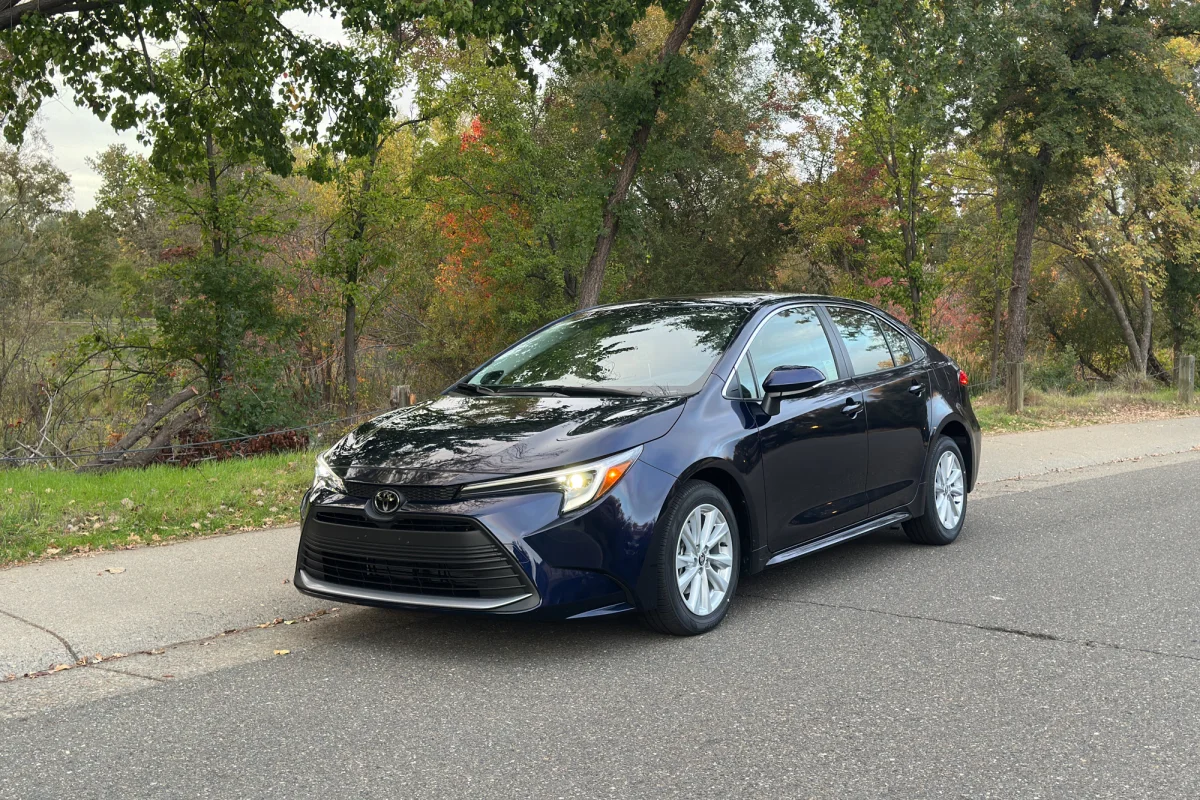
3. 2026 Toyota Corolla Hybrid
Toyota made a clear statement when it made the hybrid powertrain standard across the 2026 Camry lineup. But for buyers who want even lower prices without surrendering efficiency, the Toyota Corolla Hybrid is arguably the most compelling value proposition in the American market today. And it has a remarkable habit of exceeding its own already impressive EPA ratings.
The Toyota Corolla Hybrid tops out at 50 mpg combined per EPA estimates, making it the most affordable efficient car available. At a starting price of just over $25,000, this positions the Corolla Hybrid as the entry point to serious fuel economy for budget-conscious buyers.
Real-world testing backs up the efficiency claims convincingly. During independent real-world testing across varied city and highway routes, testers averaged about 51 MPG, actually exceeding the car’s EPA combined rating of 50 MPG. That one mpg gap above the EPA figure may seem small, but it represents a car that does what it promises and then some.
The Corolla Hybrid uses a 1.8-liter four-cylinder engine paired with an electric motor. The system uses an electronically controlled CVT, which keeps the engine in its most efficient range rather than constantly shifting ratios, and that is a big reason why it can consistently reach around 50 MPG combined in real-world conditions. The CVT’s smooth, stepless operation is ideally suited to maximizing hybrid efficiency.
The car’s real strength emerges in city and suburban environments. The regenerative braking system is well-calibrated for typical commute patterns. Every time you slow for a light or ease off the throttle on a downhill stretch, the car is banking energy for the next acceleration. Unlike many vehicles that only recoup energy during hard braking, the Corolla Hybrid harvests electricity during gentle, normal deceleration too.
In the real world, one tester noted a 45.4 mpg indicator on the trip odometer, while another editor saw 47 mpg in combined driving. These are numbers that are still very good and better than what editors have seen in the Civic Hybrid. Those results come from XSE and SE trims with less favorable wheel configurations. Base LE and XLE trims on smaller wheels consistently perform even better.
The Corolla Hybrid is the kind of car that rewards patient, routine-oriented drivers. It does not deliver excitement. It does not inspire passion. What it reliably delivers is more miles per gallon than you paid for, excellent long-term reliability, and one of the lowest total ownership costs of any new vehicle in America today. For a generation of buyers facing rising fuel prices, that combination is more than enough.
4. 2026 Toyota Camry Hybrid
When Toyota made the bold decision to offer the Camry exclusively as a hybrid starting with the 2025 model year, skeptics wondered whether buyers would accept the change. The 2026 Camry answers all doubters with authority. Not only does it deliver exceptional EPA-rated fuel economy for a mid-size sedan, but it also has a well-documented tendency to exceed its own sticker numbers in real-world city driving.
The 2026 Toyota Camry’s EPA-estimated fuel economy is as high as 51 mpg combined with FWD, and even with all-wheel drive the Camry returns up to 50 mpg. These numbers rival compact hybrids, which makes the Camry’s spacious interior and powerful 225-horsepower output feel almost miraculous.
The 2026 Camry offers an estimated 52 mpg in the city, which is higher than its competitors in stop-and-go driving. City driving is where Toyota’s fifth-generation hybrid system truly excels. The electric motor carries the car through slow traffic, idling, and low-speed situations without burning a drop of gasoline. The regenerative braking system captures deceleration energy with excellent efficiency.
At sustained highway speeds of 70 to 75 mph, most drivers find that real-world figures are closer to 46 to 48 mpg for all trims, which remains an excellent number for a midsize sedan. Even on the highway, where hybrids typically lose some of their efficiency advantage, the Camry holds remarkably close to its EPA estimates. That consistency across driving conditions is a hallmark of Toyota’s refined hybrid engineering.
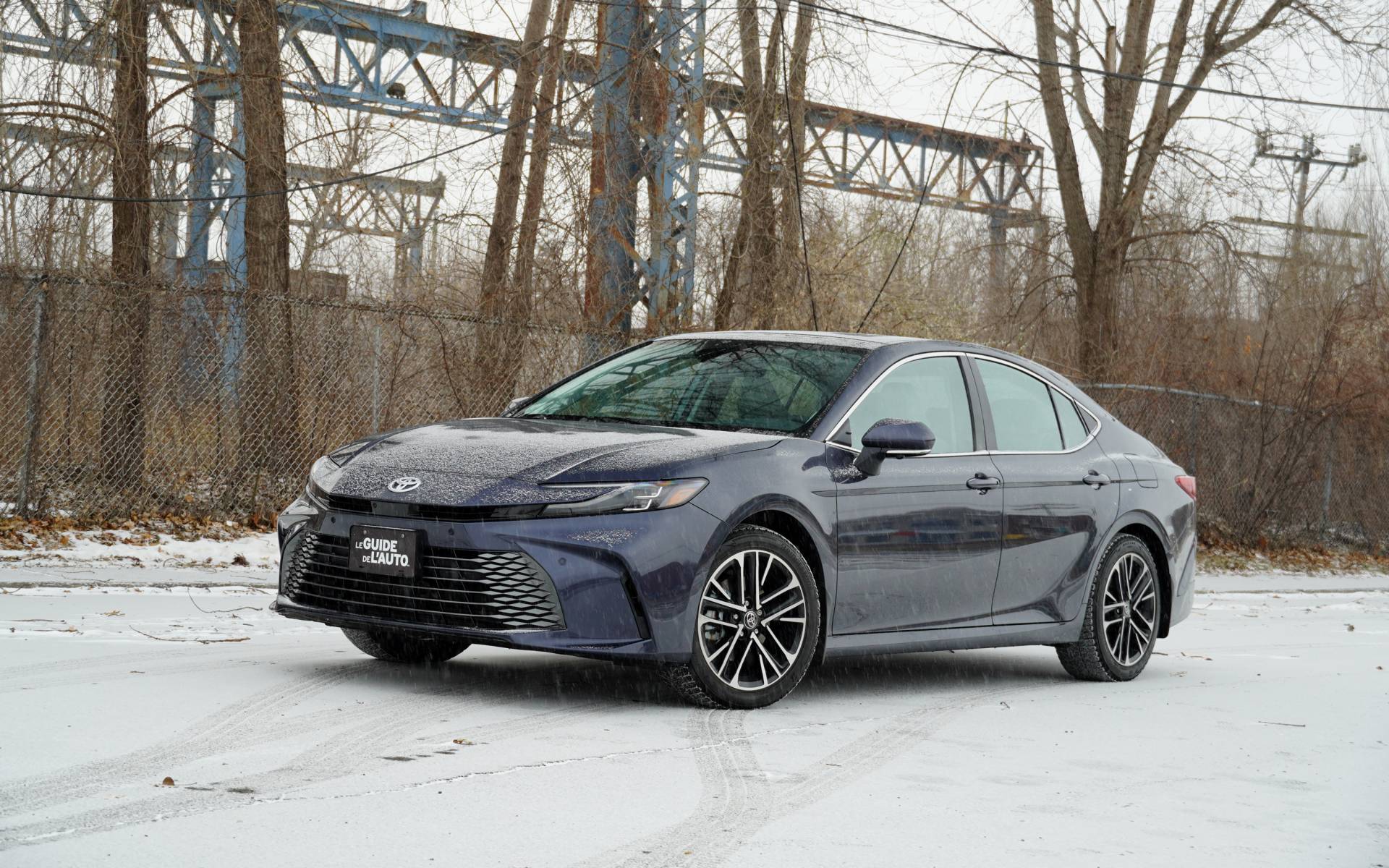
The base LE trim deserves special attention for buyers prioritizing pure efficiency. Despite the Camry’s large size, it delivers 51 MPG in mixed driving, but only the base front-wheel-drive LE with 16-inch wheels hits that 51 MPG mark.
The rest of the range, fitted with 18-inch or 19-inch wheels, delivers less. Wheel size has a disproportionate impact on hybrid efficiency. The smaller, lighter wheels reduce rolling resistance and rotational mass, letting the hybrid system operate more efficiently.
For buyers who drive significant portions of their commute in city and suburban conditions, the Camry Hybrid can actually exceed its combined rating on a regular basis. The car’s hybrid logic is smart enough to prefer electric operation whenever the battery allows.
Smooth acceleration habits amplify this effect dramatically. Toyota designed the Camry to reward its drivers with lower fuel costs, and in 2026, the car is making good on that promise every day across millions of driveways in America.
Also Read: 10 SUVs Where The Rear Hatch Opens High Enough For Tall People
5. 2026 Jeep Compass
The Jeep brand is not typically associated with fuel economy leadership. Its most famous vehicles are the Wrangler and Grand Cherokee, both of which prioritize capability over frugality. But tucked quietly into the 2026 Jeep lineup is the Compass, a compact crossover that has been consistently surprising drivers by beating its own EPA estimates in real-world testing.
The EPA rates the Compass at 23 mpg city and 31 mpg highway with a combined 26 mpg. However, when Car and Driver conducted its real-world 75 mph highway test, the Compass delivered an incredible 35 mpg, beating the EPA estimate by 4 mpg. A four-mpg real-world advantage over EPA estimates is a genuinely significant margin. That is not a rounding error or a fluke that represents a car that consistently outperforms its official numbers.
The Compass achieves this partly through its aerodynamic design and partly because of how the powertrain behaves at sustained highway speeds. The EPA highway test uses an average speed of 48 mph, which is slower than most real-world highway driving. The Compass is particularly well-suited to steady-speed cruising, which means that real highway driving at legal speed limits can actually produce better results than the test cycle predicts.
At a starting price of $29,355, the 2026 Jeep Compass positions itself as an affordable compact SUV with genuine Jeep styling cues and modest off-road capability. The combination of real-world highway efficiency that exceeds the sticker and a price point that fits a wide range of budgets makes it a compelling option for commuters who occasionally want to take the road less traveled.
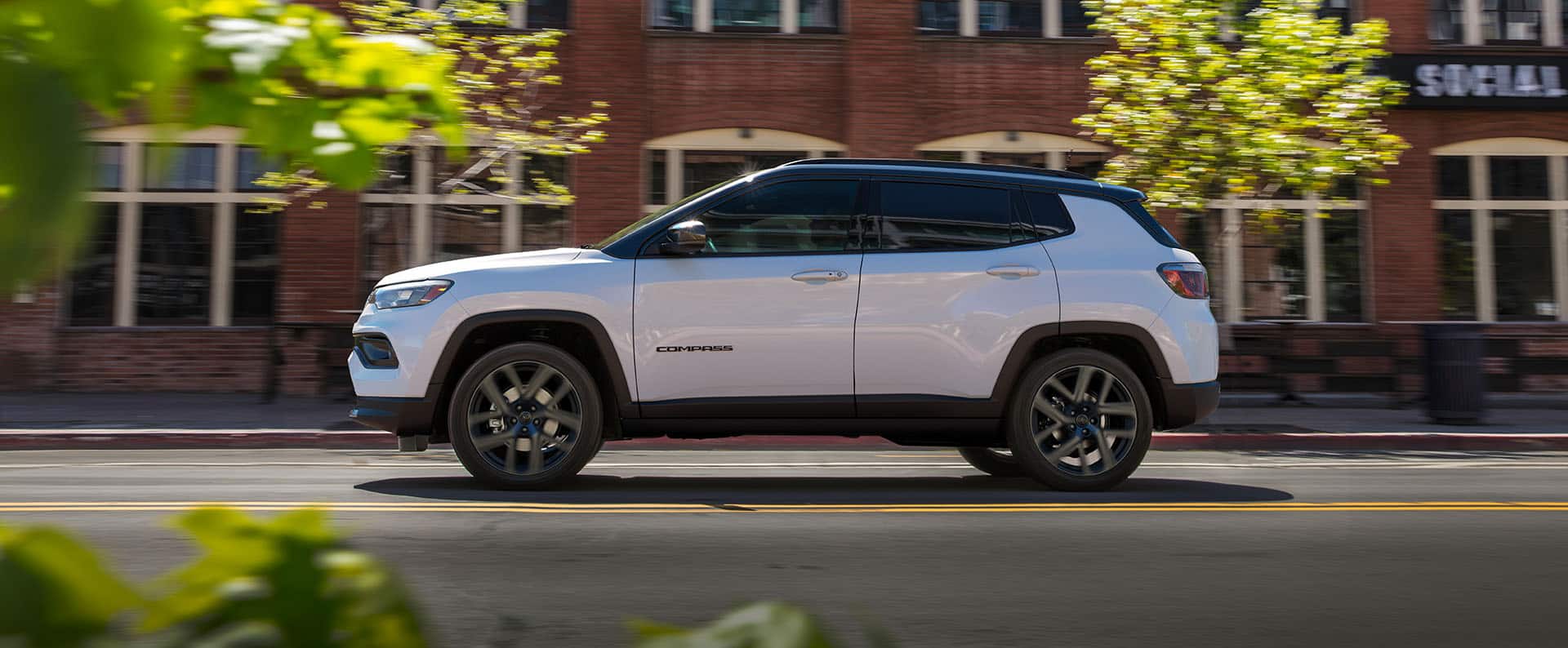
The Compass benefits from relatively light construction for a Jeep product. It does not carry the extra weight of the Grand Cherokee or the heavy-duty chassis of the Wrangler. That lighter foundation means the powertrain does not have to work as hard at highway speeds, contributing to better real-world fuel consumption than the EPA test methodology captures.
For Jeep enthusiasts who want the brand’s distinctive styling without the Grand Cherokee’s fuel consumption, the Compass is the answer. It looks the part, carries the Jeep badge proudly, and then quietly surprises you at the fuel pump by delivering more miles per gallon than anyone expected. In a segment full of crossovers that struggle to match their window stickers, the Compass’s real-world highway performance stands out as a genuine bright spot.
5 Cars With Fuel Economy Worse Than Advertised in 2026
These vehicles are often known for falling short of their advertised fuel economy in real-world conditions, sometimes by a noticeable margin. Heavier SUVs, turbocharged engines, and performance-focused tuning can lead to higher fuel consumption than expected.
Factors like aggressive driving, highway speeds, and climate conditions often result in lower mpg than claimed, making these vehicles less efficient in everyday use despite promising official figures.
1. 2026 Honda CR-V Hybrid AWD
The Honda CR-V is the best-selling SUV in America. In 2026, more than half of all CR-V buyers are choosing the hybrid variant, drawn in by promises of excellent fuel economy in a practical, family-friendly package. But recent owner reports and independent testing have revealed a consistent shortfall between the EPA’s optimistic numbers and what drivers actually experience on real roads.
According to the EPA, the front-wheel-drive 2026 Honda CR-V Hybrid returns 43 mpg in the city, 36 mpg on the highway, and 40 mpg in combined driving. All-wheel-drive CR-Vs get 40 mpg in town, 34 mpg on the highway, and 37 mpg combined. Those are the numbers Honda advertises, and they look excellent on paper.
However, the 2026 Honda CR-V Hybrid AWD Sport-L is currently under scrutiny, with owners reporting a significant 100-mile range disparity between real-world range and the official EPA estimates. While the manufacturer advertises a total range exceeding 500 miles, many drivers are seeing the low fuel light illuminate at just 400 miles. That is a substantial and frustrating gap that affects everyday driving budgets and trip planning.
The AWD system is a significant contributor to the shortfall. The Sport-L trim’s larger wheels often create a 2 to 3 mpg penalty that the EPA doesn’t always emphasize during testing. When you combine the AWD mechanical drag with the rolling resistance of larger tires, the efficiency gap between EPA laboratory conditions and real-world driving becomes pronounced.
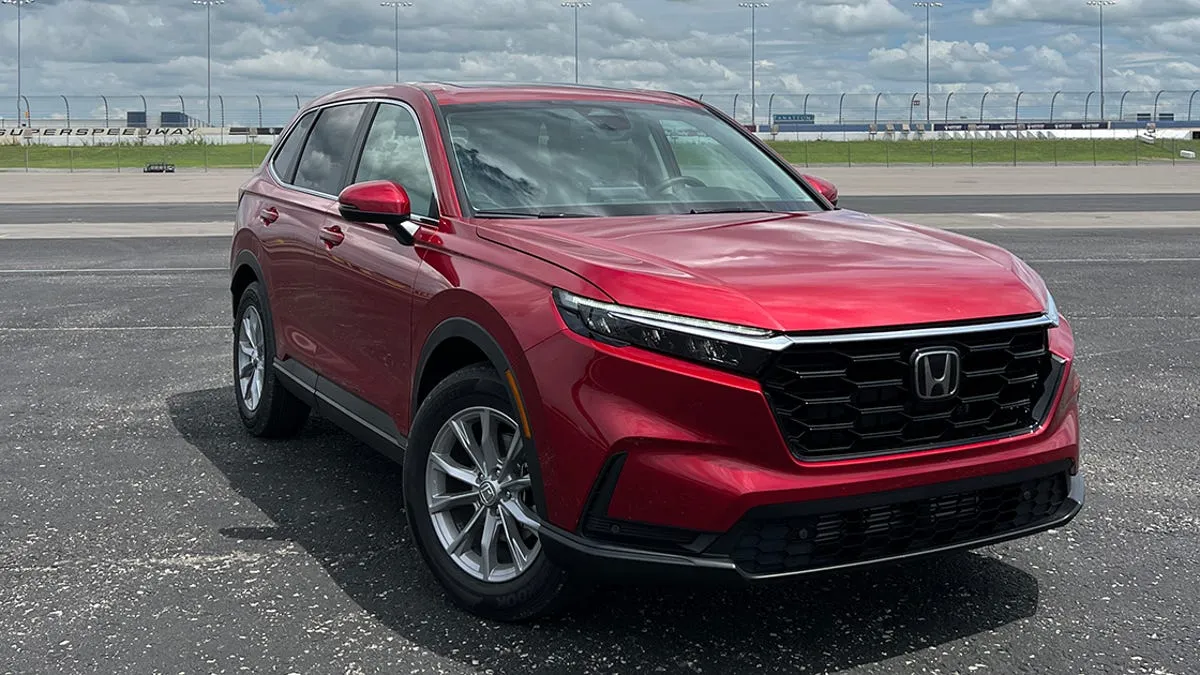
A majority of owner poll respondents reported observing less than 36 mpg in the AWD CR-V Hybrid, which falls short of the EPA-estimated 37 mpg combined rating for that configuration. About 10 percent of respondents reported fuel efficiency as low as 28 to 30 mpg. While 28 to 30 mpg from a vehicle rated at 37 combined represents a serious underperformance, the broader trend of missing the EPA number is consistent.
Cold weather compounds the problem significantly. Honda’s sixth-generation hybrid powertrain relies on the electric motor for city efficiency gains, but battery efficiency drops in cold temperatures. The heating system also draws power from the battery, further reducing the system’s ability to maximize electric motor usage. Owners in northern states report significantly worse real-world numbers than those in warmer climates.
The CR-V Hybrid remains an excellent SUV with many strengths. It is practical, well-built, and still more efficient than most non-hybrid competitors. But buyers who choose the AWD configuration and live in colder climates should set their expectations carefully. The 37 mpg combined sticker number reflects ideal testing conditions. Real-world ownership, especially in AWD trim in colder weather, will consistently deliver something noticeably lower.
2. 2026 Hyundai Tucson Hybrid
Hyundai has built an excellent reputation for hybrid efficiency with vehicles like the Elantra and Sonata. The Tucson Hybrid, however, tells a more complicated story. While it delivers respectable fuel economy for a compact SUV, independent testing has consistently shown it falling short of its EPA rating on real-world driving routes. The gap is not enormous, but it is persistent enough to matter to buyers who chose this vehicle specifically for its advertised efficiency.
Most versions of the Tucson Hybrid are EPA-estimated at 36 mpg combined, which is good for an SUV but among the lowest for this hybrid SUV segment. In Edmunds’ mixed-driving evaluation route, it achieved 34 mpg, technically underperforming its EPA rating. Two miles per gallon below the stated figure might not sound catastrophic, but it represents a consistent real-world pattern that buyers deserve to know about.
The Tucson Hybrid uses a turbocharged 1.6-liter four-cylinder engine paired with an electric motor for a total output of 231 horsepower. That power output is actually one of the segment’s strongest, which is part of the efficiency story.
The Tucson Hybrid’s powertrain is tuned to prioritize performance as well as efficiency. When the turbocharger spools up under acceleration, fuel consumption rises accordingly. Drivers who use the car’s full performance potential will see their mpg numbers drop below the EPA estimate quickly.
Driving the Tucson Hybrid around town on daily errands regularly returned 39 mpg or better, suggesting that the car performs well in low-speed urban conditions. The highway-heavy standardized drive route is where hybrids commonly fail to reach their EPA ratings.
This pattern reveals an important truth about the Tucson Hybrid’s efficiency character. It is genuinely good in city driving, where the electric motor can carry more of the load. On the highway, where the gasoline engine must do more work, efficiency falls below the combined number.
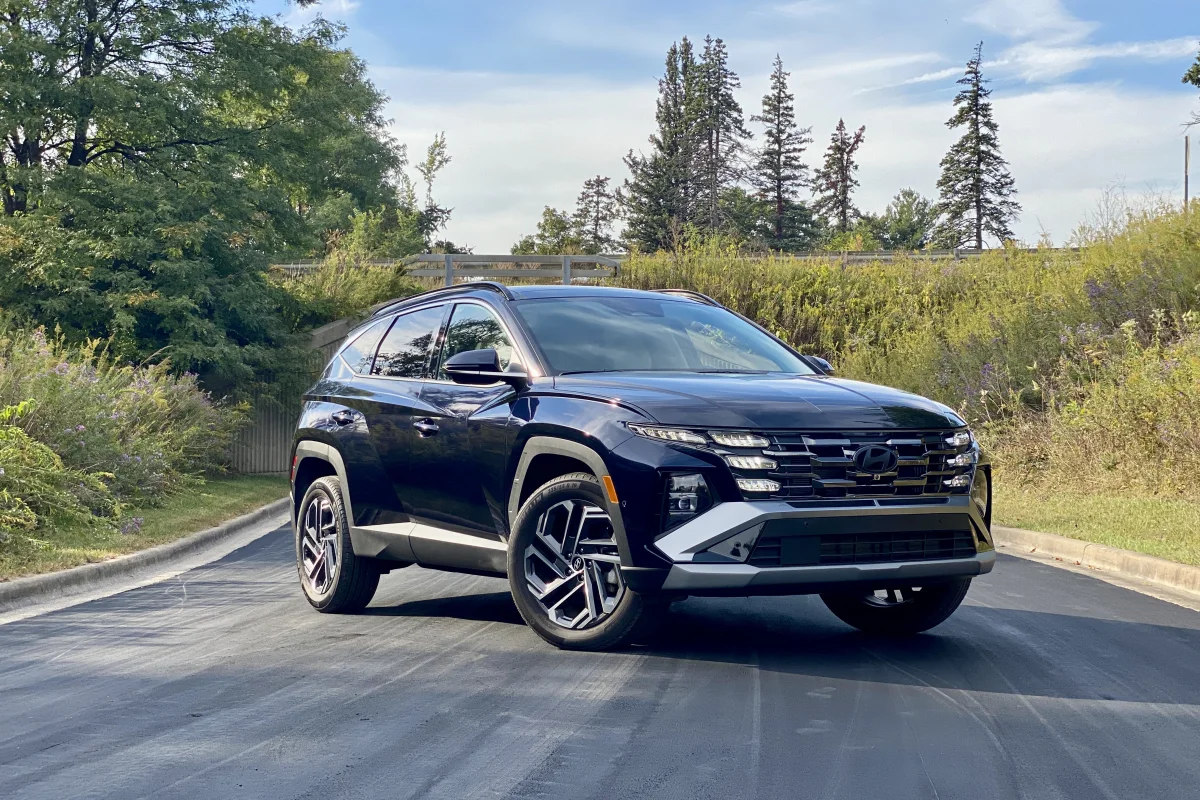
The Tucson Hybrid also carries more weight than many of its competitors. Hyundai built the vehicle on a platform designed to accommodate multiple powertrain types, and that flexibility comes with an added mass penalty. Extra weight is one of the most consistent enemies of fuel economy in real-world driving. Every hill, every acceleration event, every highway speed requires more energy to move a heavier vehicle.
For buyers who primarily drive in urban environments and choose lower trim levels with smaller wheels, the Tucson Hybrid can deliver close to its EPA numbers. But buyers who spend significant time on highways, live in colder climates, or frequently use the car’s full performance capability should expect real-world results that fall meaningfully below the sticker promise.
In a segment where competing hybrids like the Toyota RAV4 consistently meet their numbers, the Tucson Hybrid’s underperformance is a relative disappointment.
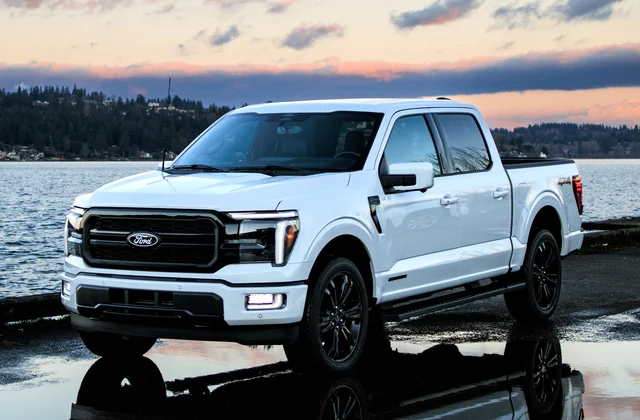
3. 2026 Ford F-150 EcoBoost
The Ford F-150 is the best-selling vehicle in America, and for 2026, it continues to offer a range of turbocharged EcoBoost engines that promise impressive fuel economy for a full-size truck. The problem is that those turbocharged engines have a documented history of underperforming their EPA estimates in real-world conditions, a pattern that has persisted across multiple model years.
The best non-hybrid option is the 2.7L EcoBoost V6 at 19 city / 25 highway / 21 combined for 2WD, while the 3.5L EcoBoost produces its best EPA-rated fuel economy of around 18 city and 24 highway. Those figures look competitive on paper. The real-world story is consistently less impressive.
In Ford’s own testing history, the turbocharged engines have often underperformed relative to EPA estimates in years of third-party testing. In one real-world highway test, the Tremor model with the twin-turbo 3.5-liter returned 19 mpg on a highway route despite being rated for a higher highway figure. That kind of underperformance on the highway, where trucks should theoretically be at their most efficient, reveals the fundamental tension between turbocharged efficiency claims and real-world physics.
The core issue is how turbocharged engines behave under load. Small-displacement turbocharged engines rely on boost pressure to deliver their power. Under everyday conditions, merging onto freeways, carrying passengers, running the air conditioning, the turbocharger is frequently engaged.
When boost is active, fuel consumption rises significantly above what the EPA’s controlled test environment measured. The EPA test procedures do not fully capture the real-world driving patterns of truck owners, many of whom carry loads and tow regularly.
This is the single biggest MPG killer for the F-150: pulling a 7,000-lb travel trailer can cut your highway MPG in half. A loaded truck bed full of materials will drop city MPG noticeably.
F-150 buyers often purchase trucks precisely because they need to carry cargo and tow trailers. The EPA estimates, tested on empty trucks in controlled conditions, do not reflect this real-world usage pattern at all.
The PowerBoost hybrid version of the F-150 is a different story, genuinely meeting or approaching its EPA estimates of 25 mpg combined. But the mainstream EcoBoost gasoline engines, which represent the majority of F-150 sales, continue to frustrate owners who bought into the efficiency marketing.
The promise of a turbocharged small engine delivering V8 performance with four-cylinder economy remains partially unfulfilled in everyday truck use. For buyers who intend to actually use their F-150 as a truck, the EPA sticker is optimistic at best.
4. 2026 Jeep Grand Cherokee V6
The Jeep Grand Cherokee is one of the most beloved SUVs in American automotive history. Its combination of comfort, capability, and iconic styling has kept it competitive for decades. But in 2026, the standard V6-powered Grand Cherokee continues a long tradition of delivering real-world fuel economy that disappoints owners who were drawn in by the window sticker numbers.
The 2026 Jeep Grand Cherokee delivers EPA ratings of 19 city and 26 highway mpg with the Pentastar V6. For a mid-size SUV with body-on-frame construction and serious four-wheel-drive capability, these numbers are not unreasonable. The problem is that real-world conditions consistently eat into those figures, leaving owners filling up more often than they expected.
The Grand Cherokee’s heavy curb weight is a primary culprit. The official curb weight for a 2026 Cherokee, its platform sibling, is 4,295 pounds, which is several hundred pounds heavier than everything else in the segment. It’s like always carting around three extra passengers in your car at all times. The Grand Cherokee itself is similarly heavy. Every extra pound of mass requires more energy to accelerate, more fuel to maintain speed, and more wear on every component.
Real-world driving in America further amplifies the gap. The EPA highway test uses an average speed of 48 mph. Real American highways are driven at 70 to 80 mph, where aerodynamic drag increases exponentially with speed. The Grand Cherokee’s upright, boxy body generates significantly more aerodynamic resistance than a sedan or aerodynamic crossover. At realistic highway speeds, fuel consumption rises well above what the EPA measured at its artificially slow test pace.
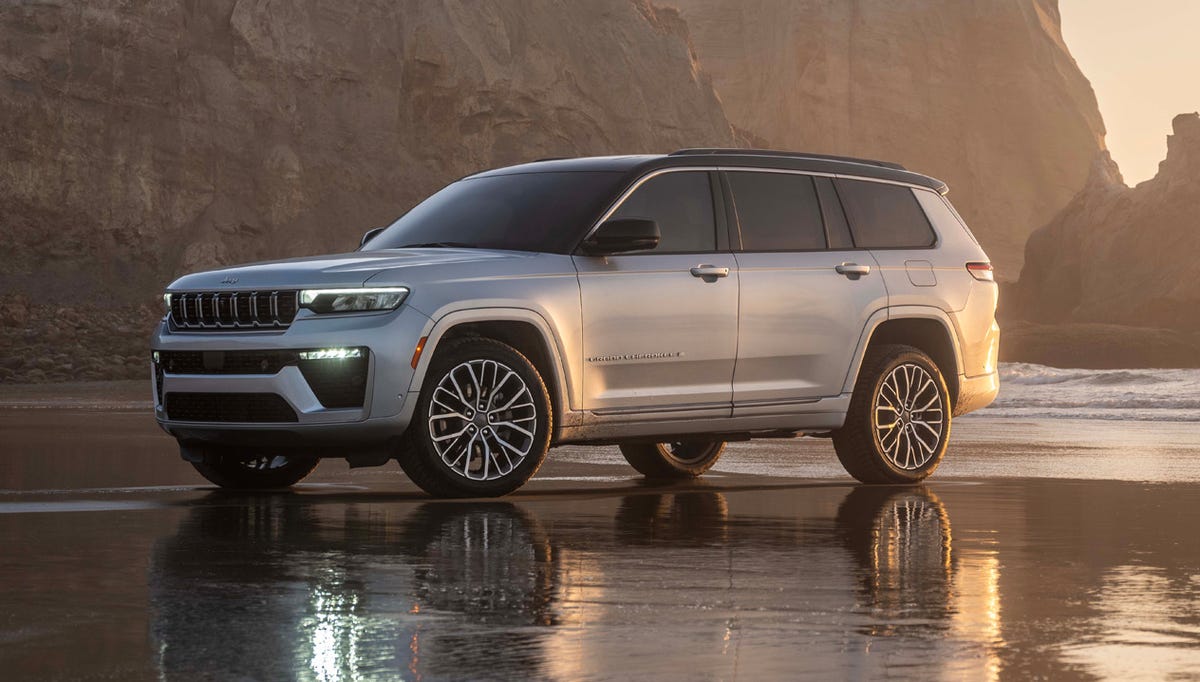
The 2026 Grand Cherokee with the new Hurricane 2.0-liter turbocharged four-cylinder engine offers EPA ratings of only 1 to 2 mpg better than the V-6, returning its best EPA-rated fuel economy of 23 mpg combined in certain configurations.
The marginal efficiency gain from the new, smaller engine relative to the V6 underscores how weight and aerodynamics limit what any powertrain can accomplish in this vehicle.
Cold weather and four-wheel-drive usage further depress real-world numbers. Owners who use the Grand Cherokee’s capable 4WD system regularly, who live in climates requiring frequent winter driving, or who tow boats and trailers will find their actual fuel economy falling well below the EPA’s optimistic estimates.
The Grand Cherokee remains an excellent vehicle for its intended purpose, but buyers who choose it primarily for fuel economy based on the EPA number are regularly disappointed when monthly fuel costs exceed what the sticker suggested they would be.
10. 2026 Ram 1500 V8 HEMI
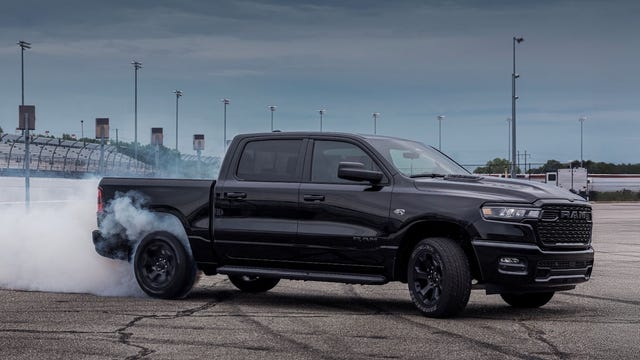
The Ram 1500 is consistently regarded as one of the most refined and capable full-size trucks on the market. Its interior quality, ride comfort, and powertrain options set a high standard in the segment. But the popular 5.7-liter HEMI V8 engine, one of the most-loved powerplants in the Ram lineup, has a well-known tendency to fall short of its EPA estimates in real-world driving, sometimes by a significant margin.
The HEMI V8 is rated at approximately 15 to 17 mpg city and 21 to 22 mpg highway in typical 4WD configurations. For a large V8 truck, these numbers are not unreasonable. But owners who bought the HEMI because they needed maximum towing and hauling capability frequently discover that working the truck hard, which is the entire point of buying a V8 produces fuel consumption figures that bear little resemblance to the EPA sticker.
Pulling a 7,000-lb travel trailer can cut highway mpg in half. A loaded truck bed full of materials will drop city mpg noticeably. The Ram 1500 HEMI is frequently purchased by buyers who intend to do exactly these things. The EPA tests an empty truck at moderate speeds with no load. Most Ram HEMI owners use their trucks to tow campers, haul landscaping materials, and carry heavy cargo. In these real-world conditions, fuel consumption can easily fall into the 10 to 14 mpg range.
The HEMI V8’s cylinder deactivation technology, which shuts down four of the eight cylinders during light-load highway cruising, is designed to close the gap between EPA testing and real-world driving. When the system works as intended on flat, unloaded highway stretches at moderate speeds, it delivers meaningful fuel savings. But in hilly terrain, with any load, or during city driving, the cylinders all come back online, and the fuel economy advantage disappears.
Among the large manufacturers, Stellantis had the lowest new vehicle fuel economy of any large manufacturer in model year 2024 at 22.8 mpg fleet-wide, below Ford and GM.
That fleet-wide figure reflects the performance of vehicles like the Ram HEMI in the hands of actual owners, not in EPA laboratories. The gap between Stellantis’s fleet average and its competitors reflects, in part, the persistent real-world underperformance of high-displacement gasoline engines when used as trucks are meant to be used.
The Ram 1500 is still an outstanding truck for buyers who need genuine capability. The HEMI engine’s power and torque are unmatched for demanding real-world tasks.
But buyers who choose the V8 while expecting to consistently achieve EPA-level fuel economy during towing and hauling tasks will be disappointed. The EPA sticker describes a nearly empty truck driven gently on flat roads. The real-world Ram HEMI experience, used as its owners intend, tells a considerably thirstier story.
Also Read: 9 Vehicles With Gas Tanks Big Enough To Skip Refueling On Long Drives
