
The Baby Boomer generation lived through one of the most exciting eras in automotive history. They watched muscle cars roar to life, witnessed the fuel crisis panic, and saw the rise of Japanese imports that forever changed the industry. No generation had a more complicated love affair with the automobile than the Boomers.
They grew up in an America where cars meant freedom. A set of keys was a passport to adventure, romance, and identity. The car you drove said everything about who you were and what you valued.
Boomers made some absolutely legendary choices when it came to cars. They embraced icons that still turn heads today. They invested in machines that became cultural touchstones and collectors’ dreams worth fortunes.
But they also made some baffling decisions. They bought cars that rusted before the payments were finished. They trusted automakers who delivered style over substance. They got fooled by flashy designs hiding deeply flawed engineering.
This list celebrates both sides of that automotive legacy. It honors the brilliant picks that defined cool for generations. It also calls out the disasters that should have stayed on the drawing board.
5 Cars Boomers Got Right
These cars earned lasting respect for durability, simple engineering, and real-world usability, proving their value over decades. Models like the Toyota Camry and Honda Accord became trusted choices due to reliability and low maintenance costs.
Others, like the Ford Crown Victoria and Buick LeSabre, were known for comfort, toughness, and the ability to rack up high mileage with ease. Practical picks like the Subaru Outback also stood out for versatility and all-weather capability, showing strong long-term judgment.
1. Ford Mustang (1964 – 1970)
The Ford Mustang is arguably the greatest automotive decision any generation ever made. When it debuted on April 17, 1964, it did not just launch a car. It launched an entire category of vehicles that Detroit would chase for decades.
Boomers lined up around dealerships to get their hands on one. Ford sold over 400,000 units in the first year alone. That number shocked the entire industry and proved that young Americans were hungry for something bold and affordable.
The Mustang hit a perfect price point that made it accessible to working-class buyers. A base model started at just over $2,300. That was money a young worker could actually save up for and drive off the lot.
What made the Mustang brilliant was its modular design philosophy. Buyers could customize it endlessly with different engines, trim levels, and options. It was personal expression on four wheels, and Boomers understood that immediately.
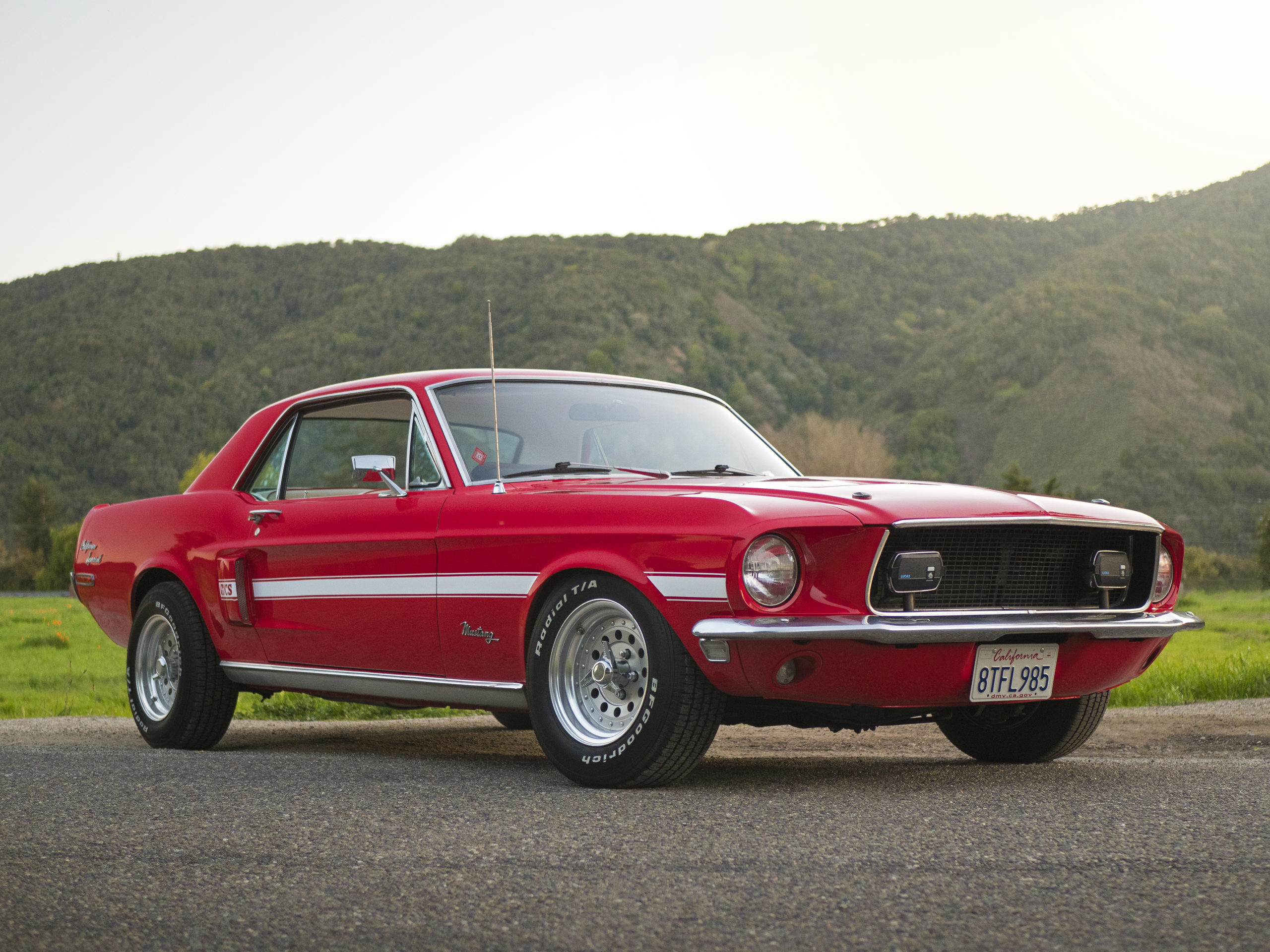
The early fastback models became the most desirable. The 2+2 fastback with the long hood and short deck looked aggressive and purposeful. It looked like it was moving even when parked at the curb.
Steve McQueen cemented the Mustang’s legend in the 1968 film Bullitt. That Highland Green fastback became the most famous movie car in history. Every Boomer who watched that film wanted one badly.
The muscle car versions like the Mach 1 and the Boss 302 were genuinely thrilling machines. They delivered real performance at prices regular people could stretch to afford. Detroit had never quite cracked that formula so cleanly before.
Even the base six-cylinder Mustang was a smart buy. It looked fantastic and turned heads everywhere it went. A young secretary or factory worker could afford it and feel like a million dollars behind the wheel.
The Mustang also proved that American automakers understood desire. They understood that a car had to stir emotions before it could sell numbers. Ford tapped into something primal with those long hoods and aggressive proportions.
Boomers who bought early Mustangs and kept them made out like bandits financially. A clean 1967 Shelby GT500 today fetches over a million dollars at auction. Even ordinary fastbacks from 1968 and 1969 regularly sell for six figures.
The Mustang was not just right for Boomers; it was perfect. It defined their generation’s relationship with speed, style, and freedom. No other single model captures the Boomer automotive spirit more completely or more honestly.
2. Chevrolet Camaro (1967 – 1972, First Generation)
When Ford launched the Mustang, General Motors panicked in the best possible way. The result was the Chevrolet Camaro, introduced for the 1967 model year. It was GM’s direct answer to the pony car craze, and it was a magnificent answer.
The first-generation Camaro was a design triumph from day one. Its long hood, wide stance, and sweeping roofline created a look that felt both aggressive and elegant. Designers at GM’s studio understood proportion in a way few car designers ever have.
Boomers embraced the Camaro with enormous enthusiasm right from launch. It gave them a credible alternative to the Mustang with a slightly different character. Where the Mustang felt a bit sporty and youthful, the Camaro felt a touch more serious and muscular.
The SS package raised the Camaro into genuine performance territory. With big-block V8 options ranging up to 396 cubic inches, these cars were truly fast. Quarter-mile times that impressed even serious drag racers were available right from the dealership floor.
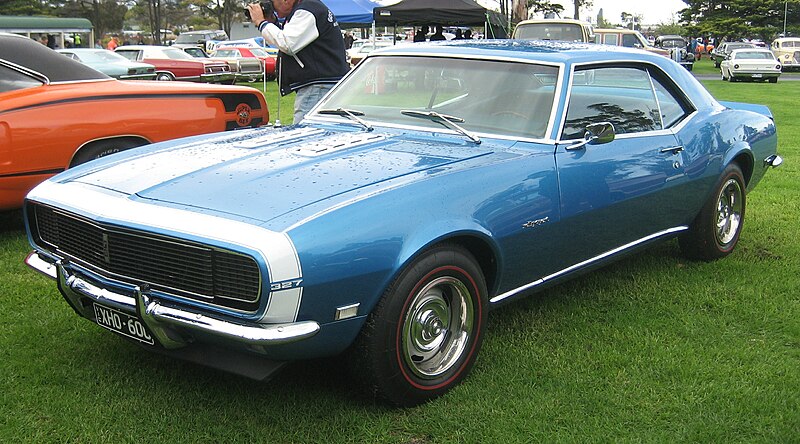
Then came the Z/28 package in 1967, and everything changed. Originally created for Trans-Am racing homologation, the Z/28 used a high-revving 302 cubic inch small-block. It was a screaming, precise machine that handled as well as it went straight.
The 1969 Camaro is widely considered the most beautiful of the first generation. Its aggressive front end and muscular body lines hit a peak of design perfection. Car magazines of the era consistently rated its styling above every competitor, including the Mustang.
Boomers who chose the Camaro SS or Z/28 made a decision that history has thoroughly validated. These cars are now among the most sought-after collector vehicles on the planet. A numbers-matching 1969 Z/28 in excellent condition can command $150,000 or more easily.
The Camaro also benefited from GM’s deep option list strategy. Buyers could tick boxes for nearly every conceivable performance and comfort upgrade. The result was that no two Camaros were exactly alike, which made ownership feel genuinely personal.
Even the base Camaro with a modest V8 was a satisfying driver’s car. It handled better than its Ford rival in most independent tests of the era. Road & Track and Car and Driver both praised its balanced chassis and precise steering feel.
Boomer families who parked a first-gen Camaro next to a Mustang in 1969 started debates that continue today. The rivalry between these two cars became one of the great ongoing arguments in car culture. Both sides are passionately defended five decades later, which proves both choices were right.
3. Pontiac GTO (1964 – 1970)
The Pontiac GTO did not just get it right; it invented the entire muscle car segment. When Pontiac engineers Jim Wangers and John DeLorean shoehorned a 389 cubic inch V8 into the intermediate Tempest body in 1964, they created a new category. Nothing like it had existed before at that price point.
Boomers recognized instantly what they were looking at. Here was a full-size engine in an affordable mid-size body. The combination of power and price was unprecedented and almost impossibly attractive to young buyers.
The name itself was a stroke of marketing genius. Borrowing “GTO” from Ferrari’s legendary racing car was audacious. It implied exotic European performance while delivering very American muscle at a very American price.
The 1966 GTO redesign gave the car a rounder, more sculpted look that many consider the most beautiful of the run. Hidden headlamps and a smooth nose created a clean, purposeful face. The interior was well-appointed for a muscle car, with proper instrumentation and bucket seats.
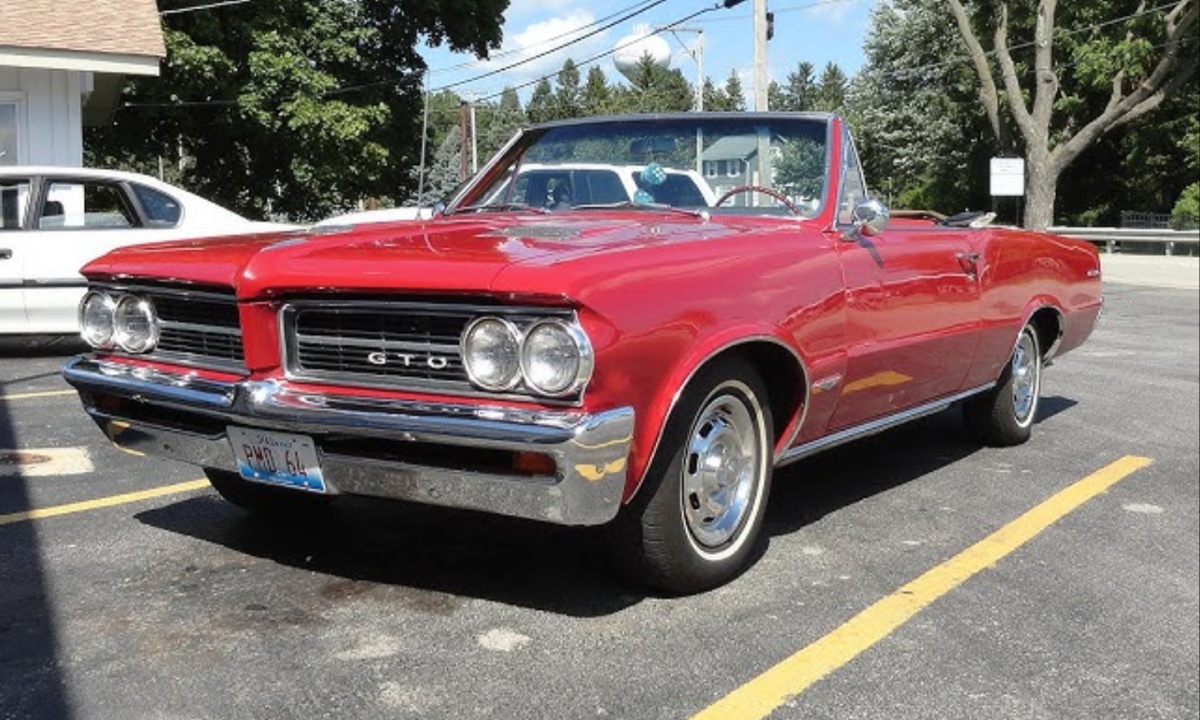
Performance options escalated rapidly through the late 1960s. The Ram Air engines gave Boomers access to genuine 100-plus mph trap speeds at the drag strip. Street racers knew that a Ram Air GTO was one of the quickest things rolling on American pavement.
The GTO also benefited from Pontiac’s cool factor in the broader culture. The brand had a youthful, performance-oriented image that differentiated it from stodgy Chevrolet. Owning a GTO meant something specific about your personality and your priorities.
Popular culture amplified the GTO’s legend relentlessly. Ronnie and the Daytonas had a hit song literally named after the car in 1964. Every teenager in America knew what a GTO was and what it meant within months of its launch.
Boomers who drove GTOs in their youth remember them with a specific ferocity. The sound of a Ram Air IV engine at wide-open throttle is not something the nervous system forgets easily. It was visceral, theatrical, and completely addictive.
Today, the GTO is recognized as the car that started the muscle car era. Collectors treat them with a reverence bordering on religious devotion. Clean, documented examples command prices that would have seemed absolutely fantastic to the original buyers paying $3,000 in 1964.
Choosing the GTO was one of the clearest correct calls any Boomer car buyer ever made. It was fast, beautiful, culturally significant, and historically important. It defined an era and launched a movement that shaped American automotive culture for the next six decades.
4. Toyota Corolla (Late 1960s – 1970s)
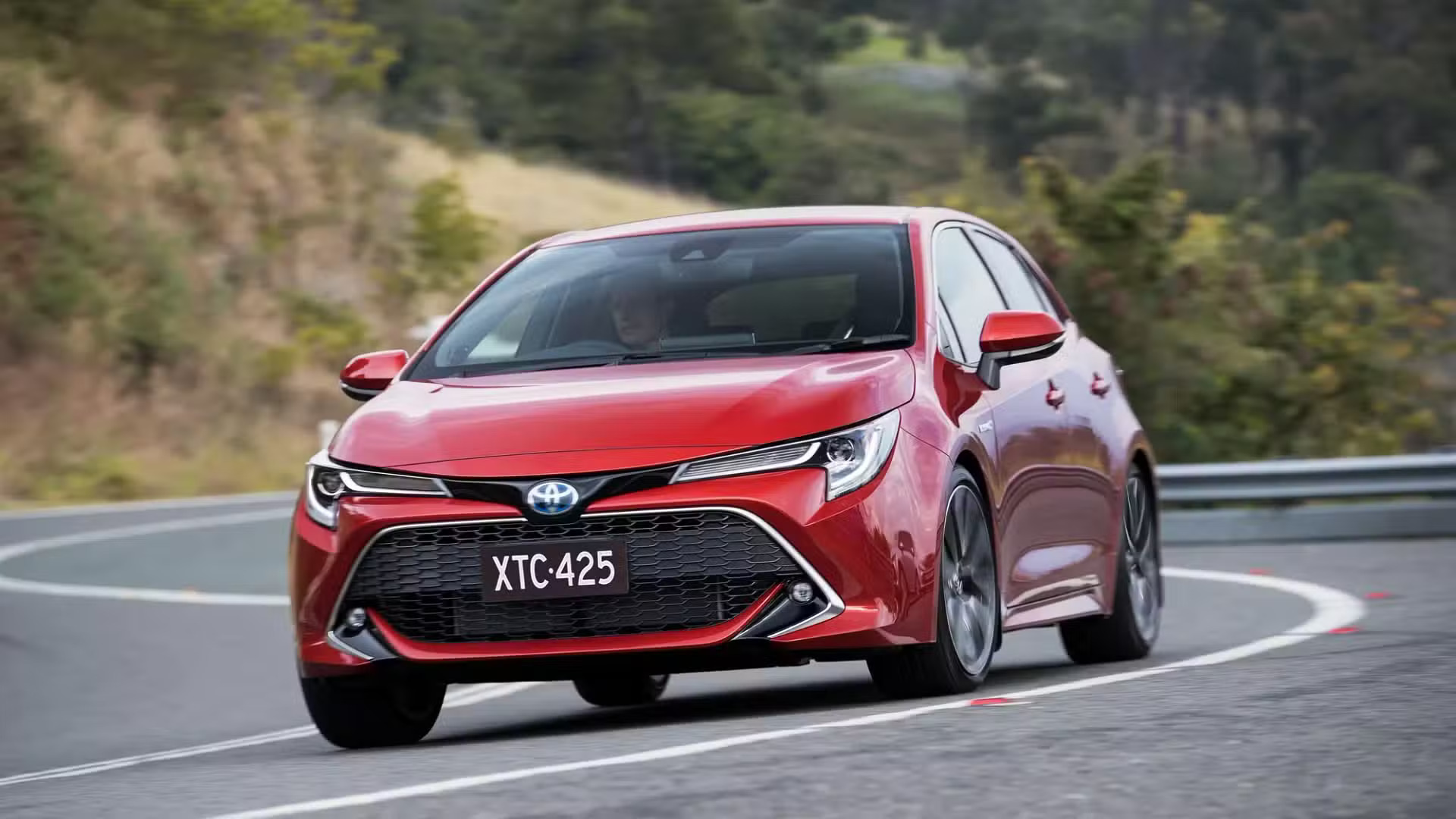
Not every Boomer right call involved roaring V8s and quarter-mile glory. Some Boomers made the quietly brilliant decision to buy a Toyota Corolla when Japanese imports first arrived in significant numbers. That decision looked boring at the time. History proved it was genius.
The Corolla arrived in America in 1968 as a tiny, underpowered, unremarkable-looking economy car. There was nothing visually exciting about it. It had none of the theatrical presence of a Mustang or GTO.
But what it did have was reliability that American cars of the era simply could not match. The engines ran and kept running with minimal maintenance. The build quality was tight and consistent in a way that Detroit’s assembly lines were not delivering.
Boomers who drove these cars to work and back discovered something revolutionary. They did not have to worry about breaking down. They did not spend weekends under the hood fixing what broke during the week.
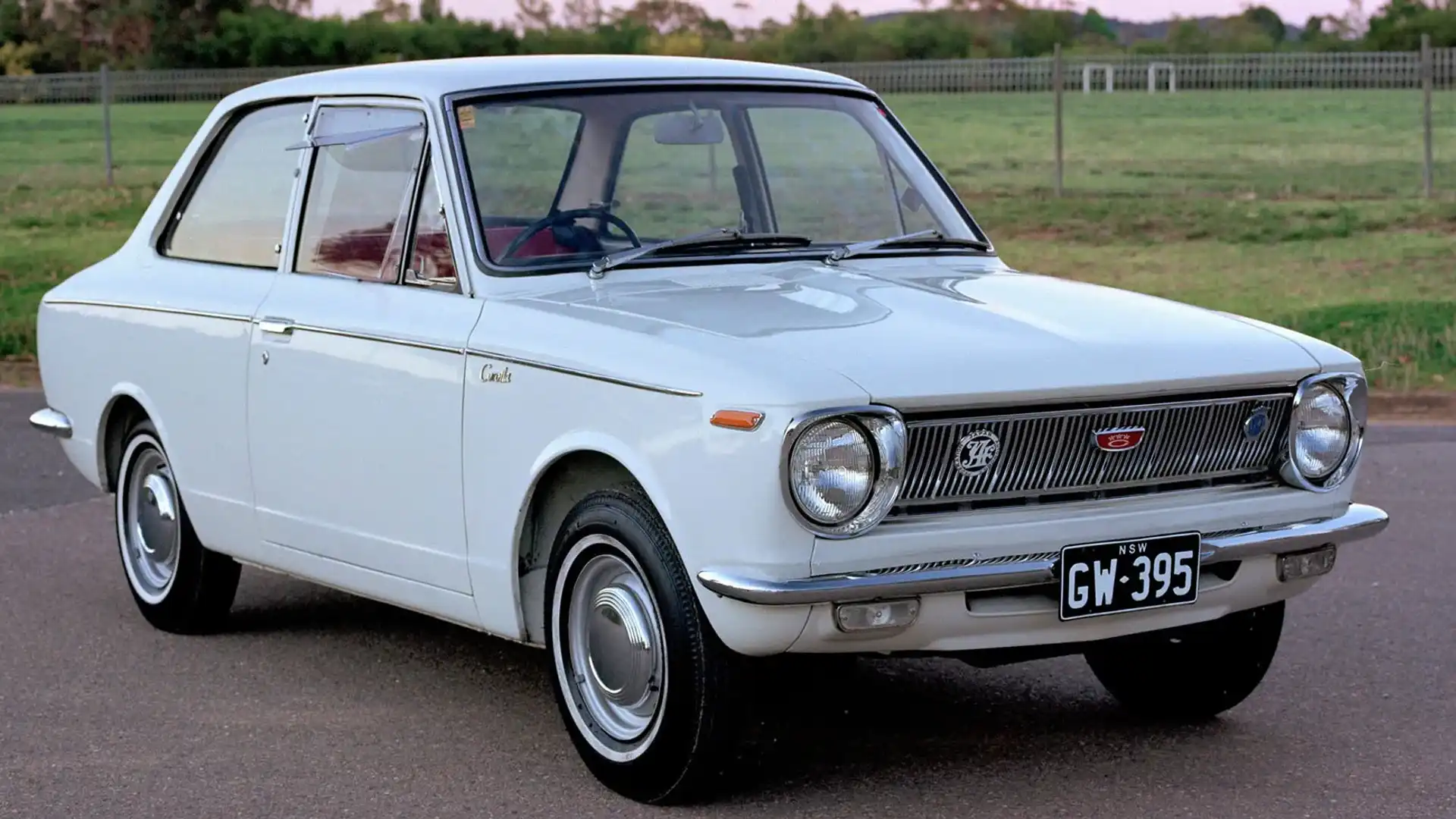
American cars of the late 1960s and early 1970s were genuinely unreliable by modern standards. Electrical gremlins, rust that appeared within two years of purchase, and engines that needed constant attention were accepted as normal. The Corolla showed that none of that was actually necessary.
Fuel economy became a critical factor after the 1973 oil crisis. Lines at gas stations stretched around blocks. Suddenly, the Corolla’s modest engine went from a liability to a lifesaver. Boomer Corolla owners were laughing while their neighbors pushed eight-cylinder barges toward empty pumps.
The financial logic of the Corolla over a lifetime of ownership was overwhelming. Lower purchase price, dramatically lower maintenance costs, and better fuel economy added up to thousands of dollars in savings. Practical Boomers who ran those numbers made the right call completely.
Toyota’s reputation was built slowly through the early Corolla years, but built absolutely solidly. Every year, the cars kept running without drama, adding another layer of brand trust. By the mid-1970s, the Corolla’s reputation was essentially impeccable among value-conscious buyers.
The Corolla eventually became the best-selling car in history. That achievement traces directly back to Boomers who took a chance on Japanese engineering when it was still unfamiliar. Their willingness to try something different changed the entire American car market permanently.
Also Read: 5 Cars That Beat A Tesla On A Road Trip And 5 That Don’t Stand A Chance
5. Jeep CJ-5 and CJ-7 (1955 – 1983)
The Boomers who bought Jeep CJ models understood something about freedom that went beyond the highway. They wanted vehicles that could go places roads did not reach. The CJ was the purest possible expression of that desire, and it delivered completely.
The CJ-5 had been around since 1955, but found its spiritual home with Boomer buyers in the late 1960s and through the 1970s. College students, outdoor adventurers, and weekend warriors all gravitated toward its honest, purposeful design. There was nothing pretentious about it because there was nothing hidden about it.
What you saw was exactly what you got with a Jeep CJ. A simple ladder frame, solid axles front and rear, and a proper four-wheel-drive transfer case. It was mechanical honesty in a market increasingly full of vehicles that promised capability they did not possess.
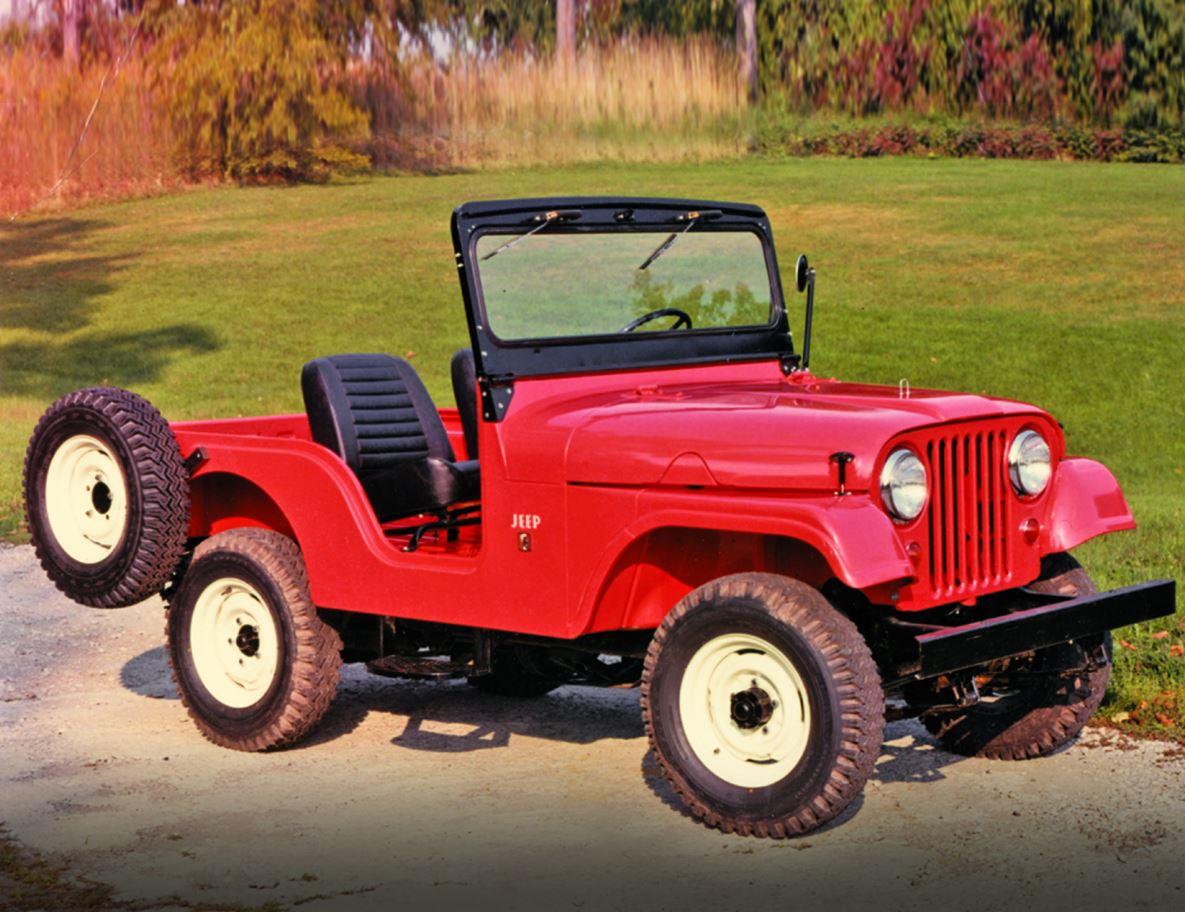
The open-air driving experience was unlike anything else on the market. Pulling the doors off and folding down the windshield created a connection with the outdoors that no other production vehicle could replicate. Summer evenings in a topless CJ were genuinely joyful in a way that no air-conditioned luxury car could match.
Off-road capability was real and genuinely impressive. Ground clearance, approach and departure angles, and solid axle articulation gave the CJ abilities that modern SUVs with their independent suspensions struggle to match even today. Boomers who took them into the backcountry trusted their lives to these machines.
The CJ-7, introduced in 1976, refined the formula without ruining it. A wider body improved stability and made the interior more livable. Optional full steel doors and a proper hardtop made year-round use genuinely practical rather than merely theoretical.
Boomers who bought CJs were buying into a specific lifestyle philosophy. They were rejecting the chrome excess of Detroit land barges. They were choosing authenticity over ostentation, and that choice aged extremely well.
Today, the vintage CJ market is red-hot. Clean, rust-free examples from the 1970s command prices that far exceed what any Boomer paid originally. The combination of historical significance, genuine capability, and undeniable character makes them highly desirable collector vehicles.
The Jeep CJ was a right call that kept being right for decades. It was right when Boomers bought them new. It is right today when their grandchildren restore them. Few vehicles have maintained that level of correctness across such a long span of time.
5 Cars Boomers Got Wrong
These cars were popular at the time but later revealed issues with reliability, efficiency, or value, making them questionable choices in hindsight. Vehicles like the Pontiac Aztek became infamous for their design and poor reception.
Others, such as the Chrysler Sebring and Chevrolet Cavalier, struggled with build quality and refinement compared to rivals. Even models like the Hummer H2 faced criticism for poor fuel economy and impracticality, making them less sensible long-term options.
1. Ford Pinto (1971 – 1980)
The Ford Pinto is perhaps the most infamous wrong call in American automotive history. Boomers bought it by the millions despite warning signs that should have been visible. The Pinto became a symbol not just of bad engineering but of corporate negligence that put lives at genuine risk.
Ford rushed the Pinto to market to compete with Japanese and European economy cars. The development timeline was compressed to an alarming degree. Normal safety checks and engineering validations were truncated to meet a deadline that someone in an office decided was more important than thoroughness.
The result was a car with a fuel tank positioned dangerously close to the rear bumper. In rear-end collisions at relatively modest speeds, the tank could rupture and ignite. The fires that followed were sudden, fast, and deadly in ways that gave the car a horrifying reputation.
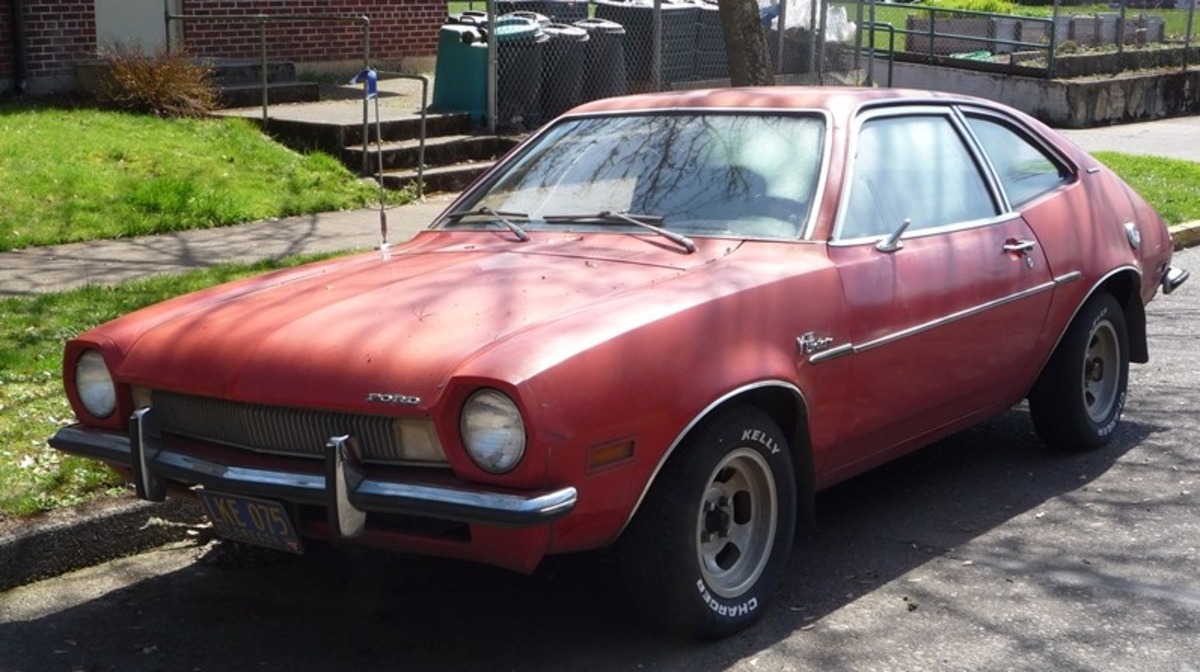
What made the Pinto scandal truly outrageous was that Ford engineers knew about the problem. Internal memos revealed a cost-benefit analysis comparing the expense of a fix against projected lawsuit payouts. The company decided that paying settlements was cheaper than improving the design.
When that memo became public, the damage to Ford’s reputation was catastrophic. Boomers who had trusted the Blue Oval felt genuinely betrayed. The idea that a company had knowingly sold them a dangerous car while calculating the math on their potential deaths was nauseating.
Beyond the safety scandal, the Pinto was simply not a good car on any objective measure. Build quality was inconsistent, and rust appeared quickly in wet climates. The interior materials felt cheap even by the modest standards of early 1970s economy cars.
Performance was genuinely poor, even for a budget economy car. The base engine wheezed rather than pulled. Passing on a two-lane highway required careful planning and optimism.
The Pinto did eventually receive modifications to address the fuel tank issue. But the brand damage was permanent and irreversible. The name Pinto became shorthand for corporate malfeasance and dangerous negligence rather than affordable transportation.
Boomers who bought Pintos were trusting an American institution to do right by them. That trust was violated in the most fundamental way possible. It contributed to a lasting skepticism about domestic automakers that opened permanent doors for Japanese competition.
The Pinto represents the worst of what American manufacturing could produce when the profit motive completely overwhelmed engineering integrity. It was wrong when it launched. History has only confirmed how deeply, unforgivably wrong it truly was.
2. Chevrolet Vega (1971 – 1977)
General Motors promoted the Chevrolet Vega with an enthusiasm completely disconnected from the car’s actual quality. Boomers were promised a world-class small car that would silence the Japanese imports forever. What they received was one of the most mechanically troubled automobiles Detroit ever produced.
Motor Trend magazine named the Vega its Car of the Year for 1971. That award aged so badly it became a running joke in automotive circles for decades. The car started falling apart almost immediately after buyers drove off dealer lots.
The aluminum engine block was an ambitious engineering experiment that failed in production. The cylinders wore at an alarming rate, leading to oil consumption problems within the first 50,000 miles. Many Vegas needed engine rebuilds before they reached mileage figures most cars barely noticed.
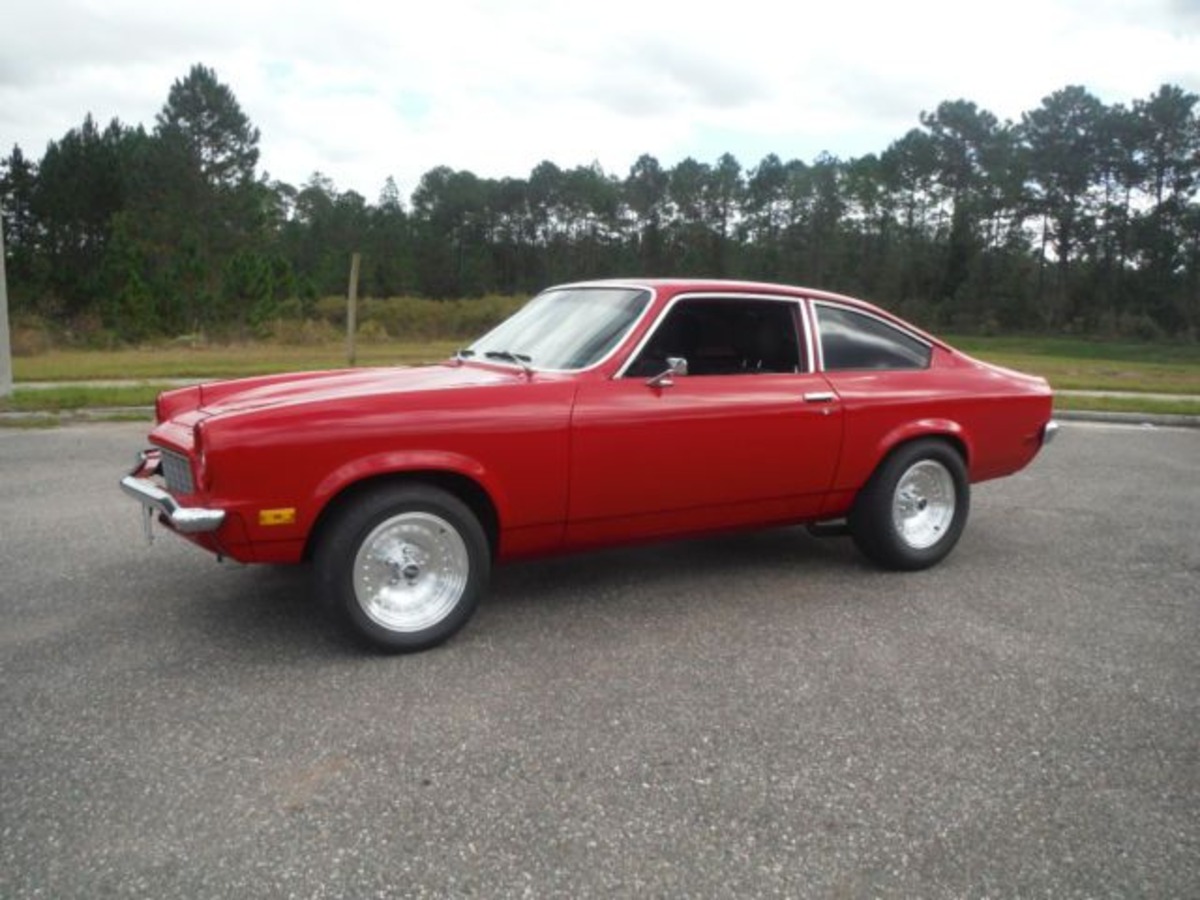
Rust was the Vega’s other catastrophic flaw. The thin body panels corroded with almost supernatural speed in northern climates. Wheel arches, rocker panels, and floor panels dissolved within two or three years of purchase. Cars that looked presentable in summer looked like they had been through a war by spring.
GM’s quality control on the Vega production line was genuinely poor. Assembly defects were common and inconsistent in frustrating ways. Two Vegas-built the same week at the same plant could have completely different reliability profiles.
The cooling system proved inadequate for sustained high-speed driving. Highway trips in warm weather could trigger overheating events. Boomers who bought Vegas for road trips discovered this limitation at inconvenient times and inconvenient locations.
Handling and performance were actually decent for the class when the car was new and functioning properly. The base coupe had acceptable dynamics and reasonably responsive steering. But “when functioning properly” became an increasingly large caveat as miles accumulated.
GM threw significant resources at fixing the Vega’s problems over the production run. Updates came regularly and genuinely addressed specific issues. But the reputation built in those disastrous first two years proved impossible to rehabilitate fully.
The Vega’s failure had enormous consequences for General Motors and for American manufacturing broadly. It convinced millions of Boomer buyers to give Japanese imports a serious look. Toyota and Honda benefited enormously from every disappointed Vega owner who walked into their showrooms.
Choosing the Vega was trusting GM’s marketing over the fundamental engineering reality. The car was rushed to market before its problems were solved. Boomers paid the price in repair bills, breakdowns, and the particular disappointment of being let down by an American institution they genuinely wanted to believe in.
3. AMC Pacer (1975 – 1980)
The AMC Pacer arrived in 1975 with a genuinely revolutionary design concept and an execution that fell significantly short of the idea’s promise. American Motors advertised it as the first wide small car, a vehicle that would combine economy car efficiency with full-size interior comfort. Boomers who bought the pitch discovered the gap between advertising and reality.
The Pacer’s exterior design was genuinely distinctive and polarizing from the first moment it appeared. The enormous glass area, round body shape, and passenger-car-wide dimensions created a look unlike anything else on American roads. Whether that was a good thing depended entirely on your aesthetic sensibility.
The original plan called for a rotary engine that would have matched the car’s unconventional design with unconventional engineering. When the Wankel rotary project fell through, AMC dropped in a conventional inline six that was heavy and not particularly efficient. The car’s wide body created wind resistance that hurt fuel economy significantly.
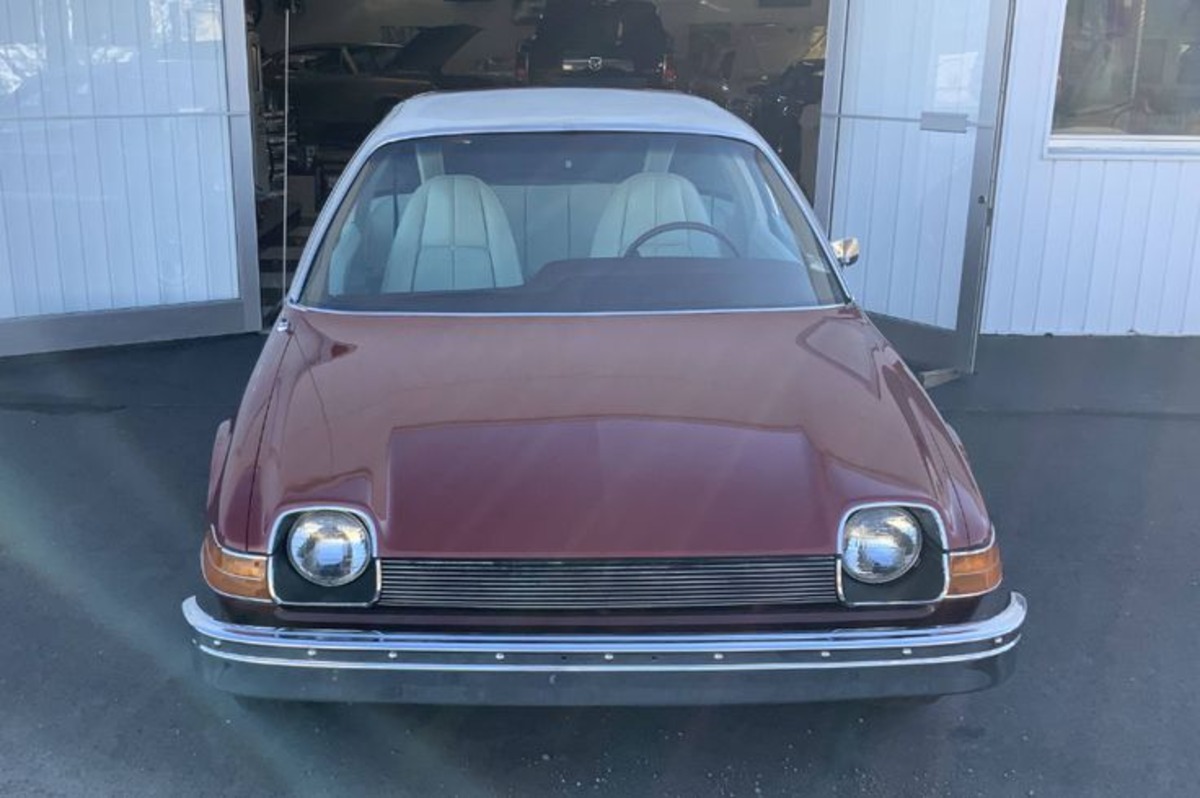
Weight was the Pacer’s constant enemy. Despite its small exterior footprint, the car weighed nearly as much as a full-size sedan. That weight, combined with modest engines, produced performance that felt labored and breathless rather than spirited.
The enormous glass greenhouse created a greenhouse effect inside the cabin on sunny days. Air conditioning was almost mandatory for comfortable driving in warm climates. For an economy car in the mid-1970s fuel crisis, the air conditioning’s fuel penalty was a particularly bitter irony.
The asymmetrical door design, with the passenger door four inches longer than the driver’s door, was a clever concept for rear passenger access. In practice, it created awkwardness and confused expectations for everyone who encountered it. It also complicated door seal engineering in ways that occasionally led to water leaks.
AMC’s limited resources meant the Pacer never received the development investment needed to fix its structural issues properly. The company was fighting for survival throughout the Pacer’s production run. Engineering solutions that a larger manufacturer might have implemented stayed on drawing boards due to a lack of budget.
Reliability proved to be another problem area. AMC’s parts supply chain was thinner than that of domestic competitors. Finding replacement parts in smaller markets could be genuinely difficult in ways that Chevrolet or Ford owners never experienced.
The Pacer has gained a retrospective cult following based largely on its bizarre visual character. It appears as Wayne’s car in Wayne’s World to comedic effect, which captures perfectly how history remembers it. Boomers who bought it new were not laughing when the repair bills arrived.
4. Oldsmobile Diesel (1978 – 1985)
The Oldsmobile diesel engine program stands as one of the most catastrophically misguided decisions in American automotive history. General Motors sold Boomers on the idea of diesel efficiency without delivering diesel engineering competence. The results ranged from deeply frustrating to genuinely disastrous.
The fuel crisis of the 1970s made diesel engines look very attractive on paper. European diesel cars were achieving remarkable fuel economy figures. GM decided it could capture that market quickly by converting its existing gasoline V8 engine to diesel operation.
The fatal flaw in that plan was the fundamental difference between gasoline and diesel engine requirements. Diesel combustion creates dramatically higher cylinder pressures than gasoline combustion. An engine block designed for one cannot simply be adapted for the other without significant engineering redesign.
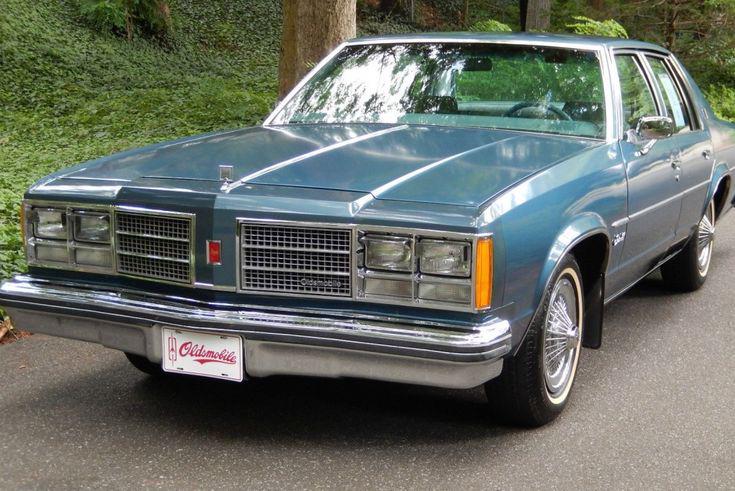
GM’s diesel used head bolts that were insufficiently strong for diesel compression pressures. The head gaskets failed with regularity. When diesel fuel contaminated the oil through injector seal failures, engine damage followed quickly and expensively.
Water contamination proved another recurring nightmare. Diesel fuel in America at the time had higher water content than European diesel. The Oldsmobile injection system was not designed to handle this contamination adequately. Seized injectors and damaged injection pumps became alarmingly common failure modes.
Boomers who bought these diesels expecting European-style reliability and fuel economy received neither. The engines required expensive repairs far earlier than any reasonable owner’s expectation would suggest. Warranty claims overwhelmed GM dealers and strained customer relationships to the breaking point.
The financial damage to individual Boomer buyers was significant and real. Injection pump replacements alone could cost more than $1,000 in early 1980s money. For middle-class families who had bought these cars partly to save money on fuel, the repair bills were genuinely painful.
GM’s response to the disaster was inadequate and slow. Field fixes came piecemeal and incompletely. By the time the fundamental engineering problems were properly addressed, the reputation of American diesel passenger cars had been destroyed for a generation.
The Oldsmobile diesel fiasco had consequences that extended far beyond the individual cars. It poisoned American consumers against diesel passenger cars for decades. European automakers who built genuinely excellent diesel cars found American doors closed because of what GM had done to the category’s reputation.
5. Chrysler Imperial (1981 – 1983)
The Chrysler Imperial of 1981 to 1983 represents a uniquely painful wrong call. It asked Boomers to pay luxury car prices for a vehicle assembled from components that were anything but luxurious. The gap between the car’s ambitions and its execution was wide enough to be genuinely embarrassing.
Chrysler was in desperate financial trouble when the 1981 Imperial launched. The company had required a federal government bailout to survive. Lee Iacocca was selling the American public on Chrysler’s recovery story with considerable skill and personal charisma.
The Imperial was supposed to be the crown jewel of that recovery. It was positioned against Cadillac and Lincoln at the top of the market. The price point was firmly in luxury territory at over $18,000 in 1981 dollars.
What buyers received for that money was fundamentally a dressed-up version of the Cordoba personal luxury car. The R-body platform underneath was aging and not designed for luxury-car refinement. Road noise and structural flex that buyers would not have accepted in any competitor were present and noticeable.
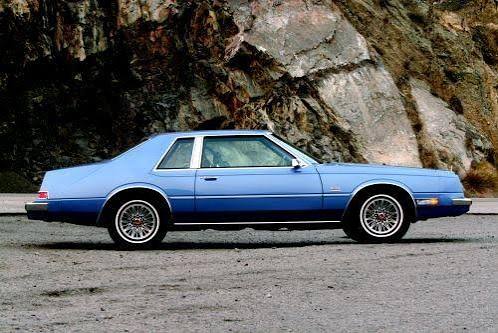
The Mark Cross leather interior was a genuine touch of authenticity. The partnership with the prestigious accessories brand brought real quality to the cabin surfaces. But the Mark Cross seats sat on platforms and were surrounded by trim that could not maintain the same standard throughout.
Electronic features were incorporated extensively but prematurely. The electronic voice alert system that warned drivers of various conditions was technically impressive for 1981. It was also frequently unreliable and developed an industry reputation for phantom warnings that annoyed owners continuously.
The Bendix electronic fuel injection system caused persistent problems. Cold-start behavior was erratic in ways that embarrassed owners in parking lots and driveways. For an $18,000 luxury car, stumbling on a cold morning was an unacceptable failure.
Build quality consistency was poor throughout the production run. Two Imperials built in the same month at the same plant could have noticeably different interior fit and finish. Luxury buyers who were cross-shopping with Cadillac noticed these inconsistencies immediately and unkindly.
Sales figures were catastrophic almost from the start. Chrysler had projected selling 50,000 units annually. First-year sales reached only about 7,000 cars. The disconnect between the company’s ambitions and the market’s reception was complete and humbling.
The Imperial died after just three model years, one of the shortest production runs for a nameplate with such a long and distinguished history. Boomers who invested in this luxury car lost money, face, and faith simultaneously. It was the wrong car at the wrong time from a manufacturer that was not yet ready to deliver what it was promising.
Also Read: 10 Trucks With Cabins That Fit Three Adults In The Front
