
Fuel costs are one of the biggest ongoing expenses for any car owner. With petrol and diesel prices remaining unpredictable, millions of drivers are now making smarter choices at the showroom. The right car can save you thousands of rupees or dollars every single year, simply by burning less fuel.
The global automotive industry has responded to this demand brilliantly. Engineers and designers are now pushing boundaries to deliver vehicles that squeeze every last kilometre out of every litre of fuel. From hybrid powertrains to advanced turbo-diesel engines, the technology has never been more impressive or more accessible.
But not all fuel-efficient cars are created equal. Some stand head and shoulders above the rest, offering extraordinary mileage figures combined with comfort, reliability, and style. These are the vehicles that owners talk about with genuine pride, not just because they look good, but because they cost so little to run.
In this article, we explore nine remarkable cars that have earned a reputation for saving their owners serious money at the fuel pump. Whether you drive long distances daily or just use your car for weekend errands, these vehicles represent some of the most economical choices on the market today.
Each one has been chosen based on real-world fuel efficiency, ownership costs, and widespread acclaim among drivers who demand more from every drop of fuel.
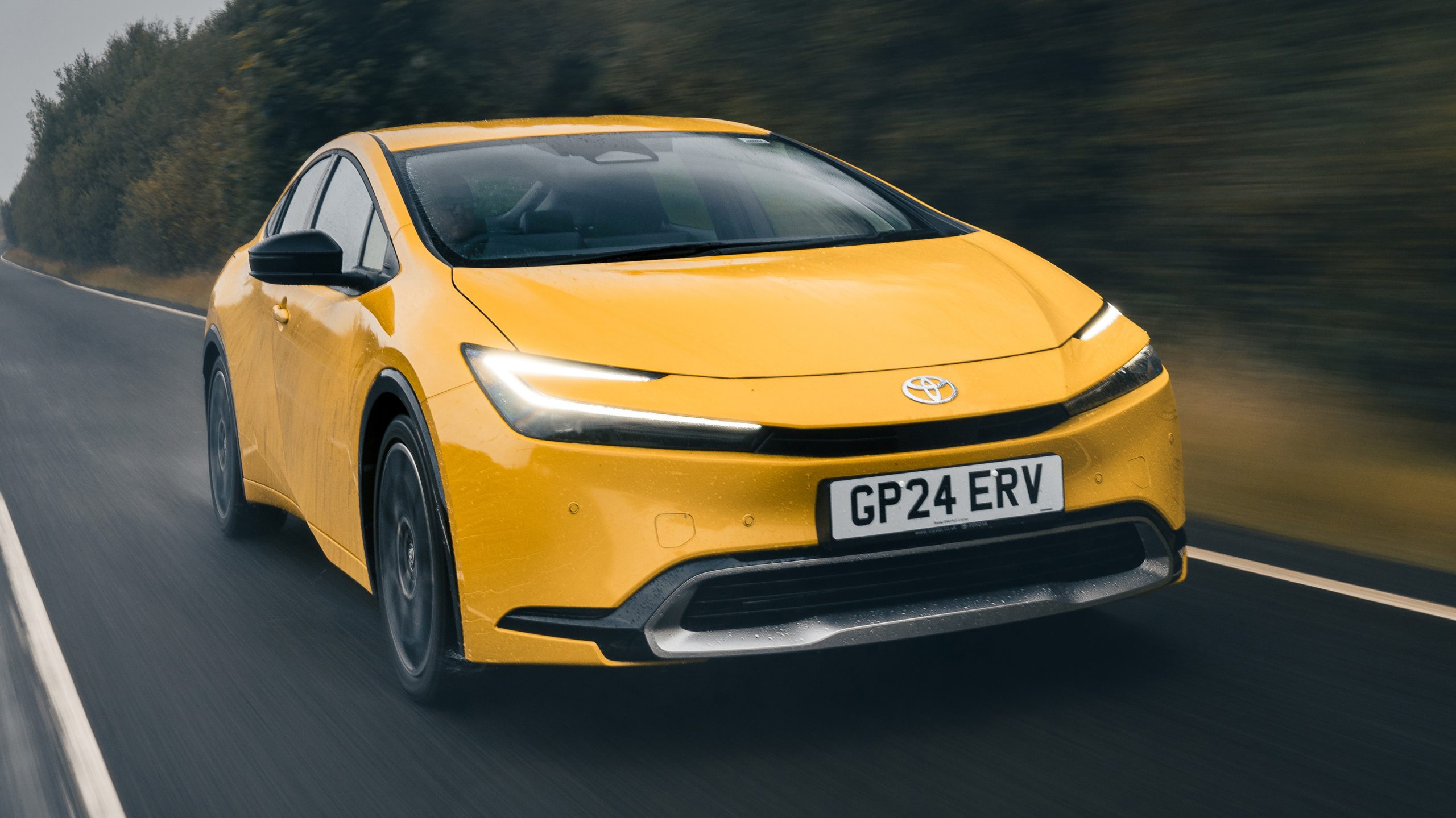
1. Toyota Prius
The Toyota Prius is arguably the most famous fuel-efficient car ever built. It has been setting benchmarks since it first arrived in 1997. Decades later, it continues to dominate conversations about economical motoring.
The Prius uses a sophisticated hybrid powertrain that seamlessly blends a petrol engine with an electric motor. During city driving, the electric motor does much of the heavy lifting, dramatically reducing fuel consumption. On highways, the petrol engine kicks in more prominently, but the combined system remains extraordinarily efficient throughout.
The latest generation Prius delivers fuel economy figures that were once unimaginable for a non-plug-in vehicle. Owners in real-world conditions regularly report achieving over 25 to 28 kilometres per litre. That level of efficiency means annual fuel savings that can easily reach tens of thousands of rupees compared to a conventional petrol car.
Toyota has engineered the Prius with an eye for aerodynamics. Its sleek, sloping profile is not just about aesthetics; it reduces air resistance significantly at highway speeds. Less drag means the engine works less hard, which directly translates to lower fuel consumption on long journeys.
The regenerative braking system is another key feature that sets the Prius apart. Every time you apply the brakes, energy that would otherwise be lost as heat is captured and stored in the battery. This recovered energy is then used to power the electric motor, reducing the load on the petrol engine even further.
Inside, the Prius is practical and spacious. It comfortably seats five adults and offers a surprisingly large boot. The cabin uses sustainable materials and features a modern infotainment system that includes real-time fuel efficiency data, encouraging drivers to adopt smoother, more economical driving habits.
Maintenance costs for the Prius are also impressively low. Toyota’s reliability record is legendary in the automotive world. The hybrid battery comes with a long warranty, and the absence of a traditional starter motor, alternator, and conventional braking system means fewer components to replace over the years.
For commuters who cover significant distances each day, the Prius pays for its premium over a conventional car in a relatively short time. Over a typical ownership period of five to seven years, total fuel savings can be substantial. It remains one of the smartest investments any fuel-conscious driver can make.
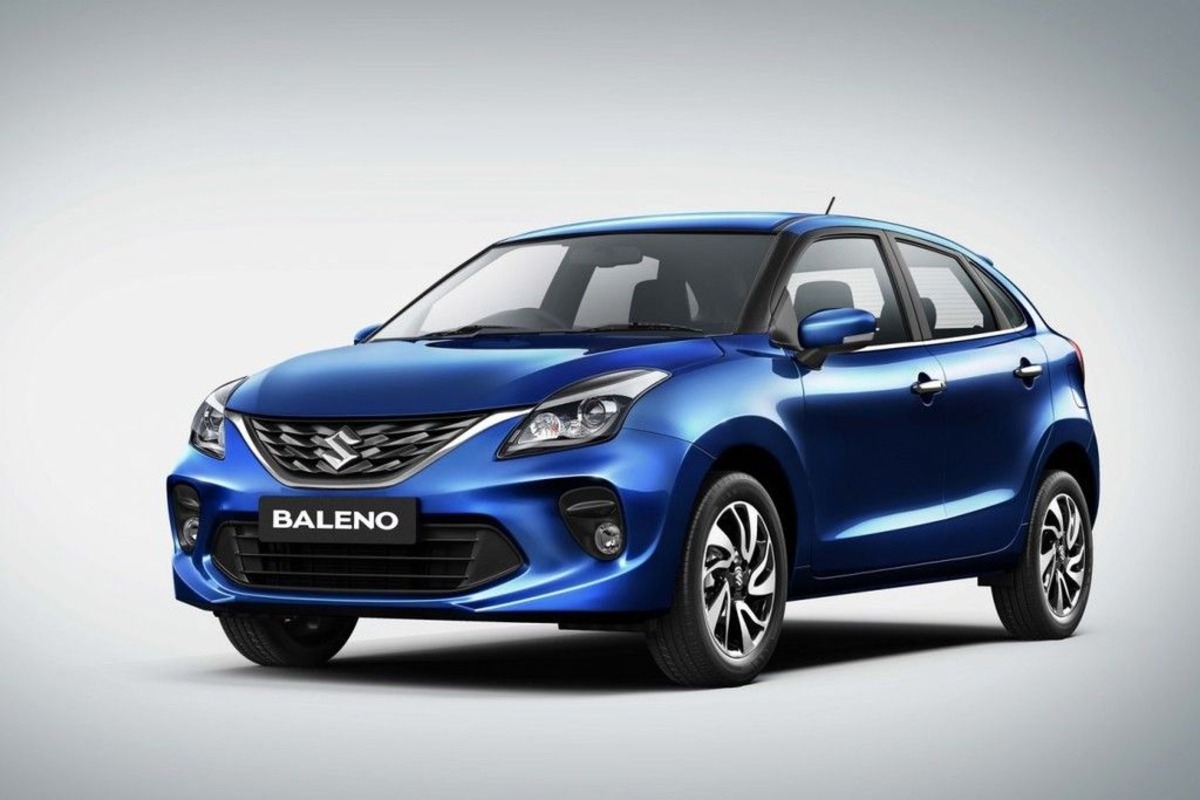
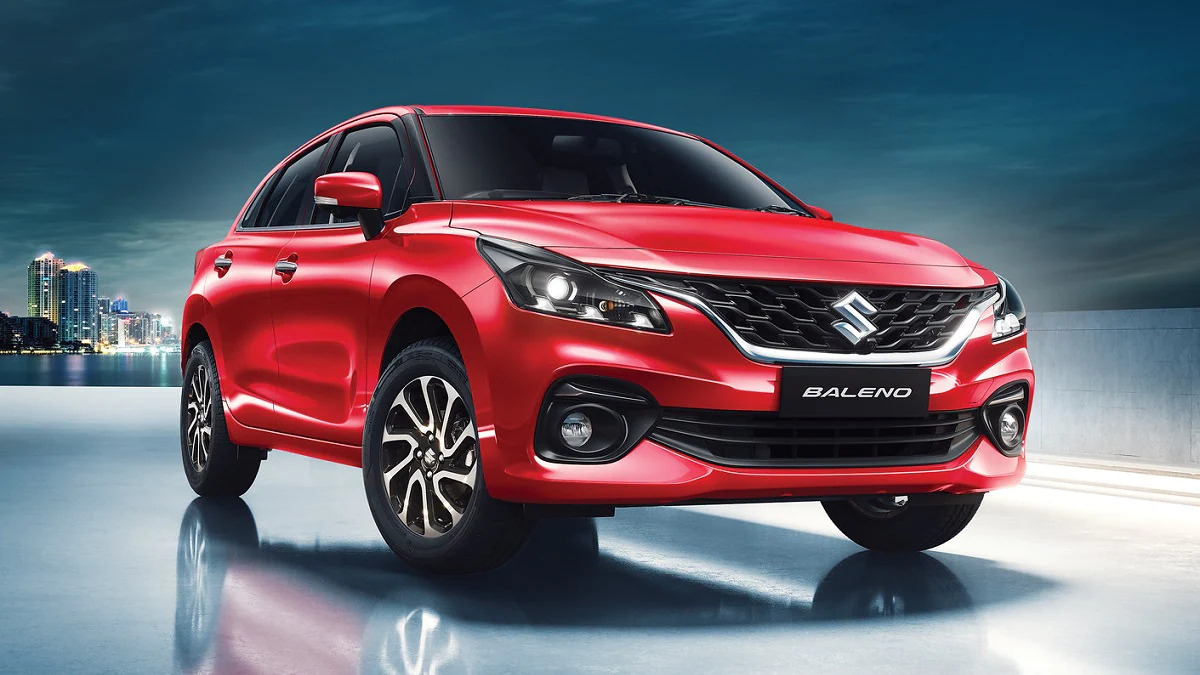
2. Maruti Suzuki Baleno
The Maruti Suzuki Baleno has captured the hearts of Indian buyers for good reason. It offers remarkable fuel efficiency combined with stylish design and an attractive price point. Few cars in this segment deliver as much for as little.
Equipped with Maruti’s proven 1.2-litre DualJet petrol engine, the Baleno achieves official fuel economy figures of around 22 kilometres per litre. In real-world urban conditions, owners consistently report figures between 17 and 20 kilometres per litre. That is exceptional for a car of its size and capability.
The DualJet engine technology is a significant contributor to this efficiency. It uses two fuel injectors per cylinder instead of one, resulting in finer atomisation of fuel and more complete combustion. This means more power is extracted from each drop of petrol, with less going to waste as unburnt fuel.
Maruti has also offered the Baleno with a factory-fitted CNG option, which takes the running costs to an entirely different level. CNG-powered Balenos achieve the equivalent of over 30 kilometres per kilogram of compressed natural gas. For families in cities with CNG infrastructure, this variant can slash fuel costs by more than half compared to petrol.
The Baleno’s lightweight construction plays a crucial role in its efficiency. Maruti has used high-tensile steel strategically to keep the kerb weight low while maintaining structural rigidity. A lighter car requires less energy to accelerate, which directly benefits fuel economy in everyday stop-and-go traffic.
The idle start-stop system available on certain Baleno variants further improves efficiency in city conditions. When the car is stationary at traffic lights for more than a few seconds, the engine automatically shuts off. It restarts instantly when the driver releases the brake pedal, eliminating fuel wastage during prolonged stops.
Servicing the Baleno is remarkably affordable. Maruti has the most extensive service network in India, with authorised workshops in even the smallest towns. Spare parts are widely available and competitively priced. This keeps the total cost of ownership impressively low over the car’s lifetime.
For Indian families seeking genuine value without compromising on modern features, the Baleno is a compelling choice. Its combination of strong fuel efficiency, low maintenance costs, and broad appeal makes it one of the smartest buys in the country today.
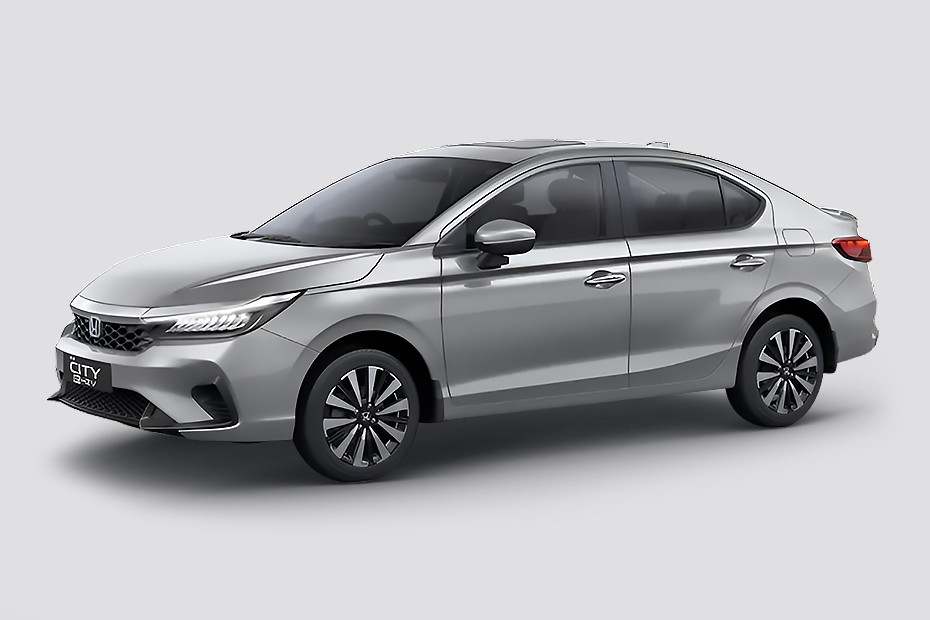
3. Honda City Hybrid
The Honda City Hybrid brings Honda’s acclaimed e:HEV technology to one of the most popular sedan segments in Asia. It represents a significant step forward in affordable hybrid motoring. Buyers get genuine hybrid efficiency without paying a luxury car premium.
Honda’s e:HEV system operates differently from many other hybrids. In city conditions, the car runs almost exclusively on its electric motor, using the petrol engine primarily to generate electricity. This setup is particularly effective in congested urban environments where traditional petrol engines are least efficient.
The official fuel economy rating for the City Hybrid stands at an impressive 26.5 kilometres per litre. Real-world owners in mixed driving conditions typically achieve between 20 and 24 kilometres per litre. Over a year of regular commuting, this can translate to fuel savings of ₹40,000 or more compared to a conventional petrol sedan.
Honda has engineered the City Hybrid with a remarkably smooth driving experience. The transition between electric and petrol power is nearly imperceptible to the driver. This seamlessness is not just comfortable; it also ensures that the powertrain always operates in its most efficient mode without any driver input.
The regenerative braking in the City Hybrid is highly effective. Deceleration and braking events recharge the battery efficiently, extending the range available on electric power alone. Drivers who master gentle braking techniques can noticeably improve their real-world fuel economy figures over time.
Inside the City Hybrid, the quality of materials and fit and finish are noticeably superior to most of its competitors. The large touchscreen infotainment system includes an energy flow display that shows in real time whether the car is drawing from the battery, the petrol engine, or regenerating energy. This helps drivers develop more economical habits naturally.
Honda’s reputation for reliability is well deserved. The City Hybrid’s battery pack comes with a long warranty. The electric motors in Honda’s hybrid systems are known for their longevity, often lasting the lifetime of the vehicle without requiring replacement.
For buyers who want the comfort and refinement of a premium sedan without the guilt of high fuel bills, the Honda City Hybrid is one of the most well-rounded choices available. It delivers genuine day-to-day savings while making every journey a pleasure.
4. Hyundai Creta Turbo Petrol
The Hyundai Creta has long been one of the best-selling SUVs in India. The turbocharged petrol variant adds a layer of driving excitement to its already impressive credentials. Remarkably, this turbocharged engine also delivers fuel economy that rivals many smaller petrol cars.
Hyundai’s 1.5-litre turbocharged GDi engine produces 160 bhp of power while achieving fuel economy figures of around 17 to 18 kilometres per litre under official testing. In real-world conditions on highways, many owners report achieving over 15 kilometres per litre. For an SUV with genuine performance, these numbers are outstanding.
The secret lies in Hyundai’s use of a small-displacement turbocharged engine instead of a larger naturally aspirated unit. Turbocharging allows the engine to produce strong power only when needed, while operating more efficiently at lighter loads during regular cruising. This technology, often called downsizing, is now a cornerstone of modern fuel-efficient engineering.
The 7-speed dual-clutch automatic transmission available with the turbo engine contributes significantly to efficiency. Dual-clutch gearboxes are faster and more efficient than traditional torque-converter automatics. They change gears with minimal power interruption, keeping the engine in its optimal operating range more consistently.
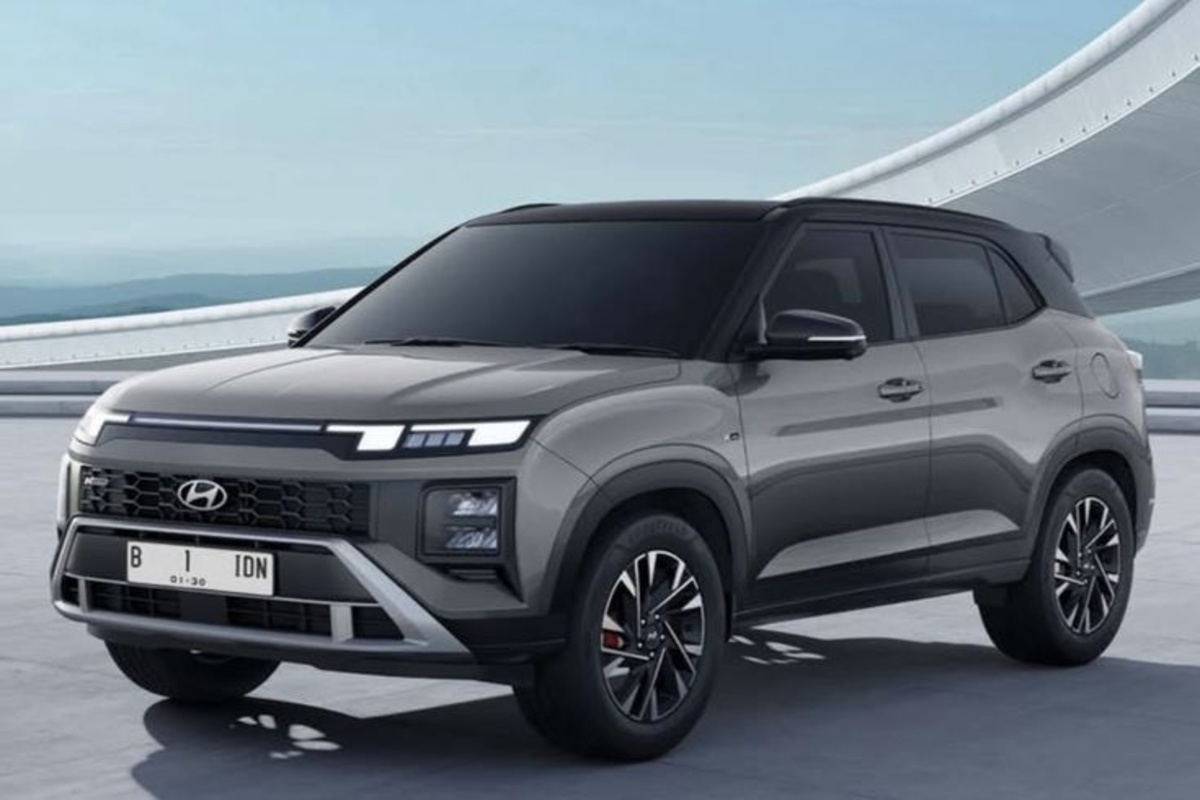
Hyundai has equipped the Creta with a sophisticated drive mode system. In Eco mode, the throttle response is softened, and the air conditioning output is moderated to reduce the load on the engine. Drivers who regularly use Eco mode in city traffic can see a meaningful improvement in fuel economy compared to Normal or Sport modes.
The Creta’s aerodynamic design has been carefully refined. The smooth roofline, integrated spoiler, and carefully shaped underbody work together to reduce drag at highway speeds. Lower drag translates directly into better fuel economy when cruising, which is where many owners spend a significant portion of their driving time.
Hyundai’s build quality and reliability have improved enormously in recent years. The Creta carries a strong resale value, which further strengthens its value proposition. Lower running costs combined with strong residual values make it an economically intelligent choice for SUV buyers who want to be smart with their money.
Also Read: 6 Sedans Where the Stereo Still Sounds Good After 15 Years vs 6 With Crackling Speakers
5. Tata Nexon CNG
The Tata Nexon CNG has achieved something remarkable, it is the world’s first turbocharged CNG SUV. Tata Motors has managed to combine the performance benefits of turbocharging with the extraordinary running cost advantages of compressed natural gas. The result is a genuinely groundbreaking vehicle.
Compressed natural gas is significantly cheaper than petrol in most Indian cities. The Nexon CNG achieves an equivalent fuel economy of around 24 kilometres per kilogram of CNG. Given that CNG costs roughly a third to half of petrol on a per-kilometre basis, the running cost savings are dramatic and immediate from day one of ownership.
Tata’s twin-cylinder CNG system is a key innovation. Traditional CNG conversions often suffer from a significant loss of power and driveability. By maintaining the turbocharger even in CNG mode, Tata has ensured that the Nexon remains responsive and pleasurable to drive. Power in CNG mode is still a respectable 100 bhp, which is entirely adequate for everyday use.

The dual-fuel capability of the Nexon CNG is a significant practical advantage. When CNG runs low, the car automatically switches to petrol, giving drivers complete peace of mind. There is no anxiety about being stranded if a CNG station is not nearby. This flexibility makes the Nexon CNG genuinely usable across the entire country.
Safety has been a paramount concern in the development of the Nexon CNG. The CNG cylinders are placed in the boot but are mounted within a specially reinforced structure. Tata has subjected the system to extensive testing, and the Nexon maintains its strong safety credentials even with the CNG hardware installed.
The Nexon’s Ziptron electrical architecture, shared with its electric variant, provides advanced vehicle management. The engine management system has been specifically tuned for CNG operation to maximise efficiency and minimise emissions. CNG produces significantly fewer harmful pollutants than petrol, making the Nexon CNG an environmentally conscious choice as well.
For families in cities with good CNG infrastructure, the Nexon CNG can save ₹50,000 to ₹80,000 per year in fuel costs compared to a petrol SUV. Over a typical ownership period, these savings comfortably offset any additional purchase price. The Nexon CNG represents exceptional thinking from an Indian manufacturer that is increasingly punching above its weight.
6. Toyota Innova Hycross
The Toyota Innova has been a cornerstone of Indian family motoring for two decades. The Hycross variant has taken this legendary nameplate into an entirely new era. It brings full hybrid technology to a segment that was previously dominated by diesel engines.
The Innova Hycross uses the same type of strong hybrid system found in the Prius. Its 2.0-litre petrol Atkinson-cycle engine works in harmony with a powerful electric motor. The result is an official fuel economy figure of around 21 kilometres per litre, which is extraordinary for a seven-seat family MPV.
Toyota’s Atkinson-cycle engine design is central to this efficiency. Atkinson-cycle engines have a longer expansion stroke than a conventional Otto-cycle engine, which extracts more energy from each combustion event. While this makes the engine less powerful at low rpm, the electric motor compensates, providing strong low-speed torque where it matters most.
The Innova Hycross defaults to electric power whenever possible during city driving. At moderate speeds in stop-and-go traffic, the car can travel on electricity alone for extended periods. This is precisely the condition where conventional petrol engines are least efficient, so the hybrid system delivers its greatest benefits exactly where urban families need it most.
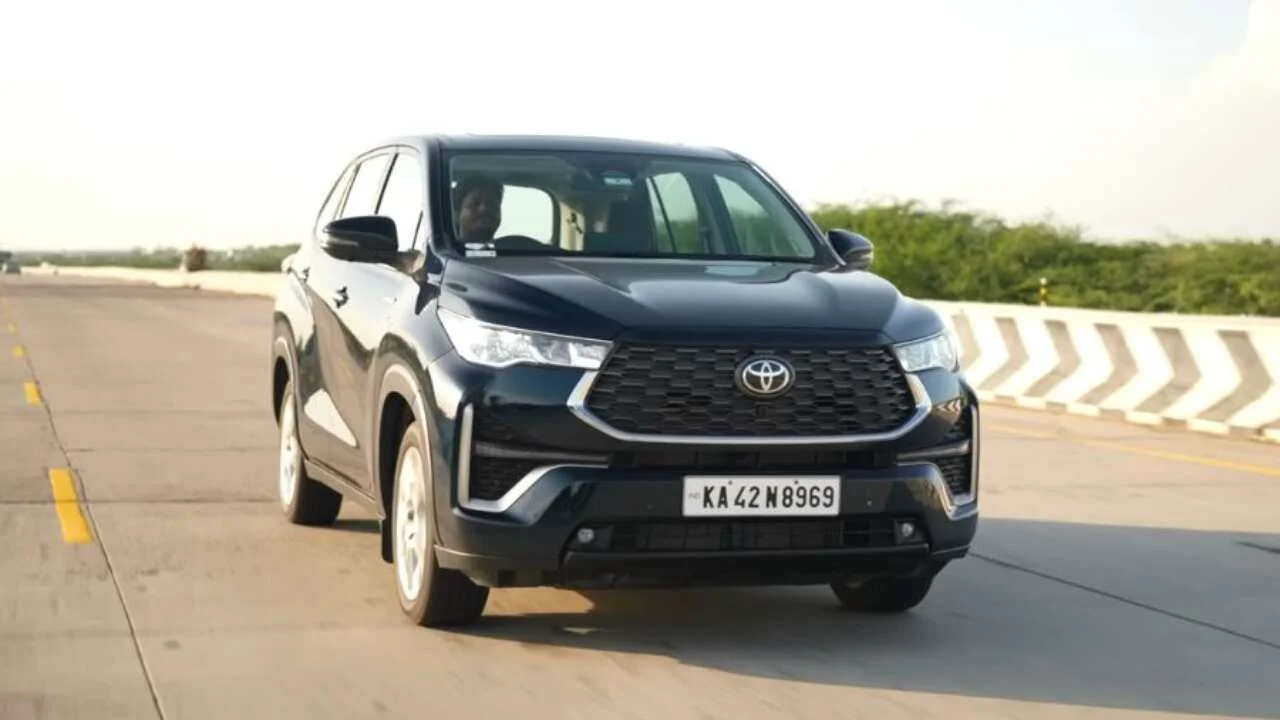
Space and practicality remain at the heart of the Innova Hycross. The shift to a front-wheel-drive platform and the absence of a large rear-axle differential have freed up interior space significantly. All three rows of seats are genuinely comfortable, and the third row can now be power-folded, a first for the Innova nameplate.
Toyota’s legendary reliability means that Innova owners rarely face unexpected repair bills. The hybrid system is backed by a long warranty on the battery pack. Toyota’s service network across India is extensive, ensuring that owners can get their vehicles serviced conveniently wherever they live.
For large families or businesses that regularly transport groups of people, the fuel savings from the Hycross are enormous. At typical annual mileages, the difference in running costs between the Hycross and a diesel MPV can be surprisingly small, while the Hycross is quieter, smoother, and far more refined to drive and travel in.
7. Kia Carens Diesel
The Kia Carens Diesel has established itself as one of the most efficient choices for families who cover substantial distances regularly. Its 1.5-litre diesel engine is a finely developed unit with impressive real-world fuel economy. Few three-row family vehicles can match its combination of space, refinement, and running costs.
The Smartstream diesel engine in the Carens is a modern unit designed with efficiency as a primary objective. It produces 115 bhp and 250 Nm of torque, providing strong pulling power across a wide rev range. Official fuel economy figures stand at around 21 kilometres per litre, and highway drivers often report even better figures in practice.
Kia has calibrated the Carens diesel with a six-speed manual transmission that is thoughtfully geared for long-distance cruising. The tall top gear keeps engine rpm low at highway speeds, reducing fuel consumption significantly on expressways. For families who regularly make long inter-city journeys, this gearing strategy pays meaningful dividends.
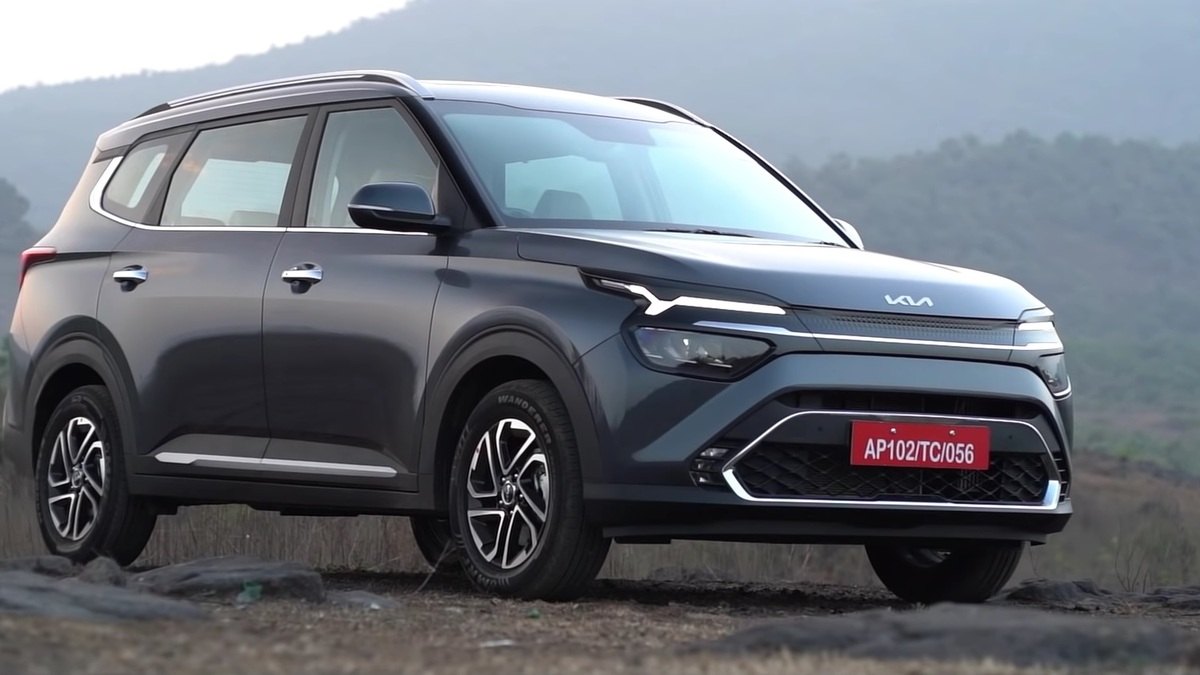
The Carens has been engineered to be aerodynamically efficient. Its smooth front fascia, integrated roof rails, and carefully shaped rear are all the product of wind-tunnel development. At highway speeds, good aerodynamics are arguably the single most important factor in fuel economy, and Kia’s attention to this detail shows in real-world results.
Interior quality in the Carens is notably high for its price point. The second and third rows of seats are genuinely comfortable, with adequate legroom even for adults. The panoramic sunroof and ventilated front seats add a premium feel that makes long journeys feel less taxing for everyone on board.
Kia has made the Carens straightforward and affordable to service. The diesel engine is robust and proven, sharing its fundamental architecture with several other Hyundai-Kia group vehicles. This commonality of parts keeps service costs competitive, further reducing the total cost of ownership over the vehicle’s life.
For Indian families who regularly travel long distances for work or leisure, the Carens diesel is a compelling proposition. The fuel savings compared to a petrol three-row MPV can amount to ₹30,000 to ₹50,000 per year for high-mileage users. It is a genuinely practical and economical choice for families who need space and efficiency in equal measure.
8. MG ZS EV
The MG ZS EV represents a fundamentally different approach to saving on fuel by eliminating fuel costs almost entirely for daily commuters. As an electric vehicle, it draws all its energy from the electrical grid. The cost per kilometre of running an electric car is a fraction of what a petrol car costs.
In Indian conditions, charging the MG ZS EV at home from a standard power socket or a dedicated home charger costs between ₹1.5 and ₹2.5 per kilometre, depending on local electricity tariffs. A comparable petrol SUV costs between ₹7 and ₹10 per kilometre at current fuel prices. The savings for daily commuters are immediate and substantial.
The MG ZS EV offers a real-world range of approximately 350 to 400 kilometres on a full charge in the latest variant. For most urban commuters who drive between 40 and 80 kilometres per day, a single charge can last several days. Home charging overnight makes the ZS EV extraordinarily convenient for regular use.
MG has equipped the ZS EV with fast-charging capability. A DC fast charger can replenish the battery from 10 percent to 80 percent in approximately 60 minutes. For longer journeys, this capability means that charging stops need not be excessively long or inconvenient, especially as India’s charging infrastructure continues to expand rapidly.
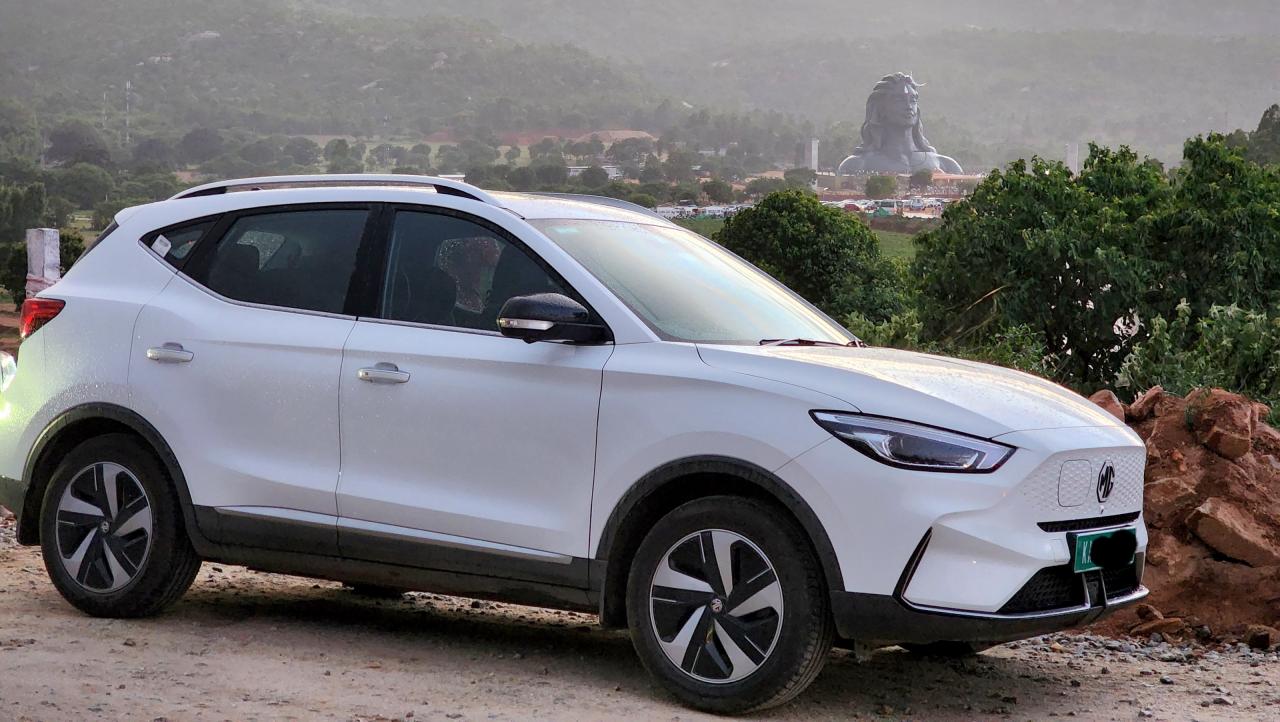
The electric motor in the ZS EV delivers an immediate and smooth surge of torque from standstill. This characteristic makes city driving particularly enjoyable. Traffic light acceleration and overtaking manoeuvres are effortless, giving drivers a sense of performance that belies the car’s economical credentials.
MG offers an extensive warranty package with the ZS EV. The battery pack is covered for eight years or 150,000 kilometres, whichever comes first. This gives buyers confidence that the most expensive component of the vehicle is protected for a long period. The ownership experience is designed to be as worry-free as possible.
For urban families with access to home charging, the MG ZS EV can save ₹80,000 to ₹1,20,000 per year compared to running a petrol SUV at typical urban mileages. Over a five-year ownership period, these savings run into several lakhs of rupees. The ZS EV is not just an environmentally responsible choice, it is a financially brilliant one for the right kind of buyer.
9. Maruti Suzuki Swift
The Maruti Suzuki Swift has been one of India’s best-selling cars for many years. Its enduring popularity is built on a simple formula it is fun to drive, affordable to buy, and extraordinarily cheap to run. The latest generation Swift has raised the bar on fuel efficiency to a level that genuinely impresses.
The new Swift is powered by a new 1.2-litre Z-Series petrol engine that delivers an official fuel economy figure of 24.8 kilometres per litre. This is a remarkable achievement for a car that does not rely on hybrid technology. Real-world owners report consistently achieving between 18 and 22 kilometres per litre in mixed urban and highway driving.
Maruti has achieved this efficiency through a combination of engineering improvements. The Z-Series engine features a higher compression ratio than its predecessor, which improves thermodynamic efficiency. It also incorporates an idle start-stop system and improved thermal management to reduce fuel wasted during engine warm-up.
The Swift’s lightweight construction is central to its efficiency. Maruti has kept the kerb weight of the Swift remarkably low for a modern car, partly by using lightweight materials strategically and partly by not over-engineering the vehicle. Every kilogram saved in vehicle weight reduces the energy needed for acceleration, directly benefiting fuel economy.

Aerodynamics have been carefully considered in the new Swift’s design. The sharper, more defined bodywork is not just stylish, it is more aerodynamically efficient than the previous generation. The lower drag coefficient means the engine works less hard at highway speeds, contributing to strong motorway fuel economy.
The Swift’s small size makes it ideal for city navigation. Narrow gaps in traffic, tight parking spaces, and dense urban environments are all far less stressful in a compact car like the Swift. Less time spent idling in traffic and more efficient point-to-point navigation in cities naturally improves real-world fuel consumption.
Maruti’s service costs for the Swift are among the lowest of any car in India. The brand’s unmatched service network means owners are never far from an authorised workshop. Genuine spare parts are readily available at competitive prices throughout the country. Low purchase price, low fuel costs, and low maintenance costs make the Swift the complete economic package for budget-conscious Indian buyers.
Over a year of typical city use covering around 15,000 kilometres, the Swift can save an owner between ₹25,000 and ₹40,000 compared to a similarly sized petrol hatchback with lower efficiency. For young professionals, small families, and first-time car buyers, the Swift makes an overwhelming case as the smartest small car money can buy in India today.
Also Read: 5 Vehicles Where the Heater Still Works at 250K vs 5 Where It Quits at 80K
