
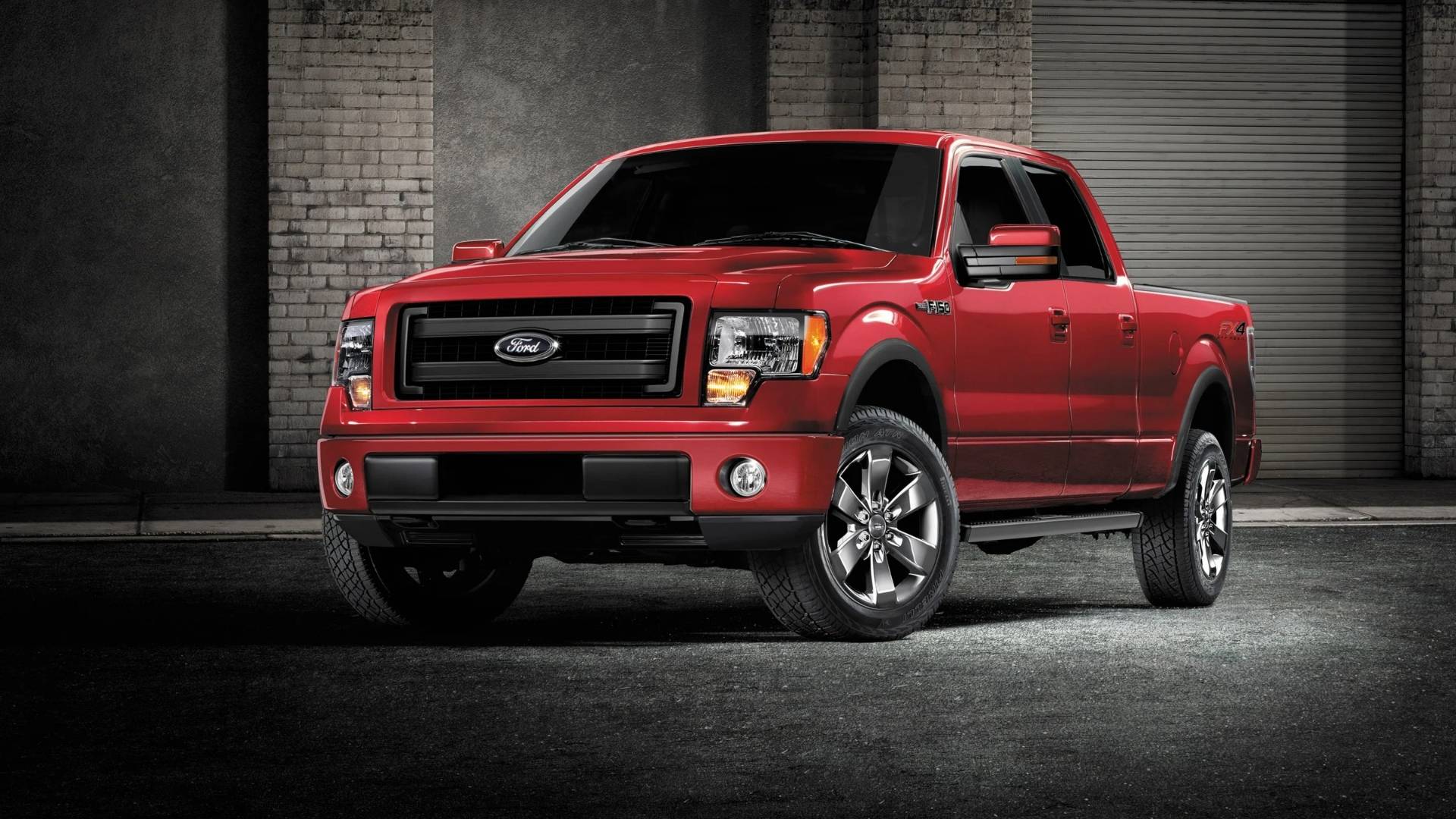
Buying a truck is only the beginning of the financial commitment you make. The real costs start showing up the moment routine maintenance comes due. Nothing reveals the gap between affordable and expensive ownership quite like a brake job.
Some trucks let you walk out of the shop with change left over from a $400 bill. Others will leave you staring at an invoice that could fund a weekend vacation. The difference between these two groups is not random or accidental.
It comes down to truck size, brake system engineering, parts availability, rotor diameter, and caliper complexity. Whether your truck was designed to haul groceries or pull a 15,000-pound trailer makes an enormous difference at the shop counter.
The larger and more powerful the vehicle, the more stopping power it requires. Better brakes cost significantly more to build and significantly more to replace when they wear out.
Truck owners face the highest brake replacement costs among non-commercial vehicle owners. That is especially true for heavy-duty three-quarter-ton models built for serious towing and hauling work.
But not all trucks punish your wallet equally at service time. Half-ton daily drivers and compact mid-size pickups can be surprisingly affordable to maintain when brake time comes around.
Understanding which category your truck falls into before you buy is one of the smartest ownership decisions you can make. Getting blindsided by a $1,500 brake bill on a truck you expected to be cheap to maintain is a painful and avoidable surprise.
This guide breaks down four trucks that keep brake bills completely manageable. It also identifies four trucks that will seriously test your maintenance budget every time brake service comes due.
4 Trucks Where Brake Jobs Stay Under $400
These trucks are known for simple brake designs, affordable parts, and lower labor costs, helping owners keep routine brake service inexpensive. Models like the Toyota Tacoma, Ford Ranger, and older Chevrolet Silverado trims often use widely available components that make brake jobs straightforward and budget-friendly.
Their lighter-duty setups and easier access to brake hardware help reduce labor time, allowing many owners to complete full pad and rotor replacements without spending a fortune. For long-term ownership, these trucks remain relatively inexpensive to maintain.
1. Toyota Tacoma
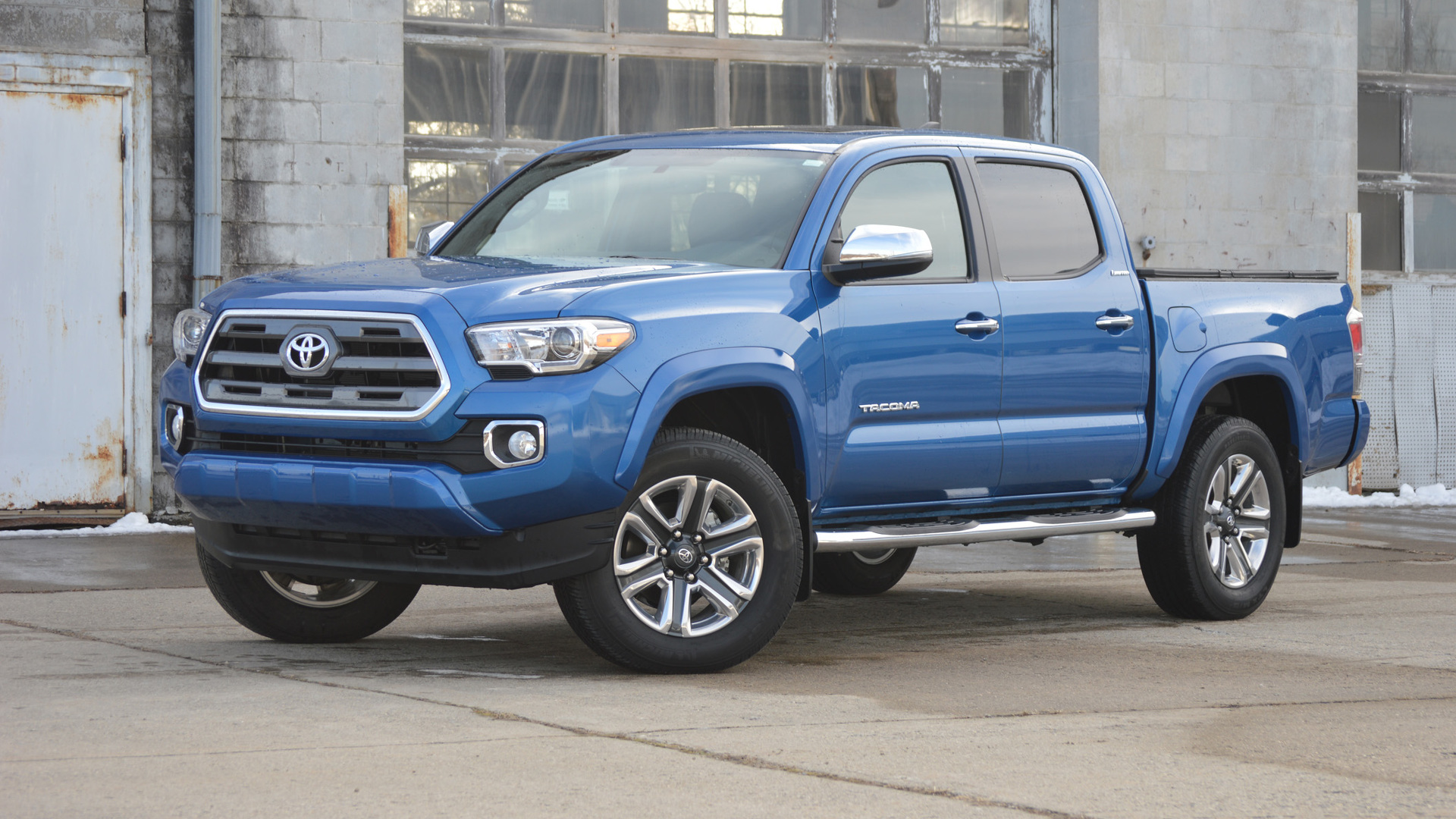
The Toyota Tacoma has earned a nearly bulletproof reputation among truck buyers across North America. Part of that reputation comes directly from how reasonable and predictable it is to maintain over time. When it comes to brakes specifically, the Tacoma is one of the most cost-friendly mid-size trucks available today. Independent shops can complete a full front axle brake job on a Tacoma without breaking either a sweat or your bank account.
The average cost for a Toyota Tacoma brake pad replacement falls between $253 and $326 at a professional shop. That figure covers pads only on a single axle at typical labor rates. When you add rotor replacement for a complete front axle job at an independent garage, most owners spend between $300 and $400 total. That is a number most truck owners can absorb without losing sleep.
The reasons behind the Tacoma’s affordability are structural and consistent. It is a mid-size truck, which means its rotors are smaller and lighter than those on full-size pickups. Smaller rotors cost less to manufacture, less to source, and less to replace at service time. The Tacoma’s brake calipers use a standard floating caliper design that any competent technician can service efficiently.
Labor hours on a Tacoma brake job stay low because the system is well understood and widely serviced. That directly translates to a smaller charge at the bottom of your invoice. Add two hours of labor at a typical independent shop rate, and you remain comfortably under the $400 ceiling for a front axle job.
Parts availability is another massive factor working in Tacoma owners’ favor. Because the Tacoma is one of the best-selling trucks in America, aftermarket manufacturers produce brake components for it in enormous quantities. That marketplace competition keeps prices consistently low for anyone shopping around. You can find quality pads and rotors for a Tacoma front axle for well under $150 in parts alone.
Toyota’s factory brake components on the Tacoma also carry a reputation for impressive durability. Many owners report getting 50,000 to 70,000 miles out of a set of pads under normal daily driving conditions.
That means service intervals are stretched further apart, reducing the total number of brake jobs over the vehicle’s life. Fewer brake jobs per 100,000 miles is just as valuable as cheap individual brake jobs.
The rear brakes on the Tacoma are equally manageable and affordable to service. Older generation models with rear drum brakes can be serviced even more cheaply than four-wheel disc brake setups.
Even on fully disc-equipped models, the rear axle job typically falls in the $200 to $280 range at a quality independent shop. A complete four-corner brake overhaul on a Tacoma all four wheels with pads and rotors rarely exceeds $700 to $800 total.
The Tacoma also benefits from one of the largest and most active DIY communities of any truck on the road. Countless guides, videos, and forum discussions exist specifically for Tacoma brake service at every skill level.
For mechanically inclined owners willing to do the work themselves, parts-only costs can drop below $200 for a complete four-wheel job. That is the Tacoma advantage, affordable whether you wrench it yourself or hand it to a professional.
2. Ford F-150
The Ford F-150 is the best-selling vehicle in America, and that popularity creates a financial benefit most owners never stop to appreciate. When tens of millions of vehicles exist on the road, the parts ecosystem surrounding it becomes massive.
Brake pads, rotors, and calipers for the F-150 are manufactured by dozens of competing companies in a fiercely competitive aftermarket. That competition drives prices down and keeps brake jobs affordable relative to other full-size trucks.
Most F-150 owners pay somewhere between $115 and $300 per axle for new brake pads, labor included, at a professional shop. For a complete pad and rotor replacement on the front axle at an independent garage, most owners land in the $300 to $450 range.
That is a manageable and reasonable number for a full-size half-ton pickup truck. Avoid the dealership, and that number drops further still. Independent mechanics often complete the same F-150 brake job for $100 to $150 less than dealership pricing.
The average cost of a complete F-150 brake job ranges from $300 to $800 when all variables are considered. The higher end of that range involves rotor replacement on both axles plus caliper inspection at dealership labor rates. Most routine brake services, however, stay toward the lower half of that range when caught at the right time.
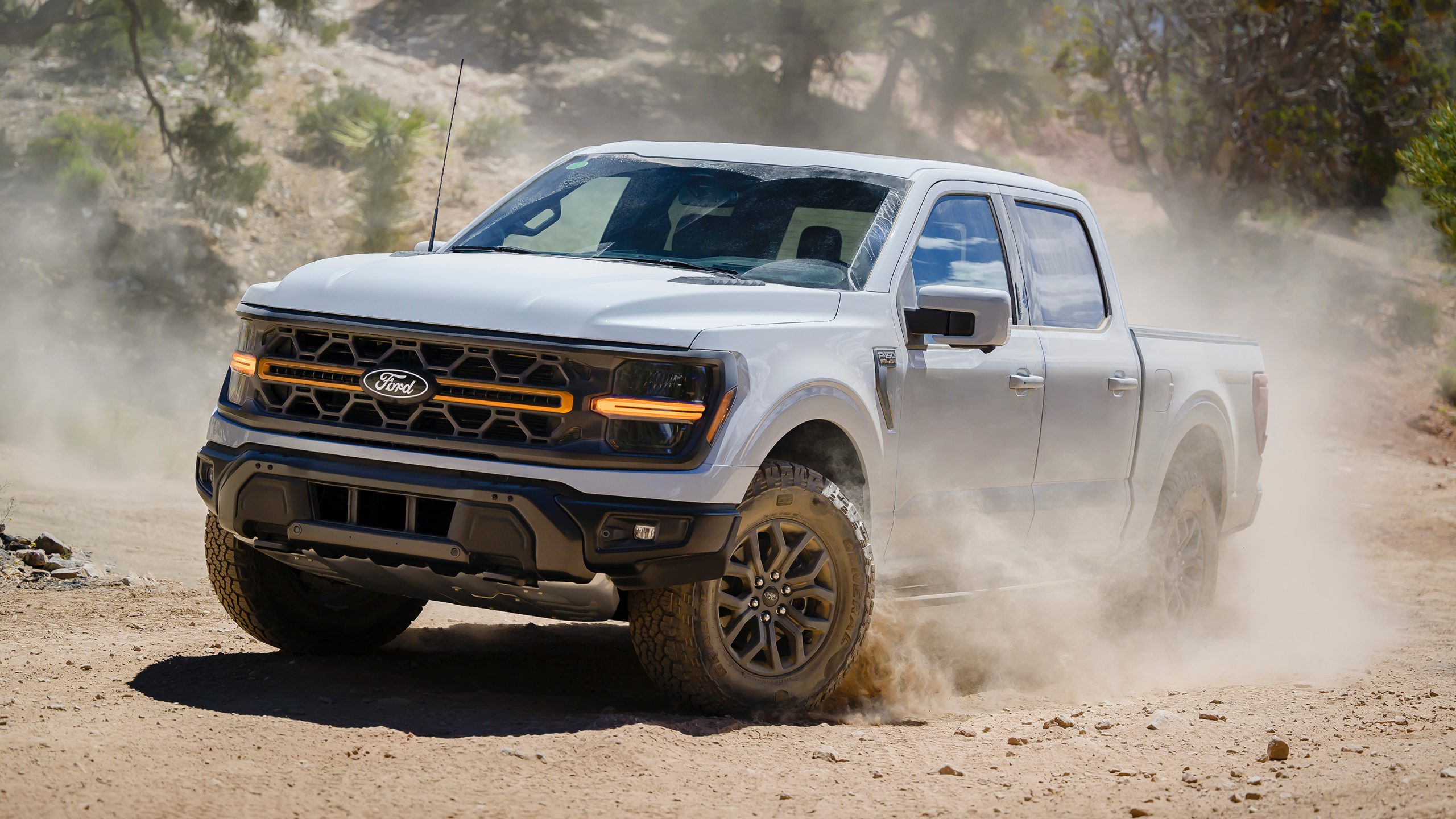
The F-150’s brake system is designed for real-world practicality rather than exotic performance engineering. The rotors are larger than a Tacoma’s to account for the truck’s greater weight and towing capacity.
But they are not the enormous, expensive discs found on heavy-duty three-quarter-ton trucks that push costs into the stratosphere. The calipers are straightforward sliding designs that any experienced mechanic can service in under two hours.
There is no exotic hardware, no electronic brake-by-wire complexity, and no proprietary parts that must be sourced from a single supplier. That simplicity is a genuine financial asset that compounds over years of ownership.
Standard F-150 configurations, the XLT, Lariat, and basic workhorse trims use conventional brake systems that stay predictably affordable. The Raptor and performance-oriented variants carry upgraded brakes that cost more, but they represent a small fraction of the total F-150 population.
F-150 owners who shop around can consistently keep brake bills under $400 for a standard front axle job. Getting multiple quotes from independent shops versus dealerships is always worth the phone calls.
The trick is to stay ahead of brake wear before pads reach the metal-on-metal grinding stage. At that point, rotor damage escalates the bill substantially beyond any comfortable budget range.
3. Chevy Colorado / GMC Canyon
The Chevrolet Colorado and its mechanical twin, the GMC Canyon, are mid-size trucks built around everyday driving rather than extreme heavy hauling. This design philosophy translates directly into some of the most accessible brake service costs in the entire truck segment.
Parts are affordable, labor is straightforward, and the brake system design makes service faster than average. Less time on the lift means less money on your invoice every single time.
The Colorado and Canyon use a fixed caliper design on the front axle across several model years. You might assume a more complex-looking caliper would cost more to service, but the opposite is actually true here.
This design means pad replacement is remarkably fast, sometimes requiring just two pins to be removed rather than unbolting the full caliper assembly. Faster service time results in direct savings for the truck owner.
Rotor sizes on the Colorado and Canyon are appropriately sized for a mid-size truck without being oversized. For a front axle brake job, most independent shops charge between $250 and $380 for pads and rotors combined.
That figure holds consistently across multiple markets and shop types throughout the country. It is one of the more predictable brake service costs available in any truck category today.
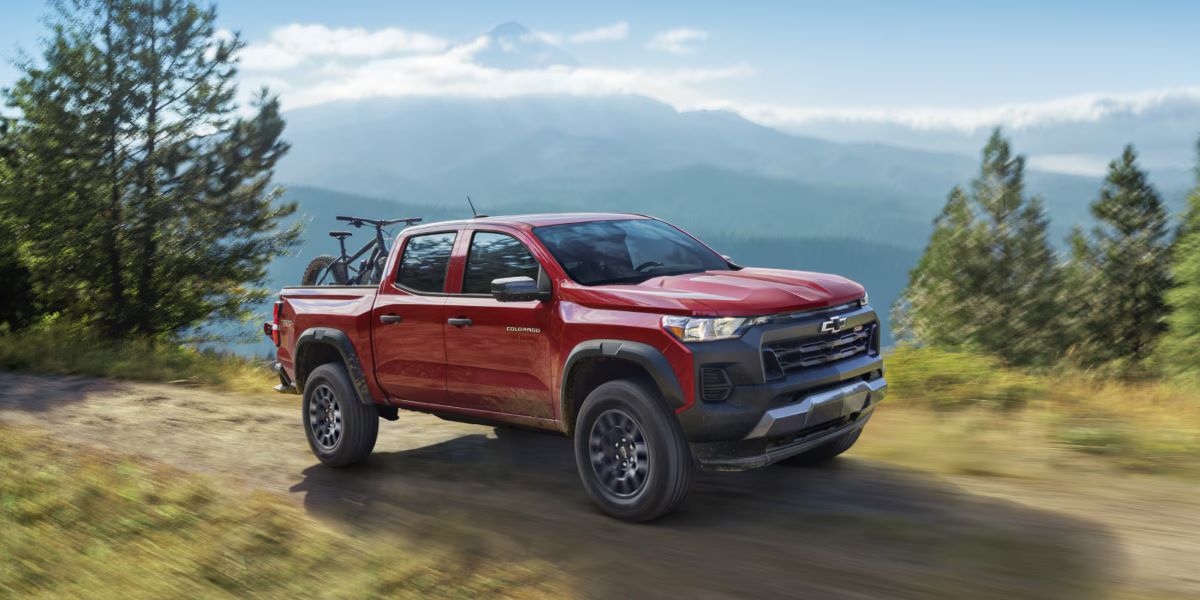
Owner communities for these trucks regularly report full four-wheel brake jobs all pads and all rotors completed for $500 to $650 at independent shops. That level of pricing consistency makes ownership budgeting much more straightforward.
The OEM rotors on these trucks are treated as GM components that resist rust better than average and wear predictably over time. Quality aftermarket replacements are available from multiple suppliers at genuinely competitive prices.
Brake pad durability on the Colorado and Canyon adds another layer of long-term savings. Multiple owners report getting 50,000 miles or more from original equipment front pads under typical commuting conditions.
Extended intervals between service visits mean fewer total brake jobs across the vehicle’s lifetime. Combined with low per-job costs, total brake ownership expense over 150,000 miles is very competitive.
For buyers who want capable truck performance without a maintenance bill that keeps climbing year after year, the Colorado and Canyon belong on your shortlist. They deliver solid mid-size utility without demanding heavy-duty maintenance budgets. That balance is genuinely difficult to find in today’s truck market at any price point.
Also Read: The Honest Truth About Synthetic Oil Change Intervals
4. Nissan Frontier
The Nissan Frontier is a mid-size pickup that has quietly built a loyal following among buyers who value capability without unnecessary complication. It is not the flashiest truck available, and it makes no effort to compete on flash.
What the Frontier offers instead is honest, durable performance and a maintenance profile that stays predictable across the entire ownership period. That includes brakes, where the Frontier is consistently one of the most affordable trucks to service.
Brake pad replacement on the Frontier typically falls in the $230 to $320 range at a professional shop for a single axle. A complete front axle job with new rotors generally lands between $300 and $400 at a quality independent garage.
Rear axle work is similarly modest, often coming in at $220 to $310 when both pads and rotors are addressed together. A full four-corner brake job, all four wheels with pads and rotors, typically runs $600 to $750 at a trusted independent shop.
Mid-size trucks with conventional brake systems consistently cost less to service than heavier full-size competitors. The Frontier fits squarely into that affordable category without compromise.
Its rotor diameters are sized appropriately for the truck’s actual weight and intended use case. Its caliper design is standard and deeply familiar to experienced technicians across the country.
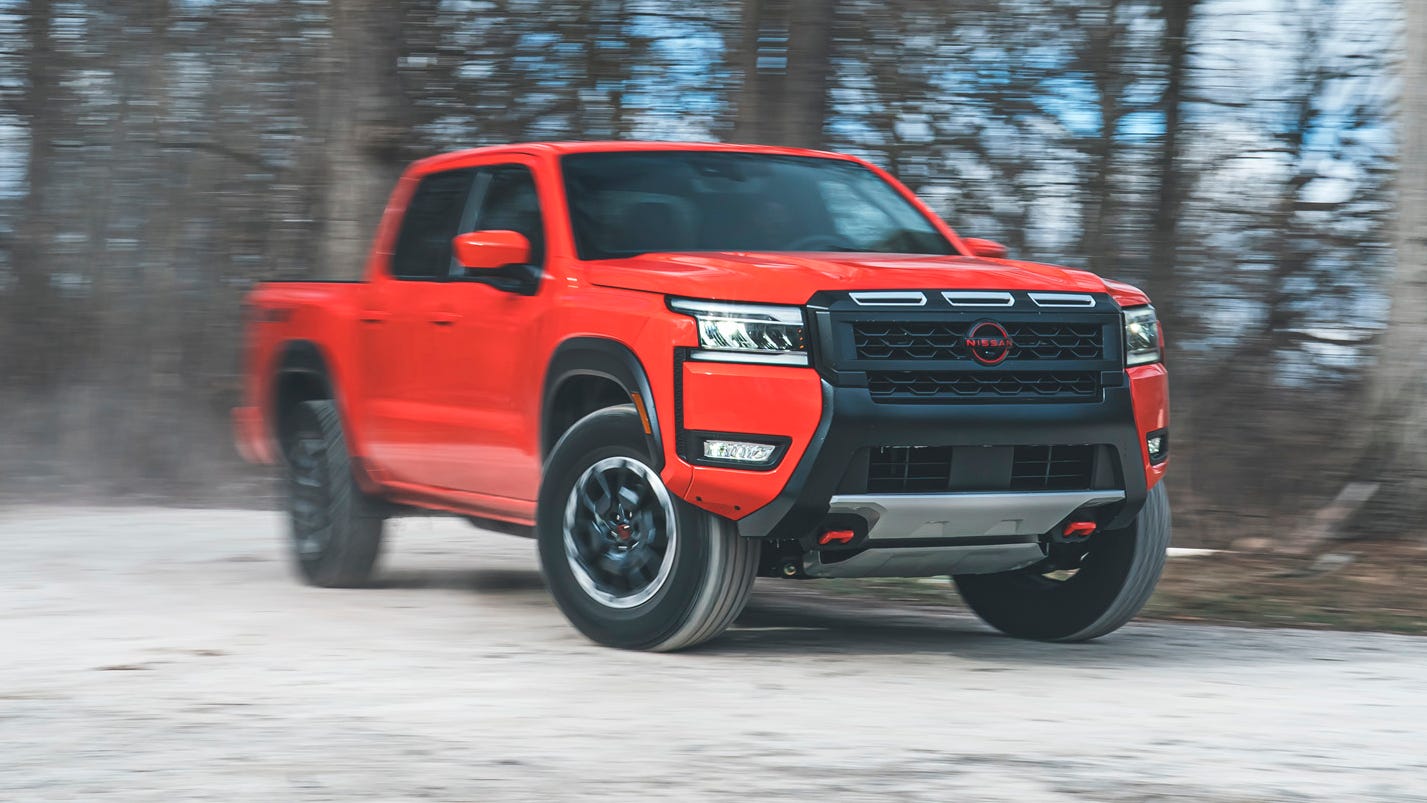
The volume of Frontiers in active service has built a strong and well-stocked aftermarket supply chain over many years. You will never struggle to find replacement brake components for a Frontier at a reasonable price.
Multiple brands compete for that business, which keeps prices honest and accessible for Frontier owners everywhere. Availability without premium pricing is a combination that becomes extremely valuable at service time.
One practical advantage that Frontier owners enjoy is the system’s consistency across generations. A mechanic experienced with an older Frontier model can work on a newer one without a steep relearning curve.
Familiarity speeds up the job, and faster jobs generate lower labor charges on your final invoice. The Frontier proves that you do not need premium pricing or exotic engineering to get a truck that stops reliably and costs reasonably little to maintain year after year.
4 Trucks That Run Past $1,200 for a Brake Job
These trucks are often associated with expensive brake service due to larger brake systems, premium components, or labor-intensive designs. Heavy-duty trucks and luxury trims can require oversized rotors, electronic brake systems, or costly OEM parts that quickly increase repair bills.
In some cases, owners face high costs because of complex rear brake assemblies, integrated parking brake systems, or dealership-only components. Once pads, rotors, sensors, and labor are added together, brake jobs can easily exceed $1,200, making routine maintenance far more expensive than expected.
1. Ford F-250 Super Duty
The Ford F-250 Super Duty is built for a fundamentally different purpose than the half-ton F-150. It is engineered to haul massive payloads, tow heavy trailers, and absorb punishment that would destroy a lighter truck completely.
That engineering capability is genuine, impressive, and extremely useful for the right buyer. But it comes with a brake system scaled to match those demands, and a brake system built for stopping loaded equipment is an expensive system to service.
The rotors on the F-250 Super Duty are significantly larger in diameter than those on the F-150. Larger rotors require more material, more precise machining, and substantially more expensive hardware across the board.
They cost considerably more to manufacture, and that cost appears directly on your service invoice. Four rotors on a Super Duty in parts alone can run $500 to $700 before a single labor hour is added.
Front and rear pads and rotors for an F-250 can run over $1,000 in parts alone at OEM pricing levels. A good independent shop typically charges $700 to $800 per axle for a complete Super Duty brake job. Read that carefully, that is per axle, not per vehicle. A complete four-wheel brake job on an F-250 routinely exceeds $1,400 to $1,800 at a reputable independent shop.
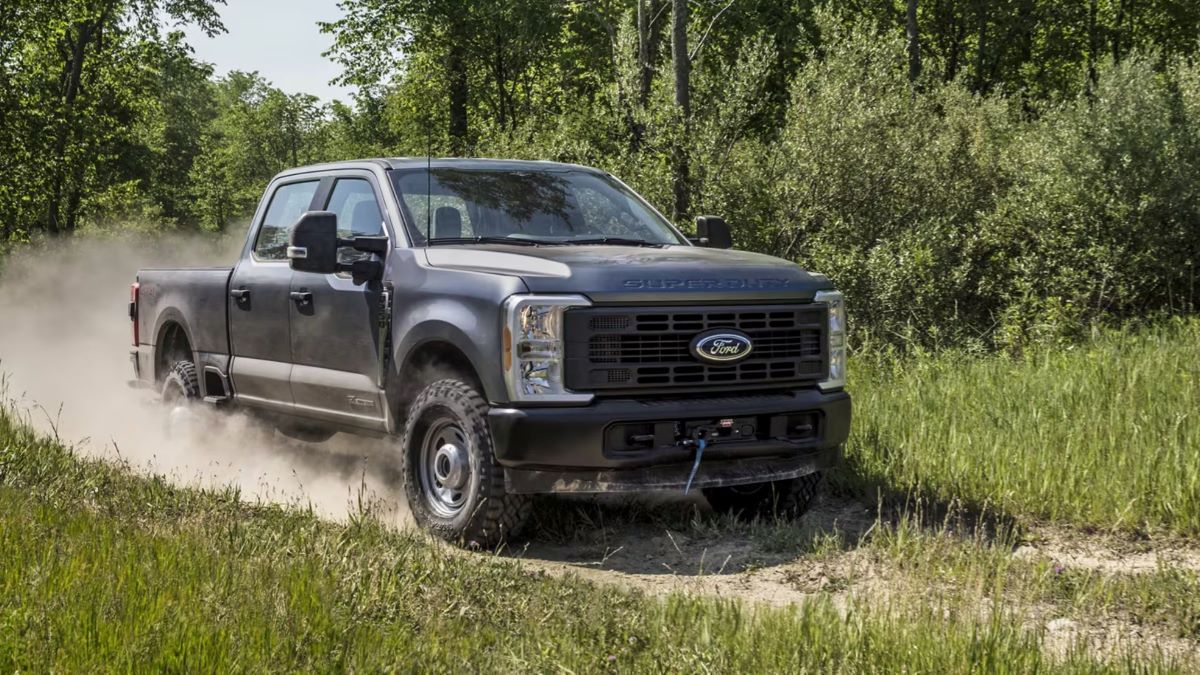
At a Ford dealership, that same bill can climb past $2,000 without any unusual circumstances or unexpected complications. The average cost for a Super Duty brake caliper replacement alone runs between $528 and $597 per caliper.
If calipers need replacement on multiple corners, which happens regularly on high-mileage Super Duties used for serious towing, the invoice grows dramatically. Each additional caliper adds several hundred dollars to an already large total.
The complexity does not stop at rotor size and caliper cost. The F-250’s brake pads are thicker, heavier, and more expensive per set than any half-ton equivalent.
The calipers are heavy-duty units that take more time and effort to compress and service correctly. Labor time is naturally longer on heavier components, and longer labor time always means a higher final bill, regardless of the shop’s hourly rate.
Owners who use their F-250 for its intended purpose, regular towing, heavy loads, and work site use go through brakes faster than light-duty truck owners do.
The combination of faster wear intervals and higher per-job costs creates a total brake ownership expense that is dramatically higher than anything in the affordable category. The F-250 is an outstanding work truck that delivers what it promises. It simply requires an equally serious maintenance budget to match its serious capabilities.
2. GMC Sierra 2500HD / Chevrolet Silverado 2500HD
The GMC Sierra 2500HD and its mechanically identical sibling, the Chevrolet Silverado 2500HD, represent GM’s serious answer to the heavy-duty truck segment.
These are purpose-built vehicles with genuine heavy hauling and towing capabilities that set them apart from half-ton alternatives. They deliver impressive performance and real-world utility for demanding work applications. They also deliver brake maintenance costs that will make your eyes water at invoice time.
A four-wheel pad and rotor job on a 2500HD runs approximately $650 to $700 in parts alone if you supply the labor yourself. At a GM dealership, the price reaches approximately $650 per wheel for a complete brake service.
Multiply that by four wheels, and you are looking at a staggering $2,600 at dealership pricing for a single brake job. Even at a quality independent shop, the same four-corner job typically runs $1,200 to $1,800.
The large-diameter rotors on the 2500HD are the primary and unavoidable cost driver. These trucks use rotors that are significantly larger than those on the 1500 series, and the cost difference in replacement parts is substantial.
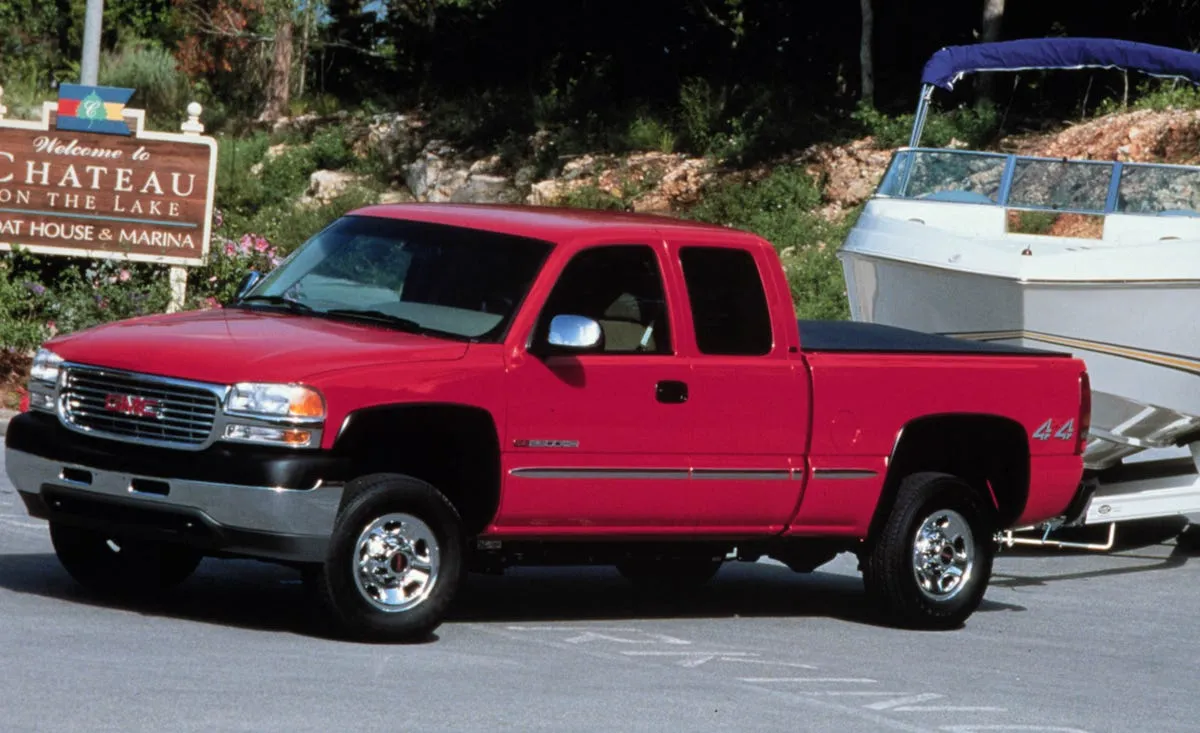
OEM-quality replacement rotors for the 2500HD cost more per unit than complete rotor sets for many half-ton trucks. The brake pads are also heavier-duty units with more friction material, carrying a higher per-set price as well.
Labor time is raised on the 2500HD because the components are heavier and physically more difficult to handle during service. Every additional minute on the lift adds to your final total.
Owners who use the 2500HD for towing, which is precisely what the truck exists to do, experience accelerated brake wear from repeated heavy towing cycles. Intense heat cycling from trailer towing can warp rotors and accelerate pad wear faster than light-duty driving patterns would ever suggest.
Truck owners face the highest brake replacement costs among non-commercial vehicles, and the Sierra and Silverado 2500HD exemplify this reality completely.
They are excellent trucks that deliver exactly what they promise in terms of raw capability. The brake bill is simply the price of admission for that level of performance. Buyers considering a 2500HD must budget realistically for brake maintenance as a recurring and significant ownership cost.
3. Ram 2500
The Ram 2500 is a formidable heavy-duty pickup with a passionate and loyal owner base across North America. It competes directly with the F-250 and Sierra 2500HD in the three-quarter-ton segment, matching their capabilities in towing and hauling performance.
It also matches their brake maintenance costs, and in certain specific configurations, it can exceed them. Ram 2500 owners who are not prepared for this reality often experience genuine sticker shock at the service counter.
The fundamental cost drivers on the Ram 2500 are identical to those on other heavy-duty trucks. Large rotor diameters, heavy-duty calipers, thick brake pads, and raised labor time all contribute to the final invoice.
A complete front and rear pad and rotor replacement on a Ram 2500 at a typical independent shop runs $1,200 to $1,600 in most markets. At a Ram dealership, that bill frequently exceeds $1,800 and can reach $2,200 or higher.
New pads and rotors all the way around can run $800 to $1,000 at a shop in many areas for parts and labor combined. Replacing calipers adds another $250 or more per caliper on top of that base price.
On a Ram 2500 with seized calipers, a scenario that becomes more likely with age and heavy towing use, the bill escalates rapidly and unpredictably. A service visit that starts as a routine brake job can quickly become a four-figure surprise.
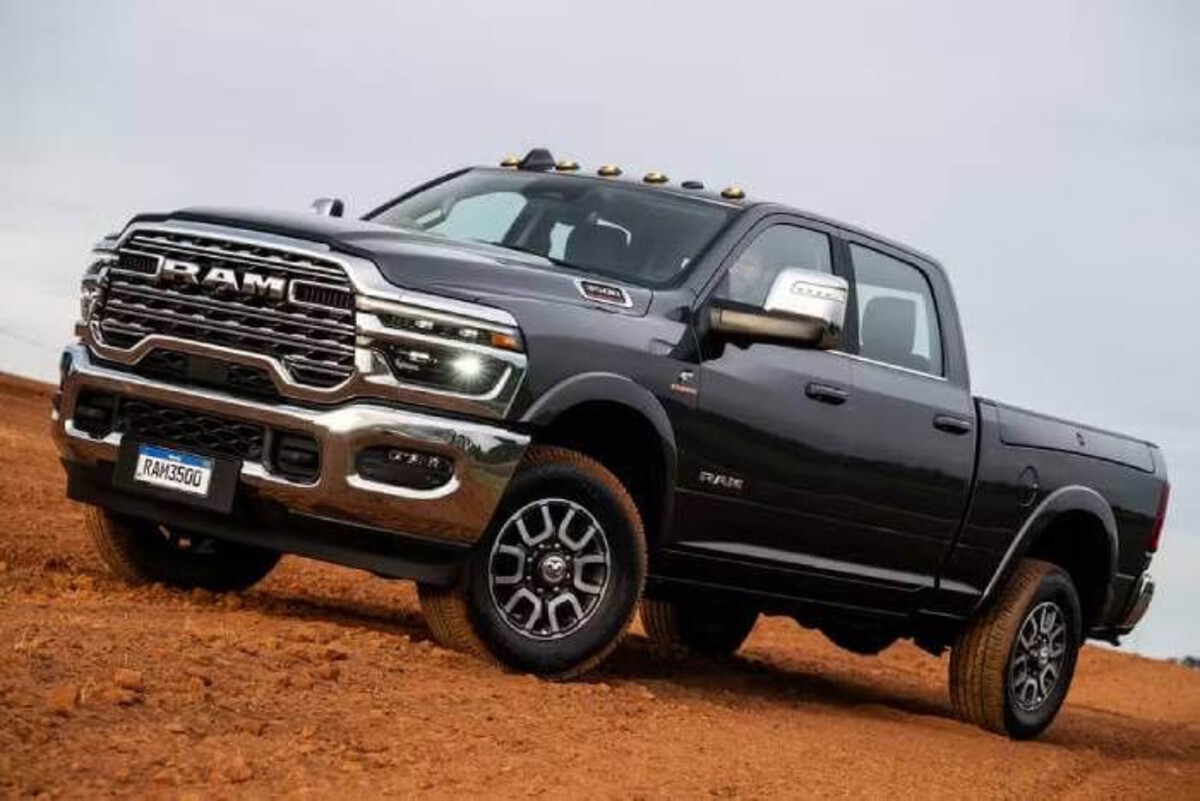
The Ram 2500 with the Cummins diesel engine is particularly popular for maximum towing applications. Diesel-powered trucks tend to produce less engine braking than gasoline counterparts because of how diesel powertrains behave at throttle lift-off.
This means the brakes on a diesel Ram 2500 work harder during towing than comparable gasoline trucks under identical conditions. Higher thermal loads mean faster wear rates and more frequent service intervals than many owners initially plan for.
Some Ram 2500 owners also encounter specific issues with rear parking brake systems on certain model years. These parking brake complications add labor complexity and cost to what would otherwise be a straightforward brake service.
Complete resolution of seized parking brake components can add $400 or more to a full brake job invoice at a dealership. Awareness of these system-specific quirks before purchasing is important for accurate budget planning.
One practical cost-control strategy for Ram 2500 owners is prioritizing regular brake fluid maintenance. Used brake fluid absorbs moisture over time, lowering its boiling point and increasing brake fade risk under heavy towing loads.
Regular fluid flushes, which are much less expensive than full brake jobs, can extend the life of pads and rotors meaningfully. Combined with choosing a trusted independent shop over dealership service, informed maintenance habits help manage the inevitable costs without eliminating them entirely.
4. Toyota Tundra
The Toyota Tundra occupies a fascinating and somewhat contradictory position in the truck ownership conversation. Toyota’s reputation for low maintenance costs and exceptional long-term reliability is fully deserved and well-documented.
But the Tundra’s brake service costs tell a considerably more complicated story than the Tacoma’s numbers suggest. The Tundra is a full-size half-ton truck with significantly larger brake components, and a complete brake overhaul can cross $1,200 with notable regularity at dealership pricing.
The average cost for a Toyota Tundra brake pad replacement runs between $275 and $346 per axle at a professional shop. That is the pads-only figure for a single axle, not a complete brake job across all four wheels.
When rotor replacement on both axles is added at Toyota dealership labor rates, the numbers climb quickly and significantly. Toyota dealerships are also known for recommending simultaneous rotor and pad replacement during service visits, even when rotors might retain usable life.
That conservative service philosophy prevents future problems and reduces comebacks, but it generates a larger invoice than a more targeted replacement approach would produce.
A Toyota Tundra approaches 6,000 pounds in curb weight, and greater mass demands more durable and more expensive brake components to maintain safe stopping distances. The Tundra’s rotors are substantially larger than those on the Tacoma, reflecting the weight and capability difference between the two trucks directly.
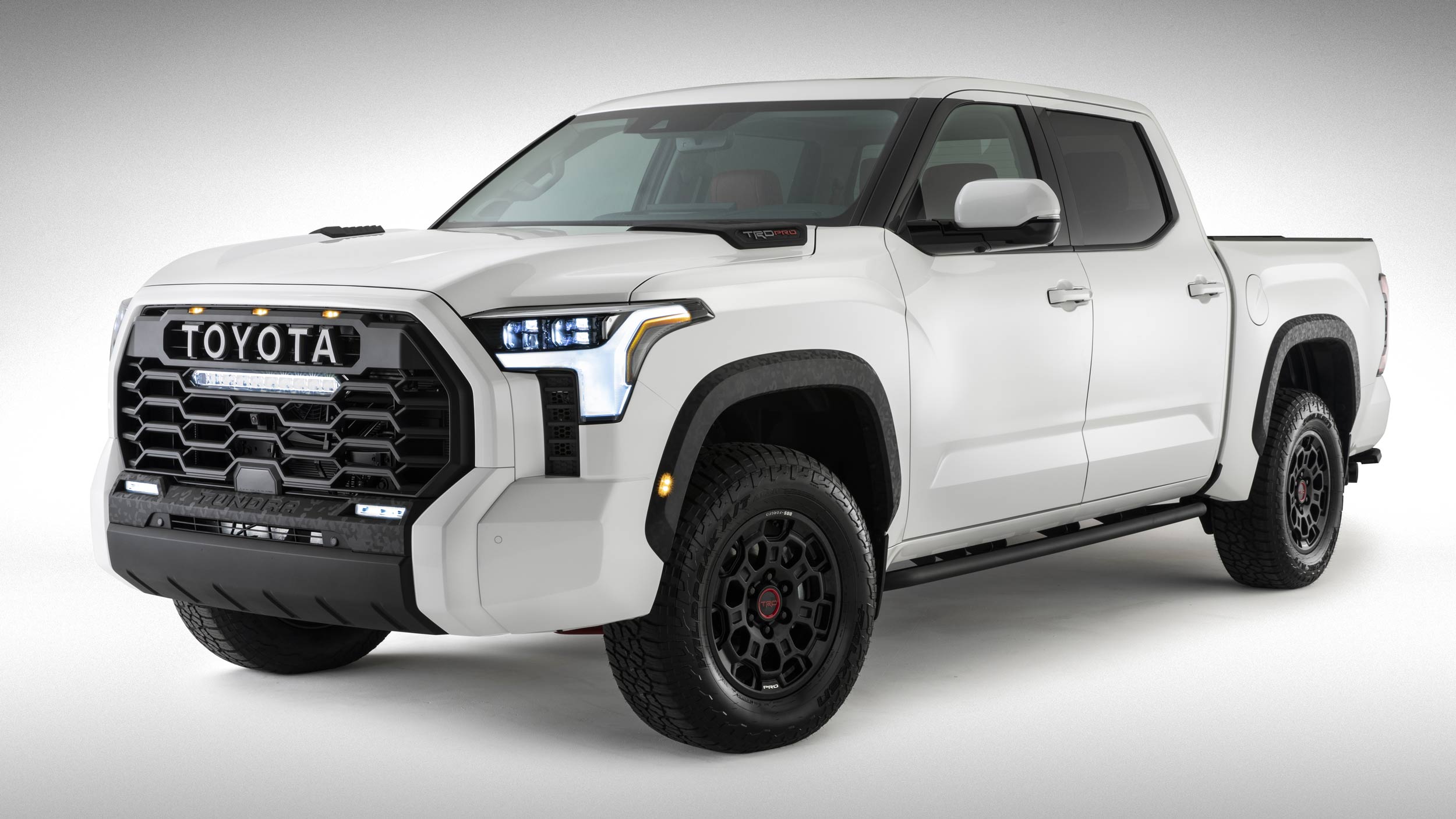
At a Toyota dealership, a complete four-corner brake job on the Tundra, all pads and all rotors replaced, can run $1,200 to $1,600 depending on model year and trim level.
The second and third generation Tundra, with its larger body and heavier curb weight, sits consistently at the expensive end of that range. Independent shops can bring the same job in for $800 to $1,100, which represents meaningful savings but still qualifies as a substantial maintenance investment.
One documented example tells the story clearly: one Tundra owner received a dealer estimate of $1,100 for brake repairs, then drove to another dealer who completed the identical job for $560.
That enormous gap illustrates how dramatically pricing varies between shops and why getting multiple quotes matters enormously for full-size truck brake work. Never accept the first quote on a significant brake job without making at least two or three additional calls to competing shops.
The Tundra’s brake system is genuinely reliable and built to last, which provides a real advantage in long-term ownership. Many Tundra owners report getting 60,000 to 80,000 miles from original equipment pads under normal conditions.
Extended pad life means fewer total service visits across the ownership period, which partially offsets the higher per-job cost compared to the Tacoma. But when a full Tundra brake job comes due, particularly at a dealership, the $1,200 threshold is a realistic and commonly reported outcome for owners who do not shop around.
Also Read: Why Dealer Service Costs Are Becoming Impossible to Justify
