
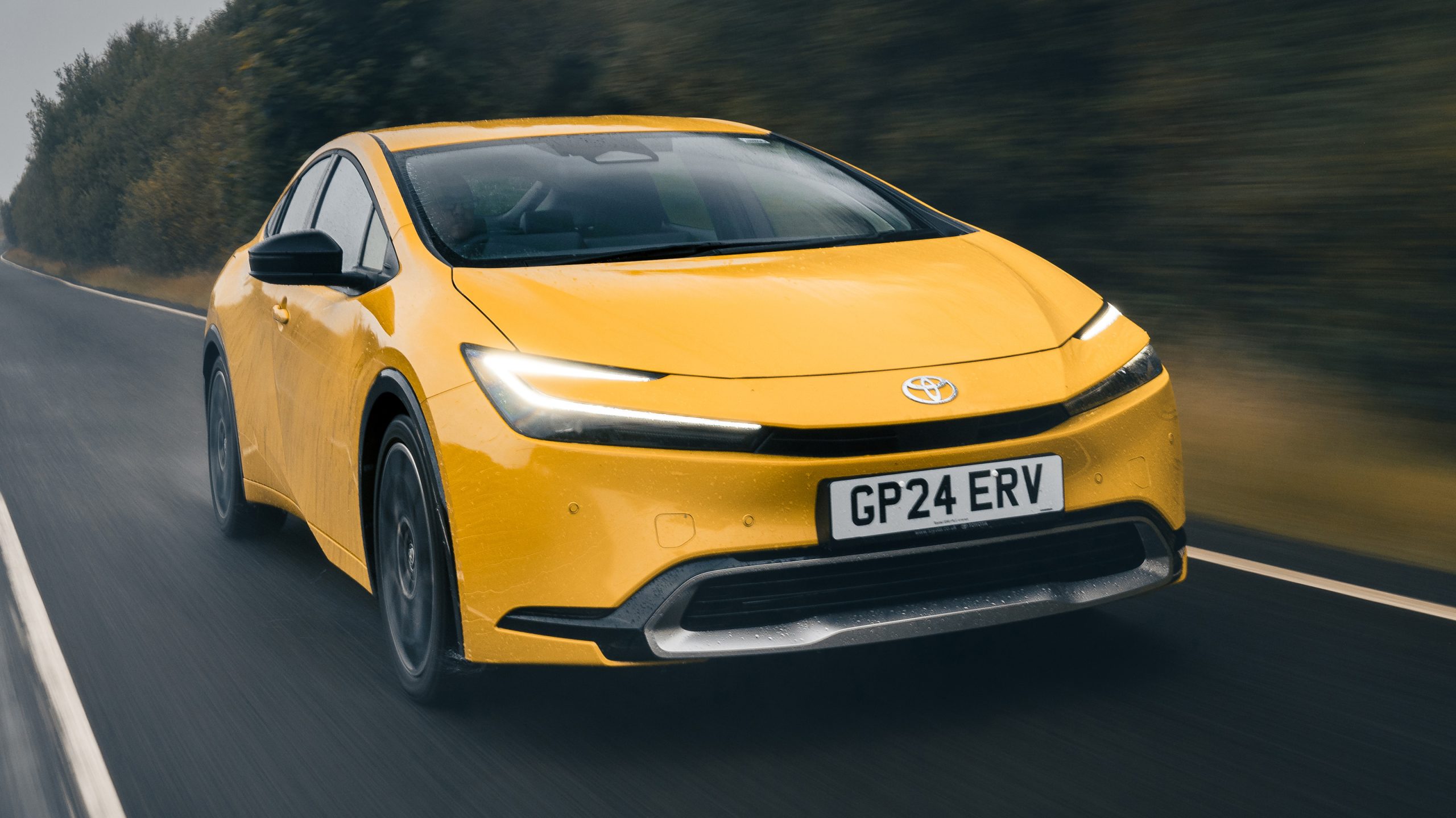
Hybrid vehicles have taken the automotive world by storm. They promise fuel savings, reduced emissions, and a smoother driving experience on everyday roads. Millions of drivers across the globe have made the switch from traditional gasoline-powered cars. The appeal is undeniable: lower fuel bills and a greener footprint feel like a winning combination.
However, there is a hidden cost that most buyers never consider before signing on the dotted line. The high-voltage battery pack sitting beneath your hybrid is not designed to last forever. It degrades over time, losing capacity and efficiency with every passing year and every completed charge cycle.
When that battery finally gives out, the repair bill can be absolutely devastating. Out-of-warranty replacements on many popular hybrid models routinely climb past the $8,000 mark. Some owners have faced bills reaching $12,000 or even higher at dealership service centers.
This financial shock catches countless owners completely off guard. They purchased the vehicle to save money, only to face a repair cost that rivals a used car purchase.
Understanding which models carry the highest battery replacement risks is essential knowledge for any smart car buyer today. Here are eight hybrid models where out-of-warranty battery pack replacement costs can easily exceed $8,000.
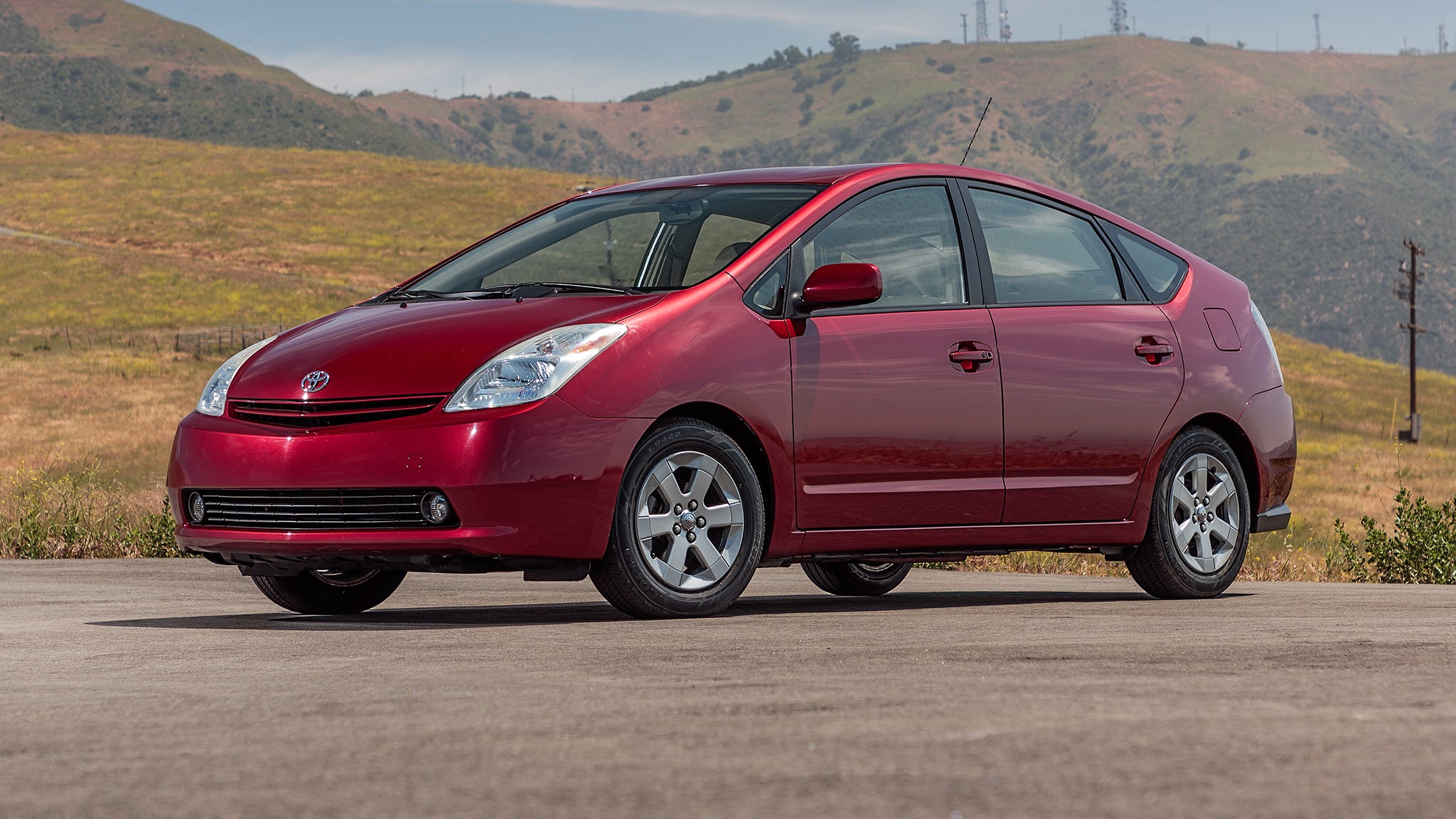
1. Toyota Prius (Third and Fourth Generation)
The Toyota Prius is the car that made hybrid technology a household name. It has been on the roads since 1997 and revolutionized how the world thinks about fuel-efficient driving.
Millions of units have been sold globally, making it the most recognized hybrid on the planet. However, its legendary reliability does not make it immune to expensive battery problems.
The third-generation Prius, produced from 2010 to 2015, and the fourth-generation model, running from 2016 to 2022, both use large nickel-metal hydride battery packs.
These packs are positioned beneath the rear seat and trunk area of the vehicle. They are engineered to last a long time, but high mileage and extreme temperatures accelerate their decline significantly. Owners in hot climates like Arizona or Texas often report faster battery degradation than those in cooler regions.
When a third or fourth-generation Prius battery pack fails completely outside of Toyota’s warranty coverage, the dealership replacement cost typically falls between $3,500 and $4,500 for the parts alone.
Labor charges at authorized Toyota service centers can add another $1,500 to $3,000 on top of that figure. The total out-of-pocket expense frequently lands between $5,000 and $8,000, depending on the specific dealer and geographic location.
However, some owners report costs climbing even higher when additional components fail alongside the main battery pack. The battery management module, cooling fan assembly, and individual cell modules can all require replacement at the same time. When these ancillary components are added to the bill, total costs can easily exceed $8,500 or more at a dealership.
Toyota does offer an extended hybrid battery warranty on newer models, but older third-generation vehicles are now well outside that coverage window.
Many of these cars are owned by second or third buyers who purchased them used without realizing the battery warranty had already expired. These subsequent owners bear the full financial burden of replacement without any manufacturer support.
Independent hybrid specialists and third-party battery rebuilders offer an alternative to dealership pricing. Rebuilt battery packs using refurbished cells can bring costs down to the $1,500 to $3,000 range. However, these solutions come with shorter warranties and carry some risk of premature failure if the refurbishment quality is inconsistent.
The Prius remains one of the most cost-effective hybrids to own. But the battery replacement scenario is a significant financial consideration. Prospective buyers of used third and fourth-generation models should always have the battery health tested before completing any purchase. A degraded battery that needs near-term replacement can turn an apparently good deal into an expensive mistake very quickly.
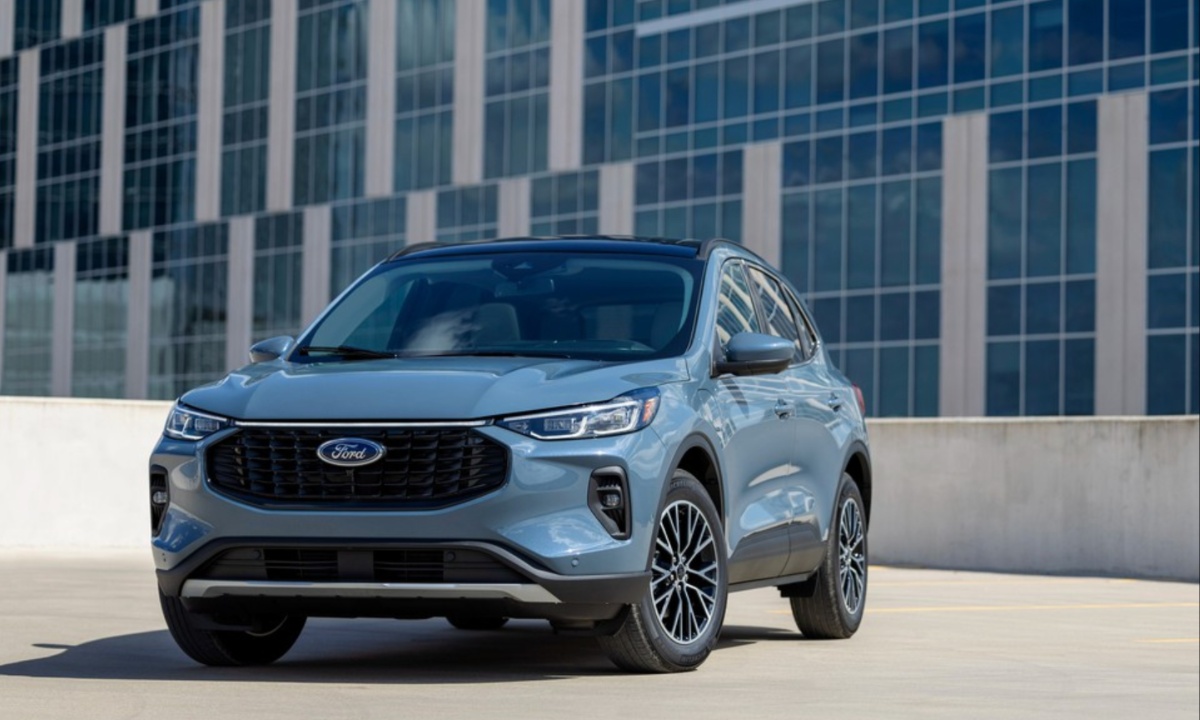
2. Ford Escape Hybrid (First and Second Generation)
The Ford Escape Hybrid was a groundbreaking vehicle when it launched in 2005. It became the first hybrid SUV available to American consumers at a mainstream price point.
Ford built it to compete directly with Toyota’s hybrid lineup and attract buyers who needed more cargo space than a sedan could offer. The Escape Hybrid found a loyal audience among families and commuters who wanted practicality with fuel efficiency.
The first-generation Escape Hybrid ran from 2005 to 2007 and used a nickel-metal hydride battery pack developed in partnership with Sanyo. The second generation continued through 2012 with incremental improvements to the battery management system.
Both generations share a fundamental design characteristic: the battery pack is large, complex, and expensive to replace when it eventually fails. Ford priced these systems aggressively for performance, which meant higher replacement costs down the road.
Out-of-warranty battery replacement for the Ford Escape Hybrid is one of the most expensive scenarios in the mainstream hybrid market. Dealership quotes for a complete factory battery replacement frequently start at $5,500 and can climb to $9,000 or higher, depending on parts availability.
Because Ford discontinued the first and second-generation Escape Hybrid, genuine OEM parts have become increasingly scarce. Scarcity drives prices upward, making this a particularly painful repair for affected owners.
The battery cooling system in the Escape Hybrid is another vulnerability that compounds the cost issue. The pack relies on a dedicated cooling fan and ductwork to maintain safe operating temperatures.
When the cooling system fails or becomes clogged, battery cell temperatures spike and cell degradation accelerates dramatically. Many owners face both a battery replacement and a cooling system repair simultaneously, pushing total bills well past the $8,000 threshold without difficulty.
Ford discontinued this generation of Escape Hybrid in favor of newer architectures and eventually the plug-in hybrid platform. This means there is no longer an active production line supplying fresh OEM battery cells for these older models.
The secondary market for refurbished packs exists, but quality varies widely between suppliers. Owners must research third-party suppliers carefully before committing to a rebuilt battery installation.
Mechanics who specialize in Ford hybrid systems are also less common than Toyota-focused shops. This limited availability of knowledgeable technicians can add labor charges that Toyota Prius owners might avoid at a comparable independent shop.
The combination of parts scarcity, limited specialist availability, and the inherent complexity of the system makes the Escape Hybrid one of the riskier used hybrid purchases available today.
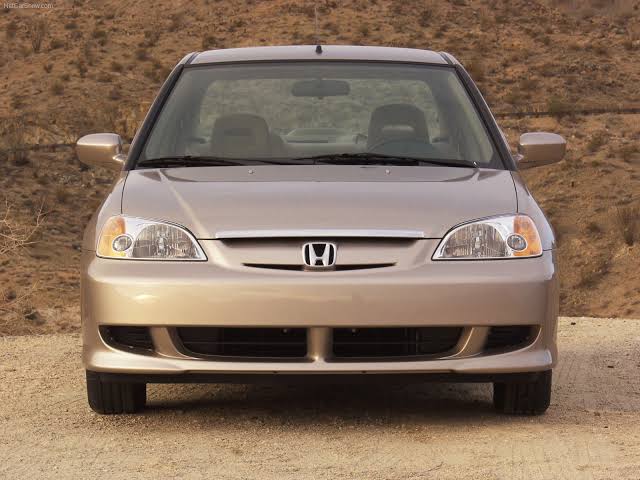
3. Honda Civic Hybrid (2003–2011)
The Honda Civic Hybrid was Honda’s answer to Toyota’s dominance in the fuel-efficient vehicle segment. It wore the iconic Civic body but hid a sophisticated integrated motor assist system beneath its hood.
Honda marketed it aggressively as a practical and affordable green vehicle for everyday commuters. For several years, it sold well and earned strong reviews for its impressive fuel economy figures.
Honda’s IMA system, which stands for Integrated Motor Assist, uses a battery pack mounted behind the rear seat. The system is fundamentally different from Toyota’s full hybrid approach because the electric motor cannot drive the car independently without the gasoline engine.
This design uses a thinner, lighter battery pack, but that pack is still expensive to replace when its capacity fades. Honda Civic Hybrid battery degradation is well-documented and has been the subject of class-action lawsuits in the United States.
The battery replacement cost for a Honda Civic Hybrid outside of warranty is consistently reported in the $2,500 to $4,500 range at Honda dealerships for parts alone. However, the labor cost and additional system components can push the total significantly higher.
Some owners report final bills ranging from $6,000 to $9,000 at dealers, particularly when the battery management control module requires simultaneous replacement. The module alone can cost $800 to $1,500 before labor is even considered.
A unique and troubling characteristic of the Civic Hybrid battery issue is how it affects fuel economy before it triggers a warning light. As the battery degrades, the gasoline engine compensates by running more frequently and under heavier loads.
Owners often notice a dramatic decline in miles per gallon long before the instrument panel indicates a battery problem. The car that once achieved 45 miles per gallon may fall to 30 or lower, eliminating all the fuel savings that motivated the purchase.
Honda extended battery warranties on some Civic Hybrid model years following litigation and regulatory pressure in California. However, these extensions have time limits and mileage caps that most high-mileage vehicles have already exceeded.
Owners who purchased these cars with high odometer readings typically find themselves fully outside any warranty protection. The financial responsibility falls entirely on them when the battery finally reaches the end of its life.
The Honda Civic Hybrid represents a cautionary tale about hybrid battery longevity and manufacturer accountability. It remains popular on the used market because its initial purchase price is low.
But buyers who do not factor in the potential battery replacement cost are setting themselves up for a painful financial surprise. A thorough pre-purchase inspection that includes battery health testing is absolutely essential for any prospective Civic Hybrid buyer.
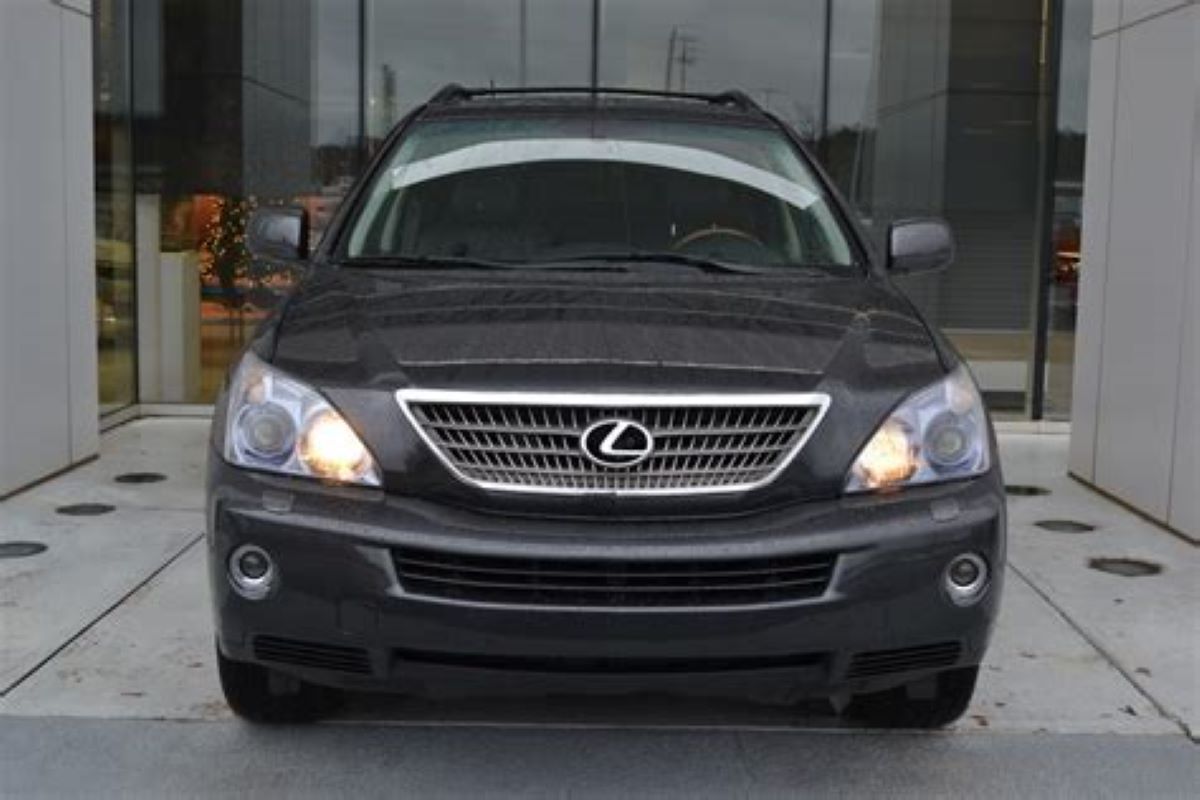
4. Lexus RX 400h and RX 450h
The Lexus RX 400h debuted in 2005 as the world’s first luxury hybrid SUV. It combined the reliability of Toyota’s hybrid technology with the premium appointments that Lexus buyers expected.
The RX 400h and its successor, the RX 450h, introduced in 2010, both use sophisticated full hybrid drivetrains with a large nickel-metal hydride battery pack. These vehicles were positioned as the pinnacle of eco-friendly luxury motoring when they launched.
The battery pack in the RX 400h and RX 450h is substantially larger and more complex than those found in passenger car hybrids. The all-wheel-drive configuration requires an additional electric motor on the rear axle, which increases the system voltage and complexity.
More complexity translates directly into higher parts costs when something eventually fails. The battery assembly in these SUVs is one of the most expensive single components in the entire hybrid lineup across all manufacturers.
Dealership quotes for a complete battery replacement on an out-of-warranty Lexus RX hybrid typically begin at $7,000 and frequently exceed $10,000 when all associated components are included. The main battery pack itself is quoted at $5,000 to $8,000 for the OEM part alone.
Labor at a Lexus service center adds another $1,500 to $2,500 because the pack requires significant disassembly of interior and cargo area components to access properly. The total cost regularly lands well above the $8,000 benchmark for this vehicle.
The premium positioning of the Lexus brand also means that labor rates at authorized dealerships are substantially higher than at mainstream brand service centers.
A repair that might cost $7,000 at a Toyota dealer could easily cost $9,500 or more at the Lexus equivalent. Owners who purchased these vehicles used for what seemed like a bargain price often discover that maintenance and repair costs still reflect the vehicle’s luxury origins. The savings on the purchase price can evaporate quickly in the service department.
Lexus does maintain a strong reputation for long-term reliability, and many RX 400h and 450h examples are still operating effectively with original battery packs.
However, vehicles approaching 150,000 miles or 12 to 15 years of age are entering the zone where battery replacement becomes increasingly likely. Owners of these older examples should begin setting aside funds specifically for this eventuality. Ignoring the aging battery pack until it fails completely is the most expensive approach possible.
Third-party specialists who work on Lexus hybrid systems are more available than those servicing Ford or Honda hybrids. This is partly because the RX hybrid shares significant components with the Toyota Highlander Hybrid and other Toyota group vehicles.
Some independent shops that service Toyota hybrids can also handle Lexus hybrid repairs, which provides owners with at least some opportunity to reduce costs below dealership pricing through competitive sourcing.
Also Read: 2024 Tacoma Redesign Brought Toyota’s Reputation Back Faster Than Expected
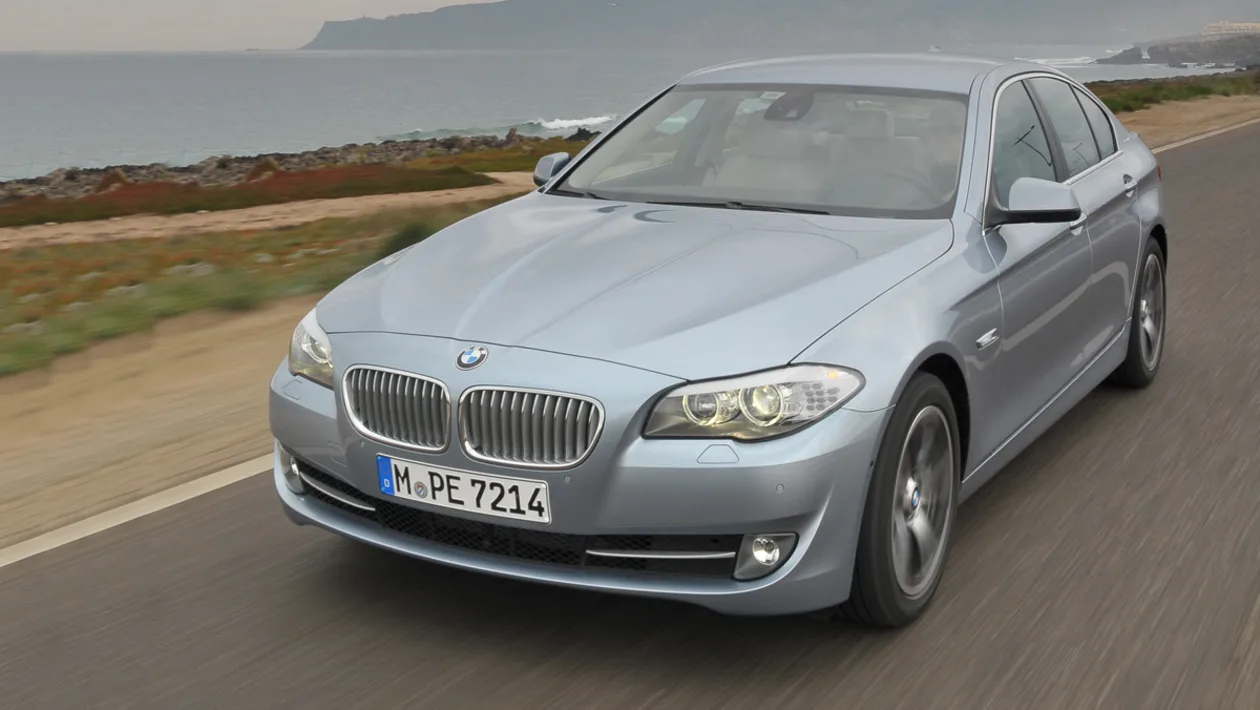
5. BMW ActiveHybrid 5 and ActiveHybrid 7
BMW entered the hybrid market with its ActiveHybrid lineup, aiming to prove that performance and efficiency could coexist in the premium segment.
The ActiveHybrid 5, based on the 5 Series sedan, and the ActiveHybrid 7, based on the flagship 7 Series, both used lithium-ion battery packs integrated with BMW’s TwinPower Turbo engines. These were technologically sophisticated machines designed to appeal to driving enthusiasts who wanted a green option without sacrificing performance.
BMW’s hybrid battery architecture is considerably more complex than those found in Toyota or Honda hybrids. The lithium-ion chemistry provides higher energy density and better performance characteristics, but it also demands more sophisticated thermal management and battery management systems.
BMW integrated these systems deeply into the vehicle’s electronics architecture, which means a battery replacement is rarely a straightforward swap. Multiple control modules, high-voltage cabling networks, and safety interlock systems all interact with the battery pack.
The battery replacement cost for an out-of-warranty BMW ActiveHybrid 5 or 7 is among the highest in the entire hybrid vehicle category. Dealership quotes for a complete battery system replacement typically range from $9,000 to $14,000, with some owners reporting figures above $15,000 for the 7 Series.
Parts costs alone for the BMW lithium-ion pack are extraordinary, reflecting both the technology involved and BMW’s premium parts pricing strategy. Even independent European car specialists charge $7,000 to $10,000 for comparable work.
The ActiveHybrid models also suffer from a relatively small production volume compared to mainstream hybrids. Fewer cars means fewer technicians trained on the specific system and less aftermarket support infrastructure.
When a battery fails on one of these vehicles, the owner may find very few shops willing or able to handle the repair competently. Shipping to a qualified facility, if none is available locally, adds transportation costs on top of an already staggering repair bill.
BMW discontinued the ActiveHybrid 5 after the 2016 model year and the ActiveHybrid 7 after 2015. This means OEM battery packs are no longer manufactured, and supplies are drawn from existing dealer stock and salvage sources.
As that supply diminishes over time, prices for genuine BMW hybrid batteries will increase further. Owners of these vehicles are in a shrinking window where parts are still obtainable, but the situation will only become more difficult with each passing year.
The ActiveHybrid models represent a luxury hybrid purchase that requires careful financial planning. Anyone who owns one of these vehicles should maintain a significant emergency repair fund.
Selling or trading the vehicle before the battery fails is a strategy some owners pursue to avoid the replacement cost entirely. The residual value of these cars is low precisely because the market is aware of the expensive battery replacement risk.
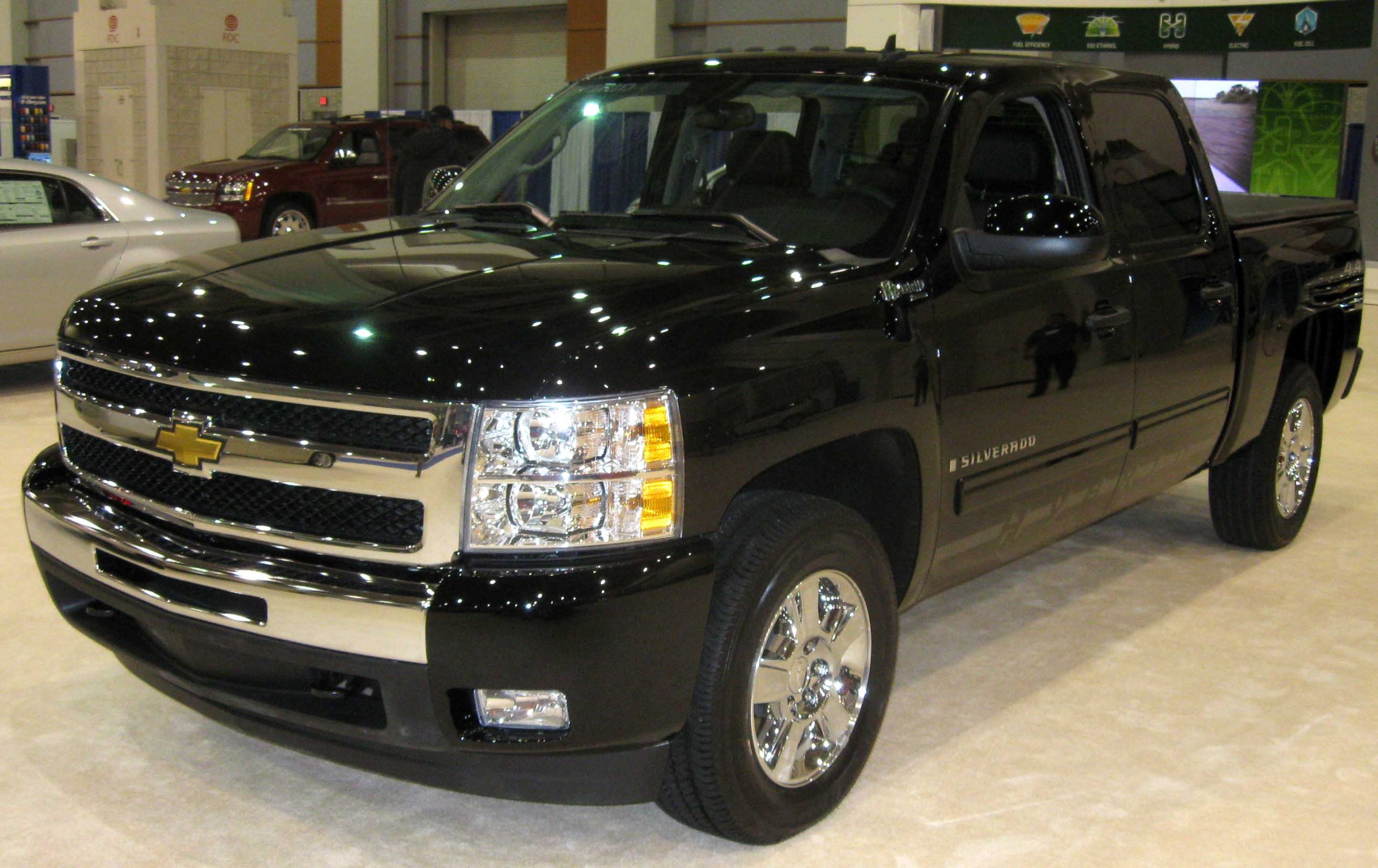
6. Chevrolet Silverado Hybrid and GMC Sierra Hybrid
General Motors brought hybrid technology to the full-size truck segment with the Chevrolet Silverado Hybrid and GMC Sierra Hybrid. These trucks used a two-mode hybrid system developed in partnership with Chrysler and BMW, designed specifically for the high torque demands of full-size pickup truck operation.
The system was innovative and genuinely reduced fuel consumption compared to conventional V8 trucks. However, it was also extraordinarily complex and expensive to service.
The two-mode hybrid system uses two large electric motors integrated into the transmission and a nickel-metal hydride battery pack mounted behind the rear seat of the cab.
The battery pack is substantial in size and weight, reflecting the power demands of moving a vehicle that weighs over 5,000 pounds. This large pack contains numerous individual battery modules that must work in precise coordination. When the pack degrades or a module fails, the repair process is labor-intensive and costly.
Out-of-warranty battery replacement costs for the Silverado Hybrid and Sierra Hybrid are consistently reported at $8,000 to $12,000 at GM dealerships.
The OEM battery pack itself is priced in the $6,000 to $8,500 range, depending on model year and parts availability. Labor adds another $2,000 to $3,500 because accessing the rear-cab battery location requires disassembling significant interior trim and structural components. The total cost regularly places these trucks among the most expensive hybrid battery replacements available.
General Motors sold these trucks from 2009 to 2013 in relatively limited numbers compared to the standard Silverado and Sierra models. The niche production volume means that the aftermarket support infrastructure for these hybrids is thin.
Few independent shops have the specialized equipment and training required to service the two-mode hybrid system safely. Owners are frequently forced to use GM dealerships even when they would prefer more affordable alternatives.
The trucks also face a particular challenge in that their commercial and work-truck buyer base tends to accumulate mileage quickly. A truck used for towing, hauling, or work-related driving may reach battery replacement mileage thresholds faster than a passenger vehicle driven under lighter conditions.
Drivers who purchased these trucks expecting long-term durability comparable to conventional Silverados have sometimes been disappointed by the hybrid system’s relatively high cost of ownership.
The Silverado Hybrid and Sierra Hybrid represent GM’s early experiment with hybrid technology in the truck segment. That experiment taught valuable lessons, but it left some owners with expensive battery bills.
Anyone considering purchasing one of these trucks used should factor the potential battery replacement cost into their total cost of ownership calculation from day one.
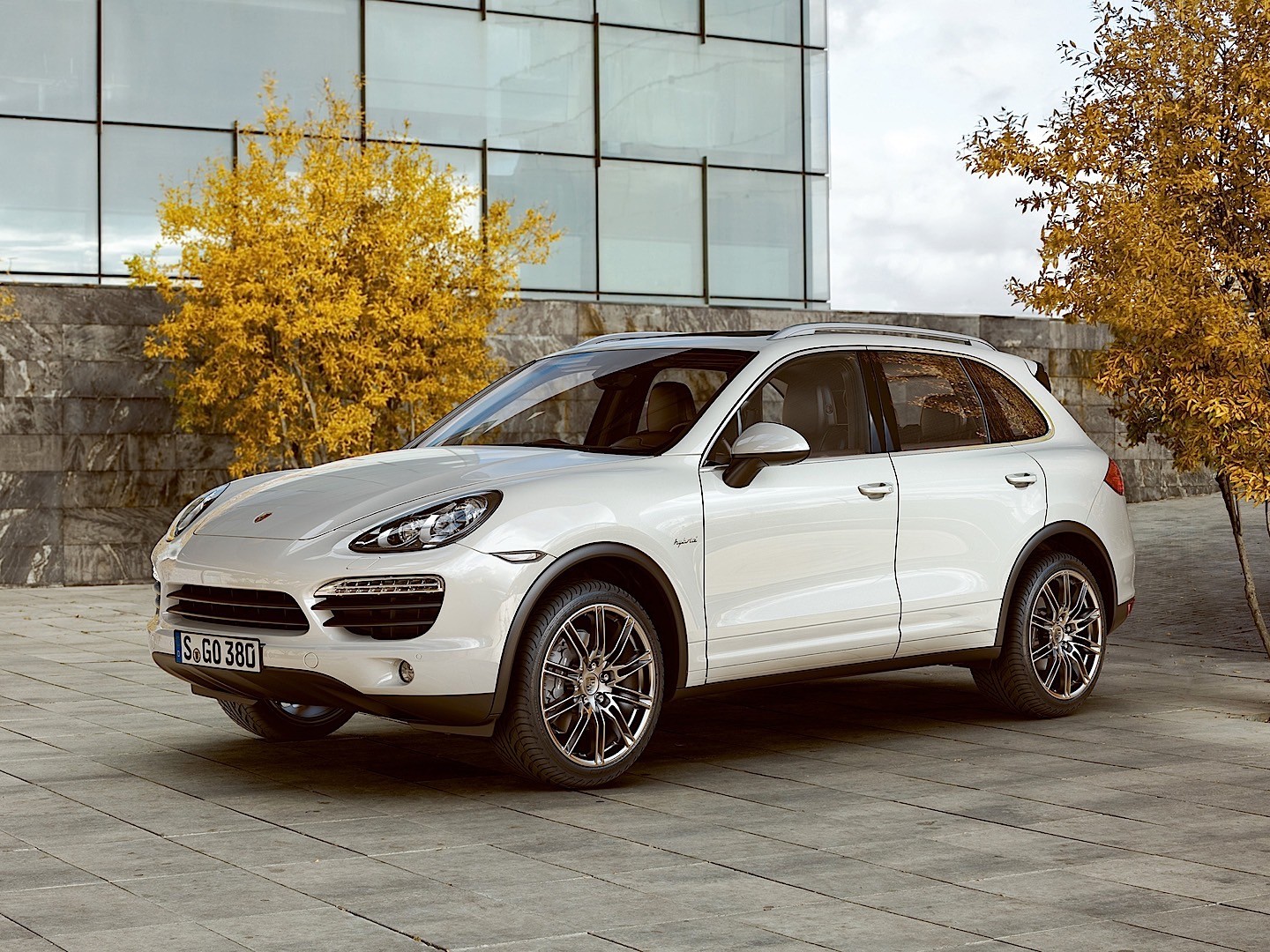
7. Porsche Cayenne S Hybrid and Panamera S Hybrid
Porsche introduced hybrid variants of its Cayenne SUV and Panamera sedan as proof that performance and sustainability could share the same platform.
The Cayenne S Hybrid and Panamera S Hybrid both use a parallel hybrid system with a nickel-metal hydride battery pack developed in collaboration with parent company Volkswagen Group.
These vehicles targeted affluent buyers who wanted Porsche performance with reduced fuel consumption on urban roads. They sold in meaningful numbers and established Porsche as a serious player in the hybrid performance space.
The battery system in these Porsche hybrids is integrated into the vehicle’s performance electronics network in ways that reflect the brand’s engineering philosophy.
The high-voltage battery pack communicates with the transmission control unit, the engine management system, and the chassis electronics simultaneously.
This deep integration means that a failing battery can trigger cascading errors across multiple vehicle systems. Diagnosing and resolving these interconnected faults requires specialized Porsche diagnostic equipment that is available only at authorized dealers and some elite independent European specialists.
Battery replacement costs for the Cayenne S Hybrid and Panamera S Hybrid outside of warranty are among the highest in the entire automotive industry. Dealership replacement quotes for the complete high-voltage battery system range from $10,000 to $16,000, depending on the model and year.
The Cayenne’s battery is particularly expensive due to the vehicle’s size and the power demands of its performance-oriented hybrid system. Labor at a Porsche service center adds $2,500 to $4,000 on top of parts, as the installation process requires extensive disassembly and system recalibration.
Porsche’s parts pricing reflects the brand’s premium market position throughout its product lineup. A battery that might cost $6,000 to replace on a Toyota platform vehicle carrying similar technology costs dramatically more on the Porsche due to brand pricing strategy and engineering complexity.
This reality means that even owners who negotiate effectively and use independent shops will still face bills that comfortably exceed $8,000 for battery-related repairs on these vehicles.
The resale value of first-generation Cayenne and Panamera hybrids has declined significantly as the vehicles age, and the battery replacement cost becomes a more immediate concern for buyers.
A Cayenne S Hybrid that sold new for $75,000 may be available used for $15,000 to $25,000, which sounds attractive until the battery bill arrives. Many used car buyers in this price range are not prepared for the possibility of a repair that equals or exceeds the vehicle’s current market value.
Owners who truly love these vehicles and intend to keep them long-term should establish relationships with independent Volkswagen Group hybrid specialists.
These shops can sometimes source Audi or Volkswagen components that are compatible with the Porsche hybrid system at a lower cost. This approach does not eliminate the expense, but it can reduce it meaningfully compared to exclusive reliance on Porsche dealership pricing.
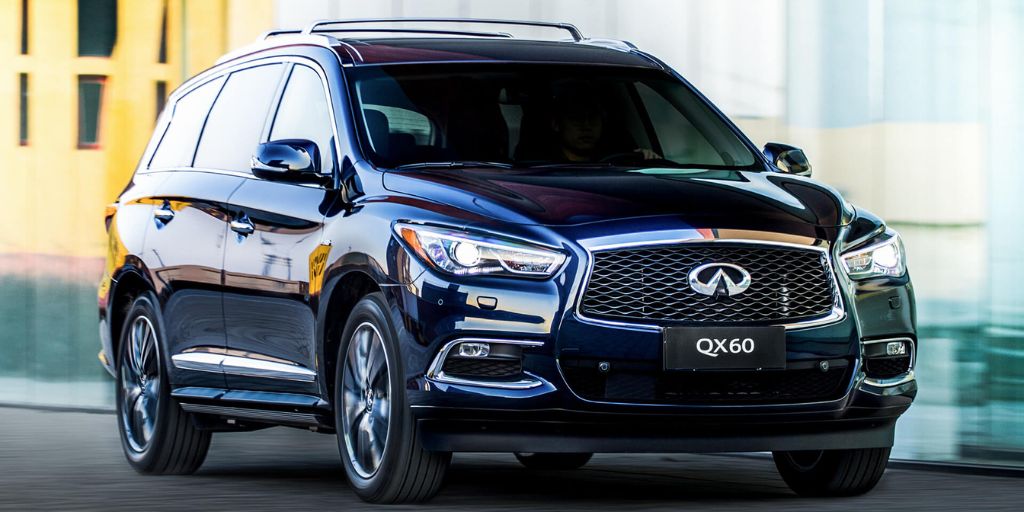
8. Infiniti QX60 Hybrid
The Infiniti QX60 Hybrid was positioned as a premium three-row family SUV that combined substantial passenger capacity with improved fuel efficiency.
Infiniti, the luxury division of Nissan, used a supercharged 2.5-liter four-cylinder engine paired with an electric motor and a lithium-ion battery pack to achieve this goal.
The QX60 Hybrid offered seating for up to seven passengers and was marketed heavily to premium family buyers who wanted space without the fuel consumption of a traditional V6 or V8 SUV.
The lithium-ion battery system in the QX60 Hybrid is technically different from the nickel-metal hydride systems used by Toyota and Honda in their earlier hybrids.
Lithium-ion chemistry offers higher energy density and better performance in extreme temperatures, but it also requires more sophisticated charging management and thermal regulation.
The battery management system in the QX60 Hybrid is complex and must operate within precise parameters to protect the cells from damage. When these parameters are violated through charging faults or thermal events, cell damage can be severe and irreversible.
Out-of-warranty battery replacement for the Infiniti QX60 Hybrid is a significant financial event, with dealership quotes typically ranging from $7,500 to $11,000 for the complete battery system.
Infiniti’s luxury positioning means that both parts and labor are priced at premium rates that mainstream brand owners do not face. The lithium-ion pack itself is a sophisticated and expensive component, and Infiniti’s pricing reflects the engineering investment in its development.
Labor at an Infiniti dealership adds another $2,000 to $3,000 because the battery is mounted beneath the cargo floor and requires substantial disassembly to access safely.
Infiniti discontinued the QX60 Hybrid after the 2016 model year, transitioning the QX60 lineup to a conventional V6 powertrain. This discontinuation has significant implications for long-term parts availability.
As dealership new-parts inventory depletes over time, owners will face increasing difficulty sourcing OEM battery packs for their vehicles. The secondary market for refurbished QX60 Hybrid batteries is growing, but remains relatively small compared to Toyota hybrid aftermarket support.
The supercharged engine paired with the hybrid system in the QX60 creates additional maintenance considerations beyond the battery itself. Superchargers require periodic service and can develop faults that interact with the hybrid system’s power management.
An owner facing both a battery replacement and a supercharger repair simultaneously could face a total bill exceeding $15,000, making continued ownership economically questionable for many families.
The QX60 Hybrid serves as an important reminder that luxury hybrid vehicles carry luxury-level repair costs at every stage of ownership. The purchase price savings available on the used market for these discontinued models are real, but they must be weighed carefully against the increased ongoing repair risk.
A thorough pre-purchase hybrid system inspection, including battery capacity testing and hybrid control module diagnostics, is not optional; it is essential for any buyer considering one of these vehicles today.
Also Read: Why Buying a Used Lexus Beats Buying a New Toyota in 2026
