
General Motors has been one of the most powerful forces in the American automotive industry for over a century. With brands like Chevrolet, GMC, Cadillac, and Buick under its enormous umbrella, GM produces vehicles for virtually every type of buyer, from budget-conscious commuters to luxury-seeking executives and hard-working tradespeople.
The lineup spans compact crossovers, full-size pickups, performance sports cars, and heavy-duty trucks. However, not every vehicle that rolls off a GM assembly line is a worthy investment. Some models have earned their place in the annals of automotive greatness, while others have become cautionary tales of rushed launches and poor build quality.
As a buyer, going through the GM lineup without the right knowledge can be overwhelming and expensive. Making the wrong choice could mean years of frustrating repair bills, dealer visits, and ownership regret.
This guide cuts through the noise and gives you the clear picture you need. We’ve analyzed expert reviews, reliability surveys from Consumer Reports, and real-world owner feedback to bring you five GM vehicles that genuinely deserve your money and five that absolutely do not. Read on before you make your next major purchase decision.
5 GM Vehicles Worth Buying
These GM vehicles stand out for strong reliability, proven powertrains, and lower long-term ownership costs, making them smart choices for buyers who want dependable transportation. Models like the Chevrolet Tahoe and GMC Sierra 1500 are respected for durability, towing capability, and long service life.
Others, such as the Chevrolet Silverado 1500, Buick Enclave, and Chevrolet Suburban, offer a solid mix of comfort, practicality, and proven drivetrains. These vehicles tend to hold up well with proper maintenance and remain popular for both family and work use.
1. Chevrolet Corvette (Stingray / E-Ray)
The Chevrolet Corvette is one of the most iconic nameplates in American automotive history. It has stood as a symbol of performance, passion, and engineering excellence for more than seven decades.
The Corvette has earned its 26th appearance on Car and Driver’s prestigious 10Best list, with the latest award recognizing both the Stingray and the electrified, all-wheel-drive E-Ray. That kind of consistent recognition from the country’s most respected automotive publication speaks for itself. No other sports car in history has maintained this level of sustained excellence across so many consecutive generations.
The mid-engine layout introduced with the C8 generation fundamentally transformed what a Corvette could do. Power is sent through a lightning-quick eight-speed dual-clutch transmission that delivers shifts in milliseconds. The result is a driving experience that rivals exotic European machinery costing three or four times as much.
The E-Ray variant takes the Corvette into the future without sacrificing its soul. It pairs the naturally aspirated V8 with an electric motor on the front axle, creating a hybrid all-wheel-drive system. This combination delivers breathtaking performance while also expanding the Corvette’s capabilities into wet weather and variable road conditions.
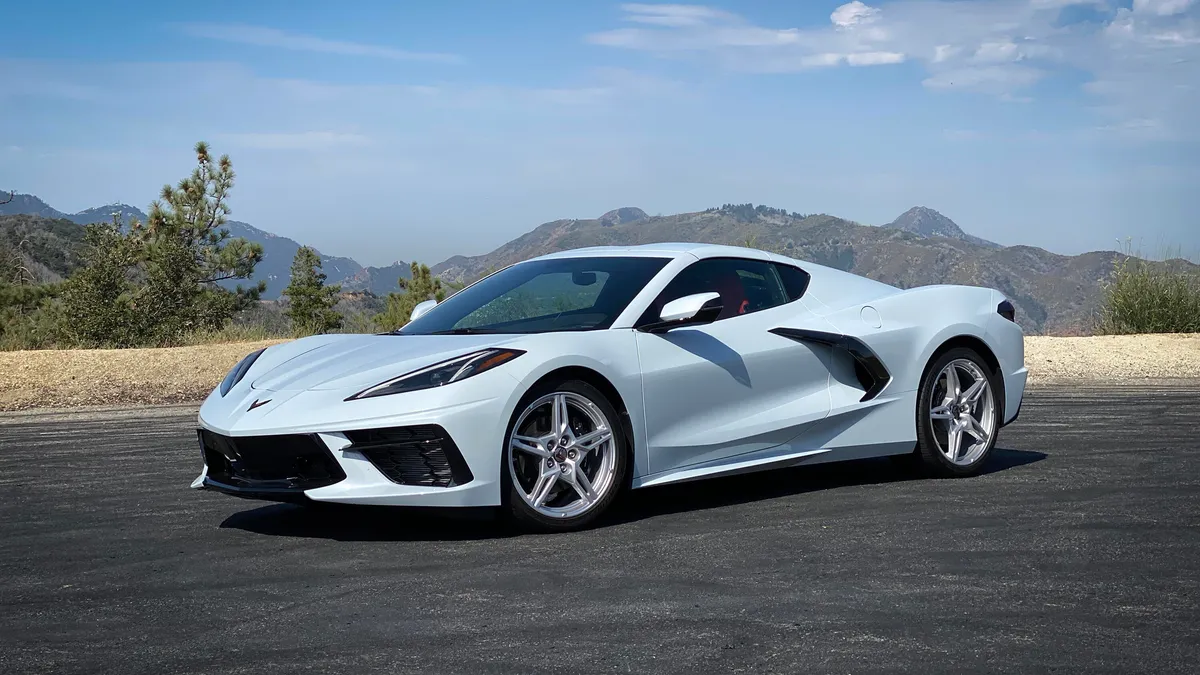
Inside, the Corvette has never been better equipped. The cockpit-style interior wraps around the driver with a purposeful, jet-fighter aesthetic. Premium materials, a large digital instrument cluster, and an intuitive infotainment system make it feel genuinely luxurious alongside its performance credentials.
The Corvette’s value proposition is staggering. You get a supercar-level experience at a price that starts well below six figures. Maintenance costs are also reasonable compared to European competitors, and parts availability is excellent.
For anyone who loves driving, truly loves it, the Corvette is an argument that ends debates. It’s fast, beautiful, relatively practical, and deeply American. If you’re going to buy a performance car, this is the one that makes every dollar count.
2. Chevrolet Silverado 1500
The Chevrolet Silverado 1500 is the backbone of GM’s commercial success and one of the best-selling vehicles in the entire United States. Year after year, it earns its place at the top of full-size pickup truck sales charts.
The Silverado sold over 550,000 units in 2024 alone, numbers that don’t happen by accident. They reflect genuine owner satisfaction, strong capability, and a wide range of trim options that suit almost any need or budget. This level of sustained consumer trust is built over decades of real-world performance.
The Silverado’s powertrain lineup is one of its greatest strengths. Buyers can choose from multiple engine options, including a turbocharged four-cylinder, a naturally aspirated V8, a turbodiesel inline-six, and even an all-electric variant. This flexibility ensures the truck works equally well for light daily driving or serious heavy-duty towing.
Towing and payload figures are competitive across the entire lineup. The most capable configurations can tow well over 13,000 pounds when properly equipped. Coupled with trailer sway control and camera-assisted hitching systems, the Silverado makes towing feel remarkably manageable even for less experienced drivers.
The interior quality has improved dramatically over the past several years. Higher trim levels like LTZ and High Country offer genuinely impressive materials and a premium feel. Technology features, including a large touchscreen, wireless Apple CarPlay and Android Auto, and available Super Cruise hands-free driving assistance, keep it technologically competitive.
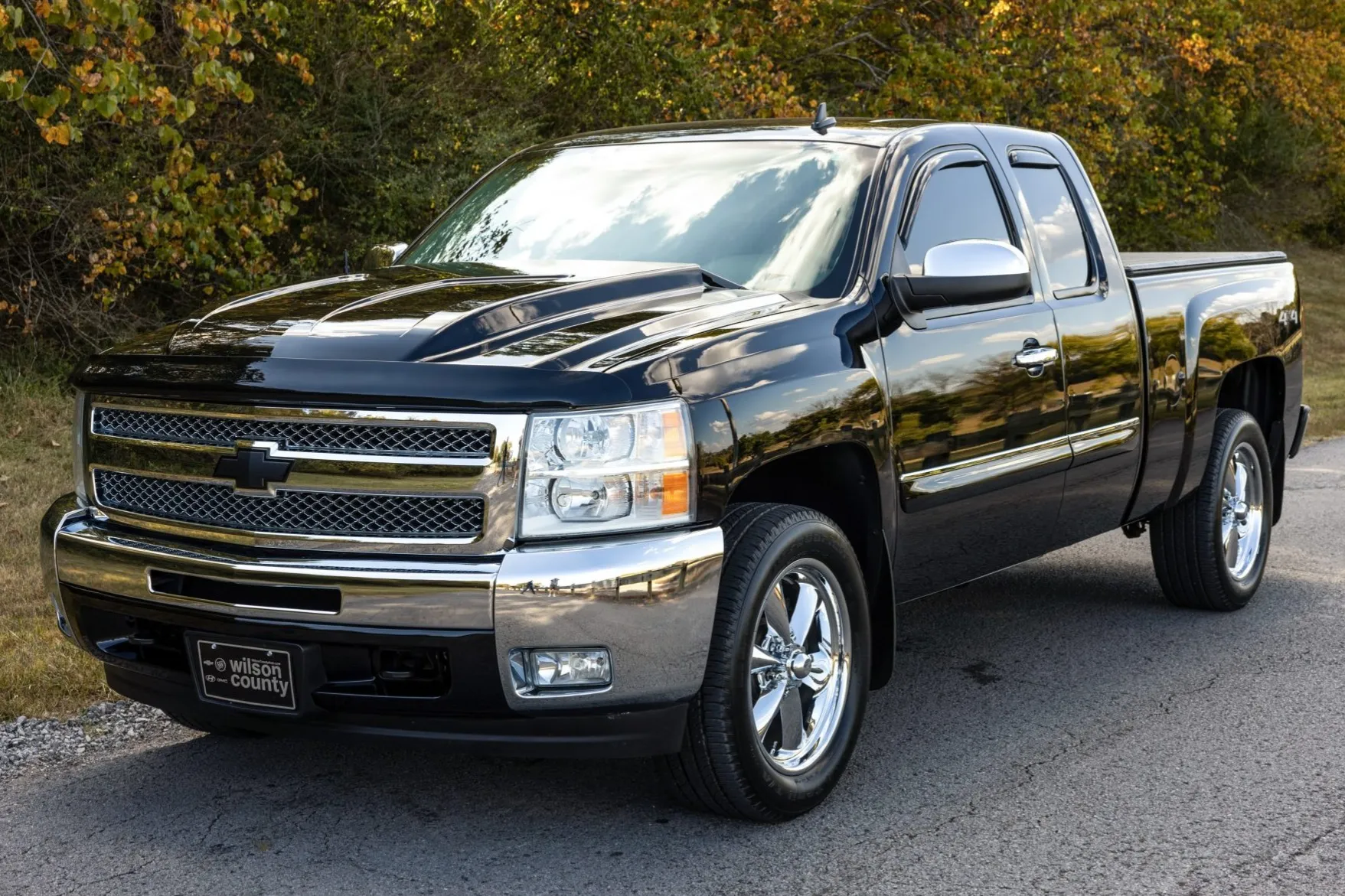
The Silverado family sits at a respectable reliability position for a domestic full-size truck, scoring on par with the U.S. auto industry average according to Consumer Reports data. It is dependable enough for business owners who need it to work every single day.
The Silverado is the safe, smart, all-American truck choice. It has proven itself across millions of real-world miles. Whether you haul equipment for a living or simply want the flexibility a truck provides, the Silverado rarely disappoints.
3. Cadillac CT5-V Blackwing
The Cadillac CT5-V Blackwing is the kind of car that makes you reconsider everything you thought you knew about American performance sedans. It is, by any serious measure, one of the greatest driver’s cars built anywhere today.
The CT5-V Blackwing has earned recognition on Car and Driver’s 10Best Cars list for four consecutive years, a remarkable achievement that underscores its outstanding capability. Under the hood sits a twin-turbocharged 3.6-liter V6 engine generating 472 horsepower and 445 lb-ft of torque. A six-speed manual transmission is standard, while a 10-speed automatic is available for those who prefer it.
The fact that Cadillac still offers a six-speed manual transmission in this segment is almost miraculous. Performance sedan buyers have been starved of true engagement for years. The CT5-V Blackwing feeds that hunger with one of the most communicative and rewarding driving experiences available at any price point.
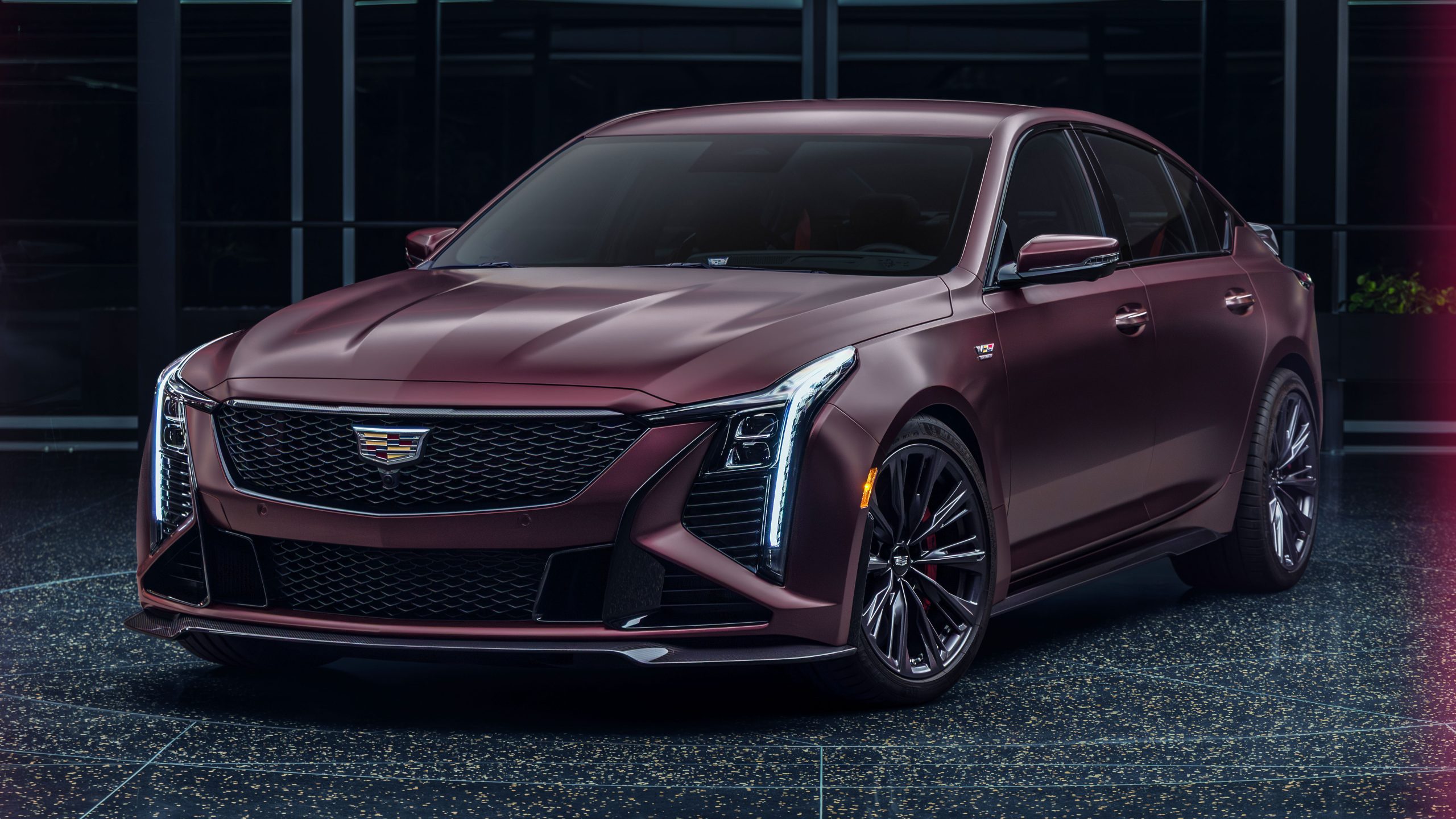
Chassis dynamics are extraordinary. Magnetic Ride Control 4.0 suspension reads the road surface thousands of times per second and adjusts accordingly. The result is a car that can be utterly compliant on a daily commute and razor sharp on a track, often on the same afternoon, simply by turning a dial.
Available Carbon Fiber Packages generate the greatest downforce of any Cadillac V-Series production car, making the CT5-V Blackwing genuinely track-capable straight from the factory. This is not just marketing language on a circuit; the car rewards skilled drivers with feedback and precision that rival German competition at far higher price points.
The interior is classically handsome rather than flashy. Recaro-style performance seats hold you firmly in place during spirited driving. Carbon fiber trim, Alcantara surfaces, and a clean instrument layout all contribute to a cabin that feels special without trying too hard.
The CT5-V Blackwing is arguably the best performance bargain today. It outperforms and out-engages competitors that cost significantly more. If you want the ultimate GM performance experience without the open-top drama of a Corvette, this is your answer.
4. Chevrolet Trax
The Chevrolet Trax is proof that an affordable car can also be a genuinely impressive one. After a complete ground-up redesign, the Trax emerged as one of the smartest small SUVs on the market and one of the best values in any segment.
The Chevy Trax earned Car and Driver’s 10Best award for the second consecutive year since its redesign. It delivers generous cargo space, an impressive list of standard safety features, and five trims starting under $26,000. An award-winning small SUV at that price point is genuinely rare in today’s market.
The exterior design is bold and youthful in a way that previous Trax generations simply never managed. Sharp creases, a distinctive front fascia, and a sleek roofline give it presence well above its price point. It stands out in parking lots rather than disappearing into the sea of generic crossovers.
Inside, the Trax impresses with a spacious cabin that feels far larger than the exterior suggests. The rear seat is particularly generous for the segment, with legroom that surprises taller adults. A large touchscreen anchors the dashboard, and the interface is clean and logical to navigate.
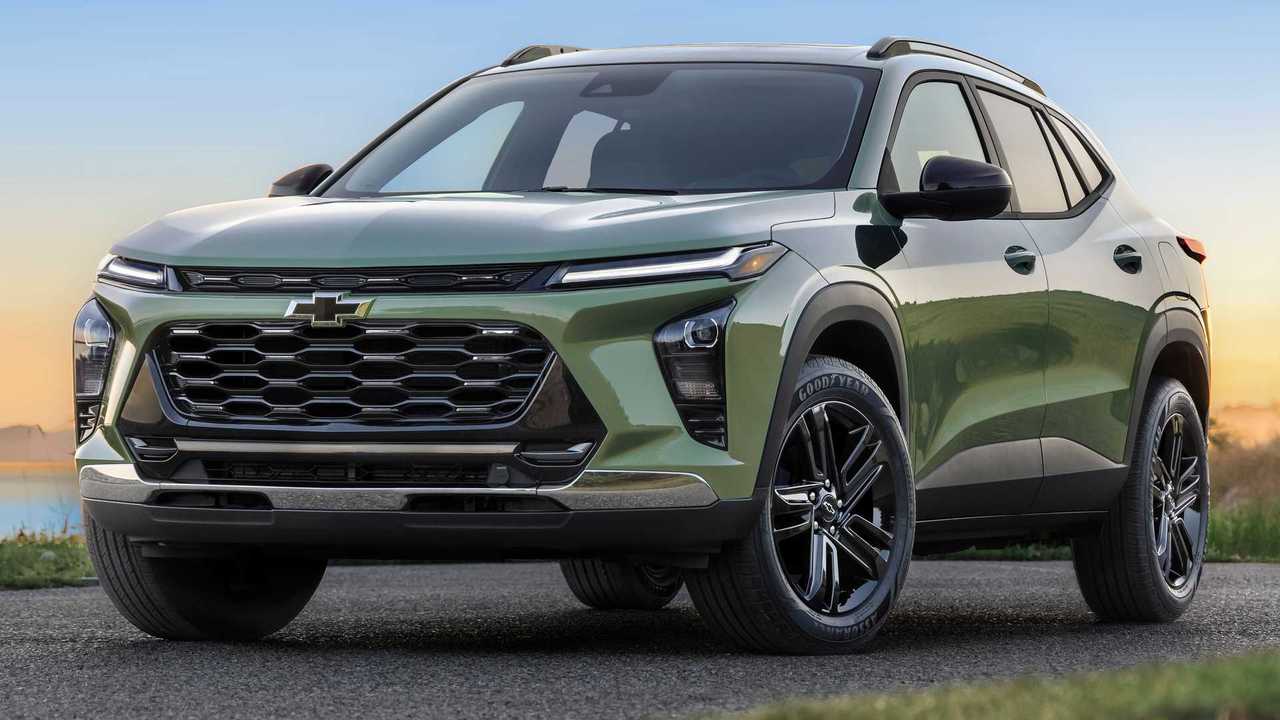
Car and Driver’s editorial staff praised the redesigned Trax for its affordability, practicality, and refinement. When seasoned automotive journalists praise a budget SUV for refinement, that is high praise indeed. The ride quality, noise insulation, and powertrain smoothness all exceed what the price tag might lead you to expect.
Standard safety technology across every trim level is another major plus. Automatic emergency braking, lane departure warning, and rear cross-traffic alert come fitted as standard. These are features that some rivals only include on higher and pricier trim levels, making the Trax an especially strong ethical and practical choice for families.
The Trax is the answer for anyone who wants a capable, stylish, and modern small SUV without spending big. It delivers an honest driving experience and strong everyday practicality. For budget-minded buyers, it is without question one of the smartest purchases in the entire GM lineup today.
Also Read: 5 Vehicles With Spark Plug Access You Can Reach in 10 Minutes vs 5 That Take Hours
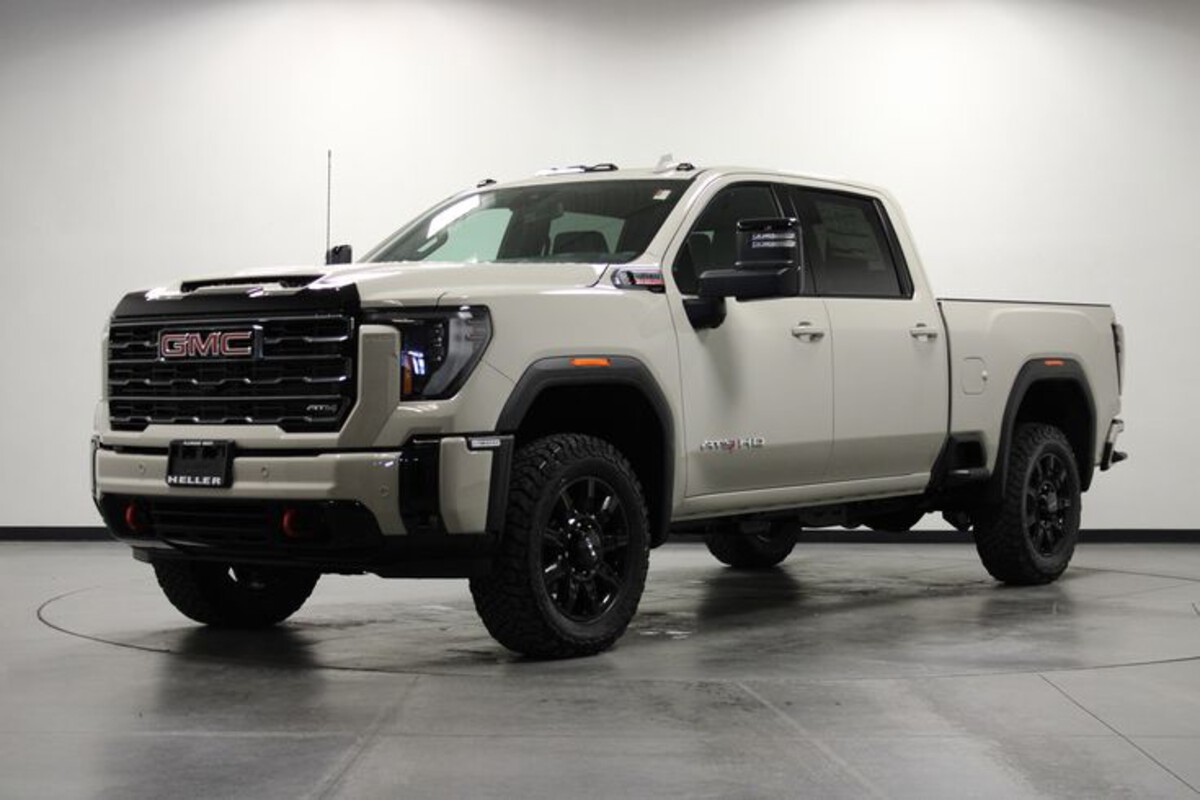
5. GMC Sierra 2500 HD
The GMC Sierra 2500 HD is a workhorse built for people who actually work. It is uncompromising, capable, and engineered to handle demands that would flatten lesser trucks without flinching.
Few trucks on the market can match the versatility of the GMC Sierra 2500 HD as a heavy-duty work vehicle. The truck shines with its impressive towing and payload capacity, especially with the available Duramax diesel powertrain. A wide range of configuration options means buyers can tailor the truck precisely to their specific working requirements.
The available Duramax 6.6-liter turbodiesel V8 is one of the best heavy-duty diesel engines in any pickup truck on sale today. It delivers enormous torque figures that make towing massive loads feel almost effortless. Whether you’re pulling a fully loaded gooseneck trailer or a commercial equipment hauler, the powertrain always has more in reserve.
Build quality and structural integrity are genuinely serious on the HD trucks in ways that lighter-duty vehicles cannot match. The fully boxed steel frame is engineered to handle the stresses of heavy daily towing without fatigue. Brakes, suspension components, and drivetrain hardware are all sized appropriately for serious commercial use.
Consumer Reports identifies the Sierra 2500 HD as one of the most reliable models in the entire GMC lineup, with the Sierra 2500 HD and Sierra 3500 HD receiving the brand’s strongest reliability scores. This is strong and reassuring data for buyers who plan to work these trucks hard every day.
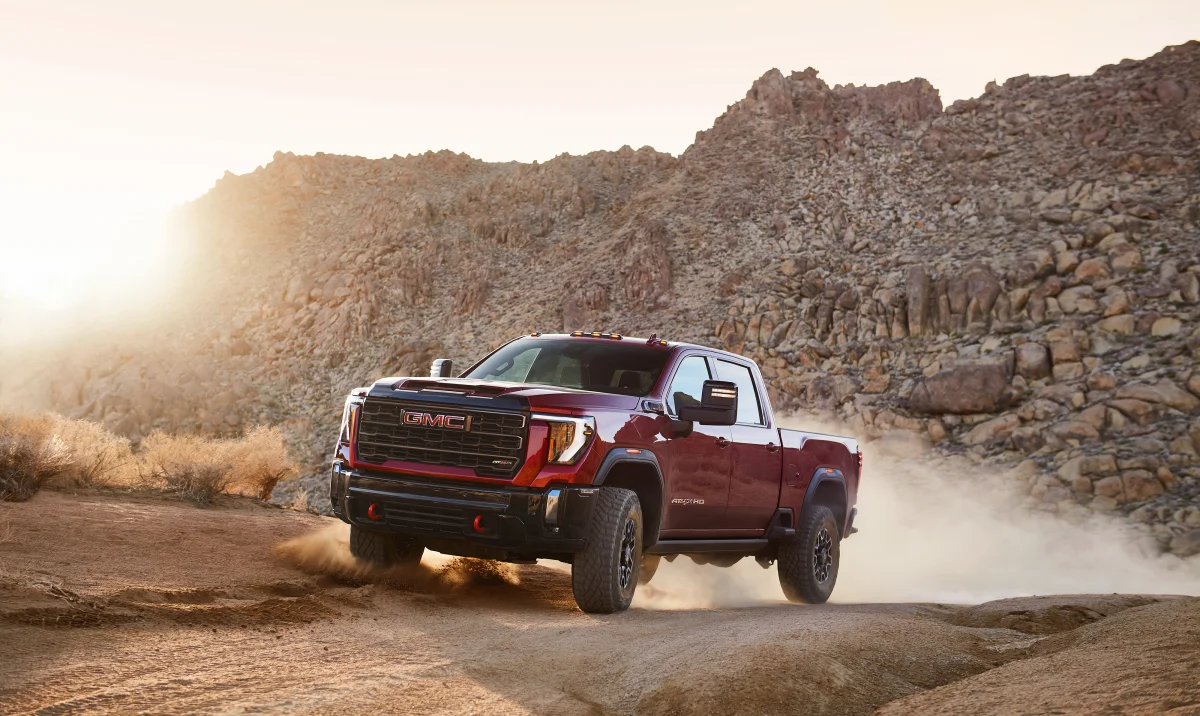
The interior options range from a bare-bones work truck configuration to the extraordinarily luxurious Denali Ultimate trim. The Denali packages bring premium leather, massive infotainment screens, and comfort features that make long highway miles genuinely enjoyable. You can build a truck that works hard and lives comfortably at the same time.
For contractors, farmers, fleet operators, and serious towers, the Sierra 2500 HD is the right answer. It is one of the most capable vehicles on any road and one of the few GM trucks that consistently earns positive reliability marks. Buy it, work it hard, and it will reward your confidence.
5 GM Vehicles to Avoid
These GM vehicles are often criticized for poor reliability, costly repairs, or problematic engineering choices that can make ownership frustrating over time. Models like the Chevrolet Cruze and GMC Acadia have developed reputations for transmission, cooling system, or electrical issues in certain model years.
Others, such as the Cadillac ATS, Chevrolet Traverse, and Buick Encore, can become expensive to maintain as mileage climbs. While not every example is problematic, these vehicles are more likely to bring higher repair costs and long-term reliability concerns compared to GM’s stronger offerings.
1. GMC Acadia (2024–2025)
The GMC Acadia entered its third generation for the 2024 model year with considerable fanfare. Unfortunately, real-world ownership has revealed serious problems that first-year buyers are paying the price for every single day.
Consumer Reports indicates that first-year problems with the new-generation Acadia continued straight into 2025. Both the 2024 and 2025 editions carry poor reliability scores across the board. When problems persist across two consecutive model years, that is not a minor hiccup; it is a systemic issue that deserves serious buyer caution.
The 2024 Acadia holds the lowest reliability score among the 21 comparable midsize SUVs that Consumer Reports rated in its segment. Finishing last in a field of 21 direct competitors is an alarming result. This is not a minor statistical blip; it reflects genuine, widespread owner dissatisfaction with how the vehicle holds up over time.
Experts point to weak build quality and persistent electronic glitches as Acadia’s worst trouble spots. An SUV stuffed with touchscreens and driver assistance systems is especially vulnerable when the electronic architecture is unreliable. These aren’t just daily inconveniences; they can affect safety-critical functions that buyers depend on.
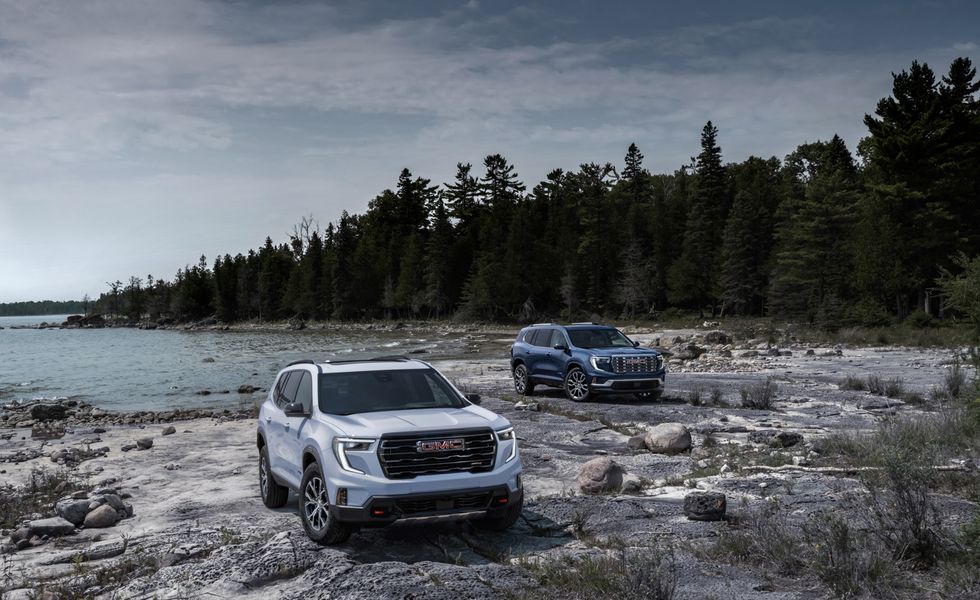
The 2025 Acadia’s Consumer Reports predicted reliability score of just 14 out of 100 is among the lowest scores for any vehicle in the entire survey. Numbers this low represent serious ownership risk for anyone writing a big check. The gap between expectation and reality on this vehicle has been painful for many buyers.
The Acadia’s segment is competitive and filled with genuinely reliable alternatives from Toyota, Kia, and Hyundai. These rivals offer three-row family-hauling practicality without the ownership anxiety the Acadia currently brings. Until GMC works out these bugs which may take another one or two model years the Acadia is a vehicle to pass on entirely.
2. GMC Terrain (2025)
The GMC Terrain has long been a popular compact crossover in GM’s lineup. However, the 2025 model year has introduced problems significant enough to earn it a place on Consumer Reports’ list of vehicles to avoid.
The 2025 Terrain earned a poor reliability score from Consumer Reports, with most issues centering around transmission problems and in-car electronics failures. Transmission concerns in a relatively new vehicle are never trivial. They can escalate from occasional shifting hesitation into full gearbox failure if left unaddressed over time.
Consumer Reports’ predicted reliability score for the 2026 Terrain sits at just 17 out of 100, placing it among the very least reliable new vehicles in any segment. Owners have reported a wide range of issues spanning electronics, body hardware, and engine-related troubles. Multiple problem areas appearing simultaneously indicate that quality control on this vehicle is not meeting acceptable standards.
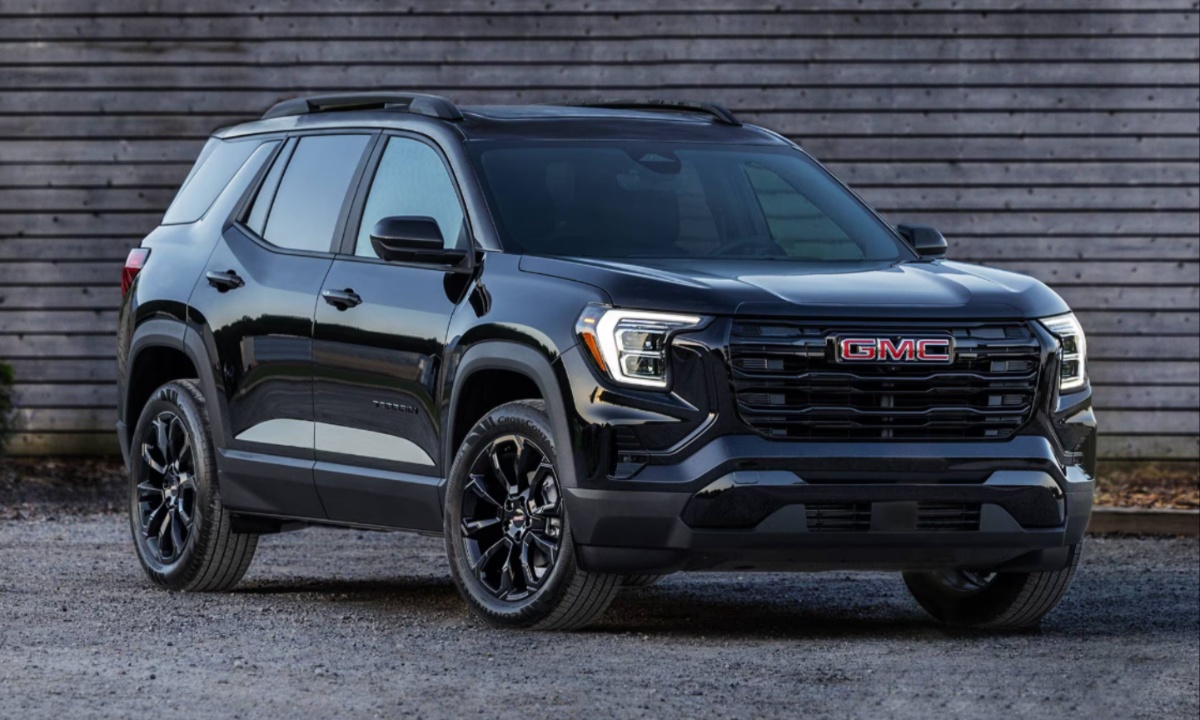
Infotainment glitches are particularly frustrating because they affect daily usability in ways that are hard to ignore. A touchscreen that freezes, a navigation system that behaves erratically, or a connectivity interface that randomly disconnects make even simple journeys irritating. Modern buyers reasonably expect these systems to work every time they get behind the wheel.
The compact crossover segment is one of the most hotly contested in the automotive market today. Buyers have no shortage of excellent alternatives that offer proven, long-standing reliability. Spending money on a vehicle with known transmission and electronic issues when better options are readily available simply does not make financial sense.
Consumer Reports advises buyers to be especially cautious with the first model years of new or redesigned vehicles, noting that even major brands like GMC can struggle with initial production runs. The Terrain’s current issues fit this pattern precisely. Until GMC refines the model through future iterations, prospective buyers should look confidently elsewhere.
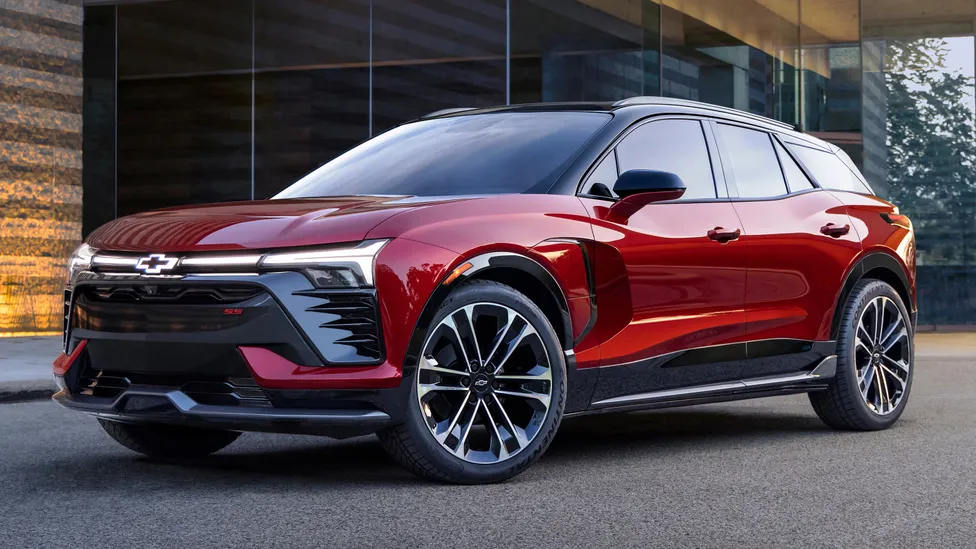
3. Chevrolet Blazer EV (2024)
The Chevrolet Blazer EV arrived with enormous anticipation as GM’s bold push into the competitive electric crossover market. The reality of ownership, however, proved to be deeply disappointing for a significant number of early buyers who trusted the brand.
Consumer Reports included the 2024 Chevy Blazer EV on its list of GM vehicles flagged for poor reliability. For a brand-new electric vehicle competing against polished rivals, ending up on a do-not-buy list is an extremely damaging outcome. It signals clearly that the product was not fully ready for prime time when it launched.
Early Blazer EV deliveries were plagued with software problems so severe that GM actually had to stop sales temporarily to address them. This kind of dramatic post-launch intervention is extremely rare in the automotive industry. It signals deep problems with software validation and quality control processes that should have been caught long before the vehicle reached customers.
Charging reliability has also been a consistent concern raised by multiple owners across various ownership forums and surveys. In an electric vehicle, the charging system is as essential as a fuel pump in a conventional car. When it behaves unpredictably, range anxiety transforms from an abstract worry into a very real and practical daily problem.
Range figures, while competitive on paper, have been questioned by real-world owners reporting shortfalls compared to advertised numbers in normal driving conditions. The gap between EPA estimates and actual real-world range is not unusual in the EV world, but it has been particularly pronounced in the Blazer EV under certain weather conditions.
The Blazer EV may well improve with future software updates and ongoing production refinements. However, buying into a first-generation product that has already demonstrated serious quality issues represents a significant financial risk. Until the Blazer EV establishes a solid track record of consistent, trouble-free ownership, buyers are better served by proven electric alternatives already on the market.
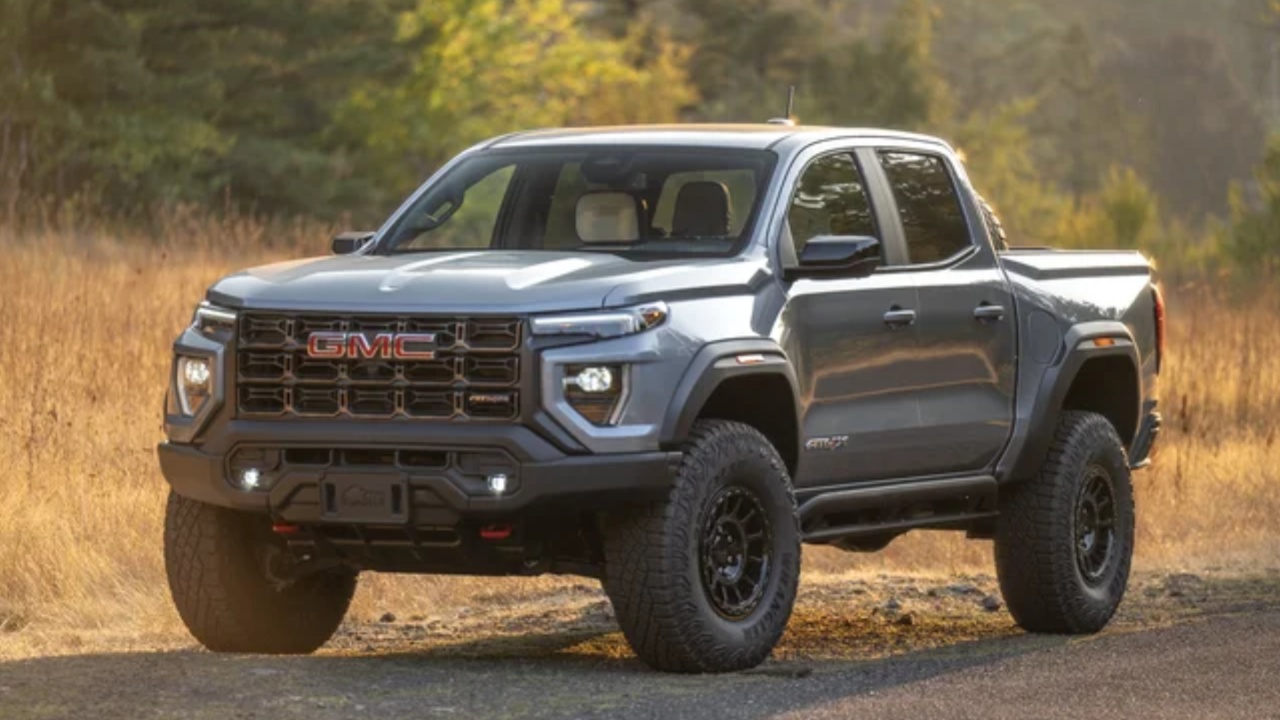
4. GMC Canyon (2025)
The GMC Canyon is a midsize pickup truck competing in one of the fastest-growing segments in the American market. Despite its attractive redesign and genuinely capable off-road features, the 2025 model has developed a deeply concerning reliability reputation that buyers must not overlook.
The 2025 Canyon is notable for being the only GMC on Consumer Reports’ do-not-buy list with at least three years of production history for its current generation. Curiously, the 2023 and 2024 model years of the Canyon earned below-average reliability scores. The 2025 Canyon took a further step down to a poor score, with the drivetrain and brakes surfacing as critical problem areas.
Drivetrain and brake problems are among the most serious reliability failures a vehicle can exhibit. These are not cosmetic inconveniences or minor technology hiccups that an over-the-air update can fix overnight. They directly affect the safety, drivability, and mechanical integrity of the vehicle and can be both expensive and dangerous if left unresolved.
Consumer Reports ranked the GMC Canyon at just 15 out of 100 points for reliability in its December 2024 report. Engine, transmission, in-car electronics, and brake problems were all specifically cited as root causes of the poor score. Engine, transmission, electronics, and brake issues appearing together in the same vehicle represent a costly and frustrating combination for any owner.
The midsize truck segment offers excellent, time-tested alternatives. The Toyota Tacoma maintains a long-standing reputation for durability and long-term dependability that the Canyon simply cannot match at this stage. For buyers who need a midsize truck they can genuinely rely on, the Canyon in its current form is too risky.
The Canyon’s visual appeal and off-road credentials in higher trims are genuinely tempting. Those qualities make the reliability numbers even more frustrating to report. Until GM addresses the fundamental issues that have persisted and worsened across multiple model years of this generation, the Canyon should remain firmly on your avoid list.
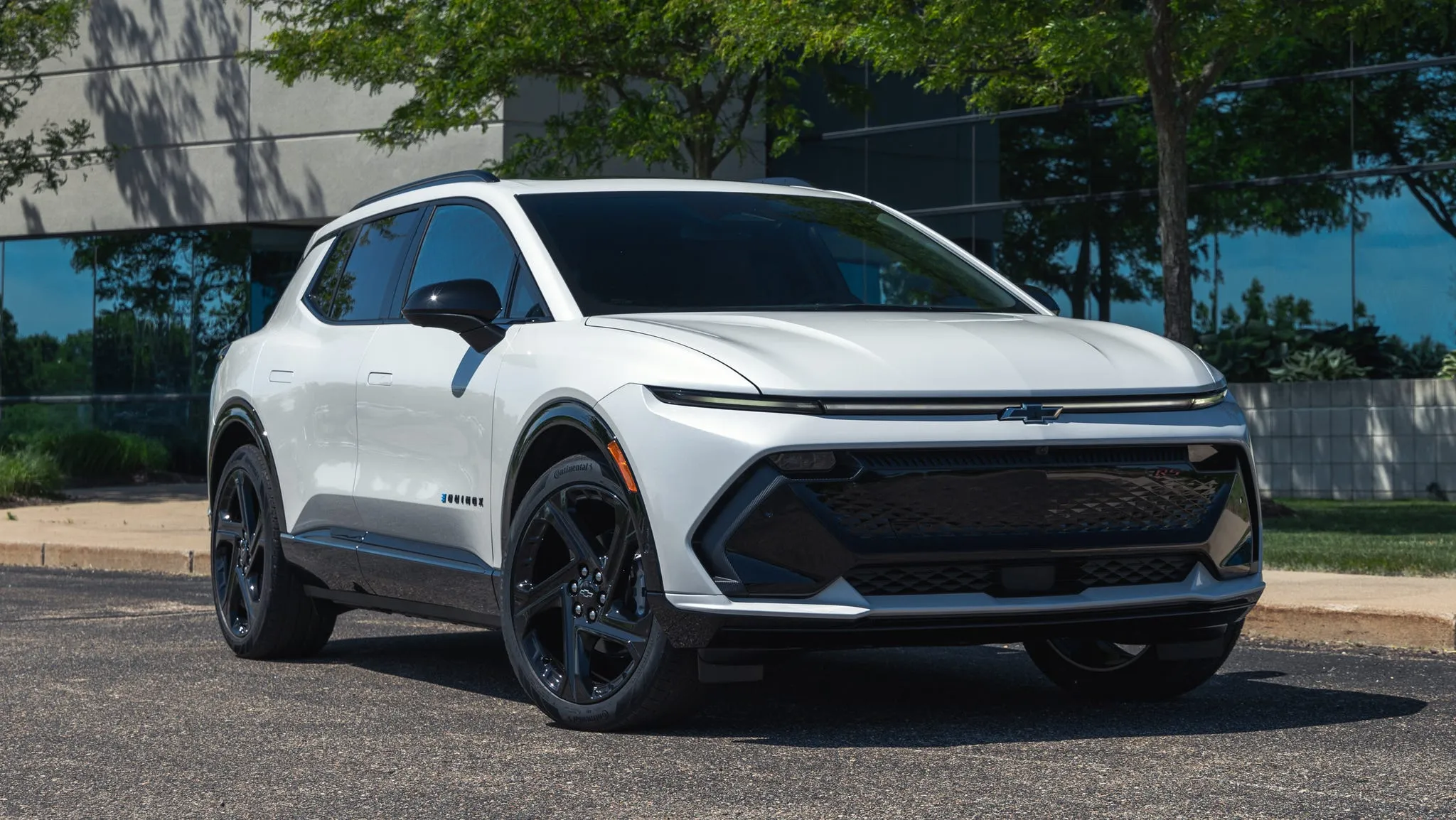
5. Chevrolet Equinox EV (Early Production)
The Chevrolet Equinox EV was one of the most eagerly anticipated affordable electric vehicles in recent memory. Its promised sub-$35,000 starting price represented a genuine attempt to make electric driving accessible to mainstream American families. However, early production ownership has proven complicated and stressful for too many buyers.
Consumer Reports included the Chevrolet Equinox EV on its list of GM vehicles flagged for poor reliability. Landing on a reliability watchlist in your very first model year sets a troubling precedent. First-generation electric vehicles from major manufacturers should arrive with all software and hardware validation thoroughly completed, and the early Equinox EV did not always meet that reasonable standard.
Software issues have been a recurring theme among early Equinox EV owners reported across ownership communities and survey data. The vehicle’s operating systems, charging management software, and driver assistance features have exhibited erratic behavior that required multiple dealer visits and over-the-air updates to partially address. Multiple major software updates in a vehicle’s first year of production strongly suggest the software was not fully ready at launch.
Range consistency has also been questioned by real-world owners. Cold-weather performance, which is a genuine challenge for battery electric vehicles across all brands, has affected the Equinox EV more noticeably than some competing platforms that have had additional years to optimize their battery thermal management systems. This gap matters enormously for buyers in colder climates who depend on a reliable range year-round.
The broader context of GM’s EV launch struggles is relevant and worth acknowledging. The Blazer EV’s troubled debut, the Silverado EV’s delayed rollout, and the Equinox EV’s early quality concerns together paint a picture of an automaker moving faster than its quality control processes can comfortably support. Ambition is admirable, but buyers pay the real-world cost when execution falls short.
The Equinox EV’s core promise remains genuinely compelling, and its pricing ambition is admirable for the segment. As GM refines the platform, updates the software further, and tightens production quality standards, it could become a strong and meaningful choice.
For now, waiting for a 2026 or later model year once the early-adopter issues have been properly resolved is the wiser course of action for buyers who want trouble-free electric ownership from day one.
Also Read: 5 Trucks With Cabin Filters You Can Replace in 5 Minutes vs 5 That Need a Tech
