
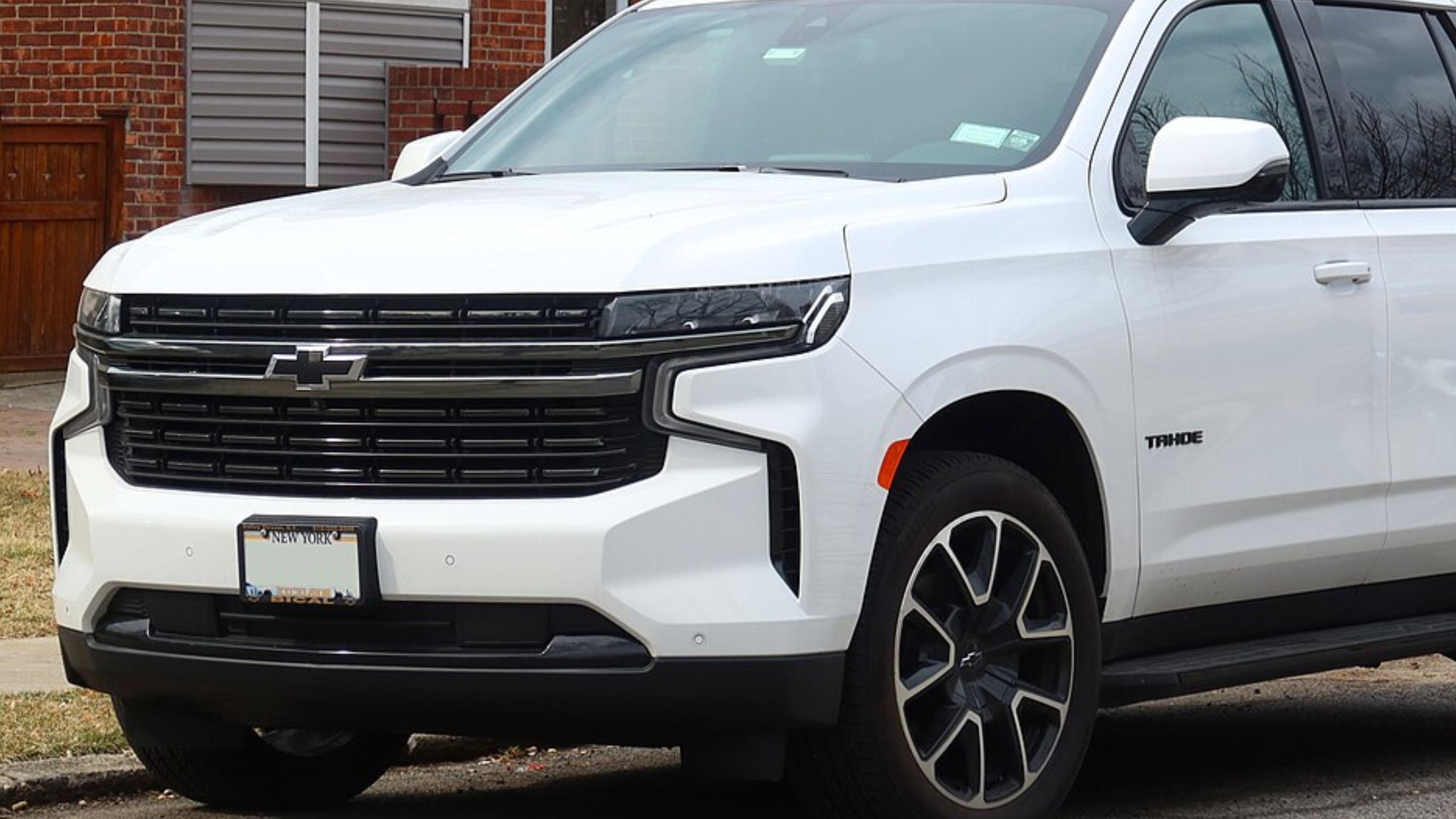
The Chevrolet Tahoe is one of the most iconic full-size SUVs ever built on American soil. Since its debut as a four-door model in 1995, it has served families, law enforcement agencies, off-road adventurers, and everyday commuters with equal confidence.
Through five distinct generations, the Tahoe has constantly evolved, gaining power, technology, safety features, and interior refinement with each redesign. Some years delivered on every promise Chevrolet made. Others fell embarrassingly short, plagued by recalls, mechanical nightmares, and owner frustration.
Ranking the Tahoe is not a simple task. The nameplate spans over three decades, dozens of model years, and millions of vehicles on roads worldwide. To build this list, we looked at NHTSA recall data, Consumer Reports reliability ratings, J.D. Power quality scores, owner complaint volumes on CarComplaints, and real-world durability.
The result is a definitive ranking of eight representative Chevy Tahoe model years from the one you should absolutely avoid to the one that defines the nameplate at its very best. Whether you are a potential buyer or a long-time Tahoe enthusiast, this guide will help you understand exactly where each model stands.
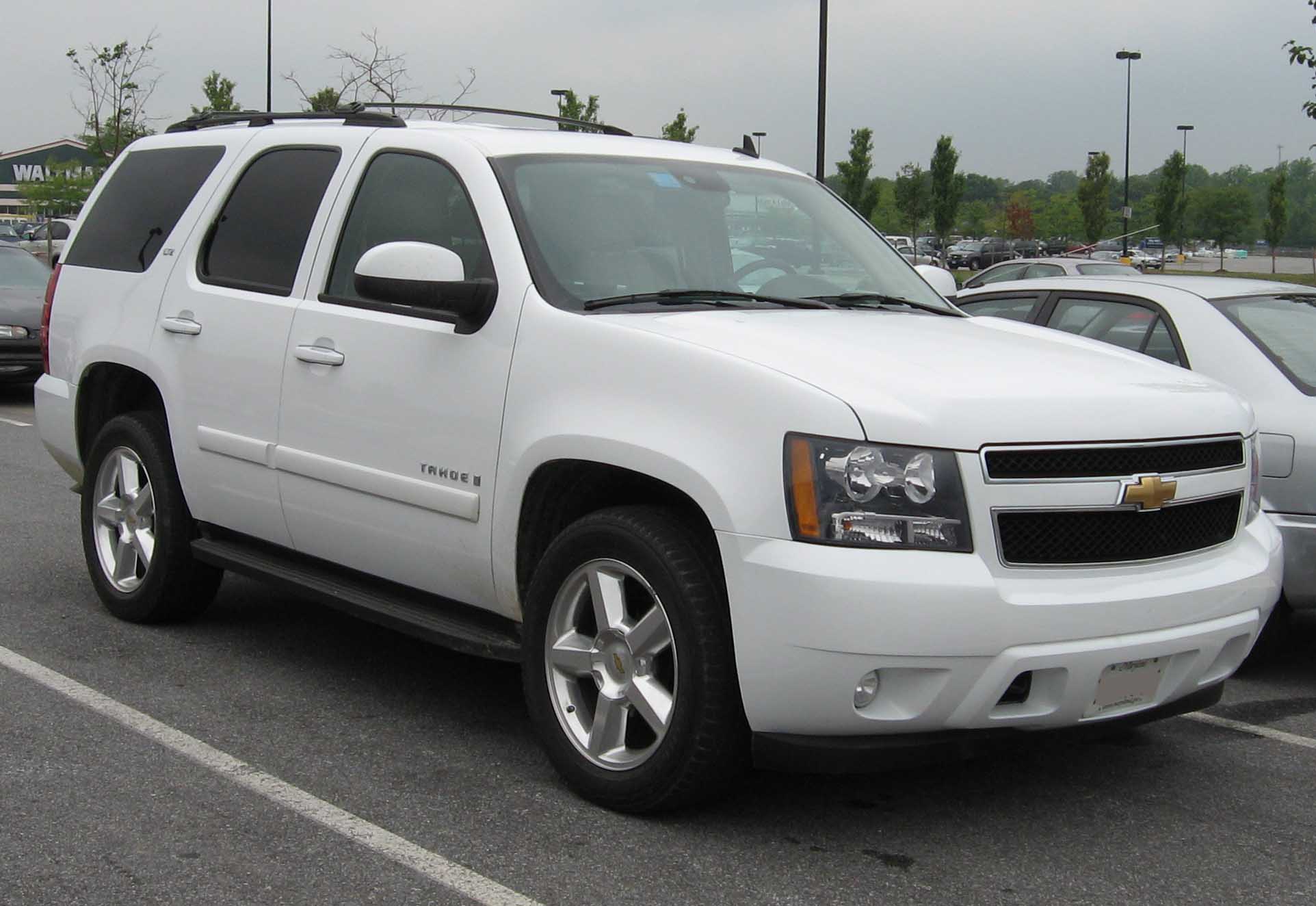
8. 2007 Chevrolet Tahoe
The 2007 Tahoe holds the unfortunate distinction of being one of the most complained-about model years in the nameplate’s entire history. It launched the third generation on the new GMT900 platform, and while the bones were solid, early production problems made this a deeply troubled year.
The 2007 Tahoe received two separate recalls for potentially explosive airbag inflators, a catastrophic safety failure that defines this model year’s legacy. These were not minor inconveniences. They were life-threatening defects that put thousands of American families at direct risk.
Over a thousand documented complaints were filed against this model year alone. With that volume of complaints and the sheer severity of the safety recalls, the 2007 sits at the very bottom of this list without debate.
Specifications:
- Engine: 5.3L V8 (standard) / 4.8L V8 (base)
- Horsepower: 320 hp (5.3L) / 295 hp (4.8L)
- Torque: 340 lb-ft (5.3L) / 305 lb-ft (4.8L)
- Length: 202.7 inches
- width: 79.1 inches
The 5.3L V8’s Active Fuel Management (AFM) system caused severe oil consumption issues. Many owners found themselves adding quarts of oil between scheduled changes just to keep the engine running. The “add oil” warning light became a dreaded and recurring sight on dashboards across the country.
The AFM system was designed to save fuel by deactivating cylinders during light-load driving. Instead, it accelerated engine wear and caused long-term reliability concerns that haunted owners well past the warranty period. This was a serious engineering shortcoming that Chevrolet should have caught before production.
The 2007 model also introduced a cracked dashboard problem that plagued the third generation for years. The plastic compound used in the instrument panel was not resilient to thermal cycling in warm climates. Owners in Southern states reported large, unsightly cracks appearing within just two to three years of ownership.
Interior rattles were also a common complaint, particularly around the door panels and center console area. For a vehicle at this price point, the build quality was simply not up to the standard buyers expected from a flagship GM SUV.
The 2007 Tahoe had a genuinely capable platform underneath its troubled exterior. However, explosive airbag recalls, excessive oil consumption, and widespread interior failures make it the weakest Tahoe on this list. Avoid it unless you are prepared for significant mechanical investment.
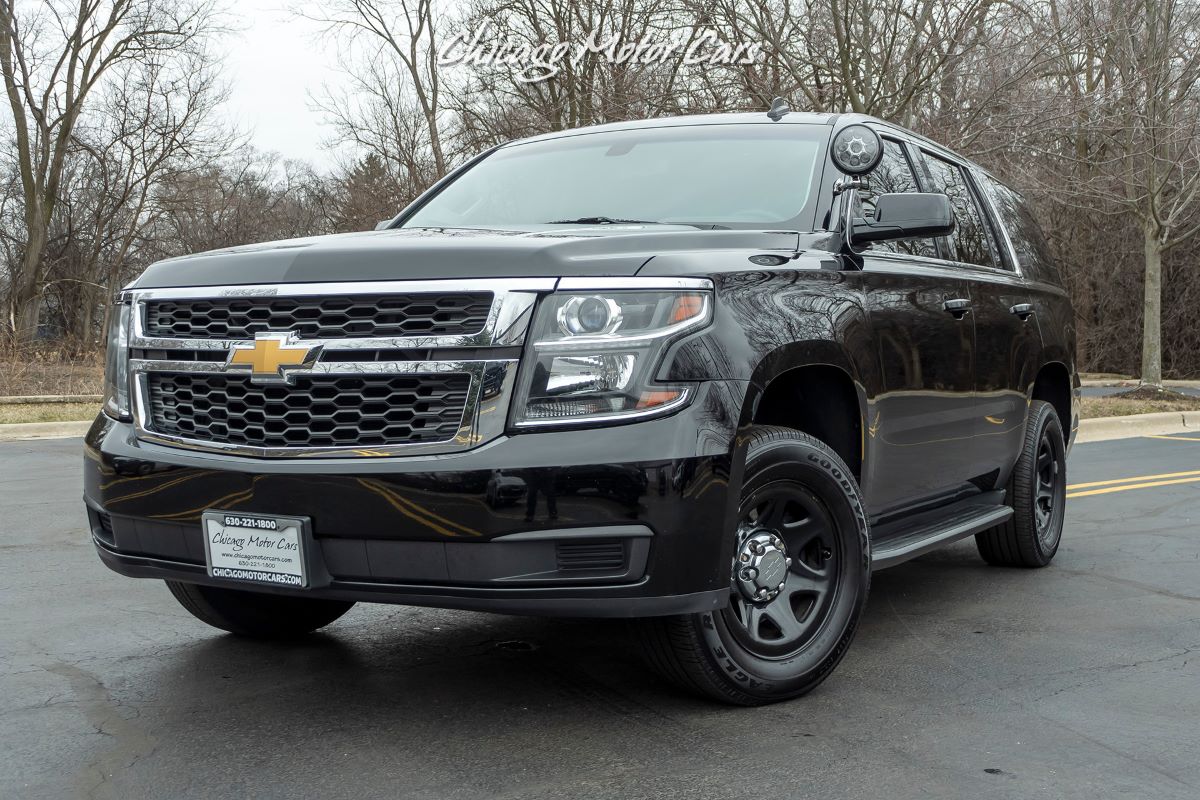
7. 2015 Chevrolet Tahoe
The 2015 Tahoe launched the fourth generation with great fanfare and immediately drew consumer frustration. Consumer Reports rated it a dismal 1.0 out of 5.0 for reliability. With 14 recalls and over 900 complaints, the 2015 model became a textbook case of first-year redesign growing pains.
The single most-reported problem on the 2015 Tahoe was a badly designed air conditioning system. The compressor and condenser were prone to premature failure, leaving entire families stranded without cooling during the summer months. Repair bills for full HVAC system replacement often ran into several thousand dollars on a near-new vehicle.
For an SUV starting at nearly $47,000, this level of failure was completely unacceptable. Owners reported returning to dealerships multiple times with the same cooling complaints, only to have the issue return after temporary repairs. It became one of the most publicly criticized defects in Tahoe’s recent history.
Specifications:
- Engine: 5.3L Ecotec3 V8 (standard) / 6.2L V8 (optional)
- Horsepower: 355 hp (5.3L) / 420 hp (6.2L)
- Torque: 383 lb-ft (5.3L) / 460 lb-ft (6.2L)
- width: 80.5 inches
- Length: 203.9 inches
Several of the 14 recalls specifically targeted braking system failures on the 2015 model. One particularly severe recall involved brake rod disconnection from the brake pedal itself, meaning drivers could press the pedal and experience a complete loss of braking control. Few automotive failures are more immediately life-threatening than this.
The NHTSA treated these recalls with appropriate urgency. However, the volume and severity of the safety issues in the 2015’s first year left a lasting stain on the fourth generation’s opening chapter.
The 2015 model introduced a new 8-inch touchscreen infotainment system that was a genuine step forward in connectivity. However, early software versions were buggy, prone to freezing, and slow to respond. Backup cameras occasionally failed to display an image, a significant safety concern for a large vehicle. Software updates eventually improved stability, but early buyers bore the brunt of the frustration.
The 2015 Tahoe showed real promise with better engines, sharper styling, and improved towing capacity. However, the sheer volume of recalls and the severity of the HVAC and braking failures keep it near the bottom. Avoid the 2015, specifically the 2016 and 2017 variants of the same generation, were vastly improved.
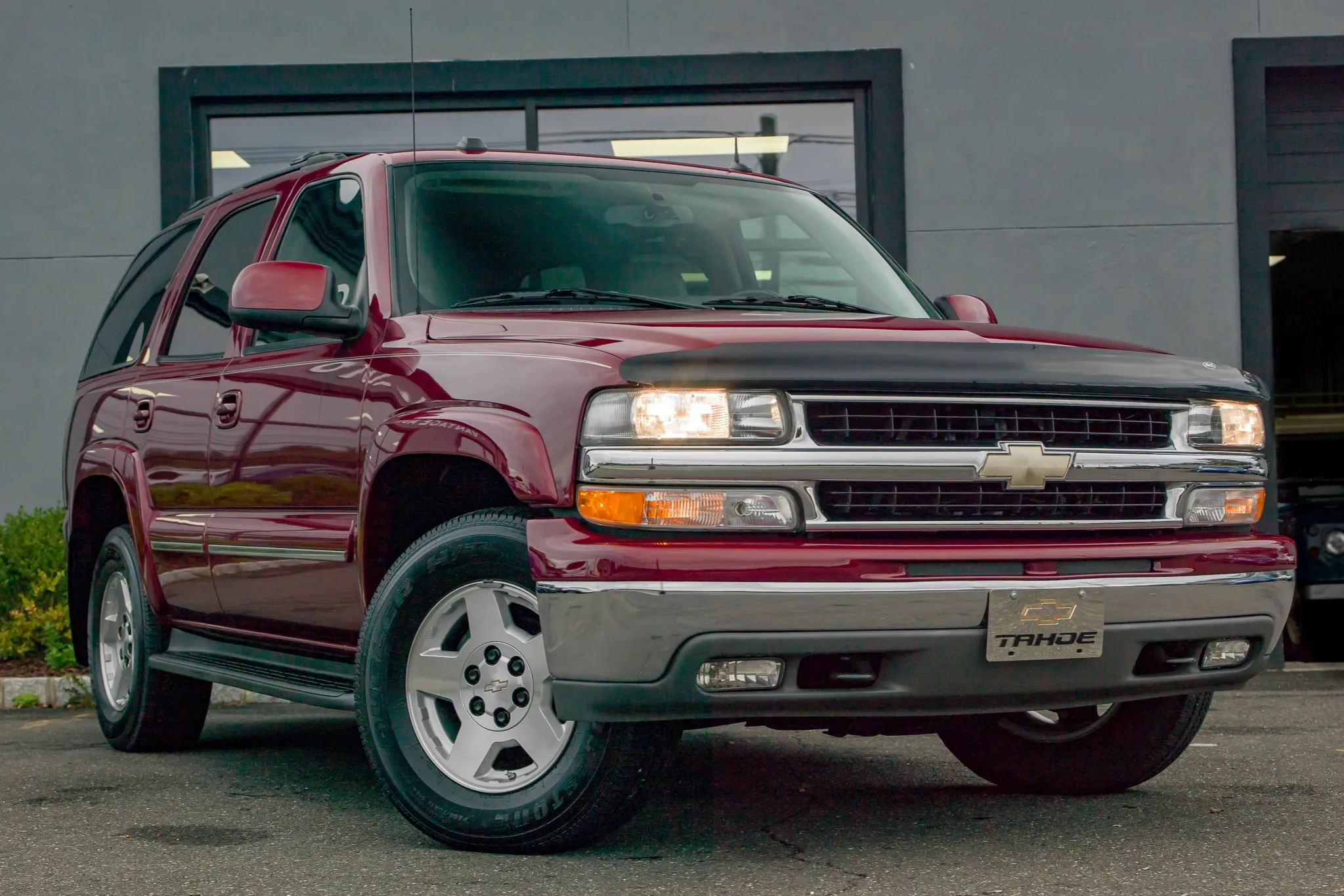
6. 2004 Chevrolet Tahoe
The 2004 Tahoe sat in the middle of the second generation and represented some of the weakest years in an otherwise solid era. The GMT800 platform was fundamentally reliable, but the 2004 model developed a specific reputation for recurring problems that wore on owner patience. It is not catastrophic, but it is not good either.
The most frustrating and widely reported problem on the 2004 Tahoe was a chronically inaccurate speedometer. The instrument cluster was sourced from a supplier with a known defect, producing wildly incorrect speed readings that could not be trusted. Imagine highway driving without being able to rely on your own speedometer. This was the daily reality for thousands of 2004 Tahoe owners.
The issue became so widespread and so well-documented that a class-action lawsuit was eventually filed. Chevrolet’s response was slow, and many owners had to pay out of pocket for instrument cluster replacements. It was an embarrassing quality failure for a vehicle in this class.
Specifications:
- Engine: 4.8L V8 (base) / 5.3L V8 (standard)
- Horsepower: 275 hp (4.8L) / 285 hp (5.3L)
- Torque: 290 lb-ft (4.8L) / 325 lb-ft (5.3L)
- width: 78.8 inches
- Length: 197.1 inches
Like several of its second-generation siblings from 2003 to 2005, the 2004 was also prone to dashboard cracking. The plastic material used in the dashboard was not resilient enough to handle repeated thermal expansion and contraction. Owners in warm or sunny climates reported deep, unsightly cracks appearing after just a few years of normal use.
Owners also noted significant steering-related complaints, including noise from the steering column at low speeds and occasional wandering during highway driving. Power steering fluid leaks were reported on some examples. For a vehicle of this size and weight, a confident and precise steering response was absolutely essential, and the 2004 model too often fell short.
The 2004 Tahoe is not a severely flawed vehicle, and its powertrain remains mechanically solid with respectable towing capability. Still, the widespread speedometer failure is significant enough to prevent it from earning a recommendation. It stands as a reminder of mid-cycle production problems that Chevrolet should have addressed much earlier.
Also Read: 10 Best Vehicles for Rural Gravel Roads
5. 1999 Chevrolet Tahoe
The 1999 Tahoe closed out the first generation, and while it benefited from several years of refinement, it carried the mechanical DNA of a vehicle that was genuinely showing its age. The GMT400 platform was nearly a decade old by this point, and the technology gap with rival SUVs was growing wider by the year.
The 5.7L Vortec engine’s lower intake manifold gasket was its most well-known vulnerability. This gasket was prone to failure, often allowing engine coolant to mix with the engine oil a combination that spells catastrophic long-term engine damage if left unaddressed.
The problem was further compounded by Chevrolet’s use of Dexcool extended-life coolant, which was blamed for accelerating gasket degradation in this era of engines.
Owners who stayed vigilant with coolant changes and regular inspection could manage this weakness effectively. However, unsuspecting buyers of used 1999 Tahoes frequently inherited the problem without warning.
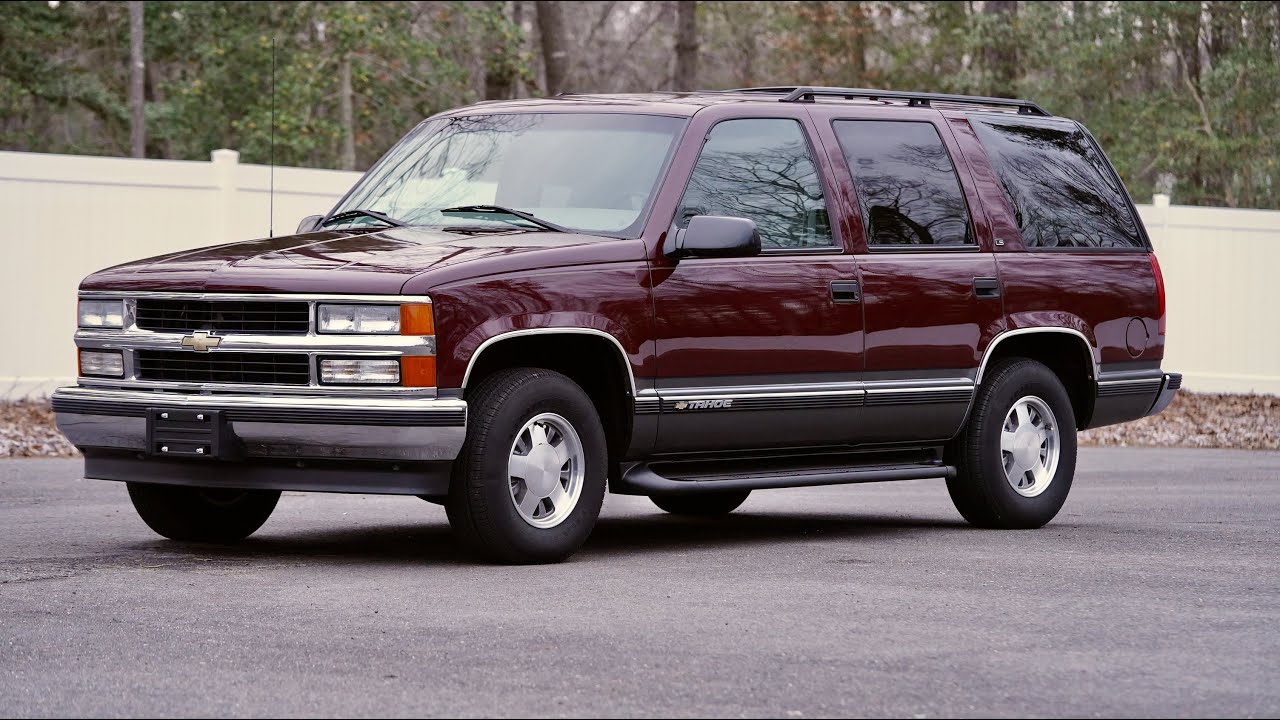
Specifications:
- Engine: 5.7L Vortec V8 / 6.5L Turbodiesel V8 (optional)
- Horsepower: 255 hp (5.7L) / 195 hp (diesel)
- Torque: 330 lb-ft (5.7L) / 430 lb-ft (diesel)
- width: 76.8 inch
- Length: 199.6 inches
The first-generation Tahoe’s interior was functional but rough by late-1990s standards. The dashboard was utilitarian plastic with very few niceties.
Ride quality over rough roads was distinctly truck-like, bouncy, choppy, and tiring on long journeys. The suspension setup prioritized off-road ability over comfort, which was a trade-off that not all buyers appreciated.
The 1999 Tahoe remained an extraordinarily capable off-road machine. The solid rear axle design gave it excellent articulation over rough terrain. The V8 engines were torquey and willing. The body-on-frame construction was nearly indestructible when properly maintained. For rural buyers, contractors, or serious off-road enthusiasts, the 1999 remained a genuinely compelling choice at this point in time.
The 1999 Tahoe earns its place at number five because it was dependable in the ways that mattered most, but heavily limited by its age and platform. It is a solid historical entry in the Tahoe lineage, respectable but not remarkable.
4. 2000 Chevrolet Tahoe
The 2000 Tahoe marked the beginning of the second generation on the new GMT800 platform and is widely regarded as one of the most immediately successful redesign launches in Tahoe history. Consumer Reports gave it a positive dependability rating, an impressive achievement for an all-new platform.
The GMT800 platform gave the 2000 Tahoe a longer wheelbase, more interior space, and a genuinely more refined ride quality compared to its predecessor. The new LS-based V8 engines were a massive improvement over the old 5.7L Vortec design. They were more reliable, smoother, and significantly more fuel-efficient for their displacement class.
The new fuel injection system abandoned the problematic “spider injector” poppet design of the previous generation in favor of a more conventional and durable setup. This single change dramatically improved long-term engine reliability and contributed enormously to the 2000’s strong reputation.
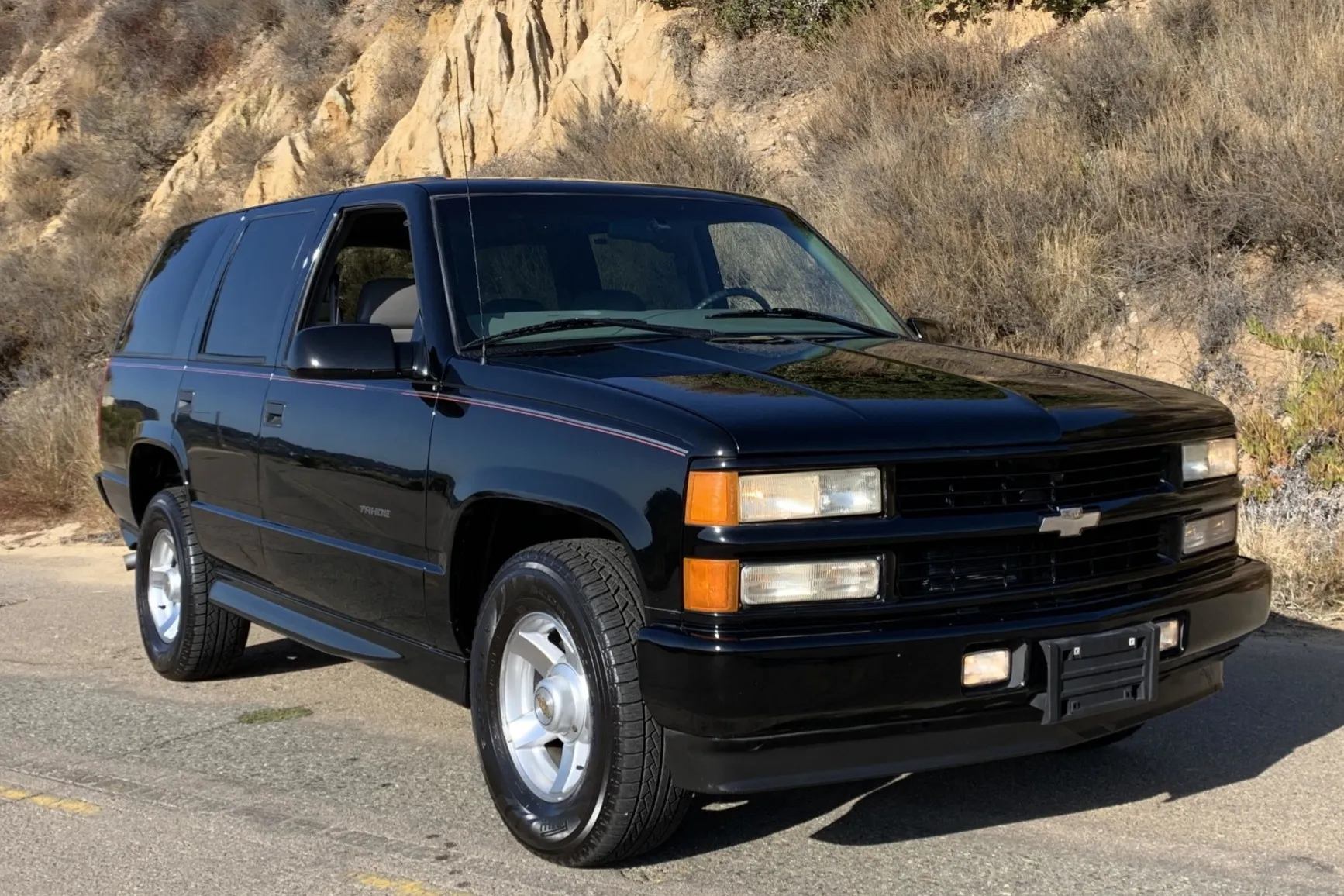
Specifications:
- Engine: 4.8L V8 (base) / 5.3L V8 (standard)
- Horsepower: 275 hp (4.8L) / 285 hp (5.3L)
- Torque: 290 lb-ft (4.8L) / 325 lb-ft (5.3L)
- width: 78.8 inches
- Length: 197.1 inches
The 2000 Tahoe’s interior was a significant step up from the outgoing model. Dashboard materials felt more premium, seating was better contoured, and the cabin layout was more logically arranged. The second generation also added a more aerodynamic exterior profile, giving the Tahoe a slightly more car-like appearance without abandoning its truck-based identity.
The 2000 Tahoe is one of the cleanest entry points into Chevrolet’s full-size SUV history. It delivered genuine platform advancement, reliable powertrains, and improved refinement all in a first-year redesign. That is a rare and commendable achievement.
3. 2014 Chevrolet Tahoe
The 2014 Tahoe represents the third generation at its absolute finest. By this point, Chevrolet had spent seven years ironing out the GMT900 platform’s early quirks, and the result was a polished, dependable, and capable full-size SUV. Consumer Reports praised the 2014 for its improved reliability, and J.D. Power scores were among the highest for the generation.
By 2014, Chevrolet had addressed the majority of complaints that defined the earlier years of the third generation. The dashboard cracking issues had been corrected with revised materials.
The oil consumption problems tied to the AFM system were reduced significantly. The six-speed automatic transmission that replaced the old four-speed unit delivered smoother, more confident shifts across the entire power range.
The 5.3L V8 in the 2014 Tahoe benefited from direct injection technology that improved both power delivery and fuel efficiency simultaneously. Owners reported significantly lower maintenance costs compared to the 2007–2010 era of the same generation. It was a mature, settled-in powertrain that simply worked the way buyers expected it to.
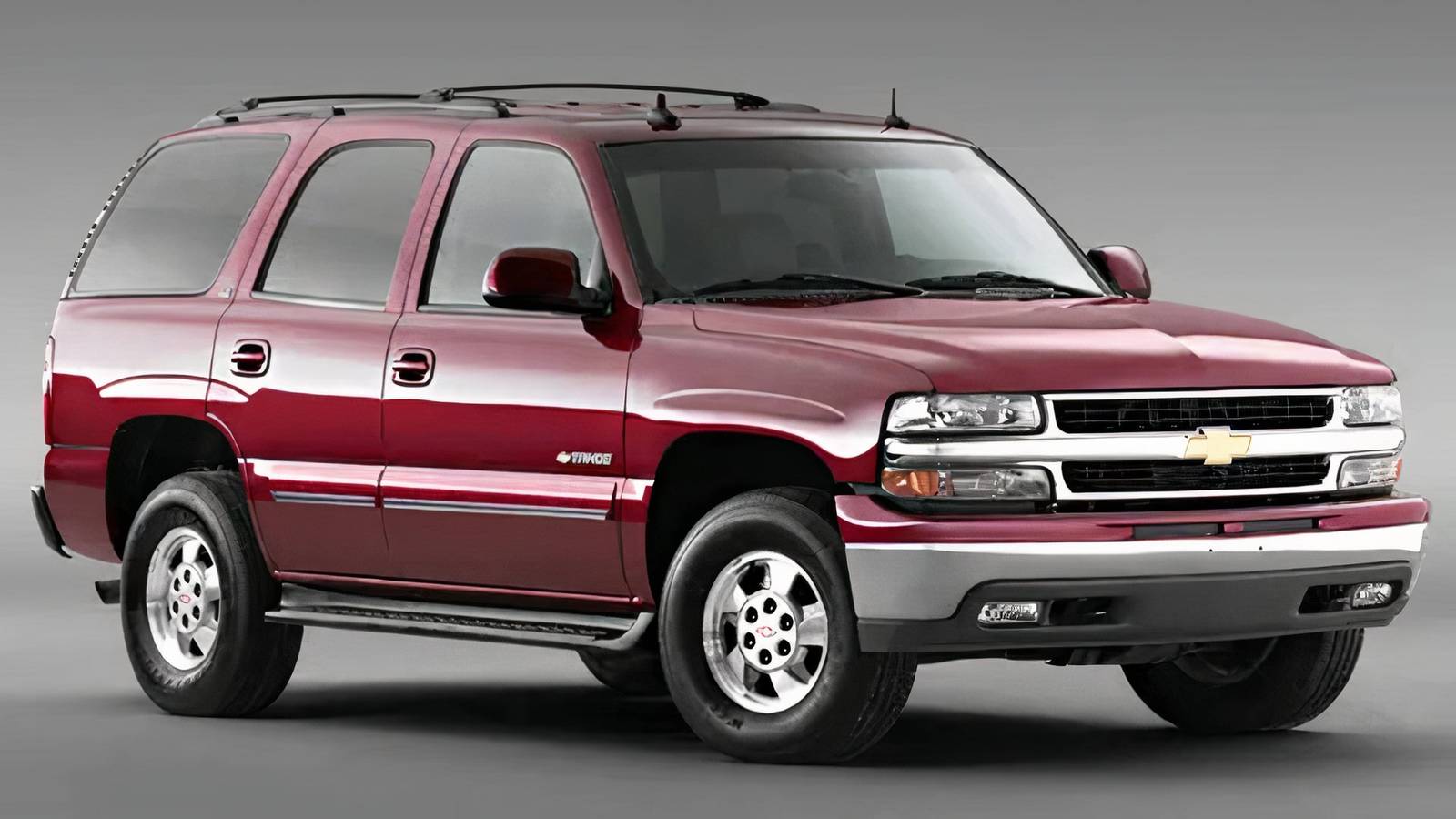
Specifications:
- Engine: 5.3L Ecotec3 V8 (standard) / 6.2L V8 (optional)
- Horsepower: 355 hp (5.3L) / 420 hp (6.2L)
- Torque: 383 lb-ft (5.3L) / 460 lb-ft (6.2L)
- width: 79.0 inches
- Length: 202.3 inches
The 2014 cabin was the most refined of any third-generation Tahoe. Quality materials were used throughout the dashboard and door panels. Available technology included a Bose premium audio system, heated and cooled front seats, a rear-seat entertainment system, and an 8-inch IntelliLink infotainment touchscreen. Navigation, Bluetooth, and USB connectivity came standard on upper trims.
The 2014 Tahoe came equipped with a comprehensive suite of safety systems, including StabiliTrak electronic stability control, antilock brakes, trailer sway control, and an available forward collision alert system. The NHTSA awarded it strong crash test scores, a significant improvement over earlier third-generation models that had struggled in certain test categories.
The 2014 Tahoe is the definitive choice for buyers seeking a third-generation model. It captures everything the GMT900 platform promised without the growing pains that plagued its early years. Reliable, capable, comfortable, and technology-rich, this is the year the third generation truly earned its reputation.
2. 2006 Chevrolet Tahoe
The 2006 Tahoe stands as the undisputed best of the second generation and one of the most universally praised Tahoe model years across all five generations. By 2006, Chevrolet had spent six years refining the GMT800 platform, and the results were outstanding. KBB and Edmunds both rated the 2006 at an impressive 4.6 out of 5.0. Complaint volumes had dropped to near-record lows for the nameplate.
The 2006 model arrived with OnStar telematics, StabiliTrak stability control, and Tire Pressure Monitoring System (TPMS), all standard features that were either optional or absent on earlier second-generation models. These additions made 2006 not only the most technologically equipped of its generation but also the safest. By this point, Chevrolet had systematically addressed the cooling problems, stalling issues, and electrical quirks that had troubled the 2002–2005 years.
The LS-based V8 engines were at peak reliability in 2006. They had been refined over six years of real-world use and warranty claim data. Owners regularly reported exceeding 200,000 miles with little more than routine oil changes, filter replacements, and basic maintenance. The combination of mechanical simplicity and engineering maturity made the 2006 extraordinarily durable.
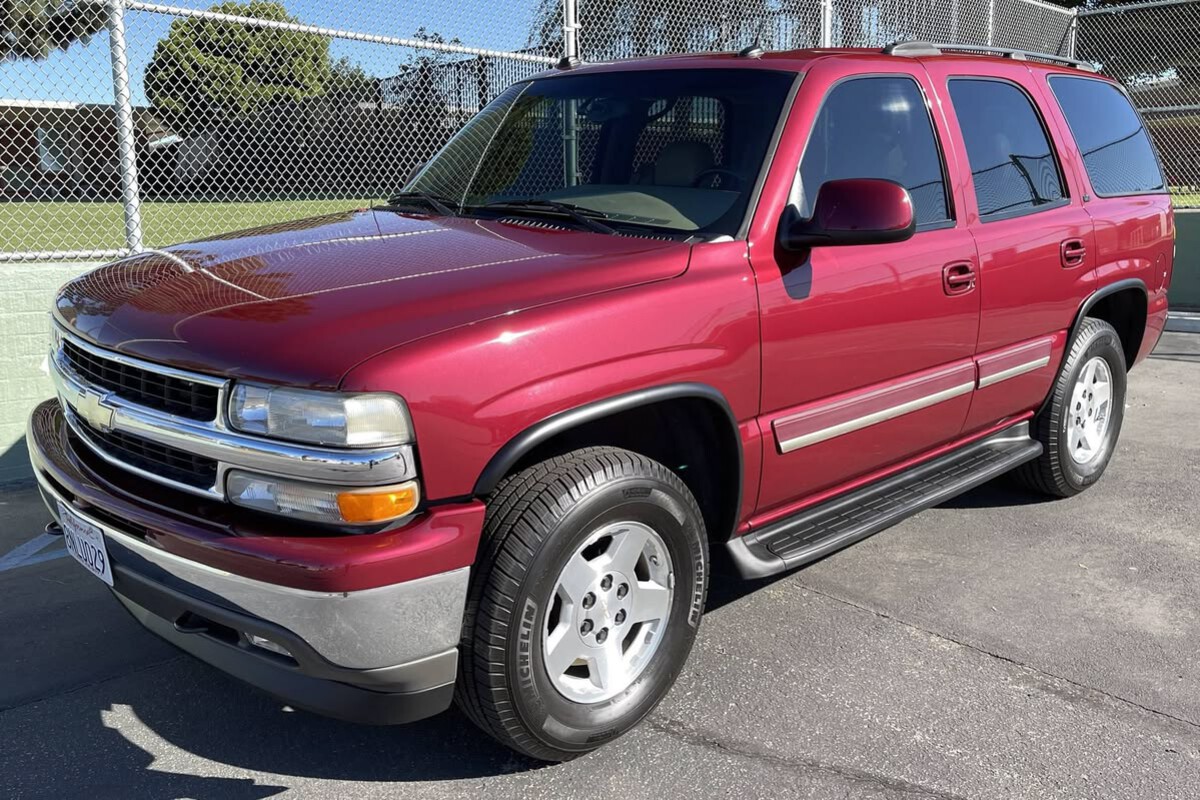
Specifications:
- Engine: 4.8L V8 (base) / 5.3L V8 (standard)
- Horsepower: 275 hp (4.8L) / 295 hp (5.3L)
- Torque: 290 lb-ft (4.8L) / 335 lb-ft (5.3L)
- width: 78.8 inches
- Length: 197.1 inches
The 2006 Tahoe’s ride quality was one of the most comfortable in the full-size SUV class for its price point. The independent front suspension with torsion bars and multi-link rear coil spring setup delivered a controlled, well-damped ride that was a genuine improvement over the previous generation’s solid-axle harshness. Interior noise levels were well managed for a truck-based vehicle of this era.
The 2006 Tahoe is a near-perfect example of what happens when an automaker takes its time to truly develop and refine a product. It is honest, capable, dependable, and enduring. Among used Tahoe purchases, the 2006 remains one of the wisest choices available regardless of budget.
1. 2023 Chevrolet Tahoe
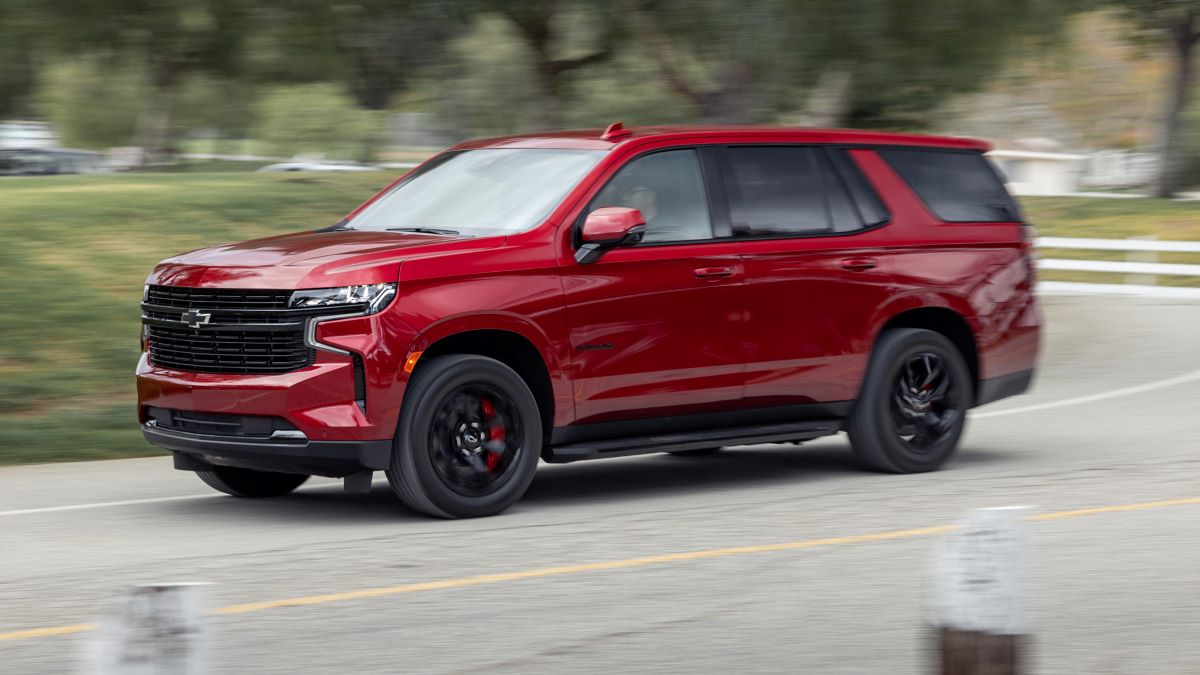
The 2023 Chevrolet Tahoe represents the pinnacle of everything the nameplate has ever been. Built on the fifth-generation T1 platform, it combines the Tahoe’s legendary towing and hauling capability with genuinely car-like ride quality, a massive and functional interior, cutting-edge technology, and the most driver-assist safety features ever offered in a Tahoe. It is the most complete version of the vehicle in its 30-year history.
The single most transformative change in the fifth-generation Tahoe introduced in 2021 and fully matured by 2023 was the switch from a solid rear axle to a fully independent rear suspension.
This single engineering decision changed the character of the Tahoe more dramatically than any update in the nameplate’s history. The ride quality improvement was genuinely transformative; bumps that previously caused sharp, jarring impacts were absorbed smoothly and silently.
The new suspension also lowered the cargo floor, creating a dramatically larger and more accessible cargo area. The 2023 holds 25.5 cubic feet of cargo behind the third row compared to just 15.3 cubic feet in the previous generation.
It was a functional revolution disguised as a mechanical one. The second-row seat also gained the ability to slide up to 10 inches forward and backward, giving passengers genuine flexibility to configure the interior for people or cargo.
Specifications:
- Engine: 5.3L Ecotec3 V8 (standard) / 6.2L V8 (optional) / 3.0L Duramax Turbo-Diesel (optional)
- Horsepower: 355 hp (5.3L) / 420 hp (6.2L) / 277 hp (diesel)
- Torque: 383 lb-ft (5.3L) / 460 lb-ft (6.2L) / 460 lb-ft (diesel)
- width: 81.0 inches
- Length: 210.0 inches
The 2023 model introduced Super Cruise hands-free highway driving technology on Premier and High Country trims, a genuine first for the Tahoe nameplate. This system uses a combination of cameras, GPS mapping, LiDAR mapping data, and driver attention monitoring to allow true hands-free driving on compatible divided highways. It represented a massive leap in driver assistance technology for a full-size American SUV.
The infotainment system was anchored by a large diagonal touchscreen running Chevrolet’s Infotainment 3 Premium system with standard wireless Apple CarPlay and Android Auto. Available Google Built-in compatibility brought Google Maps, Google Assistant, and Google Play Store functionality directly into the vehicle’s native system. Up to nine camera views were available for maneuvering assistance, including a transparent trailer view for towing.
The 2023 Chevrolet Tahoe is the best expression of the nameplate across its entire history. It is bigger, more capable, more comfortable, more technologically sophisticated, and more efficient than any Tahoe that came before it. It represents the logical and admirable end of 30 years of evolution. If you can only choose one Tahoe from any year, any generation, any price point, the answer is the 2023.
Also Read: 10 SUVs That Are Just Tall Hatchbacks
