
No other region matches the extreme and unpredictable nature of Texas weather. For local drivers, the ultimate threat comes from the sky. Hailstorms stand as one of the most destructive forces the state has to offer, turning a routine drive into a major hazard in a matter of minutes.
Each year, billions of dollars in vehicle damage are reported across Texas due to hail. Cities like San Antonio, Dallas, Fort Worth, and Amarillo sit directly in what meteorologists call “Hail Alley.” This region sees more large hailstorms per square mile than almost anywhere else worldwide.
A Texas hailstorm is not just an inconvenience. Golf-ball-sized hail is common, and baseball-sized stones have been recorded in multiple counties. These storms can appear with little warning and devastate an entire parking lot in minutes.
Smart Texans know that vehicle selection matters deeply when living in this region. Certain vehicles offer structural advantages that help them survive hail impact better than others.
Thicker roof panels, reinforced steel structures, low-profile designs, and advanced body engineering all play a role. Insurance statistics, body shop data, and structural engineering reports all point to specific vehicles that hold up better under hail assault. This list covers the ten best cars built or proven to handle Texas hailstorms with strength and resilience.
1. Ford F-150
The Ford F-150 is the best-selling vehicle in Texas, and for good reason. It is built tough from the ground up, designed to handle extreme conditions that would destroy lesser vehicles.
Texas ranchers, construction workers, and everyday drivers trust the F-150 year after year. When hail rolls in, the F-150’s military-grade aluminum alloy body becomes one of its greatest assets.
Ford uses high-strength, military-grade aluminum alloy for the body panels of the F-150. This material is significantly lighter than steel but offers impressive resistance to impact and denting.
During hailstorms, this aluminum construction allows the panels to absorb and deflect energy differently than traditional steel. Body shops across Texas have noted that aluminum panels often show fewer deep dents compared to conventional steel in similar hail events.
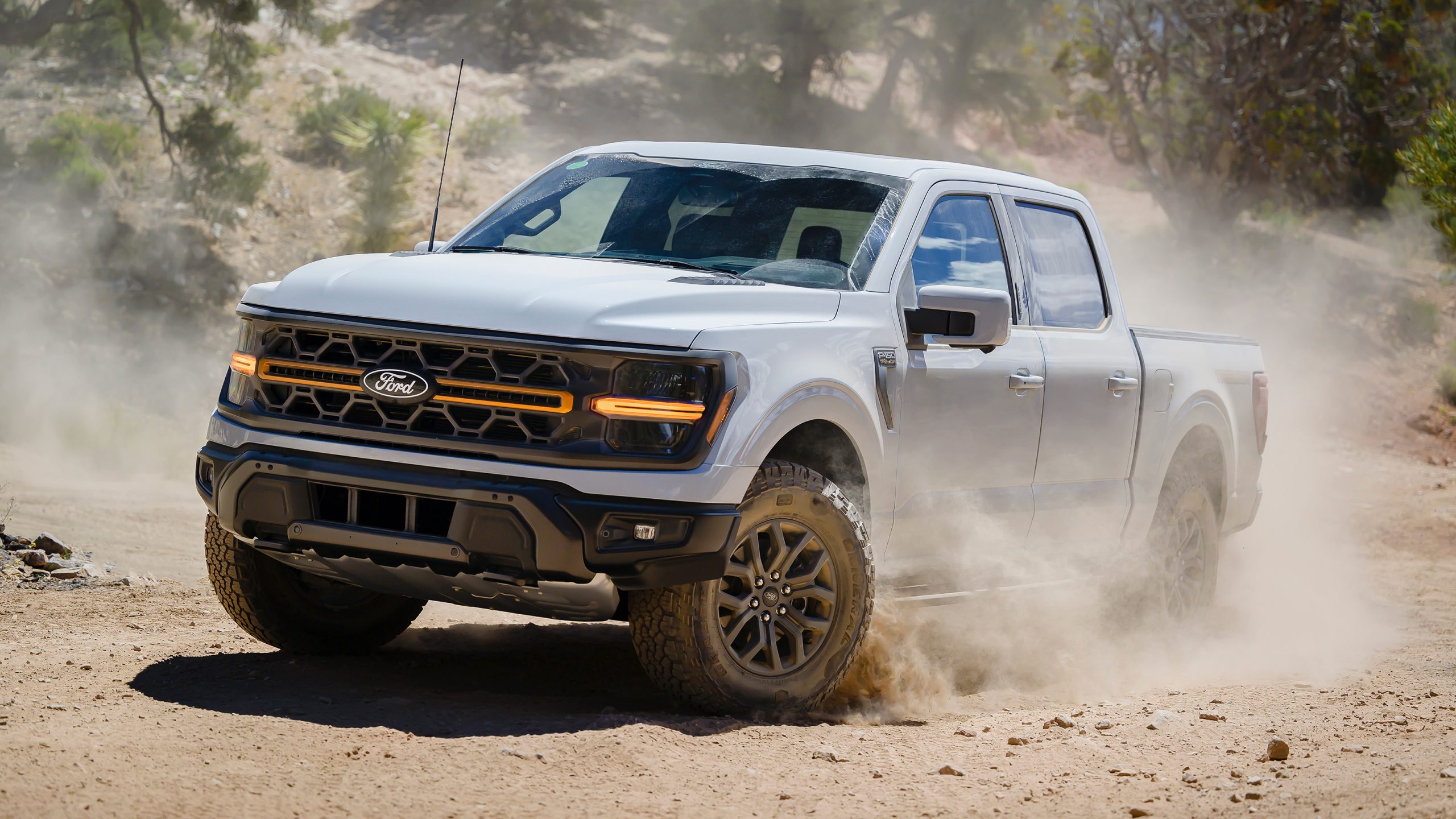
The F-150’s roof is one of the most structurally reinforced in the full-size truck segment. Ford engineers designed the roof with multiple cross members and internal bracing to add rigidity.
This structural depth means hailstones have more resistance to overcome before causing visible damage. The cab-over design also creates a natural angle that deflects falling hail rather than absorbing it dead-on.
The truck’s high ground clearance keeps the undercarriage safe from flooded roads that often accompany Texas storms. Flash flooding is a serious secondary threat during Texas hailstorms.
The F-150’s suspension and sealed underbody components are designed to manage water exposure. This makes it a complete storm-survival package, not just a hail-resistant shell.
Texas drivers also benefit from the F-150’s wide availability of aftermarket bed covers and protective accessories. Hard tonneau covers and cab-mounted deflectors add an extra layer of hail protection.
The truck culture in Texas means these add-ons are widely available and affordable. Customizing an F-150 for storm protection is easier than almost any other vehicle on the market.
The resale value of the F-150 remains consistently high across Texas, even after minor hail events. Insurance companies report lower total-loss rates on F-150s compared to many sedans hit by similar storms.
The combination of structural strength, aluminum body, and widespread parts availability makes repairs faster. Texans who invest in an F-150 are making a smart long-term decision for hail-prone regions.
Specifications:
- Engine: 3.5L EcoBoost Twin-Turbocharged V6
- Horsepower: 400 hp
- Torque: 500 lb-ft
- Length: 231.7 inches (SuperCrew)
- Width: 79.9 inches
2. Toyota Tundra
The Toyota Tundra is a full-size pickup truck that combines Japanese engineering precision with American-sized durability. It has earned a loyal following across Texas over the past two decades.
The Tundra’s reputation for long-term reliability makes it a natural choice for drivers who face annual hailstorms. Toyota builds the Tundra with a focus on structural integrity that goes beyond basic expectations.
The Tundra uses a fully boxed ladder frame that adds exceptional rigidity to the entire vehicle. This frame design stiffens the body against twisting and flexing forces.
During a hailstorm, a rigid frame means the body panels are better supported and less likely to flex inward under impact. Structural support from below translates directly into better hail resistance from above.
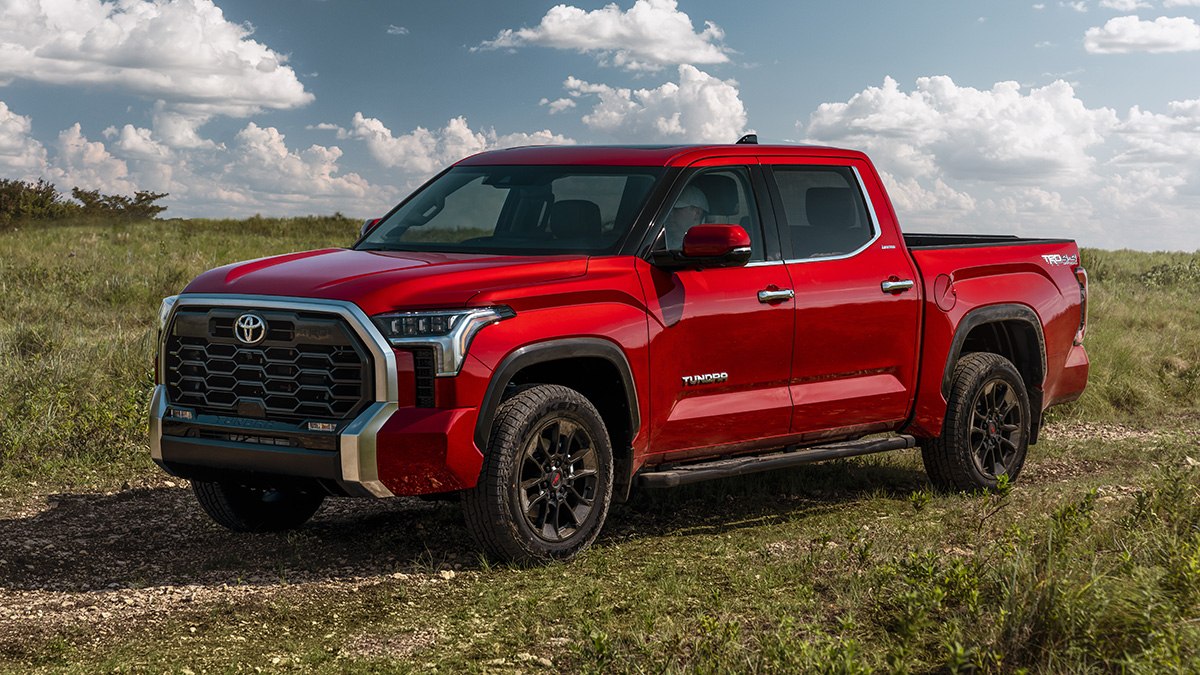
Toyota uses high-strength steel throughout the Tundra’s body construction. The roof panel, in particular, is reinforced with internal bracing that adds thickness and resistance to denting.
Steel, when properly gauge-selected and reinforced, can resist hailstone impact effectively. Toyota’s quality control standards ensure consistent panel thickness across the entire production run.
The Tundra’s hood is notably thick and uses internal reinforcements that reduce flex during impacts. A hood that flexes less under hail impact is less likely to develop large, visible dents.
Toyota designed the hood with multiple internal ribs to distribute force across the surface. This engineering choice pays off visibly after Texas hailstorms when hoods are compared side by side.
The Tundra’s double-cab and CrewMax configurations provide a large roof area that is all reinforced. More roof area could mean more exposure to hail, but Toyota’s reinforcement strategy compensates well.
Texas families who choose the CrewMax get both interior space and solid structural overhead protection. It is a practical family vehicle that doubles as a storm-ready workhorse.
Texans also benefit from Toyota’s legendary dealer network and parts availability. Getting a Tundra repaired after a hailstorm is straightforward because parts are plentiful.
Insurance premiums on Tundras tend to be competitive, which helps offset hail-related repair costs. The Tundra is one of the most complete hail-resistant packages in the pickup truck category.
Specifications:
- Engine: 3.5L Twin-Turbocharged V6 (iForce MAX Hybrid available)
- Horsepower: 389 hp
- Torque: 479 lb-ft
- Length: 233.6 inches (CrewMax)
- Width: 80.2 inches
3. Chevrolet Silverado 1500
The Chevrolet Silverado 1500 is one of America’s most iconic trucks and a staple on Texas roads. GM has continuously improved the Silverado’s build quality with every generation. The current model uses a mixed-material body construction that combines steel and aluminum strategically. This approach gives the Silverado a unique combination of strength and weight savings.
The Silverado’s roof is constructed from high-strength steel, which provides excellent resistance to hail impact. GM chose steel for the roof specifically because of its superior dent resistance compared to aluminum. This decision is particularly beneficial for Texas drivers who face large hailstones regularly. The thick steel roof is one of the Silverado’s strongest structural assets in a storm.
The Silverado uses an advanced high-strength steel frame with additional reinforcements at key structural points. Frame rigidity supports the body panels and prevents flexing during external impacts. A well-supported panel distributes hail impact energy more effectively. This results in shallower dents and less structural deformation after a storm.
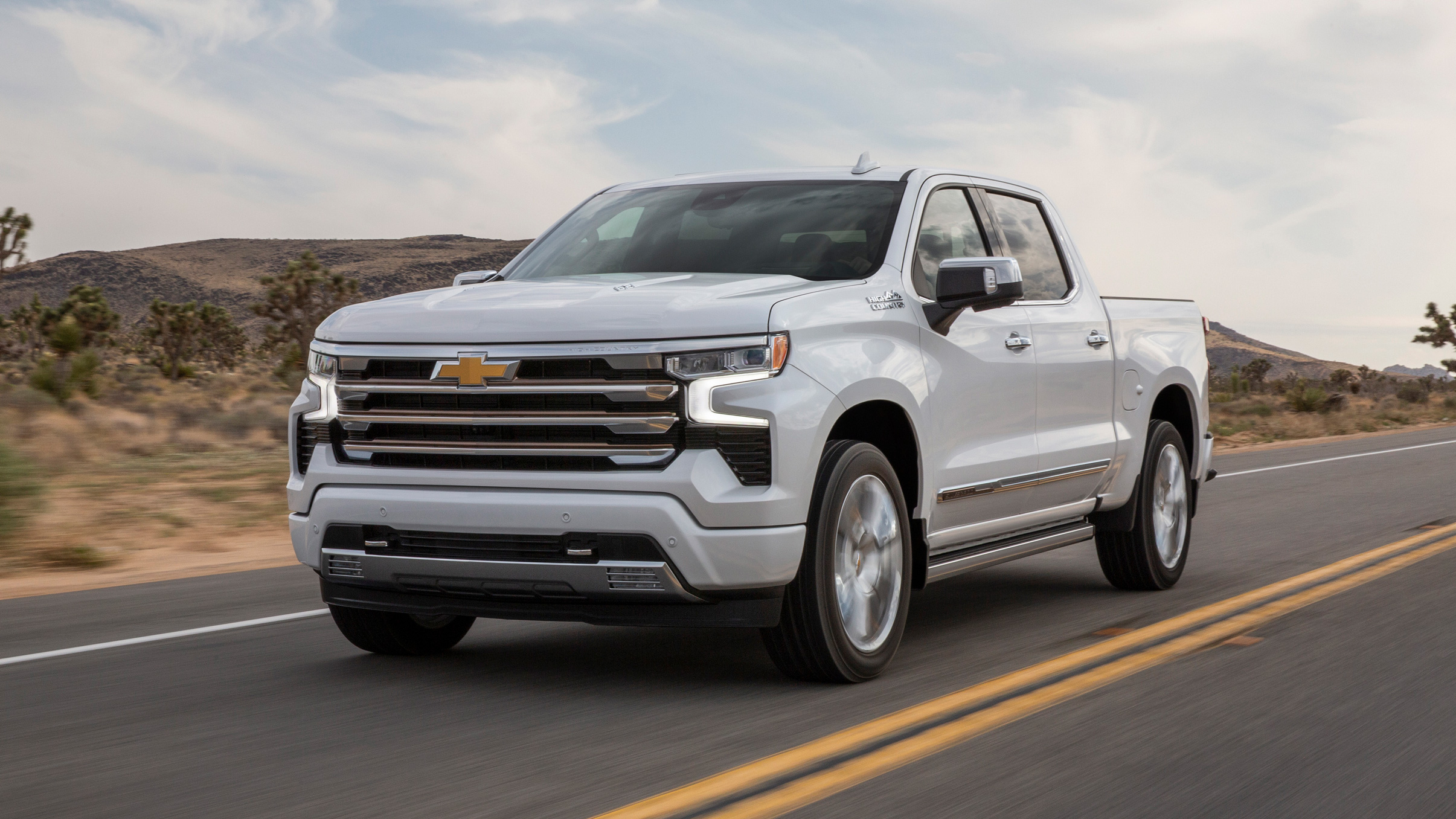
The truck’s angular hood design helps deflect hailstones away from the surface rather than absorbing their full energy. Angles matter significantly in hail resistance because they redirect kinetic energy.
Chevrolet’s designers created a hood geometry that is both aerodynamic and functionally protective. This is an example of form and function working together in storm-prone markets.
Texas Silverado owners also benefit from the vehicle’s widespread popularity in the state’s body shop industry. Technicians across Texas are deeply familiar with Silverado panels and repair procedures.
Paintless dent repair (PDR) technicians find Silverado panels particularly responsive to PDR techniques. This means lower repair costs and faster turnaround after hail events.
The Silverado also offers a MultiPro tailgate and various bed protection options that shield the truck bed during hailstorms. Aftermarket hard bed covers are widely available and affordable for Silverado owners.
Protecting the bed from hail damage preserves resale value significantly. The Silverado’s combination of steel roof strength, frame rigidity, and repair ease makes it a top Texas pick.
Specifications:
- Engine: 6.2L EcoTec3 V8
- Horsepower: 420 hp
- Torque: 460 lb-ft
- Length: 231.7 inches (Crew Cab)
- Width: 81.2 inches
4. Ram 1500
The Ram 1500 is widely regarded as the most refined full-size pickup truck available today. It combines a luxurious interior with serious work-truck capability and impressive structural engineering.
Texas buyers are drawn to the Ram’s smooth ride, strong build, and premium features. But beneath its polished exterior lies serious storm-resistant engineering.
The Ram 1500 uses a high-strength steel body with internally reinforced panels throughout. Ram engineers paid special attention to panel gauge thickness on the hood, roof, and fenders.
Thicker panels require more force to dent, which is exactly what Texas hailstorms demand. The result is a truck that survives moderate hailstorms with significantly less visible damage.
The Ram’s coil-spring rear suspension is unique in the full-size truck segment and contributes to its structural advantages. This suspension design allows for better body isolation from road vibrations and lateral forces.
A body that is well-isolated experiences less stress during storm-related road hazards. The structural package of the Ram 1500 is impressively engineered for durability.
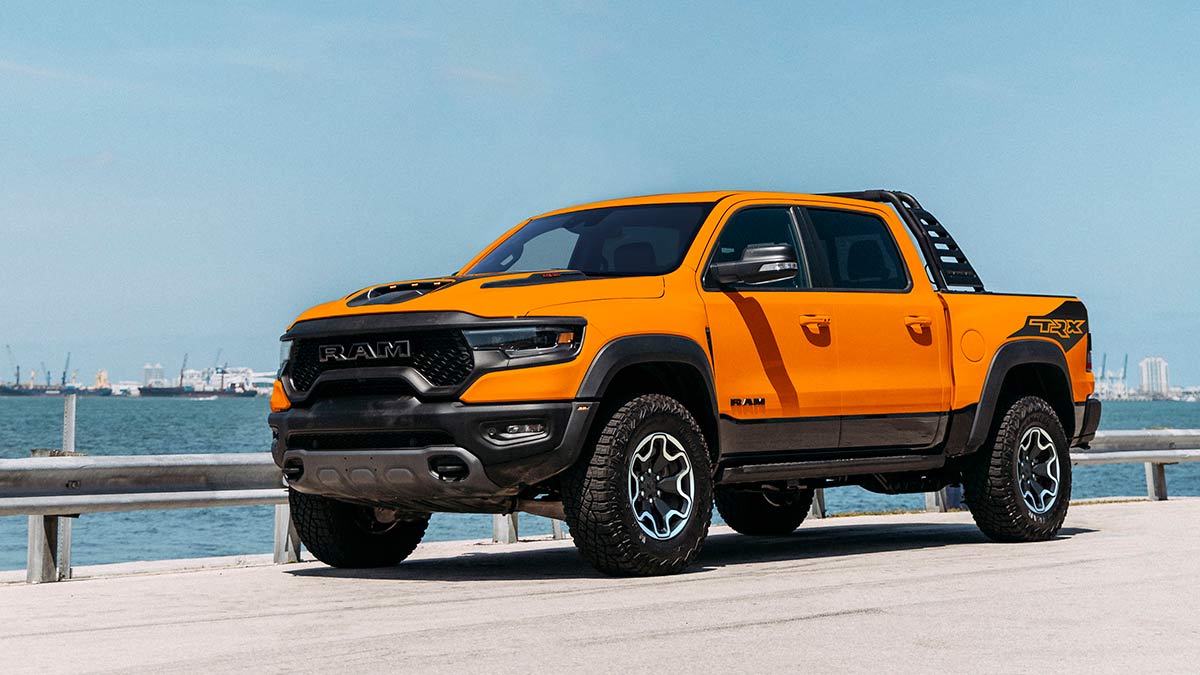
The Ram 1500’s roof features multiple internal stamped-steel reinforcements that run across the full width. These reinforcements create a series of internal ribs that add stiffness to the roof panel. Hailstones striking a stiffened roof surface distribute their energy across a wider area. This energy distribution reduces the depth and size of individual dents.
The Ram’s classic oval body shape has evolved over generations to balance aesthetics with structural performance. The slightly curved roof profile helps deflect falling hailstones to the sides rather than catching them flat. Even subtle angles in panel geometry can make a measurable difference in hail damage outcomes. Ram’s designers understood this balance and built it into the truck’s DNA.
Texas Ram owners also benefit from excellent warranty coverage and a growing dealer network. Stellantis has invested heavily in Texas market support, including storm-damage service programs. Extended service plans are widely available and popular among Texas Ram buyers. These programs make post-storm repair both affordable and efficient for Texas drivers.
Specifications:
- Engine: 5.7L HEMI V8
- Horsepower: 395 hp
- Torque: 410 lb-ft
- Length: 232.9 inches (Crew Cab)
- Width: 82.1 inches
Also Read: 10 Best Vehicles for Rural Gravel Roads
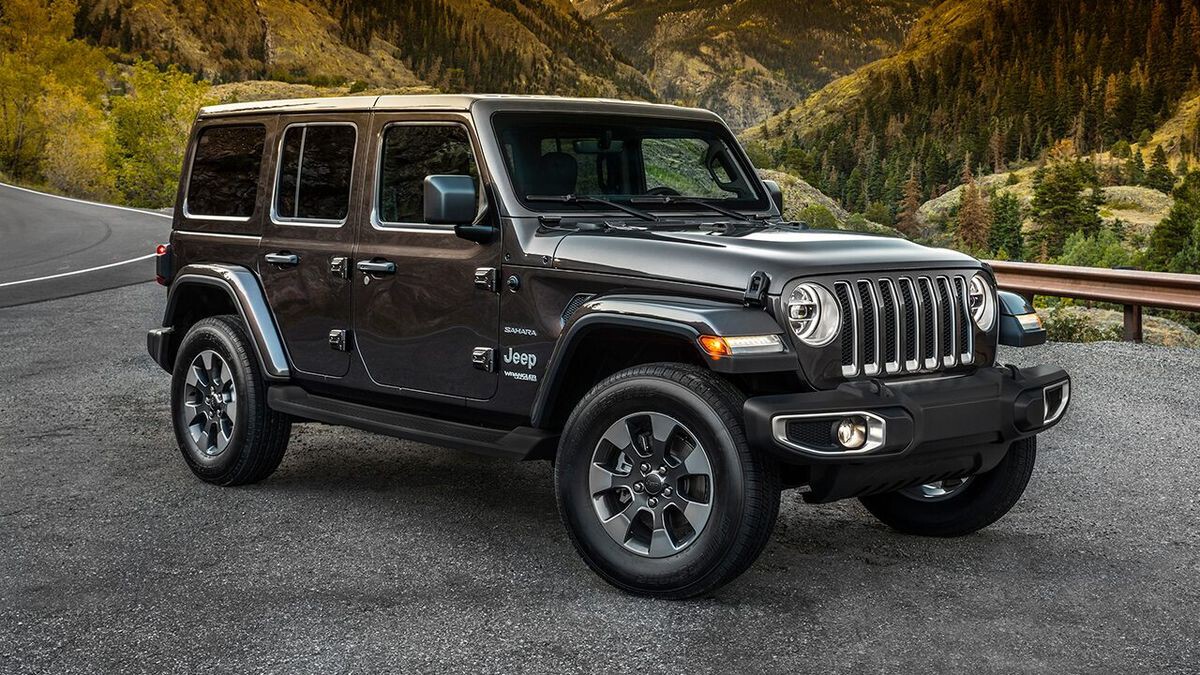
5. Jeep Wrangler
The Jeep Wrangler is one of the most distinctive and capable vehicles on American roads. It is designed to handle extreme terrain, and that off-road DNA translates well to storm survival. The Wrangler’s boxy shape and short height give it structural characteristics that benefit hail resistance. Texas off-road enthusiasts have long trusted the Wrangler for its rugged build quality.
The Wrangler’s roof options include hardtop panels made from thick, rigid composite and steel materials. The factory hardtop is notably stiff and resistant to deformation under impact forces. Texas Wrangler owners often opt for the hardtop specifically for its weather protection benefits. A hard, rigid roof is one of the simplest and most effective hail defenses available.
The Wrangler’s body-on-frame construction provides a rigid foundation that supports the body panels effectively. Frame-based vehicles generally offer better structural support during external impacts. The Wrangler’s frame is built to military-inspired standards that exceed typical passenger vehicle requirements. This over-built construction philosophy directly benefits storm resistance.
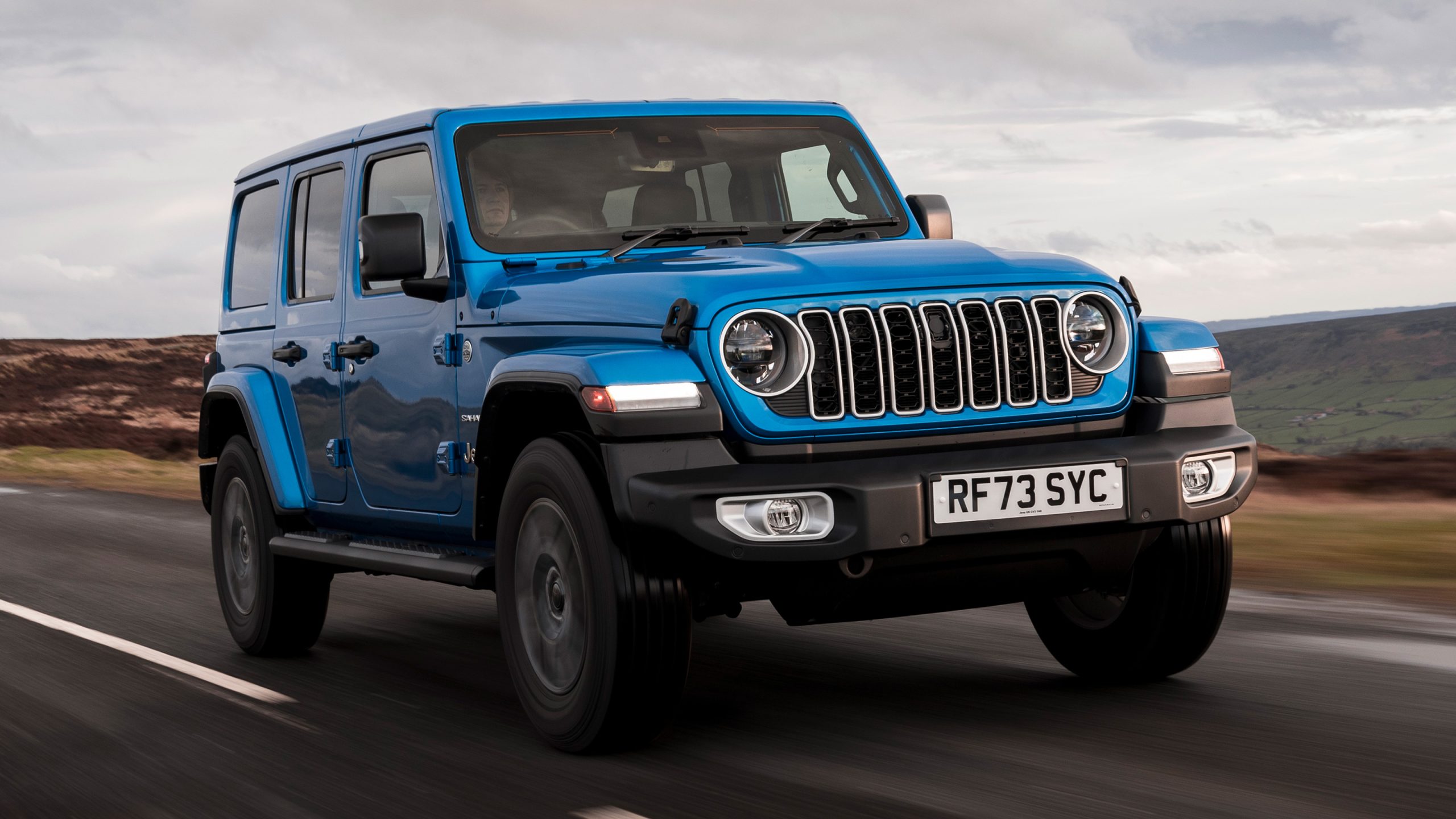
The Wrangler’s relatively small roof footprint means less surface area is exposed to falling hail. Compact dimensions reduce the statistical probability of multiple large hailstone strikes on critical surfaces. Jeep’s classic design philosophy of keeping the vehicle compact pays unexpected dividends in hail-prone regions. Texas urban drivers who park outdoors benefit from this smaller exposure profile.
The Wrangler’s removable roof panels can be replaced relatively inexpensively compared to welded-on roof assemblies. If hail does damage the roof panels, Wrangler owners have a simpler and cheaper path to restoration. Replacement hardtop panels are widely available through Jeep dealers and the thriving aftermarket. This repairability factor is a significant financial advantage after major Texas hailstorms.
Texas Jeep communities are active and supportive, with clubs and forums dedicated to storm preparation and recovery. Wrangler owners share tips on protective covers, garage-sharing during storms, and fast repair resources. This community knowledge base adds practical real-world value to Wrangler ownership in Texas. The combination of structural strength and community support makes the Wrangler a uniquely resilient Texas vehicle.
Specifications:
- Engine: 3.6L Pentastar V6
- Horsepower: 285 hp
- Torque: 260 lb-ft
- Length: 188.4 inches (4-Door)
- Width: 73.8 inches
6. GMC Sierra 1500
The GMC Sierra 1500 shares a platform with the Chevrolet Silverado but targets a more premium buyer. GMC positions the Sierra as a professional-grade truck with raised build standards. The Sierra’s body panels are carefully engineered for both aesthetic quality and structural performance. Texas professionals who demand both style and storm resilience choose the Sierra.
The Sierra uses high-strength steel for its roof and cab structure, providing excellent resistance to hail impact. GMC’s premium build standards mean tighter panel tolerances and more consistent material thickness across the body. Consistent panel thickness is critical for predictable hail resistance across the entire vehicle surface. Texas buyers can trust that the Sierra’s quality control produces reliably storm-resistant body panels.
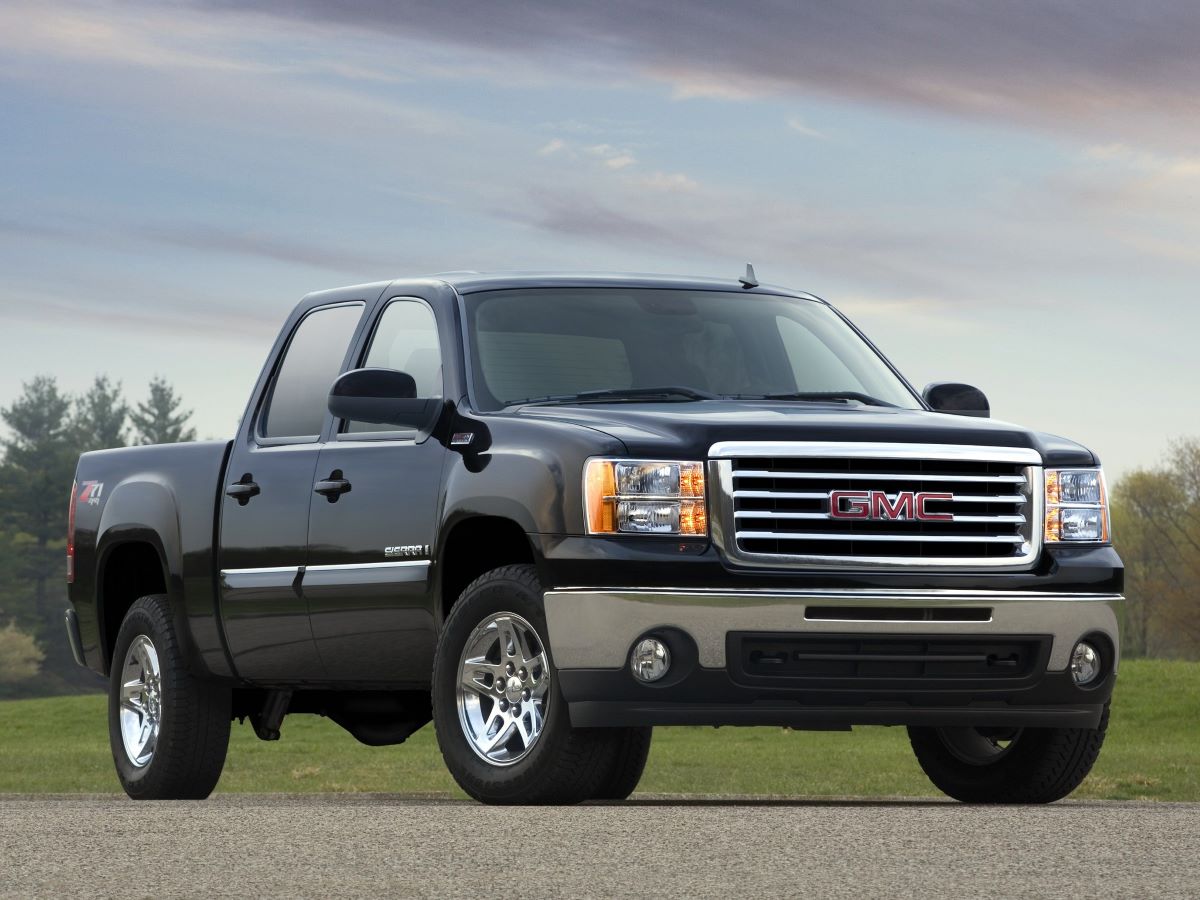
The Sierra’s carbon-fiber composite bed on certain trim levels provides an interesting hail-resistance advantage. Carbon fiber is extremely rigid and does not dent in the traditional sense when struck by hail. Instead of creating dents, hail impact on carbon fiber results in surface scuffs that are easier to address. This is a significant advantage for Texas truck owners who park in the open regularly.
GMC’s ProGrade Trailering System includes structural reinforcements throughout the frame and hitch area. These reinforcements add rigidity to the vehicle structure, which benefits hail resistance indirectly. A stiffer structure means body panels have better support during storm impacts. Frame and body rigidity work together to reduce damage severity during major hail events.
The Sierra’s MultiPro tailgate system adds structural complexity to the rear of the truck but is well-engineered for durability. The tailgate uses multiple internal braces that add stiffness to the panel. Hail striking the tailgate is less likely to cause deep dents due to this internal bracing. Texas buyers appreciate this attention to detail in every panel of the truck.
The Sierra’s premium pricing is justified in part by its superior build quality and storm resilience. Texas professionals who invest in a Sierra are buying a vehicle that holds its value better after storm events. Insurance adjusters note that high-build-quality vehicles often receive better repair outcomes. The Sierra’s combination of quality, strength, and premium engineering makes it a top-tier Texas hail survivor.
Specifications:
- Engine: 6.2L EcoTec3 V8
- Horsepower: 420 hp
- Torque: 460 lb-ft
- Length: 231.7 inches (Crew Cab)
- Width: 81.2 inches
7. Toyota 4Runner
The Toyota 4Runner is a legendary mid-size SUV that has built its reputation on extreme durability. It is one of the few body-on-frame SUVs remaining in a market dominated by crossovers. Texas families love the 4Runner for its reliability, capability, and proven longevity. In storm country, the 4Runner’s robust construction is a genuine asset.
The 4Runner’s body-on-frame construction provides superior structural rigidity compared to unibody crossovers. A separate frame supports the body more effectively during external impacts, including hail. Unibody vehicles rely on the body itself for structural integrity, making panel deformation more consequential. The 4Runner’s separate frame means body panels can flex slightly without compromising vehicle integrity.
Toyota uses thick, high-strength steel panels throughout the 4Runner’s body construction. The roof, in particular, is noticeably thick and rigid compared to most crossover competitors. This roof thickness is a product of Toyota’s conservative engineering philosophy that prioritizes durability over weight savings. Texas 4Runner owners are essentially driving a vehicle that was overbuilt for their benefit.
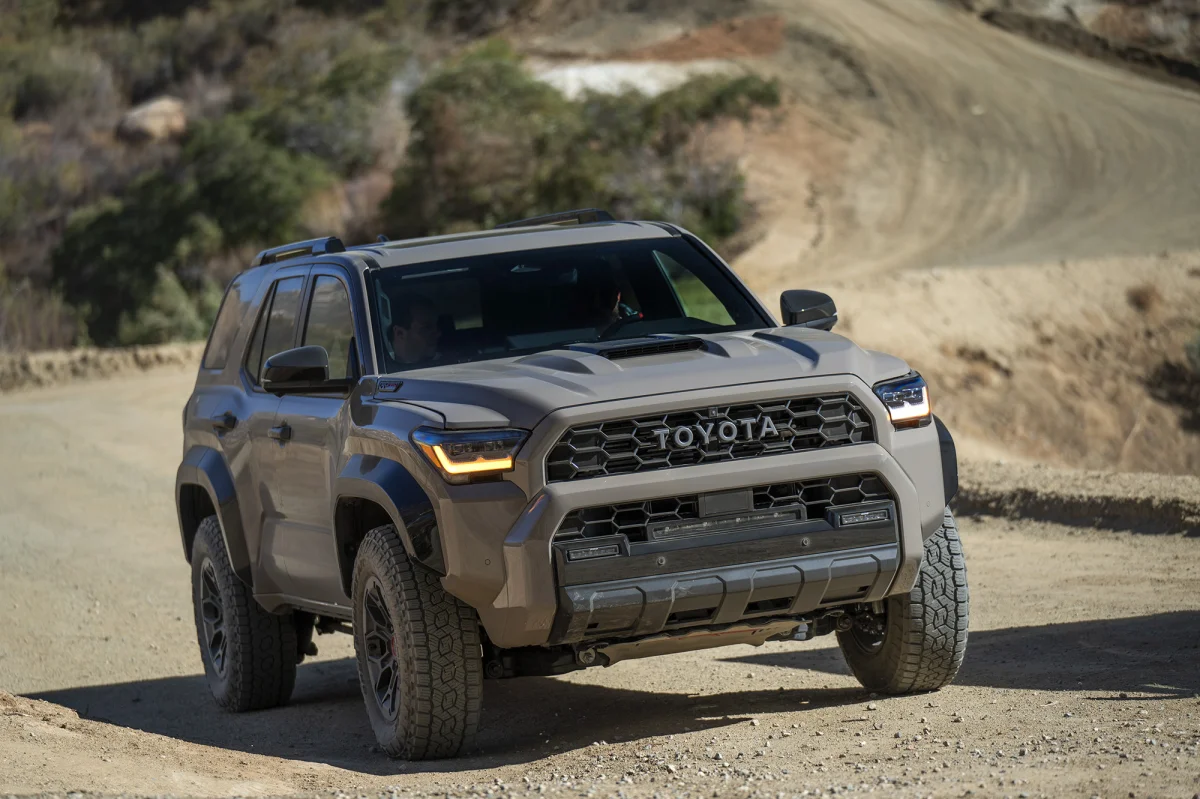
The 4Runner’s relatively boxy shape means the roof is mostly flat, which could be a concern for hail. However, Toyota compensates with exceptional panel thickness and internal roof reinforcements.
The internal roof bracing creates multiple structural ribs that distribute impact energy effectively. This engineering solution turns the flat roof from a liability into a well-supported, impact-resistant surface.
The 4Runner’s tall ride height keeps the vehicle above typical flash flood water levels. Texas hailstorms almost always bring heavy rain and flash flooding along with them.
A vehicle that can go through flooded roads is far more practical in a Texas storm scenario. The 4Runner’s 9.6 inches of ground clearance makes it one of the safest vehicles for storm-driven flooding.
Toyota’s legendary reliability means 4Runner owners face fewer repair events throughout ownership. A vehicle with fewer mechanical vulnerabilities is a better long-term investment in storm-prone Texas. The 4Runner’s resale value remains among the highest in the automotive industry. Investing in a 4Runner is one of the smartest financial decisions a Texas driver can make for storm country living.
Specifications:
- Engine: 4.0L DOHC V6
- Horsepower: 270 hp
- Torque: 278 lb-ft
- Length: 192.5 inches
- Width: 75.8 inches
8. Ford Expedition
The Ford Expedition is the largest SUV in Ford’s lineup and one of the most capable full-size family vehicles available. It rides on the same platform as the Ford F-150, which means it inherits the truck’s exceptional structural engineering. Texas families who need space and storm protection find the Expedition to be an ideal combination. Few vehicles in its class match the Expedition’s combination of size, strength, and storm resilience.
The Expedition shares its high-strength aluminum alloy body construction technology with the F-150. This military-grade aluminum provides the same impact resistance benefits in SUV form. Large body panels made from thick aluminum alloy resist hail denting more effectively than thinner steel alternatives. Texas families driving an Expedition are protected by the same engineering that makes the F-150 legendary.
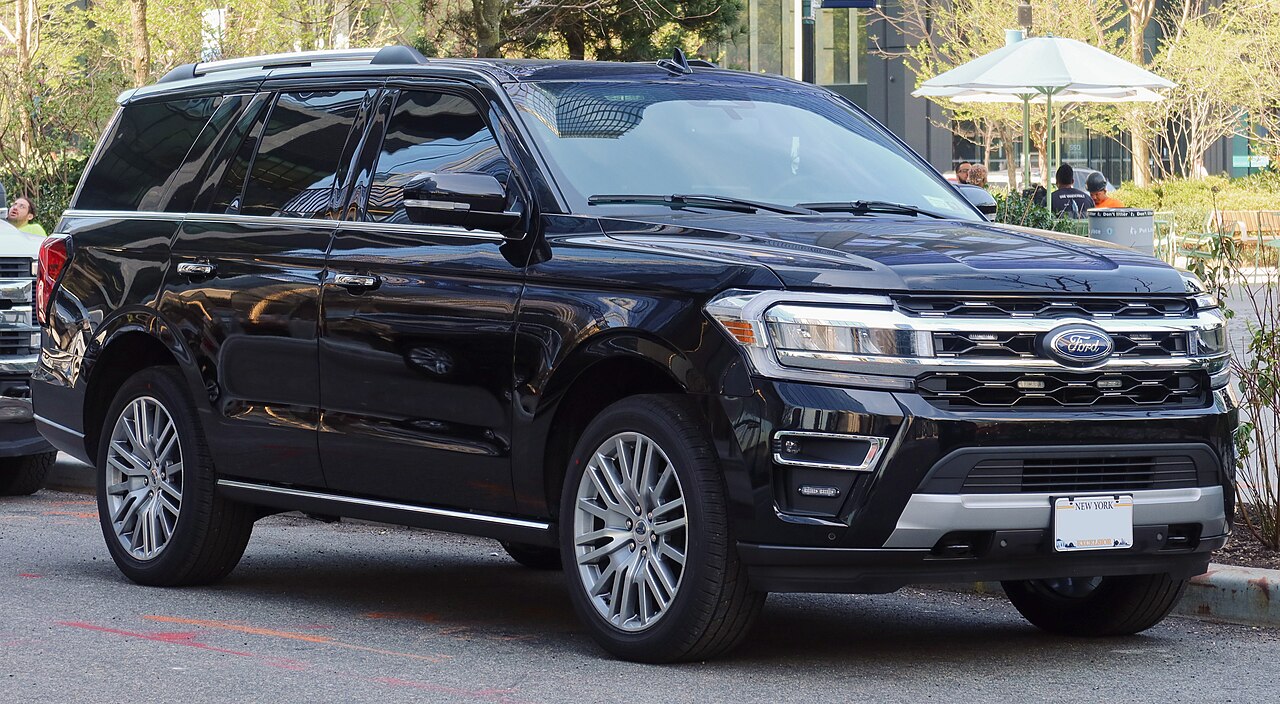
The Expedition’s enormous roof area is reinforced with an internal cage-like network of structural members. This extensive internal bracing compensates for the large surface area that could otherwise be vulnerable. Engineers at Ford understood that a larger roof needs proportionally more internal support. The result is a roof that performs well under hail impact despite its impressive dimensions.
The Expedition’s MAX version extends the wheelbase and cargo area, adding even more reinforced roof structure. Both standard and MAX versions benefit from Ford’s extensive structural engineering investment. Texas families who choose the MAX get additional interior space without sacrificing overhead structural protection. This is a practical benefit unique to Ford’s engineering approach in the Expedition.
The Expedition’s raised ride height and body-on-frame platform give it exceptional flood-water clearance. Ground clearance combined with a powerful engine allows the Expedition to go through the deep water that often accompanies Texas hailstorms. Ford’s wading capability for the Expedition exceeds most competitors in the full-size SUV segment. Texas storm survival requires handling both hail above and water below.
Ford Expedition owners benefit from the F-150’s massive parts ecosystem for repairs and upgrades. Many body panels and structural components share engineering principles with the F-150 platform. This cross-platform engineering reduces parts costs and speeds up repair timelines. Texas families driving an Expedition after a hailstorm will find fast, affordable repair options readily available.
Specifications:
- Engine: 3.5L EcoBoost Twin-Turbocharged V6
- Horsepower: 400 hp
- Torque: 480 lb-ft
- Length: 221.9 inches (standard) / 242.1 inches (MAX)
- Width: 79.9 inches
9. Chevrolet Suburban
The Chevrolet Suburban is one of the most iconic American vehicles ever built. It has served Texas families, law enforcement agencies, and government fleets for generations. The Suburban’s enormous size comes with equally impressive structural engineering. When hail clouds gather over Texas, Suburban owners sit in one of the most fortified passenger vehicles available.
The Suburban uses a fully boxed hydroformed steel frame that provides exceptional rigidity across its entire length. Frame rigidity translates directly into body panel support during external impact events. A well-supported body panel distributes hail energy more effectively than a panel with minimal backing. Chevrolet’s investment in frame engineering pays direct dividends in storm-resistant performance.
The Suburban’s high-strength steel roof spans an enormous area but is reinforced with multiple internal cross members. These cross members divide the roof into smaller, structurally supported sections. Each section behaves like a smaller, independent panel in terms of hail resistance. This engineering approach effectively multiplies the structural performance of a single large roof surface.
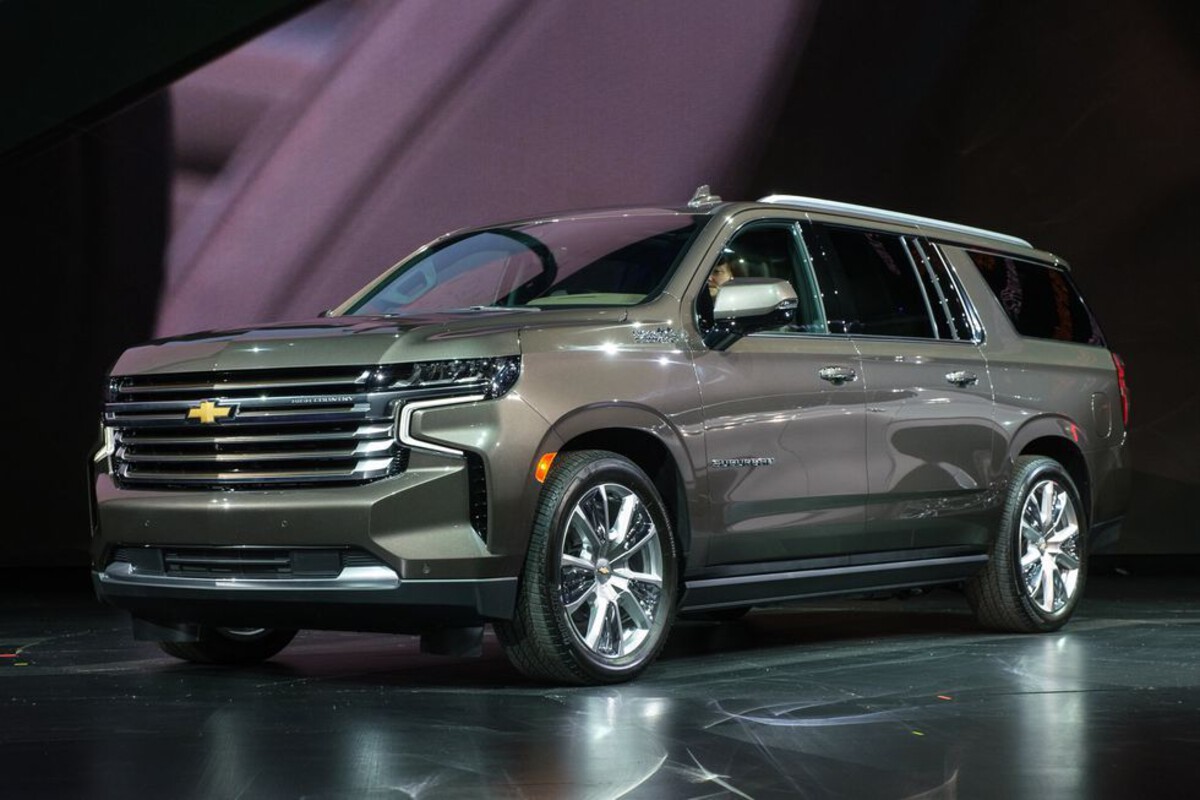
GM uses advanced high-strength steel alloys in the Suburban’s body that are specifically selected for impact resistance. These steel grades offer a superior strength-to-weight ratio compared to conventional automotive steel. The roof and hood panels on the Suburban are among the thickest in the full-size SUV category. Texas buyers benefit from this material investment every time a hailstorm strikes.
The Suburban’s commanding ride height of over nine inches provides excellent flood water clearance. Flash flooding accompanies the vast majority of Texas hailstorms, making ground clearance critically important. The Suburban’s raised stance and sealed underbody components handle water exposure well. This makes the Suburban a comprehensive storm vehicle, not just a hail-resistant shell.
Law enforcement agencies across Texas overwhelmingly choose the Suburban for its storm resilience, among other qualities. Police departments in Dallas, Houston, and San Antonio rely on Suburbans to remain operational during extreme weather. If the Suburban is trusted by professionals who cannot afford vehicle failure during storms, it is clearly the right choice for Texas families. Decades of proven performance in Texas weather make the Suburban a legendary storm survivor.
Specifications:
- Engine: 6.2L EcoTec3 V8
- Horsepower: 420 hp
- Torque: 460 lb-ft
- Length: 225.7 inches
- Width: 81.0 inches
10. Ford Ranger
The Ford Ranger is a mid-size pickup truck that offers impressive structural credentials in a more manageable package. Not every Texas driver needs a full-size truck, and the Ranger fills that gap brilliantly. It brings Ford’s proven engineering philosophy to a compact format without sacrificing storm resilience. Texas urban drivers and suburban commuters find the Ranger to be a smart and practical choice.
The Ranger uses high-strength steel construction throughout its body, with reinforced panels on the roof, hood, and fenders. Ford’s engineering team applied lessons learned from the F-150 program to the Ranger’s body structure. The result is a mid-size truck that punches well above its weight class in terms of structural integrity. Texas drivers get serious storm protection in a vehicle that fits in regular parking spaces.
The Ranger’s comparatively smaller roof area is a practical advantage in hail-prone environments. Less roof surface means fewer hailstones making contact during a storm event. Statistical probability of large hailstone strikes decreases proportionally with roof size. Texas urban drivers who park in open lots benefit directly from the Ranger’s compact footprint.
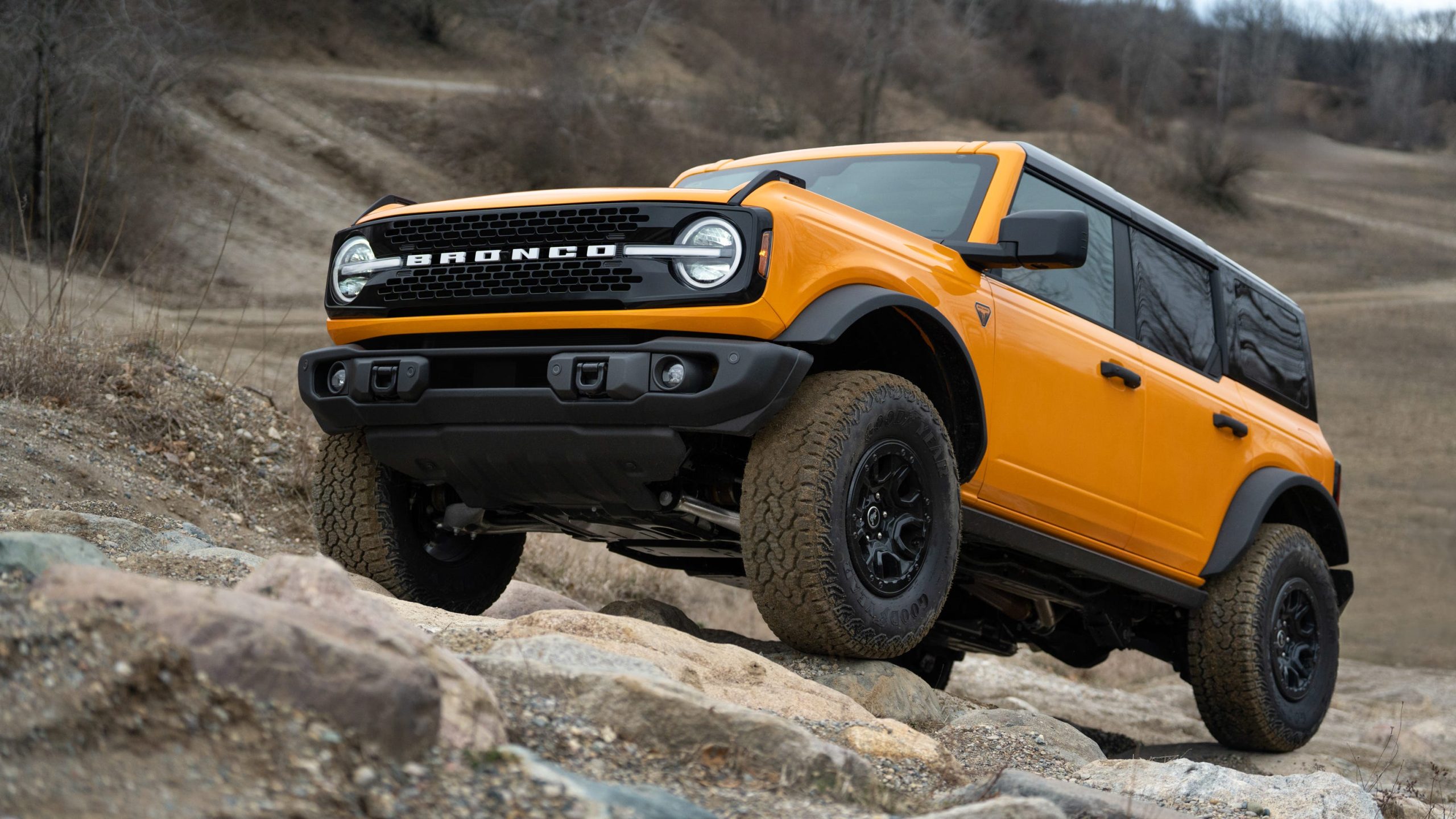
The Ranger’s thick steel hood features internal reinforcements that reduce flex under impact. A stiffer hood panel is one of the most important hail-resistance factors on any vehicle. Ford engineers specifically designed the Ranger’s hood to maintain its shape under significant impact stress. Texas Ranger owners driving through hail will find the hood holds up impressively well.
The Ranger’s suspension system provides good ground clearance for going through the flooded streets. Texas storms regularly produce several inches of standing water in urban and suburban areas. The Ranger’s 8.9 inches of ground clearance helps it go through storm-related flooding with confidence. This all-around storm capability makes the Ranger more than just a truck it is a complete Texas weather solution.
Ford’s dealer network across Texas ensures that Ranger owners have fast access to parts and repair services. Paintless dent repair technicians are familiar with Ranger panels, making post-storm repairs efficient. The Ranger’s competitive pricing means ownership costs remain low even after hail damage repairs. For Texas drivers who want practical storm resilience without full-size truck expenses, the Ranger is an outstanding choice.
Specifications:
- Engine: 2.3L EcoBoost Turbocharged I-4
- Horsepower: 270 hp
- Torque: 310 lb-ft
- Length: 210.8 inches (SuperCrew)
- Width: 73.1 inches
