
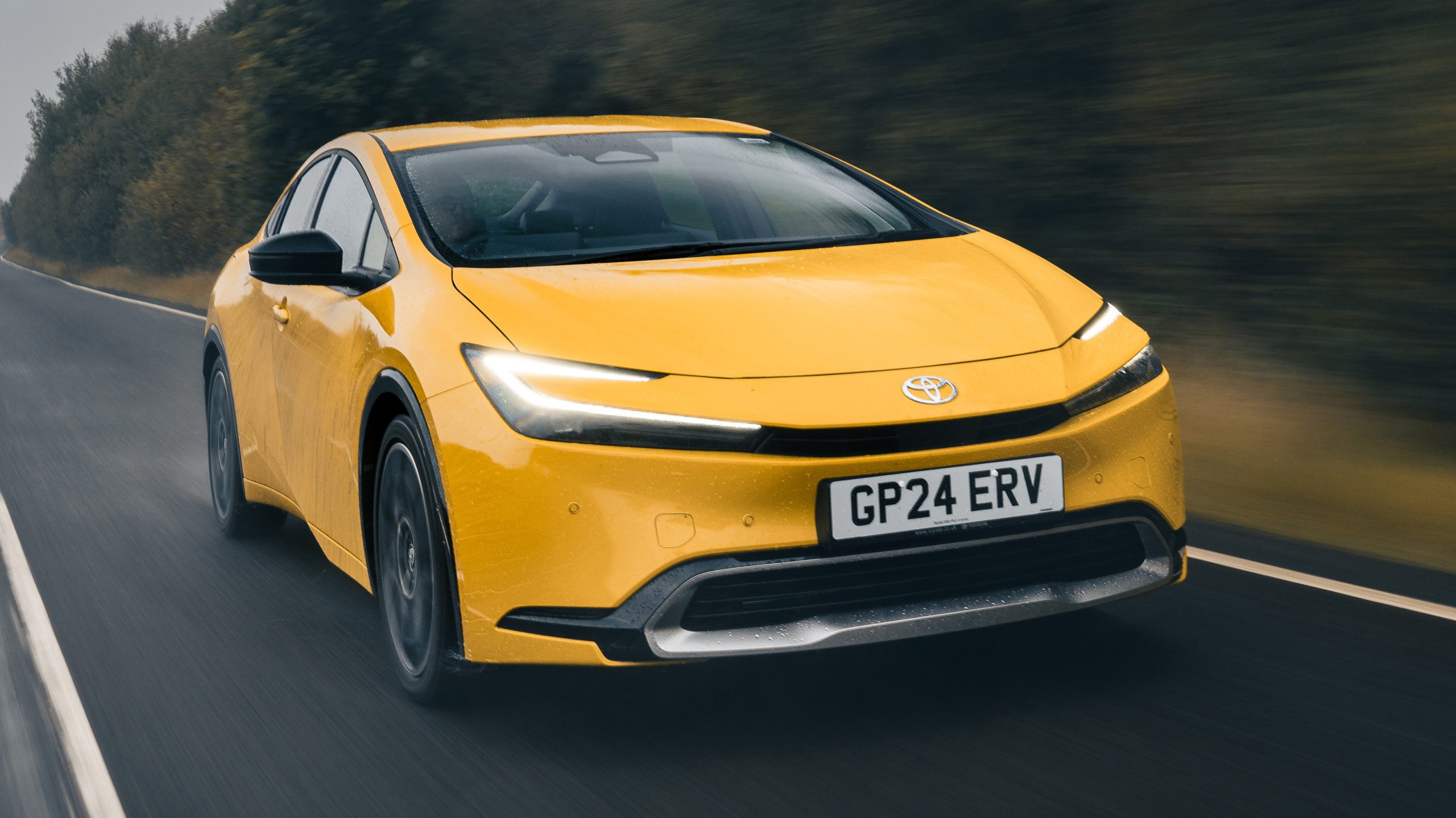
High fuel prices in California create a significant financial burden for drivers, making vehicle choice more important than ever. With gas often above $5 per gallon, inefficient cars can cost thousands extra each year in fuel alone. As a result, car ownership now depends on more than just purchase price, with fuel economy, insurance, maintenance, and reliability playing key roles.
Stricter emissions standards have encouraged automakers to produce cleaner and more efficient vehicles, giving buyers more cost-effective options. Hybrid and electric technologies have advanced significantly, offering lower running costs and improved performance for everyday driving.
This overview highlights ten fuel-efficient cars chosen for their real-world economy, affordability, reliability, insurance costs, and resale value, helping drivers reduce long-term expenses in high fuel-cost regions.
1. Toyota Prius (2024)
The Toyota Prius has been saving drivers money at the pump since 1997. Over two decades later, it still stands as the gold standard for affordable hybrid ownership.
The 2024 model received a dramatic redesign that transformed it from a practical choice into a genuinely attractive car. Nobody has to apologize for driving a Prius anymore it looks modern, sporty, and surprisingly stylish on the road.
The heart of the Prius is its fifth-generation hybrid system. It combines a 2.0-liter four-cylinder engine with dual electric motors for exceptional performance.
The result is an EPA-estimated 57 mpg in the city and 56 mpg on the highway. In California traffic conditions, real-world owners frequently report achieving 55+ mpg consistently across their daily commutes.
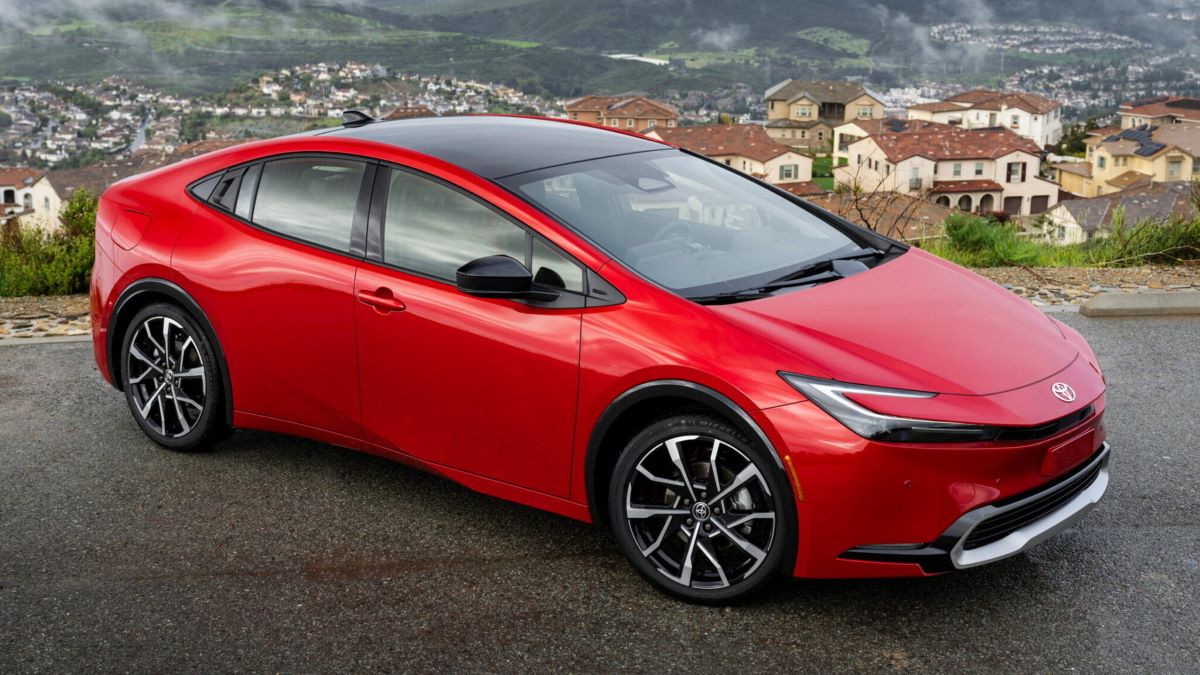
At California’s average fuel price of around $5.00 per gallon, the Prius costs roughly $1,750 per year to fuel at 15,000 miles annually. Compare this to a traditional SUV that might cost $4,500 or more for the same distance. The savings are immediate and compound year after year of ownership.
Toyota’s legendary reliability plays a major role in the Prius’s low ownership cost. Consumer Reports has consistently rated the Prius among the most reliable cars in any segment. The hybrid battery is warranted for 10 years or 150,000 miles in California under state-specific emissions laws. This warranty protection removes the single biggest fear most buyers have about hybrid ownership.
Insurance costs for the Prius average around $1,400 annually nationwide. In California, expect to pay slightly more, but the savings on fuel still make the total ownership picture extremely compelling. Maintenance is surprisingly simple the regenerative braking system reduces brake wear dramatically, meaning fewer rotor and pad replacements over the car’s life.
The 2024 Prius starts at approximately $27,950 for the base LE trim. It qualifies for California’s Clean Vehicle Rebate Project, which can reduce your effective purchase price. Resale values remain strong because demand for fuel-efficient vehicles stays high in expensive fuel markets.
Specifications:
- Engine: 2.0L 4-cylinder DOHC + dual electric motors
- Horsepower: 194 hp (combined system output)
- Fuel Economy: 57 city / 56 highway MPG
- Length: 181.1 inches
- Width: 70.0 inches
2. Honda Insight (2023)
The Honda Insight never got the cultural fame of the Prius, but smart buyers have known its secret for years. Honda discontinued the third-generation Insight after 2022, making lightly used 2022–2023 models exceptional value in the used car market.
Prices have settled into the $22,000–$26,000 range for well-maintained examples. That represents serious value for a car with Accord-level refinement and Prius-level fuel economy.
The Insight uses Honda’s two-motor hybrid system, which operates more seamlessly than many competing systems. It feels more like a conventional car than a hybrid in everyday driving.
The 1.5-liter Atkinson-cycle engine pairs with an electric motor and a small lithium-ion battery pack. Honda achieves 55 mpg city and 49 mpg highway, which is outstanding for a midsize sedan.
Inside, the Insight punches well above its price class. Honda used Accord-derived interior architecture, meaning you get genuine premium materials and thoughtful ergonomics.
The 8-inch touchscreen comes standard on most trims. Honda Sensing safety suite, which includes adaptive cruise control and lane-keeping assist, is standard across the entire lineup.
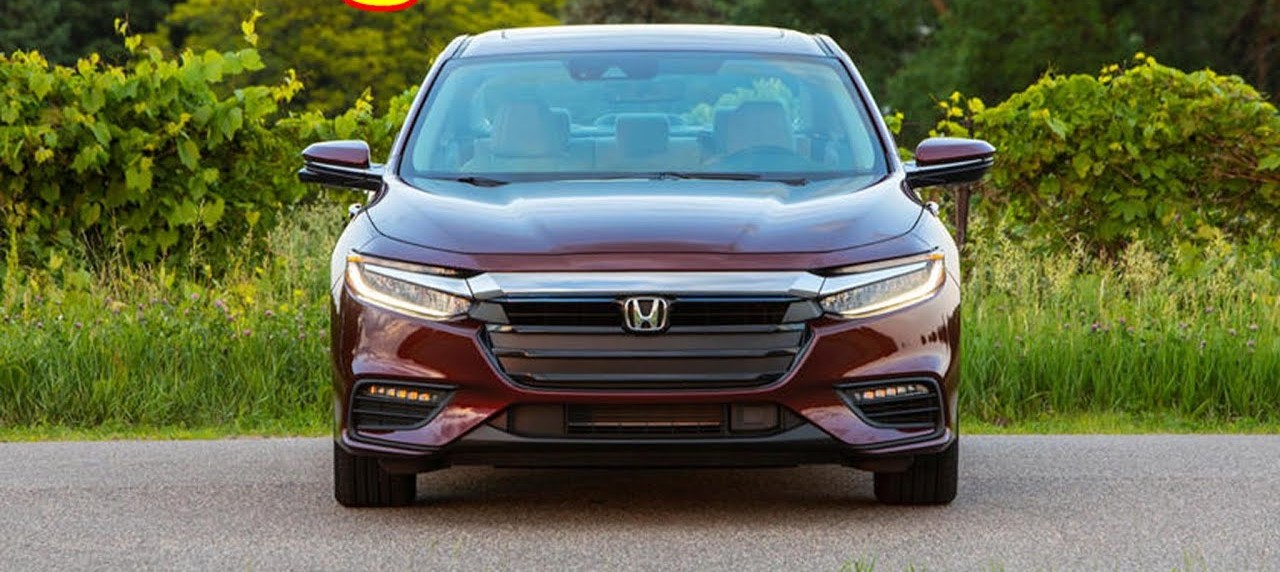
California commuters will appreciate how the Insight handles highway driving at sustained high speeds. It stays composed and quiet at 70 mph without the droning sound some hybrids produce. The 50+ mpg figure holds relatively well at freeway speeds, unlike some competitors that suffer significantly at higher velocities.
Reliability has been solid based on owner reports and third-party data. Honda’s hybrid system borrows heavily from the Accord Hybrid’s proven architecture. Early concerns about battery longevity have largely been unfounded based on high-mileage examples. Many owners report trouble-free ownership well past 100,000 miles.
The used Insight also benefits from lower California registration fees compared to new vehicles. Insurance is affordable, typically landing in the $1,200–$1,500 annual range. Combined with its excellent fuel economy, a used Insight can genuinely cost under $3,500 per year in total non-loan expenses in California.
Specifications:
- Engine: 1.5L 4-cylinder Atkinson-cycle + electric motor
- Horsepower: 151 hp (combined system output)
- Fuel Economy: 55 city / 49 highway MPG
- Length: 184.0 inches
- Width: 70.8 inches
3. Toyota Corolla Hybrid
The Toyota Corolla Hybrid stands out as one of the strongest value options in today’s car market, combining affordability, efficiency, and long-term reliability. Starting at about $23,500, it is priced below many non-hybrid compact cars while offering far superior fuel economy, making it an attractive choice for budget-conscious buyers.
Fuel efficiency is one of its biggest strengths, with ratings of 53 mpg in the city and 46 mpg on the highway for front-wheel-drive models. An available all-wheel-drive version still delivers an impressive 42 mpg combined, giving drivers added traction for wet or uneven road conditions. This makes it especially useful for California drivers who may encounter rainy weather or mountain routes.
The Corolla Hybrid is powered by Toyota’s fifth-generation hybrid system, known for its smooth and quiet operation. In everyday driving, the system works seamlessly, often going unnoticed by drivers who simply enjoy fewer stops at the gas station and lower fuel expenses.
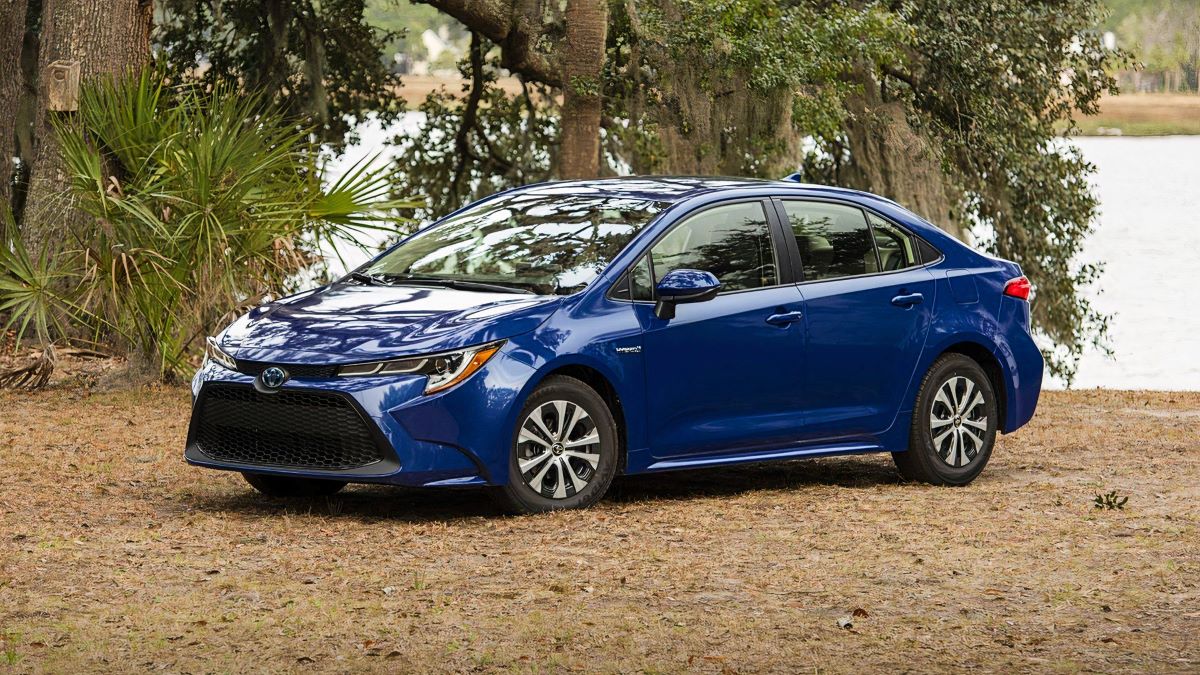
Standard Toyota Safety Sense 3.0 adds strong value, offering advanced driver-assistance features such as collision warning with pedestrian detection, adaptive cruise control, lane assistance, and automatic high beams. Having this level of safety equipment at a low price point is a major advantage in its class.
Ownership costs remain low thanks to Toyota’s strong reliability record and affordable maintenance. The hybrid battery is covered for up to 10 years or 150,000 miles in California, adding long-term peace of mind.
With insurance averaging around $1,300 per year and total annual operating costs under $3,200, the Corolla Hybrid delivers exceptional financial efficiency and dependable everyday performance.
Specifications:
- Engine: 1.8L 4-cylinder + electric motor
- Horsepower: 138 hp (combined system output)
- Fuel Economy: 53 city / 46 highway MPG (FWD)
- Length: 182.7 inches
- Width: 70.1 inches
4. Chevrolet Bolt EV
The Chevrolet Bolt EV reshaped the electric vehicle market by offering long range and strong efficiency at an unusually low price. With a base price of around $26,500, and even lower effective costs in California after incentives, many buyers have been able to purchase it for under $19,000. This makes it one of the most affordable EVs available, especially considering its low running cost of about 3 cents per mile using home electricity rates.
A major strength of the Bolt is its 259-mile EPA-estimated range, with real-world driving typically delivering between 220 and 260 miles depending on conditions. For most California commuters, this is more than enough to cover a full week of driving on a single charge, significantly reducing the need for frequent charging or gas station visits.
Charging flexibility adds to its practicality. At home using a Level 2 charger, the Bolt can gain about 25 miles of range per hour, while DC fast charging can add up to 100 miles in just 30 minutes. This makes both daily use and longer trips manageable, especially with California’s expanding charging network.
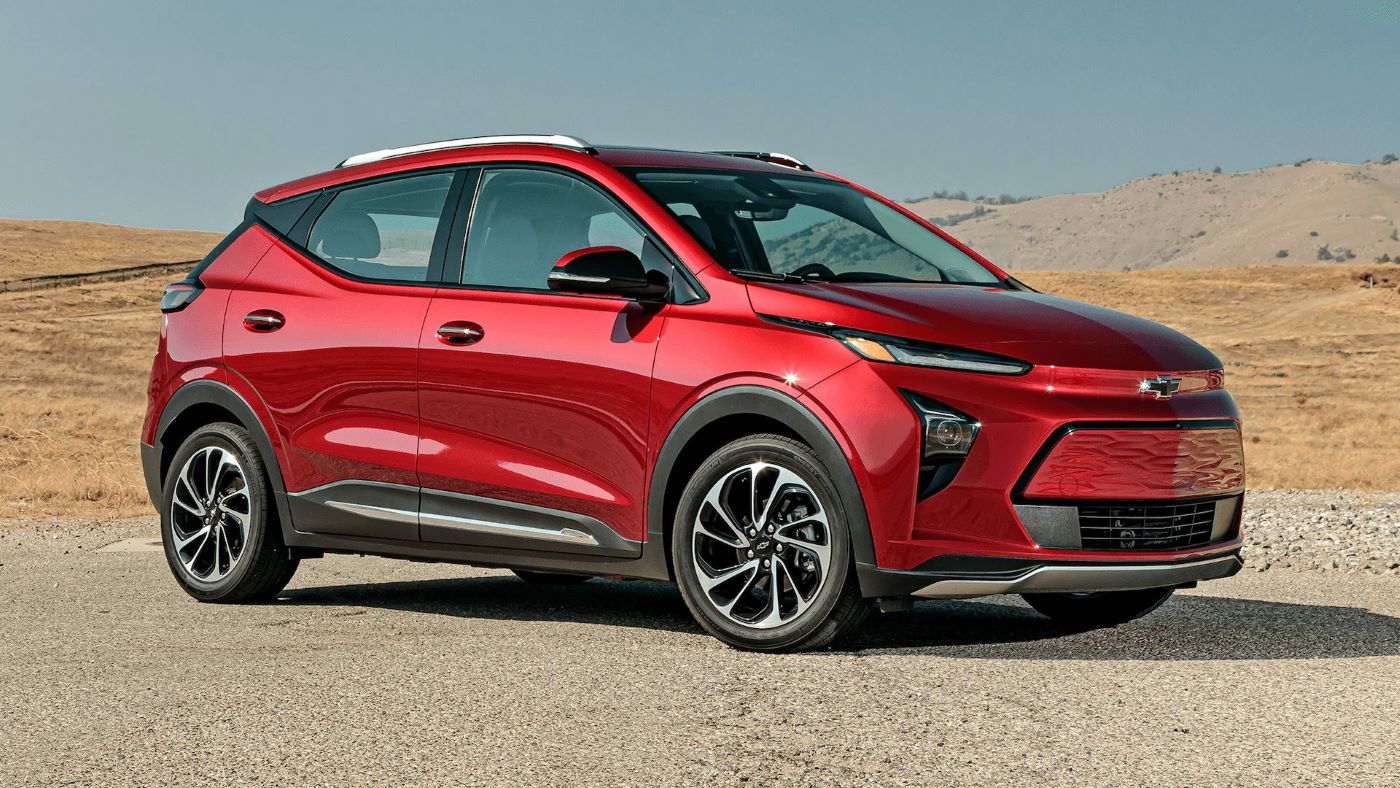
The refreshed cabin features a 10.2-inch infotainment screen and an 8-inch driver display that provide clear and useful information. While interior materials are modest, they are acceptable for the price point. The Bolt’s standout feature is its one-pedal driving system, which allows strong regenerative braking and reduces brake wear, lowering maintenance costs.
The Bolt EV delivers some of the lowest ownership costs in California. Annual fuel savings compared to a gasoline car can reach around $2,400, making it one of the most cost-effective electric vehicles on the market.
Specifications:
- Motor: Permanent magnet drive motor
- Horsepower: 200 hp
- Range: 259 miles (EPA rated)
- Length: 163.2 inches
- Width: 69.5 inches
Also Read: 10 Best Vehicles for Rural Gravel Roads
5. Hyundai Elantra Hybrid
The Hyundai Elantra Hybrid stands out in the compact sedan segment with bold styling, strong efficiency, and low ownership costs. Its “Parametric Dynamics” design language gives it sharp lines and a fastback silhouette that looks far more premium than its starting price of around $26,000. Compared to most conservative economy cars, it offers a striking, modern appearance that feels a class above.
Power comes from a 1.6-liter hybrid system that delivers excellent fuel economy, rated at 53 mpg in the city and 56 mpg on the highway. The strong highway efficiency makes it especially appealing for California commuters who spend long hours on freeways, with many real-world drivers achieving over 50 mpg in mixed driving conditions.
The Elantra Hybrid provides a surprisingly refined cabin for its price. Improved materials, a clean dashboard design, and responsive infotainment screens enhance the experience, while Hyundai’s Blue Link system adds convenient connected features like remote start and climate control.
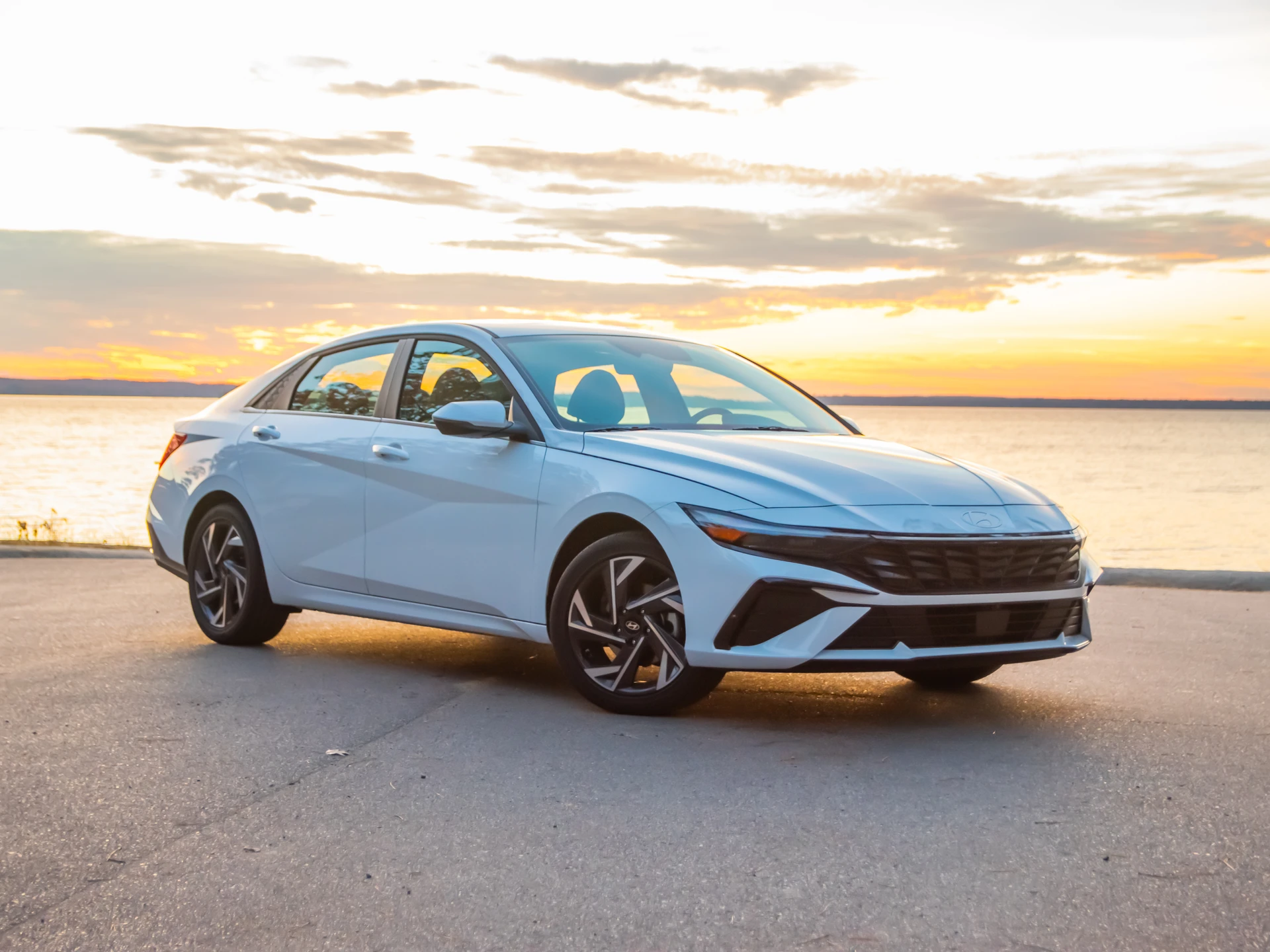
One of its biggest strengths is Hyundai’s industry-leading warranty coverage, including 10 years or 100,000 miles for both the powertrain and hybrid battery. This offers strong long-term peace of mind, especially for first-time hybrid buyers.
Despite its efficiency focus, the Elantra Hybrid still delivers engaging driving dynamics. Its suspension tuning and instant electric torque make it more responsive than many competitors in the segment, adding a sense of enjoyment to daily driving.
With annual costs of roughly $3,500 including fuel, insurance, and maintenance in California, the Elantra Hybrid remains one of the most affordable and best-value hybrid sedans available today.
Specifications:
- Engine: 1.6L 4-cylinder GDI + electric motor
- Horsepower: 139 hp (combined system output)
- Fuel Economy: 53 city / 56 highway MPG
- Length: 184.1 inches
- Width: 71.9 inches
6. Toyota Camry Hybrid
The Toyota Camry Hybrid demonstrates that drivers do not have to choose between fuel efficiency and comfort. It offers the space and practicality of a true midsize sedan while still achieving an impressive 51 mpg in city driving. This makes it an ideal option for families and professionals who want a full-size vehicle without high fuel costs.
Powered by a 2.5-liter four-cylinder hybrid system, the Camry Hybrid produces 208 horsepower, giving it strong and confident performance. Acceleration is smooth and capable, making highway merging and overtaking easy and stress-free. This helps eliminate the common belief that hybrids are slow or underpowered.
The 2025 redesign brings major upgrades on Toyota’s TNGA-K platform. Inside, the cabin feels modern and refined, featuring a 12.3-inch infotainment display and a digital instrument cluster. Improved materials throughout the interior give it a more premium feel that rivals some near-luxury vehicles. The update has helped the Camry remain competitive in a shrinking midsize sedan market.
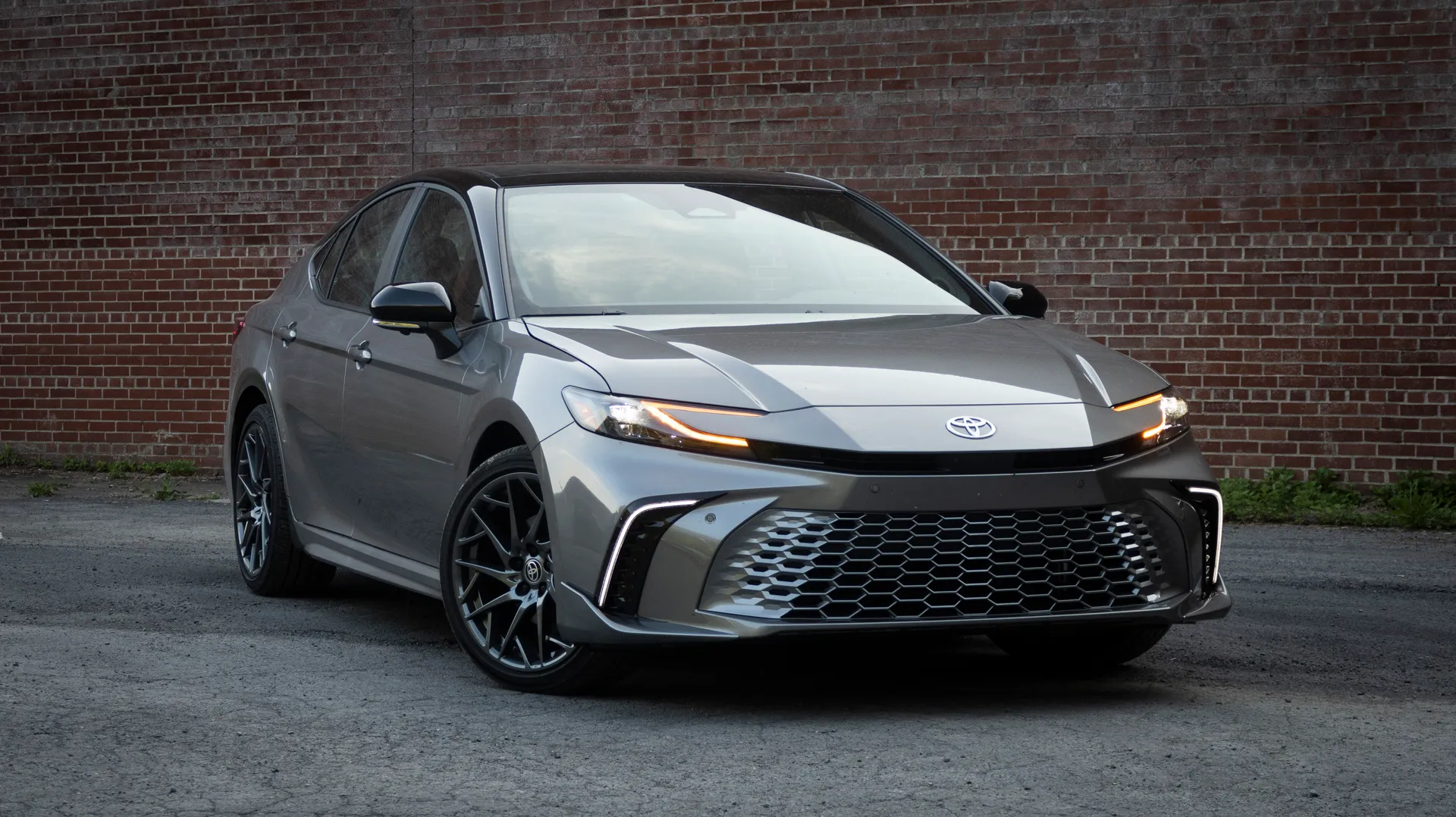
Passenger space is one of its strongest advantages. Rear-seat occupants benefit from nearly 39 inches of legroom, making it comfortable for adults on long trips. The trunk offers 15.1 cubic feet of cargo space, which is practical for luggage, groceries, and daily use without major compromises.
Toyota’s reputation for reliability further strengthens the Camry Hybrid’s appeal. It is widely trusted for long-term durability and is often chosen by rideshare drivers and taxi fleets due to its ability to handle high mileage with minimal issues.
Starting at around $31,900, it may cost more than smaller hybrids, but its combination of space, efficiency, and dependability delivers strong long-term value, with fuel savings of about $2,000 per year in typical use.
Specifications:
- Engine: 2.5L 4-cylinder + electric motor
- Horsepower: 208 hp (combined system output)
- Fuel Economy: 51 city / 53 highway MPG
- Length: 194.1 inches
- Width: 72.4 inches
7. Nissan Leaf (2021–2023)
The Nissan Leaf is widely recognized as one of the first mass-market electric vehicles, helping bring EV ownership into the mainstream since its debut in 2010. Over time, it has built a strong reputation for reliability and affordability, especially in the used car market where newer EVs have yet to match its long-term track record.
Models from 2021 to 2023 are now particularly attractive, with prices in California typically ranging from $16,000 to $20,000 for well-maintained examples. These versions often come with a larger 62-kWh battery that delivers up to 212 miles of EPA-estimated range. For most daily commuters driving 30 to 40 miles per day, this translates to nearly a week of driving on a single charge, making range anxiety far less of a concern when paired with regular home charging.
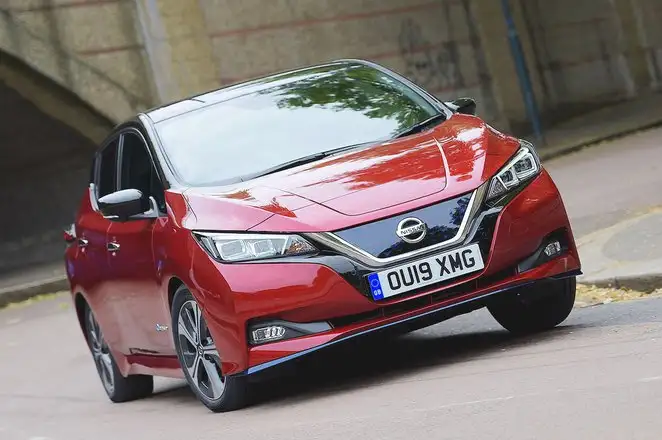
The Leaf is also extremely cost-efficient to run. Electricity costs average around 3 to 4 cents per mile in California, compared to more than 15 cents per mile for gasoline vehicles. This can result in annual savings of roughly $1,600 to $2,000, adding up to as much as $10,000 over five years of ownership.
Higher trims include Nissan’s ProPilot Assist, which offers adaptive cruise control and lane centering for more relaxed highway driving. This is especially useful in heavy traffic conditions across major California freeways.
However, older Leaf models do have a key limitation: passive battery cooling. In hotter inland regions, this can lead to faster battery degradation, so buyers should check battery health carefully before purchasing.
The Leaf remains one of the most affordable and low-maintenance EVs available, with no oil changes, reduced brake wear, and simple servicing requirements that keep long-term ownership costs low.
Specifications:
- Motor: Permanent magnet synchronous motor
- Horsepower: 214 hp (62-kWh version)
- Range: 212 miles (EPA rated, 62-kWh)
- Length: 175.0 inches
- Width: 70.5 inches
8. Kia Niro Hybrid
The Kia Niro Hybrid stands out as a rare crossover that successfully combines SUV-like practicality with exceptional hybrid fuel efficiency. Unlike most vehicles in its class, it delivers the higher driving position and flexible interior space buyers want while still achieving an impressive 53 mpg in the city and 54 mpg on the highway. This makes it one of the most efficient crossover-style vehicles available today and a strong alternative to traditional compact SUVs and sedans.
The second-generation Niro introduces a bold new design that sets it apart from more conservative rivals. With its sharp lines and two-tone color options, it reflects Kia’s growing confidence in styling while remaining accessible in the sub-$30,000 segment. Its modern appearance helps it stand out in a crowded market.
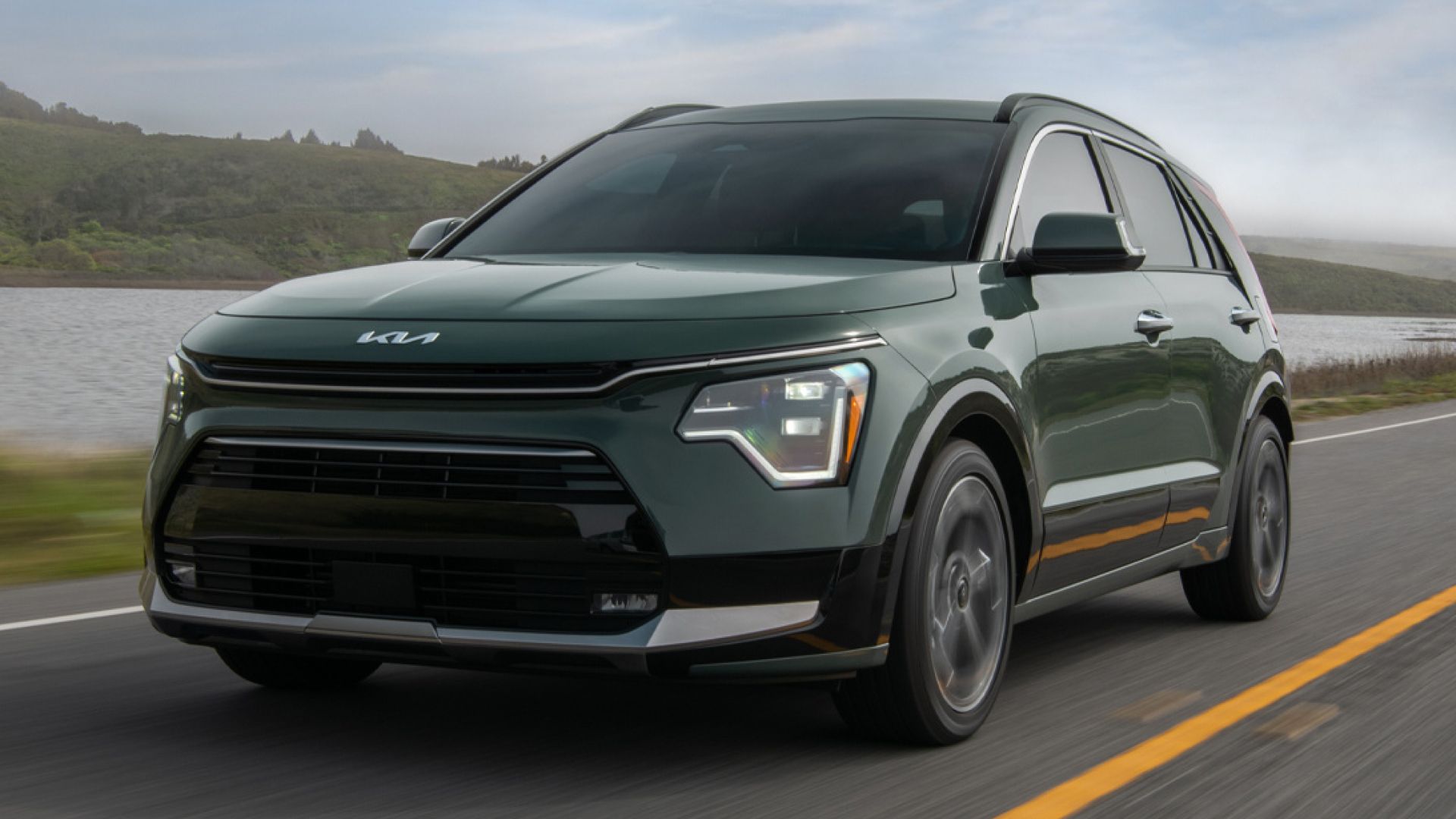
The Niro Hybrid pairs a 1.6-liter gasoline engine with a 32-kW electric motor and a small lithium-ion battery. It uses a dual-clutch automatic transmission, which provides a more engaging and natural driving feel compared to the CVTs commonly used in other hybrids. Acceleration is smooth and predictable, making it comfortable for both city and highway driving.
Practicality is one of its biggest strengths. With 22.8 cubic feet of cargo space behind the rear seats and up to 53 cubic feet when folded, it offers significantly more utility than most sedans. This makes it well suited for everyday errands and family trips.
The Niro Hybrid is also backed by Kia’s 10-year, 100,000-mile powertrain warranty, giving buyers strong long-term confidence. Starting at about $27,450, it remains one of the most affordable and economical crossover options on the market, with low fuel and ownership costs in general.
Specifications:
- Engine: 1.6L GDI 4-cylinder + 32kW electric motor
- Horsepower: 139 hp (combined system output)
- Fuel Economy: 53 city / 54 highway MPG
- Length: 172.6 inches
- Width: 71.1 inches
9. Honda Civic Hybrid
The 2024 Honda Civic Hybrid marks a strong return for the nameplate, delivering a blend of outstanding fuel efficiency and the driving qualities that have long defined the Civic lineup. With ratings of 51 mpg in the city and 44 mpg on the highway, it stands out as one of the most efficient compact sedans while still preserving sharp handling and everyday usability. Rather than feeling like a compromise, it presents itself as a well-rounded small car that also happens to be extremely economical.
Powering the Civic Hybrid is Honda’s refined two-motor hybrid system, also used in models like the Accord and CR-V Hybrid. In the Civic, it excels in urban driving, allowing the car to operate in electric mode at lower speeds and significantly reducing fuel use in heavy stop-and-go traffic. The transition between electric and gasoline power is smooth and largely unnoticeable, making it feel like a conventional Civic in normal driving conditions.
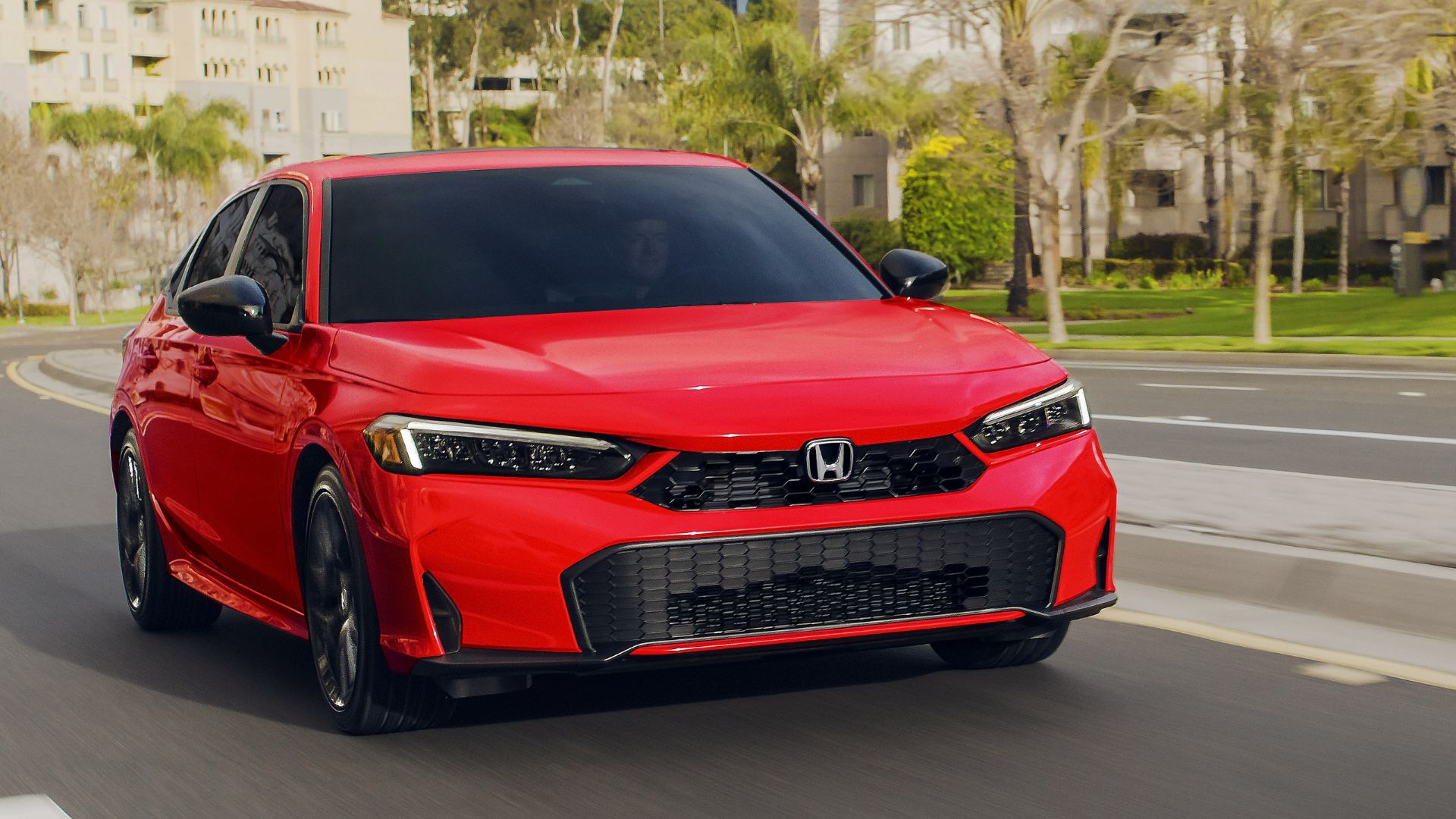
Built on the 11th-generation Civic platform, the interior is modern and high quality, featuring a clean dashboard layout and a 9-inch infotainment display. Passenger comfort remains strong, with generous rear legroom that accommodates adults with ease. Honda also includes its full Honda Sensing safety suite as standard, offering advanced driver-assist features that enhance safety in busy city environments.
Practicality remains solid, though the hybrid battery slightly reduces trunk space to 10.9 cubic feet compared to the standard Civic. Even so, it remains suitable for daily use and short trips.
Starting at around $31,900, the Civic Hybrid costs more upfront than non-hybrid versions, but fuel savings of up to $1,100 per year help offset the difference, making it a cost-effective long-term choice.
Specifications:
- Engine: 2.0L 4-cylinder Atkinson-cycle + two electric motors
- Horsepower: 200 hp (combined system output)
- Fuel Economy: 51 city / 44 highway MPG
- Length: 184.0 inches
- Width: 70.9 inches
10. Toyota RAV4 Hybrid
The Toyota RAV4 Hybrid stands out as a leading example of how modern SUVs can successfully combine strong fuel efficiency with everyday family practicality. As America’s best-selling non-truck vehicle and top-selling hybrid SUV, it has become a clear favorite among buyers who want both economy and utility in one package. With an estimated 41 mpg combined and standard all-wheel drive, it delivers efficiency that would have been difficult to imagine in a family SUV only a decade ago.
Its all-wheel-drive system uses Toyota’s Electronic On-Demand setup, where a rear electric motor powers the back wheels when extra traction is needed. This provides reliable performance in rain, light snow, and light off-road conditions, making it a dependable choice for varied driving environments such as mountain trips in California.
Performance is another surprise strength. The hybrid system produces a combined 219 horsepower, allowing the RAV4 Hybrid to accelerate from 0 to 60 mph in about 5.7 seconds. This makes it noticeably quicker than many competitors and even some non-hybrid versions, giving drivers smoother and more confident highway performance.
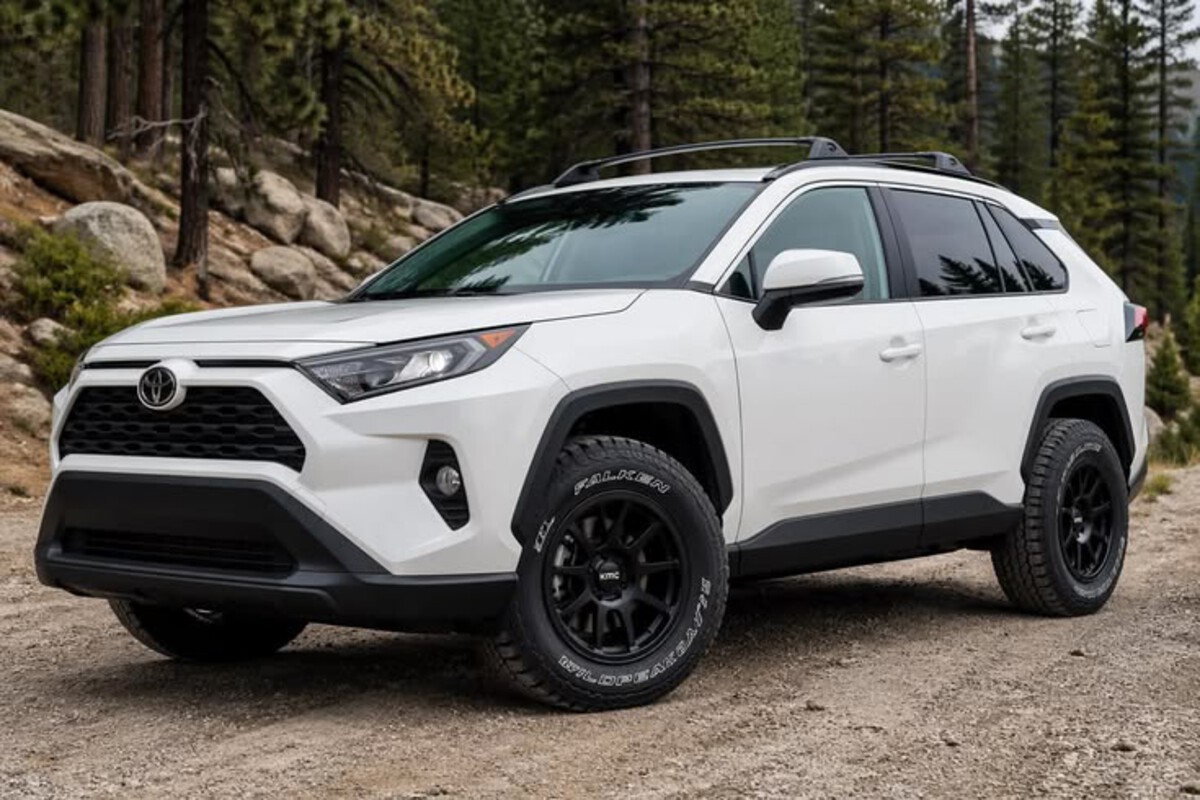
the RAV4 Hybrid offers spacious seating and strong practicality. Rear passengers benefit from nearly 38 inches of legroom, while cargo space ranges from 37.6 cubic feet behind the seats to nearly 70 cubic feet when folded. This flexibility allows it to serve as a true family hauler and even a substitute for larger vehicles like minivans.
Toyota also reinforces confidence in its hybrid system with a 10-year, 150,000-mile battery warranty, reflecting its reputation for long-term durability. High-mileage examples are already common, showing the system’s reliability in real-world use.
With a starting price of about $33,600, the RAV4 Hybrid costs slightly more than the standard version, but fuel savings of up to $1,600 per year quickly offset the difference, making it a cost-effective long-term choice.
Specifications:
- Engine: 2.5L 4-cylinder Atkinson-cycle + front and rear electric motors
- Horsepower: 219 hp (combined system output)
- Fuel Economy: 41 city / 38 highway MPG (AWD)
- Length: 180.9 inches
- Width: 73.0 inches
Also Read: IIHS Dings BMW i4 for Weak Headlights and AEB System
