Deep snow punishes the wrong vehicle. It does not care about badges or horsepower. It cares about one number first. That number is ground clearance.
Ground clearance is the gap between the lowest point under the body and the road. In deep snow, that gap decides everything. Once the floor touches snow, the tires lose weight and grip. The vehicle then rides on its belly instead of its wheels.
Winter experts often suggest at least 8 inches for deep, unplowed snow. Many popular crossovers fall well short of that mark. Some sit under 6 inches. All-wheel drive helps, but it cannot lift a floor pan.
This list covers eight SUVs and crossovers sold in the US. Each one is capable on plowed roads. Each one struggles when drifts build up. The figures come from published specs and trusted databases. Numbers can vary by trim, wheel size, and source.
Treat these as guides, not bans. Good winter tires and careful driving go a long way. But if your road is rarely plowed, read on before you buy. The order runs from the lowest clearance upward.
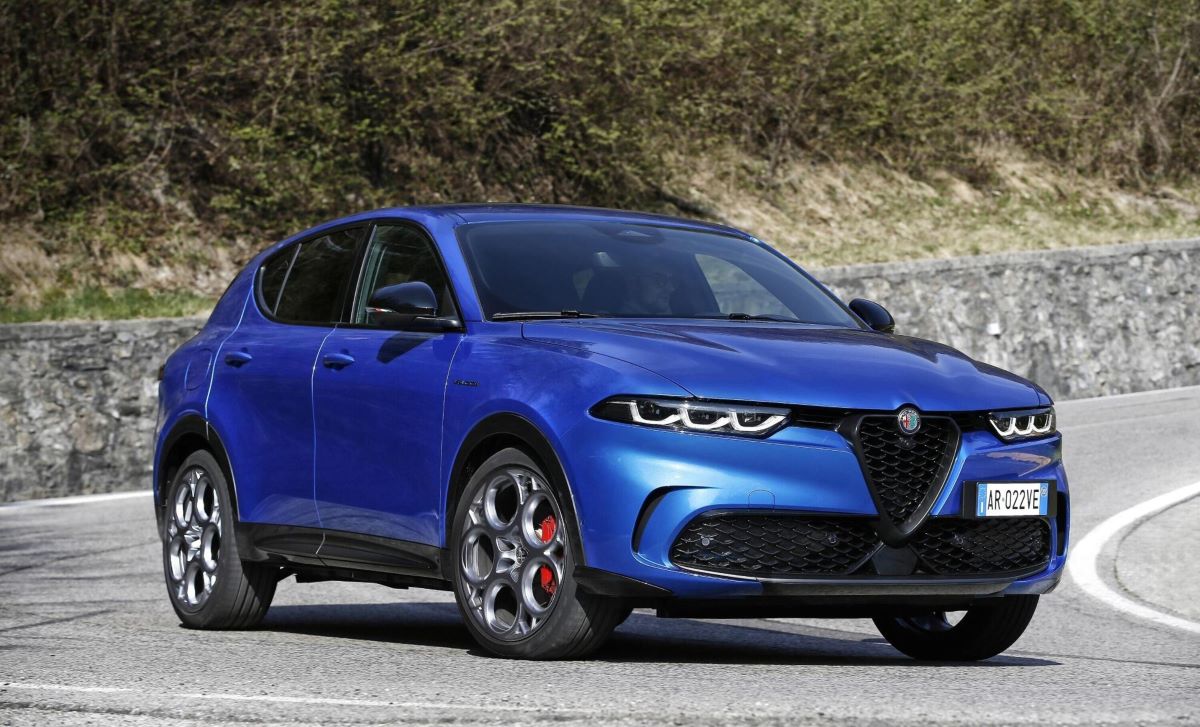
1. Alfa Romeo Tonale (about 5.6 inches)
The Alfa Romeo Tonale looks sharp. It sits at the very bottom of this list. Published data puts its clearance near 5.6 inches. That is lower than many hatchbacks.
The US Tonale is a plug-in hybrid. It pairs a turbocharged four-cylinder with an electric motor. The motor drives the rear axle. This gives it all-wheel drive without a driveshaft.
That layout is smart for grip. It cannot fix the height problem. Battery and exhaust parts hang low beneath the floor. Packed snow can scrape them or lift the tires off the ground.
Alfa also tunes the Tonale for sharp handling. The suspension is firm and the stance is sporty. Those traits delight on dry back roads. They work against you in a foot of fresh powder.
Think about the nose too. A low front bumper acts like a plow blade. Snow piles up ahead of the car. Then the underbody shields take the load. Load matters as well. Four adults and luggage push the body lower. Ice buildup under the car adds more trouble. The real gap can shrink by an inch.
Cold weather adds another layer. Plug-in hybrids carry a battery pack under the floor. Low temperatures reduce range and power. Getting stuck with a cold battery is an unwelcome test.
Where does the Tonale shine? Cleared city streets and salted highways suit it well. Light dustings of an inch or two are no trouble. Its quick steering feels precise on wet pavement.
Where does it fail? Unplowed driveways and rural lanes are the weak point. A drift of six inches can already touch the floor. Spinning wheels then dig the car deeper. Verdict: a stylish premium crossover, but a poor pick for deep snow. Buyers in snow belts should look at taller rivals.
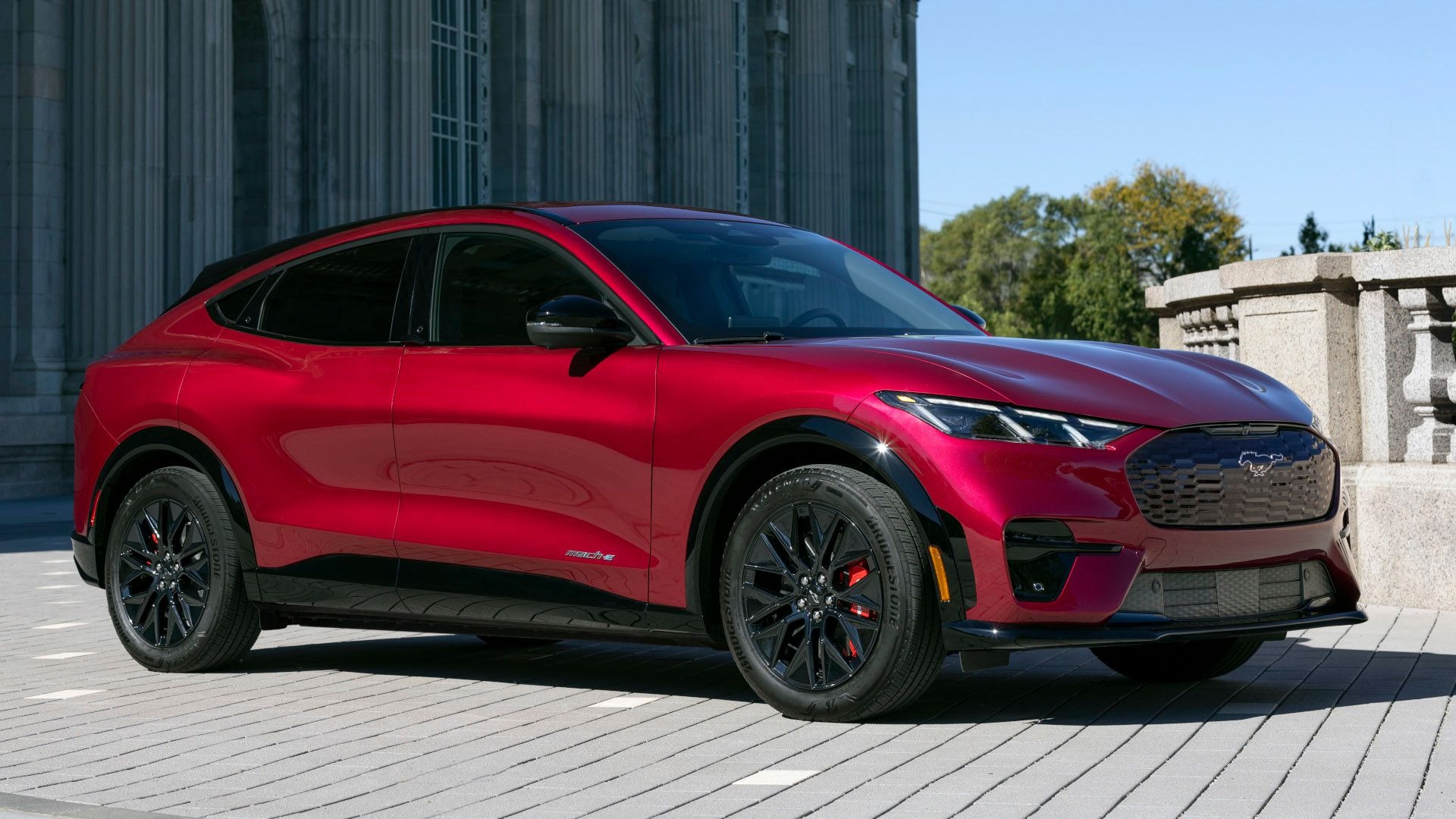
2. Ford Mustang Mach-E (about 5.7 inches)
The Mustang Mach-E wears a famous name. Its clearance is far from rugged. Many spec databases list 5.7 inches across trims. Some sources quote higher figures, so check your exact build.
Even at the generous end, it stays under 7 inches. That is still short for heavy snow. The body sits low and wide. It feels more like a tall hatchback than a true SUV.
The battery pack forms the floor. This keeps the center of gravity low. It also means the lowest point is a flat slab of metal. Hard snow or ice ridges can drag along it.
Dual-motor all-wheel drive is available. It gives strong traction from a stop. Instant torque helps on slick roads. Those strengths shine on packed or plowed surfaces.
Deep snow changes the picture. The wheels lose bite once the floor rides on the drift. Power cannot fix a car that is sitting on its pan. Rocking the car back and forth often fails.
The Mach-E is also wide and heavy. That weight pushes the tires into soft snow. Narrow rural roads can feel tight with big snowbanks. Plow ridges at the end of a driveway are a common trap.
Ford tuned this crossover for road manners. Steering is crisp and the ride is firm. Those choices favor pavement over powder. They do not favor cabin roads.
Where does it work? City streets, highways, and plowed suburbs are fine. Pair it with quality winter tires for best results. Pre-conditioning the cabin also helps with cold range loss.
Where does it fail? Unplowed lanes, steep drives, and fresh drifts are trouble. Anything deeper than a few inches is a risk. Verdict: a fine winter commuter, but not a deep-snow tool.
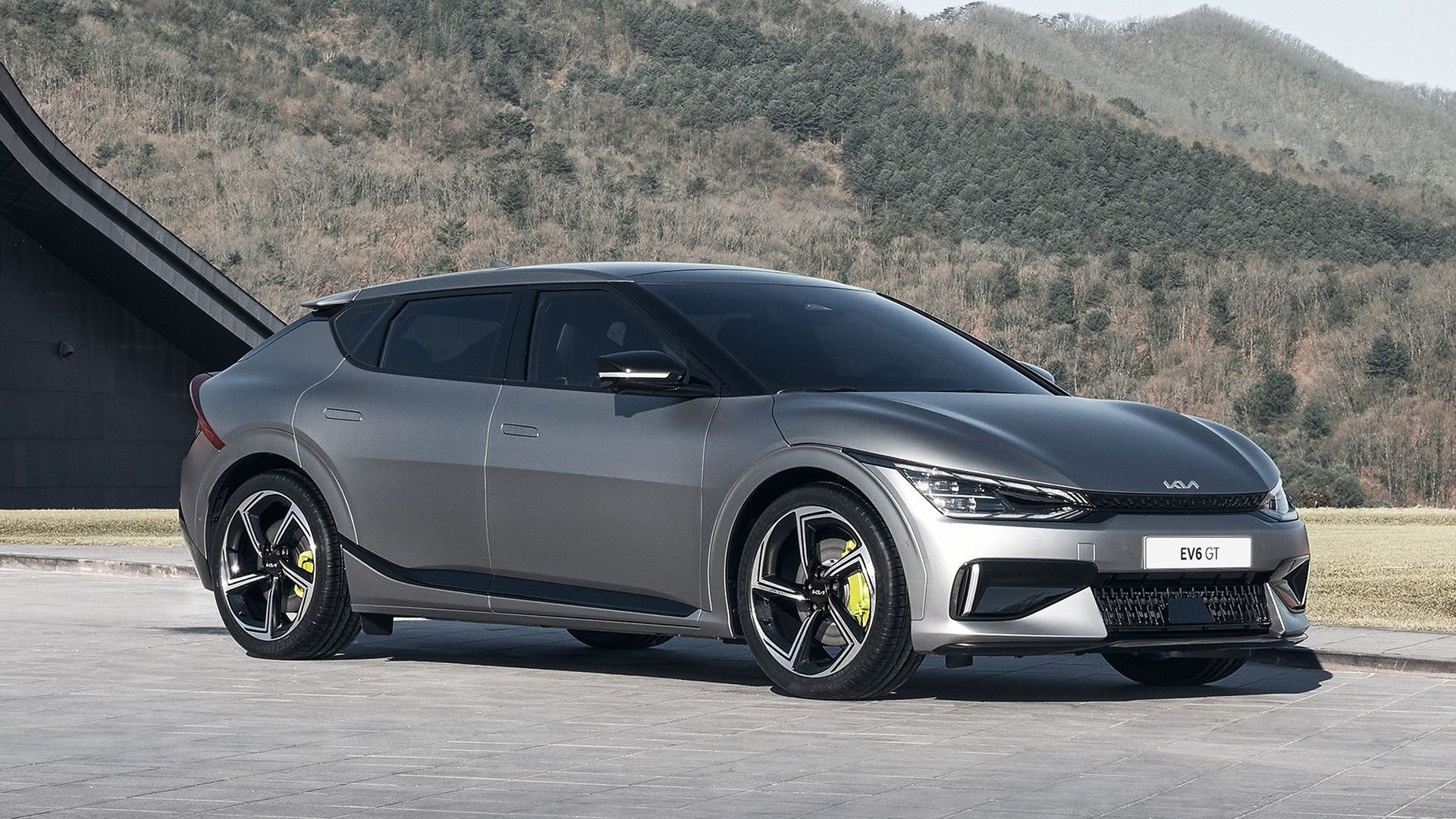
3. Kia EV6 (about 6.1 inches)
The Kia EV6 is a sleek electric crossover. Official figures list its clearance at 6.1 inches. That number holds across the 2024 and 2025 lineup. It is the same across trims.
The body is low and sloped. The roofline is more hatchback than SUV. Designers chased aerodynamics and sporty looks. Height under the floor was sacrificed.
The EV6 has a long wheelbase of 114.2 inches. That gives a stable ride on highways. It also means a long floor that can hang up on bumps. A long underbody can high-center on a ridge of snow.
All-wheel drive is available. It uses a second motor on the front axle. Traction on wet or icy roads is excellent. Drive modes help manage slip. Charging speed is a major strength. The 800-volt system charges quickly. That helps on winter road trips. It does nothing to lift the car from a drift.
Deep snow exposes the weak spot. The front end is low and sharp. It pushes snow instead of riding over it. The undertray can gather packed slush.
Cold also changes tire behavior. Low-profile tires on bigger wheels grip less in slush. Winter tires on smaller wheels are the smart upgrade. Ask your dealer about fitments that keep the right size.
Where does the EV6 do well? Plowed streets and salted highways are its home. It handles light snow with ease. It also feels quick and calm in cold rain.
Where does it struggle? Unplowed side roads and deep drifts defeat it fast. Anything over five or six inches is a gamble. Verdict: a fantastic electric crossover with a poor deep-snow profile. Pick a taller model if your winters are heavy.
4. Hyundai Ioniq 5 (about 6.1 inches)
The Ioniq 5 shares its platform with the EV6. Spec sheets also list about 6.1 inches of clearance. Some online sources claim much higher figures. Those numbers do not match standard spec data.
The shape is boxy and upright. It looks taller than the EV6. That look can mislead buyers. The floor still sits low. One real advantage is the short front overhang. The nose sits close to the front wheels. That helps the car approach small drifts without plowing. It is a small gain, but it counts.
Hyundai offers HTRAC all-wheel drive. A snow drive mode is also included. The system manages power between the axles. It works well on ice and packed snow.
Charging speed is again a highlight. An 800-volt design supports fast top-ups. Winter drivers value that on long trips. The battery heater also helps in the cold.
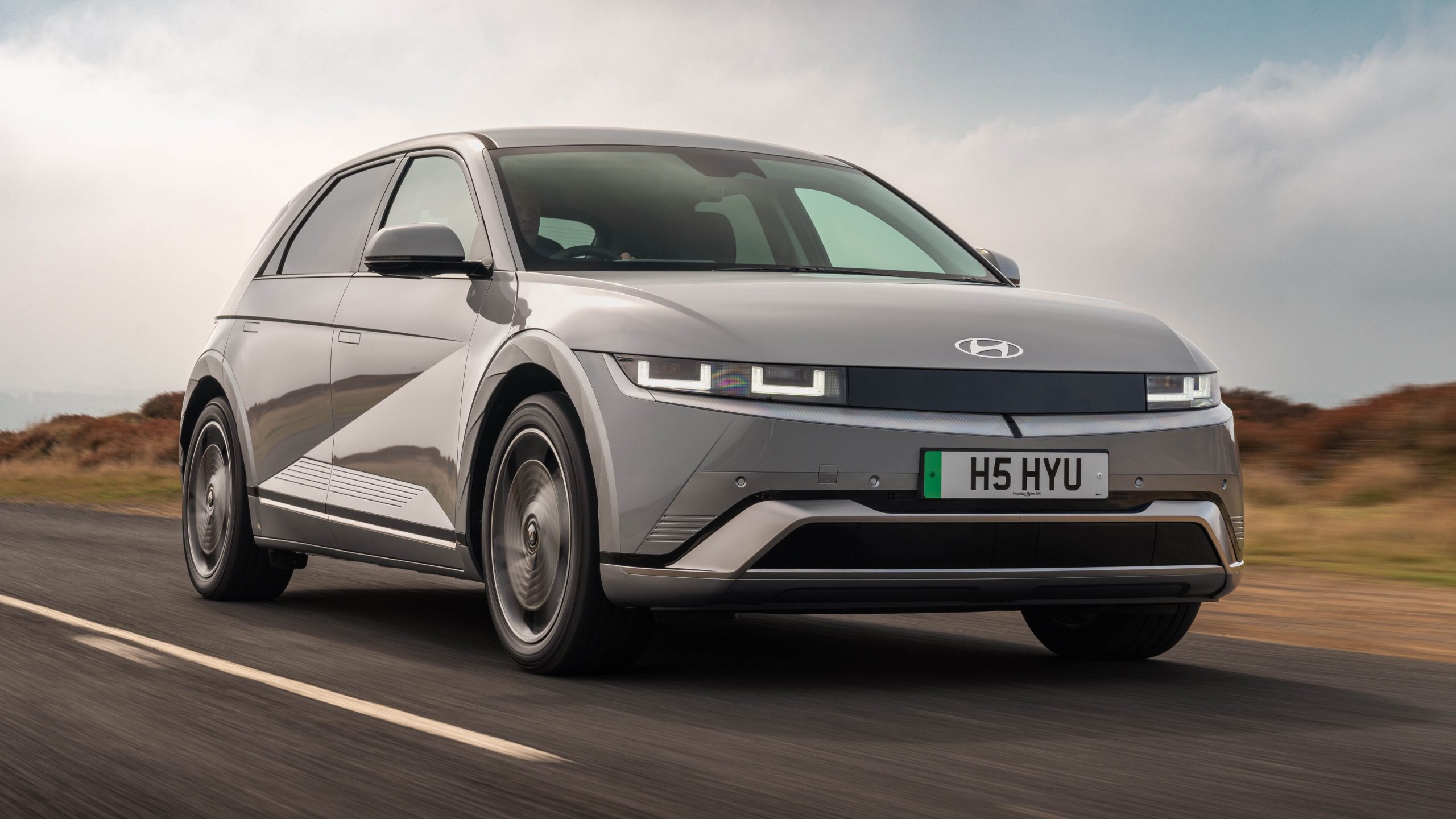
Yet the floor tells the real story. A flat battery pack runs beneath the cabin. Hard snow can scrape it. A deep drift can lift the tires off the ground. The Ioniq 5 is also quite heavy. Weight helps push through slush. It also presses the car into soft powder. The body then sinks, and the floor drags.
Where does it work? Plowed roads, parking lots, and moderate snow are fine. It feels composed on freeways in a storm. Tires matter most here. Where does it fail? Rural lanes, steep drives, and heavy drifts are poor places for it.
Beyond about six inches of fresh snow, expect trouble. Verdict: a smart and comfortable EV with good winter manners. Its clearance is still too low for serious snow.
5. Lexus UX 300h (about 6.3 inches)
The Lexus UX 300h is a small luxury hybrid. Published data lists its clearance near 6.3 inches. It leads the hybrid luxury subcompact class in some rankings. That says more about the class than about snow ability.
The UX is compact and car-like. It rides on a platform shared with the Corolla family. Its floor sits close to the road. Comfort, not height, was the design aim.
Available all-wheel drive uses a small rear electric motor. It adds grip when the front wheels slip. This is not a true mechanical AWD. It helps in light snow but offers limited power to the rear.

The cabin is quiet and refined. Seats are comfortable. Hybrid efficiency keeps fuel costs low. These strengths suit city life. Deep snow reveals the limits. The nose is low and the overhangs are modest. Snow can pack under the front bumper. The small wheels lose bite once the floor drags.
Cold weather also affects hybrids. A hybrid battery works less well when freezing. Engine start-ups become more common. Power delivery can feel different on icy mornings.
Tire choice matters most here. All-season tires can slip on slush. A set of winter tires changes the car. It will not add height, but it adds control. Where does it work? Cleared streets, commutes, and light dustings suit it. Its small size also helps in tight parking.
Where does it fail? Unplowed roads and snowbanks are risky. Deep snow can leave it stuck within a few feet. Verdict: a refined city hybrid with a short snow reach. It is a poor match for heavy winter regions.
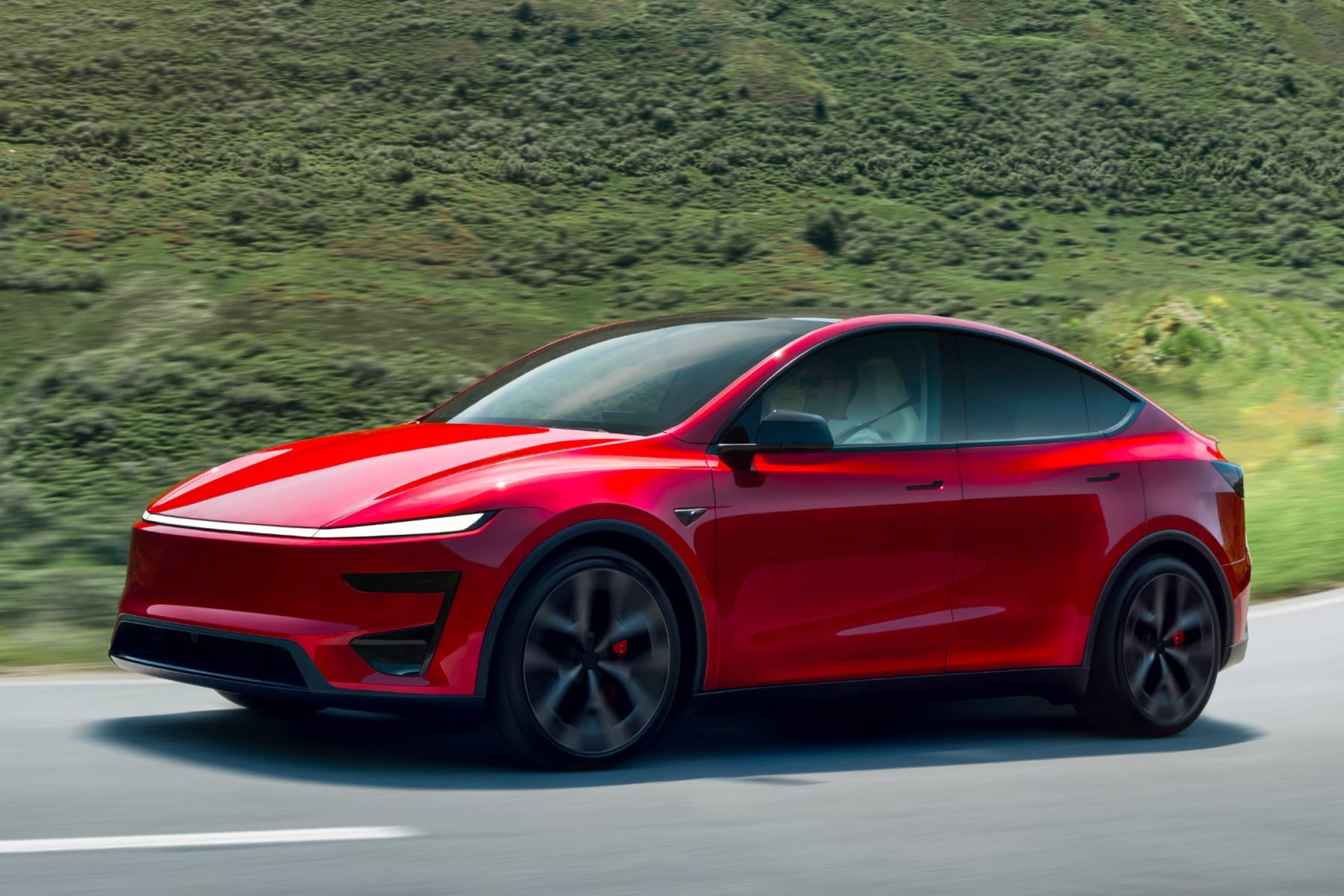
6. Tesla Model Y (about 6.6 inches)
The Tesla Model Y is the best-selling electric crossover in many markets. Several listings put its clearance near 6.6 inches. Other sources range from about 6.4 to 6.8. Early model listings were even lower.
The figure varies with wheel size and load. Large wheels and low-profile tires change ride height slightly. A full load can drop it further. Expect a real-world gap near six inches.
Unlike its larger sibling, the Model X, the Model Y has no air suspension. You cannot raise it for snow. The ride height is fixed. That limits flexibility.
The Model Y has strengths in winter. Dual-motor all-wheel drive gives fast torque response. Traction control is sharp. A heat pump helps manage the cabin and battery in cold air.
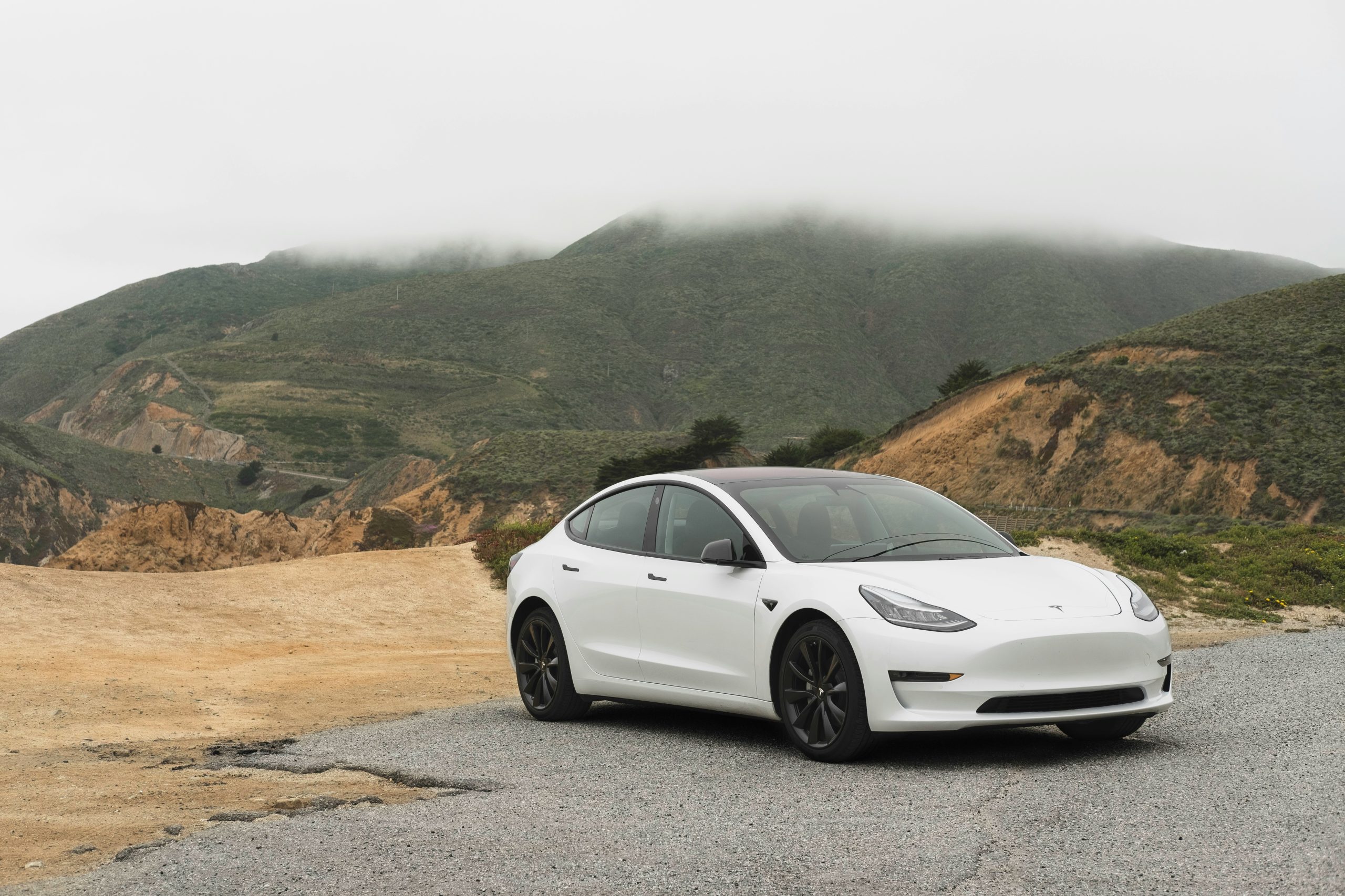
Its flat underbody is built for efficiency. Smooth panels reduce drag. They also form a wide surface that can catch snow. Packed snow can build into a solid layer.
The long, sloping nose can plow too. A deep drift lifts the front tires. The wheels then spin without weight. Many drivers see this in unplowed parking lots.
Range drops in deep cold. Heating and slow driving cut efficiency. A stuck car also drains the battery. Being stranded in a storm is a serious risk.
Where does the Model Y work well? Highways, city roads, and plowed suburbs are ideal. Many owners handle light snow without trouble. Good winter tires improve it a lot.
Where does it fail? Unplowed rural lanes, big drifts, and snow ridges are tough. Anything beyond a few inches needs caution.
Verdict: a strong all-around EV with too little height for deep snow. Know its limit and plan around it.
7. Cadillac Lyriq (about 7.0 inches)
The Cadillac Lyriq is a large luxury electric SUV. Specs list its clearance at 7.0 inches. That sounds better than the earlier entries. It is still short of the 8-inch mark many experts prefer for deep snow.
The Lyriq is big and heavy. It is nearly 12 inches longer than the Kia EV6. It also weighs several hundred pounds more, depending on trim. This size shapes how it behaves in snow.
Weight can help traction on packed roads. It presses the tires into the surface. In deep powder, the same weight works against you. The body sinks and the floor drags.
Its long wheelbase adds another issue. A long floor can bridge a drift and rest on it. The car then loses grip at all four tires. This is called high-centering.
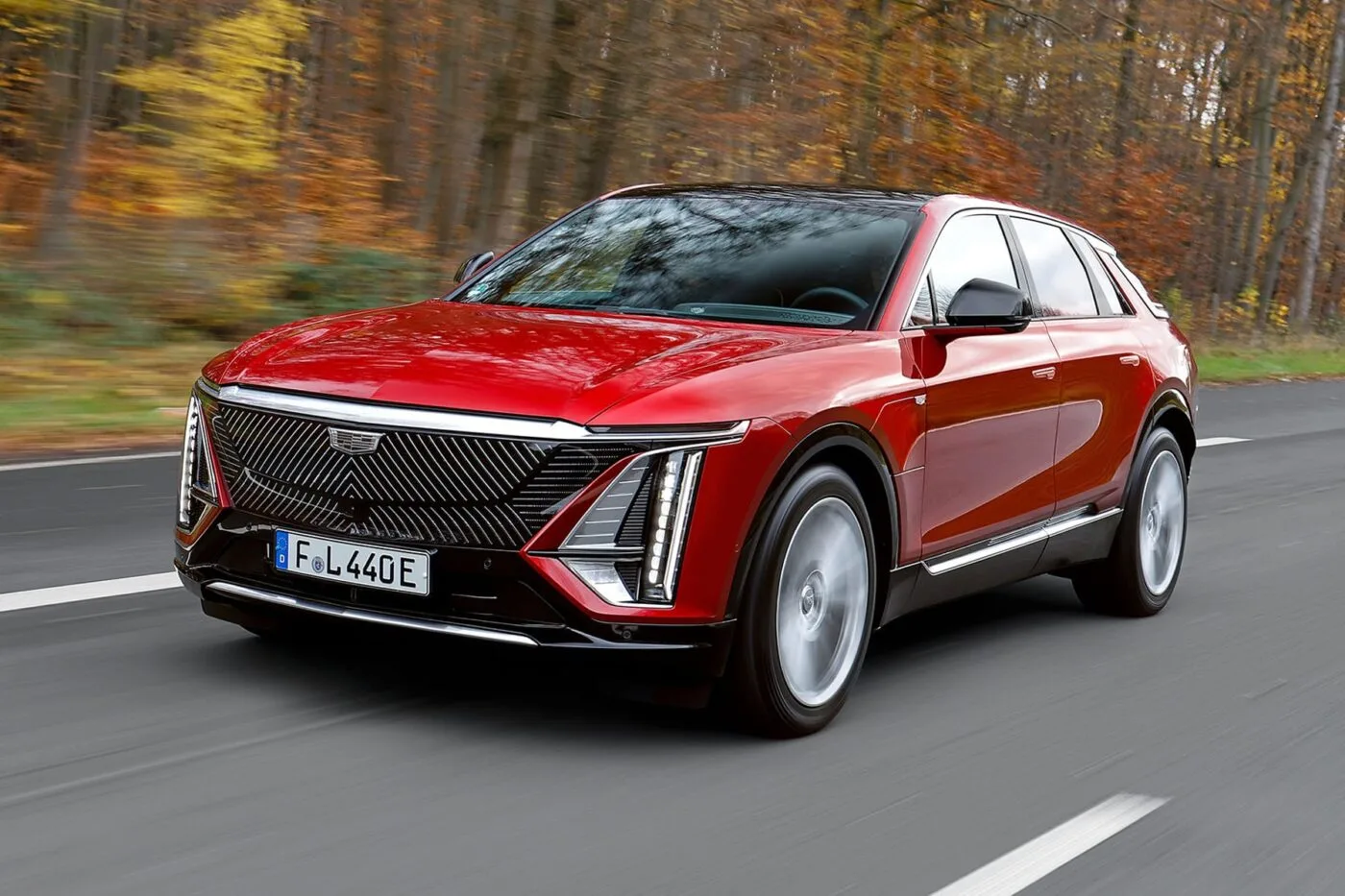
All-wheel drive is available and effective. It uses a second motor for extra grip. On snow-packed streets, it feels sure-footed. The ride is calm and quiet.
The battery pack sits flat under the cabin. This lowers the center of gravity. It also forms a wide, low surface. Hard ridges can hit that surface. The Lyriq does not offer an adjustable air suspension. Fixed height means no extra lift. Drivers in heavy snow belts will notice. A simple plow ridge can stop it.
Where does it work? Cleared roads, highways, and moderate snow are fine. Its size makes it stable in a storm. Where does it fail? Deep drifts and unplowed driveways are the danger. Past six or seven inches of fresh snow, it can get stuck. Verdict: a comfortable, quiet luxury SUV with only borderline clearance. It suits plowed regions better than rural ones.
8. Audi Q4 e-tron (about 7.1 inches)
The Audi Q4 e-tron closes this list with the highest clearance here. Databases list it at about 7.1 inches. That is better than the others on this list. It still falls short of the 8-inch guide.
The Q4 is compact and tidy. It is about four inches shorter than the Kia EV6. That shorter length helps on tight, snowy roads. It also reduces the risk of high-centering.
Quattro all-wheel drive uses two motors. It splits torque quickly between axles. On packed snow, it feels confident. On ice, it stays composed. Audi also offers a Sportback version. It has a sloped roofline. The clearance figure is the same. The extra style adds nothing for snow.
The Q4 uses a flat battery floor. Like most EVs, it has no ladder frame. A ridge of packed snow can still catch the underbody. The nose can also push snow in front.
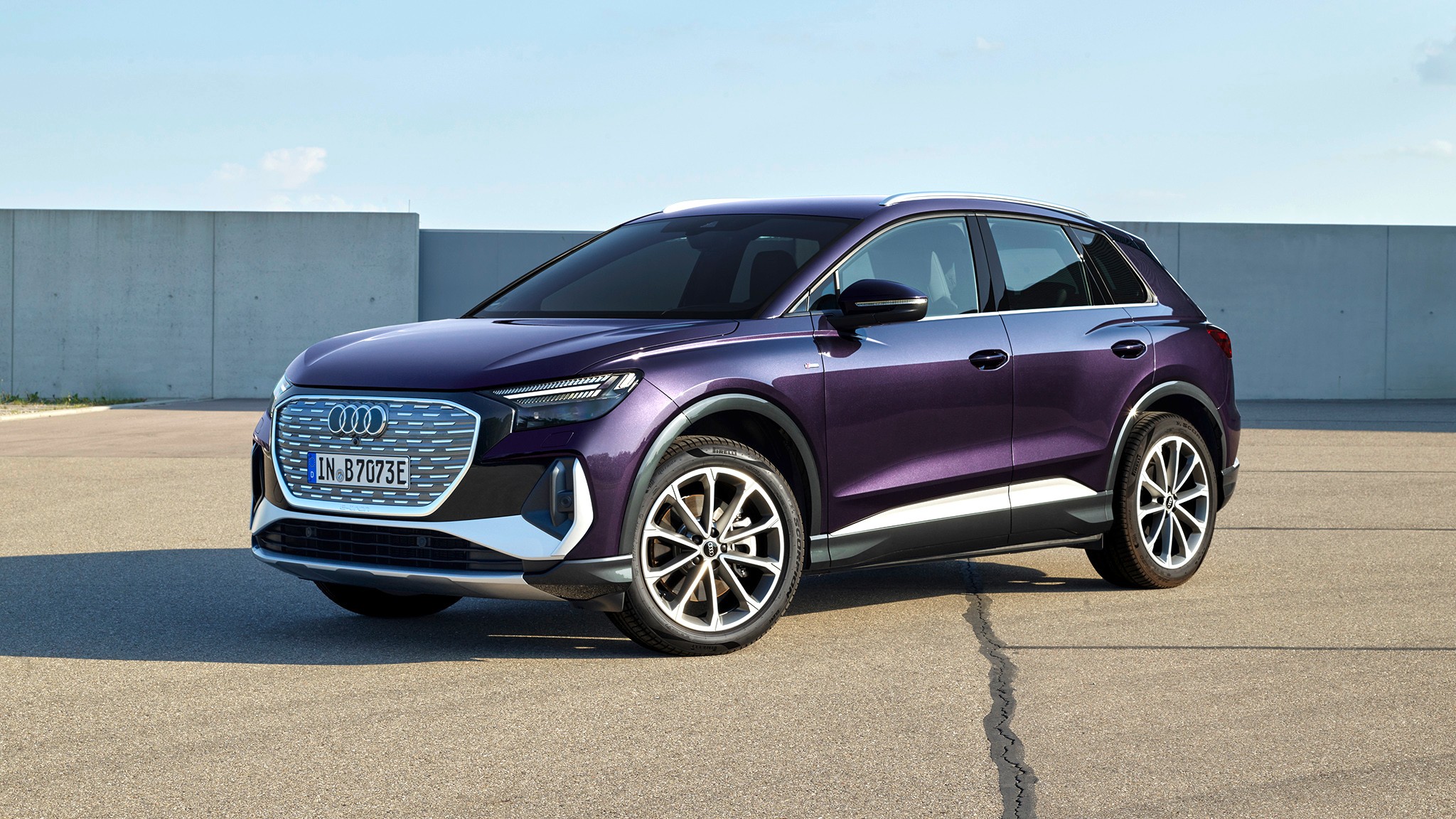
Seven inches handles moderate snow. It manages four to six inches of fresh powder. Beyond that, the floor begins to drag. Wet, heavy snow is harder than dry powder.
Winter tires are the best upgrade. They improve grip more than any drive mode. Narrower tires also cut through snow better than wide ones. Ask for a winter set on smaller wheels.
Where does it work? Plowed suburbs, city streets, and mild winters are fine. Its small size makes parking easy in snowy lots. Where does it fail? Unplowed rural roads and deep drifts are tough. A foot of snow will likely stop it. Verdict: the best of this group, yet still short on height. It suits drivers who see snow but not deep snow.