
Modern cars are more advanced than ever, blending safety, convenience, and luxury into a single machine. Features that once belonged exclusively to high-end vehicles have now become standard across many segments in the United States.
While this shift has made driving safer and more comfortable, it has also introduced a new reality for car owners: repairs are no longer simple or cheap. What used to be a straightforward fix now often involves complex electronics, specialized tools, and precise calibration procedures.
For American drivers, this becomes particularly important once a vehicle falls out of warranty. A minor accident, electrical fault, or component failure can quickly turn into a repair bill that rivals a monthly car payment.
Many of these modern features are deeply integrated into a vehicle’s systems, meaning one failure can affect multiple components at once. Labor costs in the U.S., combined with expensive parts and dealership-level diagnostics, further drive up repair expenses.
Advanced Driver Assistance Systems (ADAS)
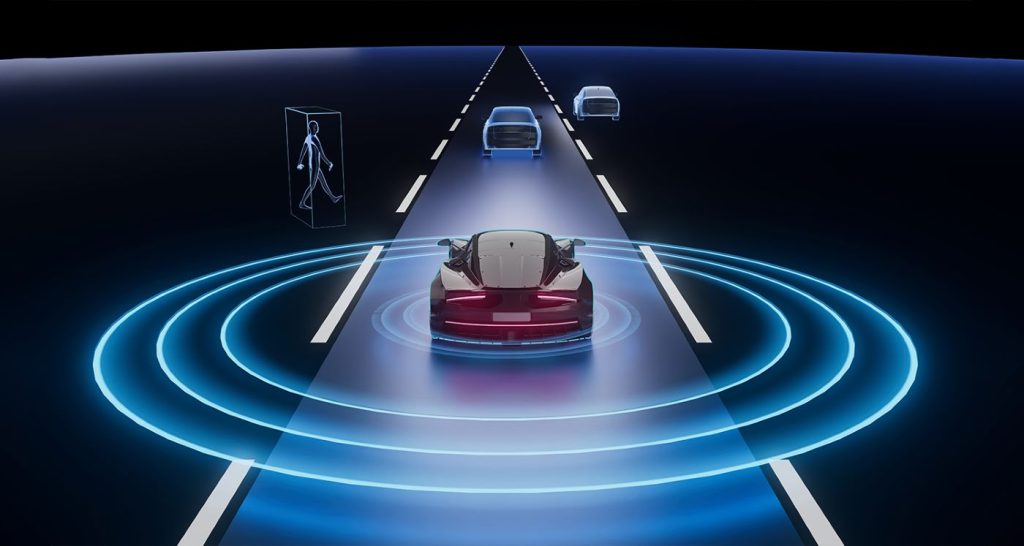
Advanced Driver Assistance Systems (ADAS) bundle together a network of cameras, radar sensors, ultrasonic detectors, and control modules designed to enhance safety and reduce driver workload.
Features such as adaptive cruise control, lane-keeping assist, automatic emergency braking, blind-spot monitoring, and parking assist all fall under the ADAS umbrella. While these systems are marketed as convenience and safety upgrades, they introduce a layer of technical complexity that can become expensive once the vehicle is out of warranty.
A key reason ADAS repairs often approach or exceed $2,000 is the reliance on precision-calibrated sensors. Even a minor collision, windshield replacement, or bumper repair can disrupt sensor alignment.
For example, forward-facing cameras mounted behind the windshield must be recalibrated using specialized equipment and controlled environments.
Similarly, radar modules embedded in the front grille or bumper require exact positioning to function correctly. Calibration is not optional, as improper alignment can compromise safety features, leading to false alerts or system failures.
Parts themselves are costly. A single radar sensor or camera module can range from several hundred to over a thousand dollars, depending on the vehicle make and model.
Labor adds another significant portion, as technicians must follow manufacturer-specific procedures and use proprietary diagnostic tools. In many cases, dealerships or certified repair centers are the only viable options, limiting competitive pricing.
Software integration further complicates repairs. ADAS components communicate with multiple control units across the vehicle’s network. Replacing one sensor often requires software updates, coding, or system resets to ensure compatibility. This level of integration increases both repair time and the likelihood of additional costs if multiple components are affected.
Adaptive LED and Laser Headlights
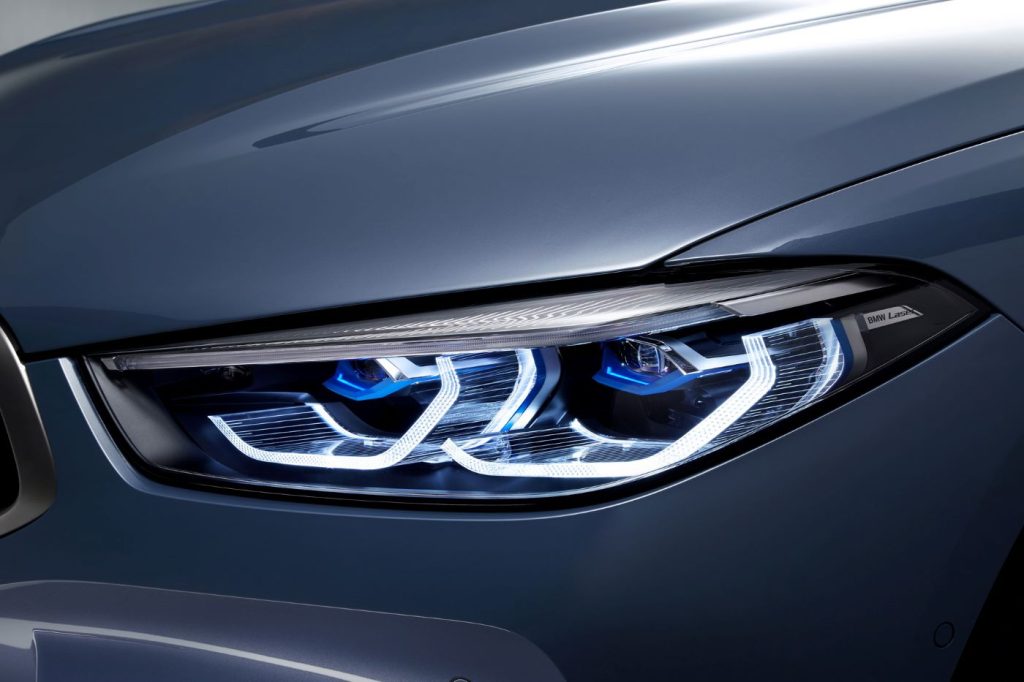
Adaptive LED and laser headlights represent a significant leap beyond traditional lighting systems, using advanced electronics and precision optics to improve nighttime visibility. These systems actively adjust beam direction, intensity, and range based on steering input, vehicle speed, and surrounding traffic conditions.
In higher-end configurations, laser-assisted high beams extend illumination hundreds of meters ahead, offering exceptional clarity on dark roads. While the performance benefits are clear, the underlying complexity makes these headlights one of the more expensive modern features to repair once warranty coverage ends.
Unlike conventional halogen bulbs, adaptive systems rely on multiple components working in coordination. Each headlight unit typically includes LED matrices or laser modules, stepper motors for directional movement, control units, and sensors that monitor road conditions.
When the driver turns the wheel, the headlights pivot to follow the curve, improving visibility through corners. Some systems also selectively dim portions of the beam to avoid blinding oncoming traffic while maintaining high-beam coverage elsewhere. This level of functionality requires precise calibration and seamless communication between hardware and software.
Repair costs climb quickly because most issues cannot be resolved by simply replacing a bulb. If an LED matrix fails or a laser module malfunctions, the entire headlight assembly often needs replacement.
These assemblies are sealed, highly specialized units that can cost well over $1,000 per side, even before labor is factored in. In many cases, both headlights must be recalibrated after replacement to ensure proper alignment and compliance with safety standards.
Damage from minor accidents is another common trigger for expensive repairs. A small front-end collision or even debris impact can misalign internal components or crack the housing, compromising performance. Moisture intrusion can also damage sensitive electronics inside the unit.
Because these headlights integrate tightly with the vehicle’s onboard systems, repairs frequently require manufacturer-specific diagnostic tools and software programming, adding further cost.
Head-Up Display (HUD) Systems
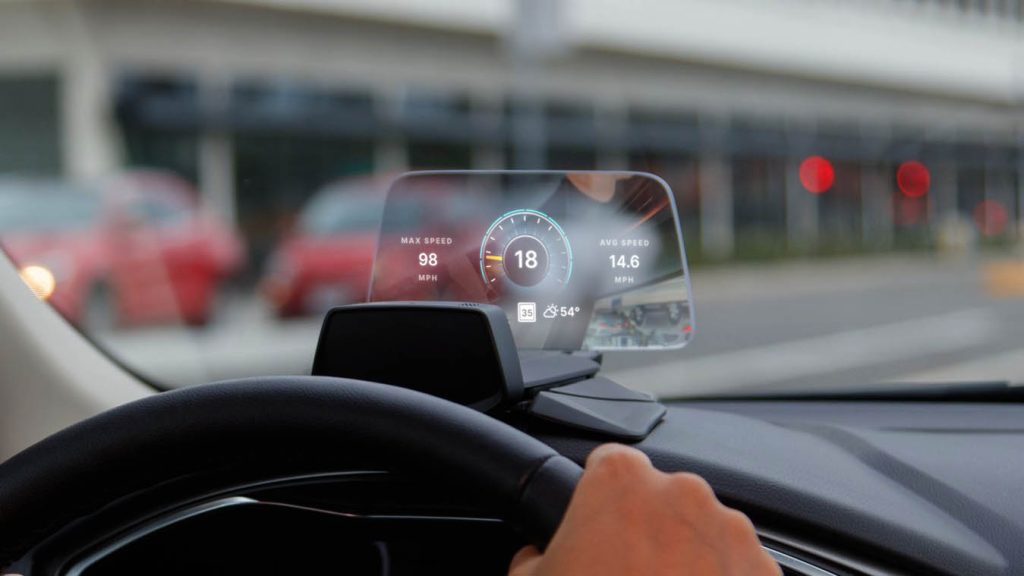
Head-Up Display (HUD) systems project critical driving information directly onto the windshield or a dedicated transparent screen, allowing drivers to monitor speed, navigation prompts, and safety alerts without taking their eyes off the road.
Once limited to luxury vehicles, HUD technology is now increasingly common across mid-range models. Despite its convenience and safety benefits, it is also one of the more expensive modern features to repair once the vehicle is out of warranty.
At its core, a HUD system consists of a projector unit, a series of mirrors, and a specially treated windshield or combiner surface. The projector generates a high-resolution image, which is then reflected and adjusted to appear as if it is floating ahead of the driver.
Maintaining this illusion requires precise alignment between optical components. Even slight disruptions can distort the display, making it blurry, misaligned, or difficult to read in varying lighting conditions.
One of the primary cost drivers is the integration between the HUD and the windshield. Many vehicles use windshields with a special reflective coating designed specifically for HUD projection. If the windshield is replaced with a non-compatible version, the display may appear doubled or ghosted.
This means that even a routine windshield replacement can become significantly more expensive if HUD compatibility is required. In some cases, the cost of a proper replacement windshield alone can approach four figures.
The projector unit itself is another expensive component. Failures within the unit, whether due to internal electronics, overheating, or optical degradation, typically require full replacement rather than repair.
These units are tightly integrated with the vehicle’s onboard systems, meaning installation often involves software calibration and reprogramming to ensure proper operation.
Camera-Based Windshield Systems
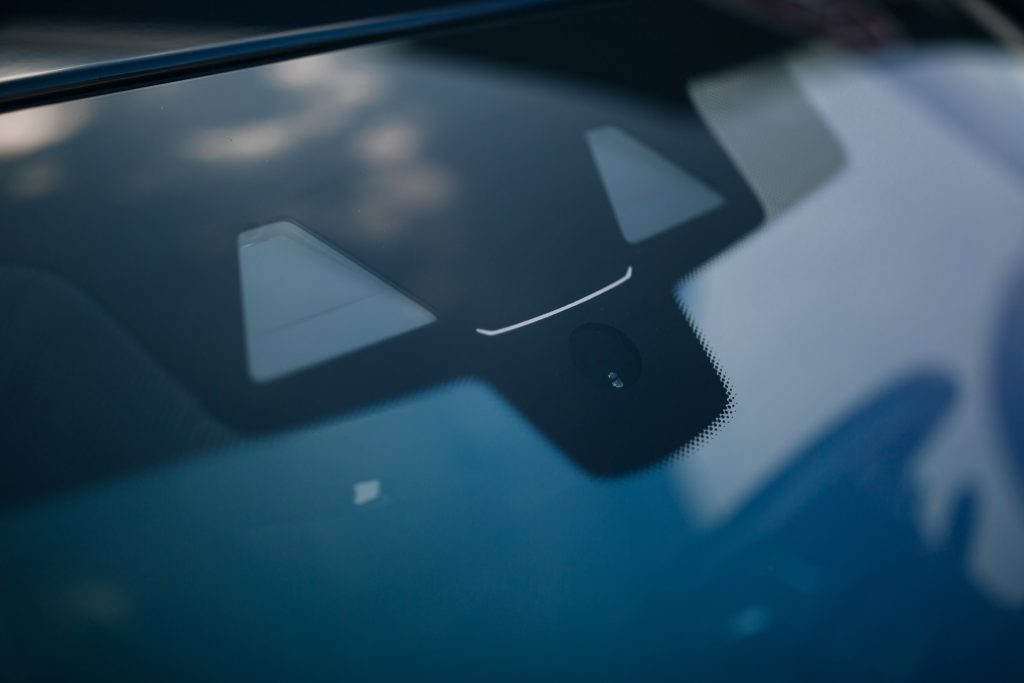
Camera-based windshield systems are a core part of modern safety technology, supporting features like lane departure warning, traffic sign recognition, automatic emergency braking, and adaptive cruise control.
These systems typically rely on forward-facing cameras mounted behind the windshield, positioned to maintain a clear, unobstructed view of the road. While they play a critical role in accident prevention, they are also one of the more expensive components to repair once a vehicle is out of warranty.
The primary cost factor lies in the system’s dependence on precision. The camera must be perfectly aligned with the vehicle’s geometry to interpret lane markings, distances, and objects accurately. Even a slight shift in positioning, whether from a minor accident, suspension changes, or windshield replacement, can disrupt functionality.
This makes recalibration mandatory after many types of repairs. Calibration requires specialized equipment, controlled lighting conditions, and manufacturer-specific procedures, all of which contribute to higher service costs.
Windshield design adds another layer of complexity. Vehicles equipped with camera-based systems often use glass with specific optical properties to ensure accurate image capture. Replacing the windshield with a standard aftermarket version can interfere with the camera’s ability to function correctly.
As a result, owners are often limited to OEM or certified glass, which can significantly increase replacement costs. When combined with recalibration, a seemingly routine windshield job can quickly approach or exceed $2,000.
The camera module itself is also a costly component. It integrates sensors, processors, and communication interfaces that connect with the vehicle’s broader driver assistance network.
If the unit fails due to electrical issues, moisture intrusion, or physical damage, replacement is typically required. This process often involves software updates or coding to ensure compatibility with other systems, further increasing both time and expense.
Environmental exposure contributes to long-term wear. Heat, humidity, and debris can affect both the camera housing and the adhesive mounts that secure it to the windshield. Over time, this can lead to misalignment or degraded performance, triggering warning messages that require professional inspection.
Labor costs are also higher than average. Accessing and servicing the camera unit may involve removing interior trim, mirrors, or sections of the dashboard. Technicians must then perform detailed calibration procedures to restore full functionality.
Massaging and Multi-Contour Seats
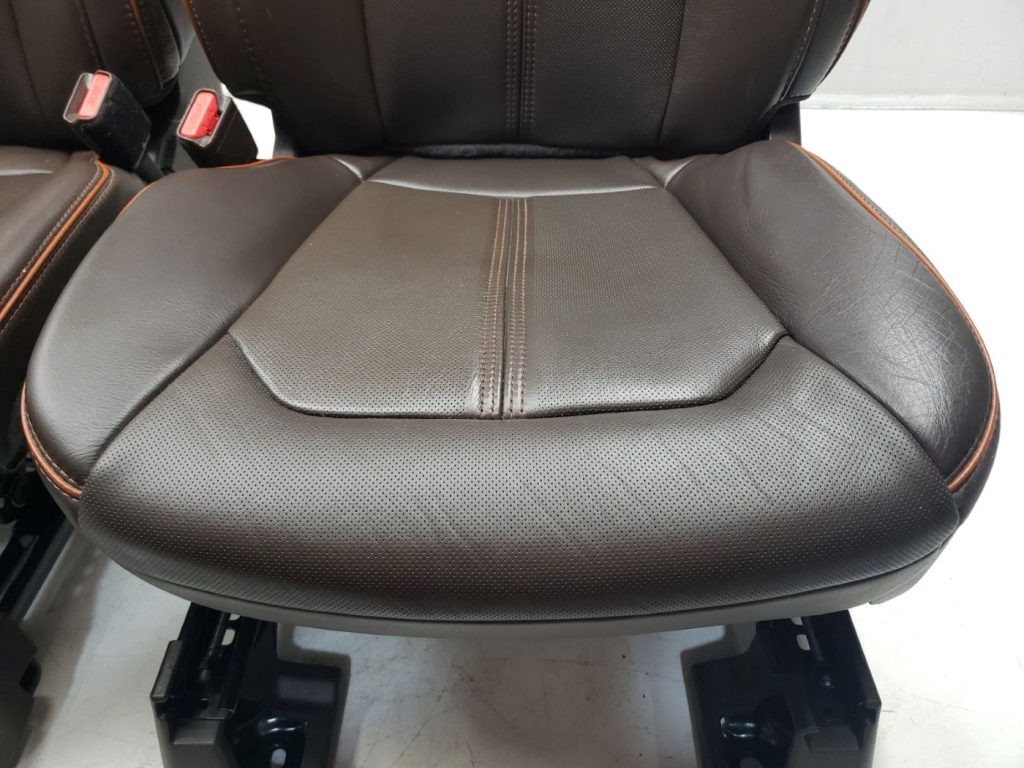
Massaging and multi-contour seats are designed to increase comfort, particularly on long drives, by combining ergonomic adjustability with active support systems.
These seats typically offer a wide range of customization, including adjustable bolsters, lumbar support in multiple directions, and built-in massage programs that use air bladders or small motors to simulate movement.
While they are often associated with premium vehicles, they have become increasingly common across higher trims in mainstream models. However, their complexity makes them one of the more expensive interior features to repair once the warranty expires.
Unlike standard power seats, multi-contour systems rely on a network of components working together. Air bladders embedded within the seat inflate and deflate to provide lumbar adjustment and massage functions, controlled by an onboard air pump and valve system.
In addition, multiple electric motors adjust seat position, side bolsters, and cushion tilt. All of these elements are managed through electronic control modules that communicate with the vehicle’s broader system. When any one of these components fails, diagnosing the issue can be time-consuming and technically involved.
The cost of replacement parts is a major factor. Air pumps, valve blocks, or internal bladders are not typically serviced individually in a simple way, especially if they are integrated deep within the seat structure.
In many cases, large sections of the seat, or even the entire seat assembly, may need to be replaced. Components such as control modules or motor units can also be expensive, especially in vehicles where these seats are tied into memory settings and user profiles.
Wear and tear is another issue. Constant use of massage functions places stress on air bladders and pumps, which can degrade over time. Leaks in the air system or failures in the pump can render the massage feature inoperative. Similarly, repeated adjustments can strain motors and wiring, leading to intermittent or complete loss of functionality.
Smart Side Mirrors with Sensors
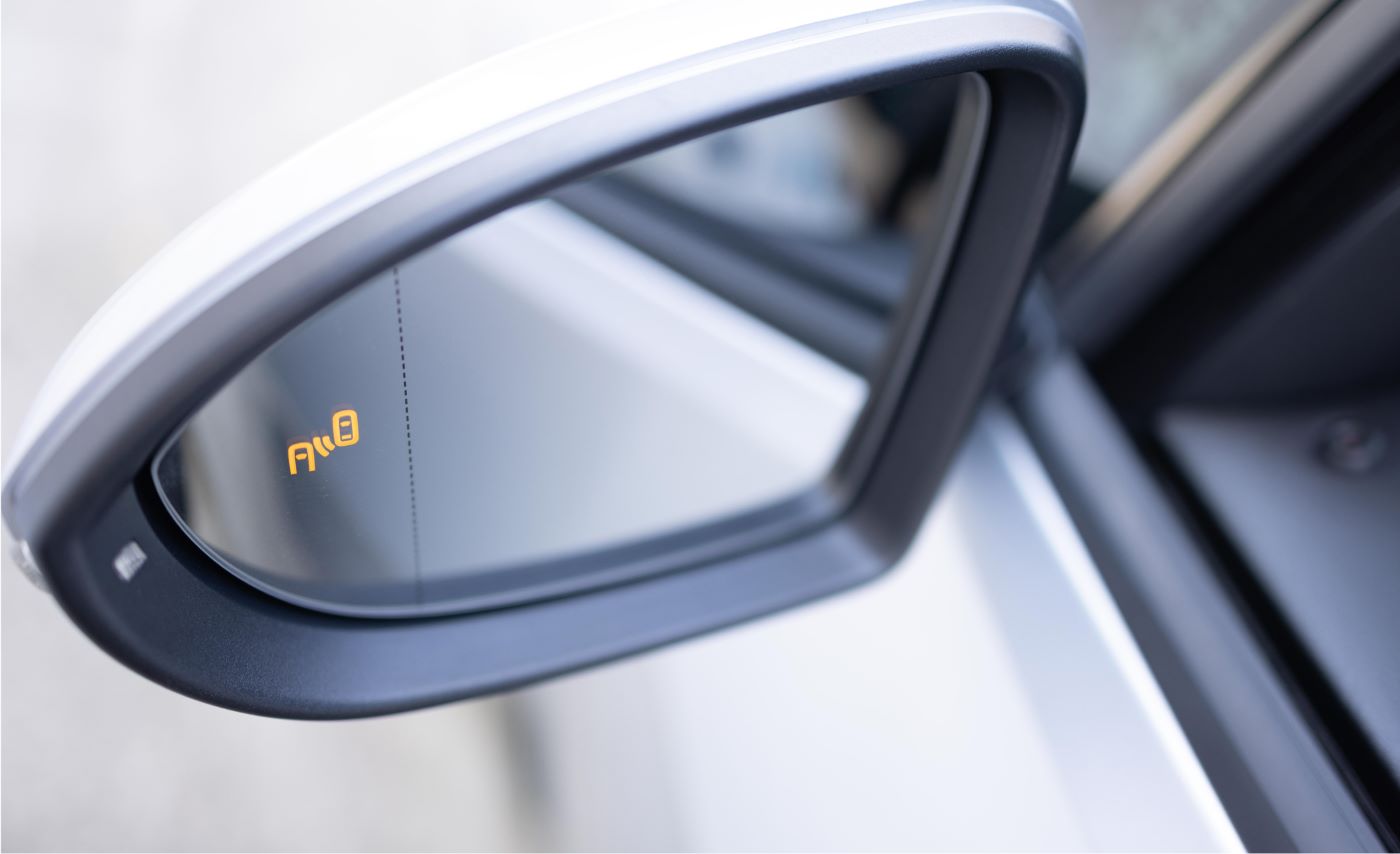
Smart side mirrors with integrated sensors have evolved far beyond simple reflective glass, incorporating advanced electronics to support safety and convenience features such as blind-spot monitoring, auto-dimming, power folding, heating, memory positioning, and in some cases, embedded cameras.
These systems are tightly integrated with the vehicle’s driver assistance network, making them significantly more complex and expensive to repair than traditional mirrors once warranty coverage expires.
At a hardware level, these mirrors house multiple components within a compact assembly. Radar or ultrasonic sensors detect vehicles in adjacent lanes, while cameras may feed surround-view or lane-change assist systems.
Additional elements such as heating grids, electrochromic glass for auto-dimming, and electric motors for adjustment and folding all operate within the same unit. This level of integration means that a failure in one function can often require replacement of the entire mirror assembly rather than a single part.
Sensor calibration is a major contributor to repair costs. If a mirror is damaged in a minor collision or even clipped while parked, the internal sensors can be knocked out of alignment.
Replacing or reinstalling the mirror typically requires recalibration using specialized diagnostic tools to ensure accurate detection of surrounding vehicles. Without proper calibration, systems like blind-spot monitoring may produce false warnings or fail to alert the driver altogether.
Parts pricing is another factor that drives costs upward. A fully equipped smart mirror assembly can cost hundreds to over a thousand dollars per side, depending on the vehicle and the number of integrated features.
If the mirror includes a camera system, costs increase further due to the added complexity and resolution requirements. Because these components are often model-specific, aftermarket alternatives may be limited or incompatible.
Parking Sensors and 360-Degree Camera Systems
Parking sensors and 360-degree camera systems are designed to simplify low-speed maneuvering by giving drivers a comprehensive view of their surroundings. Ultrasonic sensors embedded in the front and rear bumpers detect nearby objects, while multiple cameras positioned around the vehicle stitch together a bird’s-eye view displayed on the infotainment screen.
These systems are especially useful in tight urban environments, but their reliance on multiple interconnected components makes them surprisingly expensive to repair once the warranty expires.
The complexity starts with the number of parts involved. A typical setup can include four to eight ultrasonic sensors, along with cameras mounted in the front grille, rear hatch, and side mirrors.
Each of these components feeds data into a central control module that processes and combines the inputs into a seamless visual representation. If even one sensor or camera fails, the entire system’s functionality can be compromised, often triggering warning messages or disabling features altogether.
Component pricing adds up quickly. Individual parking sensors may seem relatively affordable, but replacing several at once, especially after minor bumper damage, can significantly increase costs.
Cameras are more expensive, particularly those with high-resolution imaging and wide-angle lenses required for accurate stitching. In many cases, these components are integrated into larger assemblies, meaning partial replacement is not always an option.
Calibration is another major cost driver. After replacing a camera or sensor, the system must be recalibrated to ensure accurate distance measurement and image alignment. This process requires specialized equipment, calibration targets, and a controlled environment. Without proper calibration, the 360-degree view may appear distorted, or distance warnings may become unreliable, undermining the system’s effectiveness.
Physical damage is a common cause of failure. Parking sensors are located in vulnerable areas of the bumper and can be affected by even low-speed impacts. Similarly, cameras positioned externally are exposed to dirt, moisture, and debris, which can degrade image quality or damage internal electronics over time. Water intrusion is a frequent issue that often necessitates full replacement of the affected unit.
Labor costs further increase the total repair bill. Accessing sensors or cameras typically requires removing bumper covers, trim pieces, or mirror housings. After installation, technicians must perform system checks, software updates, and calibration procedures.
Because these systems combine multiple sensors, cameras, control modules, and precise calibration requirements, repair costs can escalate quickly. It is not uncommon for parking sensor and 360-degree camera system repairs to approach or exceed $2,000 when handled outside of warranty coverage.
Electronic Air Suspension Systems
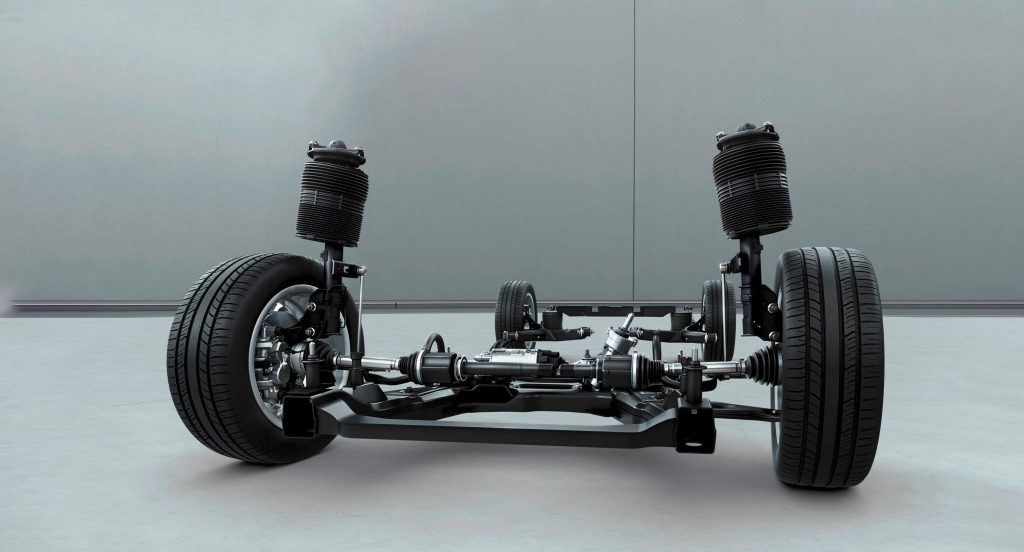
Electronic air suspension systems replace traditional steel springs with air-filled struts, allowing the vehicle to automatically adjust ride height and damping based on driving conditions.
Common in luxury sedans and SUVs, these systems improve ride comfort, handling stability, and off-road capability by adapting in real time. Drivers may also have manual control over ride height for easier entry, highway efficiency, or increased ground clearance. While the benefits are substantial, the system’s complexity makes it one of the most expensive features to repair once warranty coverage expires.
At the core of the system are air struts or air springs, which use pressurized rubber bladders instead of metal coils. These are supported by an air compressor, reservoir tank, valve block, ride-height sensors, and an electronic control module that continuously adjusts pressure levels.
Each component must operate in sync to maintain proper ride height and balance. A failure in any part of the system can lead to uneven suspension, warning messages, or the vehicle sagging at one corner.
Air struts are among the most failure-prone and costly components. Over time, the rubber bladders can develop cracks or leaks due to age, temperature changes, and road debris.
Once a leak forms, the compressor must work harder to maintain pressure, which can lead to premature compressor failure. Replacing a single air strut can cost a significant amount, and it is often recommended to replace them in pairs, quickly increasing the total expense.
The compressor and valve block also contribute to high repair costs. If the compressor burns out or the valve system fails to regulate air distribution correctly, the entire system’s functionality is compromised. These parts are not only expensive but also require precise installation and calibration to ensure proper operation.
Diagnostics and labor further drive up costs. Identifying leaks or electronic faults often requires specialized diagnostic tools and time-intensive inspection procedures. Technicians may need to disassemble suspension components, run pressure tests, and recalibrate ride-height sensors after repairs are completed.
The underlying theme across all these features is integration. Modern vehicles are no longer collections of independent parts but interconnected systems that rely on sensors, software, and precise calibration.
This integration improves performance, safety, and convenience, but it also means that repairs are more complex and expensive. A single damaged component can trigger a cascade of issues, requiring multiple systems to be inspected, repaired, and recalibrated.
For U.S. drivers, this reality underscores the importance of understanding the long-term costs of vehicle ownership. Extended warranties, insurance coverage, and careful maintenance can help mitigate some of these expenses, but they cannot eliminate them entirely.
As automotive technology continues to advance, repair costs are likely to rise even further, making it essential for buyers to consider not just the purchase price of a vehicle, but also the potential cost of keeping it on the road.
In the end, modern features offer undeniable benefits, from enhanced safety to improved comfort. However, they come with a trade-off that becomes most apparent when something goes wrong.
Once the warranty expires, these advanced systems can quickly turn from conveniences into costly liabilities, reminding drivers that innovation often comes at a price.
