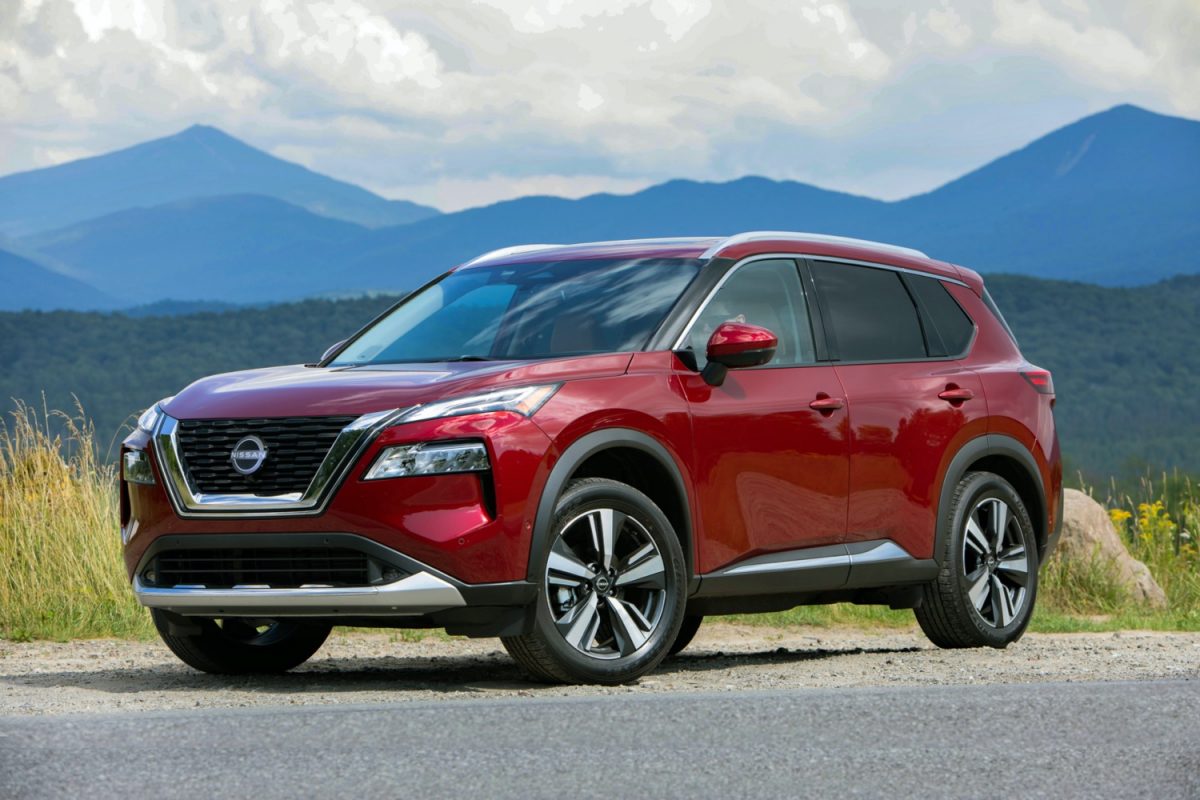
Nissan Rogue is entering a new phase for the 2027 model year, and this time the focus is not just on design updates but on a fundamental shift in how the vehicle is powered.
For years, Nissan has largely avoided offering traditional hybrids in the U.S., leaving it at a disadvantage in a market increasingly dominated by electrified crossovers. Now, the company is addressing that gap with the introduction of the Rogue Hybrid E-Power, a model that brings a distinctly different approach to hybrid technology.
The headline change is the adoption of Nissan’s E-Power system, marking its first appearance in the U.S. Unlike the parallel hybrid setups used by competitors such as the Toyota RAV4 and Honda CR-V, the Rogue’s system operates as a series hybrid.
In this configuration, the gasoline engine does not directly drive the wheels. Instead, it functions solely as a generator, producing electricity that powers the electric motors responsible for propulsion.
This distinction has significant implications for how the vehicle behaves on the road. Because the wheels are driven entirely by electric motors, the driving experience is designed to resemble that of an electric vehicle, with smoother and more immediate power delivery.
At the same time, the presence of a gasoline engine eliminates the need for external charging, positioning the Rogue as something akin to an extended-range EV without a plug.
Nissan says fuel economy will exceed 40 mpg, placing the Rogue firmly in competition with established hybrid leaders in the segment. This is a critical benchmark, as efficiency remains one of the primary drivers of consumer adoption in the hybrid space.
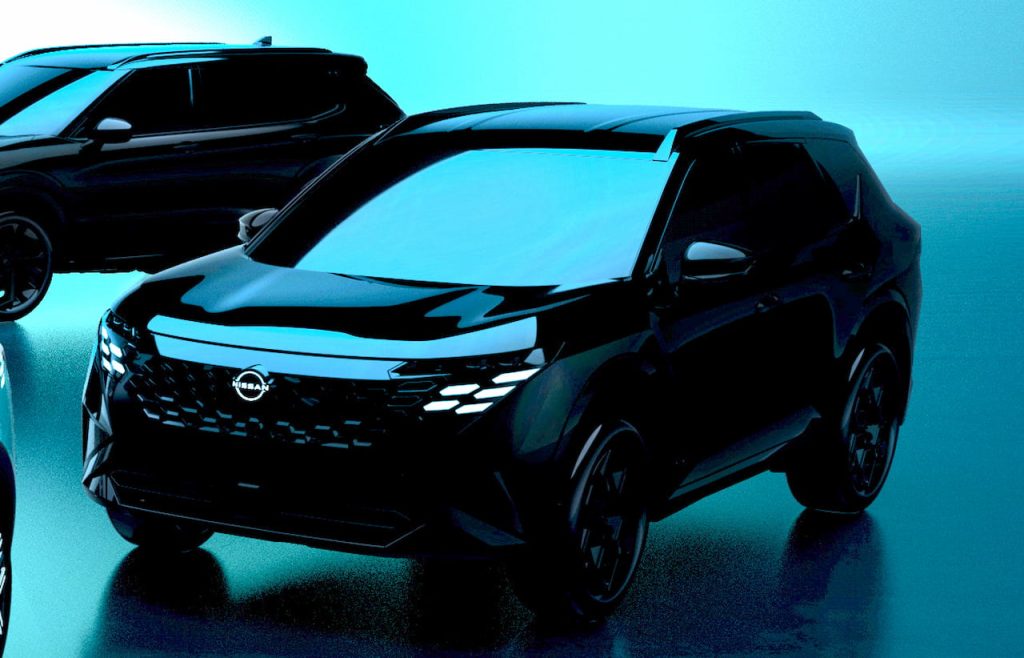
Beyond the powertrain, the 2027 Rogue introduces a refreshed design that builds on the current model while adding sharper, more angular styling cues. The front end, in particular, reflects elements seen in newer Nissan models, giving the crossover a more modern and distinctive appearance without straying too far from its established identity.
The timing of this launch is notable. As electric vehicle growth shows signs of slowing, demand for hybrids has accelerated, creating an opportunity for automakers that can offer efficient alternatives without requiring a full transition to battery electric vehicles. Nissan’s decision to prioritize a hybrid-first approach for the Rogue suggests a strategic recalibration aimed at capturing that demand.
Initially, the 2027 Rogue will be offered as a hybrid, with a conventional gasoline version expected to follow later. This rollout strategy underscores the importance Nissan is placing on electrification, even as it maintains flexibility for buyers who may not be ready to fully embrace hybrid technology.
In a broader context, the Rogue’s transformation reflects a larger shift within Nissan’s product strategy. By introducing a unique hybrid system that emphasizes electric driving characteristics without the constraints of charging infrastructure, the company is attempting to differentiate itself in a crowded segment.
Whether this approach resonates with buyers will depend on execution. The concept is compelling on paper, offering a blend of efficiency, familiarity, and EV-like performance. But in a segment defined by strong incumbents, the Rogue will need to deliver not just innovation, but consistency and reliability, to establish itself as a credible alternative.