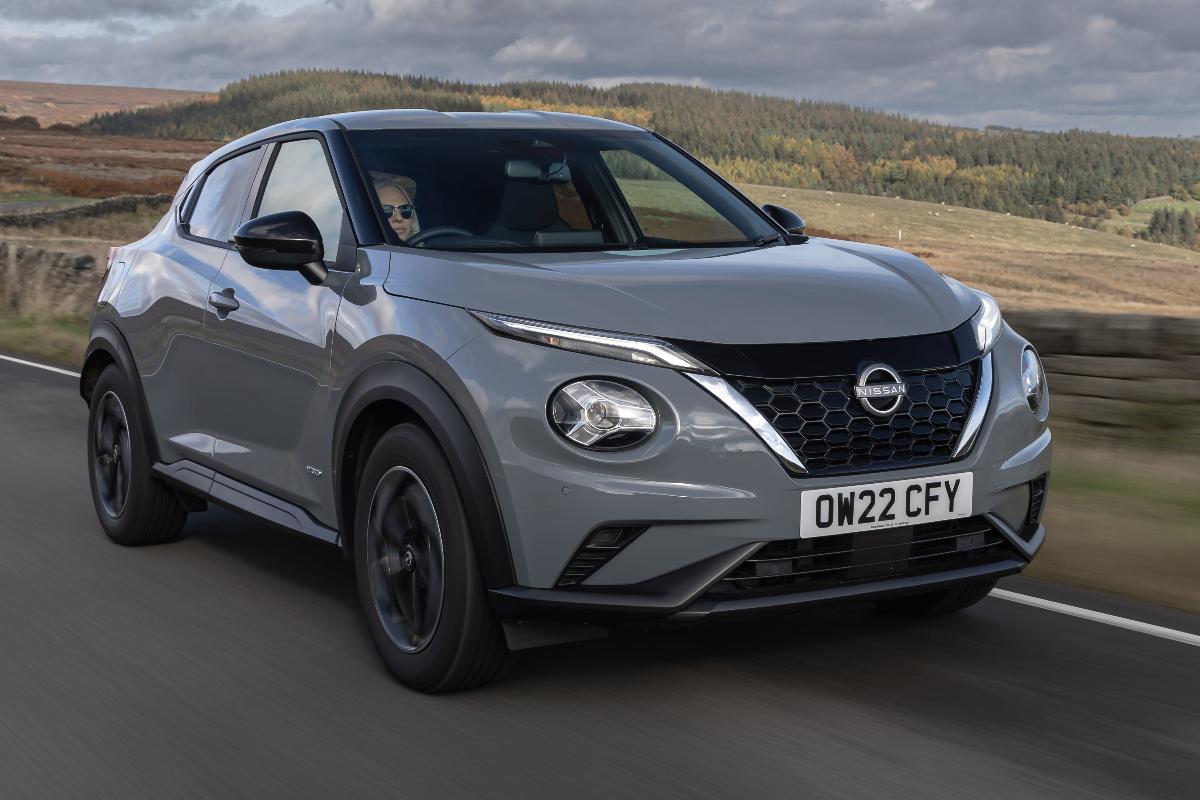
Nissan is preparing to take one of its most distinctive models in a new direction. The Juke, long known for its unconventional styling and niche appeal, is set to return as a fully electric vehicle, marking a significant shift in the crossover’s identity.
The move is part of a broader strategy by Nissan to expand its electric lineup, particularly in Europe where stricter emissions regulations and growing EV adoption are reshaping the market. By electrifying the Juke, Nissan is not just updating a model, but repositioning it within a rapidly evolving segment.
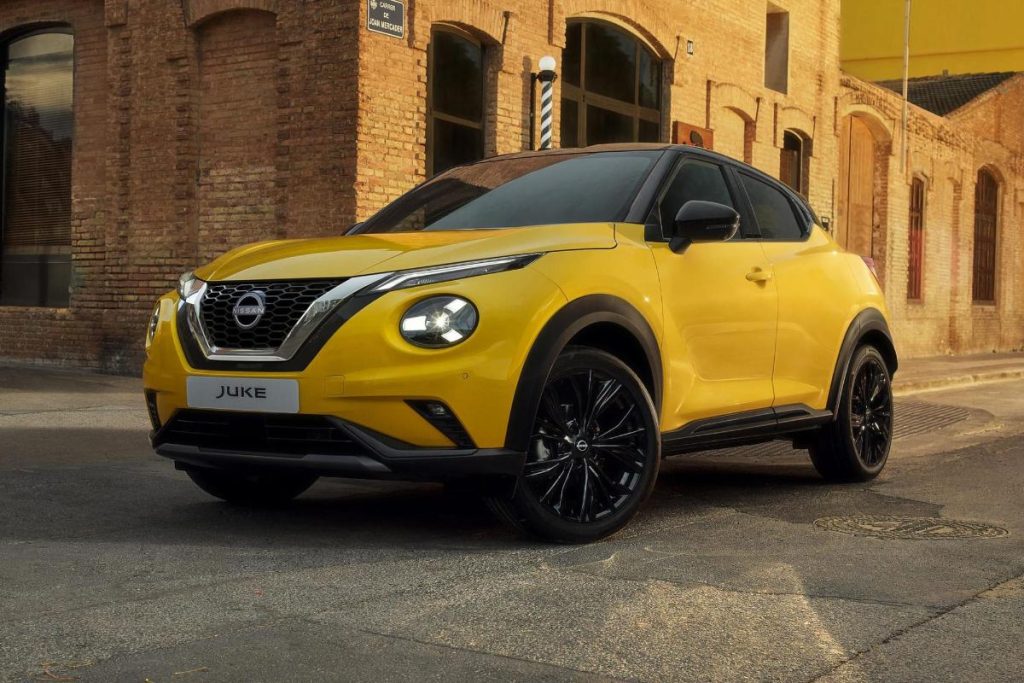
Visually, the upcoming Juke EV takes clear inspiration from the Hyper Punk concept, adopting a more angular and futuristic design language. Sharp lines, geometric surfaces, and a more aggressive stance replace the rounded, quirky proportions of earlier generations. While the original Juke stood out for its unconventional look, the new version appears intent on making a more deliberate and modern statement.
Underneath the design changes, the Juke EV is expected to ride on a dedicated electric platform shared with other models within the Renault-Nissan-Mitsubishi Alliance. This architecture is designed to support improved efficiency, better packaging, and competitive range figures, aligning the Juke with current expectations for compact electric crossovers.
Although detailed specifications have yet to be confirmed, the shift to a fully electric powertrain suggests a driving experience that prioritizes smoothness and responsiveness. Instant torque delivery and quieter operation are likely to redefine how the Juke feels on the road, moving it closer to the broader characteristics associated with EVs.
The timing of this transition is notable. As automakers accelerate their electrification plans, smaller crossovers are becoming a key battleground. These vehicles combine practicality with urban-friendly dimensions, making them well-suited for electric adoption, particularly in densely populated regions.
For Nissan, the challenge will be maintaining the Juke’s identity while adapting it to a new technological framework. The original model carved out a niche by embracing bold, sometimes polarizing design choices. Translating that distinctiveness into an electric format without alienating existing fans will require careful balance.
At the same time, the competitive landscape has become more crowded. Established players and new entrants alike are introducing electric crossovers aimed at similar buyers, each offering their own mix of range, technology, and design. The Juke EV will need to differentiate itself not just through styling, but through overall execution.
Nissan’s decision to electrify the Juke reflects a broader industry trend, where legacy nameplates are being reimagined for an electric future. Rather than introducing entirely new models, automakers are increasingly leveraging familiar brands to ease the transition for consumers.
Whether this approach succeeds will depend on how convincingly the Juke EV can merge its past identity with modern expectations. If executed well, it could reinforce the model’s reputation for standing apart from the mainstream, this time in an entirely new context.